
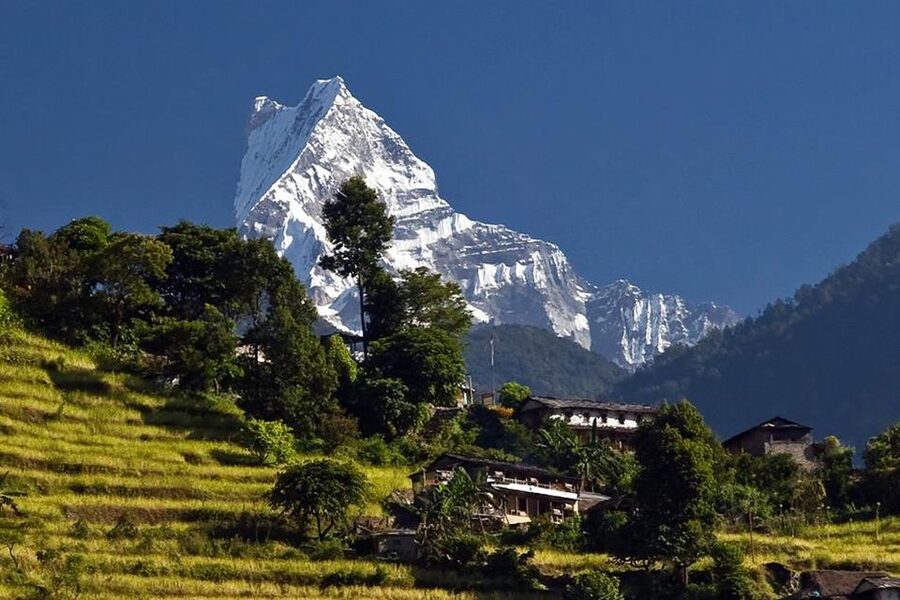
Reviewed · AUSTRALIAN CAMP & DHAMPUS HIKES
Australian Base Camp Day Hike From Pokhara
Australian Camp gives you a fine Himalayan payoff without asking you to spend several nights on the trail. From Kande, you climb through forest and village paths to a viewpoint facing the Annapurna mountain range, then descend through Dhampus before returning to Pokhara the same day.
I like two things here: the private pickup and guide, which remove much of the day’s fuss, and the chance to see everyday village life rather than only mountain scenery. The main caution is simple: this is not a gentle stroll. The uphill route includes many steps, and one hiker found the climb and steep descent tiring from start to finish.
Key points to know before you book
- A real uphill hike: Expect roughly 2 to 3 hours of climbing, with long sections of steps.
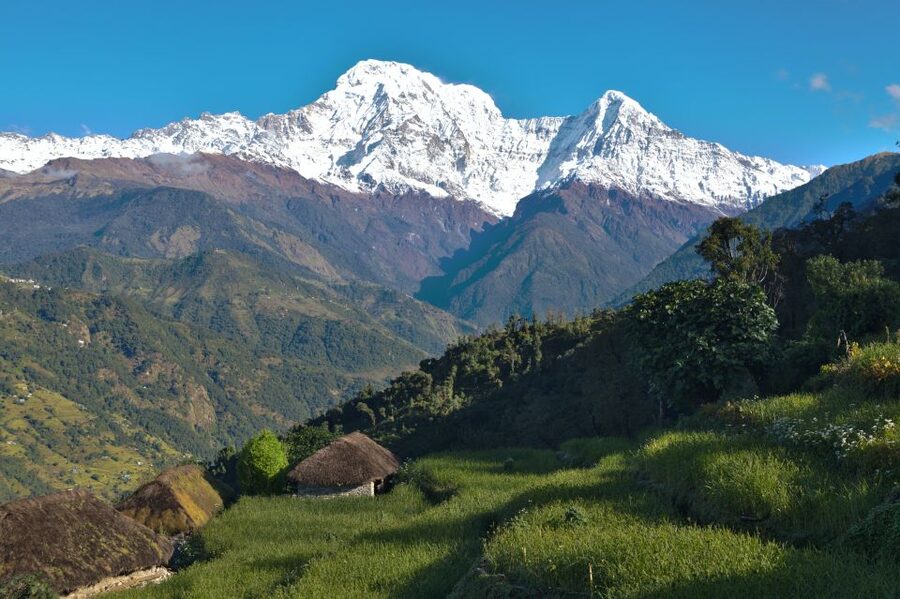
- Annapurna views from Australian Camp: The reward is a broad mountain panorama once you reach the top.
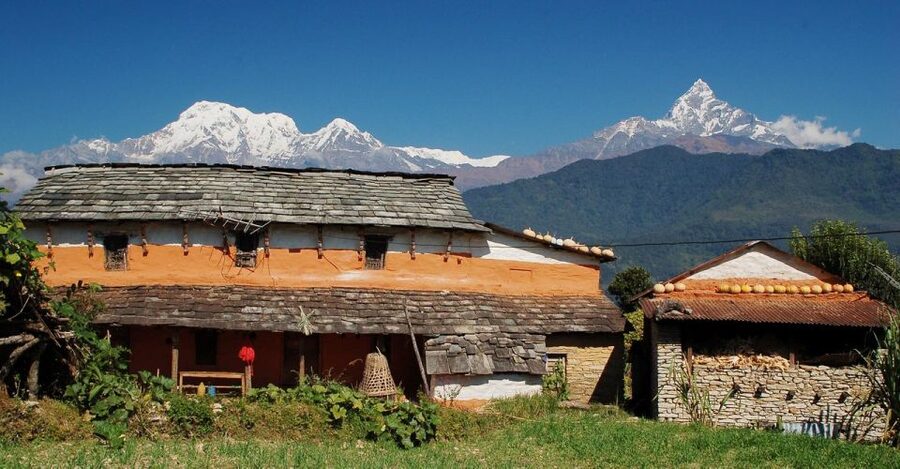
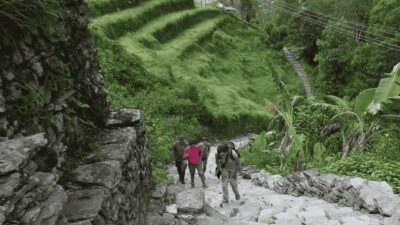
- Village route through Dhampus: The return passes terraced fields, forest, and local homes.
- Private transport from Pokhara: Pickup and drop-off are included, with an air-conditioned vehicle.
- A guide who can adjust the day: Guides including Bidur, Paras, Sandesh, Pujan, and Pajan have been praised for patience and flexible pacing.
- Good value at $39: The price includes transport, bottled water, an English-speaking guide, and the Australian Camp admission fee, but not food or drinks.
Why Australian Camp works as a one-day mountain outing
Pokhara is an easy place to enjoy from the lakeside, but the Annapurna foothills begin close by. This hike lets you trade a morning of cafés and boat rides for a proper mountain path, then return to town before night.
The attraction is not only the viewpoint. You get a compact sample of the region: forest, steep stone steps, small settlements, terraced farmland, and a guide who can explain what you are seeing. You are not committing to a long trek with overnight bags, porters, or several days of uncertain weather.
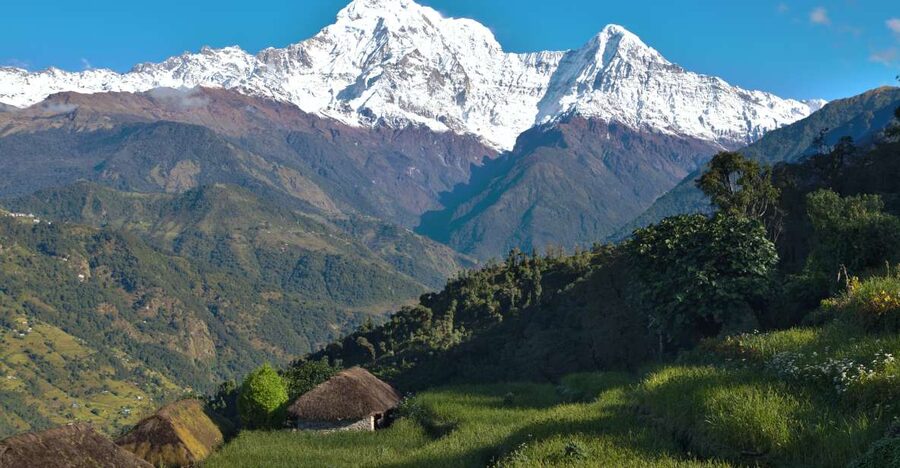
At Australian Camp, the reward is the view across the Annapurna range. The exact clarity depends on conditions, so you should not treat the mountain panorama as guaranteed every day. Still, the route gives you worthwhile scenery even when clouds cover the peaks, especially along the forest and village sections.
The schedule is sold as an eight-hour experience. The uphill and downhill portions are described as taking about 2 to 3 hours each, while the more detailed schedule lists about 1.5 hours around the trailhead and Dhampus stops. In practice, allow the full day. Your pace, breaks, photographs, and road conditions can all affect the timing.
More overnight hikes near Pokhara:
- 2-Day Private Trekking Tour to Australian Camp & Dhampus
★ 5.0 · 42 reviews - 1-Day Private Dhampus Trekking Tour
★ 5.0 · 35 reviews - Pokhara: Easy Day Hike to Australian Camp & Dhampus Village
★ 5.0 · 24 reviews
From Pokhara to Kande by private car
The day begins with pickup from your hotel in Pokhara. Airport pickup is also available, which can be useful if you are arriving early and want to go straight into the hills, though you will want to consider how you feel after a flight before committing to a strenuous walk.
A private, air-conditioned vehicle takes you toward Kande, the trailhead. This is a practical part of the outing. You do not have to work out a separate taxi arrangement or find your way through unfamiliar roads, and your guide joins you from the start.
Bottled water is included. Food and drinks beyond that are not, so you should plan for your own meal and snacks. The timing also makes breakfast important. The climb is much easier to manage if you begin with enough food and water in you.
The price is $39 per person. For a private group, that is a strong value if you want transport, a guide, water, and the entrance fee handled together. It is less attractive if you are only seeking a short viewpoint stop by car, because the real value here comes from the walking and the personal guiding.
Climbing from Kande through forest and steps
The hike begins at Kande and heads uphill toward Australian Camp. The route passes through forest and villages, with the character of the walk changing as you gain height.
You should prepare for a steady climb rather than a flat country walk. One important practical point is the number of steps. A German hiker found that the first part involved about 1.5 hours of almost constant stair climbing, while the return was relatively steep downhill. That is the clearest warning in the available feedback, and you should take it seriously.
The route can be manageable for someone without much hiking experience, but manageable does not mean effortless. Several people were able to complete it with a guide who adjusted the speed and rest stops. If you are new to mountain walking, tell your guide early that you need a slower pace. The private format makes that easier than joining a large fixed-speed group.
This section is also where the guide adds real value. Bidur was praised for supporting hikers during harder moments and matching the pace and breaks to their ability. Sandesh was also noted for speaking very good English and explaining local culture, people, and the surrounding area. These details matter because a quiet guide can leave a steep climb feeling like a long workout, while an attentive one can turn each rest into a useful part of the day.
You will have time for photographs along the way. The path itself offers changing views of forest, fields, and village life, so you do not need to wait for the summit to get something from the walk.
Australian Camp and the Annapurna panorama
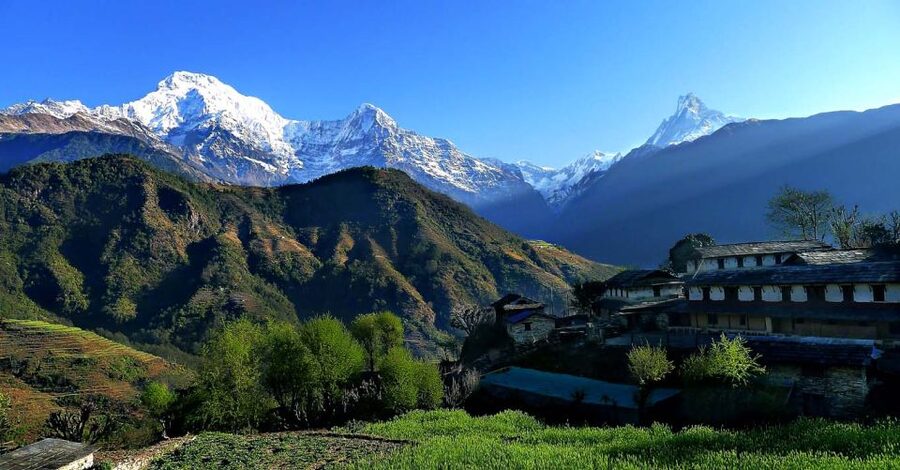
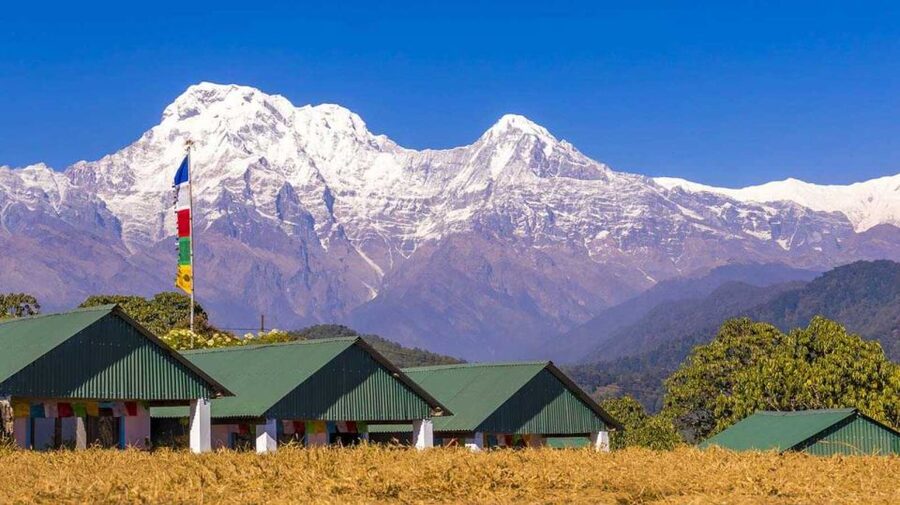
Australian Camp is the high point of the outing and the main reason to accept the climb. Once you reach the viewpoint, you can rest, take photographs, and look across the Annapurna range.
The appeal is scale. After moving through trees and built-up village paths, you reach a more open mountain setting with a broad view. On a clear day, the peaks provide the dramatic moment promised by the trip. On a cloudy day, the viewpoint still gives you a pause above the route, but the mountain views may be partial.
Your guide can help you understand what you are seeing, though the depth of explanation may vary by guide. Pujan was praised for explaining the mountains and the area, while another hiker found the guide offered very little information. If learning about geography and local life matters to you, ask questions as you go and make your expectations clear at the beginning.
Do not rush the stop. The viewpoint is where the physical effort makes sense, and you will want a little time to catch your breath before beginning the descent. The experience includes an Australian Camp entrance fee, which is already covered in the price.
Other walks you can do in a day from Pokhara:
- Pokhara: Annapurna Foothills Day Hike with Transfers
★ 5.0 · 100 reviews - Day Hike at Annapurna Foothills
★ 4.7 · 17 reviews - Pokhara: Guided Day Hike From Dampus To Australian Base Camp
★ 4.9 · 16 reviews - Pokhara: Annapurna Day Hike with Panoramic Views
★ 4.3 · 7 reviews
The descent through Dhampus village
After Australian Camp, the route heads down toward Phedi via Dhampus. The downhill portion takes roughly 2 to 3 hours, although the detailed schedule allows about 1.5 hours for the Dhampus section. Again, your actual time will depend on pace and breaks.
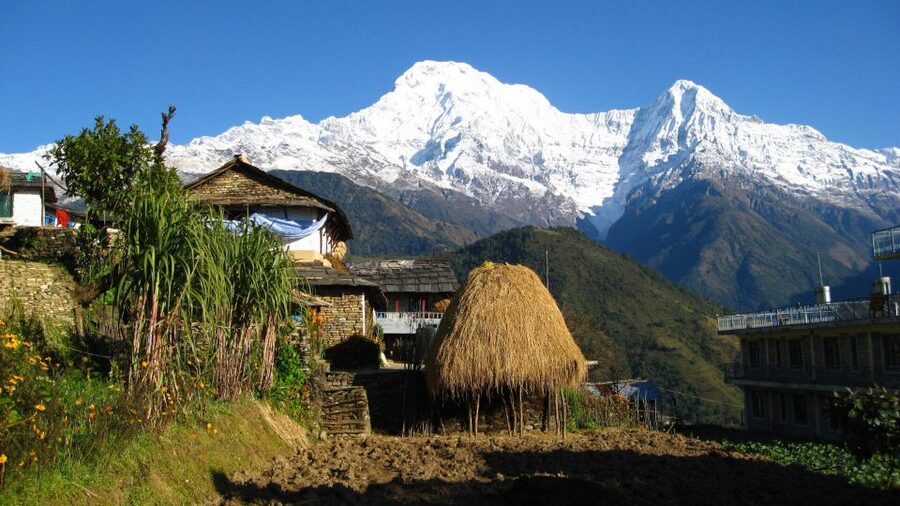
Dhampus gives the day a different feel from the viewpoint. You pass through a lived-in mountain village, with terraced fields, local homes, and paths where daily work continues around you. Your guide can explain local customs and help you interact politely with people you meet.
The descent is not automatically easy. Steep downhill sections can be hard on knees and thighs, especially after the climb. Use the time at Australian Camp to rest, and take the downhill route slowly. Good shoes matter here more than fashionable hiking clothes. The supplied details do not specify footwear requirements, but the steps and slopes make secure shoes a sensible choice.
One especially appealing detail came from a day with Bidur, who took his group to a local restaurant in Dhampus. They ate momo, including a filling with paneer, tomatoes, and onions. Food is not included, so this stop is not guaranteed as part of every departure, but Dhampus is a natural place to ask about a local meal if the timing works.
That kind of unscripted stop can add more to the day than another viewpoint. You get a taste of the region’s food and village life, not just a photograph from a trail.
Guides make the biggest difference
The guide is the most important variable in this experience. The strongest accounts describe guides who were punctual, encouraging, patient, and willing to change the pace.
Pujan helped a group with no previous experience and stayed patient when one person was ill with a fever. He encouraged the group toward its goal and checked on that person’s health afterward. Sandesh adjusted his pace on both the ascent and descent, gave cultural explanations, and even invited his group for tea at his home. Paras was described as helpful and polite, while Pajan was praised as a welcoming host.
These are useful signs of what a good day can feel like. You are not simply being led from one point to another. You can ask about the mountains, the villages, local customs, and the surrounding area, then let the guide decide when a pause makes sense.
Still, service may not be identical on every departure. One hiker found the guide too quiet and felt the route had little comfortable walking. I would treat that as a reason to communicate clearly rather than a reason to dismiss the whole activity. Tell your guide if you want more explanation, more photo stops, or a slower pace.
How hard is the hike?
The difficulty sits somewhere between an easy day walk and a serious trek. You do not need several days of expedition planning, but you do need to be comfortable with sustained uphill and downhill walking.
The climb is the harder part for many people because of the steps. The return can be demanding in a different way because of the steep descent. The route is described as possible for untrained hikers, and several guides have helped first-time walkers complete it, but fitness, heat, illness, and confidence all matter.
I would recommend this for you if you can walk uphill for a couple of hours with breaks and do not mind uneven ground. If stairs already cause pain or you are recovering from illness, you may find the day unpleasant. The private format lets the guide adjust the pace, but it cannot remove the climb.
Wear comfortable walking shoes, carry any personal medication, and use the included water sensibly. Since food is not included, bring a snack or be ready to buy lunch if an opportunity appears in Dhampus.
What the $39 price really covers
At $39 per person, the outing gives you several useful pieces in one package:
- Private air-conditioned vehicle from Pokhara to the trailhead and back
- English-speaking guide
- Bottled water
- Australian Camp admission
- Hotel pickup and drop-off in Pokhara
- Private group arrangements
That package makes the price appealing for anyone who values convenience. A separate vehicle, guide, and entry payment could easily create more fuss than the hike itself. You also avoid joining a large group where everyone must follow the same speed.
The exclusions are modest but important. Food, drinks beyond the supplied water, and personal expenses are yours to cover. The experience offers free cancellation up to 24 hours before departure and a reserve-now, pay-later option, which gives you some flexibility when mountain weather or health is uncertain.
The advertised duration is eight hours, so this is not a cheap two-hour activity. It takes most of your day, but you receive a proper walk and transport rather than only a quick photo stop. I see it as good value for a first look at the Annapurna region from Pokhara.
Who should choose this day hike?
This outing fits you best if you have limited time in Nepal but want more than a city or lakeside experience. It also suits first-time hikers who would feel more secure with a private English-speaking guide and vehicle.
You will likely enjoy it if you care about both scenery and local life. The route gives you mountain views at Australian Camp, then shifts to villages, fields, forests, and the possibility of a local meal in Dhampus.
It is less suitable if you want a relaxed walk with long flat sections. The step-heavy climb and steep descent are the central facts of the day, not minor details. Anyone hoping for an effortless viewpoint visit should choose a different activity.
Should you book Australian Camp from Pokhara?
Book it if you want a full mountain day without committing to an overnight trek. The combination of private pickup, a flexible guide, forest and village paths, and an Annapurna viewpoint gives you a lot for $39.
I would book with realistic expectations. The mountains may be clouded, the climb is genuinely tiring, and the quality of explanation can depend on the guide assigned to you. Ask for a comfortable pace and plenty of information at the start.
For an active visitor with one free day in Pokhara, this is a worthwhile choice. You get the best version of the experience when you treat the steps as part of the deal, leave room for a rest in Australian Camp, and stay open to the small village moments on the way down.
FAQ
Where does the Australian Camp hike start?
The vehicle takes you from Pokhara to Kande, where the hike begins. The route then climbs toward Australian Camp and continues through Dhampus toward Phedi.
How long does the experience take?
The full activity lasts about eight hours. The uphill and downhill sections are described as taking around 2 to 3 hours each, while the detailed schedule gives about 1.5 hours for the Australian Camp trailhead and about 1.5 hours for Dhampus.
Is hotel pickup included?
Yes. Pickup is included from any hotel or airport in Pokhara, Nepal. A private vehicle also returns you to your hotel after the hike.
Is this a private tour?
Yes. The activity is arranged for a private group rather than a shared group.
What is included in the $39 price?
The price includes a private air-conditioned vehicle, bottled water, an English-speaking guide, and admission to Australian Camp.
Are food and drinks included?
No. Food and drinks are not included. Bottled water is provided, while meals, snacks, and other personal purchases cost extra.
How difficult is the walk?
The route includes a 2 to 3 hour uphill section through forests and villages, with many steps, followed by a fairly steep descent through Dhampus. It can be completed by people without much hiking experience, but it is not an effortless walk.
Can I cancel or pay later?
You can cancel up to 24 hours in advance for a full refund. You can also reserve the activity and pay later, allowing more flexibility with your plans.
More Hiking & Trekking in Pokhara
- Poon hill Trek 3 days
★ 5.0 · 176 reviews - Trekking in Annapurna/Langtang/Everest/Upper Mustang regions
★ 5.0 · 161 reviews - Pokhara: 4-Day Ghorepani, Poonhill & Ghandruk Mountain Trek
★ 5.0 · 132 reviews - Ghorepani – Poon Hill Trek 3N-4D
★ 5.0 · 125 reviews
Just added in Pokhara
- Tandem Paragliding in Pokhara★ 4.8 · 8 reviews
- Seti George and Thrilling Suspension Bridge Tour at Pokhara★ 4.5 · 3 reviews
- Pokhara: Suspension Bridge Private Tour- 30 Min Village Walk★ 4.8 · 9 reviews
- Pokhara: Visit Best Seven Tourist Destination by Sharing Bus★ 3.4 · 10 reviews
- Pokhara: Sunrise Tour to Sarangkot★ 5.0 · 3 reviews
- Pokhara Sightseeing By Bus: Day Trip★ 4.6 · 7 reviews
- Pokhara Sightseeing By Bus – Day Trip★ 3.2 · 8 reviews
- Pokhara: Horseback Adventure★ 4.8 · 5 reviews
Australian Camp & Dhampus Hikes, compared.
2-Day Private Trekking Tour to Australian Camp & Dhampus
Read our review →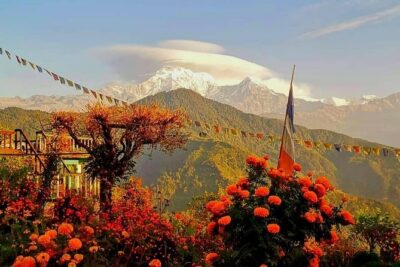
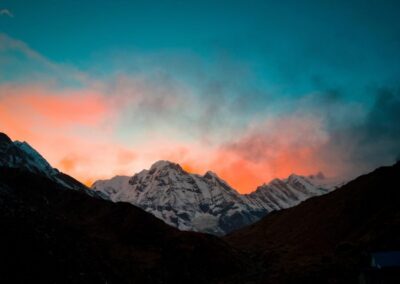
1-Day Scenic Australian Camp & Dhampus Guided Hike
Read our review →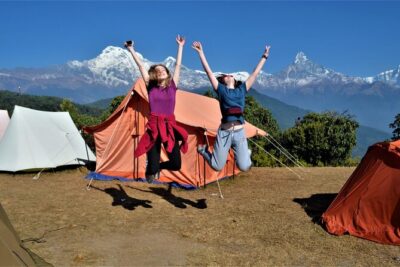
Easy Day Hike to Australian Camp & Dhampus Village
Read our review →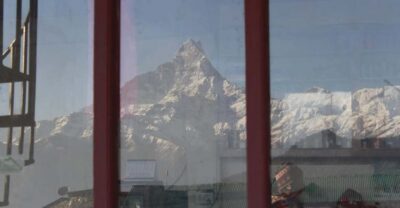
Guided Day Hike From Dampus To Australian Base Camp
Read our review →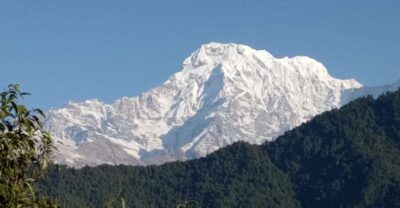
1 N 2 Days easy Dhampus,Australian camp trek from Pokhara
Read our review →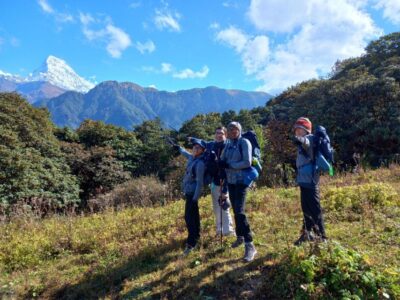
Browse the lists this tour appears in