
Reviewed · MARDI HIMAL TREKS
Experience Mardi Himal Trek
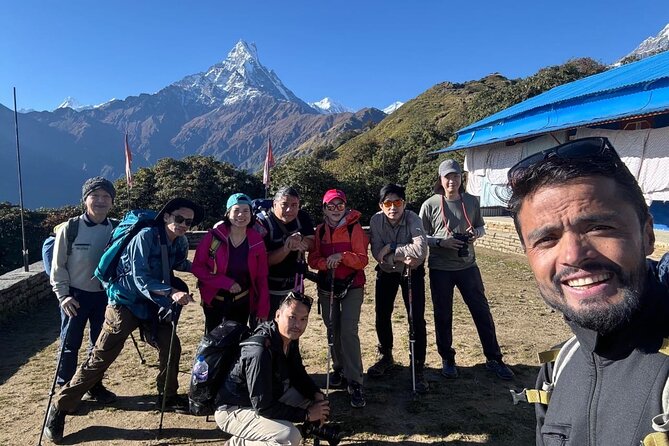
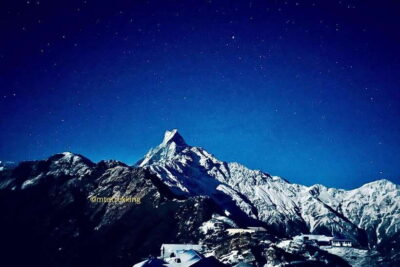
Mardi Himal gives you a remarkably quick change of scenery. Within six days, you leave Pokhara, walk through oak and rhododendron forest, reach the open high country above the trees, and stand at 4,500 meters with views toward Mardi Himal, Machhapuchhre, Annapurna, and Dhaulagiri.
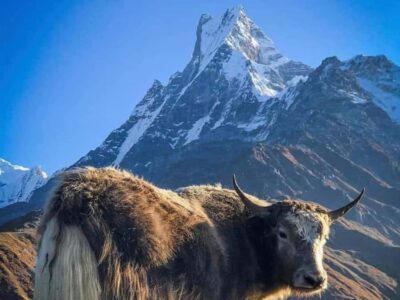
I like the smart route design and the practical inclusions. You get a private vehicle to Kande, a private jeep back from Siding, tea-house lodging, a licensed guide, permits, a sleeping bag and down jacket when needed, and a first-aid kit with an oximeter. I also like the human touch: Surendra manages the operation, and Yaka is part of the trek support team.
The main consideration is the pace. The base-camp day covers 10 to 12 kilometers and six to seven hours, with a high-altitude ascent and descent in the same day. The route is suitable for many first-time trekkers, but you still need steady fitness, proper clothing, and enough patience for basic mountain lodging.
Key points to know before booking
- The route begins at Kande: A 1.5-hour drive from Pokhara puts you directly on the trail instead of adding a long approach walk.
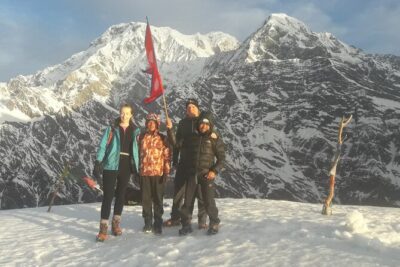
- You reach 4,500 meters: The Mardi Himal Base Camp day is the scenic high point, with sunrise views and close mountain panoramas.
- Forest changes to open mountain country: Rhododendron and oak give way to above-tree-line ridges by Day 3.
- Transport is arranged at both ends: A car takes you to Kande, and a private jeep brings you from Siding to Pokhara.
- The package covers useful trekking costs: Accommodation, permits, guide services, meals on trek, gear support, and government charges are included.
- This is a private trip: Only your own group participates, which gives the schedule more flexibility than a large fixed group.
Why Mardi Himal works well for a six-day trek
The Mardi Himal route is a good choice if you want a genuine Himalayan walk without committing to a two-week expedition. It offers a clear progression: village edge, forest, high ridge, base camp, and a long descent through rural country.
That progression is the route’s strongest feature. On the first two days, the forest keeps the walk sheltered and shaded. By Day 3, the trees thin out and the views become much wider. The fourth day then delivers the big reward, with an early start toward base camp and mountain views at close range.
You should not mistake the short duration for an easy holiday. The route climbs from Kande at 1,770 meters to Forest Camp at 2,600 meters, then continues to Low Camp at 3,150 meters and High Camp at 3,580 meters. Base Camp reaches 4,500 meters. That is a meaningful gain in altitude over a few days.
The private format helps here. Your group can discuss pace with the guide, take sensible rests, and adjust the rhythm within the planned route. The package lists a professional licensed guide, guide insurance and food, plus a first-aid kit and oximeter. Those details matter more than flashy extras once you are above the tree line.
More ridge treks from Pokhara:
- Pokhara: 4-Day Mardi Himal Trek
★ 4.9 · 59 reviews - Private Mardi Himal Trek
★ 5.0 · 42 reviews - From Pokhara: 4-Day Mardi Himal Base Camp Trek
★ 4.9 · 31 reviews
Day 1: Kande to Forest Camp through oak and rhododendron
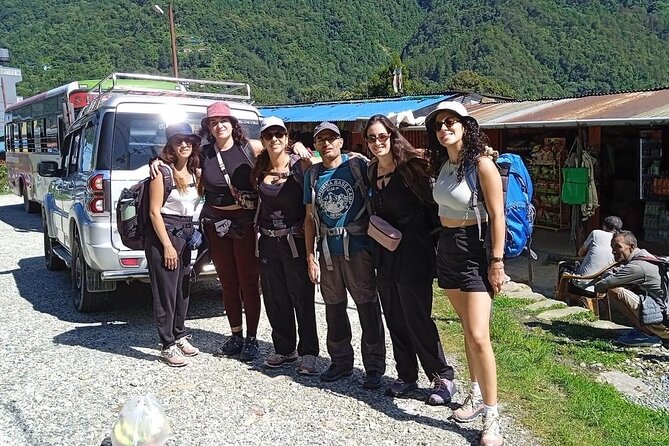
The first day starts with a scenic drive from Pokhara to Kande, taking about 1.5 hours. At 1,770 meters, Kande is the trailhead for the first walking section.
The trek to Forest Camp covers about 8 kilometers and takes roughly five hours. You move through lush forest with rhododendron and oak trees, a gentle introduction to the route’s mountain character.
This is not a day for dramatic summit views. The appeal is the gradual shift from road travel to foot travel. You get a chance to settle into your boots, learn the group’s walking pace, and begin climbing without the pressure of a very long first day.
Forest Camp sits at 2,600 meters, so the elevation gain is noticeable but not extreme. Tea-house lodging keeps the evening simple. Expect a functional mountain stop rather than a resort, with the basic comfort that makes an early night possible.
Day 2: Forest Camp to Low Camp and the first big views
Day 2 covers around 6 kilometers and takes four to five hours. The route continues upward through dense forest from Forest Camp at 2,600 meters to Low Camp at 3,150 meters.
The steady climb is the point. You gain height without covering a huge distance, which gives you time to notice the change in vegetation and settle into the slower pace required in the mountains.
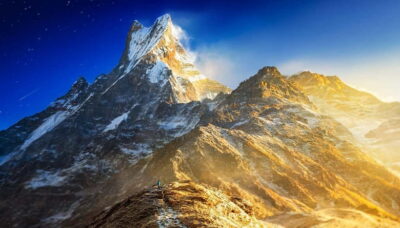
Views toward Machhapuchhre, also called Fishtail, begin to appear through and beyond the trees. This mountain is one of the most recognizable peaks in the Pokhara region, and its sharp profile gives the route a strong visual focus.
Low Camp is high enough for the night to feel more alpine, but the route has not yet reached its most exposed section. You should use this stop to check your layers, charge anything you need if facilities allow, and prepare for the colder, more open ridge ahead. Wi-Fi and battery charging are not included, so do not treat either as guaranteed.
Day 3: Low Camp to High Camp above the tree line
The third day climbs about 7 kilometers over four to five hours. You leave Low Camp at 3,150 meters and reach High Camp at 3,580 meters.
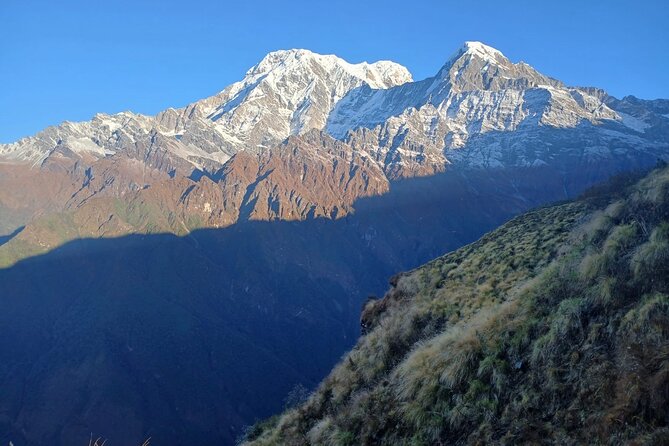
This is where Mardi Himal begins to feel like a high mountain trek rather than a forest hike. The trail rises above the tree line, opening views toward the Annapurna and Dhaulagiri ranges. You gain more visual space, but you also lose the shelter of the forest.
The distance is moderate, yet altitude makes every climb feel more demanding. Walk slowly and keep your water close. Drinking water is a personal expense, and hot and cold drinks are also excluded from the package.
High Camp is the staging point for the route’s biggest day. If the weather is clear, the open setting gives you a memorable evening and a good sense of the ridge ahead. If clouds move in, the views can be limited. Mountain weather is part of the bargain, not a flaw in the itinerary, but it is wise to keep expectations flexible.
A few more things to do in Pokhara worth a look
- Poon hill Trek 3 days
★ 5.0 · 176 reviews - Trekking in Annapurna/Langtang/Everest/Upper Mustang regions
★ 5.0 · 161 reviews - Pokhara: 4-Day Ghorepani, Poonhill & Ghandruk Mountain Trek
★ 5.0 · 132 reviews - Ghorepani – Poon Hill Trek 3N-4D
★ 5.0 · 125 reviews
Day 4: Mardi Himal Base Camp at 4,500 meters
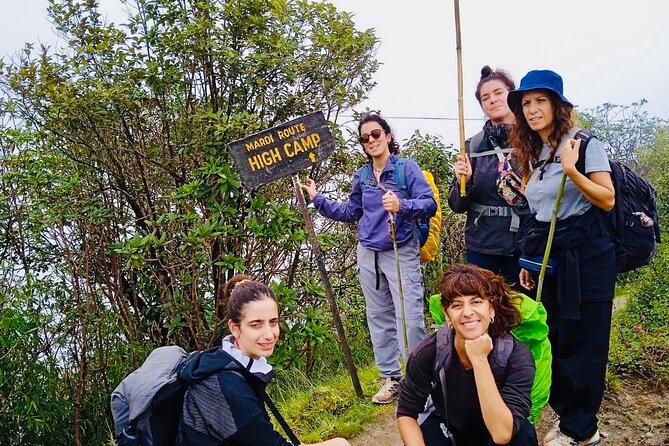
Day 4 is the centerpiece. You walk from High Camp at 3,580 meters to Mardi Himal Base Camp at 4,500 meters, then return to High Camp. The total distance is about 10 to 12 kilometers, and the full walking time is six to seven hours.
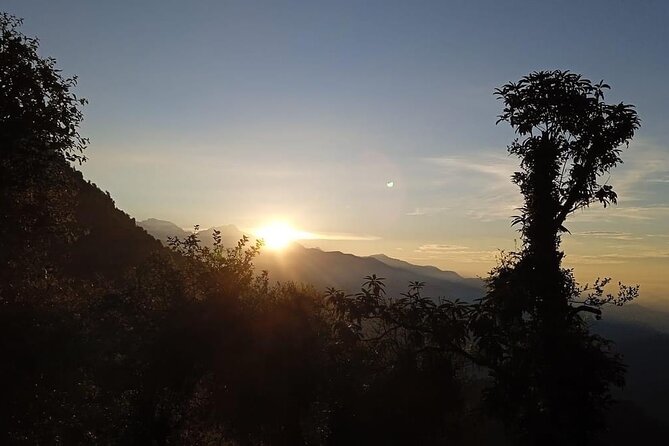
The early start is designed for sunrise views over the Himalayas. This is when Mardi Himal and the surrounding Annapurna peaks should look most dramatic, though clear conditions are never guaranteed.
You will notice the difference between this day and the earlier forest sections. The trail is more exposed, the air is thinner, and the return walk matters just as much as the climb. It is easy to focus on reaching the high point and forget that you still need to descend several hours later.
The reward is the close mountain setting. You get broad views of the Annapurna and Dhaulagiri ranges and a direct approach toward Mardi Himal. For many people, this is the image they have in mind when they book a Nepal trek.
Take the altitude seriously. The itinerary provides an oximeter and a first-aid kit, but equipment does not replace good judgment. Tell your guide if you feel unwell, and do not treat the base camp as a test of toughness. The route is more enjoyable when you keep a steady pace and accept that the mountain sets the schedule.
Day 5: High Camp to Siding and back to Pokhara
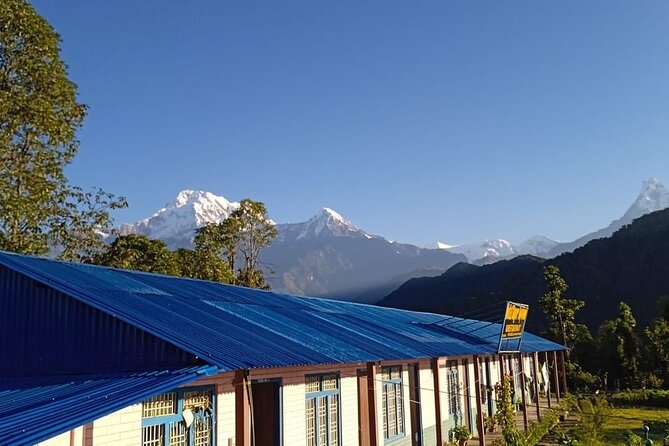
The descent begins at High Camp and continues to Siding Village at 1,700 meters. The walking portion covers about 8 kilometers and takes four to five hours, followed by about two hours of driving.
This day changes the mood of the trek. You leave the open high country and descend through terraced fields and traditional villages. The route gives you a closer look at rural life and includes contact with local Gurung communities.
Siding is important not only as a village stop but also as the transport point for the private jeep to Pokhara. That arrangement saves you from waiting for uncertain public transport after a tiring descent.
The long drop in elevation can be hard on knees, especially after the base-camp day. Trekking poles would be useful, but they are not listed among the included items, so check your personal gear needs before departure. The private jeep is a strong practical feature because it reduces the amount of post-trek travel you need to manage yourself.
Day 6: Returning to Kathmandu by tourist bus
The final transport day uses a tourist bus to Kathmandu, with the journey listed at about seven hours. This is a long ride, so keep essentials in a day bag rather than burying them in your duffle bag.
The package also includes a flight ticket to Pokhara, one night in a three-star Pokhara hotel, and the tourist bus to Kathmandu. The exact sequence should be confirmed when you book, since the trek itself begins and ends around Pokhara while the wider package also covers arrival and onward transport.
That wider transport plan gives the $760 price more weight. You are not paying only for six days of walking. The cost also covers important setup and exit arrangements, which can otherwise become a string of separate bookings.
What the $760 price really covers
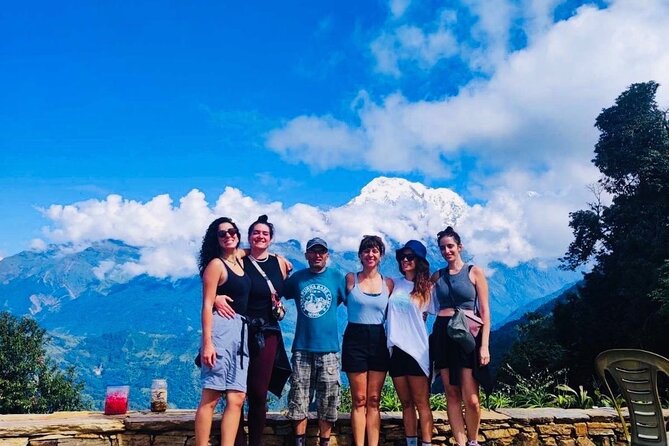
At $760 per person, this is best judged as a bundled Nepal trip rather than a simple guided hike. Included costs cover:
- Pickup from Pokhara and transport to Kande by car
- Private jeep from Siding to Pokhara
- Licensed trekking guide
- Tea-house or lodge accommodation during the trek
- Annapurna Conservation Area Permit
- Sleeping bag, down jacket, and duffle bag when necessary
- First-aid kit and oximeter
- Government tax, VAT, and service charges
- Flight ticket to Pokhara
- One night in a three-star Pokhara hotel
- Tourist bus to Kathmandu
- Five breakfasts, five lunches, and four dinners
That is a useful package for someone who wants one booking to handle the main moving parts. The guide, permit, accommodation, meals on the trail, and transport are the largest practical items.
There are still several costs to budget for. A porter is not included, so you either carry your own load or arrange and pay for porter service separately. Travel insurance is compulsory and must be purchased by you.
You also pay for your Nepal entry visa, meals in Pokhara, drinking water, hot and cold drinks, bar bills, Wi-Fi, battery charging, and personal expenses. Tips for the guide and porters are also separate.
The phrase sleeping bag, down jacket and duffle bag if necessary deserves attention. Ask before departure what the operator recommends for your dates and what equipment is actually available. This avoids packing too much or assuming that every item will automatically be issued.
Guide support and the feel of a private trek
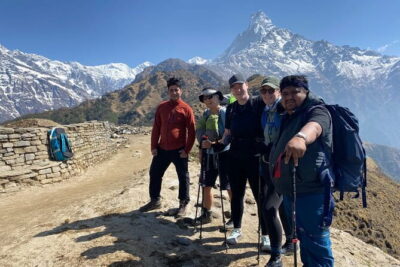
A private trip means only your group participates. That is useful for couples, families, and friends who want to walk at their own speed rather than match a large group.
Surendra is the manager associated with the operation, and Yaka is part of the trek support team. The personal guidance is especially useful for first-time Himalayan hikers who need advice on pacing, clothing, and daily preparation.
One piece of feedback from a first-time participant is particularly helpful: careful planning and detailed trekking advice made the experience feel manageable, even for someone who began with some anxiety. That is the kind of support you should expect to value most, not polished hotel service.
The route is described as suitable for most people, but that does not mean it is suitable for every level of fitness. You need to walk for several hours on consecutive days and handle a high-altitude out-and-back to 4,500 meters. If you are unsure, ask the operator about current conditions and the expected pace before paying.
Tea houses, meals, and what to pack
Tea-house and lodge accommodation is included throughout the trek. This keeps the trip tied to local mountain infrastructure, but it also means you should expect simple facilities rather than private-hotel standards.
Five breakfasts, five lunches, and four dinners are included. Meals in Pokhara are not included, so allow extra money for those before and after the trek.
Bring layers rather than one heavy coat. The route moves from lower forest to exposed high ground, and temperatures can change sharply between walking and resting. A down jacket is available if necessary, according to the package, but personal base layers, warm socks, waterproof protection, gloves, and a hat remain sensible items to discuss with the operator.
Carry a small day pack for water, snacks, warm layers, documents, and personal medication. Your main duffle can be handled within the trek’s luggage arrangement, but porter cost is not included, so clarify who carries it and how much you will carry yourself.
Who should book this Mardi Himal route?
I would point this trek toward an active first-time Himalayan hiker, a couple, or a small private group that wants a compact route with strong mountain views. The six-day schedule is useful if your Nepal trip also includes time in Kathmandu, Pokhara, or another destination.
It also suits people who value logistics being handled in advance. The permit, guide, trail lodging, meals, transport, and selected equipment are all bundled.
I would be more cautious if you dislike basic lodging, long transport days, or early starts. I would also think twice if your priority is a relaxed holiday with little physical effort. Day 4 is a serious mountain day, and the altitude is not something you can negotiate away with a good breakfast.
The route has been enjoyed by beginners, including one person who joined with real concern about taking part in a Himalayan trek. That is encouraging, but preparation still matters. Beginner-friendly does not mean effortless.
Should you book it?
Book this Mardi Himal Trek if you want a compact, well-supported mountain route with a clear high point, private transport, and a guide-led plan. At $760, the value is strongest when you use the included permit, accommodation, meals, Pokhara hotel, transport, and gear support.
Before booking, confirm the exact flight arrangement, the sequence of the Pokhara hotel and trek, what equipment is available, and how much luggage you will carry without a porter. If you are comfortable with tea houses and a demanding base-camp day, this is a sensible way to see the Annapurna region without spending two weeks on the trail.
Free cancellation is available if you cancel at least 24 hours before the local start time. Changes or cancellations inside that window are not accepted for a refund.
FAQ
How long is the Mardi Himal Trek?
The trek lasts approximately six days. Walking days range from about four to seven hours, with the longest day going from High Camp to Mardi Himal Base Camp and back.
What is the highest elevation reached?
The highest point listed is Mardi Himal Base Camp at 4,500 meters.
Is transport from Pokhara included?
Yes. The package includes a car from Pokhara to Kande and a private jeep from Siding back to Pokhara. It also includes a tourist bus to Kathmandu.
Is accommodation included?
Yes. Tea-house or lodge accommodation during the trek is included, along with one night in a three-star hotel in Pokhara.
Are meals included?
Five breakfasts, five lunches, and four dinners are included. Lunch and dinner in Pokhara are not included, and drinks, drinking water, bar bills, and personal expenses are separate.
Is a porter included?
No. Porter service is not included in the listed price. Tipping for guides and porters is also separate.
Just added in Pokhara
- Pokhara: Pokhara Highlights Tour by Bus★ 3.6 · 10 reviews
- Discover Pokhara in Style: Private Vehicle Service with Driver★ 5.0 · 5 reviews
- Private 4 Day Poon Hill Trek from Pokhara★ 5.0 · 16 reviews
- Pokhara in 5 Hours: Lake, Museum, Cave, Falls & Pagoda Hill★ 4.5 · 16 reviews
- 4 Day Mardi Himal Base Camp Trek from Pokhara★ 5.0 · 18 reviews
- Beautiful Sarankot Sunrise with Full Day Sightseeing in Pokhara★ 4.5 · 3 reviews
- Annapurna Base Camp Trek from Pokhara and Kathmandu★ 5.0 · 7 reviews
- 7-Day Trek to Annapurna Base Camp from Pokhara★ 5.0 · 12 reviews
Mardi Himal Treks, compared.

Browse the lists this tour appears in