
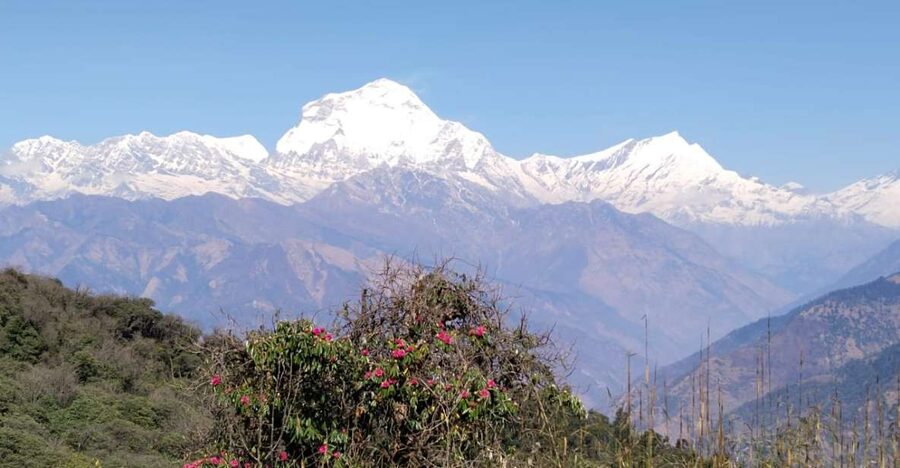
Reviewed · GHOREPANI & POON HILL TREKS
From Pokhara: 4-Day Annapurna and Poon Hill Himalayan Trek
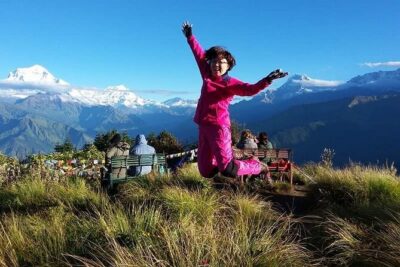
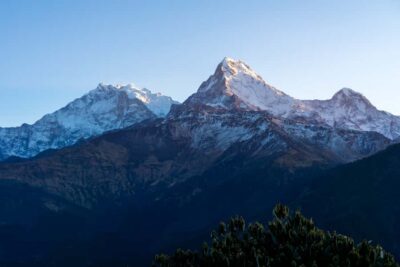
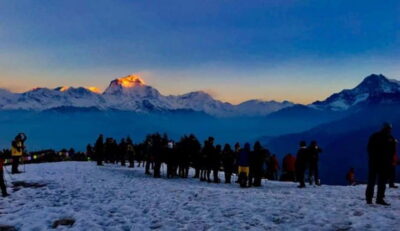
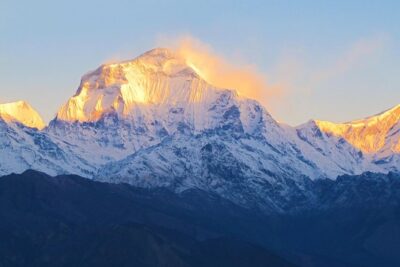
The best part of this four-day trek is the early climb to Poon Hill, where sunrise can spread across the Annapurna Range. You also get two very different rewards along the route: quiet forest walking and a warm soak at Jhinu’s natural hot springs.
I like that the trip combines mountain views with real village life, especially at Ghandruk, a Gurung settlement known for its traditional building style. The main caution is road access: landslides can force a change to the starting point, shorten the route, or remove a planned stop, so confirm conditions before you leave.
Key points to know before booking
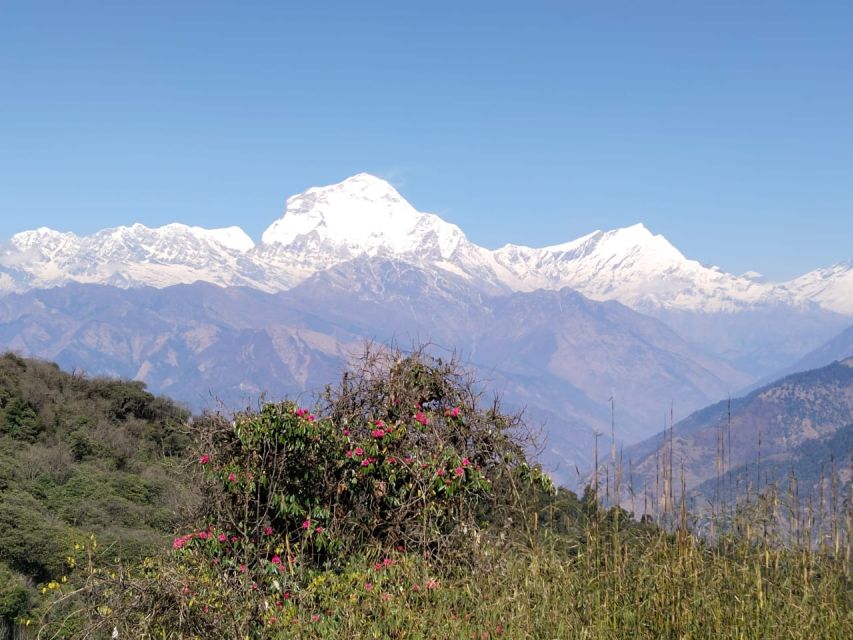
- Poon Hill sunrise: Reach the viewpoint early for one of the trek’s clearest panoramas of the Annapurna Range.
- Four days from Pokhara: Private transport, permits, guide expenses, and tea house lodging are included in the $287 price.
- Jhinu hot springs: Take a short break for a bath in naturally heated water regarded locally as therapeutic.
- Gurung villages: Walk through Tadapani and Ghandruk, with Ghandruk offering a closer look at Gurung architecture.
- Food costs extra: Meals and drinks are available for purchase but are not included in the tour price.
- Road conditions matter: A recent landslide caused a major itinerary adjustment, so flexibility is part of the deal.
What this four-day Annapurna trek is really like
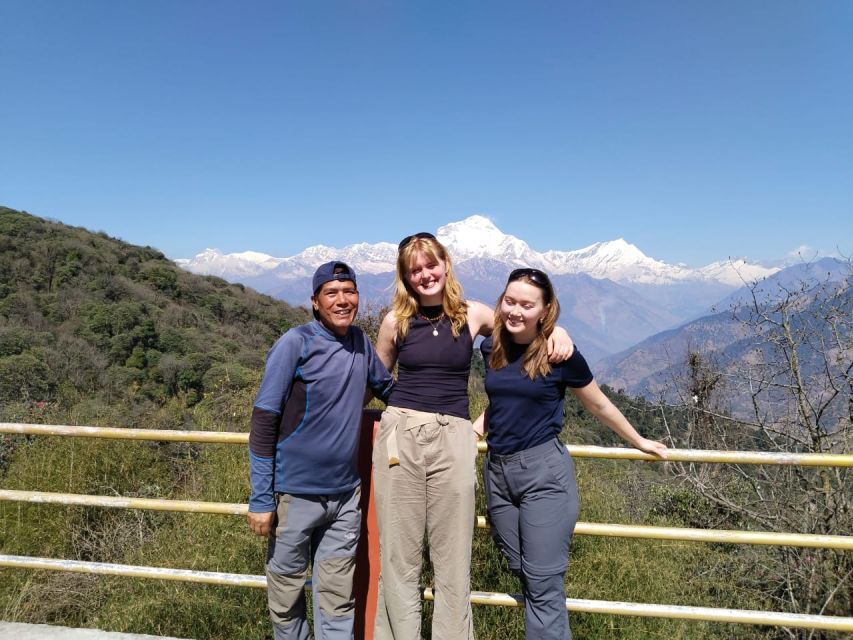
This is a compact Himalayan trek built around one big morning: sunrise from Poon Hill. You are not spending a week or more on a high-altitude route. Instead, you get four active days linking mountain roads, forest paths, tea houses, villages, and a hot spring, with transport back to Pokhara at the end.
I see the trip as a good fit if you want a strong taste of the Annapurna region without committing to a longer trek. It still demands stamina. The daily walking times run from about five to seven hours, and the route includes uphill and downhill sections. The description does not give elevation figures, trail grades, or a detailed packing list, so you should ask for current trail conditions before departure.
The price is $287 per person. That covers a private car or jeep for pickup and return, permits, tea house or guest house lodging, a licensed English-speaking guide, and the guide’s expenses. You pay separately for food and drinks. That makes the price easier to judge: it is not a full-package trek, but it does cover several of the costs that can add up quickly in Nepal.
A private vehicle and private guide also matter here. You are not simply joining a bus tour and walking behind a large group. Your pickup is arranged at your Pokhara hotel, and the provider contacts you the day before. Still, the size of the trekking party is not specified, so ask whether the booking is fully private for both transport and walking.
Other short treks out of Pokhara:
- Poon hill Trek 3 days
★ 5.0 · 176 reviews - Pokhara: 4-Day Ghorepani, Poonhill & Ghandruk Mountain Trek
★ 5.0 · 132 reviews - Ghorepani – Poon Hill Trek 3N-4D
★ 5.0 · 125 reviews
Day one: Ulleri, forest trails, and Ghorepani
Your guide picks you up early in the morning after breakfast. The drive heads toward Ulleri, where the walking portion begins. From there, you hike uphill through the lower Himalayan forests toward Ghorepani.
The stated trekking time is about five hours. That is a reasonable first day on paper, but the uphill nature of the route can make it feel longer if you are not used to sustained walking. I would keep your first morning simple, eat before departure, and avoid treating the drive as spare time for a late start. The pickup is early for a reason.
This section is valuable because it begins with the character of the lower Himalayas rather than placing you immediately at a viewpoint. Forest paths give the trek a slower rhythm. You move through a setting shaped by steep slopes, mountain weather, and village routes rather than paved roads and city traffic.
Ghorepani is your overnight stop, in a tea house. Accommodation in these mountain lodgings is included, but meals are not. Bring enough cash for food and drinks, since the tour price does not cover them.
The first night also sets up the most important morning of the trek. Poon Hill is reached from Ghorepani, so you will not need a separate vehicle transfer before sunrise. Ask your guide about the exact departure time, since the best viewing conditions depend on reaching the top before the sun comes up.
Day two: Poon Hill sunrise and the walk to Tadapani
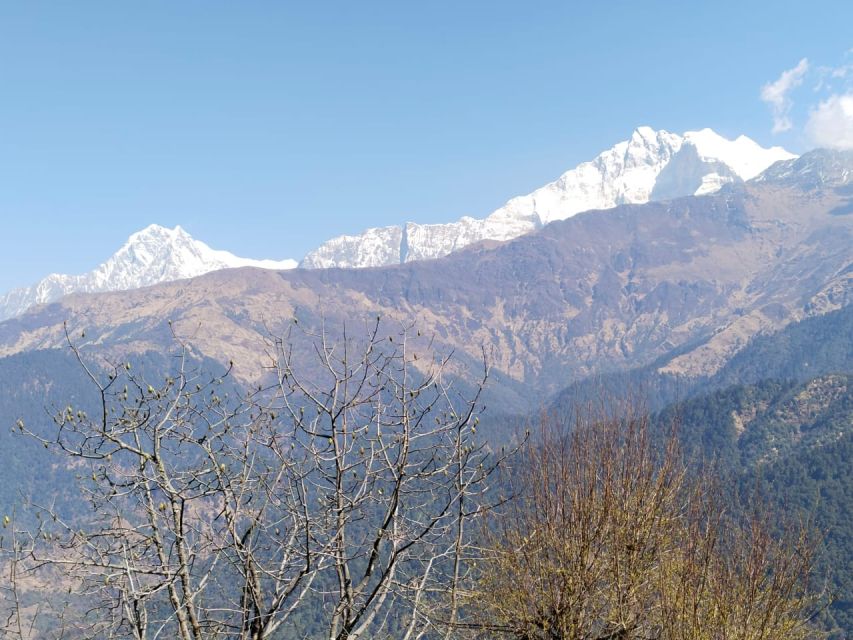
Day two starts early with an approximately one-hour hike to Poon Hill. The goal is a broad view of the Annapurna Range at sunrise. This is the section that receives the strongest praise in the available feedback, with the Himalayan view and sunrise described as exceptional.
You should expect darkness, cold, and a steady climb at the start. The listing does not specify whether headlamps, warm drinks, or extra layers are supplied, so plan to bring your own light and dress in layers. A passport is required for the trip, with a copy accepted, but that document is not a substitute for practical trail gear.
After the sunrise stop, you return to Ghorepani for breakfast. Then the trek continues toward Tadapani, with about six hours of walking listed for the day. This makes day two the most tightly packed section: early start, uphill viewpoint, descent, breakfast, and a second walking stretch.
The reward is the change in scenery. You begin with a famous mountain outlook, then spend much of the day on forest routes and village paths. The route is not just a viewpoint transfer. You are using your feet to link several communities in the Annapurna area.
Tadapani is the second overnight stop. The accommodation is again in a tea house or guest house, depending on the arrangement. Since meal costs remain your responsibility, confirm how much money you should carry for the full trek before leaving Pokhara.
Weather deserves attention on this day. One recent departure had a guide named Muku, who was described as helpful, but the guest felt weather forecasts should have been monitored more closely. I would ask your guide for the latest forecast and for the backup plan if clouds block the sunrise. No mountain view is guaranteed, and the timing is too important to leave entirely to luck.
Day three: Jhinu hot springs and Ghandruk
Day three moves toward Jhinu, where you can bathe in natural hot water springs. The water is considered therapeutic, but this is best understood as a cultural and relaxing feature of the route, not a medical treatment. Bring suitable clothing for the bath and a way to carry your belongings, since the tour information does not say what facilities are provided.
The hot springs break up what is otherwise another long walking day. The listed trek time is six to seven hours, and the route then continues to Ghandruk. That is a full day, so do not assume the bath turns it into a gentle rest day.
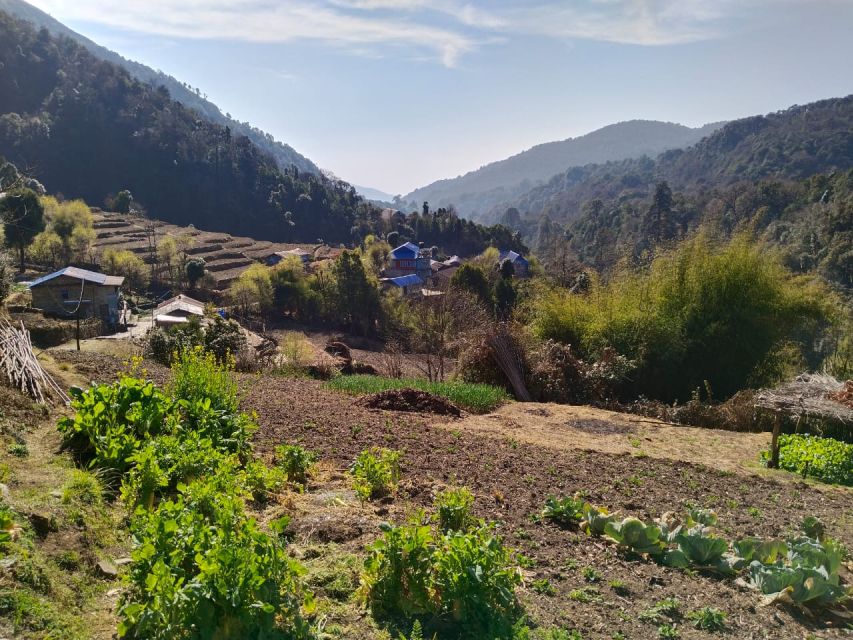
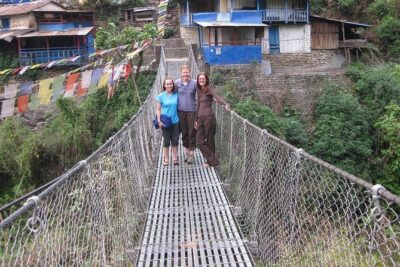
Ghandruk is one of the most interesting stops because it gives the trek a human setting. It is described as a native Gurung village and an example of Gurung architecture adapted to Himalayan life. You can expect the village itself to matter as much as the view here. Look at how buildings fit the mountain terrain and how local design reflects the needs of life in this region.
I like this part of the itinerary because it adds context to the scenery. Poon Hill gives you the grand view, but Ghandruk shows you the communities that make the route more than a sequence of mountain photographs.
You spend the night in Ghandruk. The schedule does not state the exact lodging name or room setup, so ask your provider if that matters to you. Tea house accommodation can be basic, and the practical value is being close to the route rather than expecting hotel-style service.
A few more things to do in Pokhara worth a look
- Trekking in Annapurna/Langtang/Everest/Upper Mustang regions
★ 5.0 · 161 reviews - Pokhara: Annapurna Foothills Day Hike with Transfers
★ 5.0 · 100 reviews - Kathmandu/Pokhara: 5-Day Annapurna Base Camp (ABC) Trek
★ 4.9 · 72 reviews - From Pokhara: 3-Day Ghorepani Poon Hill Trek with Guide
★ 4.9 · 68 reviews
Day four: the descent to Nayapul and return to Pokhara
The final day heads downhill to Nayapul. From there, private transport takes you back to Pokhara and drops you at your hotel.
The walking time for this day is not given, which is worth asking about before booking. A downhill finish may sound easy, but long descents can be tiring in their own way. If your knees dislike steep paths, discuss the final route with the guide in advance.
This final transfer is one of the tour’s useful features. You do not have to arrange a separate vehicle from Nayapul, and the private car or jeep is included. The trip ends at your Pokhara hotel, making it convenient if you are continuing your Nepal journey from the city.
The route can change. In one recent case, a landslide damaged a mountain road, forcing the starting point farther down the mountain. The adjustment cost a day and removed one scheduled point of interest. The natural event was outside the operator’s control, but the communication was not good enough. I would contact the provider before departure and ask specifically about road repairs, the actual starting point, and whether the four-day walking plan is currently intact.
What the $287 price includes, and what it does not
At $287 per person, the trek has solid value if you want the main logistics handled. You receive hotel pickup and return in a private car or jeep, the necessary permits, tea house or guest house accommodation, a licensed English-speaking guide, and guide expenses.
You do not receive food or drinks. That is the main extra cost stated in the package. Carry a budget for meals, tea, water, and snacks, and ask whether any other local charges apply. The supplied information does not list porter service, equipment rental, insurance, or medical support, so do not assume those are covered.
The guide is central to the value. A kind and helpful guide can make a demanding route much easier, especially when the trail, weather, or road access changes. One recent departure praised a guide named Gobinda for helping make the trip comfortable. Another named Muku was described as good, though weather monitoring could have been better.
Those two experiences point to a sensible approach: value the included guide, but ask practical questions before you set out. Confirm the meeting time, current road access, likely daily walking hours, and the weather plan for Poon Hill.
How difficult is the trek?
The route is not presented as suitable for people with mobility impairments, and it is not suitable for pregnant women. That is consistent with the daily schedule: five hours of walking on day one, six hours on day two, six to seven hours on day three, and a final descent on day four.
The information does not provide an official difficulty rating. I would treat it as a physically active mountain trek, not a casual series of walks. You need to manage repeated uphill and downhill sections, early starts, changing weather, and simple lodging.
You should also be comfortable with uncertainty. Road damage or a landslide can alter the start point and the route. If you need every stop to happen exactly as printed, this may frustrate you. If you can accept a little flexibility in exchange for mountain access, the arrangement is more appealing.
What to bring and what to confirm
You must provide passport details at least 24 hours before the trip so permits and other arrangements can be prepared. Bring your passport, or a copy if accepted by the operator.
The official information only specifically asks you to bring a passport, but I would also prepare for the conditions of a four-day hike. Ask the provider what clothing and equipment they recommend, especially for the pre-dawn Poon Hill walk and the hot spring stop.
Before departure, I would confirm:
- The exact pickup time from your Pokhara hotel
- The current road condition near Ulleri
- The actual walking start point
- The day’s forecast for Poon Hill
- The lodging arrangement in Ghorepani, Tadapani, and Ghandruk
- How much cash to carry for meals and drinks
- Whether the booking is fully private
- The expected walking time on day four
These questions are not fussing over small points. A road closure already changed one departure, and clear communication can prevent an unpleasant surprise.
Cancellation and booking flexibility
You can cancel up to 24 hours before departure for a full refund. You can also reserve now and pay later, which helps if your Pokhara schedule depends on weather or transport.
Availability and starting times should be checked for your chosen date. The provider says it will contact you one day before the trek, but I would still make sure they have your correct hotel details and phone contact.
Who should book this Poon Hill trek?
I would recommend it to you if you want a short Annapurna experience with a clear highlight, especially the sunrise at Poon Hill. It suits people who value forest paths, village stops, a hot spring break, and included transport more than a highly polished hotel experience.
It may also suit first-time Himalayan trekkers who want a guide and permits arranged in advance. The four-day length is manageable for a holiday schedule, though the walking days remain serious.
I would think twice if you need guaranteed access to every listed stop, dislike early starts, or are not comfortable paying separately for all meals and drinks. I would also look for a different plan if mobility is limited or pregnancy makes sustained mountain walking unsafe.
Should you book it?
Book this trek if Poon Hill sunrise is your main goal and you want a practical four-day route from Pokhara. The strongest parts are clear: the Annapurna view, the lower Himalayan forests, Jhinu’s hot springs, and the Gurung setting at Ghandruk.
Before paying, contact Fewa Trail Treks and Expedition Pvt Ltd about road conditions and the exact current itinerary. That single check matters. The trek offers good value when the route runs as planned, but recent road damage shows that flexibility and clear communication are just as important as the scenery.
FAQ
How long is the Annapurna and Poon Hill trek?
The experience lasts four days, beginning with pickup in Pokhara and ending with return to your Pokhara hotel.
Is hotel pickup included?
Yes. Pickup and drop-off are included in a private car or jeep.
Is a guide included?
Yes. The experience includes a licensed English-speaking guide and the guide’s expenses.
Where do you sleep during the trek?
Accommodation is provided in tea houses or guest houses in places including Ghorepani, Tadapani, and Ghandruk.
Are meals and drinks included?
No. Food and drinks are available for purchase but are not included in the price.
Do I need to provide passport details?
Yes. You need to provide your passport details at least 24 hours before the tour so permits and other arrangements can be prepared. A passport copy is accepted for the trip.
Is the trek suitable for people with mobility impairments or pregnant women?
No. The experience is not suitable for people with mobility impairments or pregnant women.
Just added in Pokhara
- Tandem Paragliding in Pokhara★ 4.8 · 8 reviews
- Seti George and Thrilling Suspension Bridge Tour at Pokhara★ 4.5 · 3 reviews
- Pokhara: Suspension Bridge Private Tour- 30 Min Village Walk★ 4.8 · 9 reviews
- Pokhara: Visit Best Seven Tourist Destination by Sharing Bus★ 3.4 · 10 reviews
- Pokhara: Sunrise Tour to Sarangkot★ 5.0 · 3 reviews
- Pokhara Sightseeing By Bus: Day Trip★ 4.6 · 7 reviews
- Pokhara Sightseeing By Bus – Day Trip★ 3.2 · 8 reviews
- Pokhara Sarangkot : Cable Car (Himalayas) Sunrise Tour★ 5.0 · 6 reviews
Ghorepani & Poon Hill Treks, compared.
4-Day Ghorepani, Poonhill & Ghandruk Mountain Trek
Read our review →
Browse the lists this tour appears in