
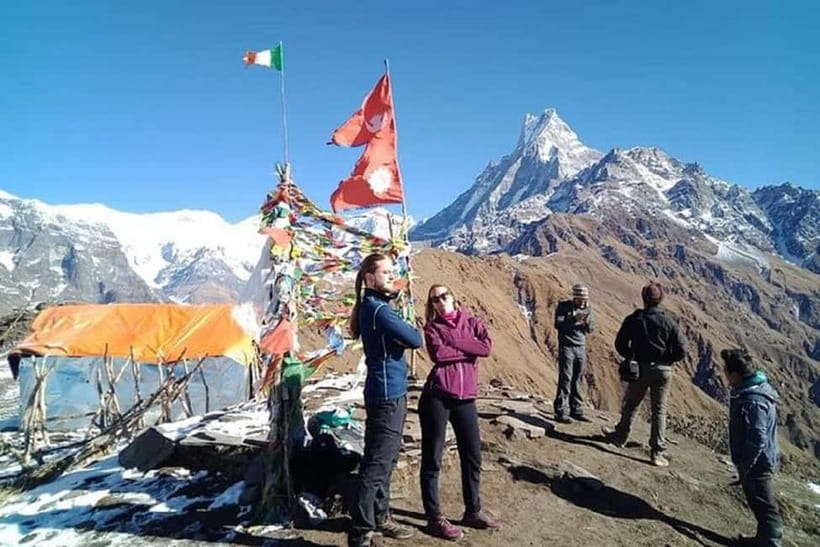
Reviewed · MARDI HIMAL TREKS
From Pokhara: 5-Day Mardi Himal Base Camp Trek
Mardi Himal gives you a close-up Himalayan experience without the crowds and long commitment of some better-known Nepal treks. You walk from Kande through rhododendron forests and mountain villages, then rise toward views of Mardi Himal, Machapuchre, and the Annapurna range.
I like the private-group format and the care built into the guiding. Guides such as Santosh have helped with food, pacing, trail choices, and small comforts such as carrying a day pack downhill or bringing fruit. I also like the sensible five-day rhythm, with hard climbing early and shorter walking days near the high point.
The main caution is physical effort. The trail is not technical, but steep uphill and downhill sections can test your knees, and conditions change sharply with altitude. Meals need careful checking, too, since food may be included only with certain booking options.
Key points to know before you book
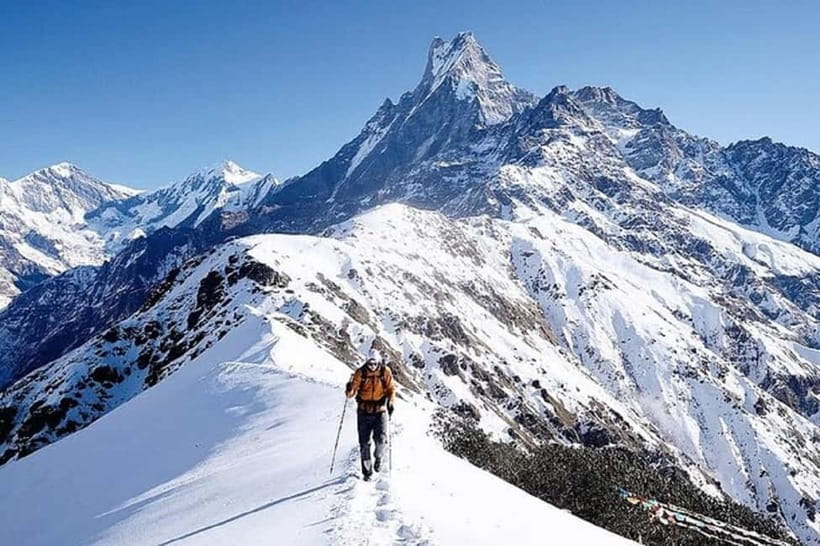
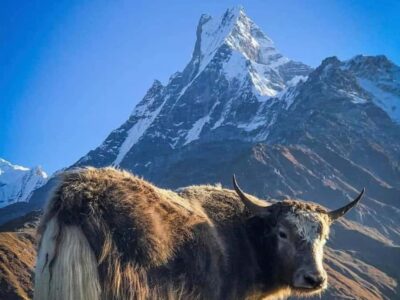
- A close view of Machapuchre: The trail brings you near the famous Fishtail Mountain, with broad views across the Annapurna region.
- A private five-day trek: You walk with your own group rather than joining a large shared party.
- Strong guide support: Santosh, Sun-Bahadur, Niva, and other guides associated with the operator have been praised for patience, English skills, encouragement, and practical help.
- A demanding first half: The early stages to Pitam Deurali and Low Camp require the most steady effort.
- Simple mountain accommodation: Expect tea houses or lodges, not hotels, with cold conditions at higher points.
- Good value at $181: Permits, transport, guide costs, basic lodging, gear support, and some meal arrangements can make this a useful package, but confirm exactly what your price includes.
Why Mardi Himal feels different from a standard Nepal trek
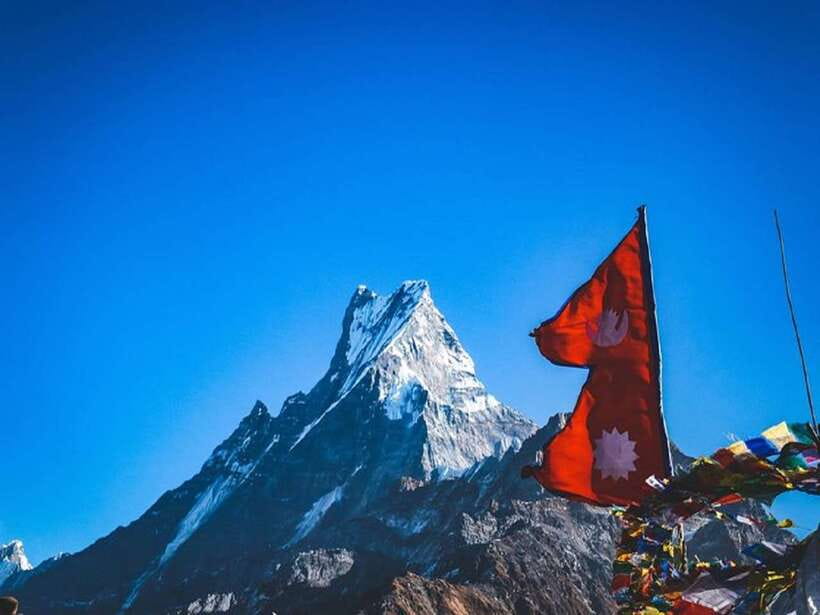
The Mardi Himal route is a good choice if you want real mountain walking without signing up for a much longer Himalayan trip. It begins close to Pokhara, but the mood changes quickly once the vehicle leaves the city and the trail enters forest and hill country.
The first part passes through Australian Camp, Pothana, and Pitam Deurali. These are not just names on a schedule. They help you ease into the trek, with village paths, forest shade, and open mountain viewpoints before the route becomes more exposed and strenuous.
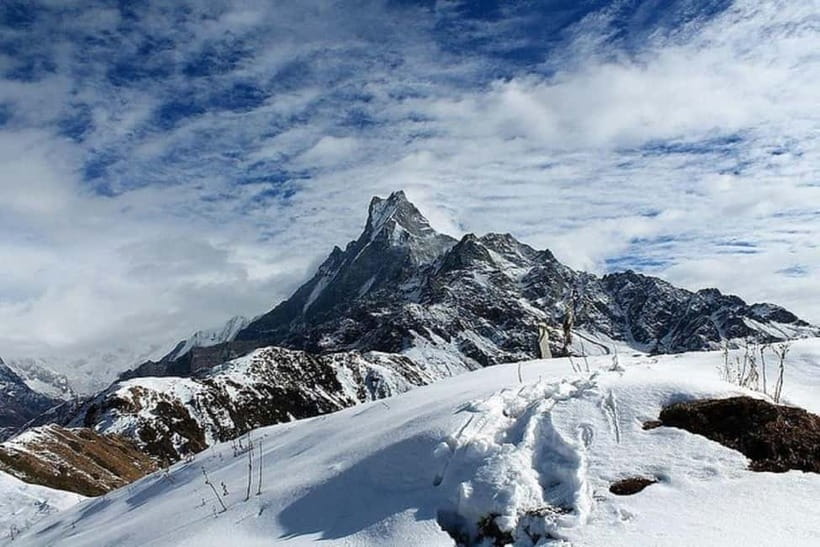
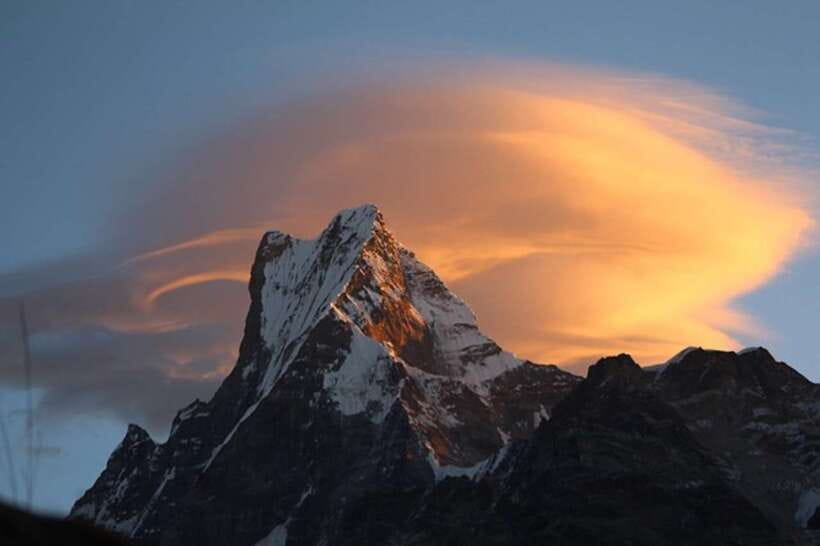
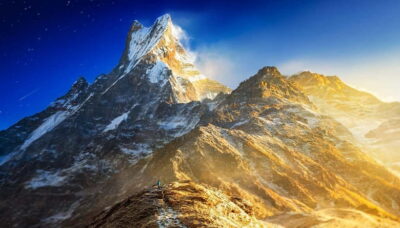
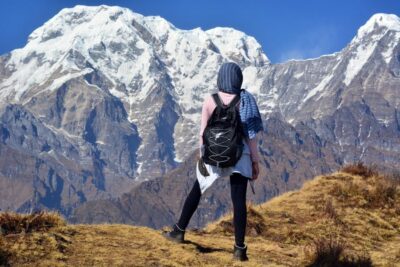
The reward is the sense of closeness. Mardi Himal and Machapuchre appear as powerful shapes above the trail rather than distant peaks seen from a road. On a clear morning, the Annapurna range opens across the horizon. Weather controls how much you see, so I would treat the mountain views as a gift rather than a guarantee.
The five-day plan also gives you time to stop. You are not rushing from one major destination to another. The schedule allows evenings at tea houses and enough time on the later days to rest after the main ascent.
More ridge treks from Pokhara:
- Pokhara: 4-Day Mardi Himal Trek
★ 4.9 · 59 reviews - Private Mardi Himal Trek
★ 5.0 · 42 reviews - From Pokhara: 4-Day Mardi Himal Base Camp Trek
★ 4.9 · 31 reviews
Day 1: Kande to Pitam Deurali through Australian Camp
Your pickup can be arranged from Pokhara Lakeside, Pokhara International Airport, or Lakeside Road 6. From Pokhara, the route begins with a scenic drive to Kande, where you start walking.
The trail passes through Australian Camp and continues toward Pothana before reaching Pitam Deurali. The walking time is listed at about four hours, though the full day also includes transport, meal stops, and breaks.
This is a fine opening day because it gives you a taste of several sides of Nepal’s middle hills. You move through rhododendron forest, pass small settlements, and reach viewpoints that begin to reveal the Annapurna region.
The first day is not a free warm-up. The uphill sections can feel demanding if you have arrived in Pokhara after a flight or a busy travel schedule. Keep your first day relaxed. Walk at a pace that lets you speak in short sentences, drink regularly, and avoid treating every rise as a race.
Pitam Deurali is your first overnight stop. Accommodation is in a simple tea house or lodge. Facilities on this sort of route are practical rather than polished, and temperatures can drop after sunset. Keep your jacket, warm layer, and toiletries where you can reach them easily.
Day 2: Rhododendron forest and the climb to Low Camp
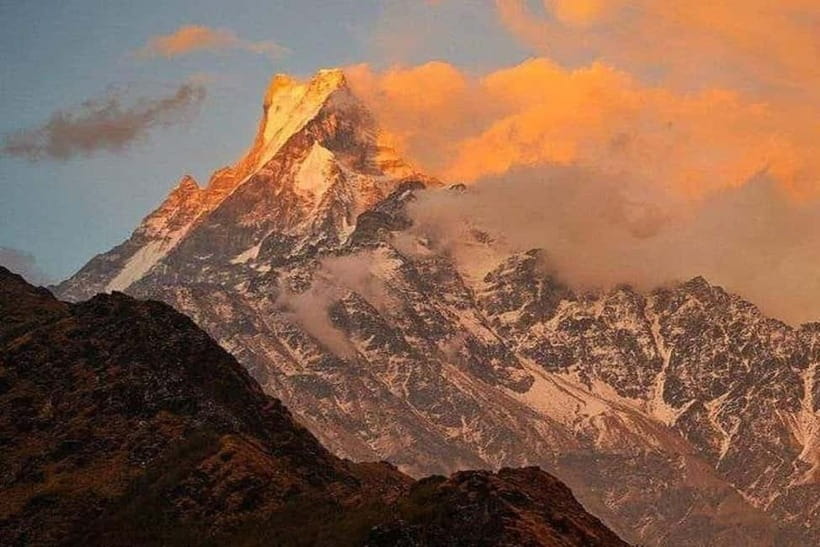
After breakfast, you continue through forest and small settlements toward Low Camp. The walking time is listed at around six hours, making this the longest stated walking day of the trek.
This section is where your fitness matters most. You gain height steadily, and the trail can feel more tiring than the clock suggests. The forest provides shade and a quiet setting, but it also means you may not have open mountain views at every turn.
A lunch stop breaks up the effort. Carry cash for food, tea, and snacks unless your meal package clearly covers them. One useful point from the trip arrangements is that buying food as you go can be cheaper than paying for a full meal plan, but only if you bring enough Nepalese currency. You will not want to ration tea and snacks because you misjudged your cash.
Low Camp is an important overnight stop because it places you within reach of the high ridge and High Camp the following day. The accommodation remains basic. You should expect a bed in a lodge or tea house, not private comforts found in Pokhara.
This is also a good evening to ask your guide about the next morning’s weather and trail timing. Guides such as Santosh have been praised for explaining options clearly and adjusting the pace to suit the group. That matters more than a fast walking time.
Day 3: Low Camp to High Camp and the final settlement
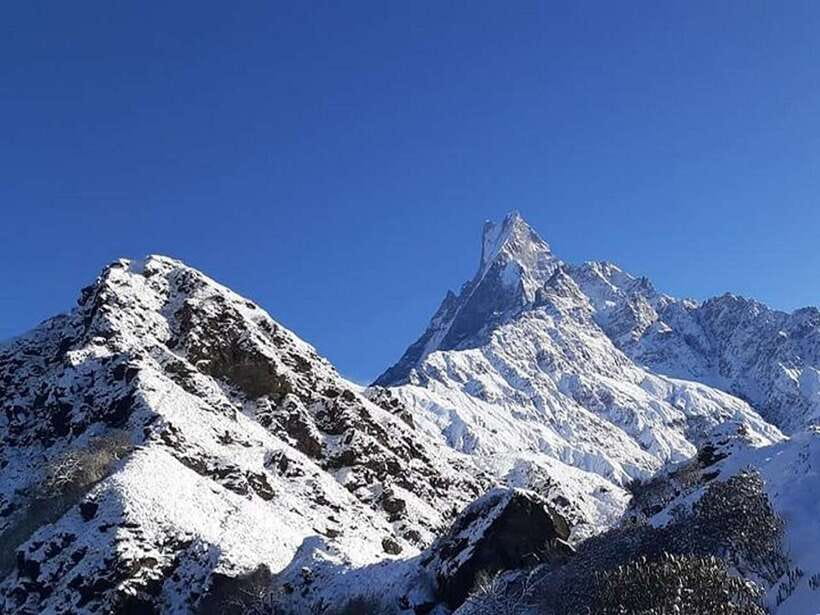
The third day takes about four hours and leads from Low Camp to High Camp. The walking time is shorter than the previous day, but the altitude and uphill effort can make it feel serious.
The trail gradually leaves more of the forest behind. You get wider views of the surrounding peaks and a stronger sense that you are approaching the main prize. Bring your camera, but keep it protected and easy to reach. Stopping for photographs can also give you a natural rest without making the walk feel like an exercise test.
High Camp is the last settlement area on this trail. That detail matters. You should stock up on anything you need before leaving lower lodges, and you should not expect a shop or a range of choices once you are higher.
Cold is a real concern at this point. The information for the trek specifically warns that temperatures can change sharply and that higher areas can be very cold. A jacket, warm clothing, comfortable trekking clothes, and a sleeping bag if needed are part of sensible preparation.
The package offers trekking sticks and sleeping bags as needed, but I would confirm availability before departure. A trekking pole can be especially helpful on the descent, when tired legs and knees take more punishment.
A few more things to do in Pokhara worth a look
- Poon hill Trek 3 days
★ 5.0 · 176 reviews - Trekking in Annapurna/Langtang/Everest/Upper Mustang regions
★ 5.0 · 161 reviews - Pokhara: 4-Day Ghorepani, Poonhill & Ghandruk Mountain Trek
★ 5.0 · 132 reviews - Ghorepani – Poon Hill Trek 3N-4D
★ 5.0 · 125 reviews
Day 4: Mardi Himal Base Camp and the return to Low Camp
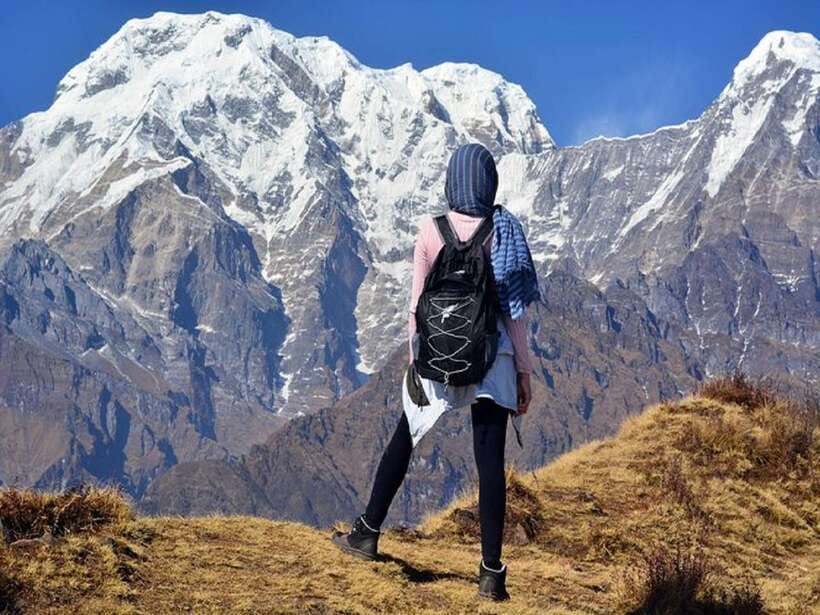
Day four is the visual high point. After breakfast, you walk toward Mardi Himal Base Camp, with about three hours of hiking listed for the ascent. You then return to Low Camp for the night, with another four hours shown for the walking schedule.
The sunrise plan deserves clarification before you set off. The description places sunrise at the base camp, but it also says you begin after breakfast. If seeing sunrise is a priority, ask your guide about the exact departure time, since an early start may be needed.
At Base Camp, you can take in the Annapurna range and the close presence of Mardi Himal and Machapuchre. The view is the reason for accepting the cold, the uphill work, and the basic lodging. Clear conditions make this section memorable, but clouds can hide the peaks, so keep your expectations flexible.
The return to Low Camp is not an easy stroll. Downhill walking can be hard on knees, especially if you have a previous knee problem. One visitor with knee trouble completed the trek and found the challenge manageable, but hiking poles and good pacing were recommended. I would take that advice seriously and discuss any physical concern with your guide early.
The good news is that the latter part of this trek leaves you more time to rest. The first two days tend to feel harder, while the final two days have shorter walking periods and more time after lunch. That makes the schedule friendlier than a five-day plan packed with long hours every day.
Day 5: Sidding, Lumre, and the ride back to Pokhara
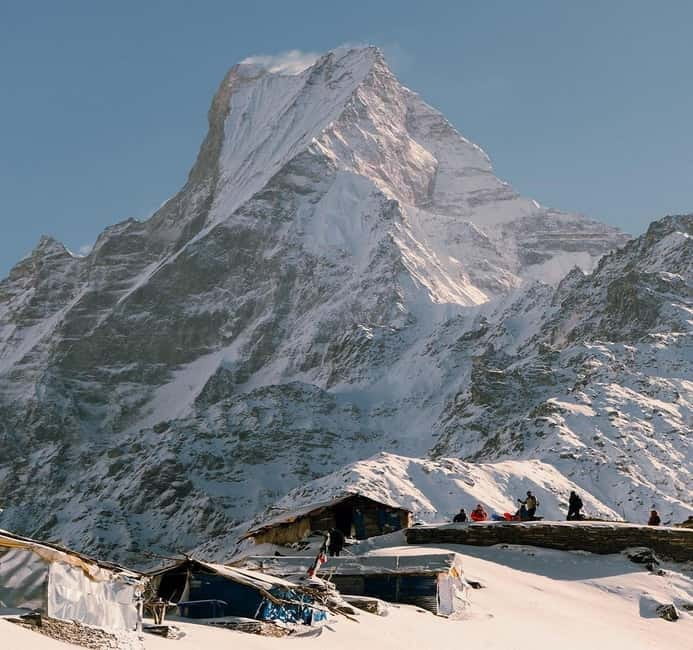
After breakfast, you descend toward Sidding, where you stop for lunch. From there, the route continues to Lumre, including the Lumre canyons and Lwang Ghalel area, before your vehicle takes you back to Pokhara.
The day is listed at about five hours of hiking. This is a proper final walking day, not simply a short exit from the mountains. Descending can be deceptively tiring, so save some energy for the lower trail.
The return road can be rough. A jeep is worth considering for the bumpy final section, particularly if you are tired after several days on foot. That is a small extra comfort, but it can make the trip back to your hotel much easier.
The route through Lwang Ghalel also gives the final day a more local feel. One guide used extra time after the walking schedule to visit Lwang village, where the group watched a volleyball tournament and shared a barbecue with local people. That kind of moment cannot be promised, but a flexible private group gives your guide more room to add a cultural stop when timing allows.
You return to one of the same Pokhara drop-off choices: Lakeside, Pokhara International Airport, or Lakeside Road 6. Luggage storage in Pokhara is included, so you do not have to carry your full travel kit into the mountains.
Guides, porters, and the value of the private format
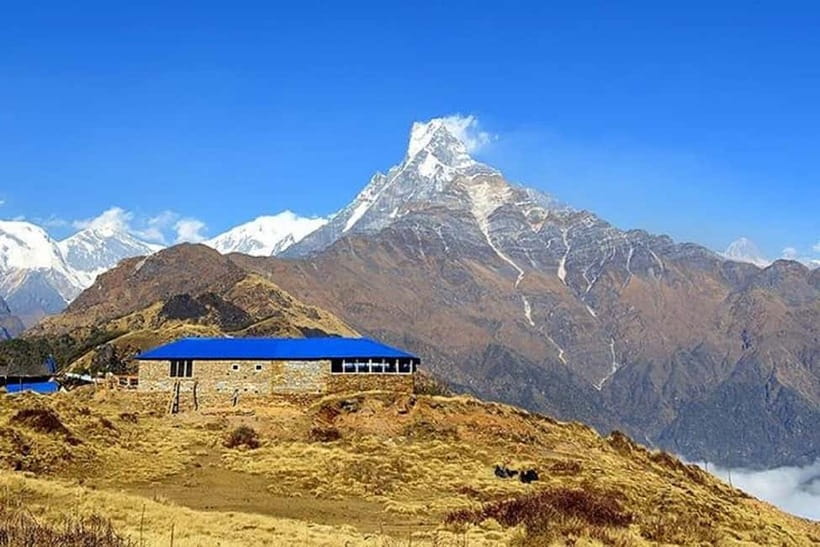
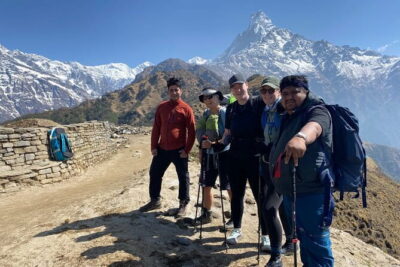
The guide may make or break a trek like this. The operator provides a government-certified English-speaking guide, with English, Hindi, and Nepali available. The group is private, which means your pace and breaks are easier to manage than on a large shared departure.
Santosh has been specifically praised for fluent English, patience, humor, and practical care. He has bought fruit for a group, helped with trail decisions, and even invited one group for dal bhat at his home after the trek. Sun-Bahadur and Niva, a father and daughter team, were also praised for food help, backpack assistance, encouragement, and patience with a slower pace.
These details matter because a guide is not only there to point toward a mountain. You need someone who notices when you are tiring, explains local customs, and helps solve small problems before they become large ones.
A porter is optional at $20 per day. If you are unused to carrying a pack uphill, I would budget for one. A light day pack lets you focus on balance, breathing, and the trail. The guide’s own insurance, salary, meals, accommodation, transport, and equipment are covered.
What $181 includes, and what it may not
At $181 per person, this can be good value for a five-day private trek, especially because the price includes round-trip transport, permits, paperwork, TIMS fees, guide expenses, simple lodging, luggage storage in Pokhara, taxes, and a first-aid kit.
Trekking gear such as a stick or sleeping bag can be provided as needed. That reduces the amount of equipment you must bring from home, but confirm what is available and whether anything carries an extra charge.
The food wording needs attention. The inclusions say meals are available depending on the option selected, while the exclusions say meals may need to be purchased along the route. You should ask for the exact meal arrangement before paying. If meals are not included, one estimate from the trip experience put food at roughly £16 per day, though your spending will depend on what you order.
Bring cash either way. You may want tea, snacks, or extra food, and card payment should not be assumed in mountain lodges. A lower-cost plan may work well if you are comfortable choosing and paying for meals yourself.
Who should book this Mardi Himal trek?
You should consider this trek if you want a strong mountain experience from Pokhara, prefer a private group, and can handle several hours of walking on uneven uphill and downhill trails.
It suits first-time multi-day trekkers who are reasonably fit and willing to prepare. One first-time trekker completed it despite a knee problem, while another described it as neither too easy nor too difficult. Those comments point to the right expectation: this is manageable for many active people, but it is not a casual walk.
You may prefer another plan if you need hotel-level comfort, dislike cold nights, or want a guaranteed sunrise. Weather can affect the views, and the trail’s simple lodges are part of the experience rather than a minor detail.
Travel insurance is mandatory, and emergency rescue services are available if needed. You must also send a passport copy at least one day before departure so permits can be arranged with the Government of Nepal.
Pack comfortable shoes, a hat, jacket, warm clothes, cash, a camera, trekking gear, and a hair tie. Use layered clothing because the lower trail and high camps can feel very different on the same day.
FAQ
Where does the Mardi Himal trek start and finish?
The trek begins after pickup from Pokhara Lakeside, Pokhara International Airport, or Lakeside Road 6. Walking starts at Kande, and after reaching Lumre, transport returns you to Pokhara. Drop-off is available at Pokhara Lakeside, Pokhara International Airport, or Lakeside Road 6.
How difficult is the five-day Mardi Himal trek?
The trek can be physically demanding, with the first two days generally requiring the most effort. The schedule includes walking periods of about four to six hours, and you should have a reasonable level of fitness before booking.
What languages can the guide speak?
Guides are available in English, Hindi, and Nepali. The trek includes a professional English-speaking guide certified by the Nepal Government.
Are meals included in the price?
Meal coverage depends on the option selected. The package information also says meals may need to be purchased during the trek, so confirm the exact food arrangement before booking and carry cash for meals, tea, and snacks.
Is accommodation included?
Yes. Overnight stays are in simple tea houses or lodges along the route. The itinerary includes nights at Pitam Deurali, Low Camp, and High Camp, followed by a return to Low Camp after Base Camp.
What should I bring for the trek?
Bring comfortable shoes, trekking clothes, a jacket, a hat, cash, a camera, and other trekking gear. Temperatures can be very cold at higher points, so pack clothing for both warm and cold conditions. A trekking stick and sleeping bag can be provided as needed.
Should you book it?
I would book this trek if you want close mountain views, a private guide, and a five-day route that leaves some time to rest. The strongest reasons are the setting near Machapuchre, the thoughtful guide support, and the manageable length from Pokhara.
Before booking, confirm three things: exactly which meals are covered, the morning timing for the Base Camp sunrise, and whether a porter or jeep transfer will suit you. If you prepare for cold nights, carry enough cash, and respect the uphill and downhill work, Mardi Himal offers a rewarding slice of the Annapurna region without requiring a much longer expedition.
Just added in Pokhara
- Tandem Paragliding in Pokhara★ 4.8 · 8 reviews
- Seti George and Thrilling Suspension Bridge Tour at Pokhara★ 4.5 · 3 reviews
- Pokhara: Suspension Bridge Private Tour- 30 Min Village Walk★ 4.8 · 9 reviews
- Pokhara: Visit Best Seven Tourist Destination by Sharing Bus★ 3.4 · 10 reviews
- Pokhara: Sunrise Tour to Sarangkot★ 5.0 · 3 reviews
- Pokhara Sightseeing By Bus: Day Trip★ 4.6 · 7 reviews
- Pokhara Sightseeing By Bus – Day Trip★ 3.2 · 8 reviews
- Pokhara Sarangkot : Cable Car (Himalayas) Sunrise Tour★ 5.0 · 6 reviews
Mardi Himal Treks, compared.
Majestic Mardi Base Camp Guided Trek with HotSpring
Read our review →Browse the lists this tour appears in