
Reviewed · GHOREPANI & POON HILL TREKS
Poon Hill Trek from Pokhara 4 Days
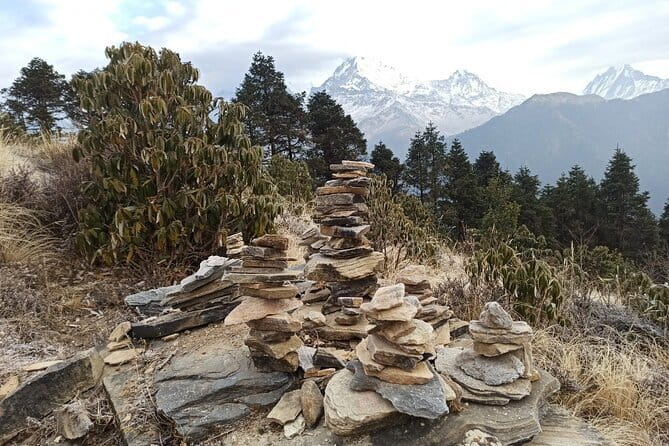
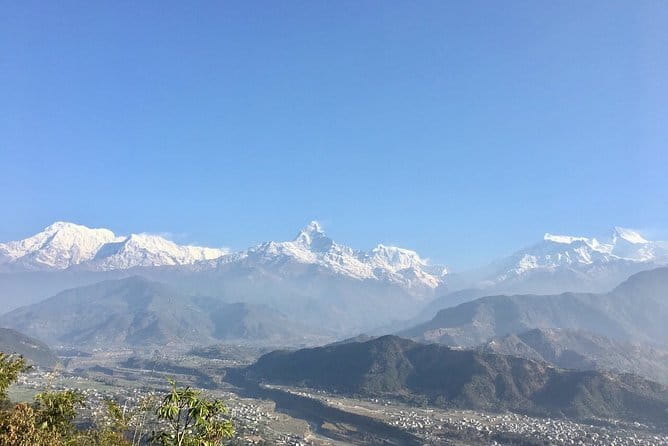
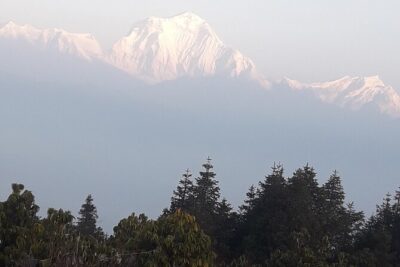
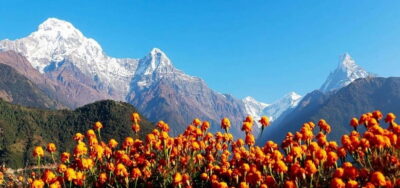
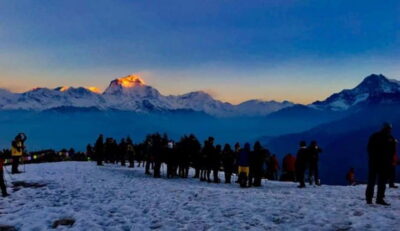
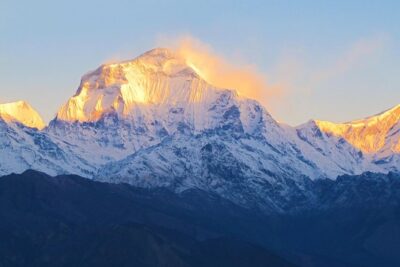
The best reason to choose this trek is the sunrise from Poon Hill, where the first light reaches Annapurna, Dhaulagiri, Annapurna South, Fishtail, and Himchuli. In only four days, you move from Pokhara’s lakeside setting into forest, terraced hills, mountain villages, and high viewpoints.
I like the compact route and the practical inclusions. Your guide, permits, TIMS card, guesthouse lodging, hotel transfers, and shared local bus rides are arranged for $230 per person. I also like the cultural side, especially the walk through Magar and Gurung communities rather than a trek built only around viewpoints.
The trade-off is that this is a short, active schedule, not a gentle stroll. You will face long uphill sections, many stone steps, an early pre-dawn walk to Poon Hill, and a final downhill hike. A moderate fitness level is required, and the local bus is shared rather than private.
Key points before you book
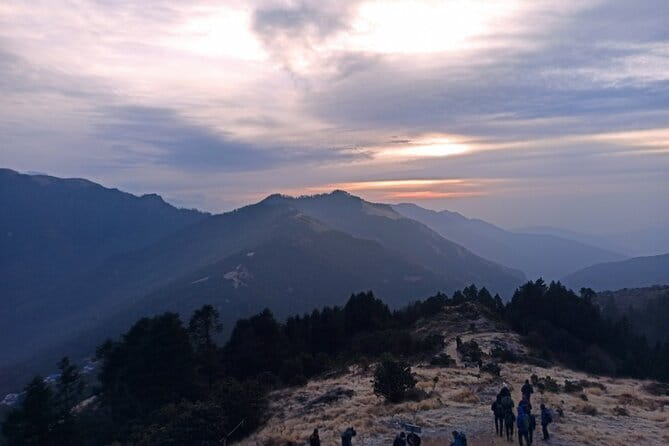
- Sunrise at Poon Hill: Leave before dawn from Ghorepani for a mountain panorama at the day’s most dramatic hour.
- Four distinct walking days: The route links Nayapul, Ulleri, Ghorepani, Poon Hill, Ghandruk, and Pokhara.
- Private trekking arrangement: Only your group takes part, while some road transfers use a shared local bus.
- Village and forest scenery: Expect rhododendron and oak woods, terraced farmland, streams, and Magar and Gurung settlements.
- Useful inclusions: A guide, permits, TIMS card, accommodation, hotel pickup, hotel drop-off, and transport are included.
- A good first Himalayan trek: The route offers big views without requiring a long expedition, though the stairs and early starts still demand effort.
Why this four-day route works from Pokhara
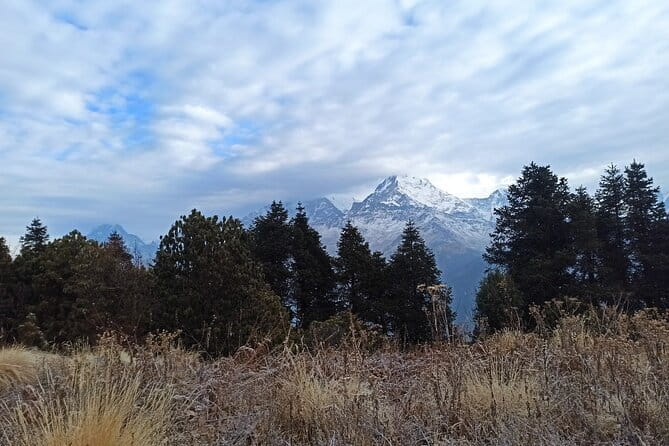
Poon Hill is popular for a sensible reason: it gives you a real Himalayan walking experience without requiring a lengthy commitment. The route packs several types of scenery into four days, beginning with subtropical vegetation and rising through oak and rhododendron forest toward open mountain viewpoints.
You also get a strong cultural element. The route passes through villages associated with the Magar and Gurung communities, where traditional settlement patterns and mountain life are part of the walk. This makes the trek feel less like a race to a viewpoint and more like a journey through the foothills.
The price is $230 per person. That is a fair package price when you count the English-speaking trekking guide, trekking permit, TIMS card, guesthouse accommodation, hotel pickup and drop-off, and round-trip road transport listed for the route. You still pay your own personal expenses, so budget separately for items not included in the package.
The word private needs a little explanation. The trek itself is private, meaning only your group participates, but the road transfer is by shared local bus according to the itinerary. If you want a completely private vehicle, this arrangement may not suit you.
Other short treks out of Pokhara:
- Poon hill Trek 3 days
★ 5.0 · 176 reviews - Pokhara: 4-Day Ghorepani, Poonhill & Ghandruk Mountain Trek
★ 5.0 · 132 reviews - Ghorepani – Poon Hill Trek 3N-4D
★ 5.0 · 125 reviews
Day 1: Pokhara to Nayapul, then the climb to Ulleri
The first day begins with pickup in Pokhara and a local bus ride to Nayapul. The drive takes about one hour, and Nayapul is the starting point for the walk.
From there, you hike toward Ulleri, at about 2,070 meters, or 6,791 feet. The day is listed at roughly seven hours, so do not treat this as a warm-up. It is your first serious walking day, with a long ascent and enough time on foot to test your pace.
Ulleri is important because it places you inside the mountain route rather than merely near it. The change from road travel to walking comes quickly, and the uphill work begins early in the trip. Keep your day pack light and use the first day to settle into a steady rhythm.
The strongest part of this day is the sense of leaving Pokhara behind. Roads and city conveniences give way to footpaths, mountain settlements, and rising views. The least appealing part is also clear: seven hours of walking on day one can feel demanding if you arrive without much recent exercise.
Take the guide’s pacing seriously. You do not gain anything by rushing the first climb, especially since the next days include more uphill walking and the pre-dawn trip to Poon Hill.
Day 2: Ulleri to Ghorepani through Magar country
Day two takes you from Ulleri to Ghorepani in about six hours. Along the way, you pass Banthali, a village associated with the Magar community, with views toward Annapurna South, which rises to 7,219 meters, or 23,684 feet.
This is a rewarding day for people who enjoy the gradual change in scenery. The route moves through forest, with rhododendron and oak trees framing sections of the walk. Terraced fields and mountain streams add detail at lower elevations, while the higher sections begin to feel more open and alpine.
Ghorepani is the practical base for the next morning’s sunrise. Your guesthouse stay is included, which removes one of the main headaches of a short trek. You do not have to arrange a new place to sleep at every stop, though personal expenses such as food and other purchases are not included in the tour price.
The day is shorter than day one, but it is not effortless. The route continues to gain height, and the trail may feel repetitive if you focus only on reaching the next village. I would use this section to pay attention to the changes in vegetation, farming, and views rather than measuring the day only by distance.
The village setting also gives you time to notice the human side of the trek. This is where the route feels connected to daily life in the hills, not simply designed as a mountain sightseeing circuit.
Day 3: Pre-dawn Poon Hill, then on to Ghandruk
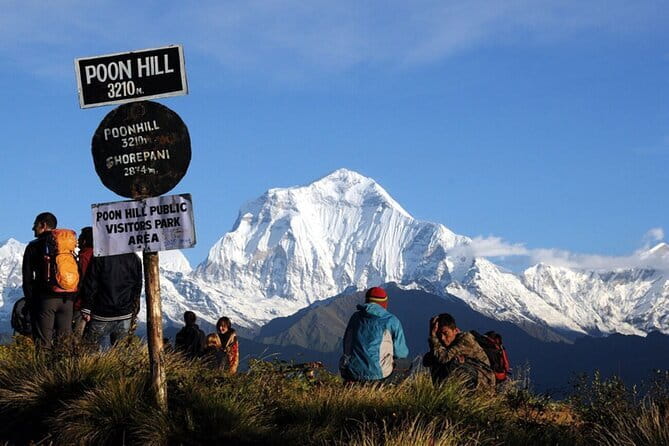
Day three is the highlight and the most tightly timed part of the trek. You start before dawn and walk to the Poon Hill viewpoint base so you can reach the top in time for sunrise.
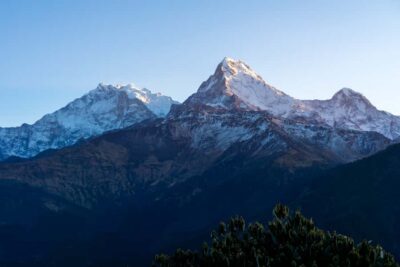
The reward is a wide mountain view as the first light reaches the Annapurna and Dhaulagiri ranges. Annapurna South, Annapurna I, Dhaulagiri, Fishtail, and Himchuli are among the peaks associated with the route. Clear weather matters greatly here. The viewpoint can be memorable, but clouds can limit what you see.
Bring warm layers for this section. The information provided does not specify equipment rental or weather conditions, so you should prepare for a cold early morning rather than assume the walk will be comfortable. Your guide can help with timing, but the exact sunrise departure depends on the season and local conditions.
After Poon Hill, the trek continues toward Ghandruk. The day is listed at about seven hours, which includes the early viewpoint walk and the onward route. This makes day three the emotional high point and one of the more tiring days physically.
Ghandruk adds a second cultural payoff. The village is one of the best-known stops on this route, and the walk into it gives you a chance to see how the mountain communities fit into the surrounding hills. The guide is especially useful here, since this is the point where cultural explanation can turn a pretty walk into a more meaningful one.
Several guide names have been connected with this operator, including Dadhi, Milan Rai, Purna Bahadur, Bikram, Sagar, and Sham. Your assigned guide may be different, so do not book based on a particular name unless the company confirms it. What you should expect is an English-speaking guide who manages the route and shares information about local culture.
A few more things to do in Pokhara worth a look
- Trekking in Annapurna/Langtang/Everest/Upper Mustang regions
★ 5.0 · 161 reviews - Pokhara: Annapurna Foothills Day Hike with Transfers
★ 5.0 · 100 reviews - Kathmandu/Pokhara: 5-Day Annapurna Base Camp (ABC) Trek
★ 4.9 · 72 reviews - From Pokhara: 3-Day Ghorepani Poon Hill Trek with Guide
★ 4.9 · 68 reviews
Day 4: Ghandruk back to Pokhara
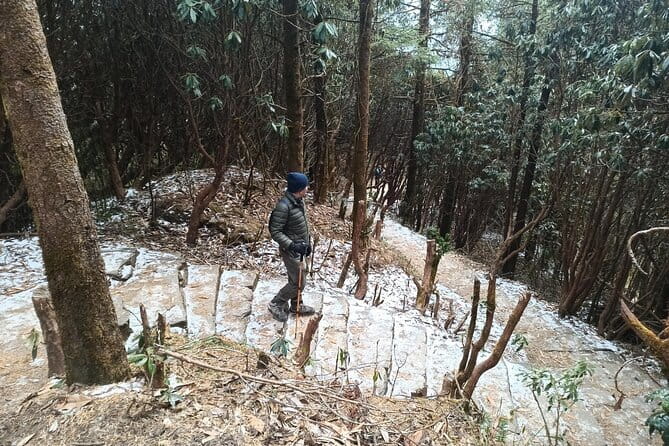
The final day takes you downhill from Ghandruk and eventually back to Pokhara. The walking portion lasts about six hours and follows a scenic route through rhododendron forest.
You will have one last chance to look back toward Annapurna I, Annapurna South, Dhaulagiri, Fishtail, and Himchuli. The downhill direction may sound easy, but long descents can be hard on knees and ankles. Trekking poles, if you use them, can be useful, though they are not listed as an included item.
This is a satisfying finish because the return route is not just a road transfer. You continue walking through forest and mountain country before the trip back to Pokhara. At the same time, the final day leaves little room for a slow morning. If you are tired from the previous day’s sunrise start, six hours downhill can feel longer than expected.
Hotel drop-off is included, which is helpful after four active days. You finish with a clear transition from remote footpaths to Pokhara, rather than having to arrange your own ride at the end.
What the $230 price really covers
The strongest value comes from the number of basic services bundled into the cost. You receive:
- Hotel pickup and drop-off
- Round-trip shared local bus transport according to the route
- An English-speaking trekking guide
- Trekking permit and TIMS card
- Guesthouse accommodation
- A private trek for your group
For a first trek in Nepal, these details matter. Permit paperwork can be a nuisance, and having a guide handle the route gives you more time to focus on walking and scenery. Guesthouse lodging also keeps the plan simple.
The price does not cover personal expenses. The supplied information does not list meals, drinks, equipment, travel insurance, or spending money as included, so ask the operator for current details before you leave. Do not assume every cost on the mountain is part of the $230.
Group discounts are available, and the activity offers mobile ticketing. Confirmation is provided at booking, and you need to send passport details plus a photo, including a selfie if necessary, so the trekking permit can be issued.
Fitness, timing, and the real level of effort
This trek is often presented as accessible, and the four-day length does make it approachable for many first-time trekkers. Still, accessible does not mean flat or easy. The schedule includes days of six to seven hours, uphill sections, stone steps, and a pre-dawn climb.
You should be comfortable walking for several hours at a time and handling repeated climbs and descents. The operator specifies a moderate physical fitness level, which is the right way to think about it. You do not need to be an elite hiker, but you should not arrive expecting a casual sightseeing tour.
The most important preparation is simple: break in your walking shoes, keep your bag manageable, and practice longer walks before arriving. The early Poon Hill start is also worth planning for mentally. The sunrise is the main prize, but you earn it before breakfast and before daylight.
Weather can affect the views. The mountain panorama is the main reason to take this route, so clear conditions improve the experience greatly. The route still has value through villages and forests if clouds cover the peaks, but you should understand that no guide can guarantee a perfect sunrise.
The guide and the human side of the trek
A good guide matters on a short trek because the schedule leaves little room for confusion. The guide helps with route timing, the Poon Hill departure, permit checks, accommodation arrangements, and communication along the way.
The strongest praise associated with this operator centers on organization, helpfulness, and cultural explanations. Names such as Dadhi, Milan Rai, Bikram, Sagar, and Sham appear in connection with individual trips, but assignments can change. Ask who will guide your group if that matters to you.
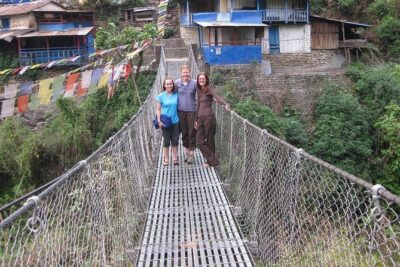
The route also works well for people who want more than mountain photographs. Magar and Gurung villages, terraced fields, forest paths, and guesthouse stops give you regular contact with local life. You should remain respectful, ask before taking close-up photographs, and let your guide explain customs rather than treating villages as scenery.
Because the trek is private, your group can usually keep its own pace within the day’s schedule. That is useful for families, couples, or friends with similar fitness levels. It may be less suitable for someone hoping to meet a large group of fellow hikers along the way.
Who should book this Poon Hill trek
I would choose this trip if you have four days available from Pokhara and want a strong first taste of Nepal’s mountain routes. It suits people who value scenery, village life, and a guided plan, but who do not want a long expedition.
It can also work for families and beginners who have a reasonable fitness base. The route is short enough to fit into a wider Nepal holiday, and the guide and permit arrangements reduce the number of details you must manage yourself.
I would think twice if you dislike early mornings, long uphill walks, shared buses, or basic guesthouse accommodation. The itinerary is busy, and the climb to Poon Hill begins before sunrise. Someone seeking a soft, hotel-based holiday should choose a different experience.
Cancellation is free if you cancel at least 24 hours before the start time. Cancellations within 24 hours are not refunded, and changes inside that period are not accepted.
Should you book it?
Book this Poon Hill trek if you want a short but genuine mountain route with famous sunrise views, village contact, and the safety of an arranged guide and permit package. The $230 cost is reasonable for what is included, especially for a private group.
Before paying, confirm the guide assignment, what personal costs you should carry, and the precise transport and accommodation details. If you are fit enough for six to seven hours of walking and willing to start before dawn, this is a practical way to experience the Annapurna region from Pokhara in just four days.
FAQ
How long is the Poon Hill Trek from Pokhara?
The trek lasts approximately four days. Walking days are listed at about seven hours, six hours, seven hours, and six hours.
Is hotel pickup and drop-off included?
Yes. Hotel pickup and drop-off are included in the experience.
Is transport included?
Yes. Round-trip transfer by shared local bus is included according to the itinerary. The trek itself is private for your group.
Is a trekking guide included?
Yes. An English-speaking trekking guide is included.
Are the trekking permit and TIMS card included?
Yes. The trekking permit and TIMS card are included, and you must provide passport details and a photo so the permit can be issued.
What fitness level is required?
A moderate level of physical fitness is required. The route includes six to seven hours of walking per day, uphill sections, and an early morning walk to Poon Hill.
Just added in Pokhara
- Tandem Paragliding in Pokhara★ 4.8 · 8 reviews
- Seti George and Thrilling Suspension Bridge Tour at Pokhara★ 4.5 · 3 reviews
- Pokhara: Suspension Bridge Private Tour- 30 Min Village Walk★ 4.8 · 9 reviews
- Pokhara: Visit Best Seven Tourist Destination by Sharing Bus★ 3.4 · 10 reviews
- Pokhara: Sunrise Tour to Sarangkot★ 5.0 · 3 reviews
- Pokhara Sightseeing By Bus: Day Trip★ 4.6 · 7 reviews
- Pokhara Sightseeing By Bus – Day Trip★ 3.2 · 8 reviews
- Pokhara Sarangkot : Cable Car (Himalayas) Sunrise Tour★ 5.0 · 6 reviews
Ghorepani & Poon Hill Treks, compared.
4-Day Ghorepani, Poonhill & Ghandruk Mountain Trek
Read our review →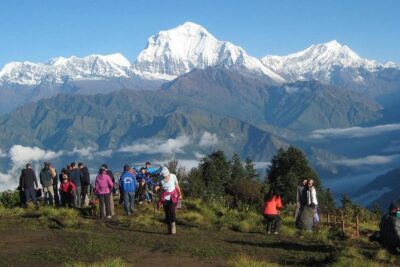
Browse the lists this tour appears in