
Reviewed · CITY TOURS
Pokhara: City Sightseeing Group Budget Bus Tour
Pokhara’s best-value sightseeing day packs hilltop views, sacred caves, waterfalls, and temples into one long loop. For $10 per person, you get hotel pickup in Lakeside, shared transport, and local assistance, while the sights provide the real payoff: Phewa Lake below the World Peace Pagoda, the Shiva Lingam inside Gupteshwor Cave, and the dramatic gorge cut by the Seti River.
I like the wide range of stops and the fact that you can see places spread across Pokhara without arranging several taxis. I also like the friendly coordination associated with Raj, who is praised for helping before, during, and after the day. The tradeoff is basic transport: one passenger found the mini-bus dirty and full of flies, and English help may be limited at times.
Key points to know before booking
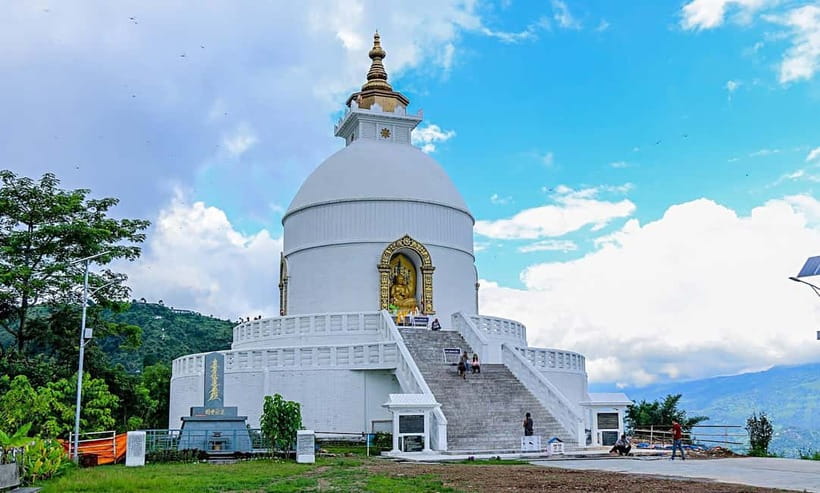
- Pumdikot and the World Peace Pagoda provide the big views, with Pokhara Valley, Phewa Lake, and the mountains below.
- Gupteshwor Cave and Davis Falls are next to each other, making this one of the most efficient parts of the day.
- The tour adds three cave stops, including Mahendra Cave and Bat Cave, but expect walking, uneven ground, and dark passages.
- Shared transport keeps the price low, though a basic mini-bus offers less comfort than a private car.
- Entrance fees are extra, totaling about NPR 1,000 per person according to the tour details.
- The schedule suits a short stay, but the many stops mean you get a broad look rather than long, quiet visits.
Why this $10 Pokhara tour offers good value
At $10, this is not a luxury sightseeing outing. It is a practical way to reach Pokhara’s scattered sights without paying for a private driver, and that distinction matters.
You receive pickup from a hotel in the Lakeside area, transport in a shared mini-bus, and help from a local guide who speaks Nepali, Hindi, or English. The guide is described as an assistant rather than a professional guide, so you should expect basic explanations and coordination, not a detailed lecture at every stop.
The price does not cover entry tickets. Set aside about NPR 1,000 per person for the various attractions. You will also pay for your own meals, drinks, and personal purchases. Food and drinks are not allowed on the bus, so plan to eat during an appropriate break rather than carrying snacks aboard.
I see the strongest value here in the transport. Pokhara’s sights sit in different parts of the city and surrounding hills. Reaching them independently would mean arranging several rides and keeping track of directions. This tour handles the route in one day, which is useful if you have limited time.
The main cost is comfort. The bus is described as a basic shared vehicle, and one passenger found it dirty with flies inside. That is a fair warning for anyone who normally books polished coach tours. Bring patience, keep your expectations modest, and choose this for access and price rather than for a refined ride.
A few more things to do in Pokhara worth a look
- Pokhara: Sarangkot Sunrise with Half or Full-Day City Tour
★ 4.8 · 100 reviews - Guided Tour to explore the entire Pokhara City
★ 5.0 · 51 reviews - Pokhara: City Sightseeing Group Bus Tour
★ 4.1 · 37 reviews
Pumdikot begins the day above Pokhara
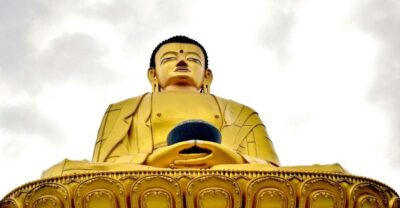
The first major stop is the Pumdikot Shiva Statue, reached after about 50 minutes by bus from pickup. You have around an hour here.
This hilltop stop gives the day a strong start. The statue is a religious site, and the higher position helps you see the broad setting around Pokhara. It also prepares you for the World Peace Pagoda, where the views become even more central.
The ride up takes time, so you should expect roads through the hills and some movement in the vehicle. Comfortable shoes are useful from the beginning. Carry water, sunglasses, a sun hat, and sunscreen, since several stops are open and exposed.
World Peace Pagoda brings the postcard view
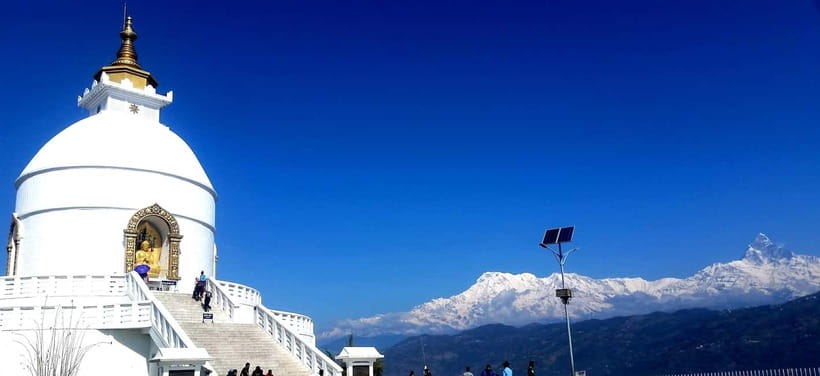
After roughly 25 minutes on the bus, you reach the World Peace Pagoda for about 55 minutes. This white stupa sits on a hill above Pokhara Valley and gives you views toward the city, Phewa Lake, and the surrounding mountains.
This is one of the strongest stops on the route. The pagoda itself is calm and visually striking, but the real reason to come is the position above the valley. You get a sense of Pokhara as a whole instead of seeing it only from street level.
Your time here is long enough for photographs and a look around, but not for a slow retreat or extended sitting. The tour keeps moving, so have your camera ready and listen for the guide’s instructions about when to return to the bus.
Sun protection matters here. The tour specifically recommends a hat, sunglasses, sunscreen, and water. Those items are small but useful across the entire day.
Gupteshwor Cave and Davis Falls make the best paired stop
The bus ride to Gupteshwor Mahadev Cave takes about 35 minutes, followed by a 40-minute visit. From the cave, it is only about three minutes on foot to the next stop, which is Davis Falls.
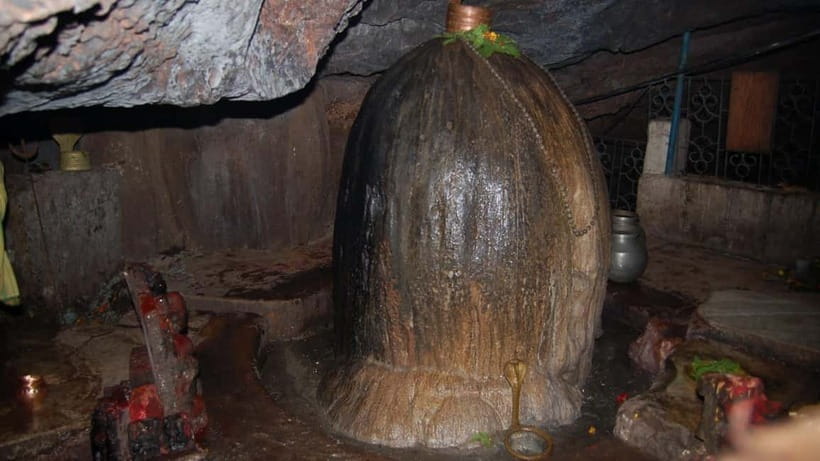
Gupteshwor is a natural limestone cave with stalactites and stalagmites. Its religious importance comes from the sacred Shiva Lingam inside. You get both a natural attraction and an active place of worship, so respectful behavior is important.
Caves are not ideal for every visitor. Floors may be uneven, the light is limited, and you may spend time walking or standing in confined spaces. The tour is not suitable for wheelchair users, and anyone with back or heart problems should think carefully about the physical demands.
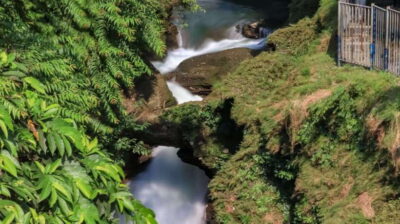
Davis Falls is known for water plunging into an underground cave. The cascades are powerful, and the site carries a local legend that the waterfall received its name after a person was swept away. The tour gives you time to admire the falls and hear about that story, though you should not expect a long private visit.
The pairing works well. You do not need another long transfer between two of Pokhara’s most recognizable sights. If you want strong photographs, this section offers plenty of variety: cave formations, the Shiva shrine, rushing water, and the surrounding rock.
Same base, a different kind of day:
- ZipFlyer Nepal – The World’s Steepest Zip-line
★ 5.0 · 608 reviews - Bungee Pokhara by HighGround Adventures
★ 5.0 · 366 reviews - From Pokhara: Sarangkot Sunrise Himalayas Tour
★ 4.7 · 218 reviews - ATV Adventure Tour in Pokhara, Nepal
★ 5.0 · 194 reviews
Seti River Gorge shows Pokhara’s force underground
After Davis Falls, the bus travels about 35 minutes to the Seti River Gorge. The scheduled visit is brief, around 15 minutes.
The Seti River is famous for cutting a narrow gorge through the city area. At this stop, you get a quick look at the river and the stone channel around it. The visit adds a different kind of scenery to the day. Instead of a hilltop panorama or a decorated temple, you see the force of water working through rock.
Fifteen minutes is enough for a look and a few photographs, but not for a long walk. Keep your attention on the schedule. A group tour cannot wait for everyone who lingers, and the route still includes two caves and a temple.
Mahendra Cave offers another underground stop
The ride to Mahendra Cave takes about 35 minutes, and you have around 20 minutes inside.
This is a large limestone cave with natural formations. It repeats some of the underground experience at Gupteshwor, but the setting and formations give it a separate reason to visit. If you enjoy caves, the sequence is a bonus. If you prefer open views, this may feel like one cave too many after the morning stop.
The short visit means you will see only part of what the cave offers. Bring shoes with a good grip and avoid loose clothing that could catch on rough surfaces. You should also keep your camera ready, but remember that low light can make cave photographs difficult.
Bat Cave adds a small, unusual stop
Only 10 minutes by bus from Mahendra Cave, Bat Cave receives about 25 minutes.
This is a smaller cave where you can learn about the bats living inside. The appeal is less about grand formations and more about the simple curiosity of seeing a different cave environment. It breaks up the larger sightseeing stops with something more unusual.
Do not expect a large attraction with extensive facilities. The tour presents Bat Cave as a short visit near Mahendra Cave, so keep your expectations in line with that. For many people, it will be a memorable oddity rather than the day’s main highlight.
Together, the three caves give the afternoon a clear theme. You see religious space at Gupteshwor, limestone formations at Mahendra, and wildlife at Bat Cave. The downside is that the schedule leaves little room to explore any one cave slowly.
Bindabasini Temple closes the cultural part of the route
The next bus ride takes about 15 minutes to Bindabasini Temple, where you have approximately 45 minutes.
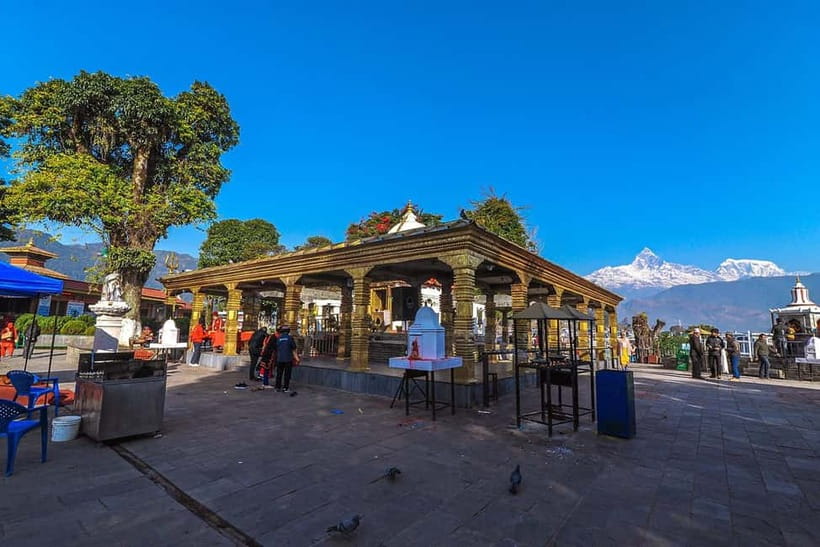
This Hindu temple sits in Pokhara and offers a final cultural stop after the natural attractions. You can look around the temple grounds, observe its religious role, and hear about its history and significance from the local guide.
Dress comfortably and respectfully. The supplied information does not specify a formal dress code, but this is a sacred place, not simply another viewpoint. Follow local instructions and avoid treating worshippers or ceremonies as a backdrop for casual photography.
The 45-minute stop gives you more time than the Seti Gorge visit. It also comes late in the day, when the temple provides a welcome change from caves and bus rides. If the day has felt physically demanding, use part of this stop to slow down.
Fewa Lake is a fitting final note
The day concludes with a visit to Fewa Lake before returning to Pokhara. The details do not specify how long you stay at the lake, so think of this as a final stop rather than a full boating excursion.
Fewa Lake is central to the character of Pokhara. It ties together the earlier views from the hills, where you saw the water from above, with the city-level experience at the end of the route. If you want a boat ride or a long lakeside break, you should arrange that separately unless the operator confirms extra time.
The route then returns to Pokhara after a full day of sightseeing. Exact starting times are not provided and depend on availability, so check the pickup time when booking.
Transport, timing, and what the day feels like
The stated schedule includes about five hours of bus travel, plus visits and short walks. That makes this a full day, not a relaxed half-day outing. You will move often, and some stops have firm departure times.
Pickup is included from hotels within Lakeside. Look for the name card and be ready at the agreed time. The vehicle is a shared mini-bus, so space and cleanliness may vary. Smoking, alcohol, drugs, and littering are not allowed, and food and drinks cannot be consumed on the bus.
The tour has received strong marks for organization, timing, friendly staff, and the driver. The guide may be bilingual, and support is available in Nepali, Hindi, and English. Still, one passenger wanted more English help, so you should not book this expecting detailed English commentary at every location.
A useful detail is the praise for Raj’s coordination. His role is described as tour director support, helping with arrangements before, during, and after the outing. That suggests you can expect active coordination, but the actual local guide on your departure may vary.
What to bring for a smoother day
Wear comfortable walking shoes. You will visit caves, viewpoints, temple grounds, and uneven outdoor areas, so sandals or stiff city shoes may become tiring.
Pack:
- Water
- Sunscreen
- Sunglasses
- A sun hat
- Comfortable clothing
- A camera
You will need to pay entrance fees separately, so carry enough Nepalese rupees. The approximate total is NPR 1,000 per person, though the final amount can depend on the attractions included at the time.
The tour does not suit wheelchair users, people with back problems, or people with heart problems. Even if you have no medical concerns, be realistic about a full day of getting on and off a bus, walking through caves, and standing at viewpoints.
Who should book this Pokhara sightseeing day
I would choose this tour if you have one free day in Pokhara and want to see the main sights without arranging transport yourself. It is especially useful for solo visitors or couples who want the low cost of a group outing.
It also suits people who like variety. In one day, you get hilltop views, a stupa, a large Shiva statue, two waterfalls and river features, three caves, a temple, and a lake. You will not have much time for quiet exploration, but you will cover a lot.
I would look elsewhere if you want a private vehicle, polished transport, a slow pace, or detailed historical guiding. The bus is basic, the schedule is busy, and the local guide is there mainly to assist rather than deliver a specialist tour.
The free cancellation period of 24 hours and reserve-now, pay-later option make the booking less rigid. Still, confirm the pickup time, entrance costs, language support, and final lake arrangements before setting out.
Should you book this $10 tour?
Book it if coverage and price matter more than comfort. The World Peace Pagoda, Pumdikot, Gupteshwor Cave, Davis Falls, and Bindabasini Temple give you the strongest reasons to go, while the extra caves and Seti Gorge fill out the day.
Skip it if a dirty bus would ruin your mood or if you need accessible, low-effort sightseeing. For everyone else, this is a sensible first look at Pokhara, especially when your time is short and a private car costs more than you want to spend.
FAQ
How much does the Pokhara sightseeing bus tour cost?
The tour costs $10 per person. Entrance fees, meals, drinks, and personal expenses are not included.
What entrance fees should I budget for?
The estimated entrance fees are about NPR 1,000 per person. Extra fees apply at certain attractions.
Does the tour include hotel pickup?
Yes. Pickup is included from hotels within the Lakeside area of Pokhara.
What language does the guide speak?
Guide support is available in Nepali, Hindi, and English. The tour provides a local guide to assist you, not a professional specialist guide.
Which places does the tour visit?
Stops include Pumdikot Shiva Statue, World Peace Pagoda, Gupteshwor Mahadev Cave, Davis Falls, Seti River Gorge, Mahendra Cave, Bat Cave, Bindabasini Temple, and Fewa Lake.
Is transport shared?
Yes. Transport is provided in a shared basic mini-bus.
What should I bring?
Bring comfortable shoes, sunglasses, a sun hat, sunscreen, water, comfortable clothing, and a camera.
Can I cancel the booking?
You can cancel up to 24 hours in advance for a full refund. The reserve-now, pay-later option lets you book without paying immediately.
Just added in Pokhara
- Tandem Paragliding in Pokhara★ 4.8 · 8 reviews
- Seti George and Thrilling Suspension Bridge Tour at Pokhara★ 4.5 · 3 reviews
- Pokhara: Suspension Bridge Private Tour- 30 Min Village Walk★ 4.8 · 9 reviews
- Pokhara: Visit Best Seven Tourist Destination by Sharing Bus★ 3.4 · 10 reviews
- Pokhara: Sunrise Tour to Sarangkot★ 5.0 · 3 reviews
- Pokhara Sightseeing By Bus: Day Trip★ 4.6 · 7 reviews
- Pokhara Sightseeing By Bus – Day Trip★ 3.2 · 8 reviews
- Pokhara Sarangkot : Cable Car (Himalayas) Sunrise Tour★ 5.0 · 6 reviews
City Tours, compared.
Sarangkot Sunrise with Half or Full-Day City Tour
Read our review →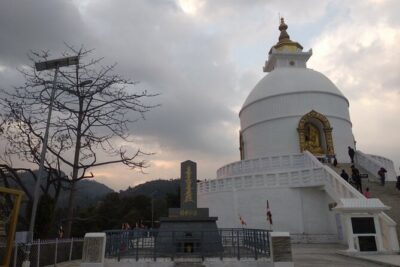
Full Day Kathmandu City Sightseeing Tour of UNESCO Heritage Sites
Read our review →
Browse the lists this tour appears in