
Reviewed · CITY TOURS
Kathmandu: Private City Guided Tour
Kathmandu’s best introduction is a day spent moving between its sacred hilltops, royal courtyards, Buddhist shrines, and the Bagmati River. This private tour covers Swayambhunath, Boudhanath, Pashupatinath, and Patan Durbar Square in six hours, with a guide to explain what you are seeing rather than leaving you to guess.
I like the private format because you can slow down at a temple, adjust the order, or skip a stop if traffic and energy get in the way. I also like the guides, especially Kapil, Saru, Bhim, and Raj, who are often praised for clear explanations and flexible pacing. The main drawback is that four major sites in six hours makes this a fast overview, not a leisurely study of each monument.
Key points to know before booking
- Four major sights in six hours: Swayambhunath, Boudhanath, Pashupatinath, and Patan Durbar Square give you a broad look at Kathmandu Valley culture.
- Private transport saves time: A car, SUV, or minivan takes you between sites, though Kathmandu traffic can stretch short drives into half an hour or more.
- The guide is the main value: Guides such as Kapil, Saru, and Bhim explain Hinduism, Buddhism, architecture, cremation customs, and local life.
- Entry fees are extra: Budget about NPR 2,700, roughly US$22, per person, though rates vary for Nepali, South Asian, Chinese, and other visitors.
- Lunch is not included: You can arrange food during free time, and rooftop restaurants near Boudhanath are a popular choice.
- Best for a short stay: This works especially well on a first day in Kathmandu, during a long stopover, or when you want a private introduction without arranging transport yourself.
Four landmarks, one compact look at Kathmandu
This is not a museum-style tour with long lectures and set-piece entertainment. It is a practical route through the Kathmandu Valley’s most important religious and royal sites.
You travel in a private car with a driver and guide. Pickups are available from hotels in Kathmandu, Thamel, Lazimpat, Naya Bazaar, Boudha, Lalitpur, and Ekantakuna, with drop-off options in the same general areas. Your guide meets you at the hotel, and the day usually includes sightseeing, guided walks, some free time, and possible shopping.
The order can change. So can the balance between stops. If you care more about photography, religion, architecture, food, or shopping, say so at the start. The private setup makes that possible, although you cannot make Kathmandu traffic disappear with a polite request.
A few more things to do in Kathmandu worth a look
- Private Kathmandu Sightseeing Tour | UNESCO World Heritage sites
★ 5.0 · 756 reviews - Kathmandu: Full Day 7 UNESCO Tour with Lunch – Private/Group
★ 5.0 · 415 reviews - Private Bhaktapur and Nagarkot Day Tour From Kathmandu
★ 5.0 · 305 reviews
Swayambhunath, the hilltop shrine with valley views
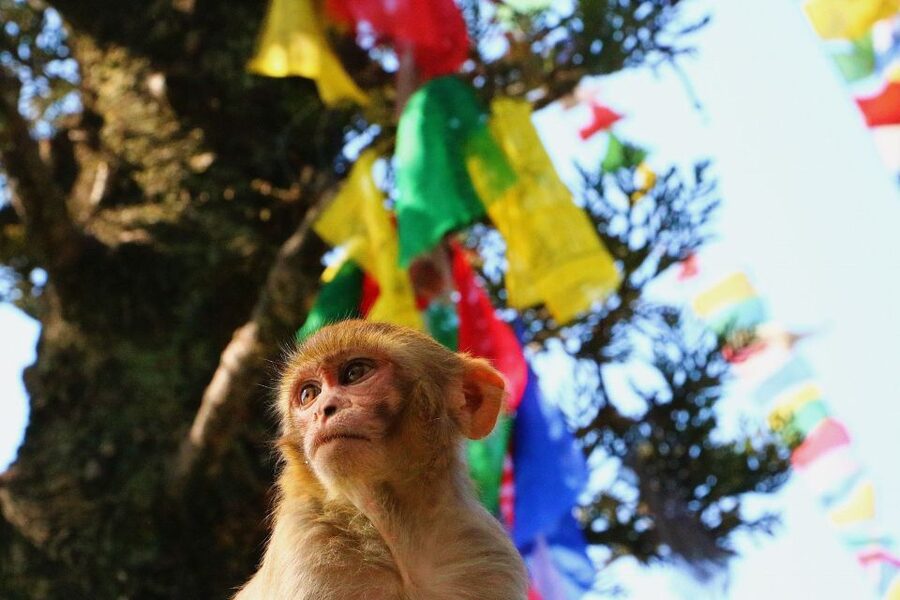
Swayambhunath, often called the Monkey Temple, sits on a hill about 77 meters above the surrounding ground. The climb and uneven surfaces give the first part of the tour a physical edge, but the reward is a broad view over Kathmandu Valley.
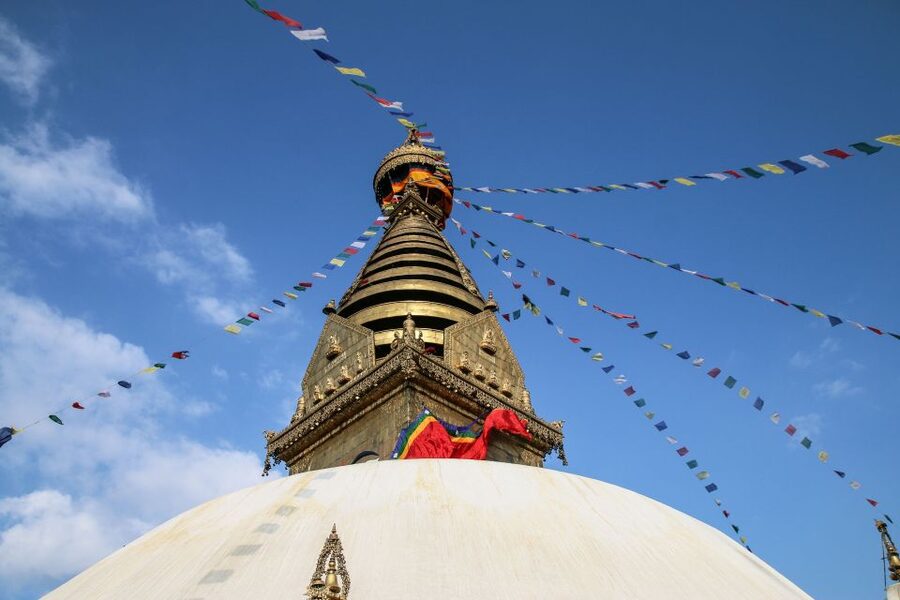
At the center is the white stupa with Buddha’s painted eyes looking in the four cardinal directions. Those eyes represent awareness and watchfulness, and your guide can explain the symbols that make the stupa more than a striking photo subject.
The complex also includes two Buddhist monasteries and the temple of Haratima, a place honored by both Hindus and Buddhists. A short walk leads to the Manjushree Temple and Anandakuti Bihar. These additional sites help you see how Kathmandu’s religious life does not fit neatly into separate boxes.
You should allow time for stairs, slopes, and walking around the hilltop. The tour is not suitable for wheelchair users, and anyone with mobility concerns should discuss the route before booking. One guide adapted the pace for a visitor with mobility issues, so it is worth asking for breaks and easier access where possible.
Boudhanath, prayer wheels and Tibetan Buddhist life
Boudhanath lies about six kilometers east of central Kathmandu and is one of the world’s largest Buddhist stupas. Its white dome and large square base are surrounded by monasteries, shops, cafés, and the daily movement of Tibetan Buddhist worship.
This is a good place to slow the pace. Walk around the stupa, notice the prayer wheels, and watch people make their circuit in a clockwise direction. Your guide can explain the meaning of the structure and the role of the surrounding monastic community.
Boudhanath is also the most obvious place to fit in lunch. Several tour experiences included a rooftop meal with a view of the stupa. Food and drinks are not part of the tour price, so you pay separately, but a meal here can be a useful pause after the first two sites.
The food angle is flexible. Some guides take visitors to local restaurants or help arrange tastings, including savory and sweet Nepali dishes. One group used the tour mainly to sample local food and visited several small places. Tell your guide if food matters to you, rather than assuming every departure follows the same lunch plan.
Pashupatinath and the Bagmati River
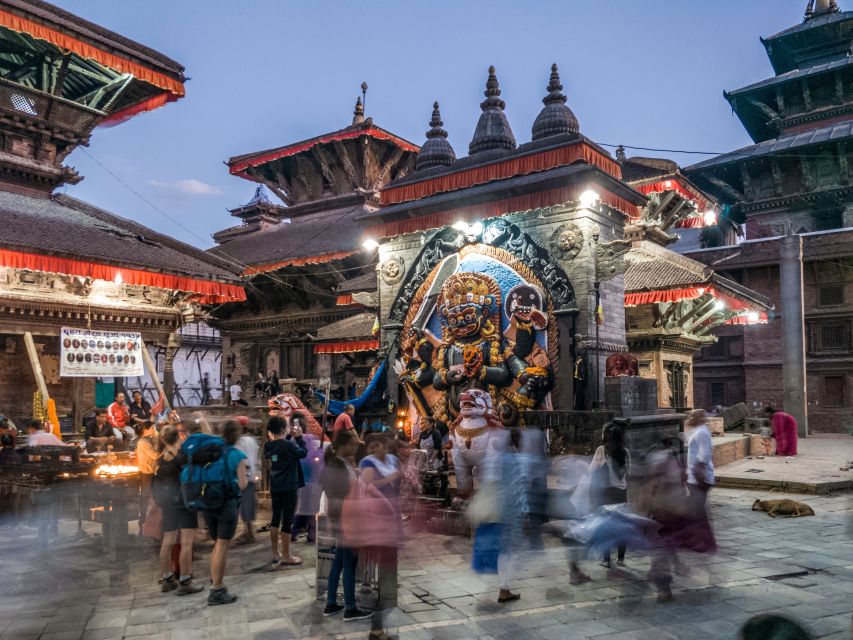
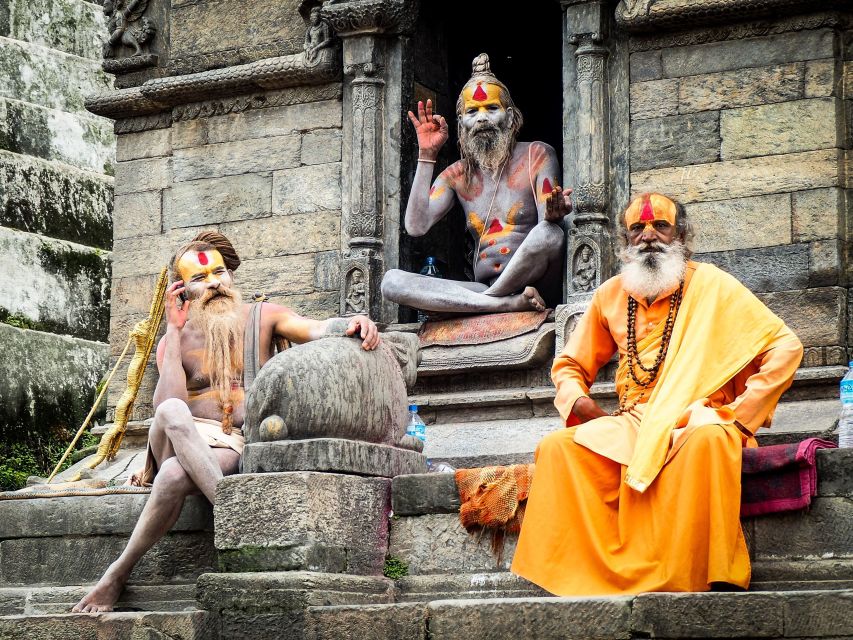
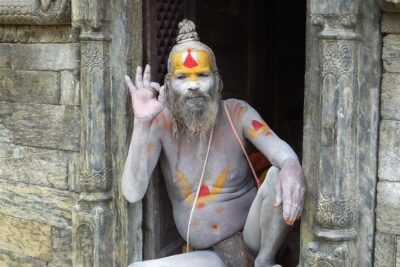
Pashupatinath is Nepal’s most important Hindu temple complex, dedicated to Shiva and set beside the Bagmati River. The main temple has two gold roofs and four silver doors, but non-Hindu visitors cannot enter the inner temple. You can still see much of the complex from the outside and learn about its role in Hindu pilgrimage.
The riverbank is also a place where Hindu cremation ceremonies take place. This can be a powerful cultural experience, but it is not a staged attraction. You are looking at a religious funeral setting, so quiet behavior, distance, and sensitivity matter.
A good guide prepares you for this before you arrive. One guide supplied masks because smoke and smell can be strong near the cremation platforms. If you would rather not watch the ceremonies, say so. The guide can explain the site without forcing you toward the riverbank.
Pashupatinath often brings the most serious tone to the day. At Swayambhunath and Boudhanath, the focus is on symbols, prayer, and architecture. Here, you encounter living ritual and the Hindu view of death beside a public river. That difference is one reason this tour offers more than a quick monument checklist.
Same base, a different kind of day:
- Everest Base Camp Trek – 14 Days
★ 5.0 · 1,499 reviews - Everest Base Camp Helicopter Tour landing at Everest View Hotel
★ 5.0 · 668 reviews - Half day cooking class in Thamel kathmandu
★ 5.0 · 607 reviews - Everest Base Camp Trekking
★ 5.0 · 485 reviews
Patan Durbar Square and Newari design
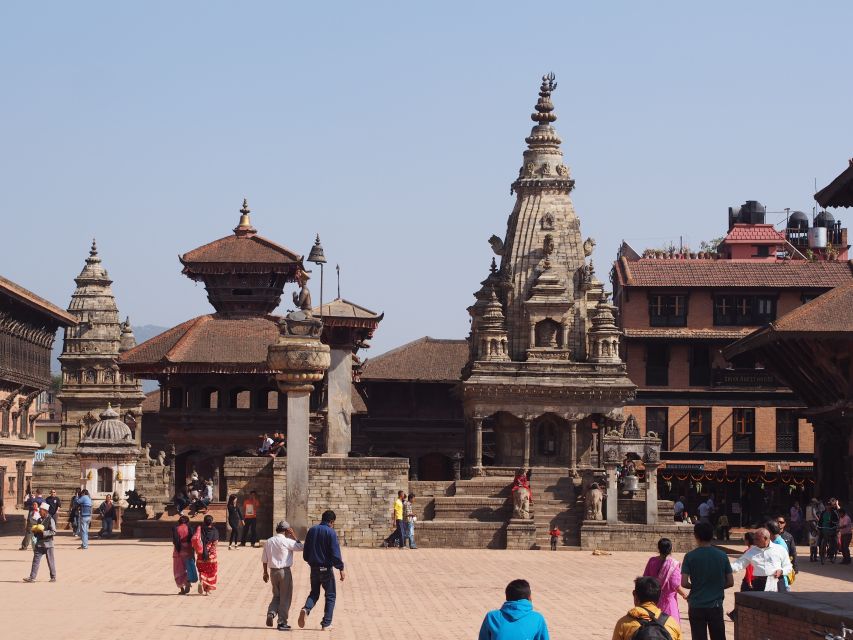
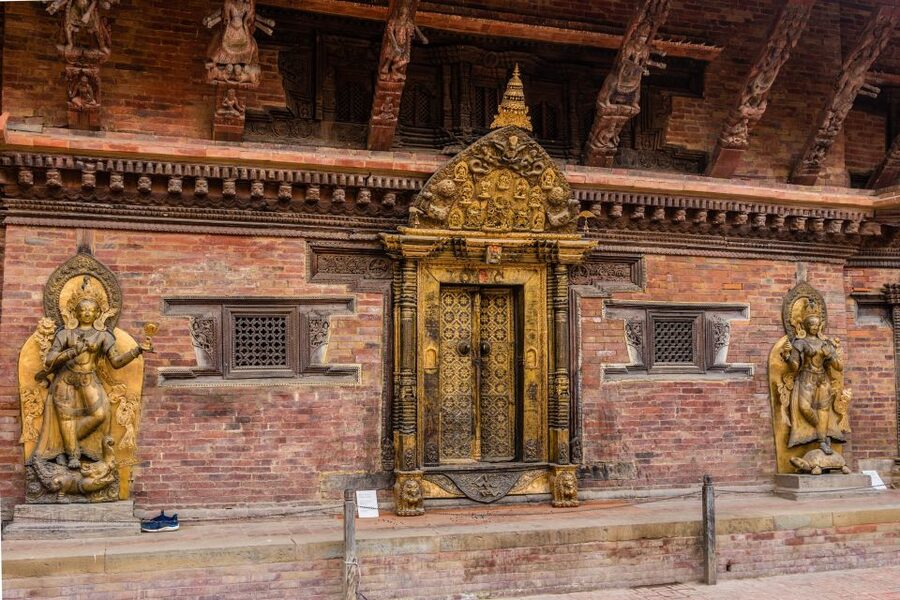
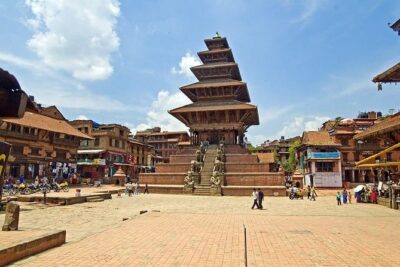
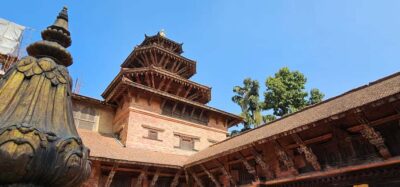
Patan Durbar Square was once the home of the Patan royal family. It is known for Newari architecture, carved details, courtyards, temples, and brick-and-wood construction that rewards a close look.
The Krishna Temple is one of the square’s main sights, with 21 golden pinnacles. Rudra Varna Mahavihar, a Buddhist monastery filled with local objects, adds another layer to the visit. Mul Chowk, the central courtyard, gives you a sense of the palace complex and the way royal and religious spaces once worked together.
Patan is often the stop where you may wish for more time. Four large sites in one day require choices, and the square can feel like a short introduction rather than a complete visit. If architecture is your main interest, tell your guide to protect time for Patan and accept a shorter look elsewhere.
There is some variation in how this route is described, and individual visitors have adjusted the plan by skipping Patan or changing the balance between sites. That is not a flaw in the private format. It is a reminder to decide what matters most before you set out.
Why the private guide matters here
Kathmandu’s monuments are visually impressive, but their meaning is not always obvious. A painted eye, a roof style, a courtyard, a shrine, or a cremation platform can be misunderstood without context.
The strongest part of this experience is the guide’s ability to connect places with Hindu and Buddhist beliefs, Nepalese culture, architecture, and current city life. Kapil is repeatedly singled out for clear storytelling and careful timing. Saru is praised for answering questions and adjusting the route. Bhim, Raj, Shanti, Kumar, Deepak, and others have also led visitors through the city.
The quality you should look for is not simply a list of facts. You want someone who can tell you why the site matters and notice what interests you. Several guides have helped with photographs, ticket purchases, food choices, shopping, and changes to pickup or drop-off plans.
You can also request time alone at a site. One person stayed for an hour at a temple because that mattered more than rushing onward. Another used the tour during a short airport transit and needed an efficient route. The private group format makes those adjustments realistic.
Traffic, timing, and the six-hour limit
Kathmandu traffic is the main practical issue. A route that looks short on a map can take 30 minutes or more by car, particularly when roads are crowded. Your six hours includes driving, walking, explanations, ticket buying, and possible lunch, so do not expect six full hours inside monuments.
Starting early may help, but the available start time depends on the date you choose. Ask the provider about the best departure time for your pickup area and planned stops.
The car choice depends on your group. You can select a sedan, SUV, or minivan. A private vehicle is useful because public transport would add more waiting and route planning, but the car does not turn Kathmandu into a traffic-free city.
The tour suits solo visitors, couples, families, and small private groups. It can also work during a long transit, though you need enough time beyond the tour itself for airport procedures and any unexpected delay. A five-hour stopover was enough for one visitor to see several key sights, but that is a tight situation and should not be treated as a guarantee.
Cost, extra fees, and overall value
The advertised price is $40 per person for six hours. That includes hotel pickup and drop-off, a private car, and an English-speaking guide. Hindi and Nepali-speaking guides are also available.
Monument tickets cost about NPR 2,700, or roughly US$22, per person, and are paid separately at the sites. Rates differ for Nepali citizens, nationals of South Asian Association for Regional Cooperation countries, Chinese nationals, and other visitors, so check the current price at each ticket counter.
Meals and drinks are also extra. If you add entry fees at the listed approximate rate, the practical cost is closer to $62 per person before lunch. That is fair value if you want a private vehicle and a guide for a full half-day, especially if you are short on time or uncomfortable handling Kathmandu’s traffic and ticket counters yourself.
It is less compelling if you have two or more free days and enjoy exploring slowly. In that case, you could divide the four sites across separate visits and spend more time in Patan, Boudhanath, or Pashupatinath. The tour’s value is speed, structure, and explanation, not the lowest possible cost.
Food, shopping, and small practical details
The tour allows free time for food and shopping, but the exact choices depend on your guide and pace. If you want dal bhat, momos, sweets, or smaller local tastings, say so early. Guides have taken people to simple local places as well as rooftop restaurants overlooking Boudhanath.
Some visitors also used the guide’s help with trekking gear and souvenirs. This can be handy if you are new to Nepal, but remember that shopping is optional. Do not let an extra stop crowd out a monument you especially want to see.
Wear comfortable shoes. You will encounter stairs, uneven ground, courtyards, and walking between sites. Carry water, cash, and a passport or other identification. A face mask or protective covering is sensible, especially at Pashupatinath, where smoke may be present.
Dress respectfully at religious sites. A head covering was useful for one visitor, though it is not listed as required. Follow your guide’s instructions about where photography is allowed, especially around worship and cremation areas.
Free cancellation is available up to 24 hours before departure, and you can reserve without paying immediately. Those terms are useful if your Kathmandu plans may shift, but confirm the current conditions when you book.
Who should book this Kathmandu tour?
Book it if you have one day in Kathmandu and want the main cultural sights explained in a sensible order. It is also a strong choice for a first day, since it helps you understand the city before exploring on your own.
I would recommend it to solo visitors, couples, families, and people arriving on a short stopover. The guide can adapt the pace, arrange breaks, help with tickets, and explain customs that may otherwise feel confusing.
Think twice if you dislike car travel, want long quiet visits, or have mobility limitations. You may also prefer a slower plan if Patan’s architecture or Boudhanath’s Buddhist life is your central interest.
At $40 before entry fees and food, this is a useful orientation rather than a bargain sightseeing bus. The private vehicle, flexible route, and strong guide service make it worthwhile for a compact first look at Kathmandu, provided you accept that four major monuments in six hours will leave you wanting to return.
FAQ
How long does the Kathmandu private city tour last?
The tour lasts six hours, including transport, guided visits, walking, free time, and possible shopping.
Which monuments are included?
The planned sights are Swayambhunath Temple, Boudhanath Stupa, Pashupatinath Temple, and Patan Durbar Square.
Is hotel pickup included?
Yes. Pickup and drop-off are included from listed areas such as Kathmandu, Thamel, Lazimpat, Naya Bazaar, Boudha, Lalitpur, and Ekantakuna.
What languages can the guide speak?
Live guides are available in English, Hindi, and Nepali.
Are entrance tickets included in the price?
No. Monument entry fees are paid on the spot and cost about NPR 2,700, or approximately US$22, per person at the stated rate. Prices vary by nationality.
Are meals included?
No. Meals and drinks are separate. You can use free time to arrange lunch or local food tastings.
What type of vehicle is used?
You can choose a sedan, SUV, or minivan according to your group size.
Is the tour suitable for wheelchair users?
No. The activity is listed as unsuitable for wheelchair users because the route includes stairs, uneven surfaces, and walking around historic religious sites.
Just added in Kathmandu
- Kathmandu to Chitwan Tour by Tourist Bus – A Convenient and Affordable Way★ 4.0 · 4 reviews
- Changunarayan Hill to Telkot Hike Near Kathmandu Day Tour★ 5.0 · 6 reviews
- Mt Everest Base CampTrek | Budget Package★ 5.0 · 4 reviews
- Chitwan Jungle Safari 3-Day Tour★ 5.0 · 9 reviews
- Chandragiri to Taudaha Nature Day Hiking from Kathmandu★ 5.0 · 13 reviews
- Chandragiri Hill Station Tour by Cable Car★ 5.0 · 4 reviews
- Chandragiri Hills cable car day trip, private car with driver from Kathmandu★ 5.0 · 8 reviews
- Chandragiri Cable Car & Monkey Temple Private Guided Day Tour★ 5.0 · 5 reviews
City Tours, compared.
Sarangkot Sunrise with Half or Full-Day City Tour
Read our review →
Full Day Kathmandu City Sightseeing Tour of UNESCO Heritage Sites
Read our review →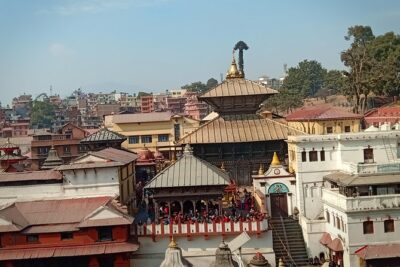
Browse the lists this tour appears in