Reviewed · TOURS IN KATHMANDU
Kathmandu to Pokhara Premium sofa bus ticket
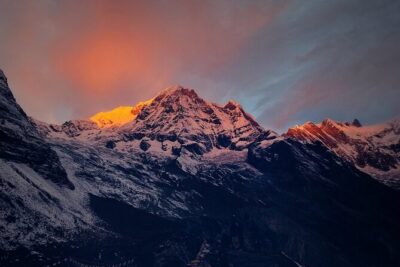
Kathmandu to Pokhara is one of Nepal’s classic road trips, and this low-cost sofa bus gives you a practical window seat on the country’s changing scenery. You pass small towns, mountain ranges, and stretches of river where white-water rafting takes place. The route is not always smooth, but it is far cheaper than a flight or private car.
I like the reclining seats and included bottle of water, which matter on a long, rough road. I also like the two planned riverside breaks, one for breakfast and one for lunch, since they turn a hard travel day into a chance to eat local food and stretch your legs. The main drawback is timing: six hours is the target, not a promise. Road construction and traffic near Kalanki and Naubise can push the trip toward ten hours.
Key points to know before booking
- The bus leaves near Thamel at about 7:00 am, with a meeting time listed as 6:30 am.
- Breakfast and lunch stops last about 25 and 30 minutes, but food costs extra.
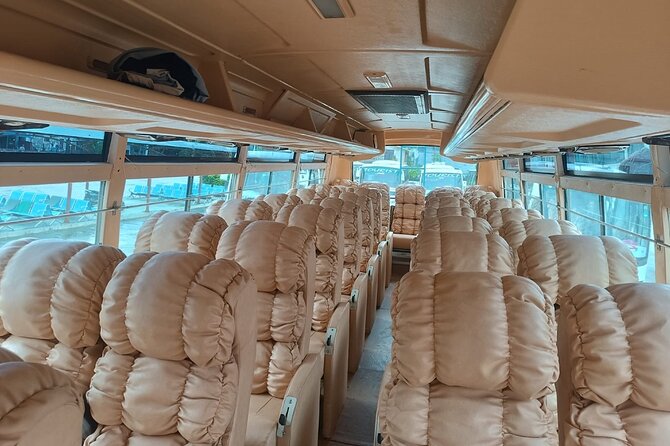
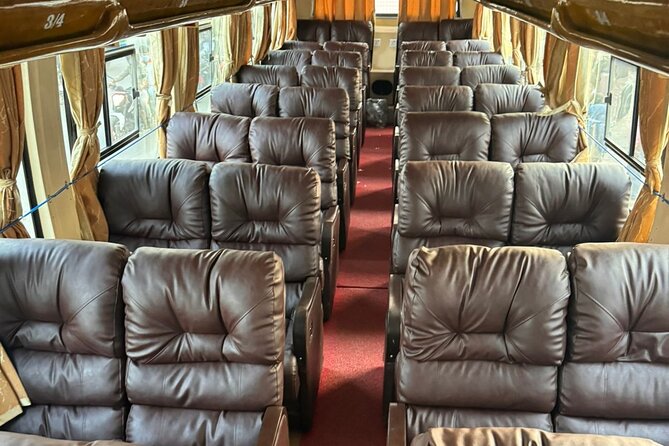
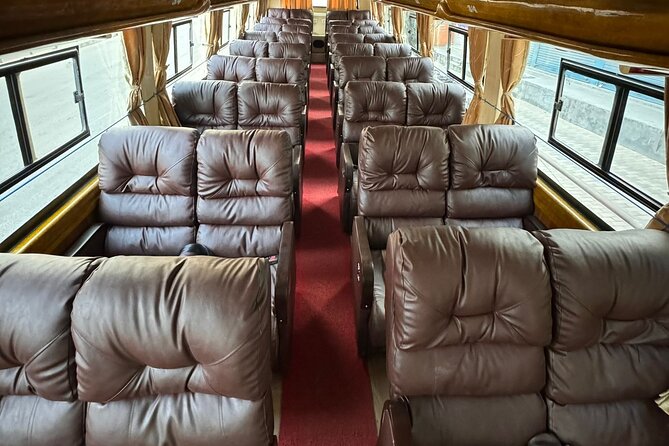
- Reclining sofa seats, air conditioning, water, newspapers, and Wi-Fi are included.
- The journey can take much longer than six hours during roadworks or traffic delays.
- The road trip offers river, town, rafting, and mountain views that you miss on a flight.
- The final stop is near Lakeside in Pokhara, within a short walk of the main tourist area.
Why this bus route is worth considering
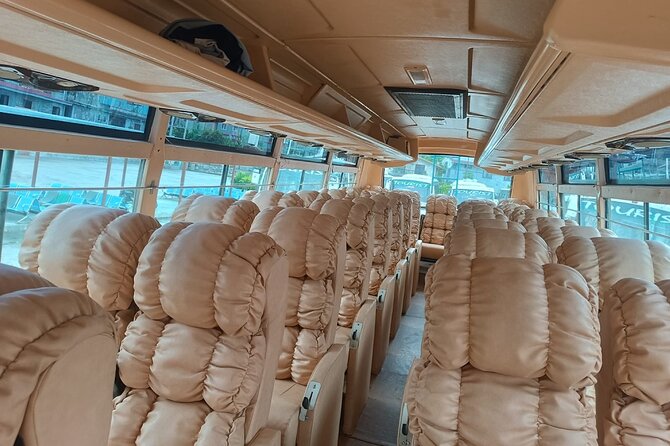
This is a transport service first, not a sightseeing tour with a guide. You board in Kathmandu, settle into a reclining seat, and let the highway carry you west toward Pokhara. That simple setup is useful if you want to keep costs down and avoid arranging a private vehicle.
The listed price is about $11.50 per person. That is strong value for a journey of roughly 200 kilometers, especially with a sofa-style seat, air conditioning, mineral water, and a small amount of onboard entertainment. A flight is faster, but it costs more and gives you none of the roadside view. A private car gives you more control, but the price is much higher.
The bus has a maximum group size of 30 people. That is a manageable size for a tourist coach, though you should not expect a quiet private ride. The service has operated on this Kathmandu to Pokhara route since 2007, and the bus is cleaned after each service according to the operating information.
There is one important point to keep in mind. The service is described as a tourist bus that does not stop for people waving along the highway, but one passenger reported frequent stops to drop people off. I would treat this as a scheduled tourist route that may still have some operational stops. It is not the same as a nonstop airport transfer.
A few more things to do in Kathmandu worth a look
- Kathmandu to Pokhara Tourist Bus Tickets reservation
★ 4.0 · 25 reviews - Kathmandu to Pokhara Bus Ticket- Sofa
★ 4.0 · 24 reviews - Kathmandu to Pokhara VIP Sofa Bus Ticket
★ 4.5 · 19 reviews
Starting near Thamel at 6:30 or 7:00 am
The Kathmandu meeting point is the tourist bus stop connected with New Road Travels and Tours in Shorakhutte. It is about a five-minute walk from Thamel, which makes the departure fairly convenient if you are staying in the main visitor district.
The listed start time is 6:30 am, while the published bus schedule gives a 7:00 am departure from Shorakhutte. Arrive by 6:30 am. That gives you time to locate the bus, check your seat, and load your bags without turning the early departure into a morning scramble.
The bus route through Kathmandu passes Nayabazar, Balaju, Swyambhu, and Kalanki. If you are staying along this route, the operator says you may be able to board at an en-route point rather than returning to Shorakhutte. Confirm the exact pickup point when booking, since the information gives several possible locations but does not provide a detailed individual pickup schedule.
Kalanki to Naubise is the section most likely to create delays. Traffic here can be heavy, and road reconstruction has made parts of the highway rough. That means the first hours can feel slower than the distance suggests. Bring patience, and avoid scheduling an important Pokhara activity for the same afternoon.
What the first hours on the highway feel like
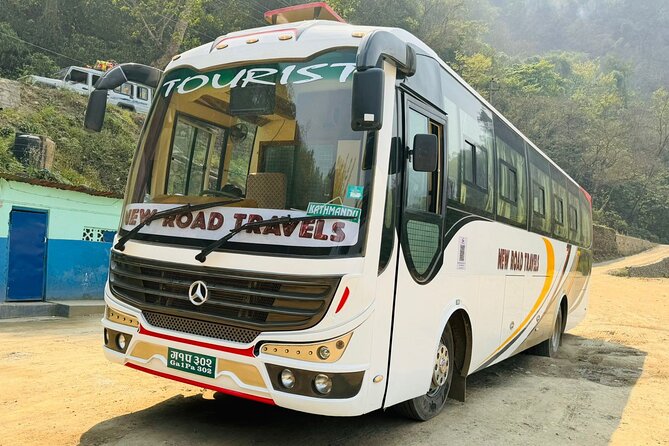
Once the bus leaves the Kathmandu valley, the ride becomes a long procession through small towns and roadside settlements. You will see Nepal in working order rather than polished for sightseeing: shops, buses, local traffic, river crossings, and ordinary roadside life.
The route also gives you views of mountain ranges and stretches of river used for white-water rafting. The view depends on your seat, traffic, weather, and road conditions, but the bus window is the main reason to choose this journey over a flight.
The seats are designed to recline, and the suspension is intended to reduce the effect of the rough road. That helps, but it cannot erase the roadworks. One passenger found the seat comfortable and appreciated the many breaks, while also noting that the highway was rough throughout because of construction.
Air conditioning is listed as part of the service. Still, one passenger reported that it did not work for most of the trip. I would see the air conditioning as a useful feature rather than a guarantee of a cool cabin. Nepal’s road conditions, traffic, and vehicle operation can affect the ride.
Wi-Fi is also listed as complimentary, but the signal can be weak or unreliable because of the geography. Download anything you need before departure. The bus provides a local English and Nepali newspaper, which is a pleasant low-tech extra, but it will not replace an offline map, saved hotel details, or entertainment on your phone.
The riverside breakfast stop at Malekhu or Kamalbari
The first planned break is for breakfast at Malekhu or Kamalbari. It lasts about 25 minutes. The exact stop can vary, but the purpose is the same: eat, use the facilities, and stretch your legs beside the river.
These stops are described as offering hygienic food and riverbank views. Breakfast is not included in the ticket price, so bring some Nepalese rupees or be prepared to pay separately. The short stop is not the time for a long meal. Order promptly, keep an eye on the bus, and be ready to return when the driver or staff calls passengers aboard.
The river setting is the appealing part. You are not simply stopping at a featureless service station. You get a brief look at the waterways that shape this route and at the roadside rhythm of Nepal. The stop is still functional, so do not expect a formal food tour or a broad choice of dishes.
If you have a sensitive stomach, choose carefully and keep the meal modest. The bus ride continues for hours, and a heavy breakfast is not ideal on winding, uneven roads. The supplied information describes the food areas as hygienic, but it does not specify a menu.
Same base, a different kind of day:
- Everest Base Camp Trek – 14 Days
★ 5.0 · 1,499 reviews - Private Kathmandu Sightseeing Tour | UNESCO World Heritage sites
★ 5.0 · 756 reviews - Everest Base Camp Helicopter Tour landing at Everest View Hotel
★ 5.0 · 668 reviews - Half day cooking class in Thamel kathmandu
★ 5.0 · 607 reviews
The 30-minute lunch stop beside the river
A second break takes place around lunchtime, again at Malekhu or Kamalbari, and lasts about 30 minutes. The operator describes this as a riverside food stop with a pleasant view. Lunch is also paid separately.
This longer pause is useful. You can eat, walk around, and give your back a break from the sofa seat. The river and surrounding hills add a welcome change after several hours of road travel. You may also see signs of rafting activity along the route, depending on the section and conditions.
The timing is still tight. You are not free to wander far from the restaurant area. Keep your phone, wallet, and ticket with you, and return to the bus before departure. A coach cannot easily wait for one late passenger when traffic already threatens the schedule.
These two stops are among the best features of the service because they divide a demanding journey into smaller sections. They also make the road trip feel more connected to Nepal than a simple point-to-point transfer.
Arrival near Lakeside in Pokhara
The final stop is the Tourist Bus Park near Lakeside, close to Rastra Bank Chowk. The bus park is described as about a five-minute walk from Lakeside, while another instruction gives roughly ten minutes from Rastra Bank Chowk. In practical terms, you should be arriving near Pokhara’s main tourist area, not at the airport or a remote highway stop.
The bus from Kathmandu reaches the Lakeside area after the road trip. The scheduled journey is about six hours if traffic and road conditions cooperate. In reality, you should leave room for a much longer day. One reported journey took 9 hours and 45 minutes, with roadworks and unexpected stops contributing to the delay.
That makes this service a poor match for a tight connection, a prepaid afternoon activity, or a same-day trek departure. It works better when you have a free evening in Pokhara and can check into your accommodation without rushing.
For the return trip, the bus leaves Lakeside at 7:30 am. The route then runs through Rastra Bank Chowk, Mustang Chowk, and Prithvi Chowk before heading back toward Kathmandu and ending at Shorakhutte. The listed return fare is higher than the Kathmandu to Pokhara fare, so confirm the price for your chosen direction before paying.
Seats, luggage, and onboard extras
The main comfort feature is the reclining sofa-style seat. Seat allocation follows a first-come, first-served approach, so paying and confirming earlier improves your chance of getting a preferred seat. A seat chart may be available when you book.
You do not need to assume that the last row will be unbearable. The operator describes the bus as having full suspension, and the seat design is intended to soften the rough ride. Still, road construction can affect every part of the coach, so a particular seat cannot eliminate all bumps.
There is generous luggage storage, with no strict luggage barrier stated. The practical advice is to limit yourself to no more than two bags. Keep valuables, passports, medication, and anything you need during the trip with you rather than in the luggage hold.
A bottle of mineral water is included. Breakfast and lunch are not. Newspapers are provided, and Wi-Fi may be available, though the signal can fail in remote sections. Smoking is forbidden inside the bus, and passengers are asked not to throw rubbish from the windows.
Price, value, and the real cost of a low fare
At $11.50, this is one of the more economical ways to travel between Kathmandu and Pokhara. The price covers the bus seat and listed onboard extras, but not meals. You should budget separately for breakfast and lunch.
The value is strongest if you care about price and scenery more than speed. You receive a reclining seat, water, air conditioning as advertised, and a route through towns, rivers, and mountain country. The two breaks also make the trip more bearable.
The value is weaker if you have only one day in Pokhara or dislike unpredictable road travel. A flight costs more, but it removes most of the road delay. A private vehicle costs much more, but gives you greater control over stops and timing.
The key question is not simply whether the ticket is cheap. It is whether you can afford for a six-hour journey to become a nine-hour journey. If your schedule can absorb that risk, the fare is sensible. If not, pay more for speed or flexibility.
Who should book this sofa bus
I would recommend this service to budget-minded visitors who want to see Nepal from the road. It suits people with flexible schedules, moderate luggage, and an interest in the everyday towns and river valleys between the two cities.
It is also a good fit if you are staying near Thamel or Lakeside and want a straightforward tourist bus rather than a complicated local-bus journey. The meeting points are close to well-known visitor areas, and most people can participate.
I would think twice if you need reliable air conditioning, a guaranteed six-hour arrival, or a truly nonstop ride. The road is under construction, and the operating conditions can change. The bus is comfortable by highway standards, but it is not a luxury coach in the sense of a smooth, quiet, perfectly timed transfer.
Free cancellation is available if you cancel at least 24 hours before the start time. Changes or cancellations inside that window are not accepted for a refund. Confirmation is provided at booking, and service animals are allowed.
Should you book it?
Book this Kathmandu to Pokhara bus if you want the best low-cost road option and can keep your arrival day open. The reclining seats, water, scenic route, and riverside meal breaks make the fare worthwhile.
Do not book it for a tight connection or an important event on arrival. Roadworks can turn a planned six-hour ride into most of a day, and air conditioning or Wi-Fi may not work perfectly. Arrive by 6:30 am, carry snacks and water beyond the complimentary bottle, keep valuables close, and treat the timetable as an estimate rather than a promise.
FAQ
How long does the Kathmandu to Pokhara bus journey take?
The journey is advertised at about five to six hours if conditions are good. Traffic and road construction can make it much longer, with one journey taking 9 hours and 45 minutes.
What time does the bus leave Kathmandu?
The published departure time from Shorakhutte is 7:00 am. The meeting information gives a 6:30 am start time, so arriving by 6:30 am is the safest plan.
Where does the bus leave from in Kathmandu?
The main tourist bus station is Shorakhutte, near Thamel. Possible route points include Nayabazar, Balaju, Swyambhu, and Kalanki.
Where does the bus arrive in Pokhara?
The bus ends at the Tourist Bus Park near Lakeside. It is described as about a five-minute walk from Lakeside and close to Rastra Bank Chowk.
Are breakfast and lunch included?
No. The bus stops for breakfast for about 25 minutes and lunch for about 30 minutes, but you pay for both meals yourself.
Is bottled water included?
Yes. Each passenger receives one complimentary bottle of mineral water.
Does the bus have Wi-Fi?
Complimentary Wi-Fi is offered, but the signal may be weak or unreliable because of the geography.
Are the seats reclining sofa seats?
Yes. The bus uses reclining sofa-style seats designed for greater comfort on the highway.
How much luggage can I bring?
The bus has substantial luggage storage and no strict luggage limit is stated. The operator suggests bringing no more than two pieces of luggage.
Can I cancel for a refund?
Yes, if you cancel at least 24 hours before the scheduled start time. Cancellations or changes made less than 24 hours before departure are not accepted for a refund.
Just added in Kathmandu
- Traditional Momo Making Class★ 5.0 · 10 reviews
- Women Empowerment Project(Nepali cooking class & jewelry workshop★ 5.0 · 15 reviews
- Kathmandu 2 Nights 3 Days Chitwan Jungle Safari Tour★ 5.0 · 9 reviews
- Walking tour of Kathmandu with awesome local guides★ 5.0 · 4 reviews
- Wildlife Adventure in Chitwan Nepal★ 4.0 · 4 reviews
- Regular Yoga for all levels of practitioners in Kathmandu★ 5.0 · 4 reviews
- Kathmandu Street Food Walking Tour – Eat Like a Local★ 5.0 · 3 reviews
- Walking tour of real Kathmandu through back streets.★ 5.0 · 3 reviews
Tours in Kathmandu, compared.
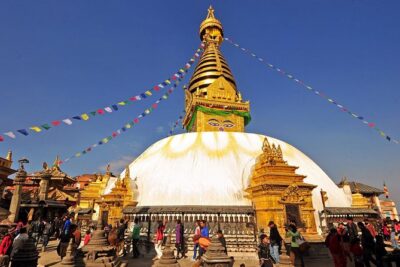
Private Kathmandu Sightseeing Tour | UNESCO World Heritage sites
Read our review →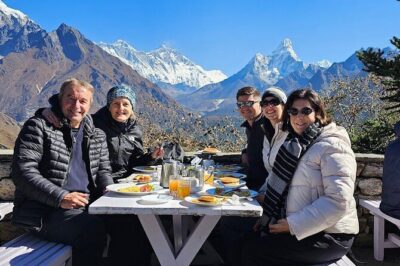
Everest Base Camp Helicopter Tour landing at Everest View Hotel
Read our review →
Nagarkot Sunrise View and Day Hiking from Kathmandu
Read our review →
Full Day 7 UNESCO Tour with Lunch – Private/Group
Read our review →