
Reviewed · EVEREST BASE CAMP TREKS
Everest Base Camp Trek – 14 Days
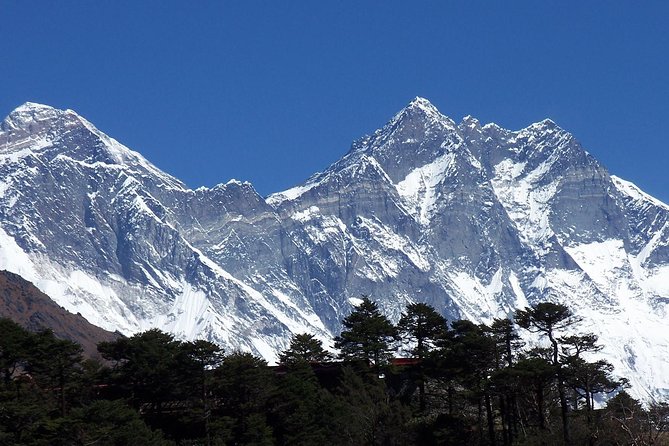
The big draw here is simple: you walk from Lukla to Everest Base Camp, rather than treating the Himalayas as a quick sightseeing stop. The route gives you Sherpa villages, prayer-flag bridges, Buddhist monasteries, glacier views, and two useful acclimatization days before the highest walking.
I like the sensible pacing and the fact that porters carry the main bags. I also like the safety setup: a licensed guide, first-aid kit, filtered trail water, permits, staff insurance, and emergency evacuation arrangements are built into the plan. The catch is the altitude. This is a serious trek, not a moderate holiday walk, and domestic flights can shift between Kathmandu and Manthali during busy months.
The details that matter most
- Two acclimatization days: You spend time in Namche Bazaar and Dingboche instead of climbing higher every day.
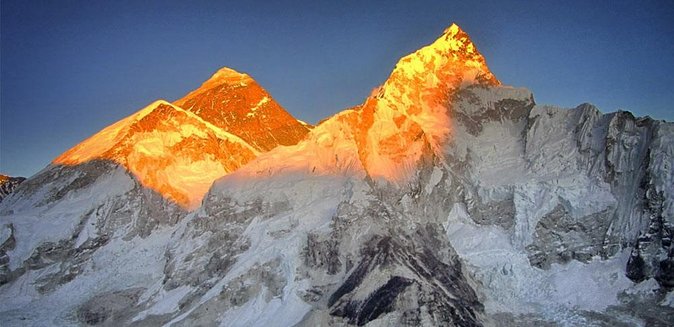
- Kala Patthar at 5,555 meters: This is the route’s best high viewpoint, though reaching it requires a hard early climb.
- Small groups capped at 14 people: You get more personal attention than on a large coach-style adventure.
- Porter support for 11 days: One porter carries the bags of two clients, with a 15-kilogram domestic flight allowance.
- Sherpa culture along the trail: Tengboche Monastery, mani stones, prayer flags, and high mountain villages give the walk a strong local character.
- A useful package at $1,800: Flights, meals, permits, staff, accommodation, and transfers are included, but insurance, drinks, tips, and personal gear are extra.
Why this route works so well
This 14-day plan gives you the classic Everest Base Camp route without asking you to organize every lodge, flight, permit, meal, and emergency detail yourself. You begin with an airport pickup in Kathmandu, fly to Lukla, and walk through the Khumbu region before returning by the same route.
The route is not just about reaching a sign at Base Camp. The best days often come earlier: crossing the Dudh Koshi on suspension bridges, entering Sagarmatha National Park, watching the mountains rise behind Namche, and walking past prayer stones toward Tengboche.
The group size is another plus. With a maximum of 14 people, you are still part of a group, but the guide can keep a closer eye on the pace and on how everyone is adjusting to the altitude. Recent departures have included guides named Kishor, Chris, Maddy, and Rajendra Khatry, with porters such as Saman and Sher. The company’s staff receives strong praise for kindness, humor, organization, and care on difficult days.
That said, do not confuse good support with an easy trek. You will walk at high altitude for many days, sleep in basic mountain accommodation, and face cold, steep sections. A guide can help you respond to altitude problems, but no guide can remove the physical demands.
Other treks that start from Kathmandu:
- Everest Base Camp Helicopter Tour landing at Everest View Hotel
★ 5.0 · 668 reviews - Everest Base Camp Trekking
★ 5.0 · 485 reviews - Everest Base Camp Trekking – 13 Day
★ 5.0 · 365 reviews
Day 1: Kathmandu arrival and a useful first night
Your trip begins at Tribhuvan International Airport, where an Ace the Himalaya representative meets you outside the terminal and transfers you to your hotel. The first day is short, but it matters. You can rest after an international flight, sort your equipment, and prepare for the early start ahead.
Two nights of three-star twin-share accommodation in Kathmandu are included, with breakfast. Lunch and dinner in the city are not included, giving you freedom to choose your own meals.
The airport pickup is especially useful if this is your first visit to Nepal. Kathmandu’s airport can feel busy and confusing after a long flight, so having someone waiting with a sign removes one small worry. You should still confirm your arrival details and keep the local operator’s contact information handy.
Day 2: Flying to Lukla and walking to Phakding
The flight to Lukla is short and scenic, but it is also one of the trip’s practical weak points. During peak trekking months, flights may operate from Manthali Airport in Ramechhap instead of Kathmandu because of air traffic. That can mean an early road transfer before the flight, so check the departure airport before you arrive.
Once you reach Tenzing-Hillary Airport, the trek begins. The first walking day takes you toward Phakding, following the Dudh Koshi through small settlements and forested sections.
The flight is included in the price, including the airport departure tax. Still, mountain flights can be affected by weather and operations. Build flexibility into your wider Nepal plans, especially if you have an international flight immediately after the trek.
Days 3 and 4: Namche Bazaar and the first altitude test
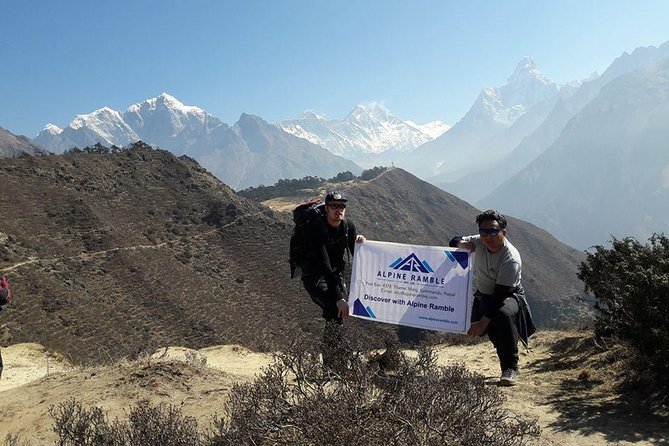
From Phakding, you continue toward Namche Bazaar. The trail crosses the Dudh Koshi several times on suspension bridges decorated with prayer flags. You then enter Sagarmatha National Park, where the route begins to feel more remote and more demanding.
Namche is an important stop, not just a pleasant village. It is the first major altitude adjustment point and the place where the itinerary slows down before climbing higher. You spend an acclimatization day here, with a shorter walk to the Sherpa Museum and nearby viewpoints.
The museum gives you a useful introduction to Sherpa customs and mountain life. It also adds context to the villages you are walking through, rather than leaving you to treat them as scenery.
Namche is likely to feel lively compared with the smaller settlements ahead. You may find shops and services here, but the main value of the stop is rest. Drink water, eat well, and do not race around simply because you have an extra day. Altitude affects people differently, and a slow day now is worth more than a forced pace later.
A few more things to do in Kathmandu worth a look
- Nagarkot Sunrise View and Day Hiking from Kathmandu
★ 5.0 · 471 reviews - Annapurna Circuit Trek with Tilicho Lake
★ 5.0 · 368 reviews - Everest Base Camp Trek -14 Days
★ 5.0 · 321 reviews - Annapurna base camp trek 5 Days
★ 5.0 · 252 reviews
Day 5: Tengboche Monastery at 3,860 meters
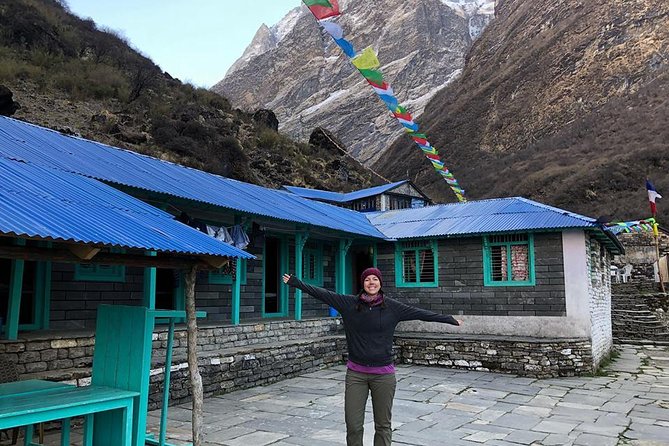
The trail follows the Dudh Koshi toward Tengboche, with mountain views opening and closing as the route passes through forest and open ground. The climb to 3,860 meters makes this a noticeable step up in altitude.
Tengboche Gompa is one of the most meaningful stops on the route. The monastery connects the trek to Tibetan Buddhist practice, while mani stones and prayer flags appear along the trail. You are not simply walking through a mountain corridor. You are moving through a living religious and cultural setting.
The approach can be tiring, particularly after the descent and climb that shape this section. Your guide should help set a steady pace, but you need to pay attention to your own breathing and energy. The overnight stop is valuable because it breaks up the climb toward Dingboche.
Days 6 and 7: Dingboche and a proper rest day
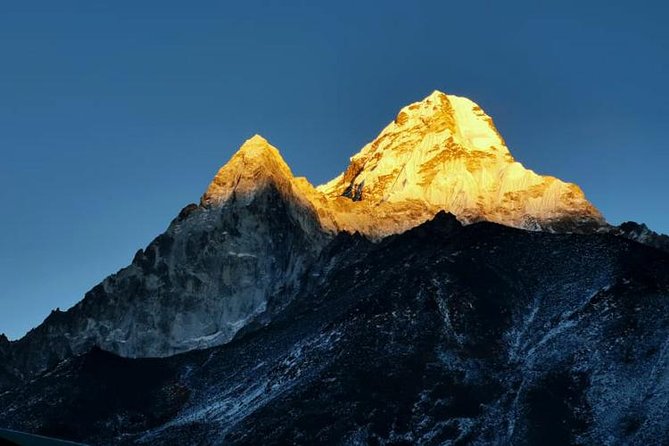
From Tengboche, the trail drops to Debuche and crosses the Imja Khola before climbing through Pangboche. Mani stones line parts of the route, adding a quiet spiritual note to an already dramatic walk.
Dingboche is another major acclimatization point. On the first day, you reach the village and settle in. The next day, you climb toward Nangkartshang Peak rather than continuing toward Base Camp.
That climb is not wasted mileage. The viewpoint gives you a higher outing while allowing you to sleep again in Dingboche. This is the kind of planning that makes a high-altitude itinerary more sensible. You gain height during the day, then return to a lower sleeping point.
The phrase moderate physical fitness in the booking information should be treated carefully. You do not need mountaineering skills or technical climbing equipment, but you do need stamina for repeated uphill walking, long days, and thin air. Training with hills, stairs, or long walks before departure will help.
Day 8: The Khumbu Glacier and Lobuche
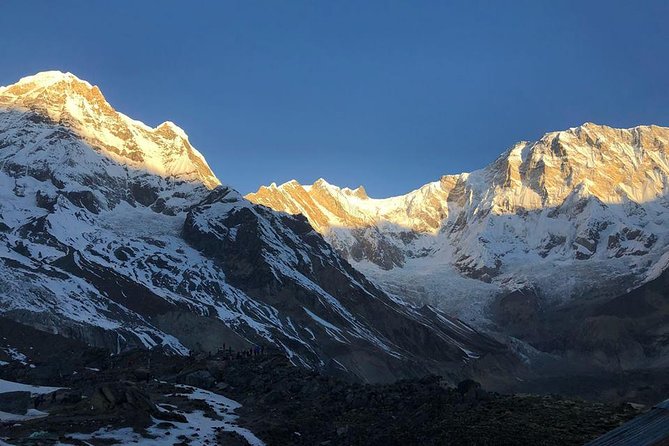
Beyond Dingboche, the route follows the lateral moraine of the Khumbu Glacier toward Lobuche. The scenery becomes more severe, with fewer trees and more exposed rock, ice, and high ridges.
You pass stone memorials dedicated to climbers who died on nearby peaks. These memorials change the mood of the trek. Everest is not only a famous destination or a dramatic photo background. It is also a place of real risk and loss.
Lobuche is a high stopping point before the Base Camp push. Expect the air to feel thin and the walking to slow. This is a day when conserving energy matters more than trying to impress the group.
Day 9: Everest Base Camp at 5,365 meters
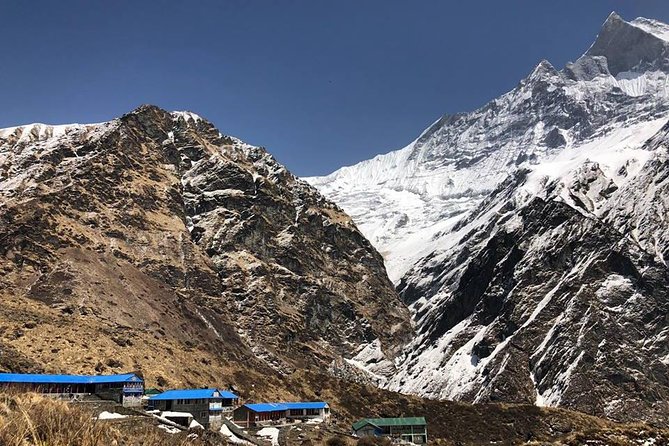
The walk to Everest Base Camp is one of the hardest days. You follow the Khumbu Glacier and climb over uneven ground toward the camp at 5,365 meters.
The destination is famous, but the route is the experience. The glacier, moraine, rough trail, and high peaks create a setting that feels far removed from ordinary walking. During spring, there may be climbing activity at Base Camp, adding a sense of purpose to the site.
Do not expect a simple viewpoint or a comfortable attraction. The ground can be difficult, the air is thin, and the round trip requires patience. The itinerary allows time at the site, but most of the day is spent getting there and back. Your guide’s role is important here, particularly in keeping the group together and watching for signs of altitude trouble.
Day 10: Kala Patthar, the best mountain view
Kala Patthar is the trek’s high point at 5,555 meters and one of its most demanding climbs. The ascent is hard, but the reward is a broad view of the Everest region.
This is often the day when the scale of the mountains becomes clearest. Everest itself is not always best seen from Base Camp, while Kala Patthar offers a stronger high viewpoint. You should expect a slow climb and cold conditions, particularly early in the day.
The route description calls this one of the most difficult but rewarding days, and that is a fair warning. The high altitude can make a modest slope feel enormous. Take small steps, follow your guide’s pace, and remember that reaching the top is optional if your body is not responding well.
Days 11 and 12: Descending through Tengboche to Lukla
After Base Camp and Kala Patthar, the return route passes through Pangboche and Tengboche before reaching Namche again. The descent usually feels different from the climb, but it is not effortless. Long downhill sections can be hard on knees and feet.
You then continue toward Lukla for the final trekking day. Reaching the town gives the group a chance to reflect on the achievement, sort luggage, and prepare for the flight back.
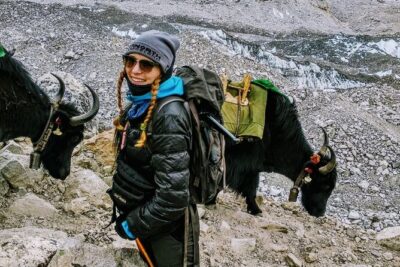
Porters carry the main bags for 11 days, with one porter assigned to two clients. You still need a daypack for items you need while walking, such as water, layers, medication, snacks, and documents. The 15-kilogram flight allowance is worth checking before packing, since excess luggage can become a problem on domestic flights.
Day 13: Returning to Kathmandu
The scenic flight from Lukla to Kathmandu takes about 35 minutes when conditions allow. You are met at the airport and transferred to your Kathmandu accommodation.
This is a useful buffer day before departure. Mountain flight schedules can change, and having a night back in the city is safer than planning an international connection immediately after landing from Lukla.
Breakfast in Kathmandu is included on this day. Other city meals are your responsibility, as are drinks and personal purchases.
What the $1,800 price really covers
At $1,800 per person, the tour offers solid value for a guided Everest Base Camp trip. The package includes domestic flights, airport and hotel transfers, two Kathmandu hotel nights, mountain accommodation, standard meals during the trek, permits, a licensed English-speaking guide, porter service, staff costs, filtered water, seasonal fruit, and trekking equipment supplied by the company.
The safety provisions also matter. Staff insurance, medicine, a first-aid-trained guide, a first-aid kit, and arrangements for emergency medical evacuation are included. That does not replace your own travel insurance, which must cover high-altitude rescue and evacuation, but it adds useful support.
You pay extra for international flights, Nepal’s visa, Kathmandu lunches and dinners, alcoholic and other drinks, personal trekking equipment, and tips. Tipping is expected, so include it in your budget rather than treating it as an unexpected charge.
The price is based on two people booking together. A $250 single surcharge applies if you need a private departure or if no existing group is available to share accommodation. Ask about this before paying, especially if you are traveling alone.
Who should book this trek?
I would choose this trip if you want the classic Everest Base Camp route with the planning handled for you. It suits fit walkers who are comfortable with basic mountain accommodation, long uphill days, and a fixed group schedule.
It is also a good match for solo people who want company without joining a huge group. The maximum of 14 keeps the social side manageable, while a guide and porters take care of much of the logistics.
I would hesitate if you dislike early starts, shared rooms, uncertain flight timing, or strenuous walking at altitude. You should also think twice if you have not prepared physically. The word trek is doing real work here.
Recent groups have praised the company’s organization and the care shown by guides such as Maddy, Kishor, Chris, and Rajendra Khatry, along with porters including Saman and Sher. That praise points to the most important part of the package: on a difficult route, a calm guide and a good team can make the difference between a hard day and a bad one.
Should you book the Everest Base Camp Trek?
Book it if you want a well-supported, classic Himalayan trek and value having flights, permits, meals, porters, and acclimatization days arranged in advance. The two rest days, small-group limit, and strong staff support make this a sensible choice at the price.
Before booking, confirm the likely flight airport, understand the 15-kilogram luggage limit, buy high-altitude rescue insurance, and budget for tips and personal gear. If you accept the physical challenge and the occasional rough edge of mountain travel, this itinerary gives you a strong route to Everest Base Camp without forcing you to manage every detail yourself.
FAQ
Where does the Everest Base Camp Trek begin?
The trip begins with pickup at Tribhuvan International Airport in Kathmandu, Nepal.
How long does the trek last?
The full experience lasts approximately 14 days, including arrival and departure days, Kathmandu stays, flights, and the trek between Lukla and Everest Base Camp.
What is the maximum group size?
The group can include a maximum of 14 people.
Are domestic flights included?
Yes. The Kathmandu to Lukla and Lukla to Kathmandu flights, including the airport departure tax, are included. During peak trekking months, flights may operate through Manthali Airport in Ramechhap instead of Kathmandu.
How much luggage can I take on the domestic flight?
The stated domestic flight luggage allowance is 15 kilograms.
Are porters provided?
Yes. Porter service is provided for 11 days, with one porter assigned to two clients.
What accommodation is included?
You receive three-star twin-share accommodation in Kathmandu for two nights. During the trek, twin-sharing guesthouse accommodation is included, with attached toilets in Lukla, Phakding, and Namche.
Are meals included?
Breakfast is included in Kathmandu. Breakfast, lunch, and dinner are included during the trek, while lunch and dinner in Kathmandu are not included. Drinks are also extra.
Do I need travel insurance?
Yes. You must arrange travel insurance that covers emergency high-altitude rescue and evacuation. This insurance is not included in the tour price.
Just added in Kathmandu
- Kathmandu to Chitwan Tour by Tourist Bus – A Convenient and Affordable Way★ 4.0 · 4 reviews
- Changunarayan Hill to Telkot Hike Near Kathmandu Day Tour★ 5.0 · 6 reviews
- Mt Everest Base CampTrek | Budget Package★ 5.0 · 4 reviews
- Chitwan Jungle Safari 3-Day Tour★ 5.0 · 9 reviews
- Chandragiri Hills cable car day trip, private car with driver from Kathmandu★ 5.0 · 8 reviews
- Chandragiri to Taudaha Nature Day Hiking from Kathmandu★ 5.0 · 13 reviews
- Chandragiri Hill Station Tour by Cable Car★ 5.0 · 4 reviews
- Chandragiri Cable Car & Monkey Temple Private Guided Day Tour★ 5.0 · 5 reviews
Everest Base Camp Treks, compared.
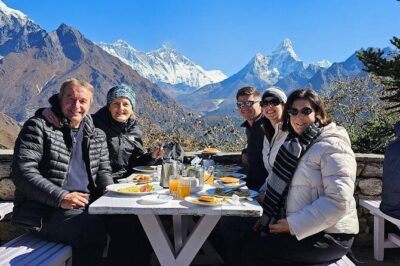
Everest Base Camp Helicopter Tour landing at Everest View Hotel
Read our review →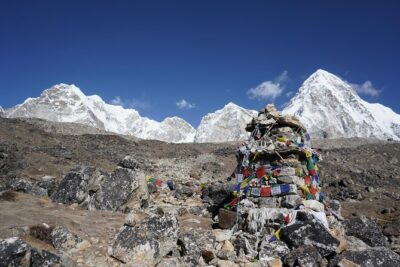
Browse the lists this tour appears in