
Reviewed · EVEREST BASE CAMP TREKS
Everest Base Camp Trekking – 13 Day
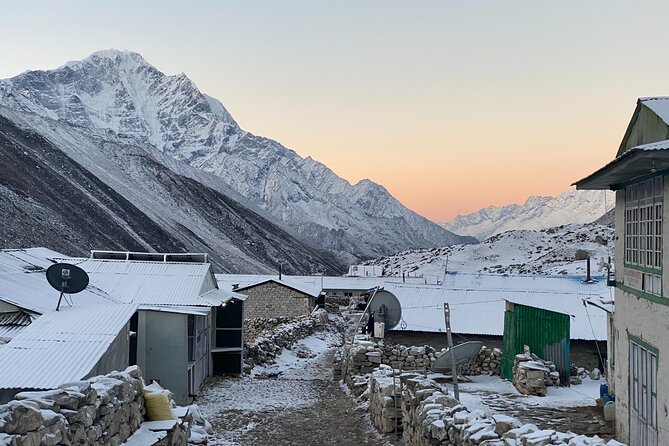
Everest Base Camp is not a casual mountain walk. This 13-day route takes you from Kathmandu to Lukla, then up through Namche Bazaar, Tengboche, Dingboche, and Lobuche before reaching Base Camp and Kala Patthar. I like that the flights, permits, lodges, meals, and guide are bundled together, so you can focus on walking rather than chasing paperwork in Nepal.
I also like the two built-in acclimatization days, especially the one in Namche and the one in Dingboche. Guides such as Milan, Dibash, Achyut, and Ratna have been praised for clear daily briefings, sensible pacing, and careful support. The catch is the altitude: this is a hard trek, and weather can disrupt the Lukla flights or shorten your time in the mountains.
Key points before you book
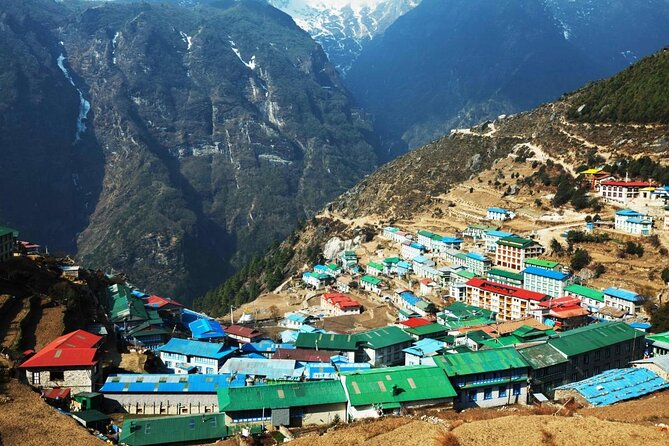
- The route reaches Everest Base Camp and Kala Patthar: You get both the famous expedition starting point and one of the best high viewpoints on the itinerary.
- Lukla flights are included: The scenic Kathmandu to Lukla and return flights save you from arranging the most important transport yourself.
- Two acclimatization days are built in: Namche Bazaar and Dingboche provide time to adjust before the highest sections.
- Lodges and meals are covered on the trail: This reduces daily planning, though Kathmandu meals, drinks, and personal costs are extra.
- The guiding is a major part of the value: Milan, Dibash, Achyut, Ratna, Anil, Dipak, and Prokhas are among the named staff connected with guest experiences.
- The $1,399 price needs a close look: It is a strong package price, but a solo departure can add a $150 surcharge, and insurance is not included.
What the 13 days really involve
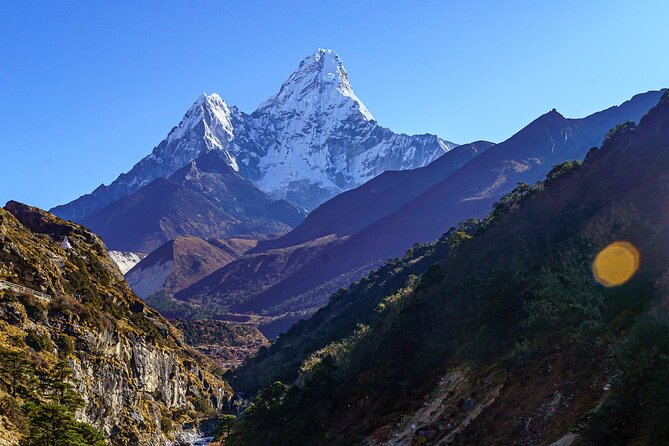
This is a point-to-point mountain trek with a flight at either end. You sleep in trailside lodges, eat the included meals during the trekking section, and walk on most days at increasing altitude.
The route is designed around gradual gain rather than a mad rush straight to Base Camp. That matters. The trek still moves quickly, but the rest days in Namche Bazaar and Dingboche give your body a better chance to adjust.
You should think of this as a moderate-to-demanding physical trip, not a sightseeing tour with a little walking. The daily distance is not provided, but the itinerary includes steep climbs, rough mountain paths, suspension bridges, cold conditions, and high altitude. You need a reasonable fitness level and the willingness to walk when the weather is less than perfect.
Other treks that start from Kathmandu:
- Everest Base Camp Trek – 14 Days
★ 5.0 · 1,499 reviews - Everest Base Camp Helicopter Tour landing at Everest View Hotel
★ 5.0 · 668 reviews - Everest Base Camp Trekking
★ 5.0 · 485 reviews
Day 1: Kathmandu arrival and the first bit of organization
You are met at Tribhuwan International Airport and taken to your hotel after clearing customs. This is a useful soft landing because the next morning begins early.
The first day is also your chance to sort trekking equipment and repack. The company provides one complimentary duffel bag, which must be returned after the trek. You bring a day pack of 25 to 40 liters, while your main gear goes into the trekking bag.
Do not treat this as a throwaway arrival day. Check your shoes, layers, gloves, rain protection, toiletries, water bottles, and headlamp before bed. The packing list calls for warm and waterproof clothing, several pairs of socks, trekking trousers, non-cotton underwear, and a small towel. You can buy toilet paper along the route, but the supplied quality may be poor, so bring your own.
Kathmandu meals are not included. Plan on paying separately for food and drinks in the capital.
Day 2: The Lukla flight and the start of the trail
You leave early for Lukla, the gateway to the Everest region. The flight is included, along with the airport departure tax, which is a real convenience when you are trying to manage an early start and a full trekking bag.
The flight is scenic, but it is also weather-sensitive. The itinerary notes that flights may start early because of conditions, and the trip operates in all weather. That does not mean every flight will run on schedule. Keep your plans flexible, especially if you have an international flight immediately after the trek.
Lukla marks a sharp change from city travel to mountain travel. From here, the walking begins under the guidance of your trekking staff. A private trip means only your group participates, though the pricing information also says you may be offered a place in an existing group or charged a $150 single surcharge if you want to trek alone.
Day 3: Following the Dudh Koshi to Namche Bazaar
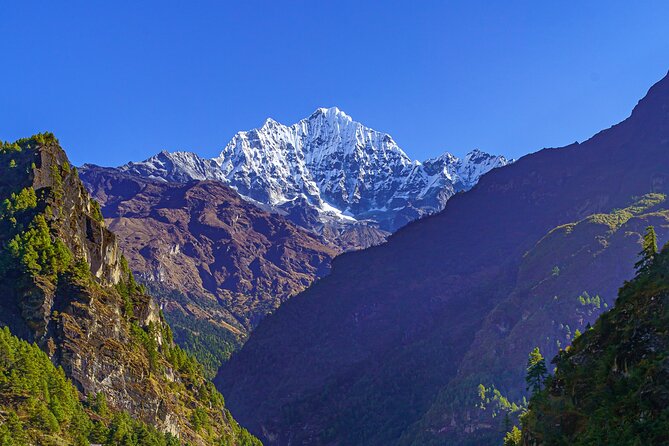
The trail follows the Dudh Koshi River toward Namche Bazaar. You cross suspension bridges and pass through forest, with the first view of Kongde Ri Peak appearing along the way.
Namche is one of the most important settlements in the Khumbu region. It is not simply an overnight stop. Its shops and busy Saturday market give you a look at the practical side of mountain life, where supplies, food, clothing, and trekking services meet.
The route begins to feel serious here. You are gaining altitude, and the steep approach to Namche can test your legs. Walk slowly, drink regularly, and do not let the excitement of the first mountain views make you race ahead.
A few more things to do in Kathmandu worth a look
- Nagarkot Sunrise View and Day Hiking from Kathmandu
★ 5.0 · 471 reviews - Annapurna Circuit Trek with Tilicho Lake
★ 5.0 · 368 reviews - Everest Base Camp Trek -14 Days
★ 5.0 · 321 reviews - Annapurna base camp trek 5 Days
★ 5.0 · 252 reviews
Day 4: Namche acclimatization and a useful pause
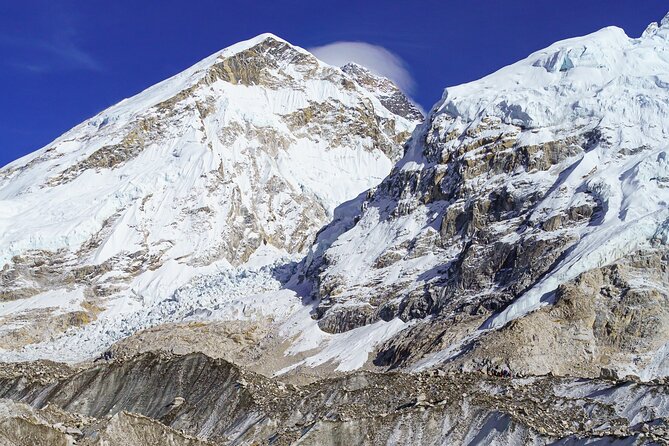
The first rest day is spent in and around Namche Bazaar. Rest day does not mean lying in bed all morning. The plan calls for short activities and hikes that help you adjust to the altitude.
This is one of the best features of the schedule. A rushed Everest Base Camp trek can become a contest against your own body. The pause in Namche lets you explore the town, browse its shops, and get used to the thinner air before moving higher.
A guide who explains the next day clearly can make a big difference here. Milan has been specifically praised for giving daily route briefings, estimating walking time according to ability, and timing outings so the group returns before sunset. That kind of practical communication is more valuable than dramatic speeches when you are tired and cold.
Day 5: Forest trails, Sanasa, and Tengboche
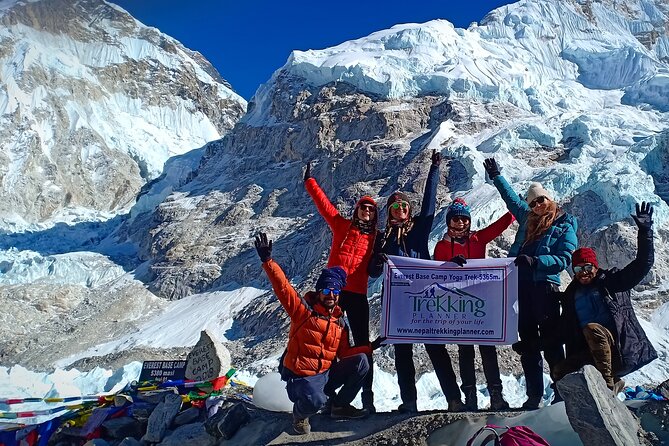
You climb out of Namche on a short but steep section, then follow a more level trail toward Kenjoma and Sanasa. The route passes through dense forest before continuing to Tengboche.
Tengboche is known for its monastery and its mountain setting. The itinerary gives you time to enjoy the village’s sunset and sunrise, which are among the quieter rewards of this route. The appeal here is not just a photo stop. Tengboche gives the trek a strong cultural layer, with Buddhist buildings and religious features appearing alongside the mountain path.
The drawback is that the day still includes a demanding climb after the Namche rest day. You may feel strong at the start, but the altitude is now high enough that a steady pace matters more than speed.
Day 6: From Tengboche through Deboche to Dingboche
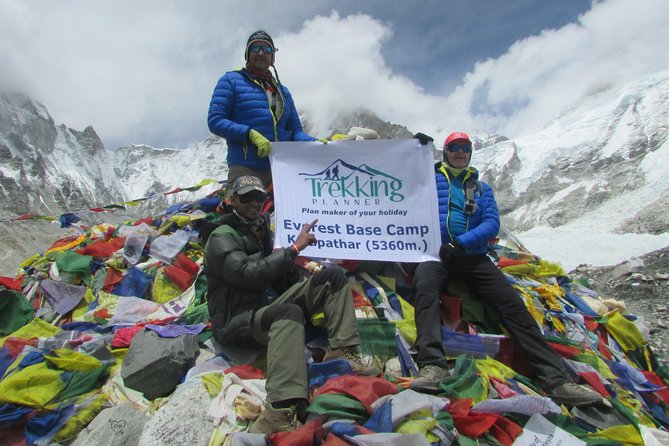
The trail leaves Tengboche and descends through the forest toward Deboche. From there, the route continues toward Dingboche, with mountain views opening up as the trees thin.
Dingboche is an important staging point before the highest part of the trek. The village feels more exposed than the lower sections, and the walking becomes increasingly shaped by altitude rather than distance.
This is also a day when a guide’s judgment matters. The strongest praise attached to the guiding staff concerns care, problem-solving, and pacing. Achyut, Dibash, and other guides have been described as attentive when conditions became difficult, helping groups feel supported without pretending the trek was easy.
Day 7: Dingboche acclimatization
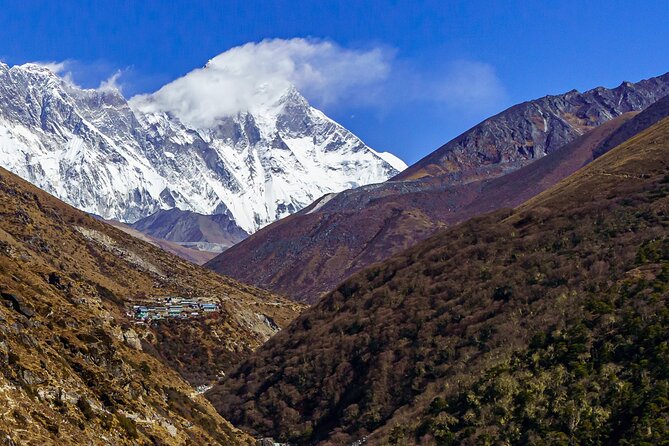
The second acclimatization day gives you time to adapt before Lobuche and Base Camp. Short hikes to higher points are used to help your body adjust, followed by a return to Dingboche for the night.
This is not wasted time. At high altitude, the most sensible plan is often to go up for a short period and sleep lower than the highest point reached that day. The itinerary does not specify the exact acclimatization hike, so ask your guide what the plan will be for your departure date.
Pay attention to symptoms. The schedule specifically warns about acute mountain sickness. You should tell your guide quickly if you feel unwell, rather than trying to hide it to protect the timetable. Reaching Base Camp is not worth risking your health.
Day 8: Dingboche to Lobuche
The trail rises gradually from Dingboche through grazing areas, past chortens and Mani walls, with large mountain views ahead. Lobuche is the next major overnight stop before the Base Camp push.
This section can feel stark compared with the forested route near Namche. Trees become less important, the air gets colder, and the route feels more remote. The chortens and Mani walls add a human and spiritual presence to an otherwise severe setting.
You should expect the simple rhythm of high-altitude trekking: walk slowly, stop when needed, eat even if your appetite is reduced, and protect yourself from sun and cold. The included lodge meals are useful here, but drinks, snacks, and personal extras are your responsibility.
Day 9: Everest Base Camp from Lobuche
This is the goal day. You leave Lobuche early and trek toward Everest Base Camp, with the itinerary warning you to take acute mountain sickness seriously at this altitude.
Base Camp itself is a powerful destination, but it is not the same as standing on the summit or looking directly into a perfect postcard view of Everest. It is the staging area used by climbing expeditions, and its appearance can vary by season. The value is in reaching the place where serious Everest journeys begin, after days of walking through the Khumbu.
The schedule does not give exact walking times or the overnight location after Base Camp, so confirm the day’s plan with your guide. The trip has to balance time at the destination with the need to return to a safer sleeping altitude.
Day 10: Kala Patthar before the descent
You begin before sunrise for Kala Patthar, then return toward lower ground. The early start is designed for mountain views in the first light, and the itinerary specifically presents this as another major trekking day.
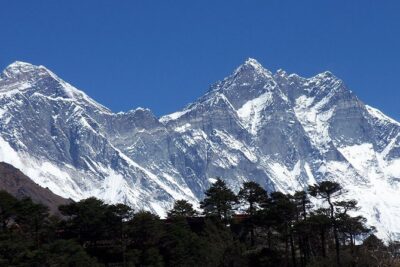
Kala Patthar is often the visual high point of an Everest Base Camp route. You gain a broad view of the surrounding peaks and the Everest area, then descend rather than sleeping at the highest point. That descent is welcome, but do not assume it will feel easy. Going downhill can be hard on tired knees, and the thin air still affects your pace.
This day rewards preparation. Lay out your warm layers, headlamp, gloves, camera, and water the night before. The itinerary asks you to be ready before dawn, and fumbling with a cold pack in darkness is no fun.
Days 11 and 12: Returning through Pheriche and Namche
The return route passes from the vicinity of Everest toward Pheriche and then Namche Bazaar. Much of the walking is downhill, with the Dudh Koshi River returning as a companion.
Pheriche gives you lower altitude after the Base Camp section, while Namche brings back shops, movement, and a more social mountain-town feel. You may welcome the change, but the return is not a free ride. Long descents can be tiring, especially after the early Kala Patthar start.
Day 12 is the final major trekking day. You descend steeply out of Namche toward the riverbed and the confluence of the Dudh Koshi waterways before continuing toward Lukla. This is where trekking poles, good socks, and shoes with reliable grip become especially useful.
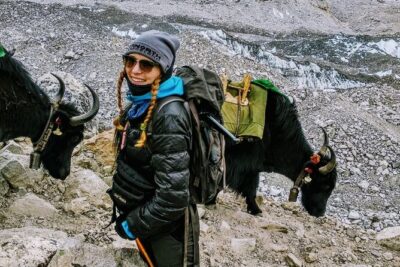
The porter service is another part of the practical value. Ganesh has been praised for getting luggage to the next stop before the group arrived each day. That lets you walk with a lighter day pack, but you still need to carry water, warm layers, rain gear, personal medicine, and valuables.
Day 13: Returning to Kathmandu
The final day is the flight back from Lukla to Kathmandu. Because mountain weather can disrupt flights, early departures are normal and flexibility remains important right to the end.
The included return flight removes a major piece of planning. Still, do not schedule an important international connection too tightly after landing in Kathmandu. The information provided does not promise a fixed flight time, and weather affects the route.
What the $1,399 price covers
At $1,399 per person, the package offers solid value for a guided Everest Base Camp trek if you want the main logistics handled. The price includes:
- Kathmandu to Lukla and Lukla to Kathmandu flights
- National Park entrance fees
- TIMS card
- Applicable government and local taxes
- Trailside lodge accommodation
- Meals during the trek
- A guide and private group arrangement
- One complimentary trekking duffel bag
The listed meal count includes 12 breakfasts, 12 dinners, and 11 lunches. Kathmandu meals are excluded, as are alcoholic drinks, bar bills, phone calls, battery charging, and other personal expenses.
Insurance is also excluded. You need personal travel and health insurance, including suitable protection for trekking at altitude. Helicopter evacuation insurance is specifically not included, so check your policy carefully rather than assuming a standard travel plan covers it.
The price is stated for one person, but the final cost can depend on group size, departure date, and shared accommodation. A $150 single surcharge may apply if you want a solo departure instead of joining an existing group. Ask for the final price before booking.
The guides and the human side of the trek
The best part of an organized Himalayan trek is often the people who manage the daily details. The names connected with this program include Milan, Dibash, Achyut Mishra, Ratna, Anil, Dipak, Prokhas, and porter Ganesh.
You should not assume you will receive a particular guide unless that is confirmed in writing. But the qualities described by the program’s past participants are exactly the ones you want: clear explanations, reliable time management, sensible pacing, quick responses, and calm solutions when the route becomes difficult.
One especially useful detail is the daily briefing. Milan was praised for explaining the next day’s route, estimating walking time according to ability, and planning outings around sunset. That helps you manage food, clothing, sleep, and energy instead of guessing.
The company also offers private trips and discounts for groups, families, and honeymooners. If you want to alter the route, add a side trip, or ask about a faster or slower pace, raise that before paying. A 13-day schedule is already tight for Everest Base Camp, so customization may affect cost and difficulty.
Who should book this Everest Base Camp trek
I would consider this trip if you want the Everest route without arranging each lodge, permit, flight, meal, and porter detail yourself. It suits someone who accepts basic mountain accommodation, early starts, changing weather, and a demanding walking schedule.
It is also a good fit for couples, families with suitable fitness, small groups, and honeymooners who want a private format. The guide support and included flights make the trip easier to organize than an independent trek.
I would hesitate if you need comfort, a fixed timetable, or a relaxed holiday. The route is physically hard, the altitude is serious, and the Lukla flights may shift with weather. You should also reconsider if you are unwilling to carry essential personal gear in a day pack or follow a guide’s advice about altitude symptoms.
Final advice: should you book it?
Book this trek if your priority is reaching Everest Base Camp and Kala Patthar with the main logistics in capable hands. The price is attractive because flights, permits, meals, lodges, guide support, and the return journey are brought into one plan.
Before confirming, ask three questions: Is the departure private or part of an existing group, will the $150 single surcharge apply, and what insurance covers high-altitude trekking and evacuation? If you can accept basic lodges, weather uncertainty, and a hard walking schedule, this is a practical way to take on one of Nepal’s great treks.
FAQ
Is the Kathmandu to Lukla flight included?
Yes. The package includes the Kathmandu to Lukla and Lukla to Kathmandu flights, along with the airport departure tax.
Are meals included during the trek?
Yes. The package lists 12 breakfasts, 12 dinners, and 11 lunches. Meals in Kathmandu are not included.
Are lodges included?
Yes. Nightly accommodation in trailside lodges is included during the trekking portion.
Is the trek private?
The activity is described as a private tour in which only your group participates. However, the pricing information says you may join an existing group or pay a $150 single surcharge for a solo departure, so confirm the arrangement for your date.
What fitness level do I need?
You should have a moderate physical fitness level. The route includes steep trails, high altitude, early starts, and several demanding trekking days.
Are permits and park fees included?
Yes. The National Park entrance fee, TIMS card, and applicable government and local taxes are included.
Is travel insurance included?
No. Personal travel and health insurance are not included, and helicopter evacuation insurance is also excluded.
What equipment should I bring?
You should bring a 25 to 40 liter day pack, trekking shoes, warm layers, waterproof clothing, gloves, hats, several pairs of socks, water bottles, a torch or headlamp, toiletries, a small towel, and toilet paper. One trekking duffel bag is provided and must be returned after the trip.
Can I cancel for a full refund?
You can cancel at least 24 hours before the experience start time for a full refund. Cancellations or changes made less than 24 hours before the start time are not accepted for a refund.
Just added in Kathmandu
- Kathmandu to Chitwan Tour by Tourist Bus – A Convenient and Affordable Way★ 4.0 · 4 reviews
- Chitwan Jungle Safari 3-Day Tour★ 5.0 · 9 reviews
- Changunarayan Hill to Telkot Hike Near Kathmandu Day Tour★ 5.0 · 6 reviews
- Mt Everest Base CampTrek | Budget Package★ 5.0 · 4 reviews
- Chandragiri Hill Station Tour by Cable Car★ 5.0 · 4 reviews
- Chandragiri Hills cable car day trip, private car with driver from Kathmandu★ 5.0 · 8 reviews
- Chandragiri to Taudaha Nature Day Hiking from Kathmandu★ 5.0 · 13 reviews
- Chandragiri Cable Car & Monkey Temple Private Guided Day Tour★ 5.0 · 5 reviews
Everest Base Camp Treks, compared.
Everest Base Camp Helicopter Tour landing at Everest View Hotel
Read our review →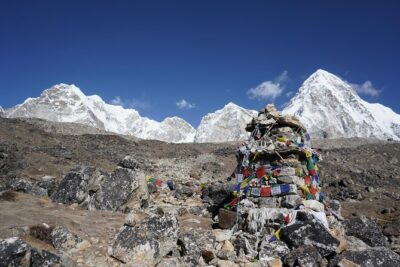
Browse the lists this tour appears in