
Reviewed · EVEREST BASE CAMP TREKS
Everest Base Camp Trek -14 Days
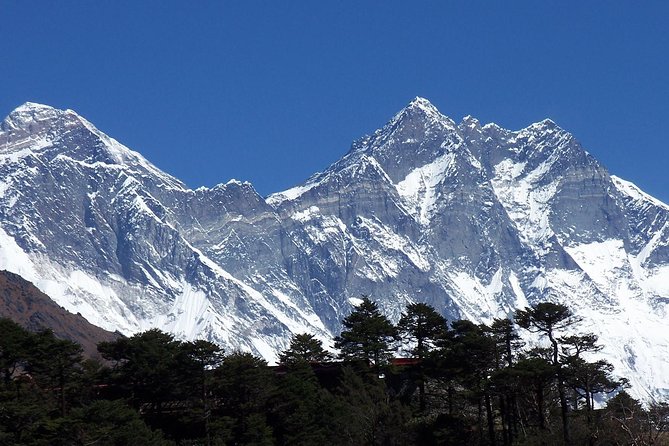
Everest Base Camp is the headline, but the real reward comes in the steady climb through Sherpa villages, pine forests, suspension bridges, and high mountain valleys. You reach Base Camp at 17,598 feet, then climb Kala Patthar for the famous sunrise view of Everest, Nuptse, Lhotse, and Pumori.
I like the small maximum group of 12, which gives you a better chance to know your guide and fellow trekkers. I also like the practical package: Lukla flights, permits, licensed guiding, meals, lodges, and Kathmandu support are arranged before you arrive. The main drawback is the pace. This is a demanding high-altitude trek, and drinks, Wi-Fi, showers, porter service, and personal gear cost extra.
Key points to know before booking
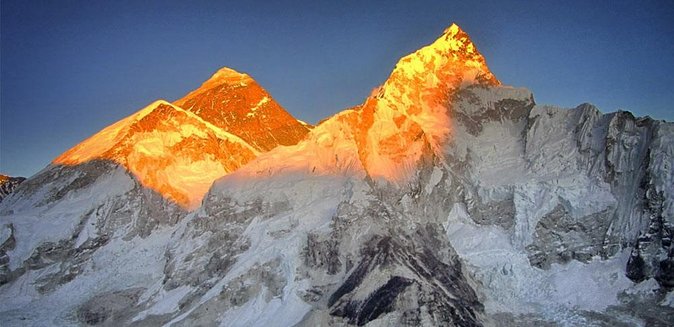
- Kala Patthar adds the best mountain view: The pre-dawn climb gives you a 360-degree panorama and a stronger visual reward than Base Camp itself.
- Two acclimatization days matter: Rest stops at Namche Bazaar and Dingboche help you adjust before the highest walking days.
- Lukla flights are built in: The package includes return flights from Kathmandu, including departure taxes.
- Meals and lodges are covered: Breakfast, lunch, dinner, and basic trekking accommodation are included during the trek.
- The group is capped at 12: You get the social feel of a group without a huge hiking party.
- Porter service costs extra: You carry your own luggage unless you arrange and pay for a local porter.
What the $1,420 price really covers
At $1,420 per person, this trek is priced as a supported package rather than a bare-bones guiding service. The cost includes the parts that can be awkward or expensive to arrange separately: return Kathmandu to Lukla flights, trekking documents, Everest National Park and TIMS paperwork, a licensed guide, lodge accommodation, full-board meals, government and local taxes, and a basic medical kit.
That package can offer good value if you want one company handling the moving parts. Lukla flights alone are an important part of the logistics, and the high-altitude route is much easier to manage with a guide who knows the villages, lodges, and daily walking conditions.
The price does not cover international airfare, Nepal’s entry visa, accommodation and meals before or after the trek, drinks, bottled water, hot showers, Wi-Fi, snacks, porter service, or tips. You should budget for these extras. The tea-house lodges provide a bed and meals, but comforts become more basic as you climb.
The final night in Kathmandu includes a hotel stay and dinner as part of the advertised package, although the inclusion list also says accommodation and food before and after the trek are excluded. Ask Alpine Ramble Treks to clarify exactly which Kathmandu nights are included for your booking. That small check can prevent a surprise bill.
Other treks that start from Kathmandu:
- Everest Base Camp Trek – 14 Days
★ 5.0 · 1,499 reviews - Everest Base Camp Helicopter Tour landing at Everest View Hotel
★ 5.0 · 668 reviews - Everest Base Camp Trekking
★ 5.0 · 485 reviews
Kathmandu arrival, then a short flight to Lukla
Day one is deliberately easy. Staff meet you at Tribhuvan International Airport and transfer you to the hotel in Kathmandu. This gives you time to recover from your international flight, meet the trekking team, and sort out your equipment before the mountains begin.
The next morning starts early with a scenic flight of about 35 minutes to Lukla. This is not a long travel day, but it is an important one. Lukla is the gateway to the Khumbu region, and the change from Kathmandu to a mountain airstrip feels immediate.
After meeting the crew, you begin walking from Lukla. The first day includes about two hours of acclimatization walking, according to the supplied schedule. That is a sensible start, since the goal is not to prove your fitness on day one. It is to arrive at the first lodge feeling ready for the long climb ahead.
The package includes the return flight and departure taxes. You should still keep your schedule flexible around the flight days, since the trip depends on this short air connection.
Days 3 to 5: pine forest, Namche Bazaar, and first Everest views
The route follows the Dudh Kosi River through pine forest and crosses suspension bridges. This section feels greener and more settled than the upper trail, with small villages and views opening between the trees.
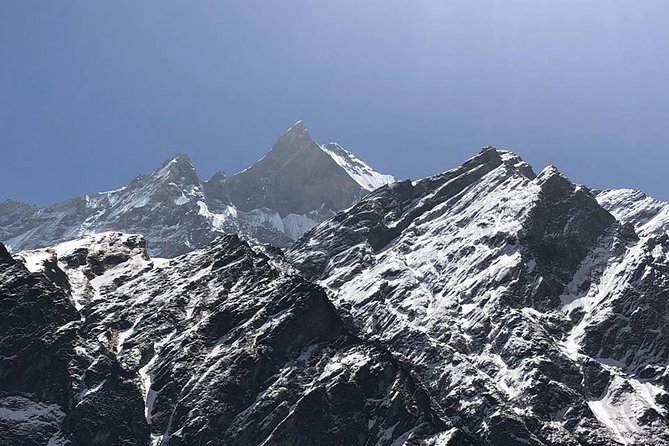
You get an early sight of Everest, along with peaks such as Kusum, Thamserku, and Kwangde. These first glimpses are satisfying, but they also show how much higher the route still goes. The mountain does not arrive all at once. It reveals itself in pieces.
The acclimatization day brings a lookout walk with views toward Everest, Lhotse, Cholatse, Thamserku, Kwangde, Khandala, and Ama Dablam. Ama Dablam is one of the most striking peaks on the route, and this is one of the days when the schedule gives you time to stop and look rather than simply walk through.
The route then follows the main Everest trail toward Tengboche. You descend toward the Dudh Kosi before climbing again through rhododendron country. The trail has a familiar rhythm here: down to a river, up through forest, then onward toward the next village.
That repeated climbing and descending can surprise you. A day that looks moderate on paper may still feel tiring because the trail does not rise in one steady line. Good walking poles and a patient pace will help, though neither is listed as included.
Days 6 and 7: Tengboche and Dingboche acclimatization
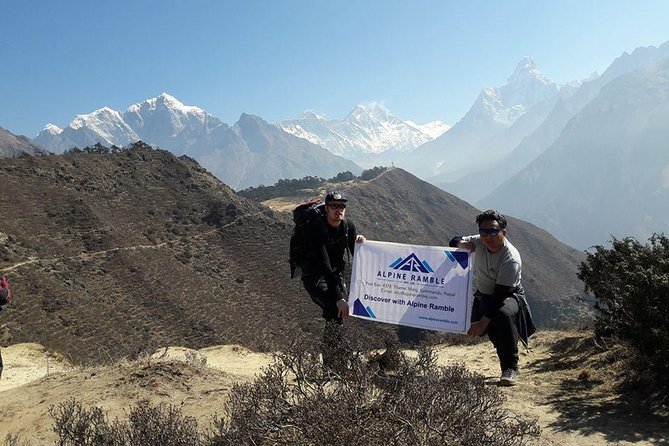
Tengboche is one of the memorable stops on the route. The monastery and surrounding mountains look especially dramatic in the early morning light. After breakfast, the trail continues through forest, with mountain views appearing as the trees thin.
The walk to Dingboche takes you into a higher, more open valley. Stone walls enclose fields of barley and potatoes, giving you a clear sense of how local communities use this difficult terrain. Dingboche is also a major stopping point for people heading toward Everest, Ama Dablam, and Imja Tse.
Day seven is another rest and acclimatization day. Do not treat this as wasted time. At altitude, rest days are part of the route design. You may walk for a short period around the village, but the main aim is to let your body adjust before the trail rises above 14,000 feet.
The package says the first-aid box includes Diamox for high-altitude sickness. That does not replace medical advice, and you should discuss altitude medication with a qualified professional before the trek. The included rescue provision is funded by travel insurance, so insurance is not an optional detail. You need coverage suited to high-altitude trekking and emergency evacuation.
A few more things to do in Kathmandu worth a look
- Nagarkot Sunrise View and Day Hiking from Kathmandu
★ 5.0 · 471 reviews - Annapurna Circuit Trek with Tilicho Lake
★ 5.0 · 368 reviews - Everest Base Camp Trekking – 13 Day
★ 5.0 · 365 reviews - Annapurna base camp trek 5 Days
★ 5.0 · 252 reviews
Days 8 and 9: memorials, the Khumbu Glacier, and Base Camp
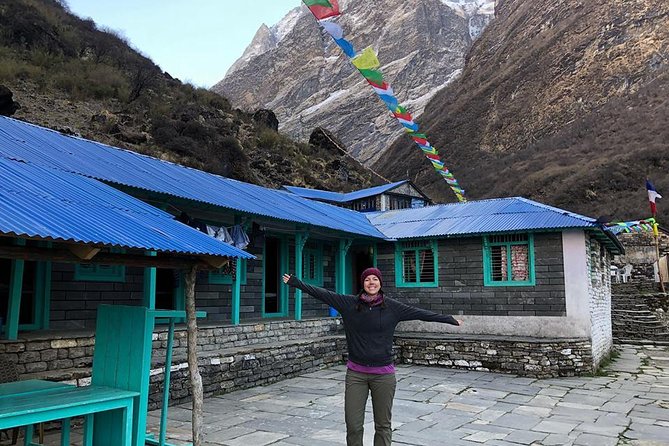
From Dingboche, the trail climbs gradually to Duglha. Then comes a steeper section toward Chukpo Lari, where memorials honor climbers who died on Everest. This is a quiet and serious part of the route. The mountains here are not only beautiful. They demand respect.
The walk from Lobuche to Everest Base Camp is one of the most anticipated days. At first, the trail crosses a relatively flat meadow. Then it follows the Khumbu Glacier and climbs toward the lateral moraine.
The terrain becomes rougher and more demanding as you approach Base Camp. You are walking on a high glacial route, not arriving at a polished viewpoint. Base Camp itself is especially interesting during climbing season, but its appearance can vary. The main reward is the route, the glacier, the surrounding peaks, and the knowledge that you have reached the foot of the world’s highest mountain.
The schedule places Base Camp on day nine, with Kala Patthar the following morning. That order gives you the emotional moment first and the best broad mountain view second.
Day 10: the pre-dawn climb to Kala Patthar
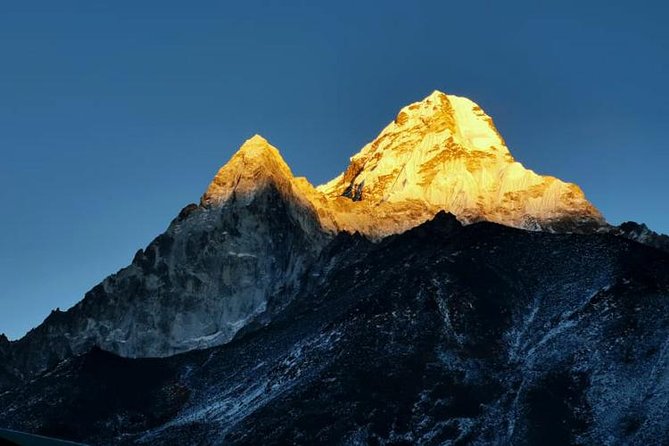
The Kala Patthar climb begins early, often before sunrise. The supplied schedule describes about two hours of climbing from the lodge area. You reach the viewpoint beneath Mount Pumori, where the reward is a 360-degree panorama including Everest, Nuptse, Lhotse, and other Himalayan peaks.
This is likely the hardest short climb of the trek. You are high, tired, and walking in cold early-morning conditions. Yet it is also the day when the mountain views are clearest in the schedule. If you are choosing between Base Camp and Kala Patthar as the visual highlight, Kala Patthar usually offers the broader view.
After the viewpoint, the route begins its long return. The descent is not simply easy walking. Your legs have already worked hard, and downhill sections can be rough on knees and ankles.
Days 11 to 13: the long return to Lukla and Kathmandu
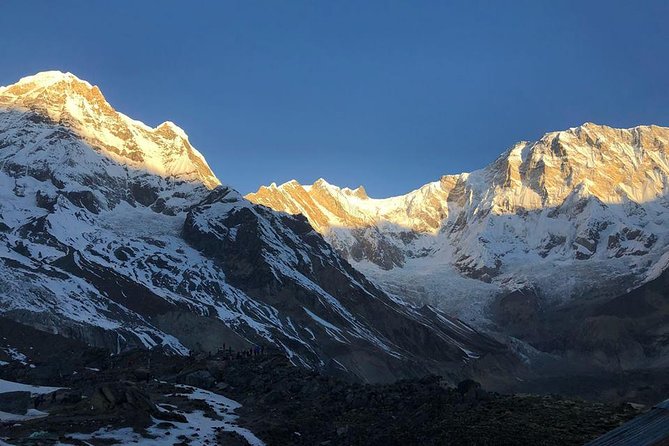
The return trail passes through Sherpa villages and follows the Dudh Kosi again. You go back through Dingboche and Tengboche, then continue toward lower villages such as Jorsalle, Manjo, Benkar, and Phakding.
The scenery changes as you lose altitude. Forest returns, the air feels warmer, and suspension bridges cross the river again. The route is familiar, but the experience is different because you now understand how far you have walked.
The final walking day returns you to Lukla. From there, you fly back to Kathmandu and have a leisure day in the city. A night at a quality Kathmandu hotel and a celebratory dinner are advertised as part of the finish, but confirm the exact accommodation details when booking because the inclusion notes are not perfectly consistent.
The schedule supplied runs from day one through day 13, while the product is described as a 14-day experience. That may reflect an extra arrival, departure, or hotel day. Confirm the exact number of nights and walking days before you pay.
Food, lodges, and the basic comforts you will have
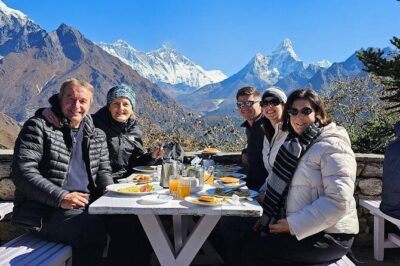
Three meals a day are included during the trek: 12 breakfasts, 11 lunches, and 11 dinners are listed. The meals are described as authentic local food served at trekking lodges. You should expect simple, filling food rather than restaurant-style choice at every stop.
Accommodation is in the best available trekking lodges. This means the standard is practical and location-driven. You get a place to sleep and eat, but hot showers, drinks, Wi-Fi, and other comforts cost extra.
Water is not included, nor are tea, coffee, snacks, or hot and cold drinks. These small purchases add up over nearly two weeks. Bring some Nepalese rupees or confirm the payment options with the operator before leaving Kathmandu.
Porter service is also extra. If you hire a porter, ask how much weight is allowed and how the arrangement works. Without one, you will carry your own luggage for the full route, which matters greatly on the steepest days.
Guides, group size, and the human side of the trek
A maximum group of 12 is a sensible middle ground. You have company on the trail, but the group is not so large that every decision becomes slow. It also gives you a better chance to speak with the guide and adjust the pace when someone is struggling.
The guiding team has included people named Laxman, Ram, Nir, Saugat, Subash, Sujal, Amer, and Dhower on different departures. The supplied information does not guarantee which person will lead your trip, so ask for the assigned guide’s name before departure if that matters to you.
The strongest praise centers on personal care, organization, and guide support. One solo trekker described guide Ram as making the demanding walk feel manageable. A family with teenagers aged 15 and 17 had a particularly supportive experience with Laxman. Another departure highlighted Saugat’s attention from arrival in Kathmandu through the return flight.
That detail matters more than polished promises. On a high-altitude trek, a guide who notices your condition, explains the next section, and handles practical problems can make a major difference.
Who should book this Everest Base Camp trek?
This trip suits you if you want the classic Everest route with the major logistics arranged in advance. It is a good fit for someone with moderate physical fitness who is comfortable walking for many days, sleeping in simple lodges, and paying extra for basic comforts.
It also suits first-time Himalayan trekkers who do not want to negotiate local guides, flights, permits, meals, and lodges independently. The small group helps if you want some company but do not want a large tour party.
You should think carefully before booking if you dislike early starts, basic accommodation, repeated uphill and downhill walking, or uncertain flight conditions. The package includes first aid and emergency rescue support funded by insurance, but you remain responsible for having suitable travel insurance and preparing properly for altitude.
Free cancellation is available up to 24 hours before the start time for a full refund. Cancellations or changes within 24 hours are not refunded or accepted.
Should you book it?
I would book this trek if you want a classic, organized Everest Base Camp route at a clear mid-range price. The included Lukla flights, permits, meals, lodges, licensed guide, and small group remove many of the hardest planning tasks.
I would not book it without first confirming the day count, Kathmandu hotel nights, porter arrangements, and emergency insurance requirements. If those details are clear, the package offers a practical way to reach Base Camp and Kala Patthar with strong guide support and plenty of time for acclimatization.
FAQ
How long is the Everest Base Camp trek?
The experience is marketed as 14 days, while the supplied daily schedule runs through day 13 and describes approximately 13 days. Confirm the exact number of nights and walking days before booking.
What is the highest point reached?
Everest Base Camp is listed at 17,598 feet, or 5,364 meters, above sea level. The route also includes the climb to Kala Patthar beneath Mount Pumori.
Are flights to Lukla included?
Yes. The package includes a round-trip flight between Kathmandu and Lukla, including departure taxes.
Are meals included during the trek?
Yes. Breakfast, lunch, and dinner are included during the trekking portion. The package lists 12 breakfasts, 11 lunches, and 11 dinners.
Is accommodation included?
Yes. Trekking lodge accommodation is included during the trek. The package also advertises a Kathmandu hotel stay and dinner at the end, but you should confirm the exact Kathmandu nights because the inclusion notes differ.
Is a porter included?
No. Local porter service is an extra cost if you decide you need it.
What drinks and personal costs are excluded?
You pay separately for water, hot and cold drinks, coffee, tea, snacks, Wi-Fi, hot showers, tips, Nepal’s entry visa, and personal expenses.
How large is the group?
The maximum group size is 12 people.
Can I cancel for a full refund?
Yes, if you cancel at least 24 hours before the experience start time. Cancellations or changes made within 24 hours are not refunded.
Just added in Kathmandu
- Kathmandu to Chitwan Tour by Tourist Bus – A Convenient and Affordable Way★ 4.0 · 4 reviews
- Changunarayan Hill to Telkot Hike Near Kathmandu Day Tour★ 5.0 · 6 reviews
- Mt Everest Base CampTrek | Budget Package★ 5.0 · 4 reviews
- Chitwan Jungle Safari 3-Day Tour★ 5.0 · 9 reviews
- Chandragiri Hill Station Tour by Cable Car★ 5.0 · 4 reviews
- Chandragiri Hills cable car day trip, private car with driver from Kathmandu★ 5.0 · 8 reviews
- Chandragiri to Taudaha Nature Day Hiking from Kathmandu★ 5.0 · 13 reviews
- Chandragiri Cable Car & Monkey Temple Private Guided Day Tour★ 5.0 · 5 reviews
Everest Base Camp Treks, compared.
Everest Base Camp Helicopter Tour landing at Everest View Hotel
Read our review →
Browse the lists this tour appears in