
Reviewed · NEPALI COOKING CLASSES
Women Empowerment Project(Nepali cooking class & jewelry workshop
The best part of this Kathmandu activity is its simple rhythm: cook alongside local women, sit down to eat what you made, then return for a hands-on jewelry workshop. The food session covers masala chai, pakoda, and momos, including buff and vegetarian versions, with guides such as Aastha, Syanbi, Buddha, and Tara helping you work through the recipes.
I like the personal scale, since only your group takes part, and I like that lunch comes from your own cooking rather than being an unrelated restaurant stop. The main thing to check is the jewelry portion: the schedule gives fewer details than the cooking class, so ask what materials and finished pieces are included before you book.
Key points at a glance
- Two separate three-hour sessions: Cooking takes place on one day, followed by jewelry-making on the next.
- A real Nepali food lesson: You prepare masala chai, pakoda, buff momo, and vegetable momo before eating lunch.
- A private activity: Only your own group participates, which can make it easier to ask questions and work at your own pace.
- Women’s empowerment at the center: The activity supports a Human Welfare Committee project focused on women and children.
- Guides with memorable roles: Aastha and Syanbi lead the momo teaching, while Buddha and Tara are also named as workshop hosts.
- Good central logistics: The meeting point is We handicraft in Paknajol, near public transportation, with both sessions ending there.
Why this Kathmandu class feels different
Kathmandu offers plenty of temples, courtyards, and mountain-view excursions. This activity gives you something more practical: a chance to spend time in a working social project while learning food and craft skills you can take home.
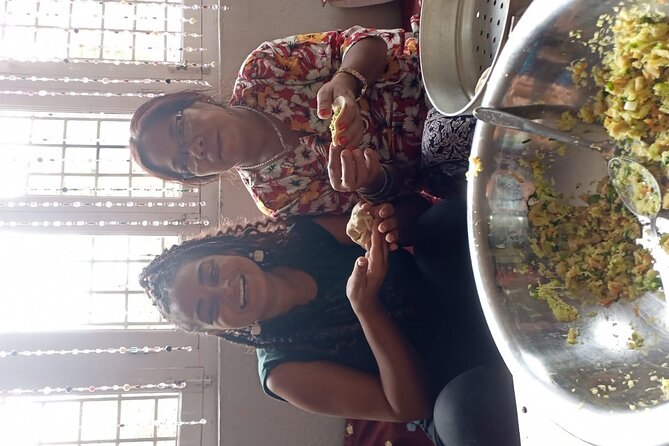
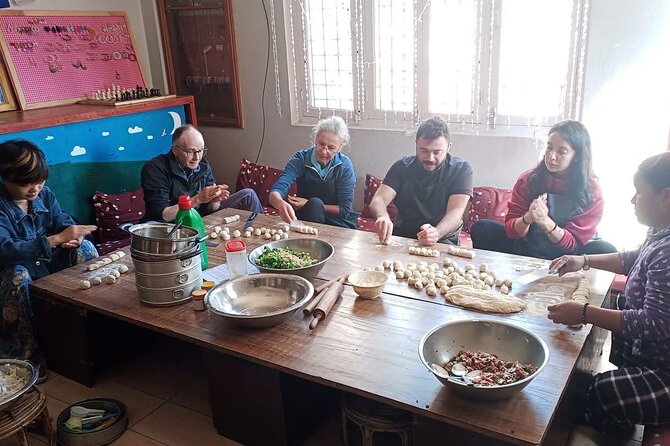
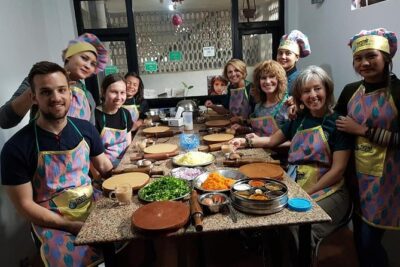
The cooking class is not just a demonstration. You prepare the ingredients, shape the momos, and eat the finished food for lunch. That matters because momo-making is a hands-on skill. The folds can look easy when an experienced teacher does them, but your own first attempts may be less tidy. That is part of the fun.
The women’s empowerment purpose also gives the $50 price more weight than a standard cooking lesson. The supplied information describes the program as supporting women, and the cooking session is connected to a wider Human Welfare Committee project that works with women and children. You are paying for a class, but your participation also helps support the organization.
The format is private, so you do not have to keep up with a large class. That should suit solo bookers, couples, families, and small groups who prefer direct help. It can also help if you are shy about joining a social activity. The workshop has a friendly, cooperative tone, but you are still free to focus on the food and craft rather than making conversation all day.
More cooking and eating in Kathmandu:
- Half day cooking class in Thamel kathmandu
★ 5.0 · 607 reviews - Kathmandu: Local Women-Led Nepali Cooking & Momo Class
★ 4.9 · 360 reviews - Kathmandu: Local Lead Nepali Cooking & Momo-Making Class
★ 5.0 · 212 reviews
Day one: chai, pakoda, and the art of the momo
The first session is scheduled for three hours at the Human Welfare Committee, beginning at 11:00 AM according to the daytime itinerary. One part of the supplied schedule shows 11:00 pm, which appears to be a typing error, so confirm the exact start time when booking.
The class opens with an introduction. This is more than a quick hello, since the activity is tied to a social project. You get context for the work being done and a chance to meet the people guiding the session before the cooking begins.
Masala chai comes first
The first kitchen task is masala chai. It is a useful opening because it is familiar to many visitors, yet still shows how spices and tea are used in Nepali homes and cafés. You start with a drink, learn the basic process, and settle into the class before handling the larger meal.
I like this order. It gives you something warm to enjoy while the rest of the lesson takes shape. It also prevents the class from feeling like a rushed race toward momo-making.
Pakoda adds a quick snack
Next comes pakoda, a fried Nepali snack. The class schedule places this around noon, after the chai. Making a small snack before the main dish gives you a second recipe with a different pace and texture.
You should expect a practical lesson rather than a formal culinary lecture. The point is to take part, follow the hosts’ instructions, and learn enough to repeat the dishes at home. Several people who attended the session particularly liked that the methods were clear and patient, which is useful if your kitchen skills are basic.
A few more things to do in Kathmandu worth a look
- Knife (Khukuri) Making Workshop- Forge of the Gurkhas
★ 5.0 · 143 reviews - The best Private Nepali Cooking Class in Kathmandu
★ 5.0 · 83 reviews - Kathmandu: Traditional Momo Making Class & Pickup
★ 4.8 · 60 reviews - Traditional Nepali Momo Making Classes
★ 5.0 · 53 reviews
Momo-making is the main event
Around 12:30 PM, the class moves to the main dish: momos. You prepare both buff momo and vegetable momo. Additional descriptions of the food session mention potato momos as well, so the exact combination may depend on the day or the group.
Buff means buffalo meat, a common ingredient in Nepali cooking. If you eat meat, this gives you a chance to try a local filling in a familiar dumpling form. If you do not, the vegetable version keeps the class open to different diets. The available details do not promise a separate vegan, gluten-free, or allergy-specific menu, so you should tell the provider about dietary needs before arrival.
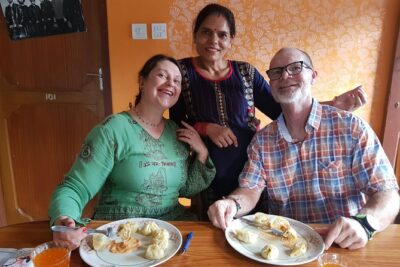
The most useful part is the shaping. Momo dough and filling are handled by hand, and the final folds require a little practice. Syanbi is referred to as the Momo Queen, and Aastha is also named as a guide for the session. Their role is not only to show the finished shape but to make the process manageable for beginners.
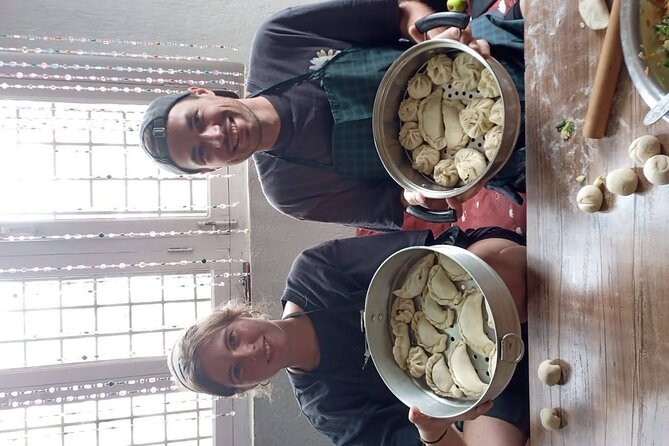
You may produce a few uneven dumplings at first. That is no problem. A cooking class should leave you with a method, not a factory-perfect plate. If you pay attention to how much filling you use and how you seal the dough, you can try the recipe again at home.
Lunch at 1:30 PM: the payoff for your work
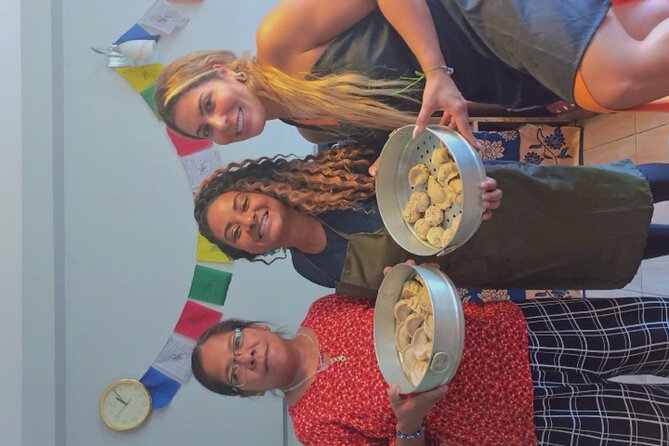
The first day ends with lunch at about 1:30 PM. You eat the chai, pakoda, and momos prepared during the class, including the meat and vegetable versions made by the group.
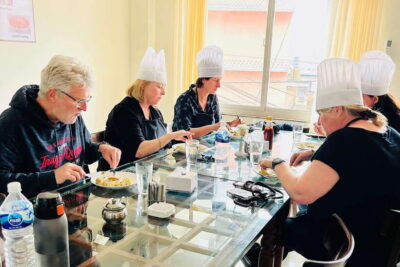
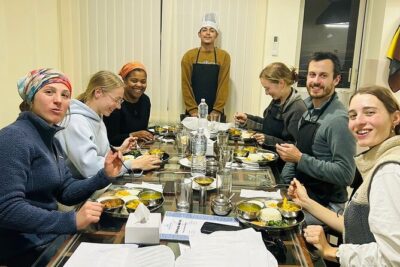
This shared meal is one of the strongest parts of the format. You are not simply watching a local cook prepare lunch for you. You can see the connection between the lesson and the plate in front of you. The meal also gives you time to sit with the project members and other participants.
The food is described as generous and delicious, with enough momos to make the lunch feel substantial. One especially appealing detail is that the meal may be shared with volunteers, project members, children, and family members connected with the organization. The exact people present can vary, but the purpose is clear: the class is built around eating together, not rushing off as soon as the cooking ends.
Allow time after lunch rather than scheduling a tight afternoon appointment. The published cooking session lasts three hours, and the social meal is part of the point. You will get more from the activity if you treat lunch as part of the class instead of a quick final course.
Day two: making jewelry with your own group
The second day is another three-hour session at the Human Welfare Committee. This time, the focus shifts from food to jewelry-making. You create your own piece under guidance, with the activity designed for complete beginners as well as people who already have some craft experience.
This is a good change of pace after the kitchen session. You use a different kind of concentration, and you leave with something made during your visit rather than only a recipe and a full stomach.
The available information says less about the jewelry workshop than it does about cooking. It does not list the specific materials, the type of jewelry, the number of pieces you make, or the tools provided. For that reason, ask for those details before paying if the jewelry portion is your main reason for booking.
Buddha and Tara are named as workshop hosts in descriptions of the activity. The atmosphere is intended to be social but approachable. If you are not naturally outgoing, the craft gives you an easy reason to talk with the people around you. You can compare designs, ask for help, and keep your hands busy while getting to know the group.
The private format is helpful here too. In a large class, a beginner can feel lost when the instructor moves on. With only your group taking part, you should have a better chance to ask for help, though the provider does not state the maximum group size.
What the $50 price really covers
At $50 per person, this is not the cheapest way to eat momos in Kathmandu. You can find inexpensive local meals elsewhere. The value comes from the combination of instruction, food, two workshops, and support for a women’s empowerment project.
The price includes admission to both three-hour sessions. It also includes the lunch prepared during the cooking class. The jewelry workshop is part of the same two-day package, though the available details do not specify whether the finished jewelry item or all materials are included. Confirm that point before booking.
I see the best value here for someone who wants an activity with a social purpose. If you only want a quick momo meal, this is more time and money than necessary. If you want to learn, meet the project team, make food from scratch, and add a craft workshop, the price is easier to justify.
You also avoid paying for several separate activities. A typical schedule might include a cooking class, lunch, and a craft session as unrelated bookings. Here they are joined under one project, with only one meeting point and a private group structure.
Who should book this activity
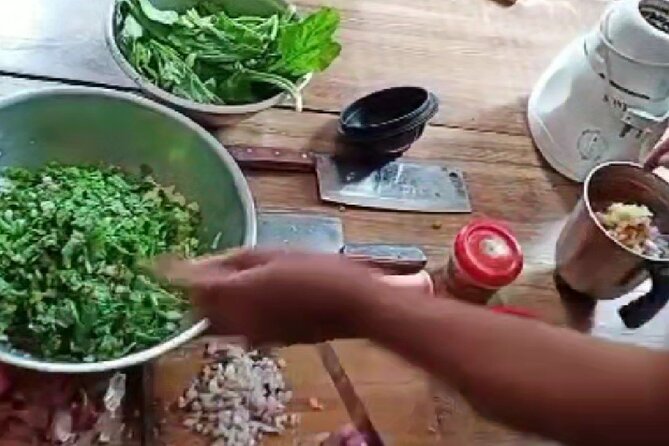
You should consider this experience if you want a break from sightseeing and prefer to participate rather than watch. It suits people who enjoy food, handcrafts, and small social settings.
It is especially useful for:
- First-time visitors to Nepali cuisine: Momos, pakoda, and masala chai offer a manageable introduction.
- Beginner cooks: The class is built around guided, hands-on preparation.
- Vegetarians and meat-eaters: Both buff and vegetable momos are included, though special dietary requests should be confirmed.
- Solo participants: The craft and cooking tasks give you natural ways to connect with the group.
- Families and small private groups: Only your group takes part, and most people can participate.
- Visitors seeking a meaningful local activity: Your booking supports a project focused on women’s empowerment and work with children.
It may not be right for you if you want a polished restaurant meal, a long cultural lecture, or a detailed jewelry curriculum. The information provided is strongest on the cooking day and thinner on the craft day. That does not make the jewelry workshop poor, but it does mean you should ask questions before committing.
Meeting point, schedule, and practical details
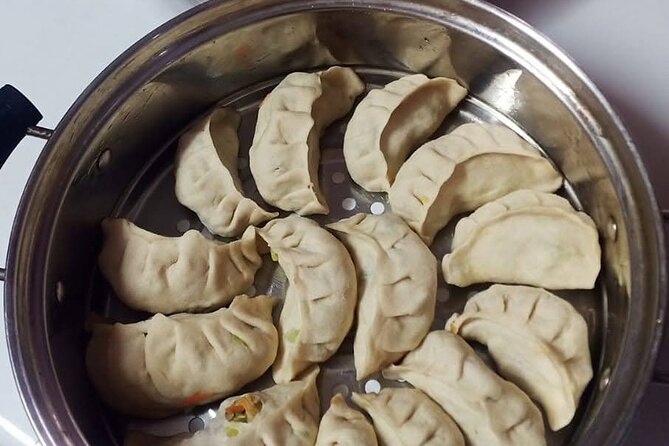
Both sessions begin and end at We handicraft, Paknajol, Kathmandu 44600, Nepal. The location is near public transportation, which makes it easier to reach than an activity outside the city. You do not need to arrange a different end point, since the activity returns you to the meeting place.
The listed operating days are Monday through Wednesday, from 10:00 AM to 6:00 PM, for the period shown from January 15, 2023 through December 8, 2026. The cooking schedule starts at 11:00 AM and runs to about 2:00 PM. The jewelry session is also listed as three hours, but its exact start time is not provided.
The activity is described as suitable for most people. Confirmation is issued when you book, and mobile tickets are accepted. Since the schedule contains a confusing 11:00 pm entry for the first day, use your confirmation to verify the correct local start time.
Free cancellation is available if you cancel at least 24 hours before the start time. Cancellations made later, along with changes made within that period, are not accepted for a refund. The cut-off uses Kathmandu local time.
Should you book the Women Empowerment Project?
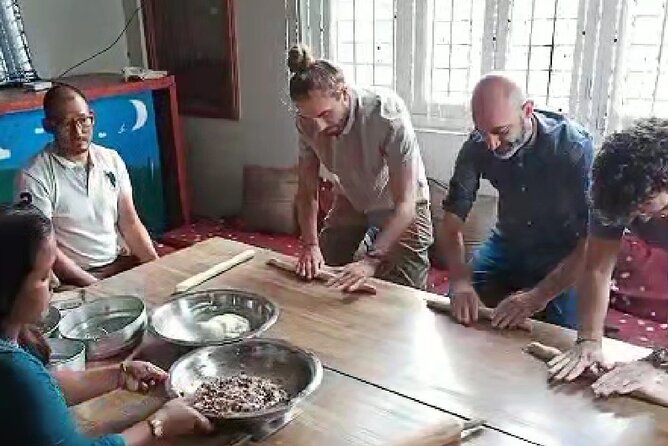
I would book this if I wanted an easy, human-scale activity in Kathmandu that combines food, craft, and a clear social purpose. The cooking class is the stronger part of the package because the dishes are clearly described, the momo instruction is central, and lunch completes the lesson.
The main caution is the second day. Ask what jewelry you will make, which materials are supplied, and whether you take the finished piece home. If those answers suit you, the two-day format offers good variety for $50.
Book it if you want to learn how momos are made, share a meal with the project community, and support women’s empowerment through a small private activity. Skip it if you only want a quick meal or if you need a tightly specified craft class. For the right person, this is a useful way to spend time in Kathmandu with your hands busy and your money connected to local community work.
FAQ
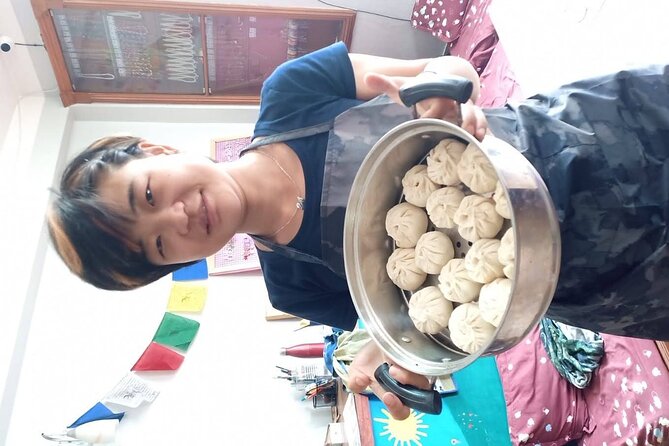
How long is the Women Empowerment Project activity?
The activity lasts approximately two days. Each day includes a three-hour session, with cooking on the first day and jewelry-making on the second.
What food will I learn to prepare?
You will prepare masala chai, pakoda, buff momo, and vegetable momo. The food session ends with lunch made during the class.
Is lunch included?
Yes. Lunch is served after the cooking session and includes the food prepared during the class.
Where does the activity begin and end?
The meeting point is We handicraft, Paknajol, Kathmandu 44600, Nepal. The activity ends back at the same meeting point.
Is this a private activity?
Yes. Only your own group participates in the activity.
Can I cancel for a full refund?
Yes, if you cancel at least 24 hours before the experience start time. Cancellations or changes made less than 24 hours before the start time are not eligible for a refund.
Just added in Kathmandu
- Traditional Momo Making Class★ 5.0 · 10 reviews
- Kathmandu 2 Nights 3 Days Chitwan Jungle Safari Tour★ 5.0 · 9 reviews
- Walking tour of Kathmandu with awesome local guides★ 5.0 · 4 reviews
- Wildlife Adventure in Chitwan Nepal★ 4.0 · 4 reviews
- Kathmandu to Pokhara Premium sofa bus ticket★ 4.0 · 17 reviews
- Kathmandu Street Food Walking Tour – Eat Like a Local★ 5.0 · 3 reviews
- Walking tour of real Kathmandu through back streets.★ 5.0 · 3 reviews
- Regular Yoga for all levels of practitioners in Kathmandu★ 5.0 · 4 reviews
Nepali Cooking Classes, compared.
Nepalese Momos or Dal Bhat Cooking Class (Cook with Delight)
Read our review →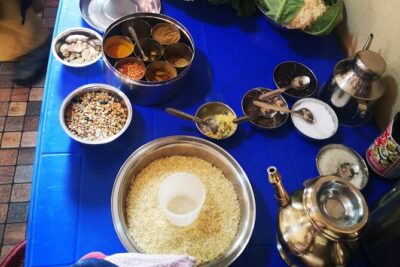
The best Private Nepali Cooking Class in Kathmandu
Read our review →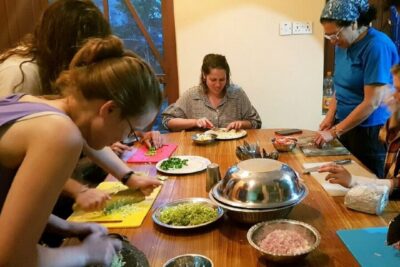
Nepalese Kitchen in Pokhara: Momos or Dal Bhat Cooking Class
Read our review →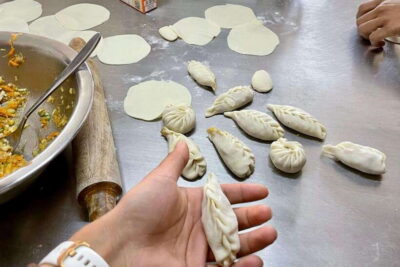
Browse the lists this tour appears in