
Reviewed · NEPALI COOKING CLASSES
Kathmandu: Traditional Momo Making Class & Pickup
The best part of this Kathmandu class is that you do not just eat momo, you learn the small tricks that make the dumplings work. You shop for ingredients, mix the filling, roll the dough, shape the parcels, and steam them under the eye of a local cook.
I like the hands-on format, especially for first-time momo makers, and the choice of veggie, vegan, or chicken fillings. I also like the market stop and the chance to try regular momo or soup momo. The main consideration is timing: the class starts at 1 PM and may last 1.5 to 2 hours, so it fills a good part of your afternoon.
Key points to know before you book
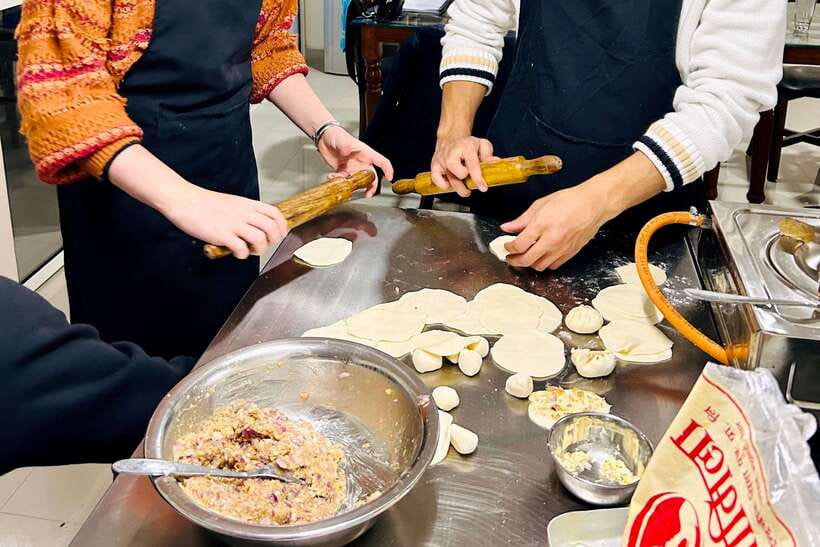
- You make momos from scratch: Dough, filling, shaping, steaming, and tasting are all part of the class.
- Choose your filling: Veggie, vegan, and chicken options are available, with dietary requests best sent ahead.
- The market visit adds local context: You help select fresh ingredients before cooking begins.
- English-speaking local cooks lead the class: In past bookings, instructors named Birfan and Bikram received especially warm praise for their patience and teaching.
- Small groups keep the class practical: The limit is 10 people, though larger private or arranged groups have also taken part.
- The price is unusually low: At $4 per person, the class offers strong value if the published price is current and all listed inclusions apply.
Why momo makes a good Kathmandu cooking class
Momo is one of Nepal’s most useful foods to learn. You find these dumplings everywhere in Kathmandu, from simple snack shops to restaurants, and the basic method is easy to understand once someone shows you the rhythm.
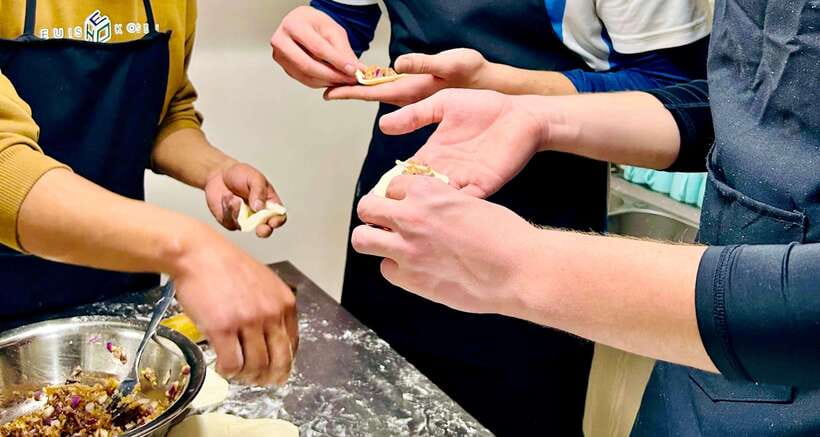
The tricky part is shaping them. A good momo needs a thin, even wrapper, enough filling without splitting, and a neat seal that holds during steaming. That is where an instructor matters. You can watch a short demonstration, try it yourself, and receive help before the folds become a small pile of doughy mistakes.
This is not billed as a formal restaurant meal or a broad survey of Nepali cuisine. It is a focused class built around momo, with the option to explore soup momo and, in some sessions, other dishes. One booking included momo, thukpa soup, yomari, and masala tea, but the standard description centers on the momo class. If you want a wider cooking lesson, ask what dishes will be offered on your date.
More cooking and eating in Kathmandu:
- Half day cooking class in Thamel kathmandu
★ 5.0 · 607 reviews - Kathmandu: Local Women-Led Nepali Cooking & Momo Class
★ 4.9 · 360 reviews - Kathmandu: Local Lead Nepali Cooking & Momo-Making Class
★ 5.0 · 212 reviews
Meeting the cooks at Kathmandu Cooking Academy
The class takes place at Kathmandu Cooking Academy, in central Kathmandu. From Thamel, the academy is about a 10 to 15 minute walk. Look for the signboard outside the building, then go to the entrance, where staff direct you to registration.
The supplied information names English as the class language. That matters here because the work is practical and fast. You need to understand how thin to roll the dough, how much filling to add, and how to close the top. Clear instruction makes a real difference.
The particular cook may vary. Past bookings identify Birfan and Bikram, while another booking describes a young chef who patiently helped a first-time maker. Bikram was especially effective with mixed-age groups, including children and an older adult. You should not assume one specific instructor will lead your class, but the teaching style described is patient and involved.
The group limit is 10. That is a useful size for a cooking lesson. You can see the demonstration without standing at the back, and the cook has a fair chance to correct your technique. A group of 10 can still feel social, but it should not become a production line.
The market stop and choosing ingredients
Before the cooking starts, you visit a market or shop to choose fresh ingredients. This is a modest part of the experience, not a full Kathmandu food tour, but it gives the recipe a useful beginning.
You see what goes into the dish before it reaches the plate. For chicken momo, that means selecting ingredients for the filling. For vegetable or vegan momo, you can discuss suitable choices in advance. The class description specifically mentions a guided ingredient visit for vegetable or chicken preparations, so tell the academy about vegan needs before booking.
The market portion also gives you a chance to ask simple questions. Which ingredients bring flavor to the filling? What makes a soup momo different? How much seasoning is used? The answers will depend on the instructor and the menu that day, but this is the point where a cooking class becomes more than a recipe card.
Do not expect a long sightseeing stop. The purpose is to gather ingredients for the class. That focus is helpful if you prefer cooking time over a lengthy market walk.
Making the dough and filling
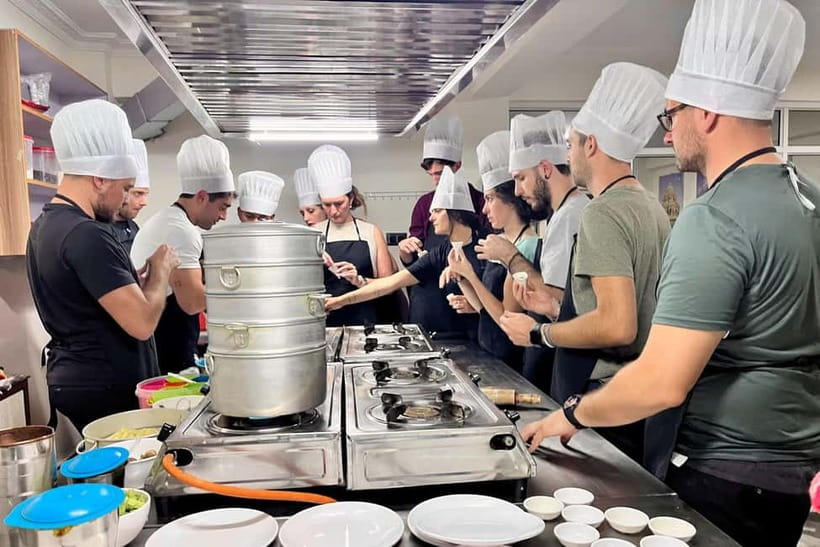
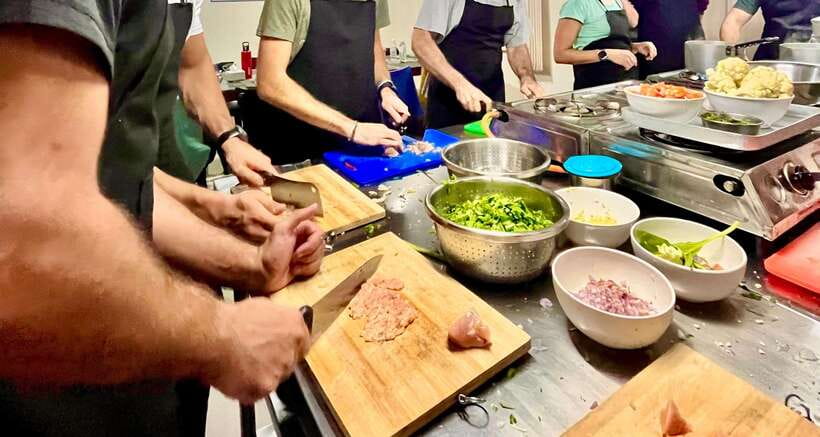
Back at the academy, you prepare the momo components step by step. The dough must be workable but not overly thick. The filling needs enough moisture and seasoning to stay pleasant after steaming, without turning the wrapper soggy.
The class supplies the cooking equipment and accessories, so you do not need to bring anything besides a camera if you want photographs. You are not expected to arrive with cooking skills. The experience is set up for beginners, and the instruction is meant to take you through each stage.
This is also where dietary communication matters. Veggie, vegan, and chicken versions are listed, but you should notify the academy about allergies or restrictions ahead of time. A request made early gives the cooks a better chance to prepare the right ingredients and avoid confusion during a small-group session.
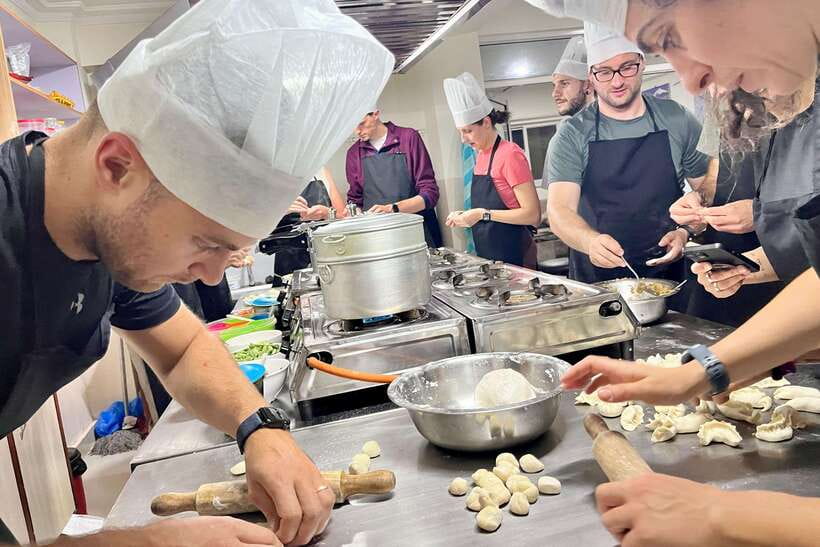
The cooking is likely to feel more social than polished. You may be working beside other people at different speeds. Some will make a neat row of identical dumplings; others will produce shapes that look more like tiny parcels after a storm. That is normal. The point is to learn a repeatable method, not to win a momo beauty contest.
A few more things to do in Kathmandu worth a look
- Knife (Khukuri) Making Workshop- Forge of the Gurkhas
★ 5.0 · 143 reviews - The best Private Nepali Cooking Class in Kathmandu
★ 5.0 · 83 reviews - Traditional Nepali Momo Making Classes
★ 5.0 · 53 reviews - Kathmandu: Local Women-Lead Nepali Cooking & Momo Class
★ 4.9 · 45 reviews
Shaping regular momo and soup momo
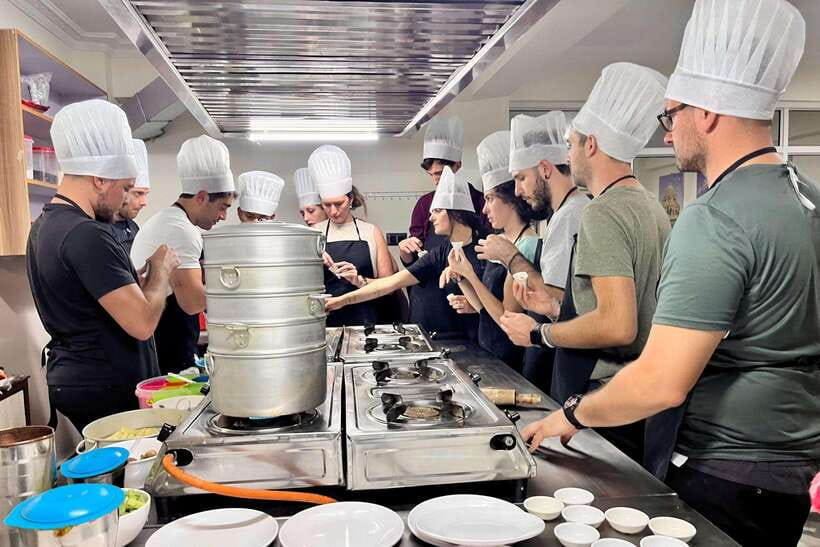
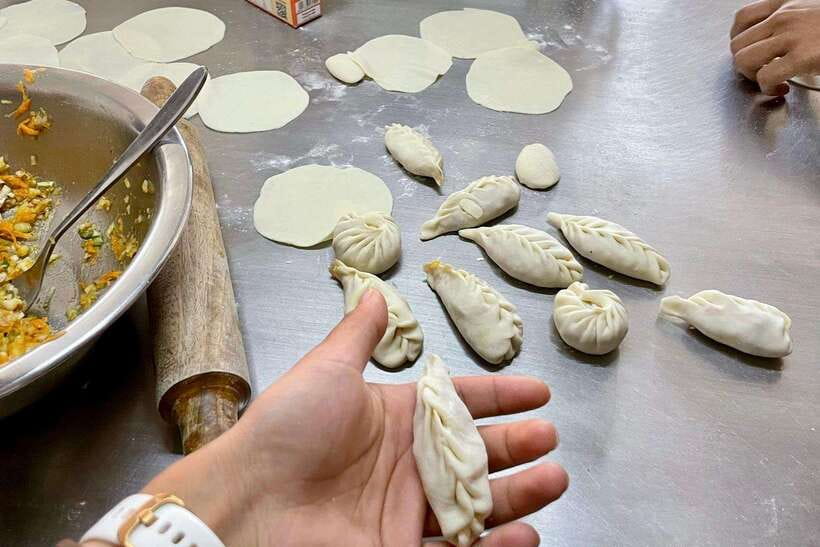
Shaping is the class’s main skill test. You place filling in the center of a wrapper, bring the edges together, and seal the top. The exact fold can take practice, and patient coaching is valuable here.
One first-time maker received repeated encouragement to practice again, which is exactly the right approach. Your first momo may be too full, too loose, or oddly shaped. By the final batch, your hands should have a better feel for the dough.
You can choose regular momo or try soup momo. The distinction gives the class some variety, although the available choice may depend on the day’s menu. Soup momo requires care because the dumpling needs to hold liquid while it cooks. Ask the instructor to show you the sealing method clearly before you start.
The class has also included several momo variations in some sessions. That does not guarantee a large tasting menu every time, but it suggests the cooks may offer more than one style when time and ingredients allow. If trying soup momo is important to you, confirm it when you arrive or when you book.
Steaming, tasting, and masala tea
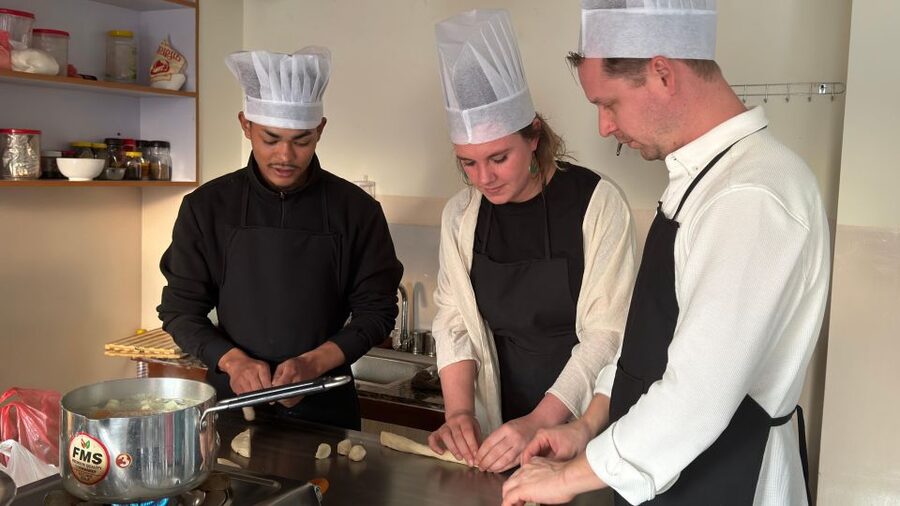
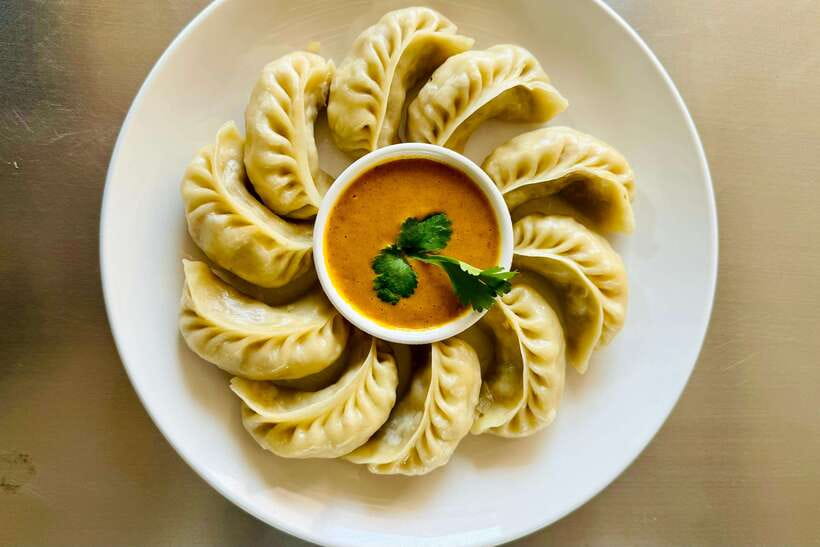
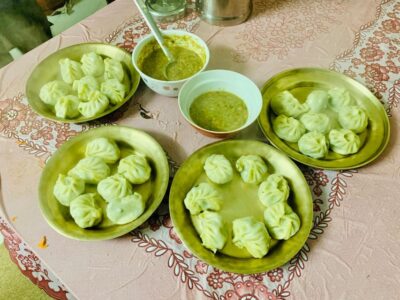
Once the dumplings are shaped, the cooks steam them and prepare them for tasting. Steaming is a useful final lesson because the result shows whether your wrappers were sealed properly and whether the filling was balanced.
You then eat the momos you helped prepare, with a complimentary cup of Nepali masala tea. The tea adds a pleasant finish and gives you something warm to sip while you compare shapes and fillings with the rest of the group.
The tasting should be treated as the food reward for the class, not automatically as a full day’s meal. The amount depends on the menu and group. Some sessions have included plenty of food, while the standard offer specifically promises a tasting of your prepared momos. Specialty and alcoholic drinks are not included.
I like this format because the meal has a story attached to it. You know which step caused the wrapper to split, which fold worked best, and how much effort goes into a plate that can look simple in a restaurant.
What the $4 price really offers
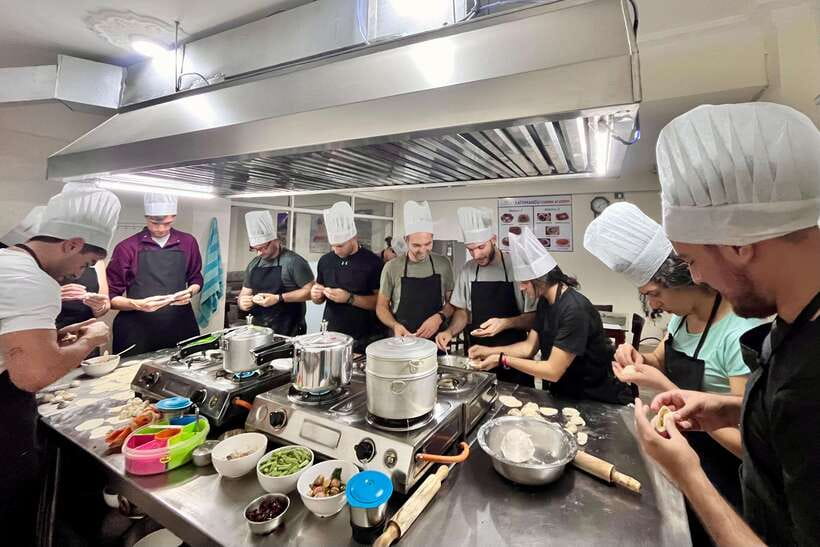
At $4 per person, this is remarkably inexpensive for a two-hour activity that includes instruction, ingredients, equipment, a market stop, tasting, and masala tea. If those inclusions remain available at the displayed rate, the class is one of the easiest low-cost additions to a Kathmandu itinerary.
The value is strongest for people who want a skill to take home. You are not paying only for food. You are paying for guided practice, local instruction, and the chance to understand a dish you will likely see throughout Nepal.
Still, check the final booking price and menu details before you rely on the $4 figure. Prices can change, and optional pickup may be handled differently from the class itself. Specialty drinks are extra, and the standard experience does not promise every dish that may appear in an individual session.
For a solo visitor, couple, or small group, the low price makes this an easy choice if the timing works. It is also useful for families, though the formal restriction says children under 5 are not suitable. One larger booking included children from age 7 and an adult aged 75, so the class can work well for a broad age range above that minimum.
Pickup across Kathmandu Valley
You can walk to the academy from Thamel in roughly 10 to 15 minutes, which makes the meeting point convenient for many people staying in central Kathmandu.
Hotel pickup and drop-off are available within Kathmandu Valley if you select that option. You need to provide your hotel details ahead of time so transportation can be arranged. This is particularly useful if you are staying away from Thamel or would rather not navigate Kathmandu streets before a fixed afternoon start.
Pickup is a convenience, not the main reason to book. If you are staying nearby, walking may be simpler. If your hotel is farther out, confirm the pickup arrangement early and allow for Kathmandu traffic. The class starts at 1 PM, so a late pickup could cut into your cooking time.
Who will enjoy this class most
This class suits you if you like eating local food and want a practical activity rather than another sightseeing stop. It works especially well on an afternoon when you need a break from temples, shops, and long walks.
Beginners should feel comfortable. The instructors show the steps, and the small group allows room for questions. You do not need prior cooking experience, and the shaping practice gives you a clear task from start to finish.
Families with children over 5 can also enjoy it. The class has handled a wide age range, including a group with children and adults up to 75. Keep in mind that cooking requires attention, standing, and hand work, so very young children may not get much from it.
Food-focused visitors will appreciate the market stop and the chance to discuss Nepali flavors. The class also suits people who want vegetarian or vegan options, provided they send the request ahead of time.
You may want to skip it if you dislike group activities, have only a short morning in Kathmandu, or expect a full restaurant-style meal. The class is about participation. If you prefer to sit back and be served, a momo restaurant is a better fit.
Practical details that matter
The advertised duration is two hours, while the stated class timing is 1 PM for about 1.5 to 2 hours. Plan for the full two hours so you are not rushing to a later appointment.
Wear something comfortable and bring a camera if you want photographs. The academy provides the needed cooking equipment and accessories.
English is the listed teaching language. Tell the academy about allergies, dietary restrictions, or special requests before booking. This is especially important for vegan participants and anyone who needs to avoid particular ingredients.
The experience has a small-group limit of 10, and cancellation is allowed up to 24 hours before the start for a full refund. You can also reserve and pay later, which helps if your Kathmandu schedule may change.
Should you book the Kathmandu momo class?
I would book this if you want a low-cost, hands-on introduction to one of Nepal’s everyday favorites. The best reasons are the fresh-ingredient stop, patient shaping instruction, choice of fillings, and the chance to eat what you make with masala tea.
The main limits are simple: the class starts in the afternoon, the menu can vary, and the $4 rate should be checked at booking. Ask ahead if soup momo, vegan ingredients, or extra dishes matter to you.
For most food-loving visitors, this is a strong value and an easy way to spend two hours in Kathmandu. You leave with a full stomach, a better sense of Nepali cooking, and at least the beginnings of a momo party back home.
FAQ
Where does the momo class take place?
The class takes place at Kathmandu Cooking Academy in central Kathmandu. The academy is about a 10 to 15 minute walk from Thamel. Look for the signboard outside the building and staff at the entrance.
What time does the class start?
The class starts at 1 PM and lasts about 1.5 to 2 hours.
What types of momo can I make?
You can make veggie, vegan, or chicken momo. The class also offers a choice between regular momo and soup momo, although menu details may depend on the session.
Is hotel pickup available?
Yes. Optional pickup and drop-off are available from locations within Kathmandu Valley. Provide your hotel details in advance if you select this service.
Is the class suitable for children?
Children under 5 are not considered suitable for the activity. A previous group included children from age 7 and adults up to age 75.
What is included in the price?
The experience includes the hands-on class, a guided market or shop visit for ingredients, cooking equipment and accessories, tasting of the prepared momo, and Nepali masala tea. Specialty and alcoholic drinks are not included.
Just added in Kathmandu
- Kathmandu to Chitwan Tour by Tourist Bus – A Convenient and Affordable Way★ 4.0 · 4 reviews
- Changunarayan Hill to Telkot Hike Near Kathmandu Day Tour★ 5.0 · 6 reviews
- Mt Everest Base CampTrek | Budget Package★ 5.0 · 4 reviews
- Chitwan Jungle Safari 3-Day Tour★ 5.0 · 9 reviews
- Chandragiri Hill Station Tour by Cable Car★ 5.0 · 4 reviews
- Chandragiri Hills cable car day trip, private car with driver from Kathmandu★ 5.0 · 8 reviews
- Chandragiri to Taudaha Nature Day Hiking from Kathmandu★ 5.0 · 13 reviews
- Chandragiri Cable Car & Monkey Temple Private Guided Day Tour★ 5.0 · 5 reviews
Nepali Cooking Classes, compared.
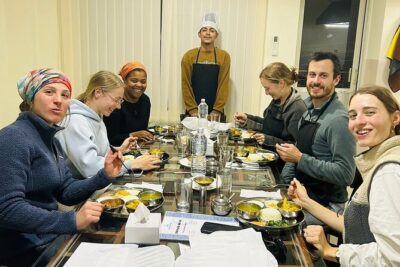
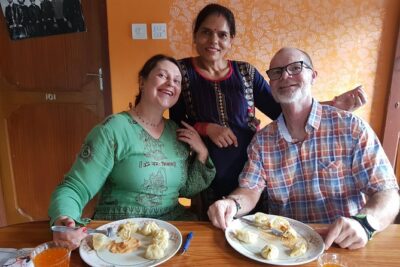
Nepalese Momos or Dal Bhat Cooking Class (Cook with Delight)
Read our review →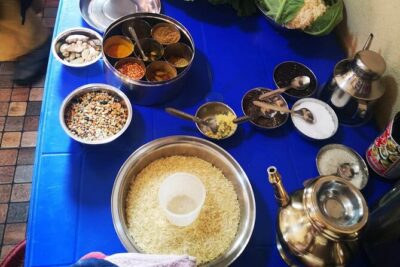
The best Private Nepali Cooking Class in Kathmandu
Read our review →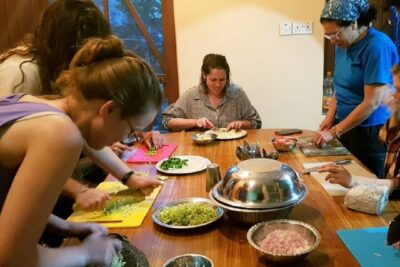
Nepalese Kitchen in Pokhara: Momos or Dal Bhat Cooking Class
Read our review →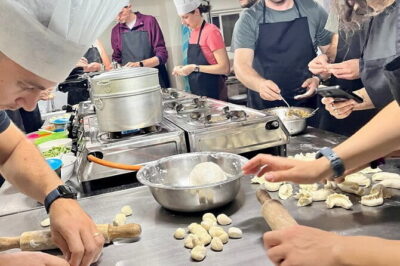
MoMo or Dal Bhat Cooking Class at Aama Kitchen in Pokhara
Read our review →Browse the lists this tour appears in