
Reviewed · NEPALI COOKING CLASSES
MoMo or Dal Bhat Cooking Class at Aama Kitchen in Pokhara
Pokhara’s best food lesson may happen far from a restaurant menu. At Aama Kitchen, you visit a family home, work beside an experienced Nepali cook, and prepare either momos or dal bhat from scratch. The cooking is practical, social, and comfortably informal.
I like the warm family setting, where solo visitors can join in without feeling alone. I also like that the lesson explains spices, vegetables, preparation, and Nepali food customs instead of treating the meal as a quick recipe demonstration.
The main consideration is simple: this is a real cooking class, not a show. You will chop, fold, stir, and clean up as part of the process. People with food allergies should not book, and anyone hoping for a polished restaurant kitchen may prefer a different experience.
Key points to know before booking
- Choose one classic dish: Select momos or dal bhat when you book, and make your choice clear in the booking comment.
- Cook in a real family home: The class takes place in Aama’s apartment kitchen, not a commercial cooking school.
- Expect about 25 minutes of driving: Pickup and drop-off are included for hotels within Pokhara’s Lakeside area.
- Plan to participate: You will help craft, cook, and eat the food rather than simply watch a demonstration.
- Ask about Nepalese food culture: The lesson can cover spices, vegetables, harvest times, and festival customs.
- Private and accessible: The class is for a private group, offers English and Hindi instruction, and is wheelchair accessible.
A 25-minute ride from Lakeside to Aama’s kitchen
The class begins with pickup from your hotel in Pokhara’s Lakeside area. You should wait in the lobby about 10 minutes before the scheduled time. From there, the drive to the family home takes about 25 minutes.
That transfer matters. You do not have to find an unfamiliar residential address or arrange a taxi back after eating. The same service returns you to your hotel when the class ends, keeping the whole outing to roughly three hours.
This is not a walk-in cooking lesson near the tourist strip. You leave the Lakeside zone and enter a family apartment, which gives the experience its personal character. The tradeoff is that the setting is homely rather than purpose-built. Expect a working household kitchen, practical equipment, and a closer connection with the family hosting you.
Pickup is limited to hotels within Lakeside, so check your accommodation before booking. Large bags and luggage are not allowed, which is sensible in a small home kitchen. Bring comfortable clothing and shoes that you can wear while standing and helping with food preparation.
More cooking and eating in Pokhara:
- Nepalese Momos or Dal Bhat Cooking Class (Cook with Delight)
★ 5.0 · 99 reviews - Nepalese Kitchen in Pokhara: Momos or Dal Bhat Cooking Class
★ 5.0 · 67 reviews - Pokhara: 3 Hour MoMo cooking class
★ 4.5 · 10 reviews
Choosing between momos and dal bhat
You choose between two of Nepal’s most familiar dishes. Make that choice in the comment at the time of booking, since the cooking plan and ingredients depend on it.
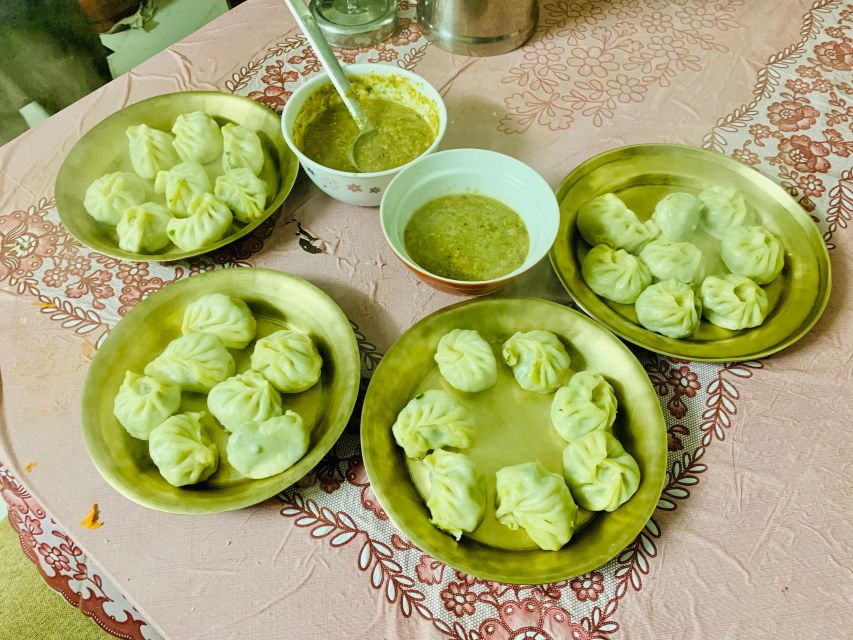
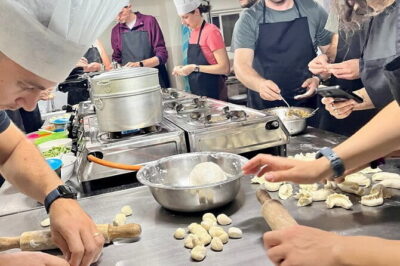
Momos are the hands-on option. You will work with dough and filling, then learn how to fold the dumplings. Folding looks easy until you try it. One participant found the technique difficult at first, but the patient instruction made the practice part of the fun. That is useful to know if your first dumpling looks more like a small pouch than a neat crescent.
The momo class suits you if you enjoy making food with your hands and want a dish that is easy to recreate at home. You get a clear sense of how the wrappers, filling, folds, and cooking method fit together. The finished dumplings are also a satisfying meal at the end of the lesson.
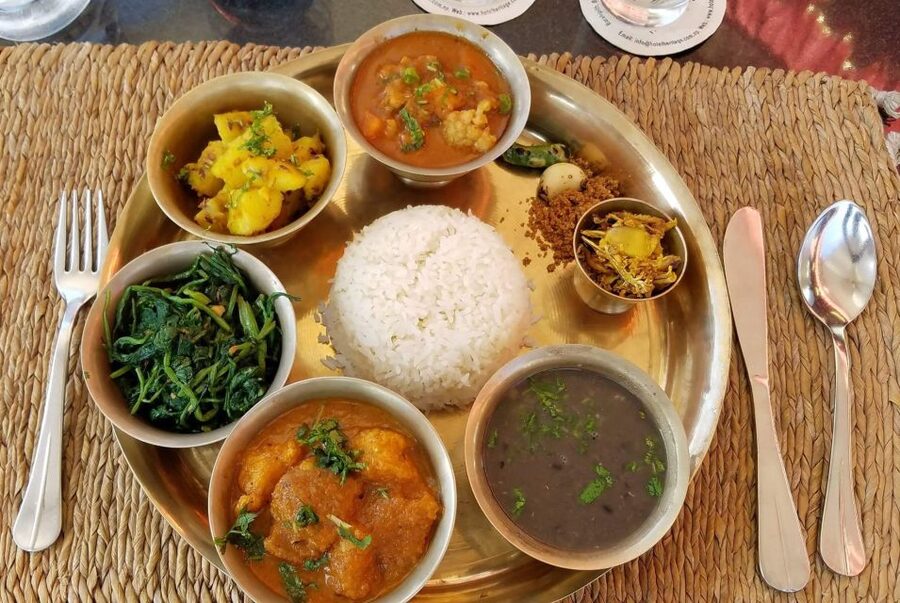
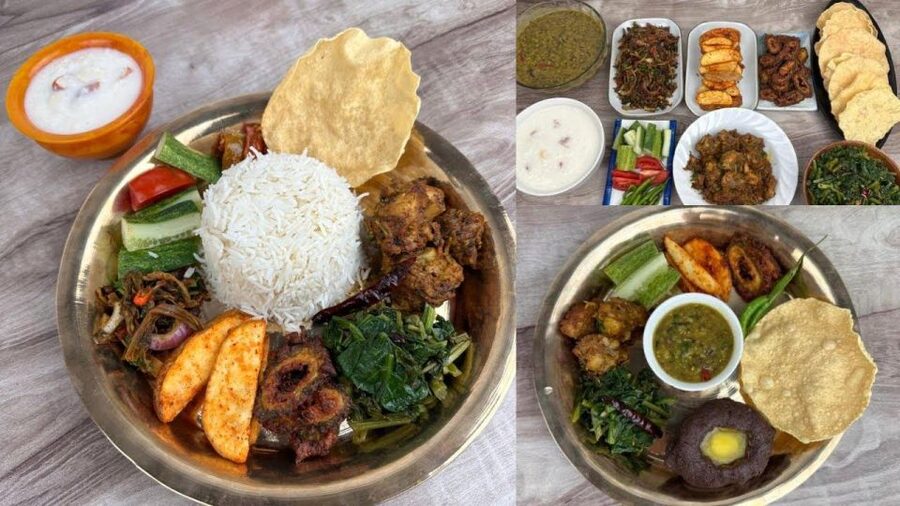
Dal bhat gives you a broader look at everyday Nepali food. Rather than focusing on one item, you learn the parts of a traditional meal, including rice, lentils, vegetables, spices, and curry preparations. The class can also explain where ingredients come from, when they are harvested, and how they fit into Nepali food traditions.
Choose dal bhat if you want more context about the country’s daily cooking. Choose momos if you want a focused activity with plenty of shaping and folding. Neither option is a short tasting session. Both involve preparing the food yourself.
Cooking beside an Aama
Aama means mother or grandmother in several South Asian languages, and here it refers to the family head who leads the kitchen experience. The host brings years of home cooking practice rather than a formal restaurant presentation. That difference is part of the appeal.
You can ask questions as you work. The included question-and-answer time gives you room to clarify ingredients, cooking steps, and the reasons behind particular flavors. Instruction is offered in English and Hindi, so you can expect communication suited to an international audience.
The names connected with the hosting family include Shanta and Sadaha in the experience feedback, though the booking information presents the teacher mainly as Aama, the family head. The safest approach is to think of this as a family-led class rather than a lesson tied to one fixed chef.
The family atmosphere is one of the strongest reasons to book. A solo visitor described feeling part of the family instead of isolated, while a family group enjoyed meeting Aama and her two sons. That tells you what the setting is meant to do: encourage conversation as well as cooking.
Do not expect a formal lecture or a tightly timed professional kitchen brigade. You may spend time talking, watching a technique more than once, or adjusting the pace to the people in your private group. For many people, that relaxed rhythm is better than a strict classroom schedule. If you prefer precise demonstrations with every minute planned, the informal format may feel loose.
What the three-hour visit is like
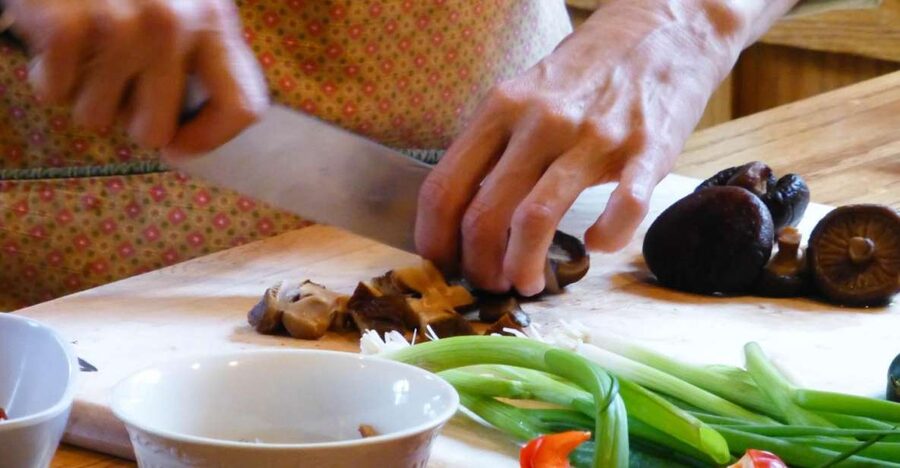
The first stage is arrival and introduction. After the hotel transfer, you meet the family in their home and settle into the kitchen. The experience is private, so your group does not share the lesson with a large public class.
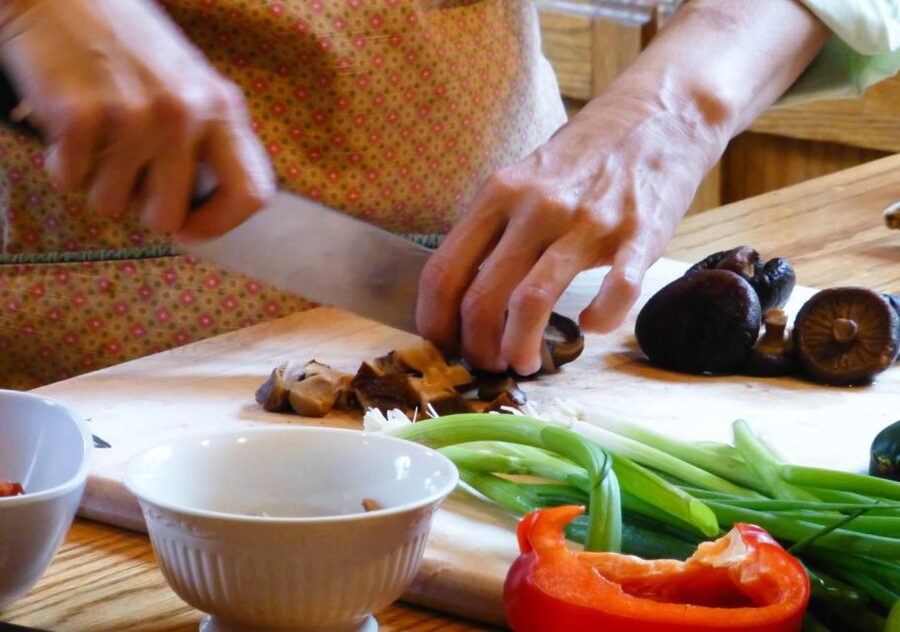
Next comes preparation. Your host provides the ingredients and equipment, then guides you through the chosen dish. With momos, that means learning the dough, preparing the filling, and practicing the folds. With dal bhat, you work through the meal’s separate elements and the spices and vegetables that bring them together.
The useful part is that the process is explained while you are doing it. You can ask why a spice is used, how a vegetable is prepared, or how a dish connects to Nepalese cooking. One dal bhat lesson also included discussion of ingredient origins and harvest times, showing that the food can open a door to local agriculture and seasonal habits.
Festival timing may add another layer. During one class held around a Nepalese festival, the visitors received a tika and took part in a small ceremony. That is not something you should assume will happen on every date, but it shows how the home setting can connect cooking with family and religious customs when the timing is right.
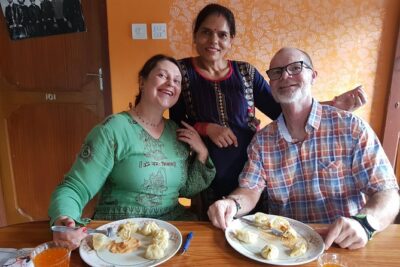
Once the food is ready, you sit down and eat what you made. This is an important part of the value. You are not handed a generic plate prepared somewhere else. The meal is the result of your work, including the uneven folds, the extra chopping, and the adjustments made along the way.
Finally, you receive the recipe to take home. That turns the class into something more useful than a one-time activity. You can try the dish again after your Nepal trip, although the exact result will depend on finding comparable ingredients and adjusting to your own kitchen.
A few more things to do in Pokhara worth a look
- Pokhara: Nepali Cooking Class and Momo Making Workshop
★ 5.0 · 6 reviews - Half day cooking class in Thamel kathmandu
★ 5.0 · 607 reviews - Kathmandu: Local Women-Led Nepali Cooking & Momo Class
★ 4.9 · 360 reviews - Kathmandu: Local Lead Nepali Cooking & Momo-Making Class
★ 5.0 · 212 reviews
Why the family kitchen matters
Food classes can easily become staged performances. This one is designed around a home kitchen, which gives you a more direct look at how Nepali food is prepared in a family setting.
You will see the difference between cooking for a camera and cooking to feed people. The lesson centers on useful methods, familiar ingredients, and shared food. That makes the experience especially valuable if you have already eaten momos or dal bhat in Pokhara and want to understand what went into the plate.
The home setting also creates room for conversation. You can ask about Nepalese spices, dishes, vegetables, and culture while your meal takes shape. This is where the class goes beyond a recipe. You learn how food fits into family life.
There are limits. A family apartment does not offer the space of a large culinary studio. If you have mobility needs, the activity is listed as wheelchair accessible, but you should still confirm any specific access requirements before booking. The information provided does not describe the apartment layout or kitchen surfaces in detail.
Is $28 a fair price?
At $28 per person, the cost includes more than ingredients. You get round-trip transport from a Lakeside hotel, a three-hour private class, instruction, equipment, the meal you prepare, question time, and a recipe to take home.
That is a fair package for Pokhara, especially because the transport removes a separate taxi expense and the private format avoids a crowded group lesson. The strongest value comes from the personal setting and the chance to ask questions throughout the cooking.
The value is less clear if you only want a cheap meal. You could eat momos or dal bhat for less at a local restaurant, but that would not include the cooking practice or the family contact. Book this for the activity and conversation, not simply for lunch.
A private group also makes the price more attractive for couples, families, or friends who want to learn together. Solo visitors can still book, and the welcoming format may suit you well, but the experience is built around sharing the kitchen with the host.
Who will enjoy this class most?
I would recommend the momo option to first-time cooks, families, and anyone who likes a tactile activity. Folding dumplings takes practice, and that makes it a good shared challenge. Children may enjoy it, but the provided information does not specify a minimum age, so ask before booking for young children.
The dal bhat option is better for you if you want a wider picture of Nepali food. It offers more room to discuss spices, vegetables, meal structure, harvest times, and cultural customs.
Solo visitors are well suited to the class. The private setting and family contact can make the activity feel personal rather than awkward. Couples and families also benefit because everyone can take part and compare their cooking efforts.
This is not ideal for people with food allergies. The activity specifically says it is unsuitable for them, and the kitchen may not be equipped to manage strict allergen separation. Tell the provider about dietary concerns before booking, but do not assume they can be accommodated.
Practical details that make the day easier
Wear comfortable clothes and shoes. Cooking involves active participation, and you may spend time standing or moving around the kitchen.
Leave luggage and large bags at your hotel. The home kitchen is not intended for bulky belongings.
The class lasts three hours, but the included driving is part of the outing. Allow enough time around the scheduled start so you are not rushing from another activity in Pokhara.
Cancellation is free up to 24 hours before the start for a full refund. You can also reserve now and pay later, which helps if your Pokhara plans are still shifting.
The experience is listed as wheelchair accessible, with English and Hindi instruction. Transport received a 93 percent perfect score, and the overall experience rating is 4.9 from 28 ratings. Those figures suggest that the transfer and hosting arrangements are dependable, but they do not remove the need to confirm personal access or food requirements.
Should you book Aama Kitchen?
Book it if you want to do more than eat Nepali food. The best parts are the family apartment, patient instruction, hands-on work, and chance to talk about spices and culture while preparing a real meal.
Pick momos for an active, focused lesson with plenty of folding practice. Pick dal bhat for a wider look at the structure of Nepali home cooking. Either way, the $28 price makes sense when you count the transport, private group format, meal, instruction, and recipe.
Skip it if you have serious food allergies, dislike participating in the kitchen, or want a polished cooking studio. For everyone else, this is a warm, practical way to connect a plate of food in Pokhara with the people and traditions behind it.
FAQ
Where does the cooking class take place?
The class takes place in Aama’s family home in the Pokhara area, about a 25-minute drive from Lakeside.
Is hotel pickup included?
Yes. Round-trip pickup and drop-off are included for hotels within Pokhara’s Lakeside area.
How long does the experience last?
The cooking class lasts three hours. The hotel transfer is included in the overall arrangement.
Can I choose between momos and dal bhat?
Yes. You can choose either momos or dal bhat, and you should state your choice in the comment when booking.
What languages does the instructor speak?
Instruction is available in English and Hindi.
Is this a private class?
Yes. The experience is arranged for a private group.
Is the activity wheelchair accessible?
The activity is listed as wheelchair accessible. The available information does not describe the specific layout of the family apartment, so confirm any detailed access needs before booking.
What should I wear?
Wear comfortable clothes and comfortable shoes suitable for cooking activities.
Can I bring luggage?
No. Luggage and large bags are not allowed.
Is cancellation available?
Yes. You can cancel up to 24 hours in advance for a full refund. You can also reserve now and pay later.
Just added in Pokhara
- Tandem Paragliding in Pokhara★ 4.8 · 8 reviews
- Seti George and Thrilling Suspension Bridge Tour at Pokhara★ 4.5 · 3 reviews
- Pokhara: Suspension Bridge Private Tour- 30 Min Village Walk★ 4.8 · 9 reviews
- Pokhara: Visit Best Seven Tourist Destination by Sharing Bus★ 3.4 · 10 reviews
- Pokhara: Sunrise Tour to Sarangkot★ 5.0 · 3 reviews
- Pokhara Sightseeing By Bus: Day Trip★ 4.6 · 7 reviews
- Pokhara Sightseeing By Bus – Day Trip★ 3.2 · 8 reviews
- Pokhara Sarangkot : Cable Car (Himalayas) Sunrise Tour★ 5.0 · 6 reviews
Nepali Cooking Classes, compared.
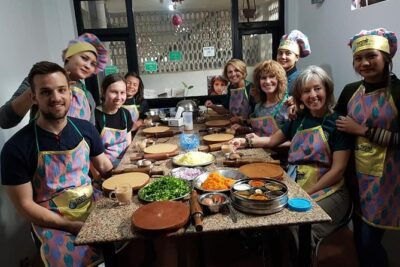
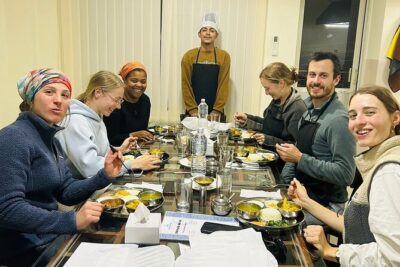
Nepalese Momos or Dal Bhat Cooking Class (Cook with Delight)
Read our review →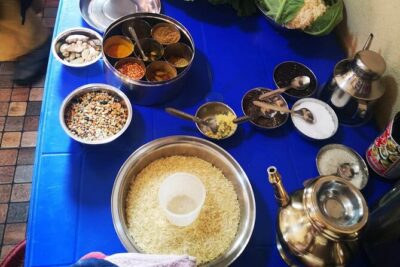
The best Private Nepali Cooking Class in Kathmandu
Read our review →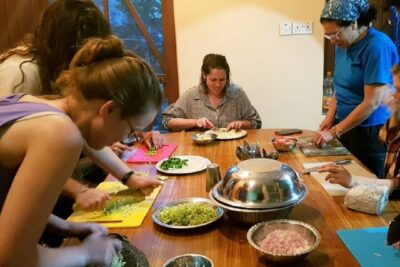
Nepalese Kitchen in Pokhara: Momos or Dal Bhat Cooking Class
Read our review →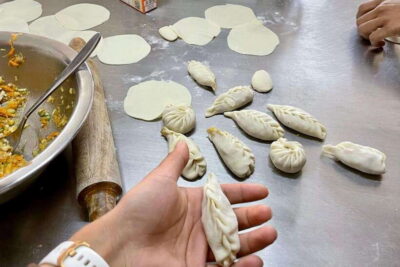
Browse the lists this tour appears in