
Reviewed · NEPALI COOKING CLASSES
Nepalese Kitchen in Pokhara: Momos or Dal Bhat Cooking Class
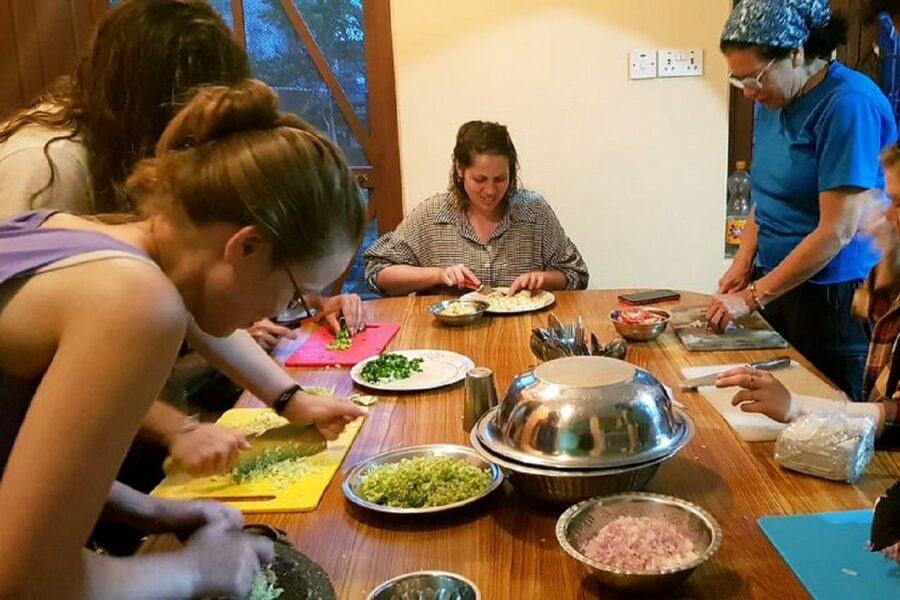
Making momos in a real Pokhara home kitchen gives you more than a meal. Sarita guides you through dough, fillings, folding, steaming, and dipping sauce, while a dal bhat class takes you through Nepal’s everyday staple in several stages. The private setting feels personal, not like a cooking school with rows of strangers.
I especially like the hands-on work and the included pickup from the Lakeside area. You chop, season, shape, and cook rather than watch from the side. The main consideration is that momos take time and produce a lot of food. One session made more than 70, so arrive hungry and bring a takeaway container if you have one.
Key points to know before booking
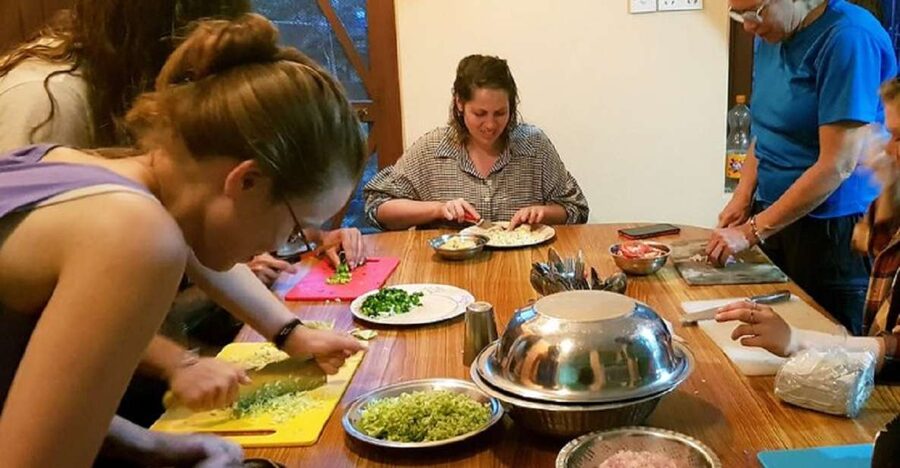
- Sarita’s home kitchen: Cook in a family setting and learn how food is prepared in an everyday Nepalese home.
- Two useful choices: Pick momos for a focused dumpling lesson or dal bhat for a fuller meal with several components.
- Private instruction: Your group cooks directly with the instructor, which suits beginners and anyone who wants plenty of help.
- Lakeside transfers included: Pickup and drop-off are arranged from Lakeside Road in Pokhara.
- Recipes to take home: You receive a printed or digital recipe, with one participant also receiving it in their preferred language.
Cooking Nepalese food in Sarita’s family kitchen
Pokhara has no shortage of restaurants serving momos and dal bhat. The useful part of this experience is learning what happens before the plate reaches your table.
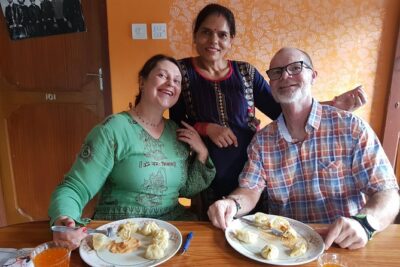
You enter a home kitchen rather than a commercial restaurant. Sarita welcomes you, introduces the ingredients, and explains the spices and methods used in Nepalese cooking. The setting matters. You see food being prepared in a household space, meet the family, and have time for conversation about local food and daily life.
The class is private, so you are not trying to keep up with a large group. A couple may cook with Sarita alone, while a small party can work together. This gives you room to ask basic questions, repeat a technique, or take your time with an awkward first momo fold.
The atmosphere is friendly and relaxed. Sarita’s English is described as excellent by one participant, and the class is also available in Hindi and Nepali. Another participant with limited English said instructions were given slowly and simply. That makes this a practical choice if you are not confident with food vocabulary or spoken English.
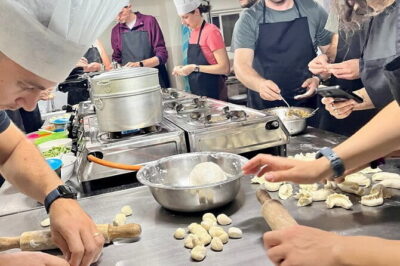
You should still expect a working class, not a polished restaurant show. You will chop vegetables, mix fillings, season food, shape dough, and handle the cooking. That is the point, but it also means the experience may feel less tidy and predictable than a formal demonstration.
More cooking and eating in Pokhara:
- Nepalese Momos or Dal Bhat Cooking Class (Cook with Delight)
★ 5.0 · 99 reviews - MoMo or Dal Bhat Cooking Class at Aama Kitchen in Pokhara
★ 4.9 · 28 reviews - Pokhara: 3 Hour MoMo cooking class
★ 4.5 · 10 reviews
Momos or dal bhat: choose the class that suits you
Your choice changes the rhythm of the session.
Momos for shaping practice and plenty to eat
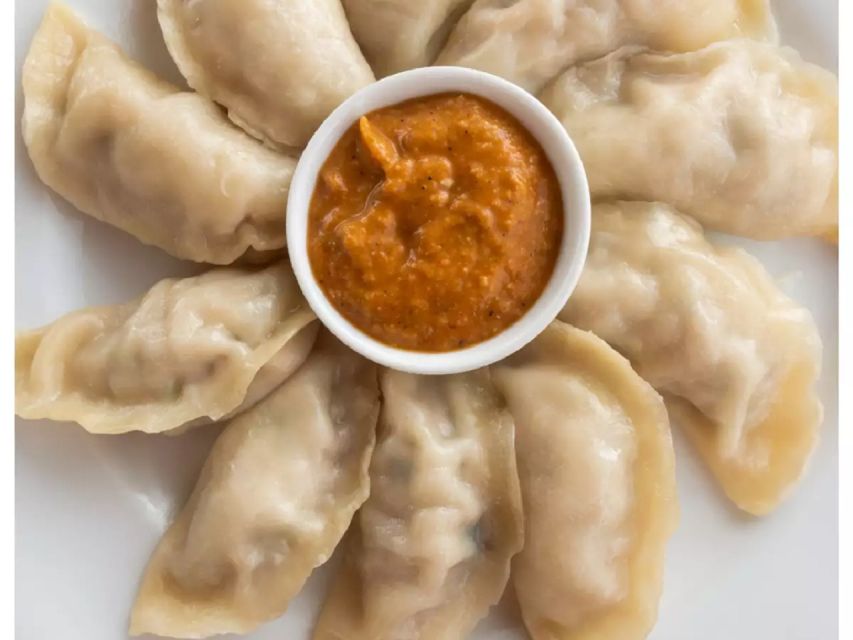
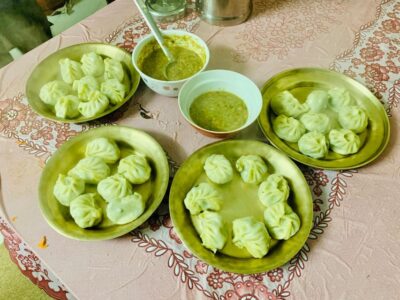
Momos are Nepalese dumplings, and the class takes you through the parts that look simple until you try them. You help prepare the dough and filling, learn how to balance seasoning, and shape each dumpling before steaming it.
The folding takes practice. Early attempts may look a little rough, but Sarita’s patient guidance helps you improve. The process is repetitive in a useful way. By the end, you have had many chances to make the fold rather than producing one perfect dumpling under supervision.
The class can include a dipping sauce, and past sessions have used vegetable and cheese fillings. The supplied details do not promise every possible filling at every class, so you should confirm your preferred option when booking if that matters to you.
Plan for a generous meal. One participant made more than 70 momos, while another described leaving very full after making and eating a large batch. If you are hiking in the Annapurna region or simply have a large appetite, this is a welcome feast. If you have already eaten lunch, it may be more food than you expect.
One useful point is that momo technique carries beyond Nepalese dumplings. Once you understand dough, filling, sealing, and steaming, you can adapt the method to other dumpling styles at home. One participant specifically valued that flexibility.
Dal bhat for a broader Nepalese food lesson
Dal bhat is Nepal’s best-known everyday meal, usually built around lentils, rice, vegetables, and accompanying dishes. It is not one quick recipe. You work through several preparations, which gives you a better sense of how a Nepalese meal comes together.
You can expect to chop, season, and cook several elements with Sarita’s guidance. The class teaches the balance of spices, the use of fresh vegetables, and the order in which different parts of the meal are prepared. The result is more than a bowl of lentils and rice. It is a complete home-style spread.
This option suits you if you want to understand the food you will encounter throughout Nepal. It also rewards patience. One participant noted that dal bhat involves many steps, but found the process manageable with Sarita’s help.
The recipes are practical rather than merely decorative. You can recreate the meal at home using the written instructions, then adjust the vegetables and spices to what you can find. Some ingredients may differ outside Nepal, but the class gives you a starting point and explains how the components work together.
A few more things to do in Pokhara worth a look
- Pokhara: Nepali Cooking Class and Momo Making Workshop
★ 5.0 · 6 reviews - Half day cooking class in Thamel kathmandu
★ 5.0 · 607 reviews - Kathmandu: Local Women-Led Nepali Cooking & Momo Class
★ 4.9 · 360 reviews - Kathmandu: Local Lead Nepali Cooking & Momo-Making Class
★ 5.0 · 212 reviews
What the three-hour visit is like
The experience begins with pickup from one of the stated locations on Lakeside Road, Lakeside-6, Pokhara. Round-trip transfer from the Pokhara Lakeside area is included, which saves you from arranging transport through an unfamiliar part of town.
The transfer is useful, but keep the transport detail in mind. One participant described a taxi driver trying to sell extra services and wished for the option to travel independently. That appears to be an isolated concern rather than a problem with the cooking class itself, but you should confirm the pickup details and included transport before setting off.
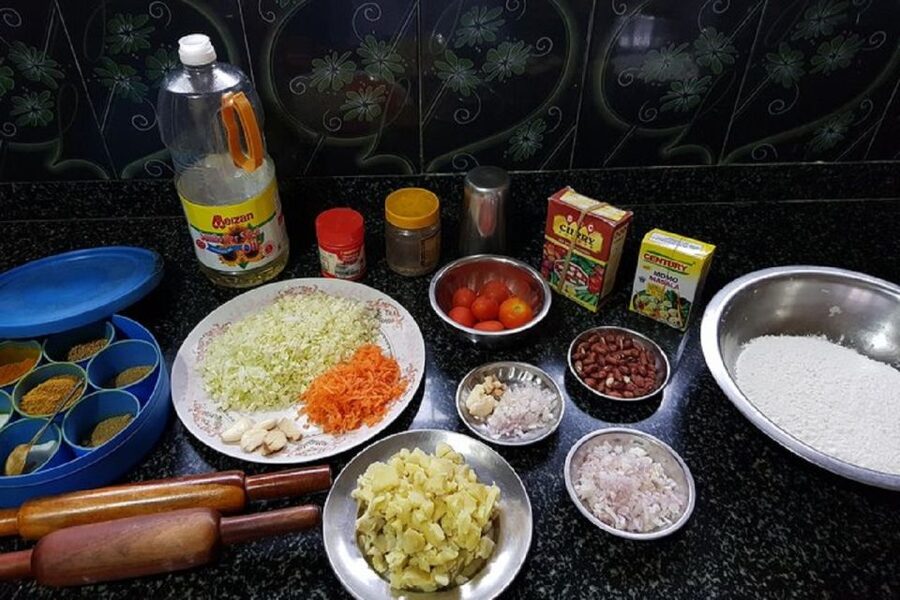
At the kitchen, you are introduced to the ingredients and cooking methods. Fresh vegetables and spices are supplied, and several participants specifically appreciated the quality and freshness of the ingredients. Some ingredients may come from the family’s own garden, though this should not be assumed for every class.
Sarita then guides you through the chosen recipe. You work beside her instead of receiving a long lecture. That makes the class easier to follow and gives you a chance to ask why a spice is added, how a filling should feel, or how to correct a dough that is too dry.
After cooking, you sit down to eat the food you made. Drinking water is included, and tea or small snacks have also been offered during past sessions, though those extras are not listed as guaranteed inclusions. Conversation with Sarita and her family forms part of the experience, adding a human side to the food lesson.
The scheduled duration is three hours. In practice, one momo session lasted three to four hours, and another took four hours because of the number of steps involved. If you have a flight, trek departure, or timed sightseeing afterward, leave a little breathing room.
Why the home setting changes the experience
A cooking school can teach you a recipe. A home visit gives you context for how that recipe fits into life in Nepal.
You see the kitchen as a place where food is made for family, not just for paying customers. You may meet family members, and the atmosphere can feel more like visiting an aunt than attending a formal lesson. That informality is one of the strongest reasons to book this instead of a standard restaurant cooking demonstration.
The setting is also intimate. One couple described cooking with just Sarita, which allowed for steady personal help. Another participant appreciated being welcomed into the home and learning about Nepalese culture through food.
The tradeoff is that a home kitchen may not feel like a purpose-built teaching studio. Space, pacing, and equipment can be more basic than what you find in a professional culinary school. If your priority is polished presentation or advanced chef training, this may not be the right match.
If your priority is local contact and useful skills, the home setting works very well. You leave with more than a photograph of a meal. You have handled the ingredients and practiced the method yourself.
The value of $28 per person
At $28, the price covers three hours of instruction, ingredients, your meal, drinking water, a recipe, and round-trip transfer from Lakeside. That is solid value if you would otherwise pay separately for a meal, a taxi, and a short cultural activity.
The private format matters when judging the price. You are not simply joining a large group and watching a demonstration. Your group receives direct guidance, and beginners can ask for help with every stage.
The amount of food also improves the value. Momos are made in large batches, and dal bhat includes several dishes. You are learning a recipe and receiving a full meal rather than a small tasting portion.
The class is less valuable if you dislike cooking or want a quick cultural stop. Three hours is a meaningful part of your day, and the preparation can be repetitive. It is best viewed as both lunch or dinner and a hands-on lesson.
Free cancellation is available up to 24 hours before the experience for a full refund, and you can reserve without paying immediately. Starting times depend on availability, so check the schedule before building the rest of your Pokhara day.
Who will enjoy this most
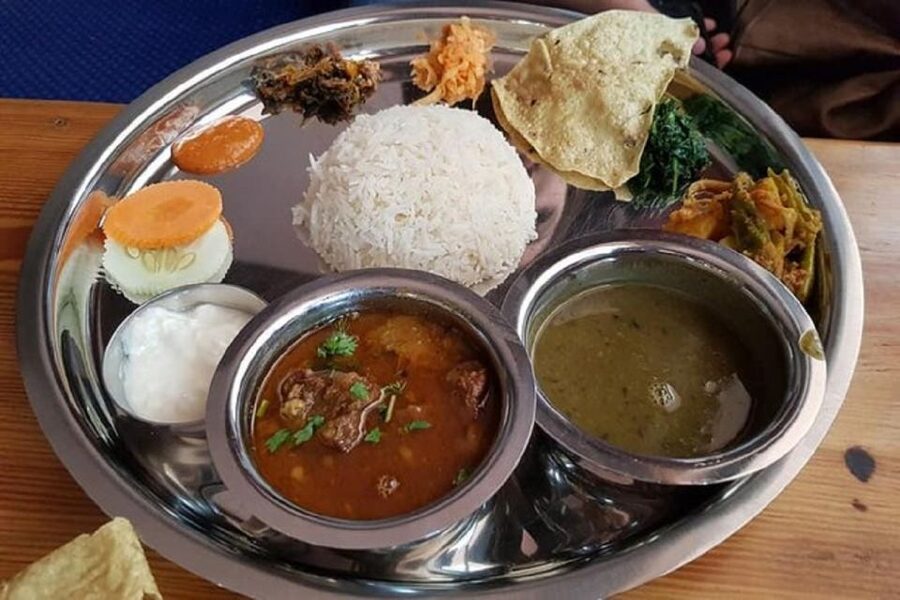
I would recommend the class to first-time visitors who want a friendly introduction to Nepalese food. It also works well after several days of eating out, when you want to understand the dishes rather than simply order another plate.
Couples and small private groups are a natural fit. Parents and older children may enjoy the shaping and chopping, though the supplied information does not specify a minimum age. Beginners are welcome, and you do not need prior cooking experience.
This is particularly useful for:
- People who already love momos and want to learn the technique
- Visitors curious about the daily role of dal bhat in Nepal
- Couples seeking a low-key cultural activity in Pokhara
- Anyone who wants recipes they can use after the trip
- People who value conversation with a local family
You may want to skip it if you have a tight schedule, do not enjoy hands-on food preparation, or need a highly structured professional kitchen. You should also avoid arriving after a large meal. The portions are generous.
Practical tips for a smoother class
Bring a passport or identity card, or a copy, as requested for the activity. Wear clothes that are comfortable for chopping, mixing, and cooking, and tie back long hair if needed.
If you choose momos, arrive hungry. The class may produce far more dumplings than you expect, and a takeaway container could be useful. If you choose dal bhat, expect several steps rather than a single quick recipe.
Ask for the recipe early if you prefer to follow written instructions while cooking. One participant felt a printout at the beginning would have made the sequence easier to track. You receive a printed or digital recipe for home use, but it may be worth confirming when and how it will be provided.
Tell the host about food preferences or restrictions before the class. The supplied information confirms momos or dal bhat, fresh ingredients, and examples such as vegetable and cheese momos, but it does not promise every dietary variation.
Keep the rest of your day flexible. Three hours is the official duration, but a class with lots of momos may run longer. Pickup and drop-off from Lakeside are convenient, yet you should confirm the exact meeting point so you are not waiting on the wrong stretch of Lakeside Road.
Should you book the Pokhara cooking class?
Book it if you want a personal home visit with a meal you help create. Sarita’s patient instruction, the private format, fresh ingredients, and recipe to take home make this more useful than a simple food tasting.
Choose momos if you want a focused, playful session with lots of shaping and a very full meal. Choose dal bhat if you want a broader look at Nepalese home cooking and the preparation of a complete everyday meal.
The one real caution is time and quantity. This is not a quick stop, and the food production can be generous. For most people spending several days in Pokhara, though, $28 is a fair price for transport, a private lesson, a substantial meal, and a friendly look inside local life.
FAQ
Where does the cooking class take place?
The class takes place in a Nepalese home kitchen in Pokhara, with pickup and drop-off available from the Lakeside area.
How long does the experience last?
The scheduled duration is three hours. Some cooking sessions may take longer, especially when making a large batch of momos.
What can I learn to cook?
You can choose between momos and dal bhat. The class covers ingredients, spices, preparation, cooking methods, and the techniques needed for your selected dish.
Is transportation included?
Yes. Round-trip transfer from the Pokhara Lakeside area is included. The stated pickup and drop-off location is Lakeside Road, Lakeside-6, Pokhara.
What languages does the instructor speak?
The experience is offered in English, Hindi, and Nepali.
Is this a private class?
Yes. The activity is arranged for a private group rather than a shared large class.
Are ingredients and the meal included?
Yes. Fresh ingredients and spices, hands-on instruction, the meal you prepare, and drinking water are included. Extra food or drinks outside the class are not included.
Do I receive a recipe to take home?
Yes. A printed or digital recipe is included so you can recreate the Nepalese dish after your trip.
Just added in Pokhara
- Tandem Paragliding in Pokhara★ 4.8 · 8 reviews
- Seti George and Thrilling Suspension Bridge Tour at Pokhara★ 4.5 · 3 reviews
- Pokhara: Suspension Bridge Private Tour- 30 Min Village Walk★ 4.8 · 9 reviews
- Pokhara: Visit Best Seven Tourist Destination by Sharing Bus★ 3.4 · 10 reviews
- Pokhara: Sunrise Tour to Sarangkot★ 5.0 · 3 reviews
- Pokhara Sightseeing By Bus: Day Trip★ 4.6 · 7 reviews
- Pokhara Sightseeing By Bus – Day Trip★ 3.2 · 8 reviews
- Pokhara Sarangkot : Cable Car (Himalayas) Sunrise Tour★ 5.0 · 6 reviews
Nepali Cooking Classes, compared.
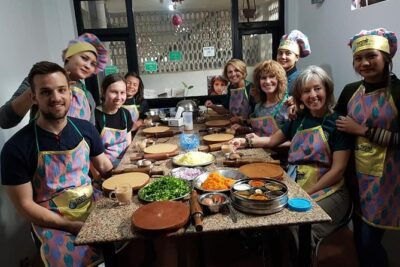
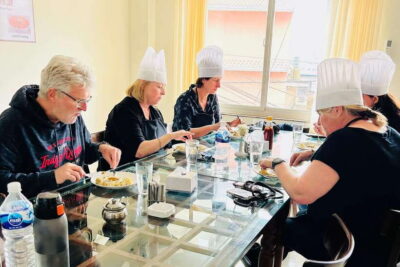
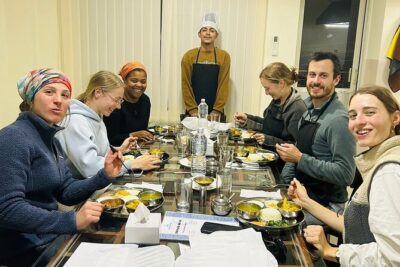
Nepalese Momos or Dal Bhat Cooking Class (Cook with Delight)
Read our review →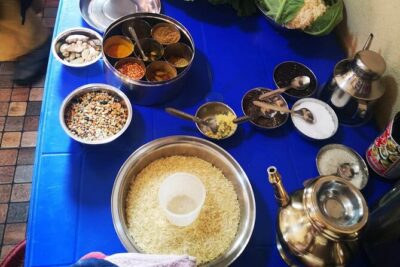
The best Private Nepali Cooking Class in Kathmandu
Read our review →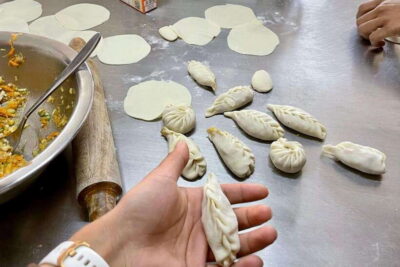
MoMo or Dal Bhat Cooking Class at Aama Kitchen in Pokhara
Read our review →Browse the lists this tour appears in