
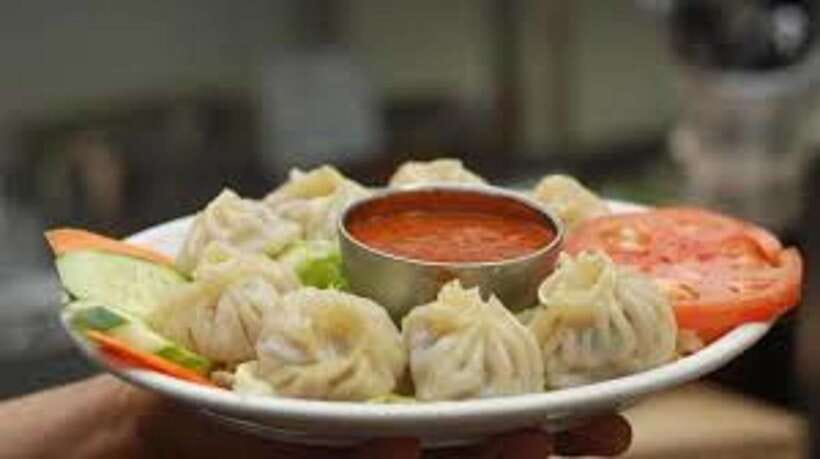
Reviewed · NEPALI COOKING CLASSES
Pokhara: 3 Hour MoMo cooking class
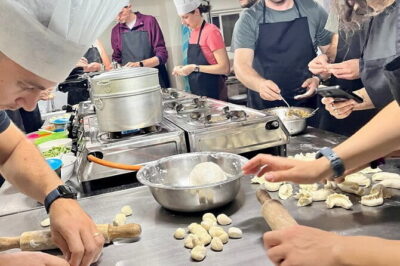
The best part of this Pokhara cooking class is that you do not simply watch someone make momos. You prepare the filling, knead the dough, shape the dumplings, mix the sauces, and finally eat what you made. The class takes place at a local café, with pickup and drop-off available around the Lakeside area.
I like the small private-group format, which gives you plenty of time to practice rather than queue for a turn. I also like the chance to learn several folding styles, including traditional pleats and a crescent-moon shape. The main consideration is mobility: the class is not suitable for people with mobility impairments, and the three-hour schedule involves hands-on work at the café.
At a glance
- Make momos from scratch: Prepare your own filling and dough instead of only watching a demonstration.
- Choose your filling: Vegetarian, chicken, or meat options are available.
- Practice three folding techniques: You learn how to shape the dumplings before cooking them.
- Prepare your own sauces: Spicy, mild, and soy-based styles are introduced.
- Private three-hour activity: Pickup and drop-off are included within the Lakeside area.
- Good value at $29: Ingredients, cooking materials, instruction, and a cold drink are included.
Why momos make a good Pokhara cooking class
Momos are one of Nepal’s most familiar foods, but a plate of dumplings tells you little about the work behind it. The fun begins when you try to seal one yourself. Dough that looks simple on the table becomes a small test of pressure, thickness, and patience.
This class gives you the full process in a sensible order. You learn why the dough needs to rest, how the filling should be prepared, how thin to roll each wrapper, and how steaming changes the texture. You also get to make dipping sauces, so the meal is not just about the dumpling itself.
The format suits you if you like food classes that are practical and relaxed. You do not need advanced cooking skills. The instructions are given in English or Hindi, and the teaching is built around demonstrations followed by your own work.
More cooking and eating in Pokhara:
- Nepalese Momos or Dal Bhat Cooking Class (Cook with Delight)
★ 5.0 · 99 reviews - Nepalese Kitchen in Pokhara: Momos or Dal Bhat Cooking Class
★ 5.0 · 67 reviews - MoMo or Dal Bhat Cooking Class at Aama Kitchen in Pokhara
★ 4.9 · 28 reviews
Pickup from Lakeside and the café setting
The activity begins with hotel pickup in Pokhara’s Lakeside area. That is useful if you are staying near the lake and do not want to arrange a taxi for a short local outing. Drop-off is included as well, so the class fits neatly into a morning or afternoon without much transport planning.
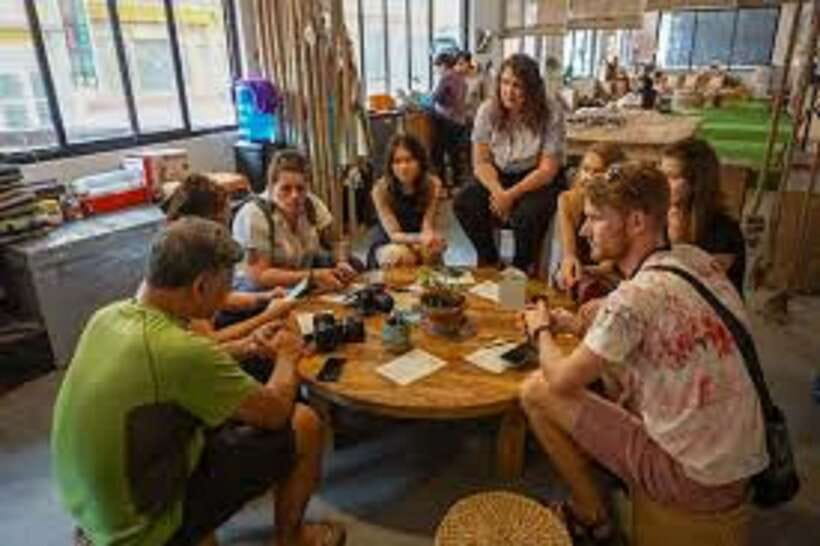
The cooking takes place at a local café. One reported session used Café Nirvana, where the cooking area allowed a very interactive class for a private group of two. The exact café arrangement may depend on the booking, so you should confirm the pickup point and starting time when you reserve.
The café setting is part of the appeal. You are not in a formal culinary school with a large class moving through fixed stations. You have a more direct exchange with the instructor and can ask questions while working. That matters most during the folding section, when a quick correction can save a wrapper from splitting.
Bring a passport or ID card. Leave large bags and luggage behind, since these are not allowed. The activity runs in rain or sunshine, but much of the time is spent indoors at the café.
The first 10 minutes: a quick introduction to momos
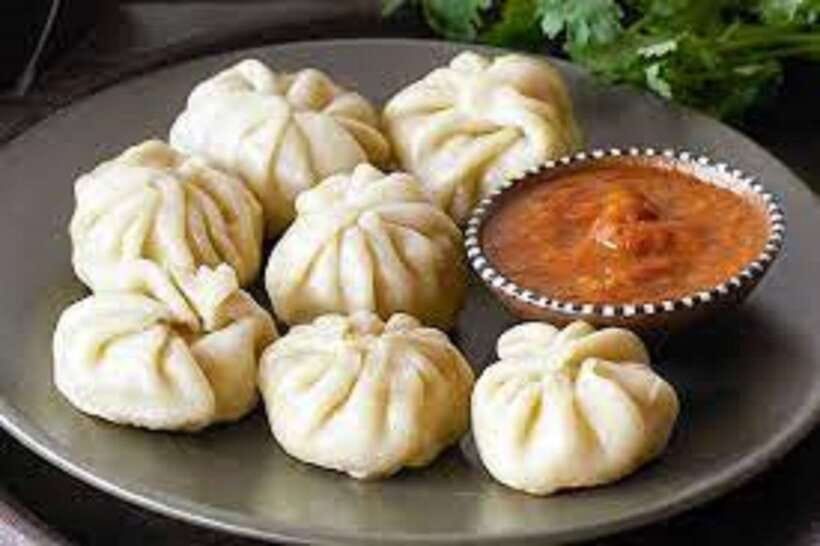
The opening is short, lasting about 10 minutes. You meet the instructor, hear an introduction to momos, and learn about the ingredients and equipment you will use.
This opening is brief by design. You are not attending a long food lecture. You get enough cultural context to understand why momos matter in Nepal, then move quickly to the counter and the ingredients.
I find this balance useful. A cooking class should give you a sense of place, but the real value is in learning a skill you can repeat at home. If you already know momos well, the introduction will not take up much of your time. If this is your first taste of Nepalese dumplings, it gives you the basic vocabulary before the practical work begins.
Choosing and preparing the filling
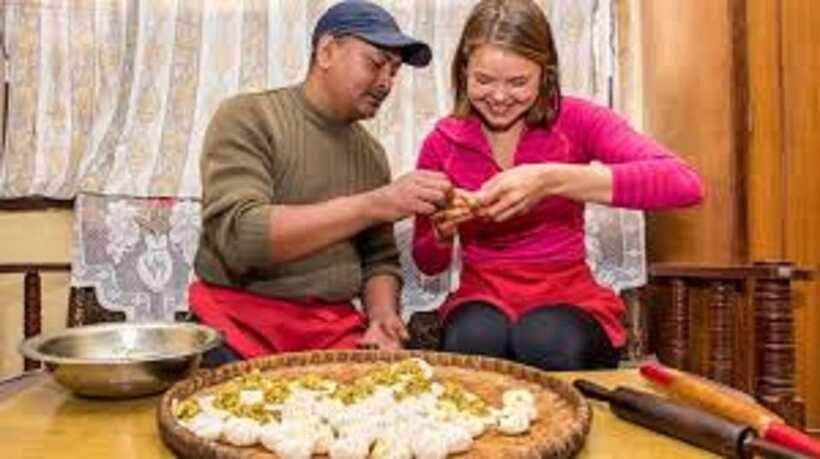
The filling section takes around 40 minutes. You can work with vegetarian, chicken, or meat fillings, depending on the option selected and available for your class.
The instructor first explains the choices and demonstrates how to prepare the ingredients. You then make your own filling rather than simply receiving a bowl that is ready to use. This is an important step because the filling needs the right texture. Too wet, and it can make the dough difficult to seal. Too dry, and the finished momo may lack tenderness.
Vegetarian filling is a good choice if you want a lighter meal or do not eat meat. One class used a vegetarian filling and allowed the participants to decide how their momos should be filled. That kind of choice is helpful for cautious eaters and for anyone with a clear preference.
If you choose chicken or meat, ask about the available option before the class begins. The activity describes those choices, but it does not provide a fixed menu or list of ingredients. This is also a good time to mention allergies or dietary restrictions directly to the provider.
A few more things to do in Pokhara worth a look
- Pokhara: Nepali Cooking Class and Momo Making Workshop
★ 5.0 · 6 reviews - Half day cooking class in Thamel kathmandu
★ 5.0 · 607 reviews - Kathmandu: Local Women-Led Nepali Cooking & Momo Class
★ 4.9 · 360 reviews - Kathmandu: Local Lead Nepali Cooking & Momo-Making Class
★ 5.0 · 212 reviews
Kneading the dough for 30 minutes
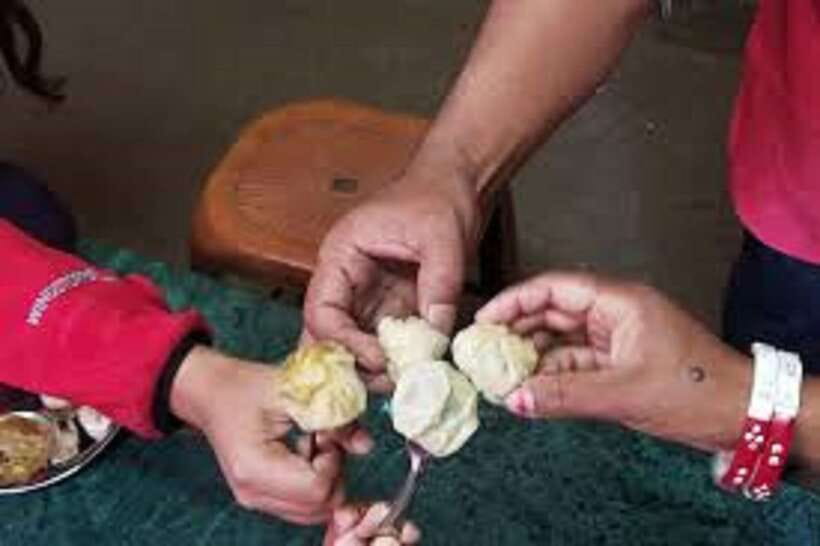
After the filling, you spend about 30 minutes preparing the dough. The instructor explains the ingredients and shows you how to knead it, then you make your own dough and let it rest for a few minutes.
This stage can look easy until you try it. The goal is a wrapper that is flexible enough to fold but firm enough to hold the filling. Kneading gives you a feel for the dough that a printed recipe cannot provide.
The short resting period is useful because it shows you that momo making is not just a race to the steamer. The dough needs time before it is rolled. You also get a natural pause between preparation stages, rather than having every task pile up at once.
If you plan to recreate the meal at home, pay close attention here. Ask how thin the wrappers should be and how large each portion should become. Those small details will matter more than memorizing the general list of ingredients.
Rolling wrappers and learning three folding styles
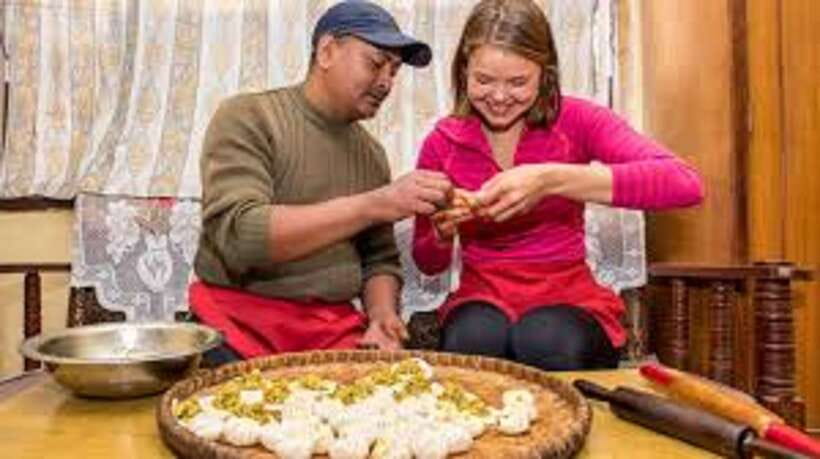
The rolling and shaping section lasts about 40 minutes and is the most hands-on part of the class. You roll the dough into wrappers, aiming for an even thickness, then add filling and seal each momo.
The class covers traditional pleats and a crescent-moon style. A third technique is also taught, giving you several ways to shape the dumplings. You may find that one style feels natural while another looks more like a tiny edible puzzle.
Do not expect every momo to look perfect on the first try. The point is to practice. Some may have neat folds, while others may resemble small parcels that have survived a minor storm. They can still taste good, provided the wrapper is sealed and the filling stays inside.
This is where the private format earns its keep. With only a small number of people, the instructor can watch your technique and show you where to pinch or adjust the dough. Larger classes can make this part less useful because you may spend more time waiting than folding.
Steaming, and the possibility of frying
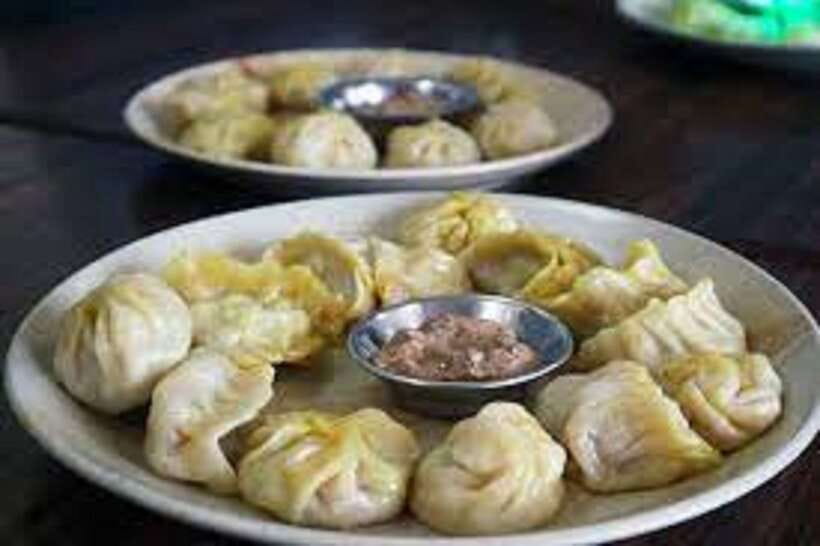
The steaming section lasts about 20 minutes. You learn how to set up the steamer, why steam is important, and how to tell when the momos are tender and cooked through.
Steaming keeps the wrappers soft and is the standard cooking method covered in the class. You place your shaped momos in the steamer and wait while the heat does its work. This pause gives the class a pleasant rhythm: preparation, cooking, then eating.
One session also included fried momos, so you may have the chance to compare steamed and fried versions. That detail is not listed as a guaranteed part of every class, so treat it as a possible variation rather than a promise. If the difference interests you, ask about it at the start.
The steaming lesson is especially useful for home cooks because the method requires little specialist equipment. You learn how to prepare the steamer and arrange the momos, rather than simply being handed a finished plate.
Mixing the dipping sauces
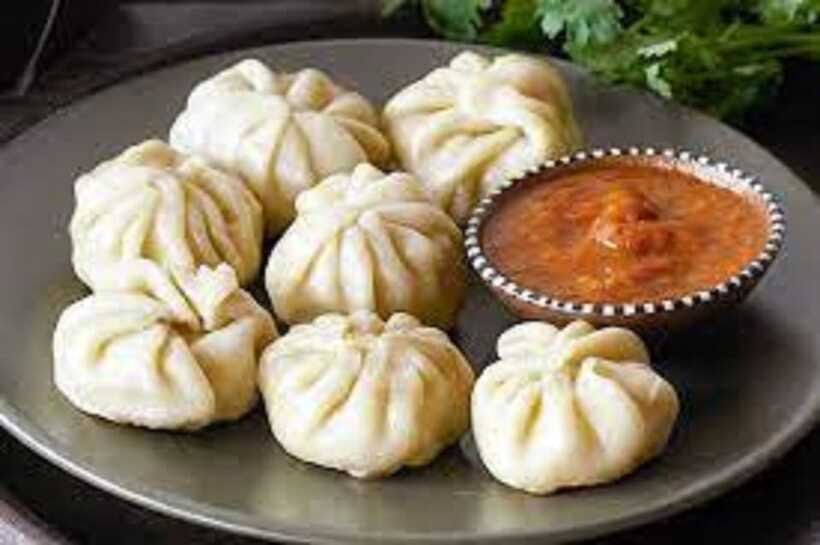
The sauce section takes about 15 minutes. You are introduced to several styles, including spicy, mild, and soy-based sauces, then prepare your own accompaniments.
This small part of the class adds a lot to the meal. A plain momo can taste quite different once paired with a hot sauce or a gentler soy-based dip. It also lets you adjust the meal to your own taste instead of relying on one prepared condiment.
The sauces are another task you can repeat at home. They require less time and equipment than the dumplings, so they are a practical way to make a quick meal feel more complete. Pay attention to balance rather than simply adding heat. A spicy sauce should support the filling, not erase it.
The included food and drink details are slightly narrow, so I would ask what is covered when booking. Your cooking materials and a glass of cold drink per person are included. Any additional food or drinks are available for purchase.
Tasting the momos you made
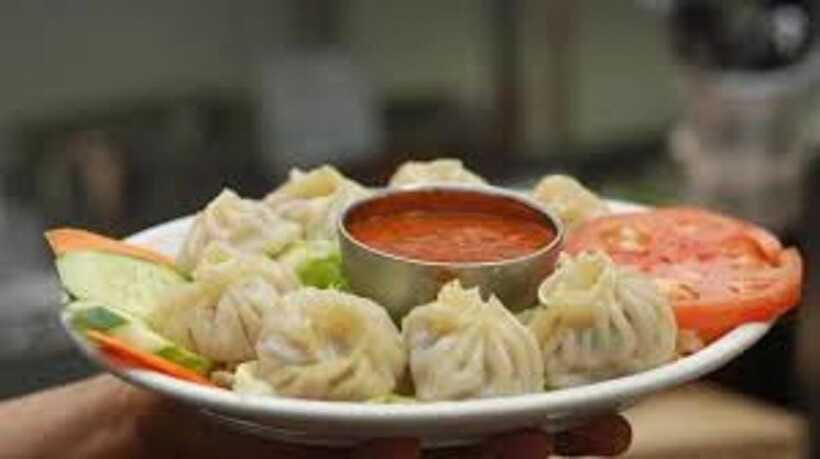
The tasting section lasts about 15 minutes. Everyone gathers to try the momos with the sauces, and the instructor answers questions and gives feedback.
This is more satisfying than eating a plate prepared by someone else. You have handled every stage, so you can tell which wrapper folded easily, which one opened during cooking, and which sauce worked best with the filling.
The tasting also gives you a chance to ask final practical questions. If a momo split, you can find out why. If your dough felt too thick, you can ask how to adjust it next time. These small corrections are often the most useful part of a cooking class.
A cold drink is included, which is welcome after an hour or more of rolling, filling, and folding. Extra food and drinks are not included, so budget a little more if you want anything beyond the class arrangements.
What the $29 price really covers
At $29 per person, this is a fair price for a private three-hour activity in Pokhara. You are paying for more than a meal. The price includes hotel pickup and drop-off within the Lakeside area, the cooking materials, instruction, and a cold drink.
The value is strongest if you want active participation. If you only want to eat momos, a café meal will cost less and take far less time. If you want to understand how the dough, filling, folds, steam, and sauces fit together, the class gives you a skill and a recipe framework to take home.
The private format is also important when judging the cost. Two people can receive steady attention and work through the folding techniques without waiting for a large group. For a couple, friends, or a family that wants a shared activity, the price makes more sense than it would for someone who dislikes cooking.
The food and drinks wording deserves a quick check before you pay. Cooking materials are included, and the activity includes tasting the momos you prepare, but extra food and drinks are available for purchase. Ask if you have a large appetite or specific dietary needs.
Who will enjoy this class most
I would choose this activity if you want a break from sightseeing and prefer a task with a clear result. It works well for couples, small private groups, and families with older children who can take part in rolling and folding.
It also suits you if you are curious about Nepalese food but do not know where to start. The instructor uses English or Hindi, and the class moves from basic preparation to a finished meal without requiring previous experience.
This is less suitable if you want a passive demonstration, have very limited time, or cannot comfortably take part in hands-on food preparation. The activity is not suitable for people with mobility impairments, and large bags cannot be brought along.
You should also allow the full three hours. The class is not a quick snack stop. The time includes teaching, preparation, cooking, sauces, tasting, and questions, so rushing would weaken the best part of the experience.
Practical tips before you book
Confirm the pickup location if you are staying outside the Lakeside area. Pickup is included within Lakeside, but the information does not promise collection from every part of Pokhara.
Choose your filling in advance if you already know what you want. Vegetarian, chicken, and meat options are offered, but you should raise allergies or dietary preferences before the cooking starts.
Wear something comfortable for a hands-on café activity. The provided information does not give a dress code, but you will be kneading dough, preparing filling, shaping dumplings, and working around cooking equipment.
Keep your passport or ID card with you and leave your luggage at the hotel. The activity operates in all weather, so a rainy day does not automatically spoil the plan.
You can cancel up to 24 hours before the start for a full refund, and the reserve-now, pay-later option keeps your plans flexible. Check the available start times because the class duration is fixed at three hours.
Should you book the Pokhara momo class?
Book it if you want to learn by doing. The strongest parts are the small private format, the choice of filling, the three folding techniques, and the chance to eat the momos and sauces you prepare yourself.
Skip it if you are looking only for the cheapest meal or do not enjoy kitchen work. At $29, the value comes from the instruction and the time spent practicing, not from the food alone.
For most food-curious visitors staying near Lakeside, I think it is a worthwhile half-day activity. You leave with a better sense of how momos are made, a full stomach, and enough technique to try them again at home.
FAQ
How long does the momo cooking class last?
The class lasts three hours, including the introduction, filling preparation, dough making, shaping, steaming, sauces, tasting, and final questions.
Where does the class begin?
Pickup is available from hotels within the Lakeside area of Pokhara. The cooking takes place at a local café, and drop-off in Pokhara is included.
What filling options are available?
You can choose from vegetarian, chicken, or meat fillings. The exact ingredients are not specified, so mention dietary needs before the class begins.
Will I make the momo dough myself?
Yes. You learn about the dough ingredients, knead the dough yourself, and let it rest before rolling the wrappers.
How many momo folding techniques will I learn?
The class teaches three techniques, including traditional pleats and a crescent-moon shape.
Are the momos steamed or fried?
Steaming is part of the scheduled class. A fried version was also included in one session, but frying is not guaranteed in the stated activity details.
Is hotel transportation included?
Yes. Hotel pickup and drop-off are included, with pickup specified for the Lakeside area.
What should I bring to the class?
Bring a passport or ID card. Do not bring luggage or large bags.
Just added in Pokhara
- Tandem Paragliding in Pokhara★ 4.8 · 8 reviews
- Seti George and Thrilling Suspension Bridge Tour at Pokhara★ 4.5 · 3 reviews
- Pokhara: Suspension Bridge Private Tour- 30 Min Village Walk★ 4.8 · 9 reviews
- Pokhara: Visit Best Seven Tourist Destination by Sharing Bus★ 3.4 · 10 reviews
- Pokhara: Sunrise Tour to Sarangkot★ 5.0 · 3 reviews
- Pokhara Sightseeing By Bus: Day Trip★ 4.6 · 7 reviews
- Pokhara Sightseeing By Bus – Day Trip★ 3.2 · 8 reviews
- Pokhara Sarangkot : Cable Car (Himalayas) Sunrise Tour★ 5.0 · 6 reviews
Nepali Cooking Classes, compared.
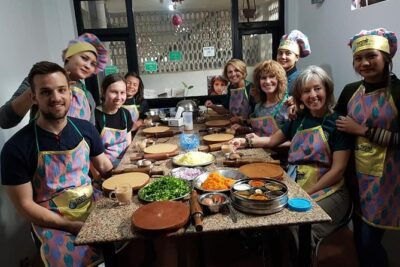
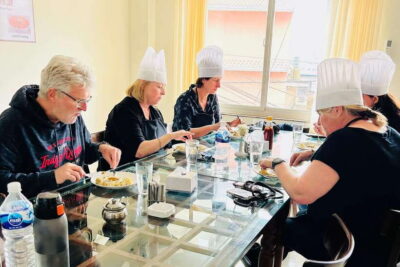
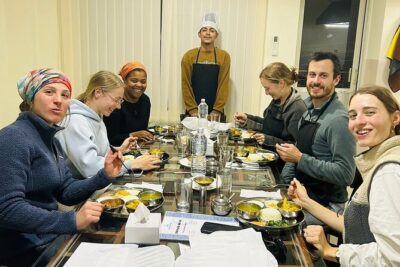
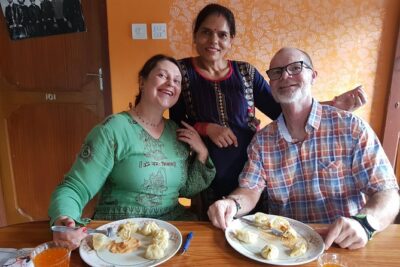
Nepalese Momos or Dal Bhat Cooking Class (Cook with Delight)
Read our review →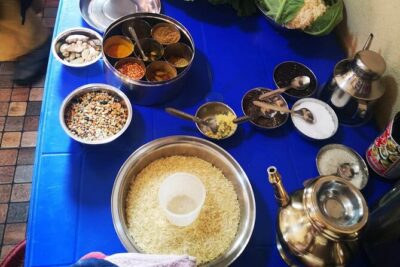
The best Private Nepali Cooking Class in Kathmandu
Read our review →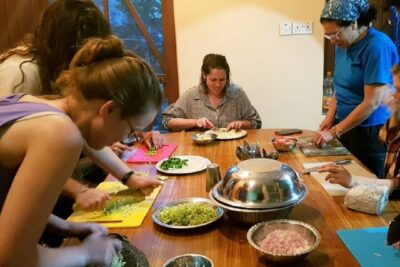
Nepalese Kitchen in Pokhara: Momos or Dal Bhat Cooking Class
Read our review →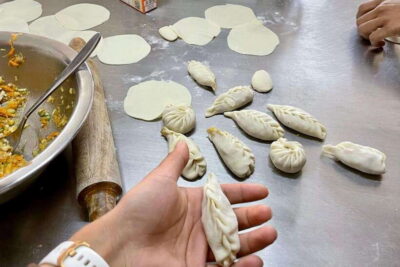
Browse the lists this tour appears in