
Reviewed · NEPALI COOKING CLASSES
The best Private Nepali Cooking Class in Kathmandu
The best part of this Kathmandu cooking class is that you cook in Kalpana’s family home, not in a polished demonstration kitchen. You may begin with a visit to a local market and private organic garden, choose seasonal ingredients, then return to prepare dal bhat, momos, masala, vegetables, pickle, and other everyday Nepali dishes.
I like the personal welcome, starting with homemade masala tea or coffee, and the chance to learn from Kalpana and her family in their own kitchen. I also like the practical finish: you eat the meal you prepared and receive PDF recipes for home. The main consideration is time and effort. Nepali cooking can be labor-intensive, especially grinding spices, chopping vegetables, and shaping a large batch of momos.
Key points
- A real family setting: Cook in Kalpana’s home and garden rather than watching a staged restaurant lesson.
- Hands-on preparation: You chop, grind spices, pound ginger and garlic, shape momos, and help prepare the full meal.
- Classic Nepali dishes: Learn dal bhat, rice, dal soup, seasonal vegetables, spinach, chicken, pickle, papad fry, momos, and possibly sel roti.
- A quiet break from Kathmandu: The home is in a suburban area outside the city center, with hotel pickup and private transport included.
- Flexible food choices: Vegetarian meals and other dietary requirements can be arranged if you advise the host when booking.
- Useful take-home details: You eat lunch at the end and receive PDF recipes to use in your own kitchen.
A Kathmandu cooking class that starts at home
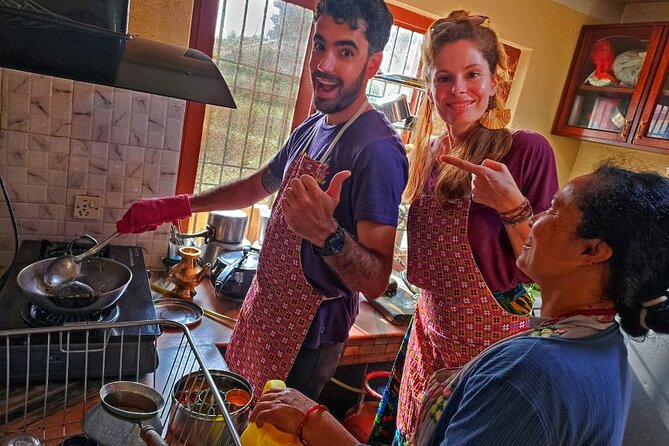
Many food classes show you how Nepali dishes are made. This one asks you to take part in nearly every stage. That difference matters. You are not simply watching Kalpana prepare a plate while standing safely behind a counter. You may chop the vegetables, prepare the masala, grind whole spices, pound ginger and garlic, and work with dough and fillings.
The setting gives the class its character. You enter a family home, settle in with homemade masala tea or coffee, and cook in a space used for daily life. The garden adds another useful layer. You can see seasonal ingredients growing, select vegetables, and connect the final meal with the place it came from.
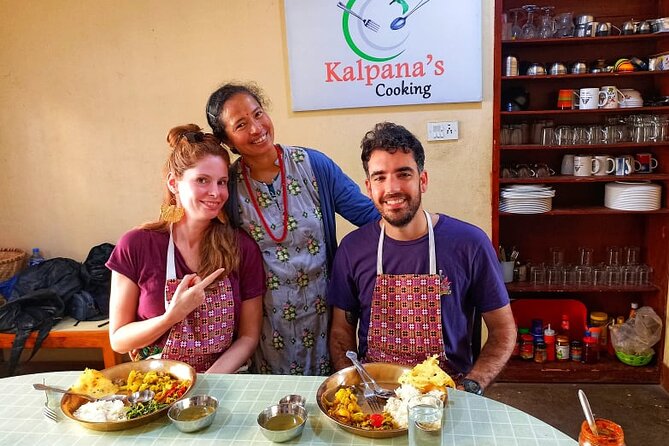
Kalpana is the main host, with help from members of her family, including her children. The personal contact is a major part of the experience. You can ask questions as you work, take photographs and videos, and hear about the reasons behind particular steps rather than memorizing a list of instructions.
This is a private activity, so only your own group takes part. That makes it easier to request help, ask for a slower explanation, or adjust the menu for dietary needs.
More cooking and eating in Kathmandu:
- Half day cooking class in Thamel kathmandu
★ 5.0 · 607 reviews - Kathmandu: Local Women-Led Nepali Cooking & Momo Class
★ 4.9 · 360 reviews - Kathmandu: Local Lead Nepali Cooking & Momo-Making Class
★ 5.0 · 212 reviews
Pickup from your hotel and the trip beyond central Kathmandu
The experience includes pickup and drop-off from your hotel or homestay in a private vehicle. That is especially useful in Kathmandu, where finding a particular residential home can be less straightforward than reaching a major temple or restaurant.
The drive takes you beyond the most intense parts of the city toward a suburban setting. The exact route and pickup time are not provided, so confirm those details when booking. The ride is not just a transport service. It helps explain why the class feels different from a city-center food lesson, with more space for a garden and a family kitchen.
The class lasts about four and a half hours. Set aside most of a morning or afternoon, rather than trying to squeeze it between two tightly timed sightseeing stops. The cooking itself takes time, and the meal at the end is substantial.
One practical tip comes from the structure of the day: eat only a light breakfast, if any. You receive tea or coffee at the start and lunch after the cooking, with enough food prepared to make this much more than a small tasting.
Choosing ingredients in the garden and market
The ingredient stage gives you a useful look at how Nepali cooking begins. You may visit a local market and the private organic farm or garden to choose what goes into the meal. This is a better introduction to local food than simply receiving a finished plate, because you see the raw ingredients before they are transformed by spice, heat, and time.
Seasonal vegetables are selected from the garden. The activity description also includes a local market visit, though the exact order can vary. You should expect the day to be practical rather than formal. You are there to choose, handle, prepare, and cook ingredients.
This part may appeal most if you like knowing where food comes from. It also gives you a chance to ask which vegetables are commonly used at home and how the family chooses produce. Do not expect a long guided market tour with a detailed historical presentation. The main purpose is to gather ingredients for cooking.
The garden is also a welcome change from central Kathmandu’s traffic and crowded streets. Several people who took the class found the setting calm, with time to enjoy the house, garden, and family atmosphere. If your trip has been filled with temples, roads, and trekking preparation, this slower half-day can reset your pace.
Grinding masala and learning the work behind the flavor
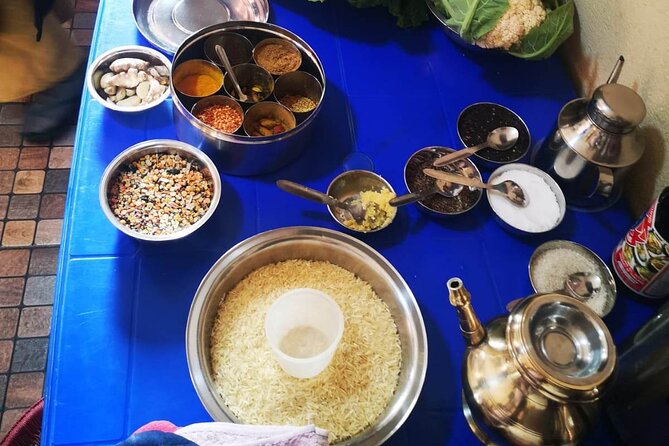
Nepali food often looks simple on the plate, but the preparation can demand patience. The class makes that clear through the masala work. You grind whole spices and pound fresh ginger and garlic instead of relying only on ready-made powders and pastes.
That hands-on step is one of the most useful parts of the lesson. You feel the texture change, smell the ingredients as they are worked, and learn how the base of a dish is built. Kalpana demonstrates the task and then has you repeat it, explaining why each step matters.
Be ready for some repetitive work. Traditional home cooking is not always quick, and making enough food for a group can mean a great deal of chopping, grinding, folding, and stirring. One memorable family joke from the class involves being told to grind a little bit more, which gives you a fair idea of the patient approach required.
This is not a class for someone who wants a short demonstration followed by a restaurant lunch. It suits you better if you enjoy working with your hands and do not mind that the food takes time.
A few more things to do in Kathmandu worth a look
- Knife (Khukuri) Making Workshop- Forge of the Gurkhas
★ 5.0 · 143 reviews - Kathmandu: Traditional Momo Making Class & Pickup
★ 4.8 · 60 reviews - Traditional Nepali Momo Making Classes
★ 5.0 · 53 reviews - Kathmandu: Local Women-Lead Nepali Cooking & Momo Class
★ 4.9 · 45 reviews
Preparing dal bhat, the everyday Nepali meal
The main set meal includes plain rice, dal soup, seasonal vegetables, spinach, chicken, pickle, and fried papad. At its center is dal bhat, the rice and lentil combination that is eaten regularly in Nepal.
Learning dal bhat here is valuable because you see it as an everyday family meal, not a special restaurant dish. The individual components can be prepared separately, then brought together into a balanced plate. You learn how lentils, rice, vegetables, greens, and pickles work alongside one another.
The chicken component is part of the stated menu, but vegetarian preparation is available. Tell Kalpana about your dietary needs when booking, not after you arrive. The host has adjusted menus for dietary preferences, but advance notice is the considerate and practical way to make sure the right ingredients are available.
Papad adds a simple finishing touch. It is fried rather than treated as a centerpiece, but small details like this help you understand how a complete home meal is assembled. Pickle brings another sharp, spicy element to the plate.
Folding momos and making more than you expect
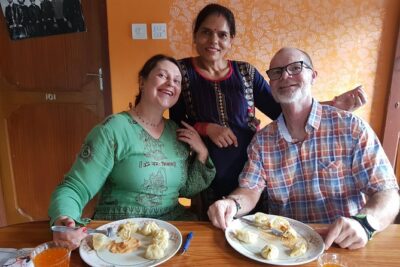
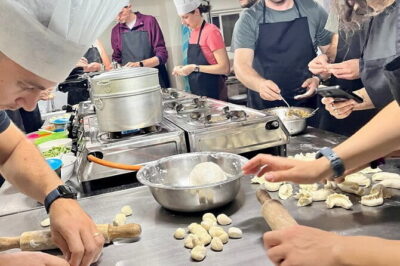
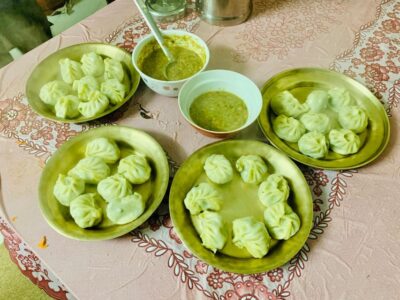
Momos are one of the most appealing reasons to choose this class. You learn to prepare the filling, work with the wrappers, and shape the dumplings before steaming them. Some sessions include two types of momos, and the class may produce a very generous quantity.
The folding stage is social and hands-on. It is also the part where you may need a little practice. Kalpana or a family member can show you the technique, then let you try it yourself. The goal is not perfect restaurant presentation. It is learning how the dumpling is built and how the family prepares it at home.
Momos are a good dish to learn because you can repeat the process at home with ordinary kitchen equipment. The PDF recipes help, but pay attention during the lesson to texture, filling consistency, and how the wrapper is sealed. Those practical details are harder to capture in a recipe alone.
If you are especially interested in momos, mention it when arranging the experience. The advertised cooking includes momos, but the exact balance of dishes can depend on the session and the dietary requirements of your group.
Sel roti, tea, and the wider menu
The overview includes sel roti, a sweet fried rice bread, among the favorite dishes you may learn. The more detailed meal description focuses on rice, dal, vegetables, spinach, chicken, pickle, papad, and momos. Because the menu has some flexibility, ask in advance if sel roti is a priority for your visit.
The day begins with homemade masala tea or coffee. This is a small detail, but it makes the arrival feel less like a class registration and more like being welcomed into someone’s home. It also gives you time to settle in before the chopping begins.
You will not necessarily prepare every named dish in one session. The core promise is a Nepali home-cooking lesson with a meal, while the precise menu can vary. If you have one dish you most want to learn, make that clear when booking.
Eating the meal you made
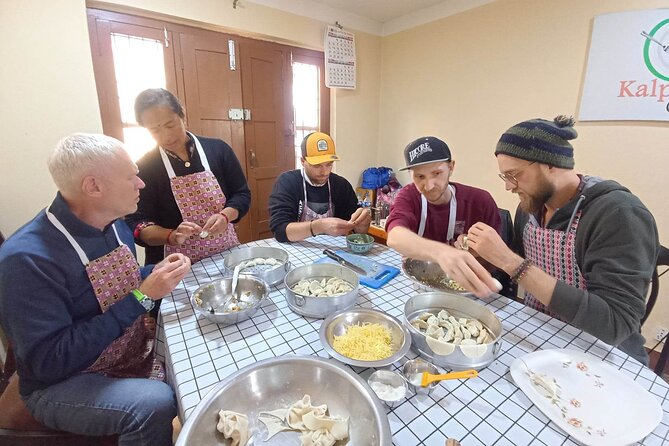
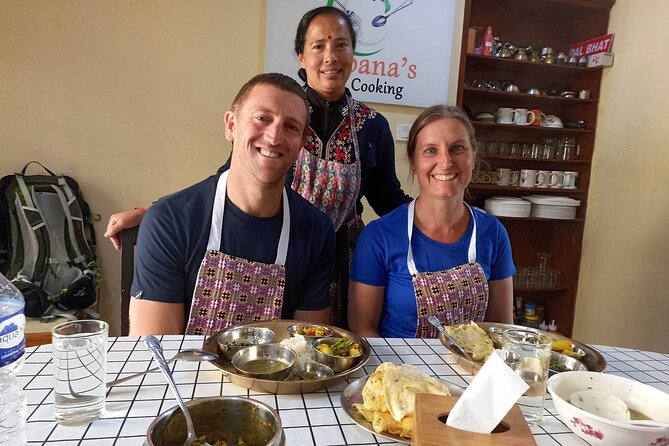
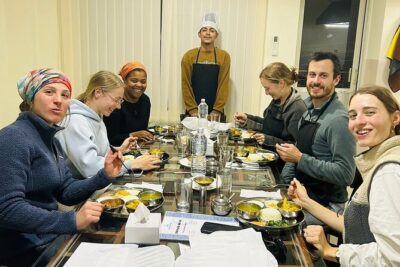
The reward arrives at the table after the work is done. You eat lunch with the food your group helped prepare, rather than tasting isolated samples as each dish is finished.
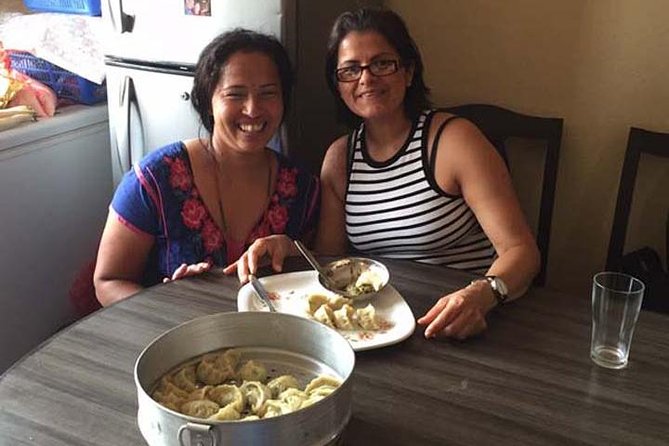
That makes the meal more satisfying and gives you a chance to understand how the dishes fit together. Rice, dal, vegetables, greens, pickle, papad, chicken, and momos each contribute a different texture or flavor. You can also ask final questions while eating, including how the family serves the dishes at home.
The class is generous with food. Plan accordingly and do not treat lunch as a token snack. If you are taking the class early in your trip, it can also help you make better choices at restaurants and teahouses later. You will recognize dal bhat components and have a clearer idea of how Nepali meals are balanced.
The family setting is central here. People who attended with children, as couples, and in small groups found the hosts welcoming and willing to include everyone. Kalpana’s daughter and son have also helped with classes, adding to the informal family feel.
Value at $24 per person
At $24 per person, the price covers more than a recipe lesson. You receive hotel pickup and drop-off, private vehicle transport, tea or coffee, ingredients, lunch, instruction, and PDF recipes. That is good value if you use the transport and plan to eat the meal provided.
The price is particularly fair for a private activity. You are not joining a large class where the instructor must divide attention among many people. Your group has the host’s direct guidance and can request menu adjustments.
The value is less clear if you are interested only in a short cooking demonstration. The session lasts around four and a half hours, and much of that time involves real preparation. You are paying for access to a home, a garden, a family, a meal, and the chance to do the work yourself.
Group discounts are available, although the amount is not specified. Ask about the final price for your party before confirming if you are booking for several people.
Who should book this experience
I would recommend this class to you if food is one of the main ways you connect with a place. It is also a strong choice for a first full day in Nepal, since the family can explain food customs and help you avoid simple cultural mistakes during the rest of your visit.
Families should find the private format helpful, especially if children enjoy shaping momos or helping with simple kitchen tasks. Couples and small groups can also make good use of the flexible setting.
This may not suit you if you want a polished professional kitchen, a fast schedule, or a purely vegetarian menu without advance planning. Vegetarian food is available, but you need to state that when booking. You should also mention allergies and other dietary requirements ahead of time.
The class requires some patience and physical participation. Chopping, grinding, folding, and preparing several dishes can be tiring. That effort is part of the point, but it is worth knowing before you choose it.
Booking details and cancellation advice
The experience is usually reserved about 18 days ahead, so avoid leaving it until the last minute if your Kathmandu dates are fixed. Confirmation is provided when you book, and the activity is available with a mobile ticket.
You can cancel for a full refund up to 24 hours before the local start time. Cancellations or changes within 24 hours are not refunded or accepted. The experience also depends on good weather. If poor weather causes cancellation, you are offered another date or a full refund.
Should you book Kalpana’s Kathmandu cooking class?
Book it if you want to understand Nepali food through people, ingredients, and work rather than just eating a finished dish. The combination of hotel pickup, a private home, a garden, hands-on cooking, a full lunch, and recipes gives you a lot for the price.
My strongest advice is to arrive hungry, tell Kalpana about dietary needs in advance, and allow the full four and a half hours. Choose this experience for its warmth and participation. Skip it only if you prefer a short, polished demonstration with little kitchen work.
FAQ
Where does the cooking class take place?
The class takes place in Kalpana’s local family home in the Kathmandu area, with access to a private garden or organic farm.
How long does the experience last?
The experience lasts approximately four hours and 30 minutes.
Is hotel pickup included?
Yes. Hotel or homestay pickup and drop-off are included, along with transport in a private vehicle.
Is this a private activity?
Yes. Only your own group participates in the activity.
What food will I learn to cook?
The menu includes plain rice, dal soup, seasonal vegetables, spinach, chicken, pickle, and fried papad. The experience also includes instruction for momos, and sel roti is listed among the Nepali dishes that may be prepared.
Is a vegetarian option available?
Yes. A vegetarian option is available, but you must advise the host when booking.
Can special dietary requirements be accommodated?
Yes. The class can cater to specific dietary requirements. Provide the details at the time of booking.
Is lunch included?
Yes. Lunch is included, and you eat the meal prepared during the class.
What is included besides the cooking lesson?
The price includes hotel pickup and drop-off, private vehicle transport, morning tea or coffee, lunch, ingredients, and PDF recipes.
What is the cancellation policy?
You can cancel at least 24 hours before the local start time for a full refund. Cancellations or changes made less than 24 hours before the start are not accepted or refunded. If poor weather causes the activity to be canceled, you are offered another date or a full refund.
Just added in Kathmandu
- Kathmandu to Chitwan Tour by Tourist Bus – A Convenient and Affordable Way★ 4.0 · 4 reviews
- Changunarayan Hill to Telkot Hike Near Kathmandu Day Tour★ 5.0 · 6 reviews
- Mt Everest Base CampTrek | Budget Package★ 5.0 · 4 reviews
- Chitwan Jungle Safari 3-Day Tour★ 5.0 · 9 reviews
- Chandragiri Hill Station Tour by Cable Car★ 5.0 · 4 reviews
- Chandragiri Hills cable car day trip, private car with driver from Kathmandu★ 5.0 · 8 reviews
- Chandragiri to Taudaha Nature Day Hiking from Kathmandu★ 5.0 · 13 reviews
- Chandragiri Cable Car & Monkey Temple Private Guided Day Tour★ 5.0 · 5 reviews
Nepali Cooking Classes, compared.
Nepalese Momos or Dal Bhat Cooking Class (Cook with Delight)
Read our review →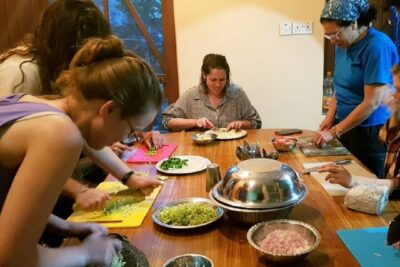
Nepalese Kitchen in Pokhara: Momos or Dal Bhat Cooking Class
Read our review →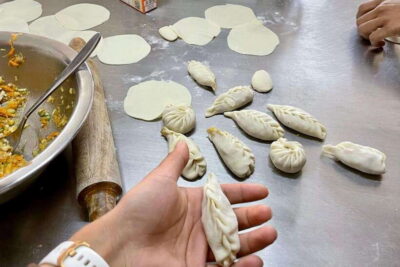
MoMo or Dal Bhat Cooking Class at Aama Kitchen in Pokhara
Read our review →Browse the lists this tour appears in