
Reviewed · NEPALI COOKING CLASSES
Kathmandu: Local Women-Led Nepali Cooking & Momo Class
Kathmandu’s best food lesson may start before you touch a chopping board. You walk to a local market, help choose vegetables, spices, and meat, then return to make momos from scratch with local instructors such as Nish, Nishma, and Bikram. It is part cooking class, part cultural chat, and part very filling lunch or dinner.
I like two things most here: the market stop gives your meal a real connection to Kathmandu, and the cooking is genuinely hands-on. You make dough, fillings, dipping sauce, and other dishes rather than simply watching a chef work. The warm teaching style, especially Nish’s patient explanations, also makes this a good choice if you are new to Nepali food.
The main consideration is that the menu centers on momo and dal bhat, even though you may add other dishes. The class can also involve stairs, and the approach may be awkward if you rely on a wheelchair or have visual impairment. Arrive hungry, but arrive 15 minutes early.
Key Points at a Glance
- Shop before you cook: Visit a local market to help buy the vegetables, spices, and meat used in the class.
- Momo is the main event: Learn the dough, filling, folding, steaming, and dipping sauce from start to finish.
- Choose extra dishes: Add options such as chatamari, bara, yomari, thukpa, chicken curry, or carrot pudding.
- Meet the local cooking team: Nish, Nishma, Bikram, and other instructors lead the class in English.
- Expect a full meal: The food you prepare becomes lunch or dinner, with Nepali masala tea included.
- Good value at the advertised price: At $4 per person, the class is unusually inexpensive if that rate is available for your chosen date and option.
A Market Walk Before the Kitchen
The experience begins at a meeting point that depends on the option you book. Hotel pickup and drop-off are available if selected, with pickup offered from locations within Kathmandu. If you are staying in Thamel, the cooking academy may be within walking distance, though one person found the route shown by Google Maps involved a steep hill.
The market visit is short but important. Instead of opening a prepared basket of ingredients, you help select what will go into the meal. You may see the spices, vegetables, and meat in their everyday setting before learning how they are used in the kitchen.
I like this part because food becomes easier to understand when you have seen its ingredients first. Nepali cooking often depends on balance rather than one dominant flavor: lentils, rice, fresh vegetables, chilies, spices, herbs, and sauces each play a role. The market gives you a practical introduction to those building blocks.
Do not expect a long market tour with a detailed lecture on every stall. The focus is on buying the ingredients needed for your class. If you want more explanation about unusual spices and local foods, ask directly. The instructors are described as open and easy to communicate with, so this is the moment to ask what an ingredient is, how it is used, and what you can substitute at home.
More cooking and eating in Kathmandu:
- Half day cooking class in Thamel kathmandu
★ 5.0 · 607 reviews - Kathmandu: Local Lead Nepali Cooking & Momo-Making Class
★ 5.0 · 212 reviews - The best Private Nepali Cooking Class in Kathmandu
★ 5.0 · 83 reviews
Cooking Momo From Dough to Dipping Sauce
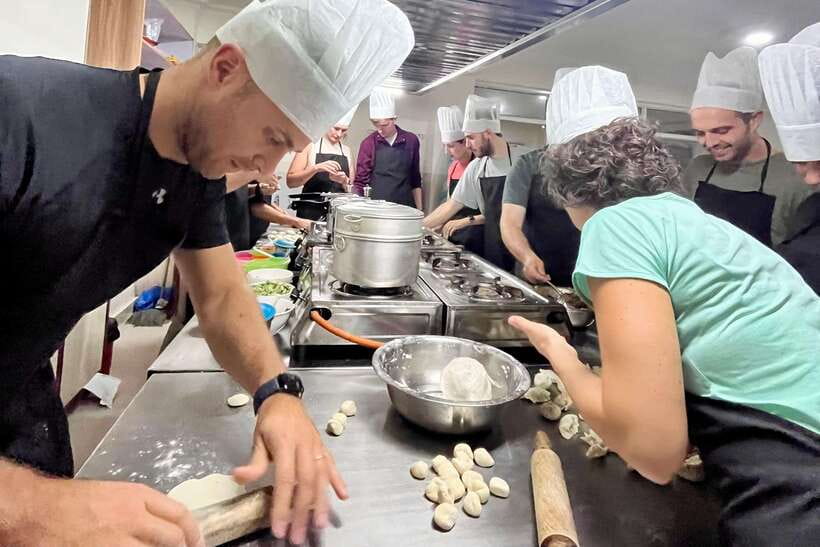
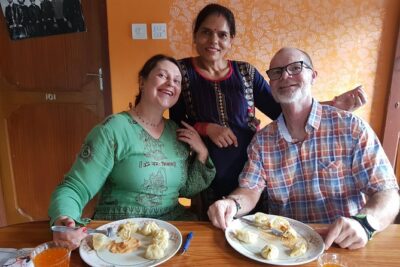
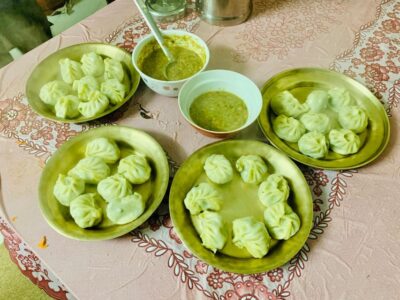
Momo is the clear star of the class. You make the dough, prepare the filling, shape the dumplings, and cook them. Depending on your menu, the filling may be vegetarian, chicken, or another meat option such as buffalo. The class can include both vegetable and chicken fillings, which is useful if your group wants to compare styles.
The folding is where the class becomes more than a recipe demonstration. Momo wrappers look simple, but shaping them neatly takes a little practice. Your instructor shows the technique, then gives you time to repeat it. Nish is frequently praised for patient instruction and for letting people work at a comfortable pace rather than rushing them.
You also prepare the dipping sauce, an essential part of the dish. This matters because a momo can taste very different depending on its filling, seasoning, and sauce. By making each part yourself, you leave with a better sense of how to adjust heat, texture, and spice at home.
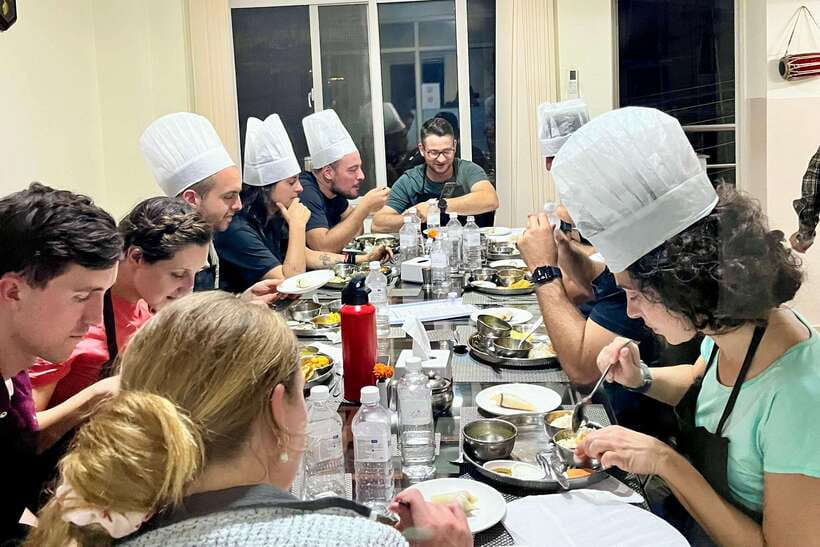
The kitchen is described as clean and well organized, with equipment and aprons supplied. You should still wear comfortable clothes. Cooking produces more mess than watching, and you will be working with dough, fillings, spices, and hot food.
The class works well for beginners. You do not need previous cooking experience, and the teaching is conducted in English. At the same time, confident home cooks can ask questions about technique and seasoning. One useful feature is the small-group format, which gives you a better chance to get individual help with folding or shaping.
Dal Bhat and the Meaning of a Nepali Meal
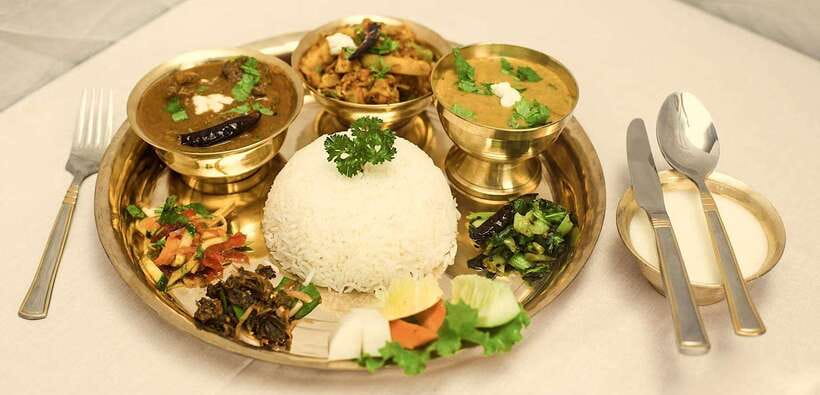
Momo gets the attention, but dal bhat gives you a clearer picture of everyday Nepali dining. It combines rice and lentil soup with curry and accompanying dishes. The meal is simple in structure, but the flavor comes from careful seasoning and the way each part is eaten together.
The class focuses mainly on momo and dal bhat. You may select additional dishes, depending on the option and the group. This flexibility is helpful, but check the exact menu when booking if you have your heart set on one particular recipe.
Other possible dishes include Nepali chicken curry with roti, mushroom choila, bara, and carrot pudding. Bara is a crisp-edged lentil patty with a softer center. Mushroom choila brings a spicy, marinated flavor. Chicken curry and roti offer a more familiar meal format, while carrot pudding provides a sweet finish.
The menu can also include chatamari, often called Nepali pizza. It is a flatbread topped with savory ingredients, but the comparison only goes so far. Making it gives you another look at how Nepali cooks use a simple base to carry strong spices and varied toppings.
If you prefer sweets, ask about yomari. This delicate dumpling is filled with jaggery and sesame seeds. It offers a very different experience from momo, and making it shows that Nepali dumplings are not limited to savory fillings.
More Than Momos: Choosing Your Menu
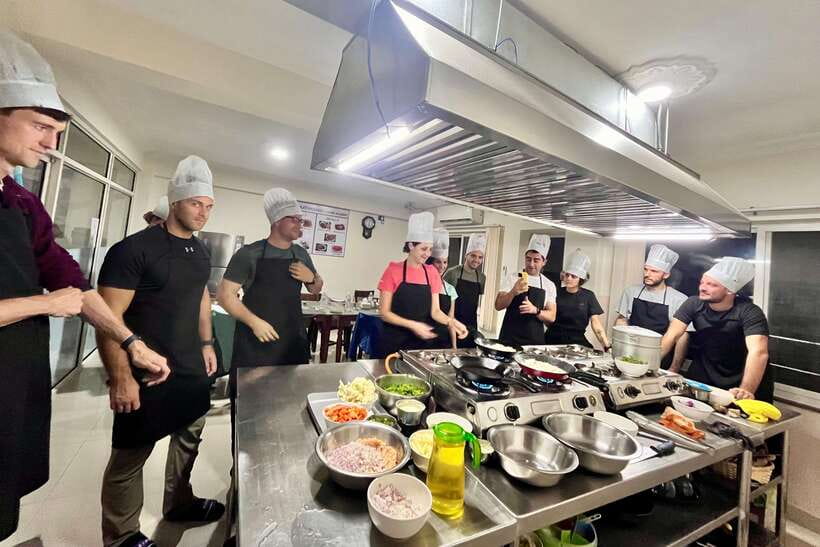
The food choices are one of the class’s strongest features, but they require a little planning. Some people make momo and chatamari. Others prepare bara, yomari, and kheer. Some groups cook enough dishes for a complete dinner, including dal bhat, momo, and dessert.
Before the class, tell the provider about dietary restrictions, allergies, or preferences. Vegetarian options are available, and one participant with vegan and gluten-free needs was accommodated with millet flour. That does not mean every request can be guaranteed, so explain your needs in advance rather than waiting until the kitchen session begins.
A few menu options are worth knowing:
- Vegetarian momo: A practical choice for people avoiding meat, with all the folding practice of the standard version.
- Chicken momo: A popular choice if you want a savory filling and the classic dumpling experience.
- Dal bhat: A full Nepali meal built around rice, lentils, and curry.
- Chatamari: A flatbread with toppings, good for groups wanting something different from dumplings.
- Bara: A lentil patty with a crisp outside and tender middle.
- Yomari: A sweet dumpling with jaggery and sesame.
- Thukpa: A hearty noodle soup with Tibetan roots that has become part of Nepali food culture.
- Carrot pudding: A gently spiced dessert option.
Masala tea is served during the lesson. It is a small detail, but a useful one. The tea gives you a pause between tasks and adds another taste of local food culture without requiring another separate stop.
A few more things to do in Kathmandu worth a look
- Knife (Khukuri) Making Workshop- Forge of the Gurkhas
★ 5.0 · 143 reviews - Kathmandu: Traditional Momo Making Class & Pickup
★ 4.8 · 60 reviews - Traditional Nepali Momo Making Classes
★ 5.0 · 53 reviews - Kathmandu: Local Women-Lead Nepali Cooking & Momo Class
★ 4.9 · 45 reviews
The People Make the Class Work
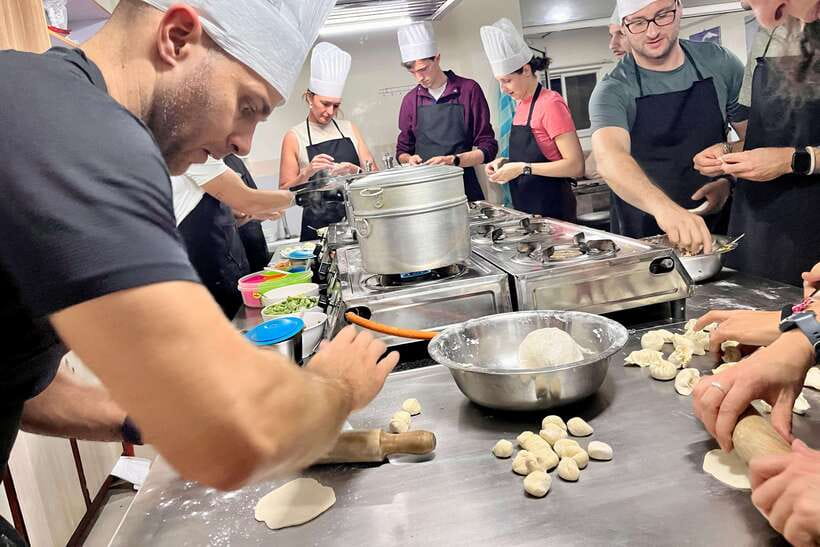
The instructors are a major reason this activity earns such strong marks. Nish and Nishma are noted for clear explanations, patience, humor, and an easy manner. Bikram, Vikram, Vicky, Jojo, and other members of the cooking team may also assist, depending on the session.
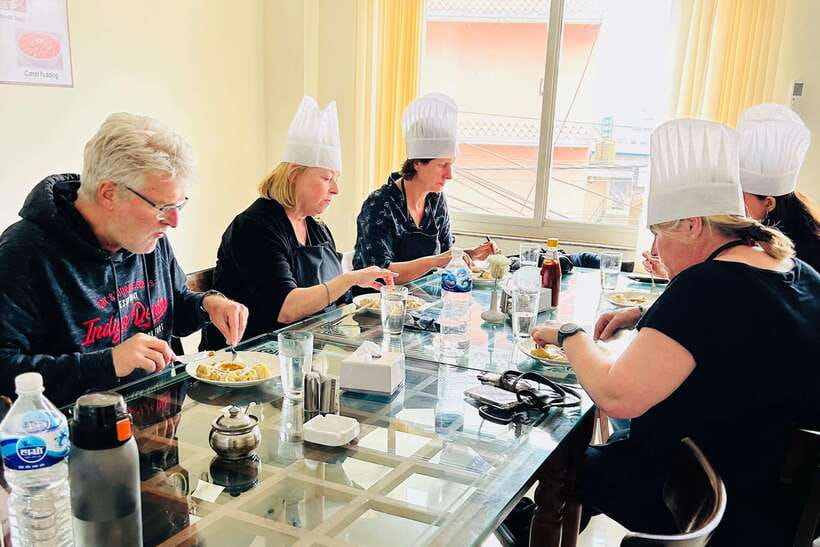
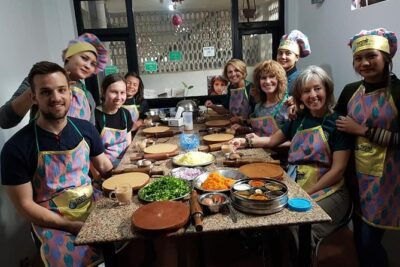
The teaching style appears informal rather than rigid. You cook alongside other people, share tasks, and have time to chat with the instructors and the group. That social side makes the class a good break from sightseeing, especially if you have been spending long days visiting temples and museums on your own.
The women-led element is meaningful for visitors who want their spending to support local women working in food and tourism. The experience is still a practical cooking class first, but the chance to learn directly from local women adds a personal connection that a restaurant meal cannot provide.
English is the stated language. Participants have described the instructors as easy to communicate with and willing to answer questions. If you are shy about speaking English, the hands-on tasks help. You can learn by watching, copying, and asking short questions as you go.
Eating What You Made
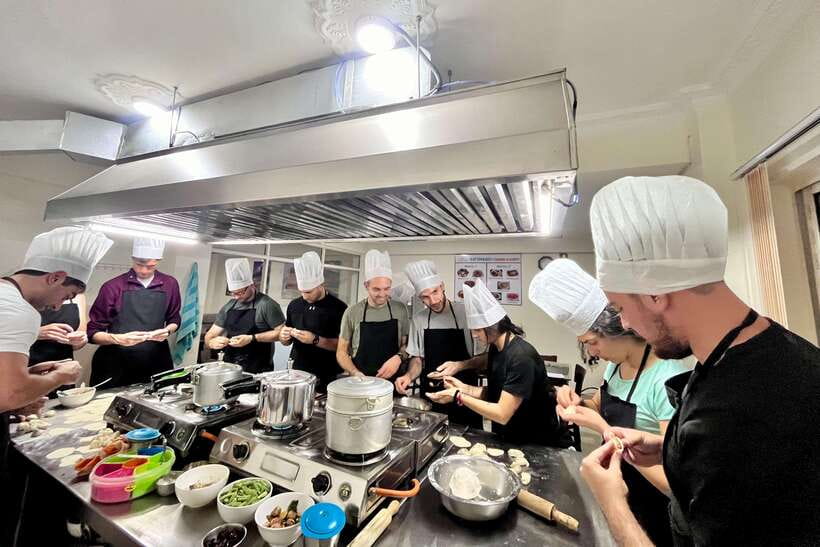
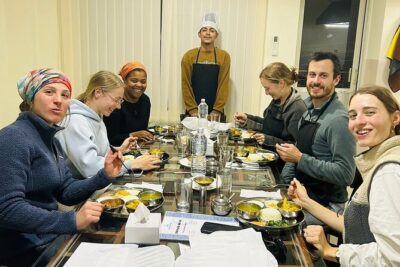
The final meal is not a token tasting. You eat the food prepared during the session, and portions can be generous. Several people found themselves with enough momo or other dishes to take some away in a goodie bag, though that should not be treated as a standard promise.
This ending gives the class its best reward. You can taste the result while the techniques are still fresh in your mind. You also learn which parts worked well and which need practice before you try the recipe at home.
The food is served after the cooking is finished, so plan the class as a meal rather than a snack. It fits well around a sightseeing day if you book a lunch or evening session, but avoid scheduling it immediately before another meal. The class lasts about three hours, though the advertised duration can range from two to four hours depending on the option and timing.
A recipe PDF is available by WhatsApp after the class if you request it. Physical recipe books can be purchased for an additional fee. This is worth arranging if you hope to recreate the dishes at home, since folding momo and seasoning fillings are much easier when you have written reminders.
Price, Timing, and Practical Details
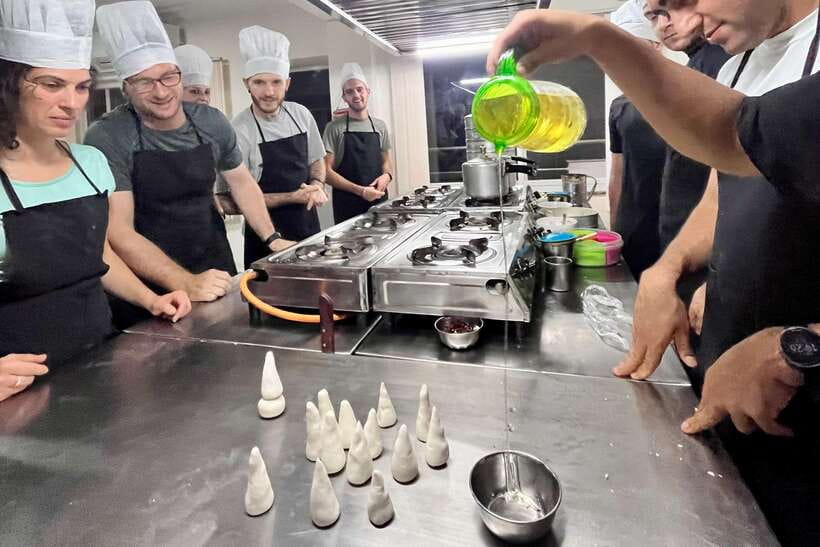
The advertised price is $4 per person, which is exceptional value if available for your selected date and option. For that amount, you receive instruction, ingredients, equipment, market shopping, masala tea, and the meal you prepare. Prices and inclusions can vary by option, so confirm the booking details rather than assuming every session has the same menu or transport.
Free cancellation is available up to 24 hours before the activity, and you can reserve now and pay later. Starting times vary, so check availability before building the rest of your day around the class.
Arrive 15 minutes early. The meeting point may change according to the option you select, and early arrival gives you time to find the kitchen without cutting into the market visit or cooking time.
Pickup and drop-off are optional. If you choose them, provide your hotel details when booking. If you walk, check the route carefully, since mapping apps may send you up a steep hill. The kitchen may also involve stairs.
The activity is not suitable for wheelchair users or people with visual impairment. That is an important limitation, not a minor footnote. If mobility or access is a concern, contact the provider before booking and describe your needs clearly.
Who Should Book This Kathmandu Cooking Class?
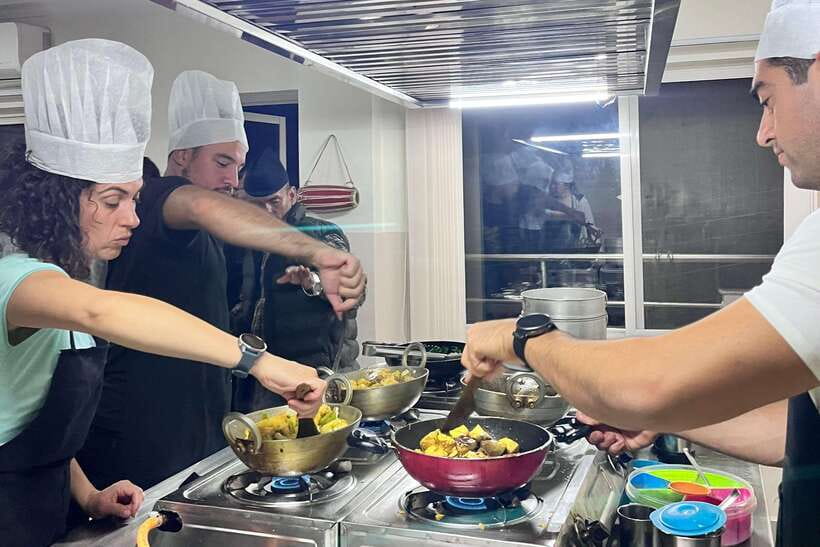
I would choose this class if you want more than a restaurant meal and have at least three hours in Kathmandu. It suits first-time cooks, solo visitors, couples, families, and anyone who likes meeting people over food.
It is especially good for you if:
- You want to learn momo from start to finish.
- You enjoy local markets and practical cultural experiences.
- You prefer a small group to a large demonstration.
- You need vegetarian food or want to discuss dietary adjustments in advance.
- You want recipes and techniques you can use at home.
- You like a relaxed activity with plenty of conversation.
It may not suit you if you want a formal chef school, a long guided market tour, or a highly fixed menu. The exact dishes can vary, and the class’s main focus remains momo and dal bhat. People with mobility or visual access needs should also make an informed decision before booking.
Should You Book It?
Yes, if you want an affordable, social, hands-on introduction to Nepali food. The best parts are specific and practical: shopping for ingredients, learning the momo fold, cooking several dishes, and eating a full meal with local teachers.
Book it early in your Kathmandu stay if possible. You can use the market knowledge and new food vocabulary during the rest of your visit, and you will have time to try the recipes again at home after requesting the PDF.
The class is not perfect for someone seeking a long culinary lecture or a quiet private lesson. But for most people, the combination of friendly instruction, local food, flexible menu choices, and very low advertised price makes it one of the easiest Kathmandu activities to recommend.
FAQ
How long does the Kathmandu cooking class last?
The experience usually lasts about three hours, including the market visit, cooking session, and meal tasting. The advertised duration can range from two to four hours depending on the selected option and starting time.
What food will I learn to cook?
The main dishes are momo and dal bhat. Depending on the option, you may also choose dishes such as chatamari, bara, yomari, thukpa, chicken curry with roti, mushroom choila, or carrot pudding.
Are vegetarian options available?
Yes. The class offers vegetarian and meat options, including vegetarian momo. Tell the provider about dietary preferences or restrictions in advance.
Is the class taught in English?
Yes. English is the listed teaching language, and the instructors include Nish, Nishma, Bikram, and other members of the cooking team.
Is hotel pickup available?
Pickup and drop-off are available if you select that option. Pickup can be arranged from locations within Kathmandu, and you should provide your hotel details when booking.
What is included in the price?
The experience includes step-by-step cooking instruction, an instructor, a market or shop visit, ingredients for the selected dishes, cooking equipment, the meal you prepare, and Nepali masala tea. Specialty and alcoholic drinks are not included.
Can I get the recipes after the class?
Yes. You can request a PDF recipe book through WhatsApp after the class. Physical recipe books are available for an additional cost.
Is the activity accessible for wheelchair users?
The activity is listed as unsuitable for wheelchair users and people with visual impairment. The kitchen may also involve stairs, so contact the provider before booking if you have access needs.
Just added in Kathmandu
- Kathmandu to Chitwan Tour by Tourist Bus – A Convenient and Affordable Way★ 4.0 · 4 reviews
- Changunarayan Hill to Telkot Hike Near Kathmandu Day Tour★ 5.0 · 6 reviews
- Mt Everest Base CampTrek | Budget Package★ 5.0 · 4 reviews
- Chitwan Jungle Safari 3-Day Tour★ 5.0 · 9 reviews
- Chandragiri Hill Station Tour by Cable Car★ 5.0 · 4 reviews
- Chandragiri Hills cable car day trip, private car with driver from Kathmandu★ 5.0 · 8 reviews
- Chandragiri to Taudaha Nature Day Hiking from Kathmandu★ 5.0 · 13 reviews
- Chandragiri Hills Private Tour★ 5.0 · 4 reviews
Nepali Cooking Classes, compared.
Nepalese Momos or Dal Bhat Cooking Class (Cook with Delight)
Read our review →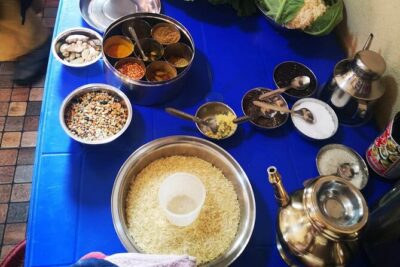
The best Private Nepali Cooking Class in Kathmandu
Read our review →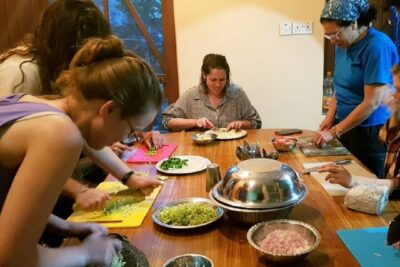
Nepalese Kitchen in Pokhara: Momos or Dal Bhat Cooking Class
Read our review →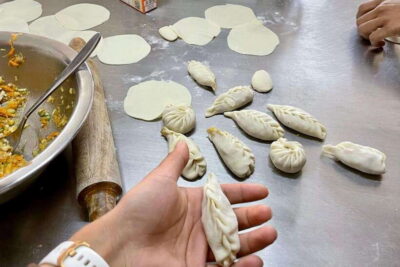
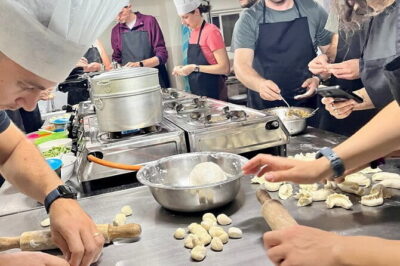
MoMo or Dal Bhat Cooking Class at Aama Kitchen in Pokhara
Read our review →Browse the lists this tour appears in