
Reviewed · TOURS IN POKHARA
Entire Day Pokhara Complete Tour
Pokhara’s big draw is its mix of mountain views, sacred places, museums, and odd bits of geology, and this private tour packs nearly all of them into one 6 to 7 hour circuit. You start at Sarangkot for sunrise, pass through Phewa Tal and the city’s caves, then finish with river views, temples, and the World Peace Stupa area.
I like the comfort of an air-conditioned private car, especially when several stops are spread across Pokhara. I also like the range: the International Mountain Museum gives useful Himalayan context, while Gupteswar Gupha and Devi’s Fall show the city’s natural side. The tradeoff is a brisk schedule, and cloudy weather can hide the sunrise.
Key points to know before booking
- Sarangkot begins the day with a sunrise view toward the Annapurna Himalayan range, but clear skies are essential.
- Gobinda provides attentive guide service, checking that the day is going well and that your needs are met.
- The private vehicle keeps your group together, with no unrelated participants joining the tour.
- Eleven stops cover a lot of Pokhara, from Phewa Tal and caves to museums, temples, and the Seti River.
- The International Mountain Museum adds real context about Himalayan people, climbing, and mountain culture.
- Food and drinks are not included, so plan for your own refreshments during this full outing.
Sarangkot sunrise sets the day’s tone
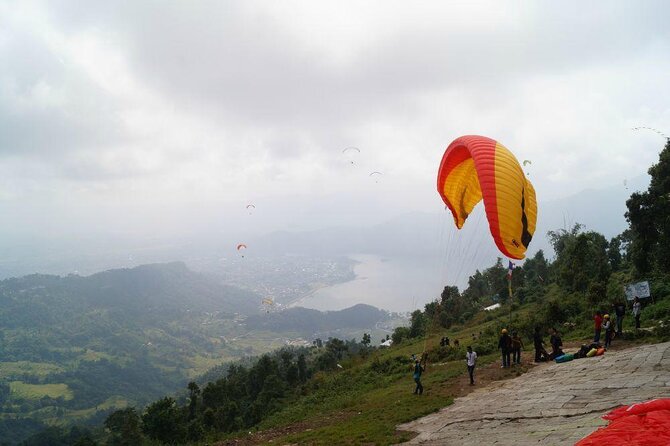
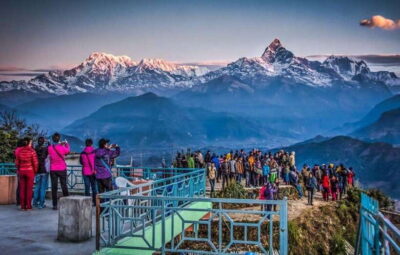
The tour starts early at Sarangkot, the hilltop viewpoint above Pokhara. The main reward is a broad view of the Annapurna Himalayan range, along with a panorama of Pokhara below. At about one hour, this is more than a quick photo stop, though the exact sunrise conditions depend entirely on the sky.
I would treat the sunrise as a bonus, not a guarantee. A cloudy morning can block the mountains and turn the first stop into a wait for a view that never appears. That happened on one outing, and the rest of the tour became more important because of it.
If you want strong mountain views, this is the stop that makes an early start worthwhile. If you dislike dawn departures or are visiting during unsettled weather, keep your expectations sensible. Sarangkot is still a useful way to see how Pokhara sits below the Himalayan range, but the famous pink-and-gold sunrise needs cooperation from the clouds.
A few more things to do in Pokhara worth a look
- Full-Day Tibetan Cultural Tour to Tibetan Settlements Pokhara
★ 5.0 · 184 reviews - Pokhara: Full-Day Sharing Bus Tour on 7 Iconic Destination
★ 4.1 · 179 reviews - Pokhara: Full-Day Private Tour on 7 Iconic Destination
★ 4.8 · 108 reviews
Phewa Tal brings you to Pokhara’s best-known lake
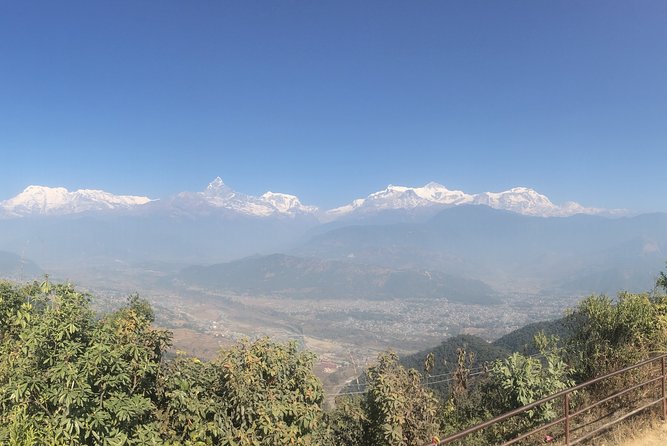
After Sarangkot, the route goes to Phewa Tal, usually called Phewa Lake. The visit lasts around 30 minutes and includes a look at the famous Barahi Temple and the edges of the lake.
This is a short stop, so think of it as an introduction rather than a full lake visit. You will have time to see the temple area and take in the lakeside setting, but not an extended exploration of every corner. The tour does not include food or drinks, and no separate boating activity is listed.
The Barahi Temple gives the lake stop a clear cultural focus. It is not simply a scenic pause. You are also seeing one of Pokhara’s important religious sites and the customs connected with it. The compact timing works well if you want to cover many parts of the city in one day, though visitors hoping for a slow lakeside morning may find it too brief.
Devi’s Fall and Gupteswar Gupha show Pokhara underground
Devi’s Fall is a quick 25-minute stop. Water disappears into an underground cave network beneath the city, giving this attraction an unusual character. You are not just looking at a normal waterfall dropping into an open riverbed. The point is where the water goes next.
Gupteswar Gupha follows with about 30 minutes in the caves. Here you can see an ancient Shiva temple and naturally formed rock stalagmites. The cave adds a religious layer to the natural setting, and the formations make this one of the more distinctive stops on the route.
The description notes that during the fall, you can go farther inside and see the waterfall from within the cave, where it continues toward the river. That detail makes the timing of your visit worth noting, though the tour does not promise a particular water level or cave condition.
I would wear practical footwear for this part of the day. The supplied details do not specify the exact walking surface or conditions, so you should be ready for a cave visit rather than a polished museum experience. The short stop also means you will want to stay aware of the guide’s timing.
The International Mountain Museum adds meaning to the views
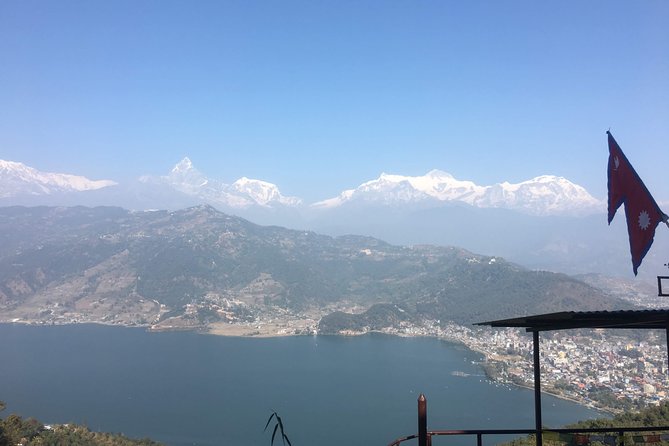
The International Mountain Museum gets about 30 minutes, and I consider it one of the most useful parts of the tour. After seeing the Himalayas from Sarangkot, you get a chance to learn about the mountains, the people connected with them, and the way they have inspired millions.
That sequence works well. Sarangkot gives you the dramatic view. The museum gives that view a human and cultural frame. Instead of treating the mountains as scenery alone, you can connect them with the people and stories that define Himalayan life.
Thirty minutes is enough for a focused visit, but not enough to examine every display at length. If mountain culture is your main interest, you may wish the schedule allowed more time here. Still, the museum offers more substance than another short viewpoint and helps balance the day’s many scenic stops.
One guest rated the tour four out of five and singled out the International Mountain Museum as the favorite part of the outing. That matches my sense of its value: it is the stop most likely to stay with you after the photographs have been sorted.
Same base, a different kind of day:
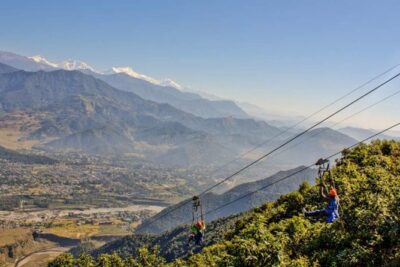
- ZipFlyer Nepal – The World’s Steepest Zip-line
★ 5.0 · 608 reviews - Bungee Pokhara by HighGround Adventures
★ 5.0 · 366 reviews - From Pokhara: Sarangkot Sunrise Himalayas Tour
★ 4.7 · 218 reviews - ATV Adventure Tour in Pokhara, Nepal
★ 5.0 · 194 reviews
The Gorkha Museum honors Nepal’s famous soldiers
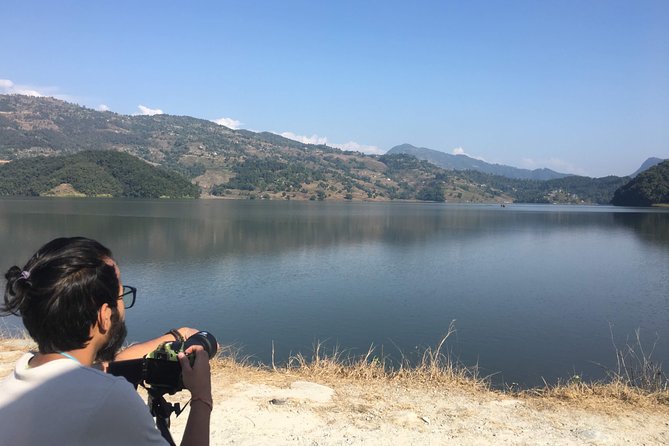
The Gorkha Museum is a shorter visit, around 20 minutes. Its focus is the Gorkhas, widely respected for their bravery around the world.
This stop is best understood as a compact introduction. You can learn why the Gorkhas hold such a strong place in military history and Nepal’s public identity, but the schedule does not allow for a long museum session. If you enjoy military history, you may want to move with purpose and use every minute.
Placed after the mountain museum, the Gorkha Museum widens the story of Nepal. The day is not only about peaks, lakes, and temples. It also gives attention to the people whose reputation has reached far beyond the country.
Seti River viewpoints reveal a hidden side of Pokhara
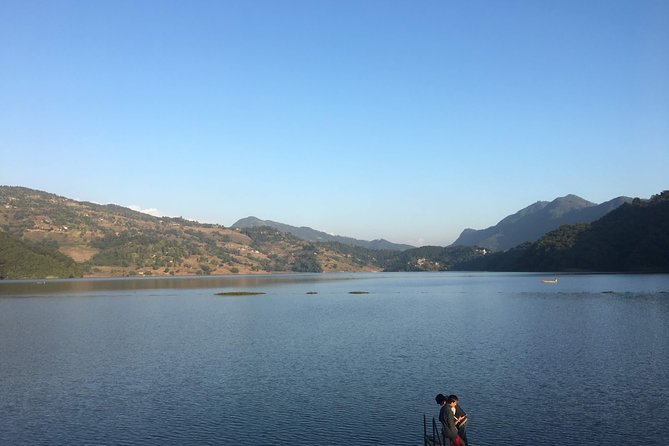
The Seti River Gorge takes about 15 minutes. Here you see how the Seti River cuts through the city and shaped the surrounding terrain. It is a fast stop, but it changes your view of Pokhara from a lake-and-mountain destination to a place marked by powerful water flow.
The later Seti Gandaki stop lasts about 20 minutes and uses a high hanging bridge as a viewpoint. These bridges are common throughout Nepal, and the stop gives you a taste of how people cross the country’s deep river channels.
I like the contrast between these two river stops. The gorge shows the river’s force from a fixed viewpoint. The bridge gives you a higher look and a more direct sense of the drop and the river below. Neither stop lasts long, so you should not expect an extended walk or a quiet riverside break.
For some people, a high bridge is the least comfortable part of a sightseeing day. The details do not promise a particular bridge design beyond describing it as high hanging, so consider your own comfort with heights before booking. The tour does give you a practical advantage here: you can see both river features without arranging separate transport.
The World Peace Stupa area closes the scenic portion
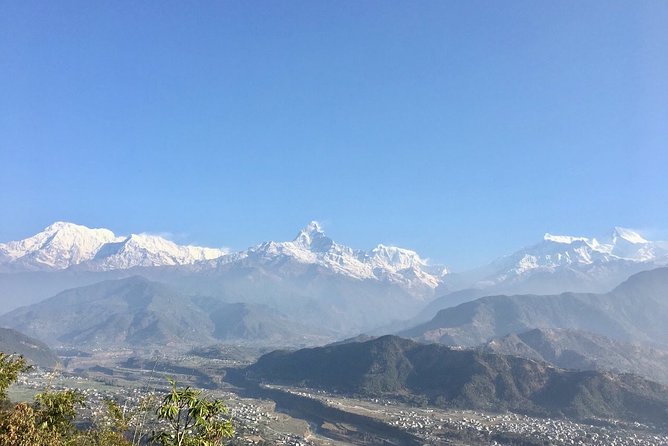
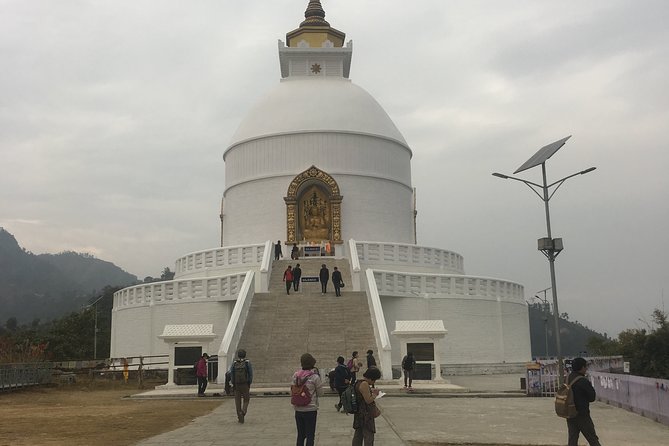
The World Peace Stupa access road provides a 45-minute visit and a broad view over Pokhara Valley and Phewa Lake. The stop is linked with the Peace Pagoda and a temple dedicated to Buddha, with the setting described as a place to experience sunset.
This is one of the longer stops, which makes sense. A viewpoint needs time for you to take in more than one quick angle, and the changing light can make the lake and valley look different from Sarangkot’s morning view.
There is an important scheduling wrinkle here. The tour begins with sunrise at Sarangkot and also includes a sunset-oriented stop at the Peace Stupa, all within roughly six to seven hours. Depending on the start time, season, and exact timing, you may not get a classic sunset at the end of the day. I would confirm the planned departure and return times before booking if both sunrise and sunset matter to you.
The access road wording also suggests that the listed stop centers on reaching the viewpoint area. The supplied details do not promise a long visit inside the pagoda or temple, so book this for the valley and lake view rather than assuming an extensive religious tour.
Bindhyabasini shows Pokhara’s Hindu traditions
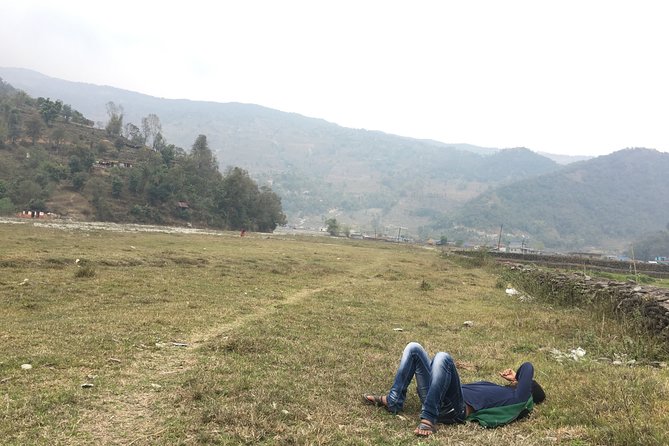
Bindhyabasini is a hilltop temple dedicated to the sacred feminine in Hindu culture. The visit lasts about 20 minutes and gives you a chance to observe customs and sacred rituals.
This stop adds a different religious perspective after the Buddhist setting around the Peace Stupa and the Shiva temple at Gupteswar Gupha. In a single day, you see several important strands of Nepalese religious life, not just one type of shrine.
A short visit calls for respect and attention. You may find the activity around the temple more interesting than a quick photograph, so listen to the guide’s explanation and follow local customs. The tour description does not specify particular rituals taking place on your date, so regard this as an opportunity to see the temple and its traditions rather than a guaranteed ceremony.
The Tibetan Refugee Camp brings a modern cultural chapter
The final listed stop is a Tibetan refugee camp, with around 30 minutes to experience the Tibetan community that was exiled from its homeland and established a place in Pokhara.
This is a valuable ending because it moves the tour from ancient temples and natural features to a living community shaped by displacement and adaptation. The stop can help you see Pokhara as more than a scenic base for mountain trips.
The description gives no details about shopping, workshops, demonstrations, or specific buildings, so I would not book this expecting a particular program. Instead, expect a short visit focused on the community’s presence and culture. Thirty minutes allows a useful introduction, though not a full study of Tibetan life in Pokhara.
A private car changes the pace and value
At $114.53 per person, the tour is not the cheapest way to tick off a few viewpoints. Its value comes from combining a private, air-conditioned vehicle with a licensed guide, admission fees, and a long list of stops. Only your group participates, so you do not share the day with strangers or wait for a large coach to gather everyone.
That private format matters in Pokhara. The stops are spread across the city and nearby hills, and the schedule is too full for casual wandering between them. Having a car lets you move from Sarangkot to Phewa Tal, the caves, museums, river viewpoints, and temples without arranging separate rides.
The price makes the most sense for a small group that wants convenience and broad coverage. Group discounts are offered, which may improve the value when several people book together. If you are traveling alone, the per-person cost is harder to justify unless you place a high value on a private vehicle and guide.
Food and drinks are extra. Since the day is packed, plan around that rather than expecting meals to appear during the route. Confirmation is provided at booking, and service animals are allowed. The tour is near public transportation, though the private vehicle means you do not need to rely on it during the experience.
What the guide adds to a busy route
The guide is meant to explain the history and culture behind the sights rather than simply drive from one photo stop to another. Gobinda is specifically identified as a guide who kept checking that everything was satisfactory and worked to make the day go well.
That kind of attention matters on a tight itinerary. You need someone to keep the route moving while still explaining why the stop matters. A guide can also help you understand the difference between a temple visit, a museum display, a cave with religious meaning, and a viewpoint chosen for scenery.
The tour is private, but that does not mean the schedule is slow. Eleven stops in six to seven hours requires steady movement. I would tell the guide early which places matter most to you, especially if the sunrise is hidden by clouds or the mountain museum becomes your main interest.
Who will get the most from this Pokhara tour
I would choose this experience if you have limited time in Pokhara and want an organized introduction to many sides of the city. It suits people who value a private car, a guide, and a broad route more than long, unhurried visits at each attraction.
It also works well for families or small groups who want to stay together. Most travelers can participate, and the private format avoids the social and timing issues of a larger group outing.
I would hesitate if you want a slow day beside Phewa Lake, a long museum visit, or a carefully timed sunrise and sunset photography session. The route covers a lot, but each stop has a clock attached to it. Weather is another real factor, especially at Sarangkot.
Cancellation is free if you cancel at least 24 hours before the local start time. Inside that window, the amount paid is not refunded, and changes are not accepted.
Should you book the Entire Day Pokhara Complete Tour?
Book it if you want maximum coverage in one private day and appreciate having a guide explain the cultural and natural sights. The International Mountain Museum, Gupteswar Gupha, Sarangkot, and the Peace Stupa area give the day a good range, while the private car keeps the route manageable.
Skip it if you prefer to linger, eat at your own pace, or build your day around perfect sunrise and sunset conditions. Clouds can block Sarangkot, and the packed schedule may leave little room to adjust.
For most first-time visitors with only a short stay, I see solid value in the combination of transport, admissions, guide service, and variety. Just bring realistic expectations: this is a brisk survey of Pokhara, not a lazy day at the lake.
FAQ
How long does the Entire Day Pokhara Complete Tour last?
The tour lasts approximately 6 to 7 hours.
Is this a private tour?
Yes. Only your group participates in the activity.
Is hotel pickup offered?
Pickup is offered, though the provided details do not specify the exact pickup locations or time.
Is transportation included?
Yes. An air-conditioned vehicle is included.
Are admission fees included?
The tour includes all fees and taxes. The individual attraction details also identify admission as included at Sarangkot, Phewa Tal, Devi’s Fall, Gupteswar Gupha, the International Mountain Museum, and the Gorkha Museum.
Are food and drinks included?
No. All food and drinks are excluded from the price.
Who is the guide?
Gobinda is identified as a guide for this experience. The tour uses a licensed guide to explain local history and culture.
Can I see sunrise and sunset during the tour?
The route includes an early morning visit to Sarangkot for sunrise and a visit to the World Peace Stupa area described as a sunset viewpoint. Actual visibility and timing can depend on clouds and the day’s schedule.
What is the cancellation policy?
You can cancel for a full refund if you cancel at least 24 hours before the local start time. Cancellations or changes made within 24 hours are not accepted and are not refunded.
Just added in Pokhara
- Pokhara: Pokhara Highlights Tour by Bus★ 3.6 · 10 reviews
- Discover Pokhara in Style: Private Vehicle Service with Driver★ 5.0 · 5 reviews
- 4 Day Mardi Himal Base Camp Trek from Pokhara★ 5.0 · 18 reviews
- Private 4 Day Poon Hill Trek from Pokhara★ 5.0 · 16 reviews
- Pokhara in 5 Hours: Lake, Museum, Cave, Falls & Pagoda Hill★ 4.5 · 16 reviews
- Beautiful Sarankot Sunrise with Full Day Sightseeing in Pokhara★ 4.5 · 3 reviews
- Annapurna Base Camp Trek from Pokhara and Kathmandu★ 5.0 · 7 reviews
- 7-Day Trek to Annapurna Base Camp from Pokhara★ 5.0 · 12 reviews
Tours in Pokhara, compared.
ZipFlyer Nepal – The World’s Steepest Zip-line
Read our review →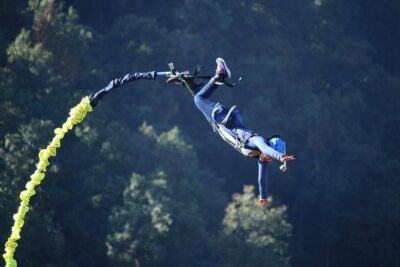

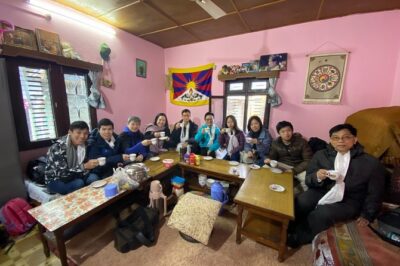
Full-Day Tibetan Cultural Tour to Tibetan Settlements Pokhara
Read our review →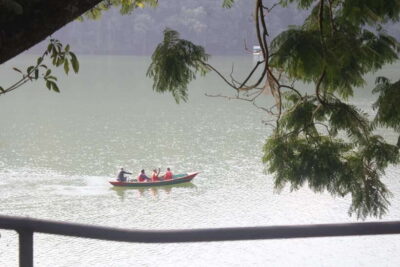
Full-Day Sharing Bus Tour on 7 Iconic Destination
Read our review →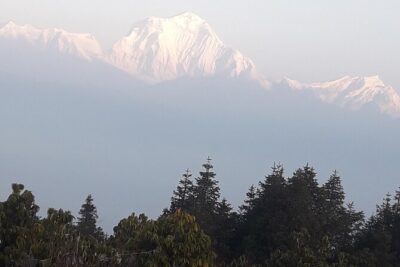
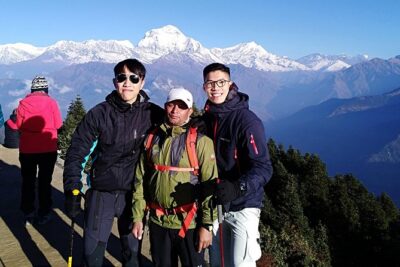
Trekking in Annapurna/Langtang/Everest/Upper Mustang regions
Read our review →Browse the lists this tour appears in