
Reviewed · TOURS IN POKHARA
Pokhara: Full-Day Sightseeing & Viewpoints Tour – Private/Group
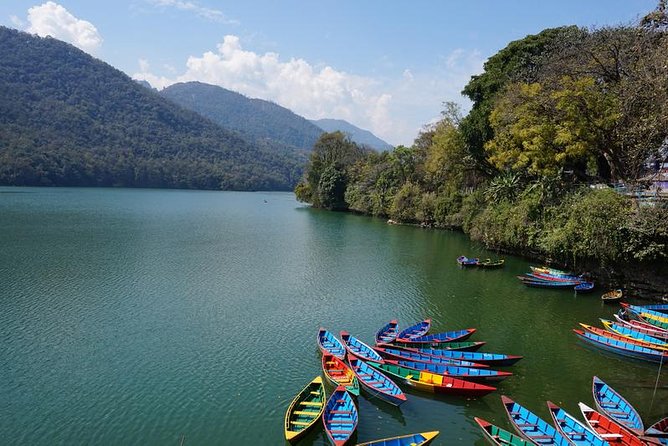
Phewa Lake is the best place to begin getting a feel for Pokhara, and this tour quickly links it with waterfalls, a cave shrine, hillside views, and the World Peace Stupa. You can ride a boat to Tal Barahi Temple, then let someone else handle Pokhara’s roads while you watch the valley pass by.
I like the private, flexible format, since you can shape the day around boating, walking, meditation, shopping, or sightseeing. I also like the hotel pickup and drop-off, plus an air-conditioned vehicle and an English-speaking guide. The main drawback is timing: four to five hours is brisk for seven stops, especially if you want a proper boat ride or a relaxed visit at each place.
Key points
- Phewa Lake and Tal Barahi Temple: Start with a lakeside walk or optional boat ride to Pokhara’s island shrine.
- Davis Falls and Gupteshwor Mahadev Cave: Two nearby sights give you both a waterfall and a sacred underground setting.
- Pumdikot Shiva Statue: Reach a high viewpoint with broad views across Pokhara Valley and, on clear days, toward the Himalayas.
- Private transport: Hotel pickup, drop-off, bottled water, and an air-conditioned vehicle are included.
- Flexible route: The guide can tailor the outing to your interests, though the full seven-stop plan will feel fast.
- Simple cancellation terms: Cancel at least 24 hours before the start for a full refund.
A fast, flexible way to see Pokhara
Pokhara rewards slow mornings beside the water, but many visitors have only a short window before a trek, flight, or long road journey. This private outing is designed for that problem. In roughly four to five hours, you can cover several of the city’s most familiar sights without arranging separate taxis or working out the order yourself.
The route mixes nature, religion, viewpoints, and light activity. You begin by Phewa Tal, move through the Davis Falls area, climb toward Pumdikot, cross a suspension bridge, and finish at the World Peace Stupa. It is not a deep cultural tour or a long walking day. It is a practical sampler of Pokhara.
The private setup matters. You are not tied to the pace of a large group, and you can ask to spend more time at one stop if another matters less to you. That flexibility is especially useful if you want to include a boat ride, take photographs, or avoid an overly packed schedule.
Still, be clear about what you are buying. Seven stops in four to five hours leaves little room for lingering. If you want a leisurely hour on the lake, a careful look around the cave, and extended time at the Peace Stupa, you may need to trim the route.
A few more things to do in Pokhara worth a look
- Full-Day Tibetan Cultural Tour to Tibetan Settlements Pokhara
★ 5.0 · 184 reviews - Pokhara: Full-Day Sharing Bus Tour on 7 Iconic Destination
★ 4.1 · 179 reviews - Pokhara: Full-Day Private Tour on 7 Iconic Destination
★ 4.8 · 108 reviews
Phewa Lake gives the tour its calm opening
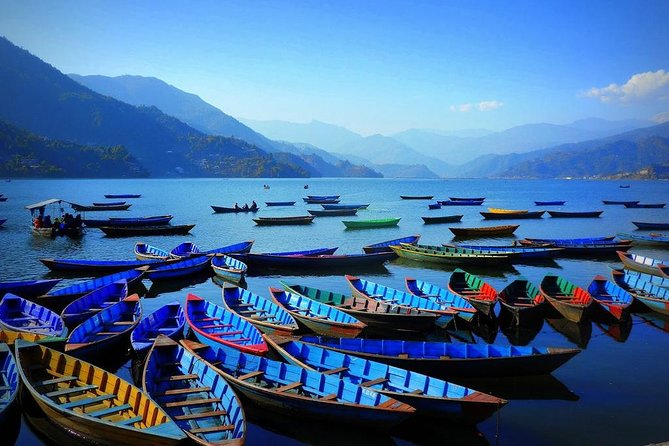
Phewa Tal is the natural starting point. The plan allows about an hour here, making it one of the more relaxed sections of the outing. You can walk along the lakeside or choose an optional boat ride.
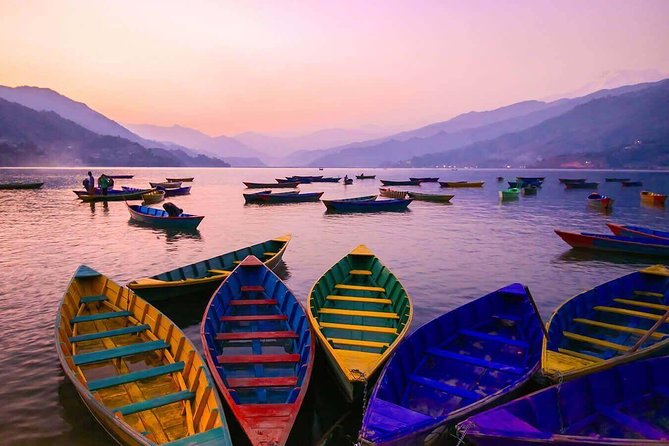
The lake is valuable not just for the water itself, but for the way it frames Pokhara. On clear days, the Annapurna range may reflect on the surface. That view depends on weather, of course, so keep your expectations flexible. Clouds can hide the mountains, but the lake still gives you a pleasant setting and a gentle beginning.
If you choose the boat ride, allow for the extra time it takes to reach the dock, board, and visit the temple. The supplied tour details describe the ride as optional, so confirm with your guide how it fits into your schedule. One five-star review singled out the canoe ride and the stop at the temple, which suggests that the water portion is a particularly appealing part of the experience.
A lakeside walk may suit you better if you want to stay on schedule. A boat ride makes the outing more memorable, but it uses time that could otherwise go to the later viewpoints.
Tal Barahi Temple adds a short cultural stop
Tal Barahi Temple sits on an island in Phewa Lake. Reaching it by boat makes the visit feel distinct from a standard roadside temple stop. The crossing is part of the experience, not just a way to get there.
The temple visit is planned for about 15 minutes. That is enough for a brief look and a quiet pause, but not a long religious or architectural study. The setting in the middle of the lake gives it a peaceful quality, and the short stop works well after the open water.
Admission is listed as free, and monument entrance fees are included in the tour. The key practical point is time. If the lake is your main reason for booking, tell the guide early. You will want to protect enough of the first hour for the boat ride rather than treating it as an afterthought.
Davis Falls and Gupteshwor Mahadev Cave work well together
Davis Falls is one of Pokhara’s best-known natural sights. Water runs into a deep gorge and disappears underground, creating a waterfall with an unusual finish. It is especially impressive during the monsoon and after the rains, when the flow can be stronger.
The planned visit lasts about 30 minutes. That gives you time to see the falls and take photographs, but the experience is more about the sudden drop and rushing water than about a long walk. Stay alert around wet ground and the gorge area, and follow local instructions.
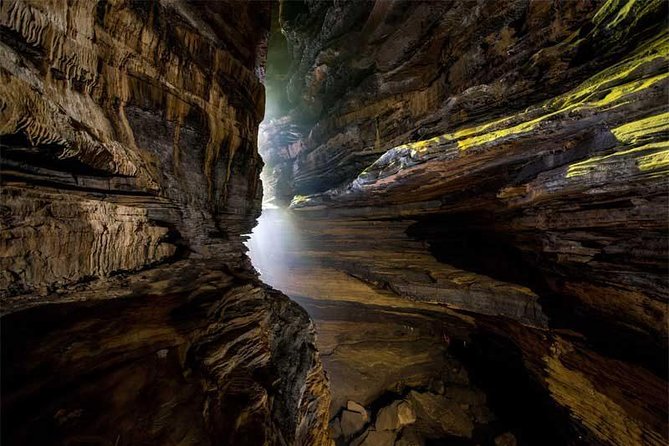
Across from the falls, Gupteshwor Mahadev Cave provides a different mood. This is a sacred cave with a Shiva shrine, and the underground passage offers a view of the waterfall flowing beneath the temple area. You should expect a darker, more enclosed setting here, rather than another open viewpoint.
The two stops belong together because they show the same water from different angles. At the falls, you see the river vanish into rock. In the cave, you get a closer sense of the underground route. Each stop is allotted 30 minutes, so the pair takes about an hour before transport time is counted.
If you dislike confined spaces, the cave may be less enjoyable than the waterfall. If you are comfortable underground, it adds welcome variety to a route otherwise filled with open views.
Same base, a different kind of day:
- ZipFlyer Nepal – The World’s Steepest Zip-line
★ 5.0 · 608 reviews - Bungee Pokhara by HighGround Adventures
★ 5.0 · 366 reviews - From Pokhara: Sarangkot Sunrise Himalayas Tour
★ 4.7 · 218 reviews - ATV Adventure Tour in Pokhara, Nepal
★ 5.0 · 194 reviews
Pumdikot offers the broadest hilltop view
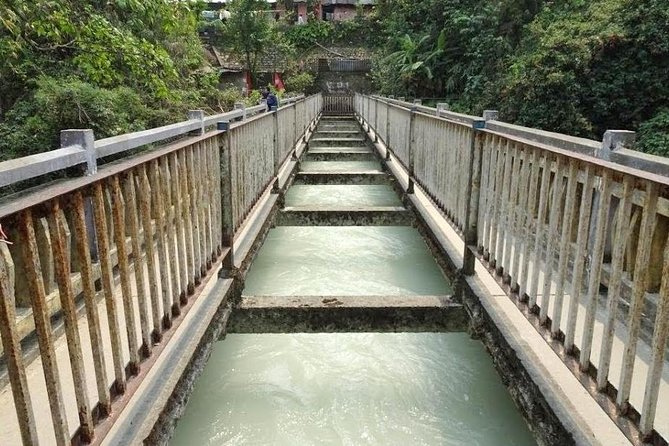
The drive up to Pumdikot brings a change in pace and scenery. Here you will see a large Shiva statue and open views across Pokhara Valley, the surrounding hills, and the Himalayan range when the sky is clear.
The stop is scheduled for about 30 minutes. That is enough to see the statue and take in the view, but visibility will decide how rewarding the mountain outlook feels. The tour does not promise clear peaks, and no mountain view should be treated as guaranteed in Pokhara.
Pumdikot is useful for visitors who want a high viewpoint without committing to a long hike. The private vehicle handles the uphill transfer, leaving you with a short walk and time for photographs. You can also use this stop as a quiet pause after the more crowded-feeling sights around the waterfall area.
The statue itself gives the stop a clear focus. It is not just a roadside lookout. You get a religious landmark and a broad view in the same visit, making Pumdikot one of the more worthwhile stops for first-time visitors.
The suspension bridge keeps the afternoon active
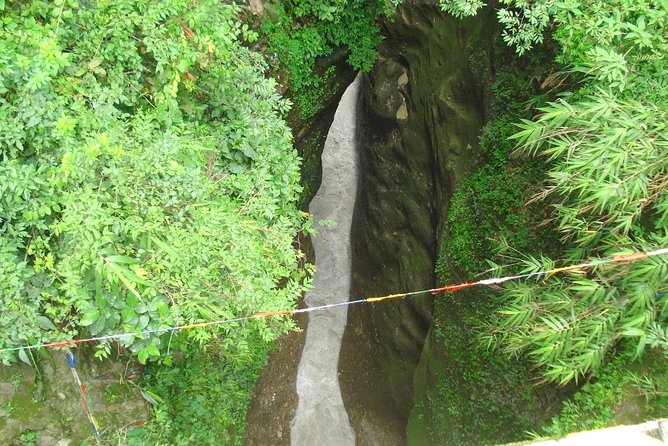
The suspension bridge is a short stop, planned for about 15 minutes. It offers a light adventure and a chance to walk above the ground without a strenuous hike.
You will have time to cross and take photographs, but this is not a major walking section. The bridge works as a change of rhythm between vehicle rides and viewpoint stops. If you enjoy simple, physical activities, it adds a little fun. If bridges make you nervous, it may be the least comfortable part of the route.
Because the stop is brief, do not expect a long trail or a full outdoor excursion. It is best understood as a quick photo stop with a little movement before the final viewpoint.
The World Peace Stupa is a fitting final stop
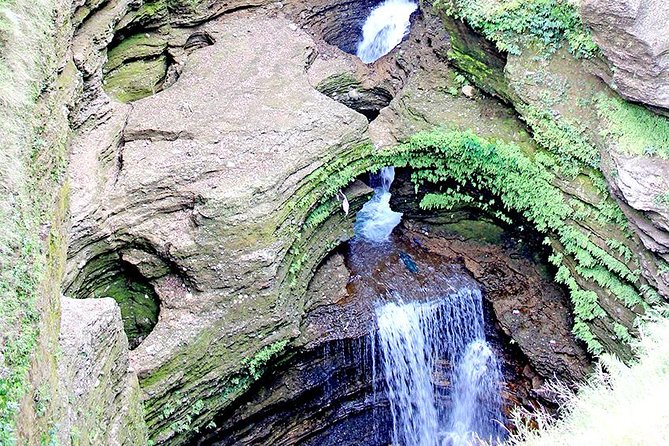
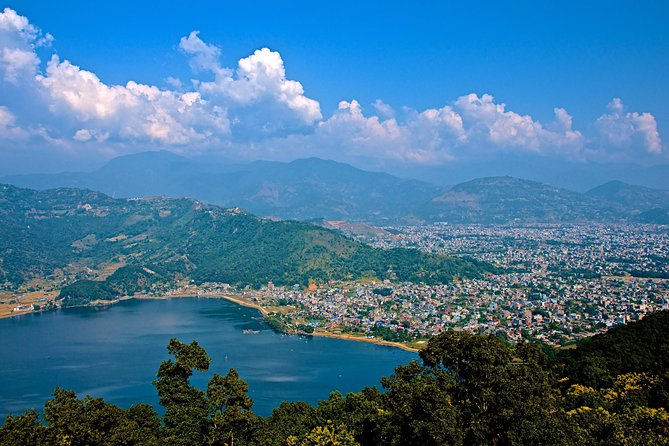
The World Peace Stupa is scheduled for about 20 minutes and serves as the tour’s closing viewpoint. From here, you can look across Phewa Lake, Pokhara city, and toward the Annapurna range when conditions are favorable.
Ending here makes sense. After the lake, waterfall, cave, statue, and bridge, the stupa gives you a final wide view that pulls the region together. It is a place for photographs, but also for a quieter pause.
Twenty minutes is enough for a quick visit, especially if your main goal is the view. It is not enough for a long period of meditation or an extended walk around the area. If peace and quiet are your priority, tell the guide that you would rather shorten another stop.
The stupa is also weather-sensitive. Clouds may block the mountain range, and haze can soften the view over the city. Even so, the elevated setting and sight of the lake make it a strong finish.
What the $40 price really covers
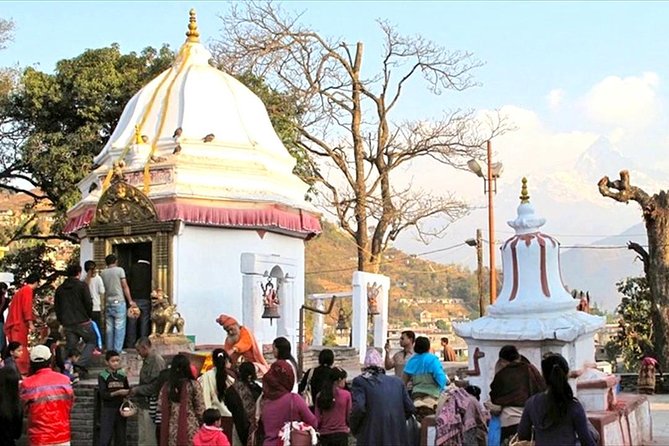
At $40 per person, the tour offers solid value if you want private transport and several major stops in a single outing. The price includes hotel pickup and drop-off, an air-conditioned private vehicle, an English-speaking professional guide, a 500-milliliter bottle of water, and monument entrance fees.
The value depends on how many people are in your group. A private vehicle is more useful for a couple or family that wants control over the pace. If you are alone, $40 buys convenience and time, but it may cost more than joining a standard group outing.
The price does not cover personal expenses or tips for the driver and guide. The boat ride is described as optional, so you should also confirm whether any boating charge is separate before you board. The listed stops have free admission, while the package also states that monument fees are included, so there is no need to expect a long list of entrance payments during the day.
I would judge the price mainly by convenience. You are paying to avoid arranging transport between seven places, not just for entry to individual sights. That makes the tour most useful when your time is short or you prefer not to manage Pokhara’s roads yourself.
Private transport makes the schedule easier
Hotel pickup and drop-off remove the need to find a meeting point. That is a small detail, but it matters when you are staying in an unfamiliar part of Pokhara or carrying day bags.
The air-conditioned vehicle gives you a break between stops. Pokhara sightseeing involves repeated short transfers, and a private car is more comfortable than arranging a new ride each time. You can also ask the guide to adjust the balance between walking, boating, viewpoints, and shopping.
The guide speaks English and is described as professional. A guide is particularly useful at the temple and cave, where a short visit can otherwise feel like a quick photograph with little context. No guide name is provided, so you cannot request a particular person in advance.
The group size is limited to your own party on the private option. That should make it easier to stop for photographs or adjust the order, although the exact amount of flexibility depends on traffic, weather, and the time used at Phewa Lake.
Who will enjoy this Pokhara tour most
I would recommend this outing to you if you have a short stay in Pokhara and want a broad first look at the city. It also suits couples, families, and small groups that value hotel service and a private car.
It is a good fit if you want a mixture of:
- Lake scenery and an optional boat ride
- A short religious visit
- A waterfall and cave
- A large Shiva statue
- A suspension bridge
- A hilltop view of the city and mountains
You may want another plan if you prefer long walks, extended meditation, detailed temple visits, or a slow day beside the lake. The route covers a lot, but its strength is range rather than depth.
Most people can participate, according to the provided booking information. Still, the route includes a cave, a bridge, and sightseeing at elevated viewpoints. If you have mobility concerns, ask for specific details before booking, since no accessibility information is provided.
How I would shape the four to five hours
If the lake is your priority, I would protect the opening hour for a boat ride and Tal Barahi Temple. Keep the waterfall and cave together, since they are close and offer contrasting experiences.
If mountain views matter most, keep Pumdikot and the World Peace Stupa. Ask the guide to spend less time at the suspension bridge or shorten the lake walk if the clouds are moving in and the peaks appear briefly.
If you want a cultural day, keep Tal Barahi Temple, Gupteshwor Mahadev Cave, Pumdikot, and the Peace Stupa. If you want simple sightseeing with fewer stops, ask whether the route can be reduced rather than trying to give every place equal time.
The tour is described as customizable, so speak up at the start. A private outing works best when you make your priorities clear. Otherwise, you may spend the day moving from one short stop to another simply because the standard route includes them all.
Should you book it?
Book this tour if you want an efficient introduction to Pokhara, prefer private transport, and like the idea of shaping the day as you go. The strongest features are the easy hotel service, the mix of lake and hill views, and the chance to combine Davis Falls with the unusual cave shrine.
I would book it with one warning: treat the seven stops as a menu, not a promise of long visits everywhere. Choose the lake and boat ride, the waterfalls, or the viewpoints as your main priorities. At $40 per person, it is a sensible convenience purchase for a small group with limited time, but less compelling if you want a slow, unstructured day.
FAQ
How long does the Pokhara sightseeing tour last?
The experience lasts approximately four to five hours.
Is hotel pickup included?
Yes. Pickup from your hotel and drop-off at your hotel are included.
Is this a private tour?
Yes. This is a private activity, and only your group participates.
What type of vehicle is provided?
Transportation is provided in an air-conditioned private vehicle.
Is an English-speaking guide included?
Yes. An English-speaking professional tour guide is included.
Can I take a boat ride on Phewa Lake?
Yes. You can choose an optional boat ride on Phewa Lake, including access to Tal Barahi Temple.
Are entrance fees included?
Monument entrance fees are included, and the listed stops show free admission.
What is the cancellation policy?
You can cancel at least 24 hours before the start time for a full refund. Cancellations or changes made less than 24 hours before the start time are not accepted for a refund.
Just added in Pokhara
- Pokhara: Pokhara Highlights Tour by Bus★ 3.6 · 10 reviews
- Discover Pokhara in Style: Private Vehicle Service with Driver★ 5.0 · 5 reviews
- 4 Day Mardi Himal Base Camp Trek from Pokhara★ 5.0 · 18 reviews
- Private 4 Day Poon Hill Trek from Pokhara★ 5.0 · 16 reviews
- Pokhara in 5 Hours: Lake, Museum, Cave, Falls & Pagoda Hill★ 4.5 · 16 reviews
- Annapurna Base Camp Trek from Pokhara and Kathmandu★ 5.0 · 7 reviews
- 7-Day Trek to Annapurna Base Camp from Pokhara★ 5.0 · 12 reviews
- Beautiful Sarankot Sunrise with Full Day Sightseeing in Pokhara★ 4.5 · 3 reviews
Tours in Pokhara, compared.
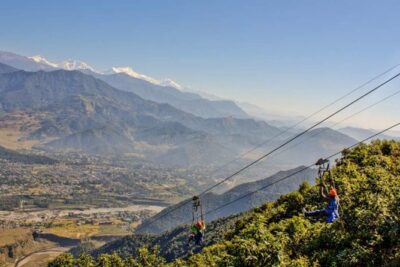
ZipFlyer Nepal – The World’s Steepest Zip-line
Read our review →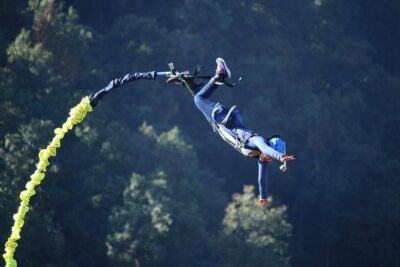
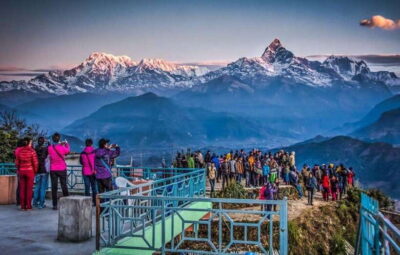

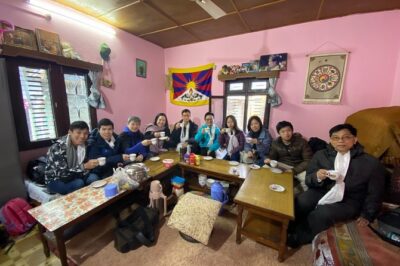
Full-Day Tibetan Cultural Tour to Tibetan Settlements Pokhara
Read our review →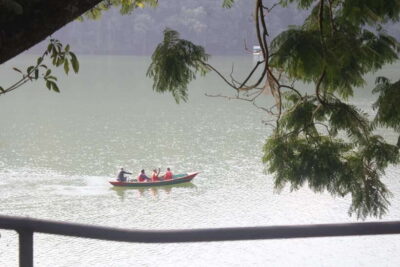
Full-Day Sharing Bus Tour on 7 Iconic Destination
Read our review →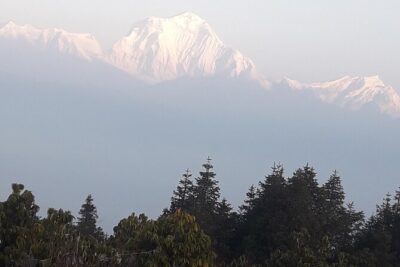
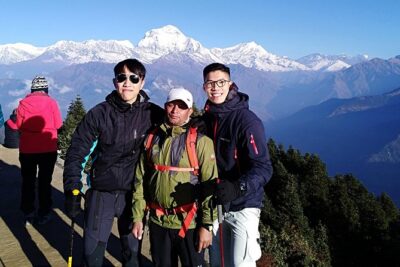
Trekking in Annapurna/Langtang/Everest/Upper Mustang regions
Read our review →Browse the lists this tour appears in