
Reviewed · SARANGKOT SUNRISE TOURS
The Best of Pokhara: Full-Day Private Tour with Sarangkot Sunrise
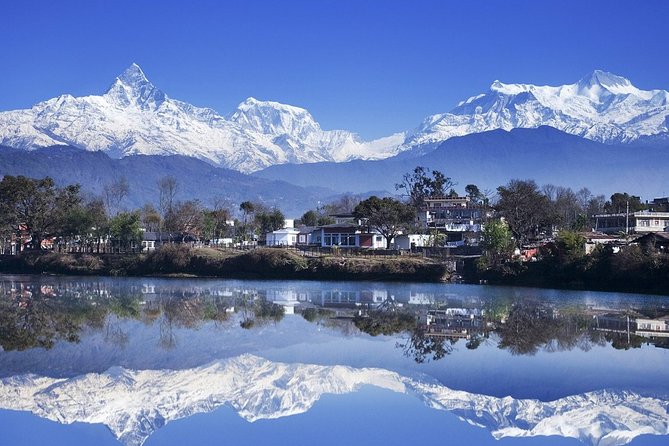
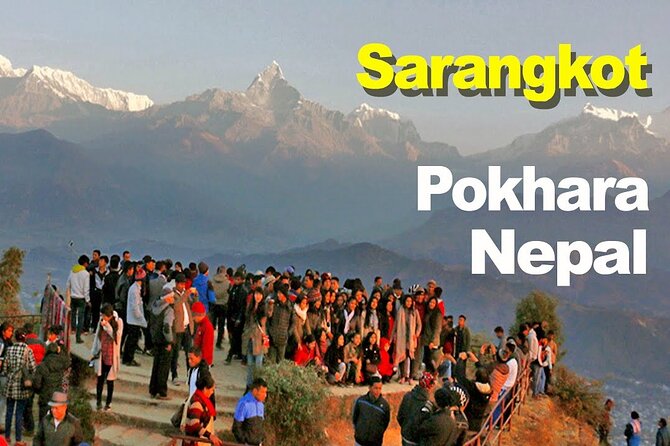
Sarangkot is the reason to book this tour. Before most of Pokhara is properly awake, you’re looking down over the valley as the first light reaches Annapurna and Machhapuchhre, also called Fishtail. The day then turns into a quick survey of caves, temples, a gorge, a waterfall, and the lake.
I like the private car and hotel pickup, which remove much of the fuss from fitting eight stops into one day. I also like the human touch reported with guides such as Bidur, Pujan, Ram, and Samundra, who have helped with photos, temple customs, local questions, and adjustments for older family members.
The main caution is that this is a fast-moving day, and the sunrise depends entirely on weather. Entry fees are extra, the boat on Phewa Lake may cost extra, and some stops are modest. If you expect a slow cultural tour or a guaranteed view of the mountains, adjust your expectations.
Key points to know before booking
- Sarangkot comes first: The sunrise is the emotional high point, with possible views toward Annapurna and Fishtail.
- Eight major stops fit into about seven hours: Expect a brisk day with short visits at most locations.
- Private transport gives you flexibility: Your group has its own vehicle, driver, and guide rather than joining a large coach.
- Caves are genuine attractions: Mahendra Cave and Chamere Gufa offer limestone formations and horseshoe bats, but footing and access may be awkward.
- Temple visits add local context: Bindhyabasini Temple and Gupteswar Gupha are more rewarding when your guide explains proper behavior.
- Budget for extras: Admission charges are not included, and the Phewa Lake boat ride may be paid separately.
Why Sarangkot makes the early alarm worthwhile
The day begins with hotel pickup at a season-dependent time. In practice, this means an early start, often before dawn, so you can reach Sarangkot for sunrise. The exact pickup time is supplied after booking, so pay attention to that message.
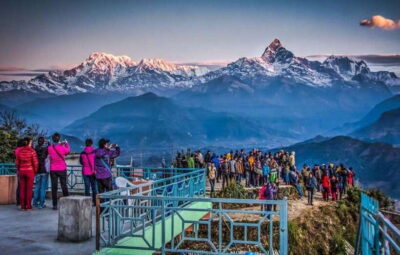
Sarangkot gives you an open view across Pokhara Valley and toward the Himalayan peaks. On a clear morning, the changing light is the show: dark ridges first, then pale snow, then the sharper outline of Machhapuchhre and the Annapurna range. Guides have pointed out individual peaks and helped visitors find good places for photographs.
Cloud is the great spoiler. Several people enjoyed the sunrise even when the larger peaks stayed hidden, while others arrived during a rainy or cloudy period and saw little. One guide sent mountain photos afterward when conditions blocked the view, a kind gesture, but it cannot replace seeing the peaks yourself.
If sunrise photography matters to you, bring a warm layer, keep your phone charged, and do not treat the mountain view as guaranteed. The stop is listed as about one hour, enough for the viewpoint without turning the morning into a long wait.
Other early starts around Pokhara:
- From Pokhara: Sarangkot Sunrise Himalayas Tour
★ 4.7 · 218 reviews - Pokhara: Sarangkot Sunrise with Half or Full-Day City Tour
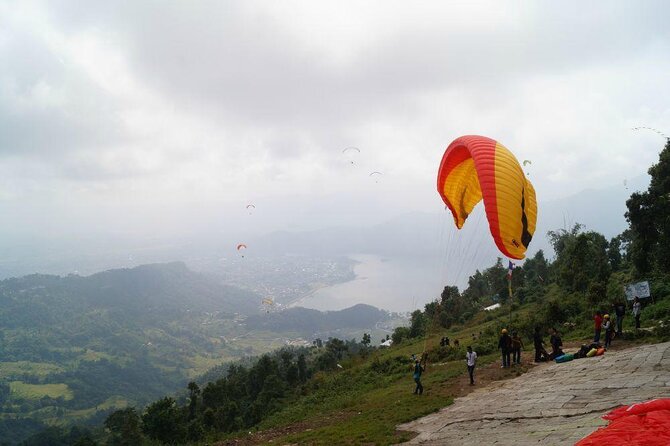
★ 4.8 · 100 reviews - Paragliding at Sarangkot Pokhara
★ 5.0 · 50 reviews
The breakfast break splits the day in two
After Sarangkot, the vehicle may return you to your hotel for breakfast before collecting you again. This break is useful. It gives you a chance to warm up, eat properly, and reset before the sightseeing circuit.
It also means the full experience can feel longer than seven hours from your point of view, especially if the morning return and second pickup add time. Confirm the plan with your guide so you know when to be ready again.
That pause is especially helpful for solo visitors and families. One guide, Dipchandra, was praised for keeping a good pace for an older parent. A private vehicle makes this sort of adjustment easier than a fixed group departure.
Mahendra Cave and Chamere Gufa: two very different cave stops
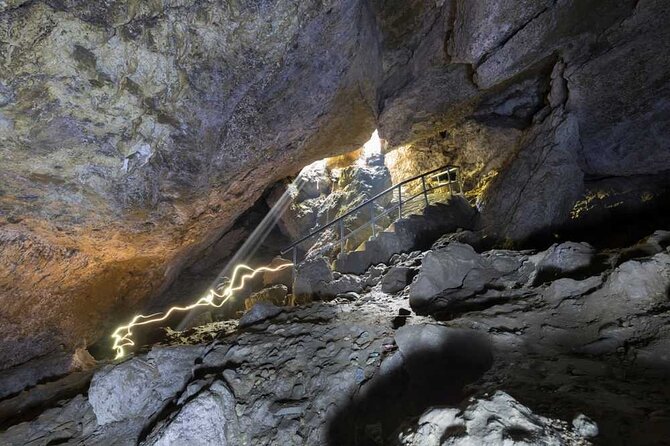
Mahendra Cave is a limestone cave in Batulechaur, near the Kali Khola. It is known for stalagmites and stalactites, formations created over long periods by mineral-rich water. The visit lasts about 30 minutes, and admission is not included.
Do not expect a vast underground expedition. This is a short sightseeing stop, useful if you want to see one of Pokhara’s natural attractions without setting aside half a day. Conditions inside may be damp, and you should take care with your footing.
Chamere Gufa is the more memorable cave for many people. Chamere means bat, and the chamber is associated with horseshoe bats hanging from the ceiling. The dark, wet setting and occasional bat sounds give it a slightly spooky feel without turning it into a staged show.
The stop is also about 30 minutes, with entry charged separately. If enclosed spaces, slippery surfaces, or uneven access are a concern, ask for details before entering. One unhappy account noted that a cave was difficult to access physically, so this is not the place to assume every stop suits every body.
Seti River Gorge is brief and easy to misunderstand
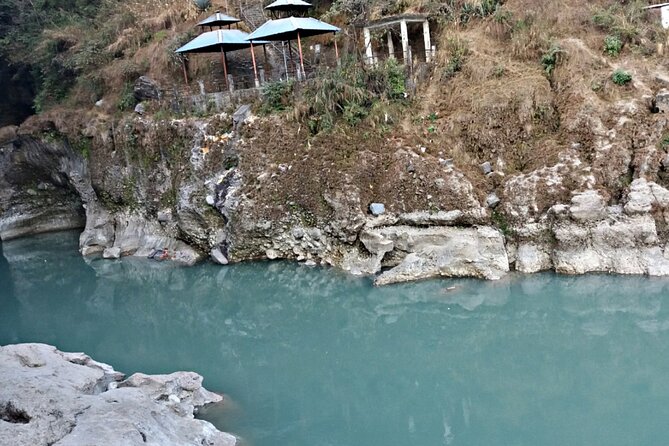
The Seti River cuts through Pokhara on its route from the mountains toward the lowlands near Chitwan. At the gorge, the river appears far below in a narrow channel, a sharp contrast to the broad valley around it.
This is a 15-minute stop, so keep expectations in proportion. You are getting a quick look, not a long riverside walk or a major natural attraction. Some people find the gorge striking because of its depth and the pale river water; others find there is not much to do once they have taken in the view.
The short visit is sensible in a packed day, but it is also one of the stops most likely to feel expendable if you prefer temples, mountain viewpoints, or longer time by the lake. A good guide should explain what you are seeing rather than simply point you toward a railing.
A few more things to do in Pokhara worth a look
- Full-Day Tibetan Cultural Tour to Tibetan Settlements Pokhara
★ 5.0 · 184 reviews - Pokhara: Full-Day Sharing Bus Tour on 7 Iconic Destination
★ 4.1 · 179 reviews - Pokhara: Full-Day Private Tour on 7 Iconic Destination
★ 4.8 · 108 reviews - Pokhara: Sarangkot Sunrise And Private Full-Day Tour
★ 4.8 · 32 reviews
Bindhyabasini Temple offers the best cultural pause
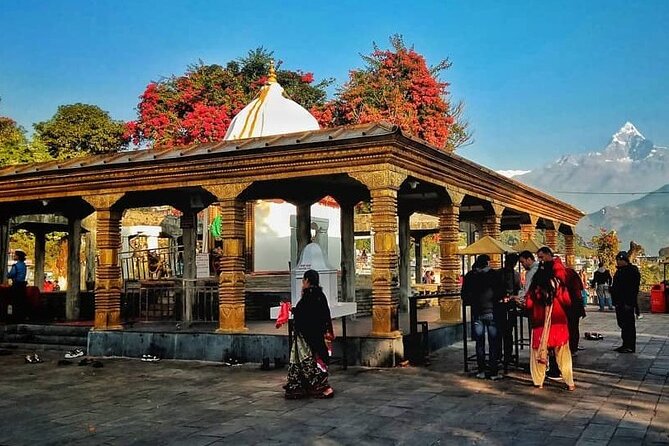
Bindhyabasini Temple is described as Pokhara’s oldest temple and sits in Miruwa. It is dedicated to the Hindu goddess Bhagwati and remains an active place of worship, not just a photo stop.
You have roughly 45 minutes here, which is longer than at the gorge or waterfall. That extra time matters. You can observe worshippers, notice the temple layout, and ask your guide about respectful behavior. Guides including Sadichchha and Pujan have been praised for explaining how to enter, respond, and honor a Hindu temple.
This is where the guide can make the biggest difference. A driver who only drops you off leaves you with architecture but little context. The tour is advertised with an English-speaking guide, yet one past account said the person accompanying the group acted mainly as a driver. Confirm that a dedicated guide will join your group if cultural explanation is important to you.
Temple etiquette is simple but worth getting right. Follow your guide, avoid treating worship as a photo prop, and ask before taking close pictures of people or ceremonies.
Gupteswar Gupha and Devi’s Fall are linked
Gupteswar Mahadev Cave lies opposite Devi’s Fall. Water from the waterfall passes through the cave, making the two stops natural companions. The cave is associated with Shiva and is one of Pokhara’s better-known religious sites.
The visit lasts about 30 minutes and admission is extra. Expect a darker, more confined setting than at the open viewpoints. The cave may be a poor match if you dislike tight spaces or uneven ground, and the practical difficulty of access is worth checking before you go.
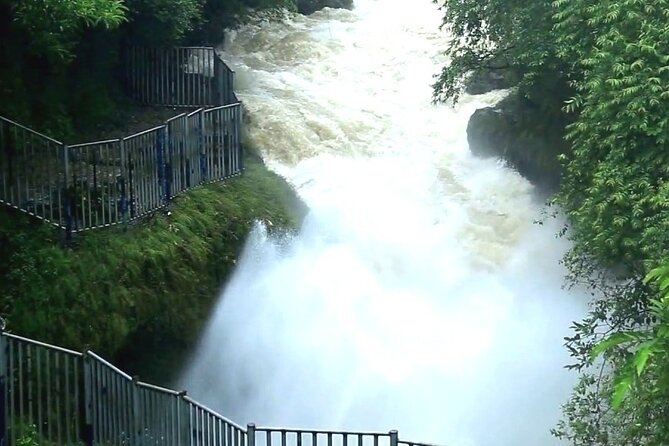
Devi’s Fall is also scheduled for about 30 minutes. Water drops into a channel and disappears into a tunnel said to run roughly 500 feet, about 100 feet below ground. The effect changes with the season and water level, so the stop can feel more dramatic after rain than during a drier period.
Still, this is not a waterfall trek. You get a viewpoint visit and time for photographs, not a long walk through wild country. Some people find the falls and Seti Gorge underwhelming, so I would treat them as quick pieces of Pokhara’s geography rather than the main reason to book.
Phewa Lake closes the day on a calmer note
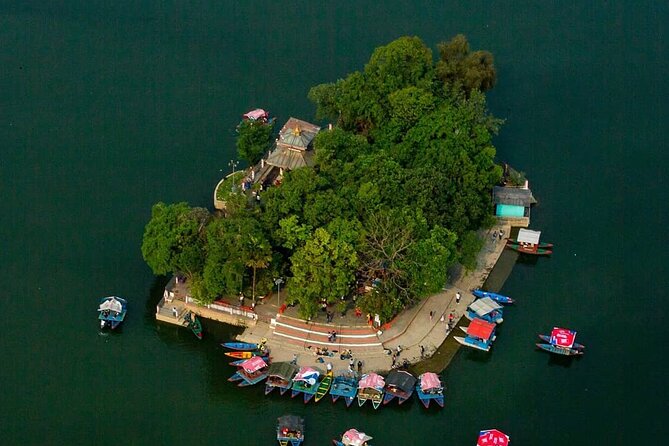
Phewa Tal is Pokhara’s freshwater lake, spreading along the southern part of the valley. After the dark caves and busy sequence of short stops, the lake provides a welcome change of pace.
The scheduled stop is about 30 minutes, and access to the lake itself is listed as free. A boat ride is not included in the stated inclusions, and one past account paid separately at the dock. Ask your guide exactly what is planned before choosing a boat, since the cost is not part of the $68 price.
Thirty minutes is enough to see the waterfront and get your bearings, but it is not enough for an unhurried lake outing. If you want a longer boat trip, time at the World Peace Pagoda, or a slow afternoon by the water, this tour may leave you wanting more. The private vehicle can drop you at the boat dock, as happened for some visitors, which is useful if you plan to continue independently.
What the $68 price really buys you
At $68 per person, the tour is not simply a taxi ride. The price covers private transportation, an air-conditioned vehicle, hotel pickup and drop-off, bottled water, and an English-speaking guide. For a solo visitor or a small group that values convenience, this can be fair value because you avoid arranging separate rides between widely scattered sights.
The private format is the strongest financial argument. Group discounts are available, so the per-person cost may make more sense when shared by several people. You also gain time: there is no waiting for strangers at every stop, and your guide can sometimes adjust the pace.
The price does not cover entrance fees. Mahendra Cave, Chamere Gufa, Gupteswar Gupha, and Devi’s Fall may require payment, while Bindhyabasini Temple and Phewa Lake are listed as free. Keep Nepalese rupees with you. One French-language account specifically wished the entry costs had been made clearer.
The boat ride is another possible extra. If your aim is simply to see the lake, the included stop may be enough. If you expect a boat trip, budget separately and confirm the price at the start of the day.
Value also depends on the guide you receive. Guides such as Bidur, Pujan, Ram, Samundra, Santosh, and Sadichchha have been singled out for care, local explanation, patience, or help with photographs. But service can vary, and the written experience description does not name one guaranteed guide.
The private format helps, but it does not fix every weakness
A private vehicle is a real advantage in Pokhara. You can ask for an ATM stop, food, photos, or a slower pace, and past guides have made those small adjustments. One guide took a group to a Buddhist monastery after they asked about Buddhism and found a suspension bridge when they requested one.
That said, flexibility is not unlimited. A request to add the World Peace Pagoda led to disagreement over an extra charge in one case. The pagoda is not part of the stated eight stops, so do not assume that a nearby attraction can be added at no cost.
The same applies to lunch. Some guides have recommended or arranged a good meal, but lunch is not listed as included. Carry money and tell the guide early if you need a proper break.
The tour is best when you communicate clearly. At pickup, confirm the guide’s role, the return time after breakfast, which entries you will pay, whether a boat is planned, and whether there is room to replace a stop. That short conversation can prevent most surprises.
Who will get the most from this Pokhara day?
I would choose this tour if you have only one full day in Pokhara and want an organized introduction to the city’s main sights. It suits solo visitors especially well because the private format offers a safer, simpler way to move around, with hotel pickup and a named guide responsible for the day.
It also works for families and mixed-age groups. The air-conditioned vehicle is welcome after a hot morning, and the pace can sometimes be adjusted. Still, caves, stairs, damp surfaces, and an early start mean you should discuss physical needs before booking.
This is less suitable if you want a quiet cultural day, a long lake outing, or a serious mountain viewpoint experience. The schedule favors breadth over depth. You see many parts of Pokhara, but most stops last between 15 and 45 minutes.
The tour has a 4.8 rating from 66 reviews and is recommended by 91 percent of customers. Those numbers suggest a strong overall record, while the lower ratings point to the issues that matter most: unclear guide expectations, extra fees, modest attractions, and weather blocking the sunrise.
Should you book it?
Book this tour if you want to cover Pokhara’s highlights in one organized day, especially with a private car and an early Sarangkot start. The sunrise, Bindhyabasini Temple, Chamere Gufa, and the chance to ask a local guide about daily life are the strongest parts.
Before paying, confirm that an English-speaking guide, not only a driver, will accompany you. Ask about the breakfast break, entrance fees, the Phewa Lake boat, and any possible add-on such as the World Peace Pagoda.
If clear mountain views are your only goal, choose your season carefully and accept the risk of cloud. If you want a slower day, book fewer sights separately. For a first look at Pokhara when time is tight, this tour offers a practical route and good convenience, with enough caveats to make an informed choice.
FAQ
How long does the Pokhara tour last?
The experience lasts approximately seven hours. The early Sarangkot visit may be followed by a return to your hotel for breakfast before the remaining sightseeing.
Is hotel pickup included?
Yes. Pickup and drop-off at hotels in Pokhara are included, with the exact pickup time depending on the season.
Is the tour private?
Yes. Only your group participates in the private activity, and private transportation is provided.
Is an English-speaking guide included?
Yes, an English-speaking tour guide is listed as included. Because guide assignments can vary, confirm that a dedicated guide will accompany you rather than receiving transport only.
Are entrance fees included?
No. Entry fees are not included. Mahendra Cave, Chamere Gufa, Gupteswar Gupha, and Devi’s Fall are listed with admission not included, while Bindhyabasini Temple and Phewa Lake are listed as free.
Is the Phewa Lake boat ride included?
The stated inclusions do not include a boat ride. If you want to take a boat, ask about the additional cost at the lake.
Can I see the Himalayas from Sarangkot?
Sarangkot offers views toward the Himalayan peaks, including Annapurna and Fishtail, but weather can block the mountains. A clear sunrise is not guaranteed.
Can I cancel for a full refund?
Yes, if you cancel at least 24 hours before the experience start time. Cancellations made less than 24 hours in advance are not refunded, and late changes are not accepted.
Just added in Pokhara
- Tandem Paragliding in Pokhara★ 4.8 · 8 reviews
- Seti George and Thrilling Suspension Bridge Tour at Pokhara★ 4.5 · 3 reviews
- Pokhara: Suspension Bridge Private Tour- 30 Min Village Walk★ 4.8 · 9 reviews
- Pokhara: Visit Best Seven Tourist Destination by Sharing Bus★ 3.4 · 10 reviews
- Pokhara: Sunrise Tour to Sarangkot★ 5.0 · 3 reviews
- Pokhara Sightseeing By Bus – Day Trip★ 3.2 · 8 reviews
- Pokhara Sightseeing By Bus: Day Trip★ 4.6 · 7 reviews
- Pokhara Sarangkot : Cable Car (Himalayas) Sunrise Tour★ 5.0 · 6 reviews
Sarangkot Sunrise Tours, compared.
Sarangkot Sunrise with Half or Full-Day City Tour
Read our review →
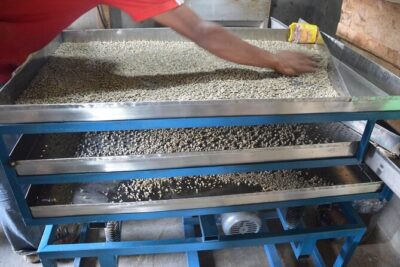
Sarangkot Village Coffee Culture and Authentic Local Life Tour
Read our review →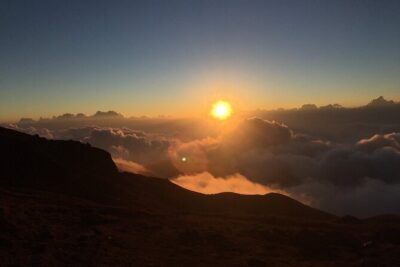
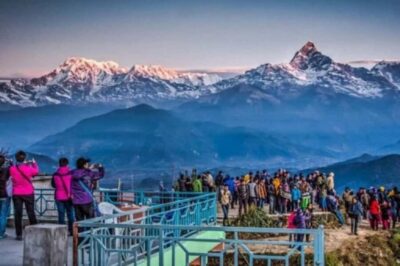
Sarangkot Sunrise & Panoramic Annapurna View Tour
Read our review →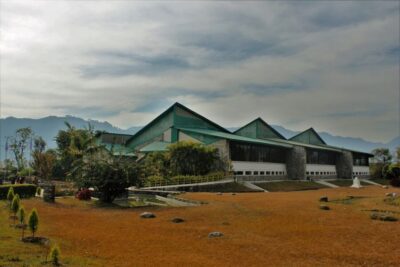
The Best of Pokhara: Private Day Tour with Sarangkot Sunrise
Read our review →Browse the lists this tour appears in