
Reviewed · KATHMANDU UNESCO HERITAGE TOURS
The Boudhanath Yoga Experience in Nepal
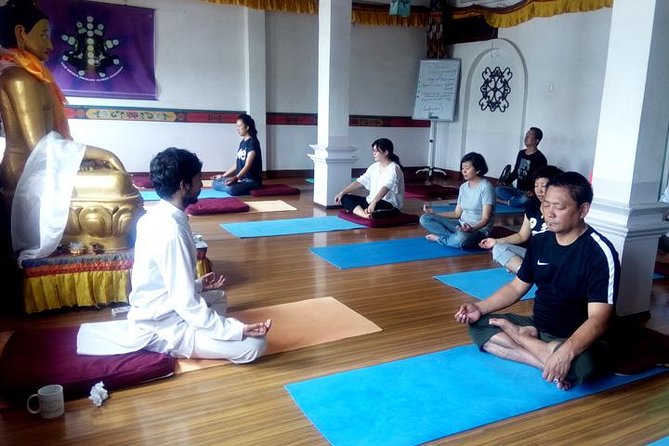
At Boudha, yoga takes place beside one of Kathmandu’s most important Buddhist pilgrimage sites. You practice asanas, mudras, pranayama, concentration, and meditation while Boudhanath Stupa sits across from the yoga center. It is a striking setting for a class that treats yoga as a way of working with both body and mind, not simply as exercise.
I like the private hotel transfers, which spare you the job of finding your way through Kathmandu’s streets, and I like the small maximum group of 14. The instructor explains each movement step by step, and you are encouraged to ask questions. The main consideration is the price: at $110 per person, this costs more than a basic yoga class, though it also includes transport, instruction, and stupa entry.
The class lasts about two and a half hours within a roughly four-hour outing. You should wear loose clothing, and you will need to plan your own food and drinks since neither is included.
Key points to know before booking
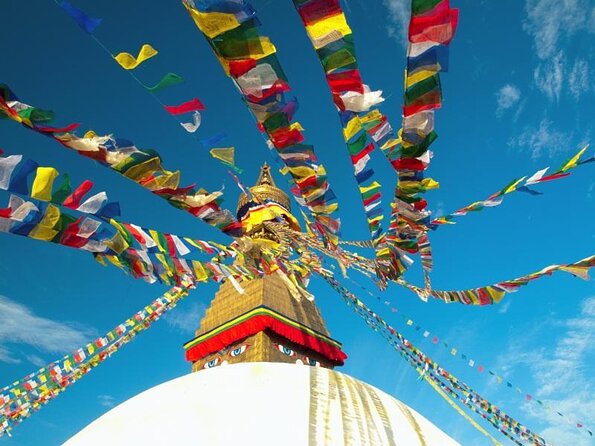
- Yoga beside Boudhanath Stupa: The class takes place across from one of Kathmandu’s most significant Buddhist sites.
- Five-part practice: Expect postures, hand gestures, breathing work, mind control, and meditation rather than a workout built only around stretching.
- Private round-trip transport: Pickup and drop-off at your Kathmandu hotel are included in a private vehicle.
- Small group size: The activity accepts a maximum of 14 participants, giving you a better chance to ask questions.
- Morning start: The experience begins at 9:00 am and lasts about four hours in total.
- Loose clothing matters: Comfortable, flexible clothes will make the long practice easier.
Why Boudha is an unusual place for yoga
Boudhanath is home to the world’s largest Buddhist stupa, and the yoga center sits directly across from it. That setting gives this class a clear sense of place. You are not practicing in a generic studio with a few decorative statues. The stupa and the Tibetan Buddhist community of Boudha form the backdrop for the morning.
The setting also helps explain the course’s approach. This is presented as a Buddhism-inspired practice based on the Eight-Fold Path and seven disciplines. The teaching connects physical position, breath, gestures, concentration, and meditation. If you want a standard fitness class with a quick sequence of poses, this may feel more reflective and spiritual than expected.
You should also expect a working urban setting rather than total silence. Boudha is an active part of Kathmandu, and the area remains busy outside the yoga room. The class can still feel peaceful, but the surrounding city does not disappear. That contrast is part of the experience: calm attention inside, a major pilgrimage site and daily city life outside.
More temple and square walks around Kathmandu:
- Private Kathmandu Sightseeing Tour | UNESCO World Heritage sites
★ 5.0 · 756 reviews - Kathmandu: Full Day 7 UNESCO Tour with Lunch – Private/Group
★ 5.0 · 415 reviews - Private Bhaktapur and Nagarkot Day Tour From Kathmandu
★ 5.0 · 305 reviews
Your 9:00 am pickup and arrival in Boudha
The morning begins with pickup from your Kathmandu hotel. Round-trip transport in a private vehicle is included, so you do not need to arrange a taxi or figure out local public transportation for the outing. For a first visit to Kathmandu, this is a useful practical benefit. It keeps the morning simple and gives you a fixed start at 9:00 am.
The transfer is not just a convenience for people who dislike navigation. It also protects your time. A four-hour activity can become much longer if you have to search for the yoga center, negotiate transport, or find your way back afterward. With pickup and drop-off included, you can focus on the class and the stupa visit.
The exact transfer time depends on where your hotel is located, and no meal stop is included. Have breakfast before pickup or plan to eat afterward. Food and drinks are specifically excluded from the price.
On arrival, you will be near Boudhanath Stupa, with the yoga center directly across from it. Entry to the stupa is included. The experience therefore combines a class with access to one of Kathmandu’s major religious landmarks rather than treating yoga as a separate indoor activity.
What the 2.5-hour yoga class covers
The class lasts approximately two and a half hours, which is long enough to move beyond a short introductory session. The program includes several parts of yoga and Buddhist-inspired practice.
Asanas: working with body position
Asanas are the physical postures. You learn how to place and hold your body, with the instructor explaining movements step by step. This is helpful if you are new to yoga or prefer clear guidance instead of trying to copy a fast-moving class.
A longer class also gives you time to notice how posture affects breathing and attention. The point here is not simply to reach a difficult pose. The teaching connects proper body position with the wider practice of yoga.
You should wear loose-fitting clothes. That advice matters during a session this long, especially when the class includes seated work, movement, and meditation. The supplied information says most people can participate, but it does not provide a detailed list of physical limitations or modifications. If you have a concern, ask the instructor before the session begins.
More slow days in Kathmandu:
- 200 Hours Yoga Teacher Training at Nepal Yoga Home (starts on 1st of everymonth)
★ 5.0 · 125 reviews - Shirodhara and Sound Healing Spa Experience in Kathmandu
★ 5.0 · 52 reviews - 3 night 4 Day Yoga & Ayurveda Retreat to Detox the Body & Mind, Nepal
★ 5.0 · 37 reviews - 10 Days Ayurveda & Yoga Retreat in Kathmandu, Nepal
★ 5.0 · 24 reviews
Mudras: the meaning of hand gestures
Mudras are hand gestures used to support the flow of energy. This is one of the details that separates the experience from a basic stretching class. The instructor introduces gestures as part of the traditional practice, giving you another way to focus the body and mind.
You do not need to arrive with prior knowledge of Buddhist symbolism. The class is designed to teach the elements during the session. Since the group can include as many as 14 people, you should have a reasonable opportunity to ask for clarification if a gesture or instruction is unclear.
Pranayama: breathing as a practice
Pranayama refers to breathing techniques used for relaxation and purification of the body and energy. Breathing is often treated as a short warm-up in a general fitness class. Here, it receives a more central role.
The breathing work may appeal to you if you are looking for a calmer experience after busy sightseeing. It also gives the class a practical focus you can carry into the rest of your Nepal trip. The description emphasizes learning techniques rather than simply sitting quietly, so pay attention to how the instructor explains the purpose and method of each exercise.
Dharana: directing the mind
Dharana is described as a technique for controlling the mind and encouraging positive energy. This part of the class shifts attention away from the body and toward concentration.
For some people, this will be the most useful part of the morning. Kathmandu can be stimulating, and a guided concentration practice gives you time to slow down. For others, a focus on mental control may feel less familiar than physical yoga. The class is best suited to you if you are willing to approach yoga as a full discipline rather than a simple workout.
Dhyana: meditation and release
Dhyana is the meditation element, described as a way to liberate the mind. It completes the class’s movement from physical posture to breath, attention, and meditation.
The teaching is connected to the Himalayan spiritual tradition and Buddhist practice at Boudha. You should not expect a sightseeing talk about Buddhism in place of yoga, but the religious setting gives the meditation a fitting context. The class makes the most sense when you allow time for stillness instead of treating every minute as active exercise.
Seeing Boudhanath Stupa before or after practice
Entry to Boudhanath Stupa is included, and the stupa is directly across from the yoga center. This gives you a chance to see the site as more than a distant backdrop. You can pair the inward focus of the class with time at one of Kathmandu’s major Buddhist pilgrimage places.
The provided schedule does not specify exactly how long you spend at the stupa or whether the visit comes before or after yoga. You should therefore treat the stupa visit as part of the overall outing rather than expect a separate, fully guided sightseeing tour.
The location is especially useful if your Kathmandu plans already include religious and cultural sites. You can see Boudha without arranging another taxi or entry ticket. If you prefer a tour devoted mainly to stupa history, photography, or neighborhood exploration, this activity may feel too yoga-focused. Its main purpose is the class, with the stupa adding place and context.
How the group size changes the class
The maximum group size is 14 people. That is not a private lesson, but it is small enough to give the instructor a chance to monitor the room and answer questions.
One useful feature is the teaching style described in the feedback: movements are explained move by move, and questions are welcome. The instructor was also praised for creating a peaceful environment and making the participant feel connected and welcome. Those are meaningful strengths for a class built around meditation and concentration.
The instructor’s name is not provided, so you cannot choose a particular teacher in advance. You can expect a highly qualified, trained yoga instructor, but the personal style may vary with the teacher assigned to your date.
A small group also makes the class a reasonable choice if you are nervous about joining a large studio session. You still share the experience with other participants, but the maximum of 14 keeps it from becoming a crowded mass class.
Is $110 a fair price?
At $110 per person, this is a premium half-day activity. The price includes hotel pickup and drop-off, private vehicle transport, a trained instructor, a 2.5-hour class, and entry to Boudhanath Stupa.
The value depends on how you would otherwise arrange the morning. If you would pay separately for a taxi to Boudha, a yoga class, and stupa entry, the bundled price becomes easier to justify. The private vehicle also matters if you want a simple, prearranged outing rather than a morning spent managing transport.
The price is harder to justify if you only want an inexpensive yoga lesson. The experience does not include food or drinks, and the class is not described as a private session. You are paying for the setting, the longer instruction, the cultural context, the transportation, and the convenience.
Group discounts are offered, which may help if you are booking with friends or family. The activity is often booked about 113 days in advance, so you may want to reserve ahead if your Kathmandu dates are fixed.
Who will enjoy this morning most
I would choose this experience if you want to connect yoga with a specific religious setting. It suits beginners who appreciate step-by-step instruction, as well as experienced practitioners who want to explore asanas, mudras, pranayama, concentration, and meditation in Boudha.
It is also a good fit for you if Kathmandu transport feels daunting. Hotel pickup and drop-off remove much of the planning, while the 9:00 am start leaves the rest of the day open.
The class may appeal to people who want a quiet pause during a busy Nepal itinerary. The teacher’s welcoming manner and encouragement to ask questions are useful qualities, especially if you are unfamiliar with Buddhist-inspired yoga.
You may want to skip it if you prefer a fast, athletic class, a private instructor, or a full sightseeing tour of Boudhanath. The surrounding area is active, and the exact balance between yoga instruction and stupa time is not specified. This is a structured spiritual practice with a cultural setting, not a general Kathmandu highlights tour.
Practical details that affect your choice
Confirmation is provided when you book. The activity begins at 9:00 am, accepts a maximum of 14 participants, and is located near public transportation, though your own transport is covered by the private pickup arrangement.
Most people can participate, according to the supplied tour details. Still, yoga can involve sustained positions and controlled breathing, so tell the instructor about any personal concerns before starting. The information does not promise mats, towels, changing rooms, or specific physical adaptations, so you may wish to confirm those points before booking if they matter to you.
Wear loose-fitting clothes. That is the clearest preparation advice provided, and it is worth following for a long session that includes postures, seated meditation, breathing exercises, and hand gestures.
The cancellation terms are friendly but firm. You receive a full refund if you cancel at least 24 hours before the local start time. Cancellations or changes made inside that 24-hour window are not refunded or accepted.
Should you book the Boudhanath Yoga Experience?
Book it if you want a guided yoga practice tied closely to Boudha’s Buddhist setting, and if private transport makes the $110 price easier to accept. The combination of a 2.5-hour class, stupa entry, and hotel transfers gives you more than a standard studio lesson.
I especially like the careful, move-by-move teaching and the invitation to ask questions. Those details make the class approachable, while the small group limit keeps it personal enough for a shared experience.
Skip it if your main goal is cheap exercise or a detailed historical tour of Boudhanath. For the right person, though, this is a thoughtful way to spend a Kathmandu morning: body work, breathing, meditation, and one of Nepal’s most important Buddhist sites in the same outing.
FAQ
Where does the yoga experience take place?
It takes place near Boudhanath Stupa in Boudha, Kathmandu. The yoga center is directly across from the stupa.
What time does the experience start?
The experience starts at 9:00 am.
How long does the experience last?
The full outing lasts approximately four hours. The yoga class itself lasts about 2.5 hours.
Is hotel pickup included?
Yes. Hotel pickup and drop-off are included, along with transport in a private vehicle.
Is entry to Boudhanath Stupa included?
Yes. Entry to Boudhanath Stupa is included in the experience.
How many people can join?
The maximum group size is 14 participants.
What should I wear?
Loose-fitting clothing is advised so you can move comfortably during the yoga practices.
Are food and drinks included?
No. Food and drinks are not included.
Can I cancel for a full refund?
Yes, if you cancel at least 24 hours before the experience start time. Cancellations or changes made less than 24 hours before the start are not refunded or accepted.
Just added in Kathmandu
- Traditional Momo Making Class★ 5.0 · 10 reviews
- Women Empowerment Project(Nepali cooking class & jewelry workshop★ 5.0 · 15 reviews
- Kathmandu 2 Nights 3 Days Chitwan Jungle Safari Tour★ 5.0 · 9 reviews
- Walking tour of Kathmandu with awesome local guides★ 5.0 · 4 reviews
- Wildlife Adventure in Chitwan Nepal★ 4.0 · 4 reviews
- Kathmandu to Pokhara Premium sofa bus ticket★ 4.0 · 17 reviews
- Regular Yoga for all levels of practitioners in Kathmandu★ 5.0 · 4 reviews
- Kathmandu Street Food Walking Tour – Eat Like a Local★ 5.0 · 3 reviews
Kathmandu UNESCO Heritage Tours, compared.
Private Kathmandu Sightseeing Tour | UNESCO World Heritage sites
Read our review →
Full Day 7 UNESCO Tour with Lunch – Private/Group
Read our review →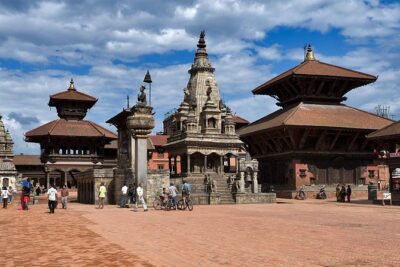
Private Bhaktapur and Nagarkot Day Tour From Kathmandu
Read our review →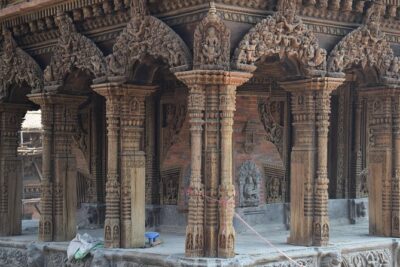
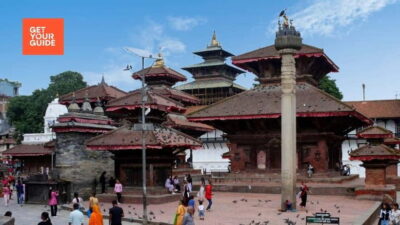
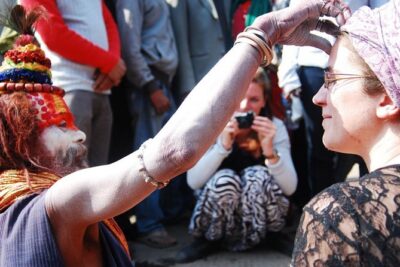
Kathmandu Spiritual Sites: Bodhnath & Pashupatinath Tour
Read our review →
Day Trip to Bhaktapur and Panauti from Kathmandu
Read our review →
Browse the lists this tour appears in