
Reviewed · TIBETAN CULTURE TOURS
Afternoon Tibetan cultural tour
The most memorable part of this Pokhara outing is the chance to move beyond Buddhist architecture and speak with people who live the tradition. Guide Thupten Gyatso explains Tibetan culture, exile, education, and religion in clear English, then arranges time with a young monk and a Tibetan family.
I like the small group limit of eight, which leaves room for real questions, and I like the food stop: salted butter tea, tsampa, and Tibetan bread are not token samples but part of a conversation about daily life. The main drawback is that four hours goes quickly, especially if you want time for every question.
This is a thoughtful cultural tour, not a checklist of Pokhara sights. You will walk, listen, taste, and sit through Buddhist prayers. Pick it if you want context and conversation more than dramatic scenery or fast entertainment.
Key points at a glance
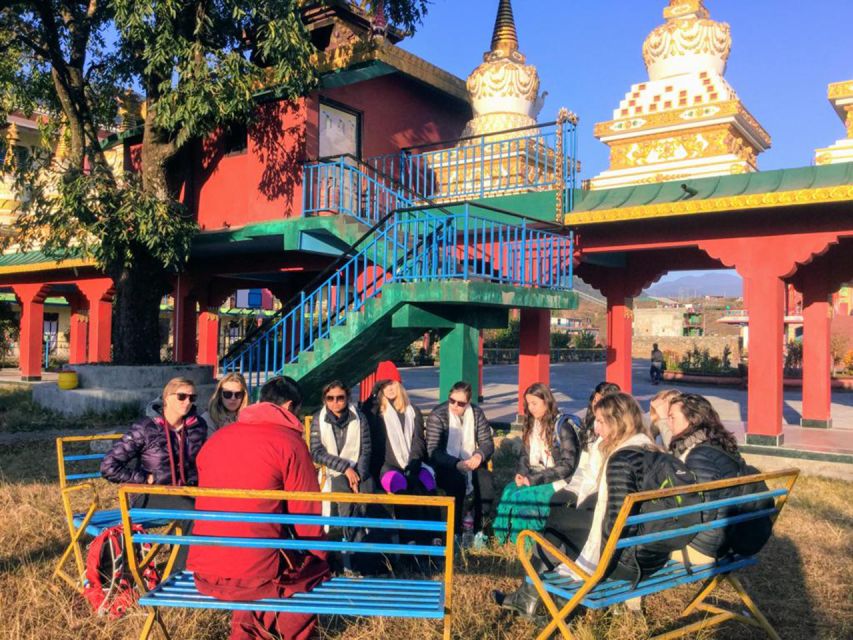
- Meet a young monk: Ask about monastic study, daily routines, vows, and Buddhist philosophy at Pema Ts’al Sakya Monastic Institute.
- Hear live afternoon prayers: At another monastery, you listen to chanting and instruments rather than simply photographing the building.
- Visit Tashi Palkhel settlement: Learn how Tibetan people in Nepal preserve language, identity, education, and religious practice.
- Try a proper Tibetan snack: Salted butter tea, tsampa, homemade bread, honey, butter, and peanut butter are served in a local family home.
- Travel in a small group: The tour is limited to eight people, with pickup and return around Pokhara’s Lakeside area.
- Pay for substance: At $56 per person, the cost covers transport in the Lakeside zone, a guide, monastery visits, food tasting, and access to conversations that are difficult to arrange alone.
Why this four-hour tour feels different
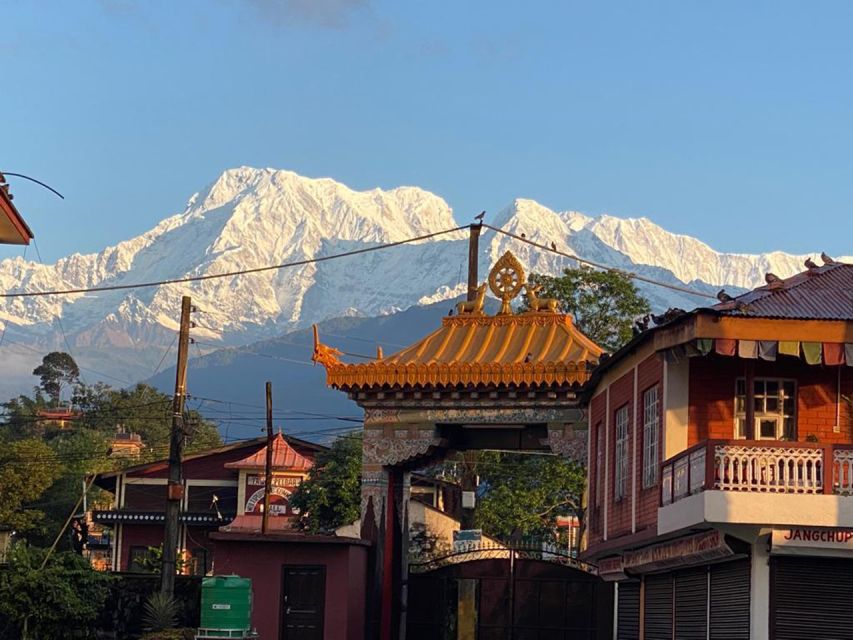
Pokhara is famous for mountain views, lake walks, and adventure sports. Those are good reasons to visit, but they can leave you knowing little about the Tibetan communities living near the valley. This tour fills that gap with a direct, human-scale introduction to Tibetan life in Nepal.
I would think of it as an afternoon class held in several real places. You learn beside prayer wheels, in a monastery, on village lanes, and at a family table. Thupten does much of the connecting work, explaining why an object matters rather than asking you to admire it without context.
The subject is not only religion. You also hear about Tibetan identity outside Tibet, the adjustment to life in Nepal, education, the Dalai Lama, and the ways families and monasteries protect their language and customs. That wider view gives the tour weight without turning it into a political lecture.
The tone depends heavily on Thupten. His background as a Tibetan native gives the discussions a personal center, and his English is described as clear and fluent. He is particularly good for visitors who want to ask questions instead of simply follow a guide holding up facts.
Other Tibetan sites around Pokhara:
- Full-Day Tibetan Cultural Tour to Tibetan Settlements Pokhara
★ 5.0 · 184 reviews - Afternoon Tibetan Cultural Tour to Tibetan Settlements Pokhara
★ 5.0 · 106 reviews - Morning Tibetan cultural tour to Tibetan settlements Pokhara
★ 5.0 · 66 reviews
Starting from Lakeside and heading to Pema Ts’al
Pickup is provided from hotels around Pokhara’s Lakeside area. The drive begins the tour in a useful way, since Thupten talks about Tibetan culture, Buddhism, and refugee life while you are on the road rather than waiting until the first stop.
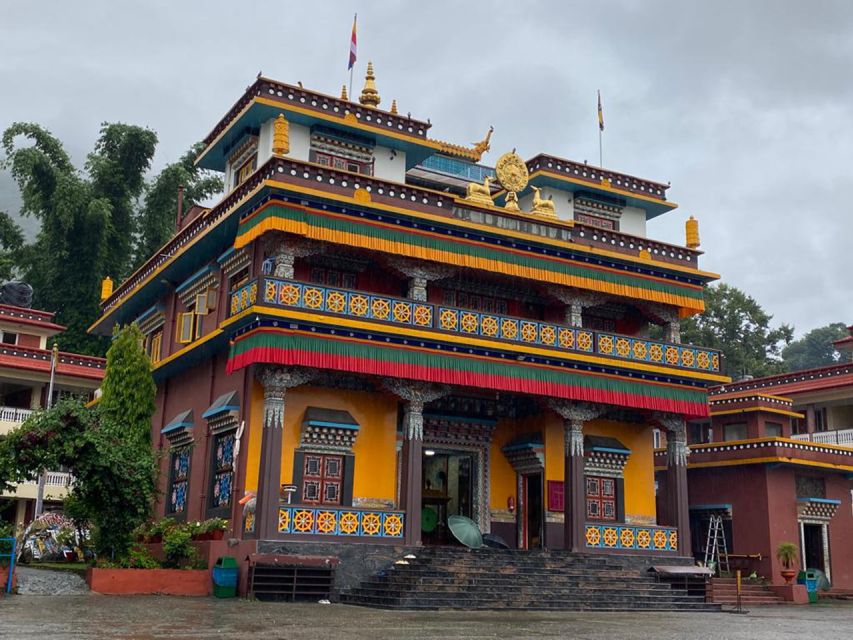
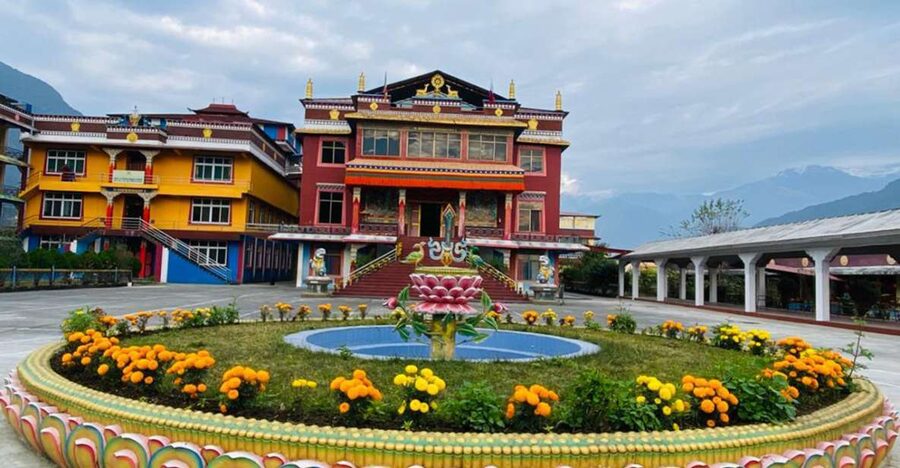
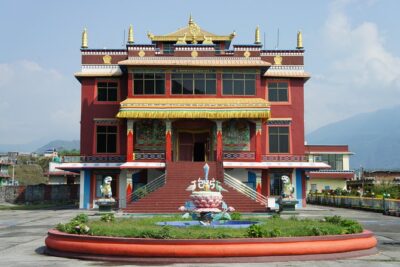
The first main visit is Pema Ts’al Sakya Monastic Institute, reached by a scenic drive. The stop lasts about an hour and includes a guided visit, walking, sightseeing, and time for photographs.
Here, the details matter. Thupten explains Buddhist symbols such as prayer wheels, prayer flags, stupas, and butter lamps. You learn why people walk clockwise around sacred objects and how these signs relate to ordinary religious practice.
The monastery visit is not designed as a silent photo stop. Its value comes from the explanation of what you are seeing. Without that help, a prayer wheel can look like a decorative cylinder and a stupa can seem like another unusual building. With context, the objects become part of a working belief system.
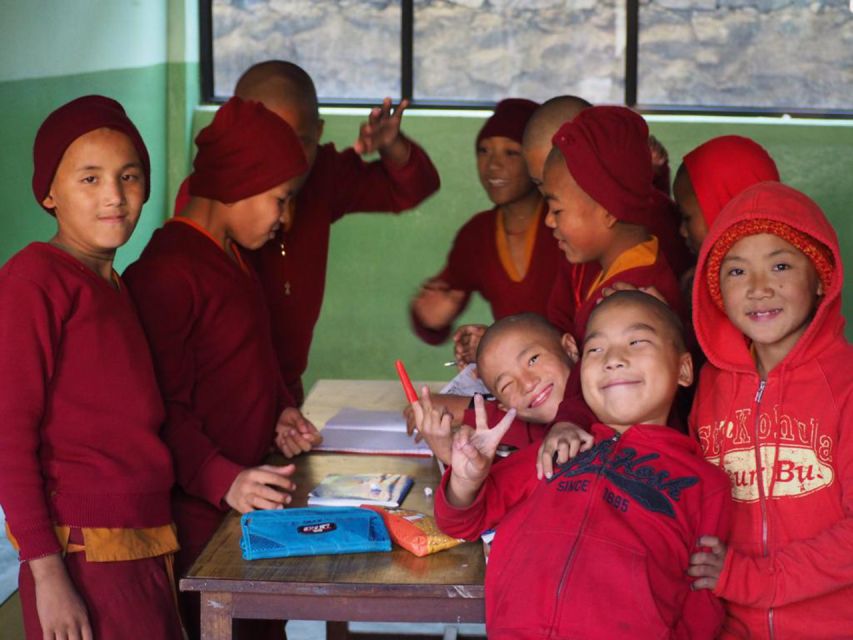
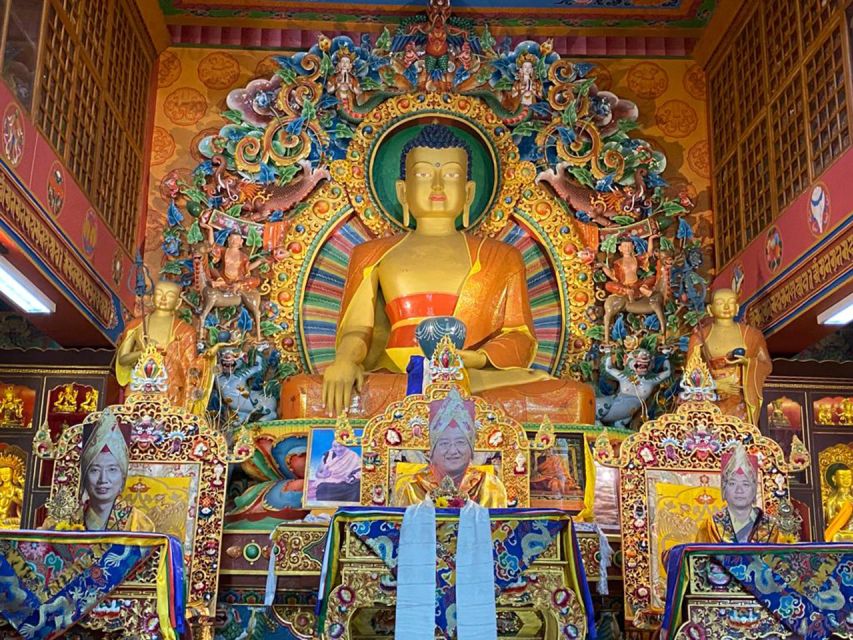
The most personal part of this stop is the conversation with a young Buddhist monk. You can ask about monastic life, studies, daily activities, and Buddhist teachings. Visitors have found the discussion especially meaningful because the monk speaks about his own life rather than presenting a formal talk.
Some questions may lead into Buddhist philosophy, debate, discipline, and education. One detail that may interest you is that philosophical debate is part of a monk’s studies. If you are curious, this is the moment to ask how that learning fits into the rhythm of monastery life.
Tashi Palkhel and the story of Tibetan life in Nepal
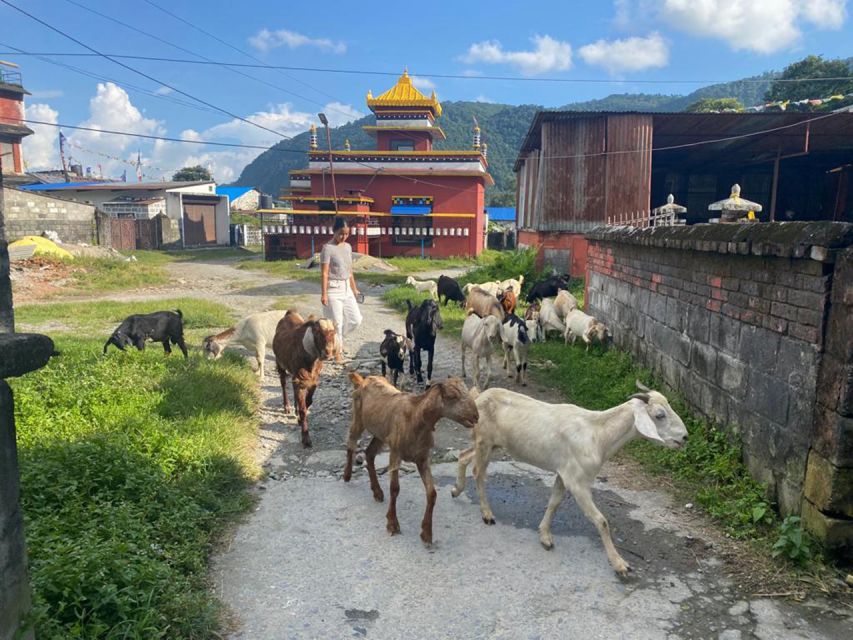
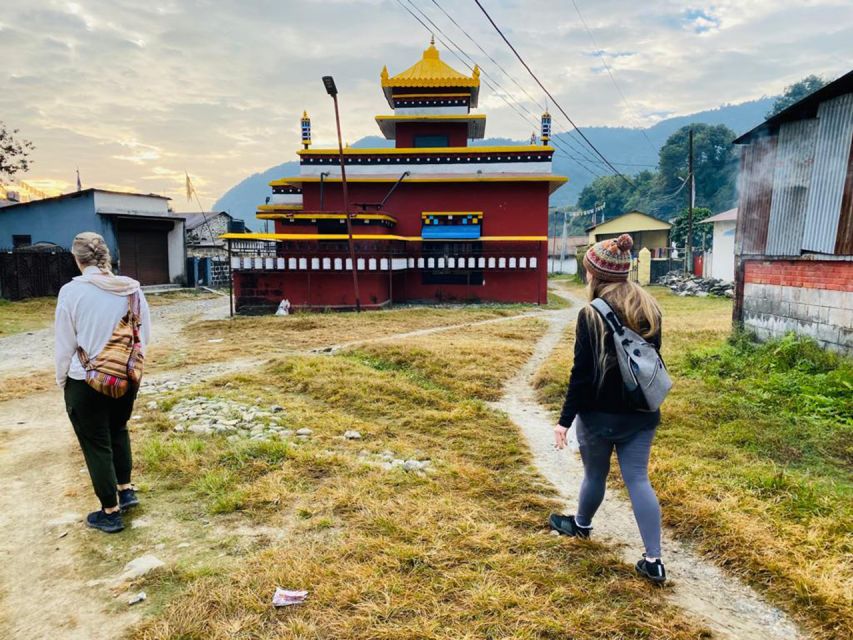
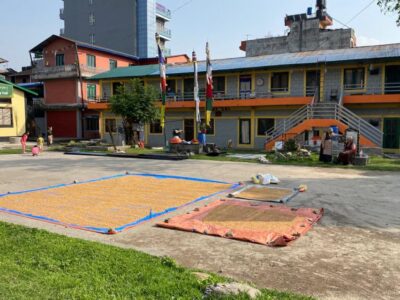
The tour then continues to Tashi Palkhel Tibetan Settlement, where you spend about two hours. This is the longer stop, with walking, a guided visit, local views, food tasting, tea, and time in a Tibetan family home.
A settlement visit gives you a better sense of community than a stand-alone monastery can. Thupten explains how Tibetan people maintain language, Buddhist customs, and a shared identity while living in Nepal. You also learn about schools and the educational system, an important part of keeping culture alive across generations.
I appreciate that education receives attention here. A cultural tour can easily focus only on prayer flags, robes, and food. This one also asks how a community passes on language, belief, and history to young people.
As you walk, Thupten points out further Buddhist symbols and customs. You may see prayer wheels, flags, stupas, and other signs whose meaning is tied to daily behavior. You are encouraged to notice how people move through sacred spaces, including the custom of walking clockwise.
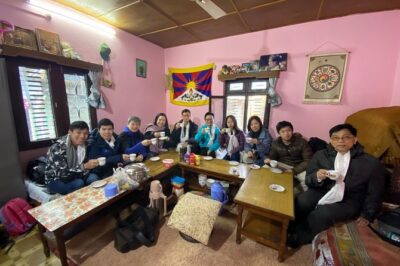
The settlement is also where the tour becomes more intimate. Instead of ending with a museum display or a restaurant meal, you visit a local Tibetan family home. This is a simple setting, but it gives you a chance to sit down, eat, and talk about the way of life in the settlement.
Listening to afternoon prayers at the monastery
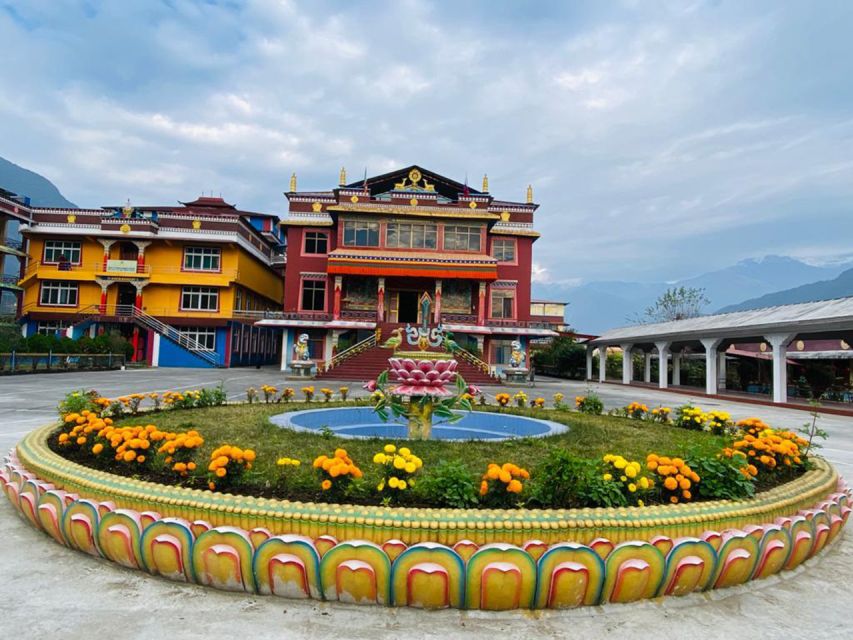
At another monastery, you attend afternoon group prayer chanting with the monks. The emphasis is on listening and observing. You hear voices joined with monastery instruments and feel the physical rhythm of the prayer session.
This is one of the quieter parts of the tour, so bring patience. It is not a performance arranged for entertainment. You are entering a religious practice and should follow Thupten’s guidance about respectful behavior and photography.
The chanting also helps explain why a monastery is more than an attractive building. You hear the place being used by its community. The sound, instruments, and repeated prayers show the daily side of Buddhism in a way that a brief explanation cannot.
If you have visited Buddhist sites elsewhere in Asia, you may notice differences in style and sound. The tour does not claim that every Buddhist tradition is the same. Instead, it gives you a chance to compare what you hear in Tibetan monasteries with practices you may have encountered in Nepal or other parts of Asia.
A few more things to do in Pokhara worth a look
- Half Day Tibetan Cultural tour Pokhara
★ 5.0 · 36 reviews - Morning Half Day Tibetan cultural tour to Tibetan Settlements
★ 5.0 · 26 reviews - Full Day Tibetan Cultural Tour
★ 5.0 · 12 reviews - Half day Tibetan cultural tour
★ 5.0 · 4 reviews
Butter tea, tsampa, and Tibetan bread
The family visit finishes the tour with traditional Tibetan food. You taste salted butter tea, tsampa made from roasted barley flour, and homemade Tibetan bread served with honey, butter, and peanut butter.
Butter tea may surprise you. It is salty rather than sweet, with a savory, buttery taste. I would approach it as a cultural experience rather than a drink chosen for universal appeal. You may like it immediately, or you may need a few sips to understand it.
Tsampa is another useful introduction to Tibetan food. Made from roasted barley flour, it is tied to everyday life and is often eaten in a simple form. The bread and spreads make the tasting easier for anyone who is cautious about unfamiliar flavors.
The food matters because it gives the conversation a practical center. You are not only hearing how people preserve culture. You are tasting one small part of that culture in a home setting, with Thupten explaining the food and the family’s way of life.
Food is also the place where the tour feels least formal. You can ask questions while sitting down, and discussions may range from recipes to refugee life, the Dalai Lama, education, and the effort to maintain identity in Nepal.
What Thupten adds to the experience
The tour is built around Thupten’s ability to explain his own heritage. He discusses Tibetan religion and history, but he also links those subjects to personal stories and present-day life.
His strongest quality is his enthusiasm for questions. You are not limited to a fixed speech. The discussion can move from Buddhist symbols to monastic education, then to the challenges Tibetan people faced while adapting from high mountain regions to Nepal.
That personal element is why I would choose this tour over a basic cultural walk. A general guide can explain what a prayer flag means. A Tibetan guide can also explain why these practices continue to matter to people living away from Tibet.
The tour may be especially useful if you know little about Tibet before arriving. It gives you enough background to understand what you are seeing without expecting you to read a book first. If you already have a strong interest in Tibetan Buddhism, you will likely appreciate the chance to ask more specialized questions directly.
Price, timing, and practical details
The price is $56 per person for four hours. That is not the cheapest afternoon activity in Pokhara, but the value is fairly clear: you receive round-trip pickup in the Lakeside area, an English-speaking Tibetan guide, visits to two monasteries, a settlement walk, a monk conversation, prayer chanting, food tasting, mineral water, and local snacks.
Much of the value lies in access. You could perhaps visit a monastery independently, but arranging a respectful conversation with a monk and a family meal would be much harder. Thupten also supplies the cultural framework that makes the separate stops connect.
Pickup and drop-off are included only for hotels around Lakeside. If your hotel is outside that area, an extra transport fee applies based on its location. Check this before booking so the final price is clear.
The tour runs for about four hours, with starting times depending on availability. Since the prayer session and family visit are central parts of the experience, I would avoid treating the afternoon as a tight connection between other activities.
The group is limited to eight participants. That is small enough for questions and conversation, though the exact feel will depend on how many people join your departure. You should expect walking at the monastery and settlement, so comfortable shoes are sensible.
The experience is not suitable for children under five or wheelchair users. That information is important because the tour includes walking and visits to religious and residential places rather than a purpose-built attraction with full accessibility features.
Free cancellation is available up to 24 hours before the tour, and you can reserve while paying later. Those policies are useful if your Pokhara schedule depends on weather or changing trekking plans.
Who should book this cultural experience
I would recommend it most strongly to you if you enjoy asking questions, listening carefully, and learning how religion shapes daily life. It suits solo visitors and couples particularly well because the small group format leaves room for conversation.
It is also a good choice if you want a break from Pokhara’s usual adventure menu. You will not be zip-lining, boating, or climbing during these four hours. You will be sitting, walking, listening, and tasting.
Families with very young children should choose another activity, since children under five cannot join. Older children may find the monk conversation and prayer session interesting, but the tour is clearly designed for people who can stay engaged with cultural explanation.
You should also know that this is not a quick photo tour. The focus is Tibetan culture, Buddhist practice, Tibetan education, and the lives of refugees in Nepal. If you prefer constant movement or dramatic viewpoints, the pace may feel slow.
On the other hand, if you leave Pokhara wanting to understand the people behind the symbols, this is exactly the kind of afternoon that can change how you see the rest of your Nepal trip.
Should you book the Tibetan cultural tour?
Book it if you want a personal introduction to Tibetan life near Pokhara, especially if speaking with a monk, hearing live prayers, and sharing food in a family home appeal to you. Thupten’s role is central, and the tour works best when you arrive ready to ask questions rather than simply collect photographs.
At $56, the tour offers good value for a four-hour experience because the cost includes transport within Lakeside, food, monastery visits, and access to people and places you would not easily arrange alone. The limitation is time: the afternoon can feel short, and anyone wanting a slower visit may wish to ask about a longer option.
My practical verdict is simple. Choose this tour for insight, conversation, and a respectful look at Tibetan culture in Nepal. Skip it only if your priority is scenery, physical activity, or a fast-moving sightseeing schedule.
FAQ
How long does the Tibetan cultural tour last?
The tour lasts about four hours, including transportation from the Lakeside area, monastery visits, the settlement visit, prayer chanting, and the family food tasting.
Where does pickup take place?
Pickup and drop-off are provided for hotels located around Pokhara’s Lakeside area. An additional transportation fee applies for hotels outside that area, depending on the hotel’s location.
Which places are included in the tour?
The tour visits Pema Ts’al Sakya Monastic Institute and Tashi Palkhel Tibetan Settlement near Pokhara Valley. It also includes another monastery visit for afternoon prayer chanting and a local Tibetan family home.
Will I speak with a Buddhist monk?
Yes. The experience includes a conversation with a young Buddhist monk about monastic life, studies, daily activities, and Buddhist practice.
What food and drink are included?
You taste traditional salted butter tea, tsampa made from roasted barley flour, and Tibetan homemade bread served with honey, butter, and peanut butter. Mineral water is also included.
Is the tour conducted in English?
Yes. The live tour guide language is English, and the guide is Thupten Gyatso.
Can I cancel the booking?
You can cancel up to 24 hours in advance for a full refund. You can also reserve now and pay later.
Just added in Pokhara
- Tandem Paragliding in Pokhara★ 4.8 · 8 reviews
- Seti George and Thrilling Suspension Bridge Tour at Pokhara★ 4.5 · 3 reviews
- Pokhara: Suspension Bridge Private Tour- 30 Min Village Walk★ 4.8 · 9 reviews
- Pokhara: Visit Best Seven Tourist Destination by Sharing Bus★ 3.4 · 10 reviews
- Pokhara: Sunrise Tour to Sarangkot★ 5.0 · 3 reviews
- Pokhara Sightseeing By Bus: Day Trip★ 4.6 · 7 reviews
- Pokhara Sightseeing By Bus – Day Trip★ 3.2 · 8 reviews
- Pokhara Sarangkot : Cable Car (Himalayas) Sunrise Tour★ 5.0 · 6 reviews
Tibetan Culture Tours, compared.
Full-Day Tibetan Cultural Tour to Tibetan Settlements Pokhara
Read our review →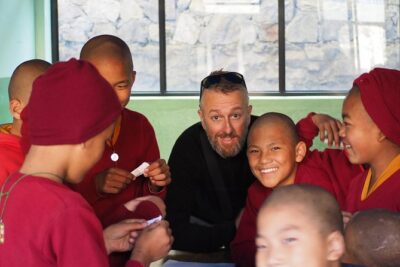
Afternoon Tibetan Cultural Tour to Tibetan Settlements Pokhara
Read our review →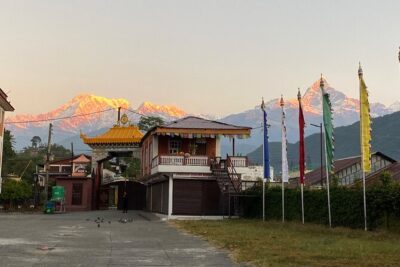
Morning Tibetan cultural tour to Tibetan settlements Pokhara
Read our review →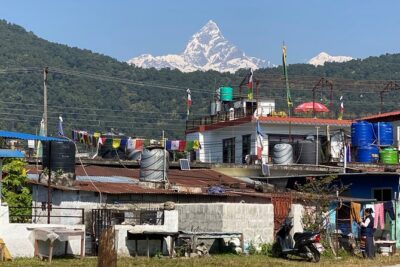
Morning Half Day Tibetan cultural tour to Tibetan Settlements
Read our review →
Browse the lists this tour appears in