
Reviewed · TIBETAN CULTURE TOURS
Pokhara: Private Half-Day Tour and Tibetan Culture Tour
Pokhara’s most interesting sights sit close together on the city’s south side, and this private three-hour outing links mountain history, a waterfall, a Shiva shrine, and Tibetan culture in one compact trip. The cave opposite Devi’s Falls is the real surprise: it is not just a rock passage, but a Hindu pilgrimage site with a shrine inside.
I like the one-car private format, since you can set the pickup time and move at your own pace. I also like the mix of places: the Mountain Museum gives context to Nepal’s peaks, while the Tibetan community offers a look at daily culture beyond the usual lakeside circuit. The main caution is value. At $24 per person, you still pay entrance fees separately, and some bookings have delivered closer to two hours than the advertised three.
Key points to know before booking
- Four distinct stops in a short circuit: The Mountain Museum, Devi’s Falls, Gupteshwor Mahadev Cave, and the Tibetan Refugee Camp are all included.
- Private transport and hotel pickup: An air-conditioned vehicle collects and returns you within Pokhara city limits.
- The cave is a religious site: Expect uneven ground, rock formations, and a shrine dedicated to Lord Shiva.
- Tibetan culture is more than shopping: You visit a monastery, learn about local traditions, and have time at a handicraft center.
- Entrance fees are extra: The $24 price covers transport, guiding, and water, not admission tickets.
- Guide quality matters: Prakash, Rajkumar Lamichhane, and Kiran have earned especially warm praise, but some bookings have felt more like a taxi ride than a guided tour.
What this Pokhara half-day tour actually covers
This is a sightseeing circuit for someone who wants several of Pokhara’s main attractions handled in one private vehicle. Pickup and drop-off are available in Pokhara Lakeside and Pokhara, with hotel service within the city limits.
The published duration is three hours. The planned visits add up to about three hours and 25 minutes before allowing much time for traffic or transfers, so the schedule is tight. A 60-minute museum visit, 30 minutes at the falls, 10 minutes walking to the cave, an hour in the cave area, and 45 minutes at the Tibetan camp leave little room for delays.
That timing matters. You will see a good cross-section of Pokhara, but this is not a slow cultural day with long conversations at every stop. I would treat it as a focused introduction, especially useful on a first day in town or during a short stay.
The strongest version of the experience depends on the guide. Prakash has been praised for careful driving, local information, and taking good photographs. Rajkumar Lamichhane has been singled out for allowing time for pictures and explaining less obvious parts of the city. Kiran has also been praised for making the visit informative and enjoyable.
At the same time, guide service has not been consistent. Some people have found the driver friendly but light on explanations, with limited English communication. You should book this as a private transport and sightseeing service with guiding included, not as a full academic tour of Pokhara.
Other Tibetan sites around Pokhara:
- Full-Day Tibetan Cultural Tour to Tibetan Settlements Pokhara
★ 5.0 · 184 reviews - Afternoon Tibetan Cultural Tour to Tibetan Settlements Pokhara
★ 5.0 · 106 reviews - Morning Tibetan cultural tour to Tibetan settlements Pokhara
★ 5.0 · 66 reviews
The International Mountain Museum sets the scene
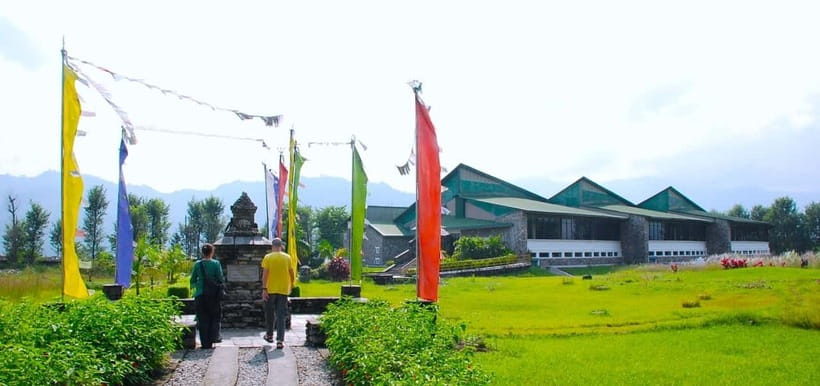
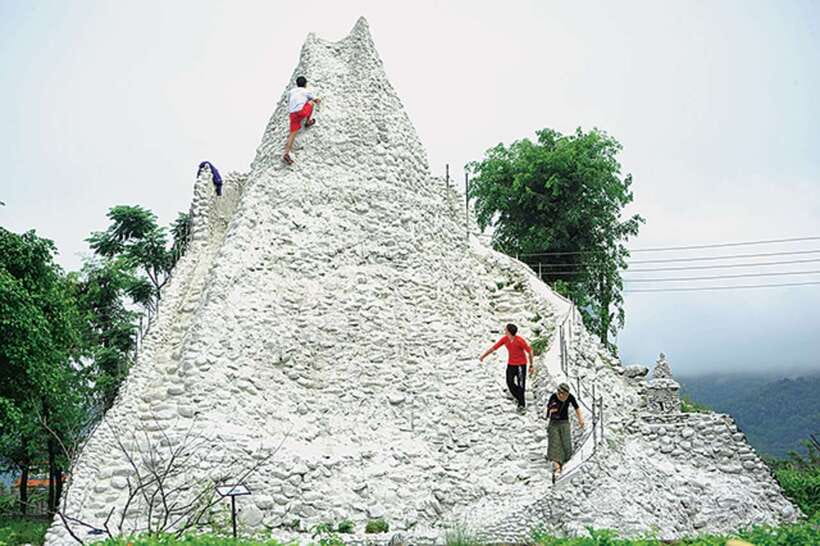
The first stop is the International Mountain Museum, with about an hour for a guided visit. This is the most useful place on the route for understanding why Pokhara is such an important base for Himalayan travel.
Inside, you can expect displays about the Himalayan mountains, mountaineering, climbing history, and the cultures of mountain communities. The museum helps turn distant peaks into real places with human stories, not just dramatic scenery in a photograph.
I like starting here because it gives the rest of the outing some context. The Tibetan community visit later in the day feels more meaningful when you have already considered the people and cultures connected to the high mountain region.
The drawback is time. An hour allows a brisk look, not a close reading of every exhibit. If you have a strong interest in mountaineering, you may want to return independently for a longer visit. Also remember that admission is not included in the tour price.
The scenic drive between stops is part of the experience, though the supplied schedule does not promise a special city tour or mountain-view stop. You may get attractive views along the way, but the main value here is the museum itself and the guide’s explanation.
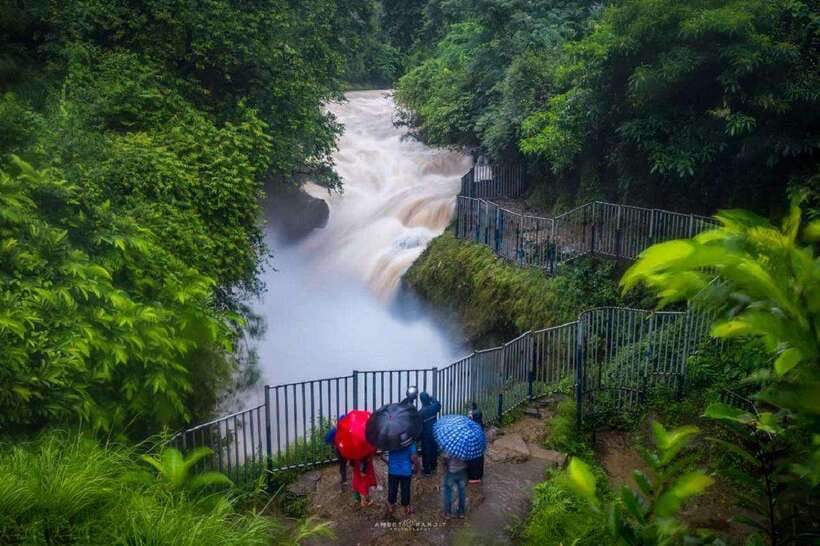
Devi’s Falls is short, dramatic, and easy to photograph
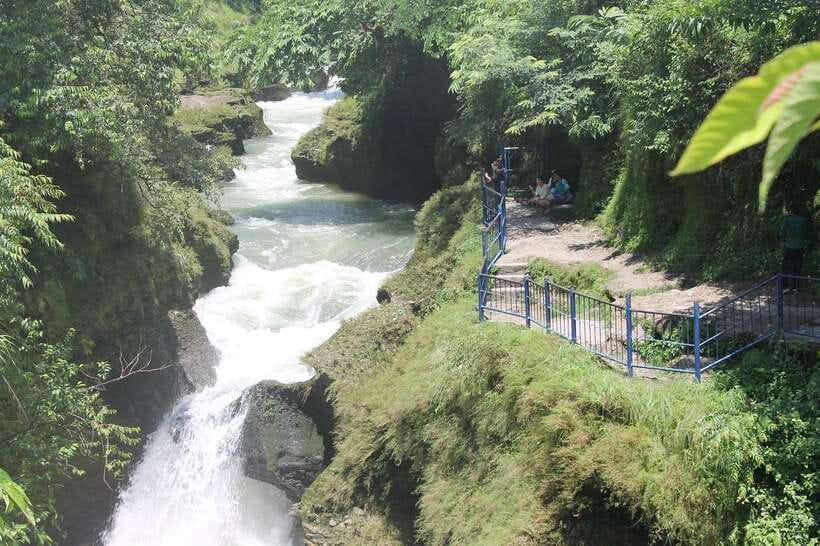
The next stop is Devi’s Falls, locally known as a powerful waterfall with an unusual underground flow. The planned visit lasts about 30 minutes, making this mainly a photo stop with a brief guided explanation.
The falls are interesting because the water disappears below ground rather than simply running into an open river channel. That gives the site a slightly mysterious character, especially when paired with the sacred cave directly across the road.
Half an hour is usually enough for a look, photographs, and a quick walk around the viewing area. You do not need to plan a major hike here. Wear shoes with a decent grip, though the information provided does not describe the route as difficult.
The short visit can feel rushed if you want a lot of photographs or if the area is busy. Since the tour is already tightly timed, ask your guide at the start how long you will have at each stop. That simple conversation can prevent disappointment later.
The entrance fee is extra. This is one reason the $24 headline price needs careful reading. The tour pays for the vehicle, guide, bottled water, and pickup service, but your total cost rises with every admission ticket.
Gupteshwor Mahadev Cave adds a religious dimension
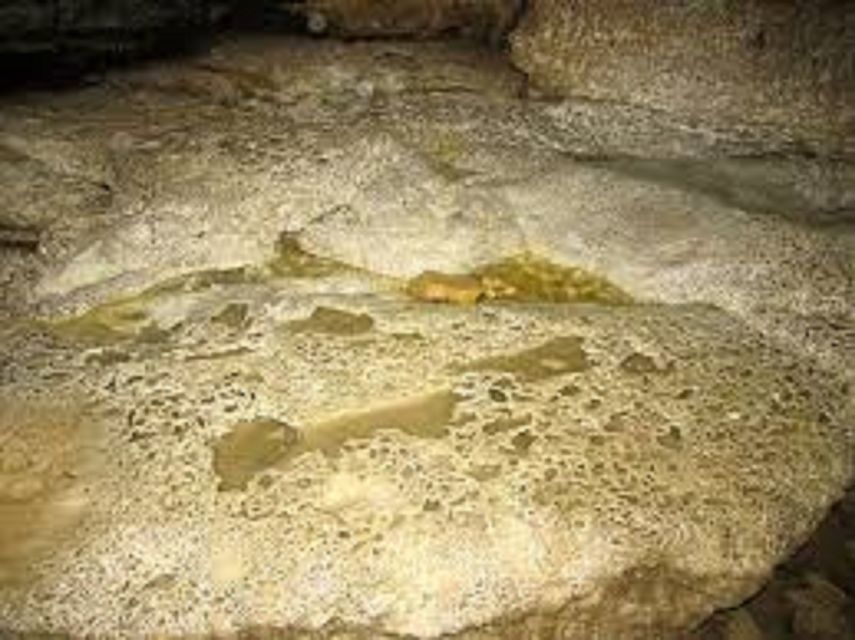
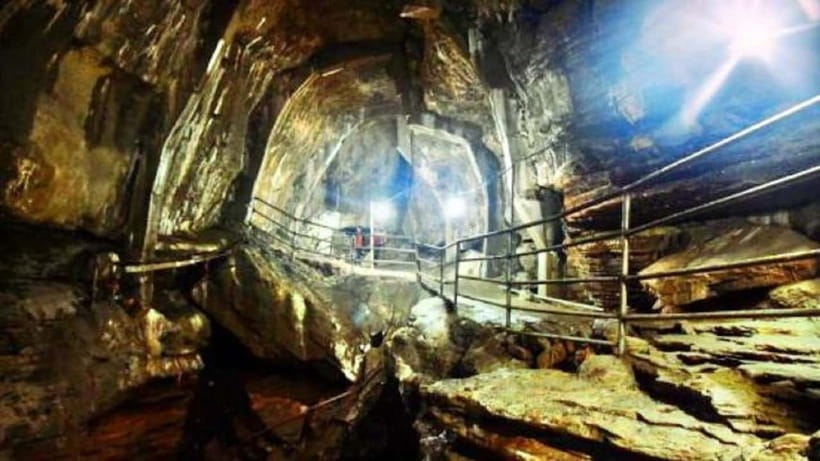
From Devi’s Falls, you walk for about 10 minutes to Gupteshwor Mahadev Cave. Its position opposite the waterfall makes the pairing practical, since you do not need another vehicle transfer.
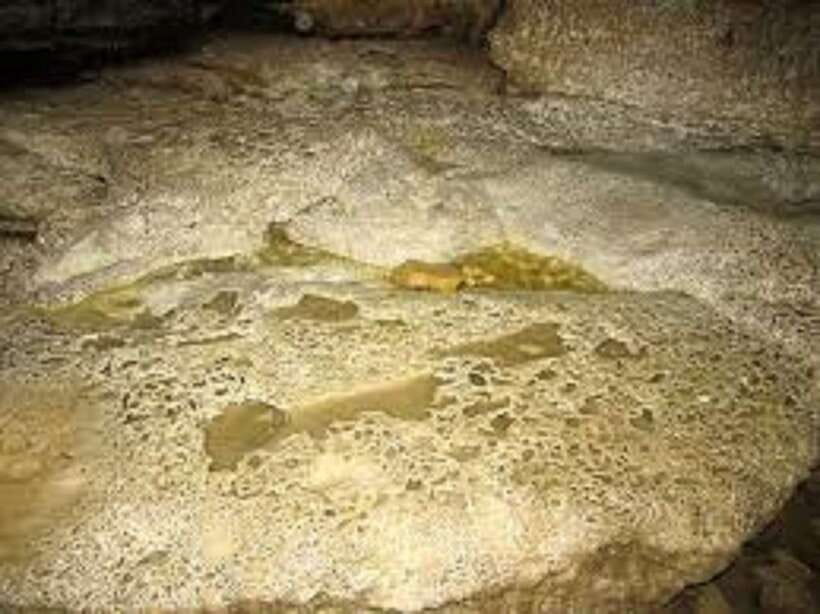
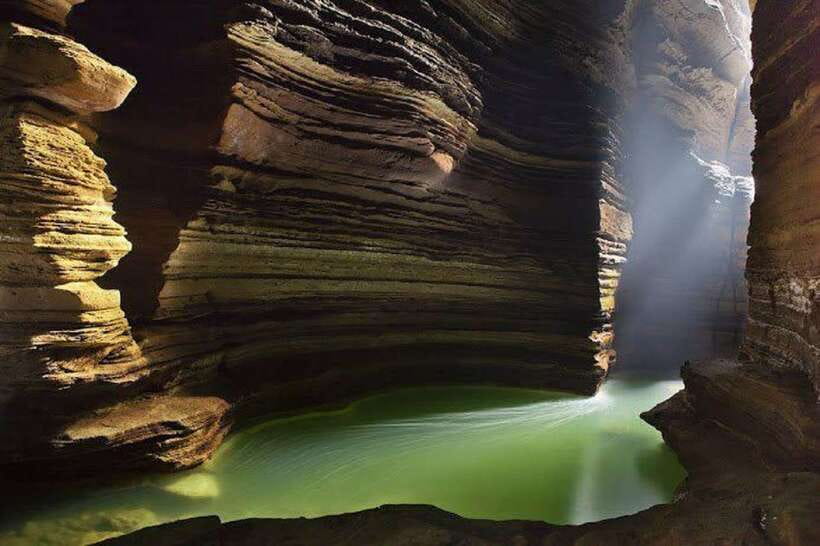
The cave contains rock formations and a shrine dedicated to Lord Shiva. It is an active sacred place, not simply a geological attraction, so you should approach it with the same respect you would show at any Hindu temple.
The planned visit lasts an hour. That gives you more time than at the falls and allows the guide to explain the religious importance of the cave. One especially memorable detail is the temple inside, which can come as a surprise if you expect only a dark passage and rocks.
The cave may not suit everyone. The ground can be uneven, and the setting is more enclosed than the other stops. Bring your passport or another form of identification as requested for the activity, and wear practical footwear. The tour information does not give an accessibility rating, so anyone with mobility concerns should ask the operator before booking.
This is also where a private guide can add real value. A driver who only points toward the entrance leaves you to work out the meaning of the shrine yourself. A guide who explains the worship and local customs turns a quick stop into a more respectful visit.
A few more things to do in Pokhara worth a look
- Upper Seti: Half-Day White Water Adventure
★ 5.0 · 87 reviews - Half-Day Private Pokhara Tour
★ 5.0 · 27 reviews - Private Half-Day Chandragiri Cable Car Tour in Kathmandu
★ 5.0 · 155 reviews - Namo Buddha and Thrangu Tashi Yangtse Monastery Half-Day Tour
★ 5.0 · 24 reviews
The Tibetan Refugee Camp offers culture and shopping
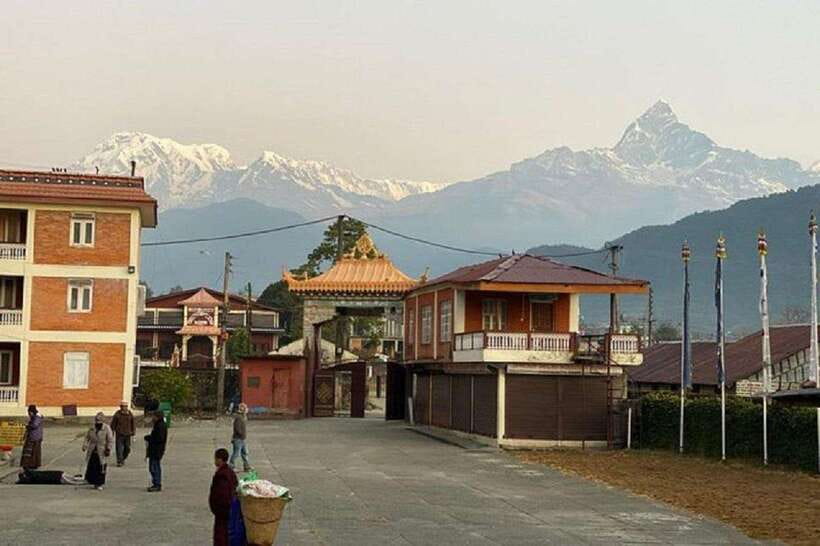
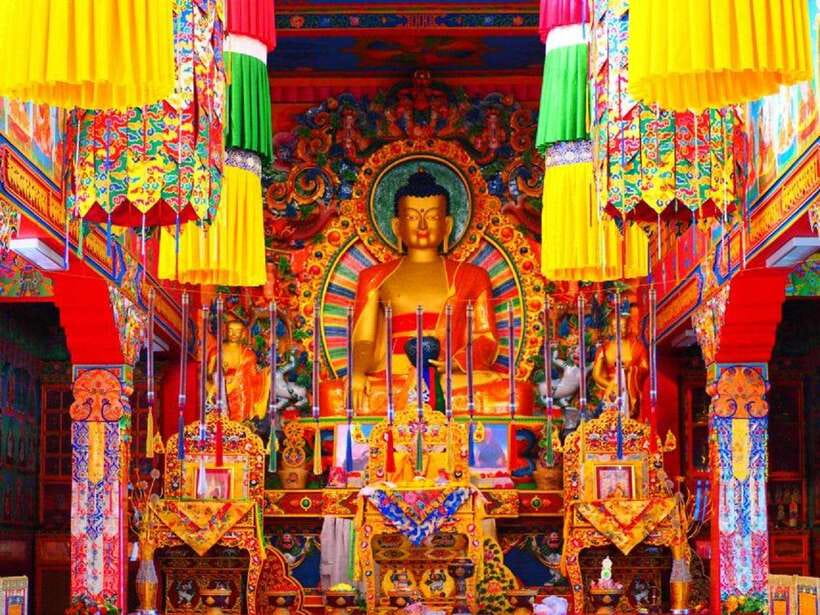
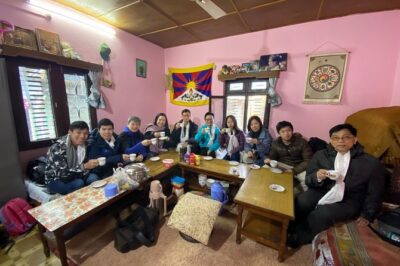
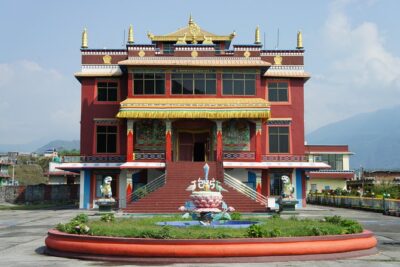
The final major stop is a Tibetan refugee camp in Pokhara, with about 45 minutes for a guided visit, walking, free time, and shopping. The program includes a Tibetan monastery and a handicraft center where you can browse Tibetan artifacts and souvenirs.
This part gives the outing its clearest cultural focus. You are not only looking at scenery or museum displays. You have a chance to learn about Tibetan traditions and the community’s history, then see some of the crafts connected with that culture.
The 45-minute allocation is enough for a compact visit, but not a long conversation with residents or an extended monastery stay. If cultural contact is your main reason for booking, tell the guide at the beginning. You may be able to protect more time here by keeping the waterfall stop brief.
Shopping is optional, and personal purchases are not covered. I would treat the handicraft center as a chance to see local work first, then decide if you want anything. The tour description does not guarantee a particular item, price, or shopping experience, so avoid booking solely for a specific souvenir.
A visit to a religious community also calls for modest, respectful behavior. The supplied information does not list a dress code, but covering up appropriately and following instructions at the monastery is sensible.
How good is the $24 value?
The advertised price is $24 per person, which looks appealing for a private tour with transport. You receive an air-conditioned vehicle, hotel pickup and drop-off within Pokhara city limits, an English- or Hindi-speaking guide, and bottled water.
For two or more people, the private format can be convenient. You avoid arranging several taxi rides, and you can coordinate pickup through WhatsApp, an option that has proved useful for changing the start time. The driver’s flexibility has been a positive part of the experience for some bookings.
But the headline price does not include admission to any of the attractions. You also pay for food, snacks, drinks beyond the supplied water, and souvenirs. If you calculate the total before booking, include every entrance charge rather than assuming the $24 covers the complete day.
One particularly important warning concerns extra stops. An added visit to World Peace Pagoda was reportedly offered for another $30, even though the original tour finished earlier than expected. I would ask about optional additions and their price before setting out. Do not assume that unused time automatically converts into another attraction.
The value is strongest if you want convenience and a private car. It is weaker if you are comfortable using Pokhara’s inexpensive taxis or scooters and prefer to pay only for the attractions you choose. Since the main stops are close to one another, independent sightseeing can be a reasonable alternative for confident visitors.
Duration is the biggest practical concern
The official duration is three hours, but some bookings have lasted only about two hours. That is a serious difference on a half-day tour, especially when you are paying separately for admissions.
The planned schedule itself is compact. The museum and cave each receive about an hour, while the falls receive 30 minutes and the Tibetan community 45 minutes. Add the 10-minute walk between the falls and cave, plus driving and pickup, and the day needs careful management.
I would confirm three details by message before booking:
- The exact pickup time and expected finish time
- Which entrance fees you should budget for
- How much time the guide plans to spend at each stop
A private tour should give you some control, but that does not mean every request is included. Clear questions before departure are especially important if you want a longer museum visit, more time at the Tibetan monastery, or an added attraction such as World Peace Pagoda.
Transport, language, and guide style
The vehicle is air-conditioned and private, with hotel pickup and drop-off within Pokhara city limits. That is useful in warm weather and saves you from arranging several short rides between the museum, waterfall, cave, and Tibetan camp.
Live guiding is offered in English and Hindi. The experience can be very good when the guide explains the places rather than simply driving between them. Prakash has been praised for safe, considerate driving and local knowledge, while Rajkumar Lamichhane has been praised for his patience and help with photographs.
Do not assume every guide will provide the same level of commentary. Some English communication has been described as difficult, and some explanations as vague. If local culture and history are important to you, state that clearly at pickup and ask direct questions at each stop.
The private format also makes the tour suitable for different energy levels. You can ask for a slower pace at the cave or more time for pictures, although the tight schedule may limit what the guide can offer. The tour is offered for private groups, not as a large shared coach outing.
What to bring and how to prepare
Bring your passport or ID card, as requested in the activity information. Bottled water is provided, but you should plan separately for meals and snacks because none are included.
Wear comfortable shoes for the walk from Devi’s Falls to Gupteshwor Mahadev Cave and for the cave visit itself. Bring a camera if you want photographs, especially at the waterfall, cave entrance, and Tibetan community.
Keep some room in your budget for admission charges and personal purchases. The tour description does not give the exact entrance fees, so ask for the current total before you go rather than relying on the $24 figure alone.
Free cancellation is available up to 24 hours before the activity for a full refund, and you can reserve while paying later. Those terms are useful if your Pokhara plans may shift, but they do not change the need to confirm the actual tour length.
Who will enjoy this private Pokhara circuit?
I would recommend it to you if you want a short introduction to several major sights, prefer a private car, and value hotel pickup over arranging local transport yourself. It also suits a first visit when you want a guide to connect nature, religion, mountain culture, and Tibetan traditions.
It is a good fit for people who want flexibility with pickup time and help taking photographs. The strongest guide experiences have come from Prakash, Rajkumar Lamichhane, and Kiran, so it is reasonable to request one of them if the operator can confirm availability.
I would be more cautious if you expect a full four-hour cultural tour, detailed interpretation at every stop, or entrance fees included in the price. You may also prefer independent sightseeing if you are comfortable with local taxis and want to choose your own pace.
Should you book it?
Book this tour if convenience is worth more to you than absolute lowest cost. The route is well chosen, the private vehicle is useful, and the combination of the Mountain Museum, Devi’s Falls, Gupteshwor Cave, and the Tibetan community gives you a solid overview of Pokhara beyond the lakefront.
Before paying, confirm that the service will last the full advertised three hours, ask for the guide’s name and language ability, and request the expected entrance costs. With a strong guide, this can be an enjoyable and efficient introduction to the city. With a weak one, you may end up paying mainly for a short taxi ride and ticket handling.
FAQ
How long does the tour last?
The stated duration is three hours. The planned visits include one hour at the International Mountain Museum, 30 minutes at Devi’s Falls, a 10-minute walk to Gupteshwor Mahadev Cave, one hour at the cave, and 45 minutes at the Tibetan Refugee Camp.
What attractions are included?
The tour visits the International Mountain Museum, Devi’s Falls, Gupteshwor Mahadev Cave, and the Tibetan Refugee Camp in Pokhara.
Are entrance fees included?
No. Admission fees for the attractions are not included in the $24 price and must be paid separately.
Is hotel pickup available?
Yes. Pickup and drop-off are provided within Pokhara city limits, including Pokhara Lakeside and Pokhara.
Is the tour private?
Yes. This is a private group experience with private transportation.
Which languages are available?
The live guide is available in English or Hindi.
Is food included?
No. Meals and snacks are not included. Bottled water is provided.
What should I bring?
Bring your passport or ID card. Comfortable footwear is also practical for the walk to the cave and the cave visit itself.
Can I cancel for a refund?
Yes. You can cancel up to 24 hours in advance for a full refund.
Just added in Pokhara
- Tandem Paragliding in Pokhara★ 4.8 · 8 reviews
- Seti George and Thrilling Suspension Bridge Tour at Pokhara★ 4.5 · 3 reviews
- Pokhara: Suspension Bridge Private Tour- 30 Min Village Walk★ 4.8 · 9 reviews
- Pokhara: Visit Best Seven Tourist Destination by Sharing Bus★ 3.4 · 10 reviews
- Pokhara: Sunrise Tour to Sarangkot★ 5.0 · 3 reviews
- Pokhara Sightseeing By Bus: Day Trip★ 4.6 · 7 reviews
- Pokhara Sightseeing By Bus – Day Trip★ 3.2 · 8 reviews
- Pokhara Sarangkot : Cable Car (Himalayas) Sunrise Tour★ 5.0 · 6 reviews
Tibetan Culture Tours, compared.
Full-Day Tibetan Cultural Tour to Tibetan Settlements Pokhara
Read our review →
Afternoon Tibetan Cultural Tour to Tibetan Settlements Pokhara
Read our review →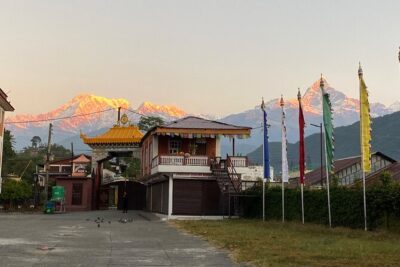
Morning Tibetan cultural tour to Tibetan settlements Pokhara
Read our review →
Morning Half Day Tibetan cultural tour to Tibetan Settlements
Read our review →
Browse the lists this tour appears in