
Reviewed · TIBETAN CULTURE TOURS
Full Day Tibetan Cultural Tour
The most interesting part of this Pokhara tour is its direct contact with Tibetan life in Nepal. You visit settlements, speak with a monk and a Tibetan doctor, watch carpets being made, and share food in a local home rather than simply stopping for photographs. Thupten Gyatso guides the day in English and explains the customs as you go.
I like two things especially: the chance to attend afternoon prayer chanting, and the simple food experiences, from momos and thenthuk to salted butter tea and tsampa. The group is limited to eight, which gives you room to ask questions and speak with the people you meet.
The main drawback is the full eight-hour schedule. It is built around learning and conversation, not a quick parade of sights, so it may feel slow if you want a relaxed sightseeing day or prefer to keep your afternoon free. Hotels outside Lakeside also cost extra for pickup.
Key points to know before booking
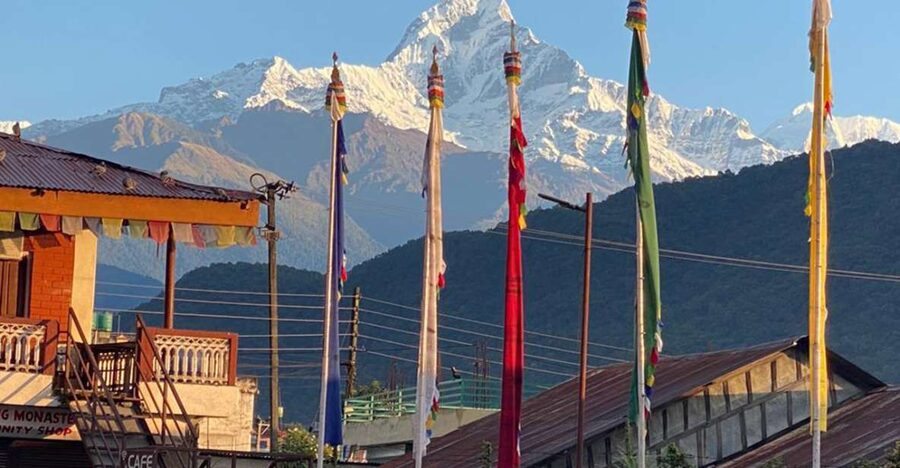
- Two Tibetan settlements: Compare life and community traditions at Tashiling and Hemja near Pokhara Valley.
- A real monastery visit: Attend afternoon chanting, hear the instruments, and speak with a young Buddhist monk.
- Food is part of the lesson: Try Tibetan momos, thenthuk, butter tea, tsampa, and Tibetan bread with spreads.
- See traditional work up close: Visit a hand carpet workshop, then browse the showroom designs and colors.
- Meet a Tibetan doctor: Learn how Tibetan medicine uses diagnosis and pulse reading. Medicines are sold separately.
- Best for curious adults: The tour suits people who want context, questions, and personal contact more than fast sightseeing.
Why this day adds something different to Pokhara
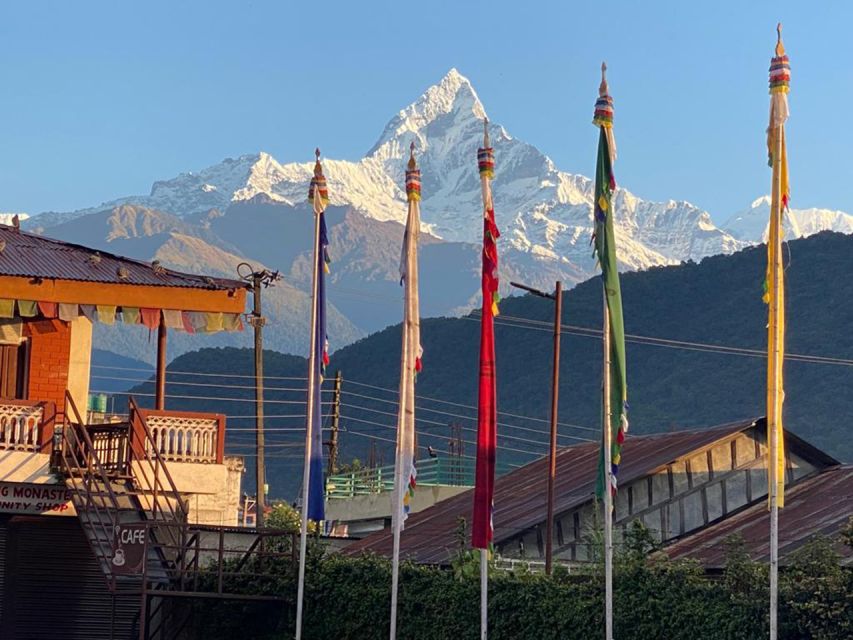
Pokhara is often used as a base for mountain walks and lake views. This tour takes you into a less familiar part of the area, where Tibetan communities have preserved language, Buddhist practice, food, crafts, and social traditions in Nepal.
That setting gives the day a clear purpose. You are not only looking at religious buildings or buying a carpet. You are learning how people maintain identity after displacement, how a monastery organizes daily life, and how cultural knowledge passes from one generation to the next.
Thupten Gyatso is central to the experience. He is Tibetan, lives in the region, and explains the symbols, customs, and refugee experience in English. His role is more than pointing out objects. He helps connect prayer wheels, carpets, medical practice, food, and family life into a picture you can understand.
The small group, capped at eight people, matters here. You can ask why a symbol is used, what a monk studies, or how Tibetan medicine approaches illness without waiting for a large crowd to move on. The day works best when you bring questions and allow time for answers.
Other Tibetan sites around Pokhara:
- Full-Day Tibetan Cultural Tour to Tibetan Settlements Pokhara
★ 5.0 · 184 reviews - Afternoon Tibetan Cultural Tour to Tibetan Settlements Pokhara
★ 5.0 · 106 reviews - Morning Tibetan cultural tour to Tibetan settlements Pokhara
★ 5.0 · 66 reviews
Morning at Tashiling Tibetan settlement
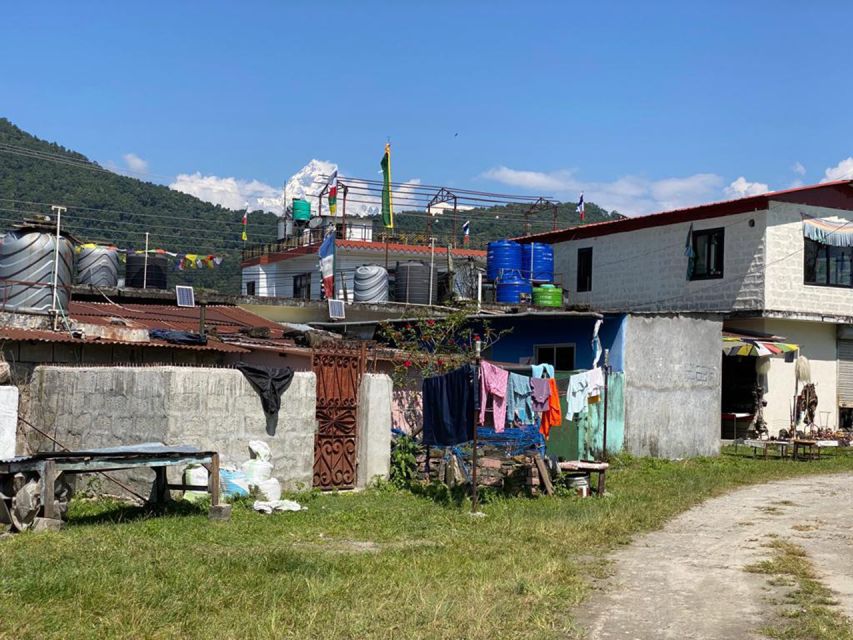
Pickup is provided around Pokhara’s Lakeside area. The first major stop is Tashiling Tibetan settlement, where you spend about four hours with time for walking, sightseeing, food, drinks, and conversation.
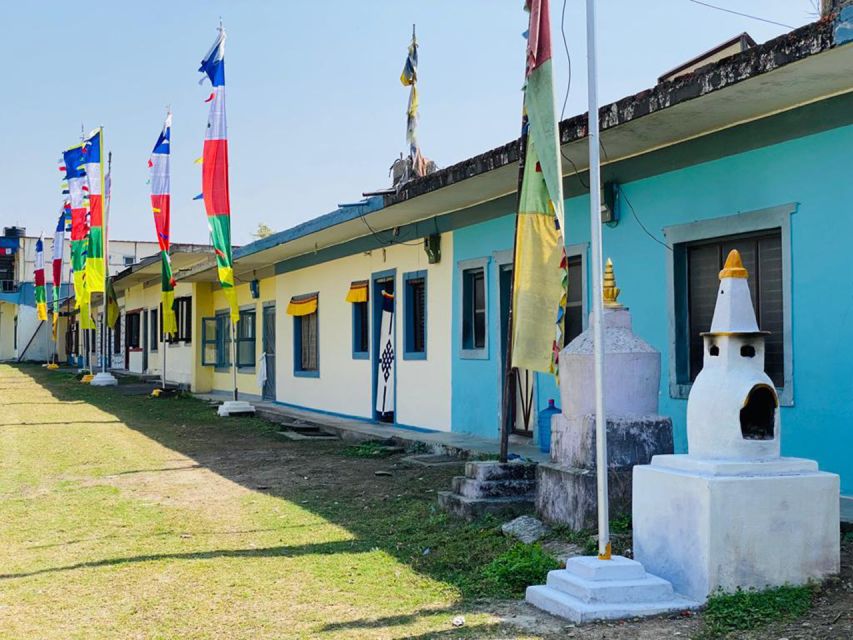
This is the part of the day that sets the context. You learn about Tibetan people living in Nepal and how language, Buddhist customs, and community life have been maintained. Thupten explains the meaning of common Buddhist signs and objects, including prayer wheels, prayer flags, and stupas.
You should pay attention to how these items fit into daily practice. A prayer wheel is not simply a decorative feature, and prayer flags are not just colorful additions to a viewpoint. Their use makes more sense when Thupten explains the prayers, symbols, and intentions connected to them.
The settlement visit also includes a photo gallery about the history of Tibetan refugees. Images of early settlements in the 1960s and the Dalai Lama’s journey in exile provide a human frame for the rest of the day. This is useful because the tour does not treat Tibetan culture as a set of attractive objects. You get some understanding of why these communities exist and what they have worked to preserve.
The pace includes a scenic drive and walks, but this is not promoted as a hiking trip. Wear shoes you can walk in comfortably, and expect the day to move between buildings, streets, religious spaces, and local homes.
Handmade carpets, from workshop to showroom
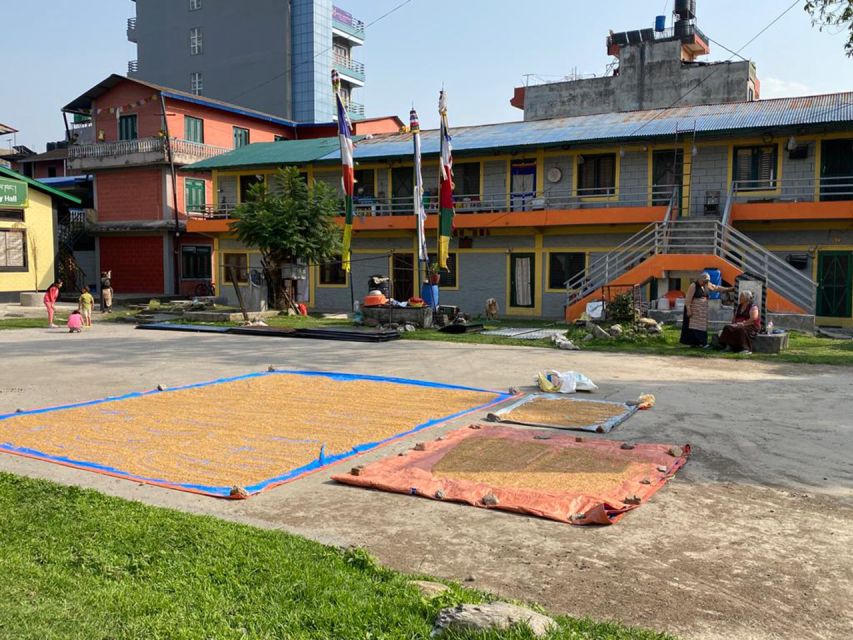
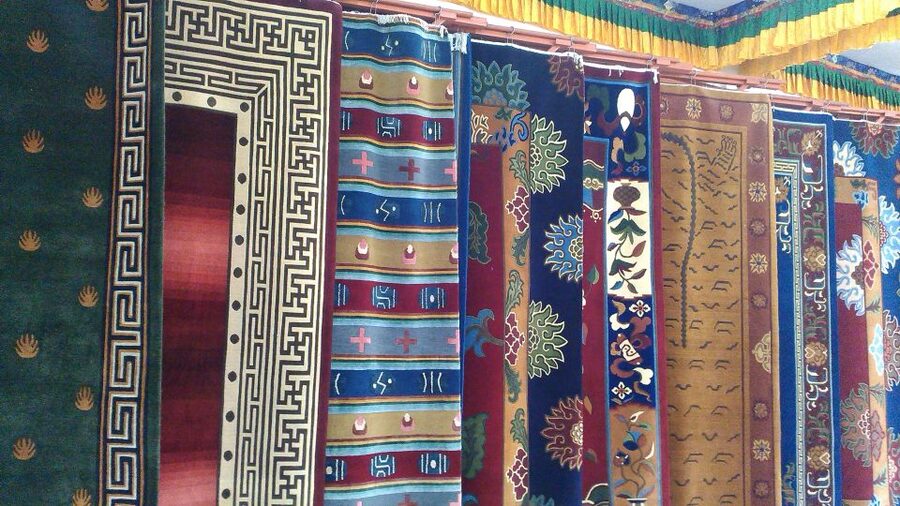
The carpet visit gives you a close look at a practical craft. At the workshop, you see how Tibetan carpets are made by hand, with Thupten explaining the steps and the work involved.
This stop is worth more than a shopping break. Handmade carpets take time and skill, and seeing the process helps you judge the designs in the showroom with a more informed eye. You can look at the patterns, colors, and finish after seeing how much labor goes into producing them.
The showroom allows you to browse a larger selection. Buying is not required, and the useful part is the connection between the workshop and the finished product. If you are considering a purchase, ask questions about the materials and how the carpet was made before deciding.
The stop may feel commercial compared with the monastery or family visit. That is fair. Still, it is included as part of the cultural story, since carpet making has helped Tibetan communities preserve a recognizable craft and support local livelihoods.
Tibetan medicine and the doctor’s consultation
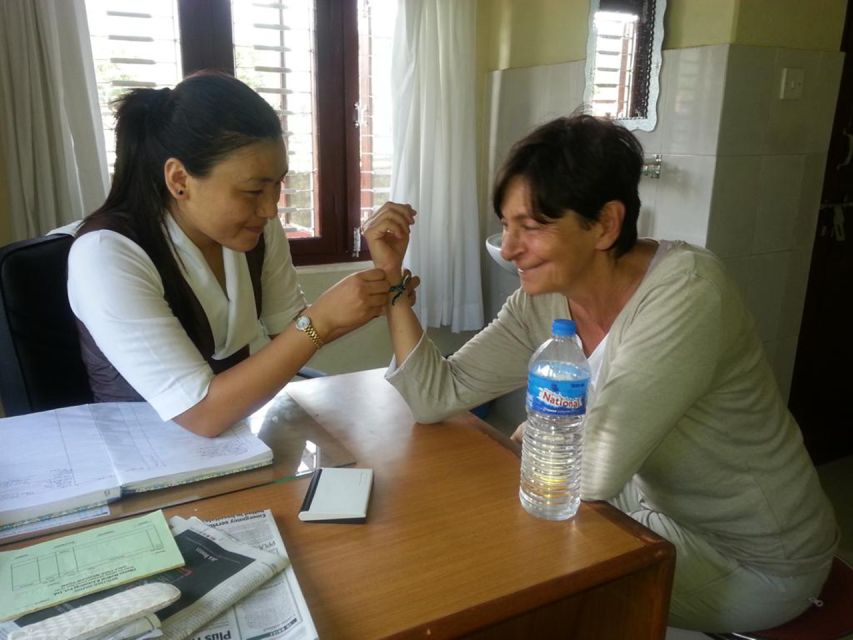
The visit to a Tibetan medical center is one of the day’s more unusual stops. You meet a Tibetan doctor, ask about the medical system, and learn about its treatments and methods of diagnosis.
A consultation, including pulse reading, is included. The doctor uses that meeting to explain the approach rather than simply offering a quick tourist demonstration. You can ask questions about how Tibetan medicine views health and how treatment is selected.
You can buy medicines separately if you are interested, but there is no need to purchase anything for the visit to be worthwhile. I would treat this as a cultural and educational encounter, not as a replacement for medical advice from your own doctor.
This stop also gives the day some balance. You see religion and craft, but you also learn about a living system of health care. That makes the tour feel grounded in ordinary community life rather than focused only on monuments.
A few more things to do in Pokhara worth a look
- Afternoon Tibetan cultural tour
★ 5.0 · 41 reviews - Half Day Tibetan Cultural tour Pokhara
★ 5.0 · 36 reviews - Morning Half Day Tibetan cultural tour to Tibetan Settlements
★ 5.0 · 26 reviews - Half day Tibetan cultural tour
★ 5.0 · 4 reviews
Lunch with Tibetan flavors
Lunch is served at a Tibetan restaurant, with vegetarian and non-vegetarian choices. The foods specifically included are momos and thenthuk, a soup made with freshly kneaded dough, meat, and vegetables.
Momos are familiar to many people in Nepal, but Thupten provides the Tibetan context and helps explain the cuisine. Thenthuk is especially useful on a cultural tour because it is hearty, simple, and tied to the idea of handmade food. You are not just being handed an anonymous meal from a set menu.
The tour also includes drinks such as mineral water, fresh juice, tea, and coffee. Food allergies and dietary needs are not detailed in the supplied information, so ask the operator before booking if you need a specific arrangement.
The lunch is a welcome pause in a long day. It also gives you a chance to continue asking Thupten questions in a less formal setting. If you enjoy tasting local dishes but want some explanation along with them, this part adds real value.
Pema Ts’al Sakya Monastic Institute
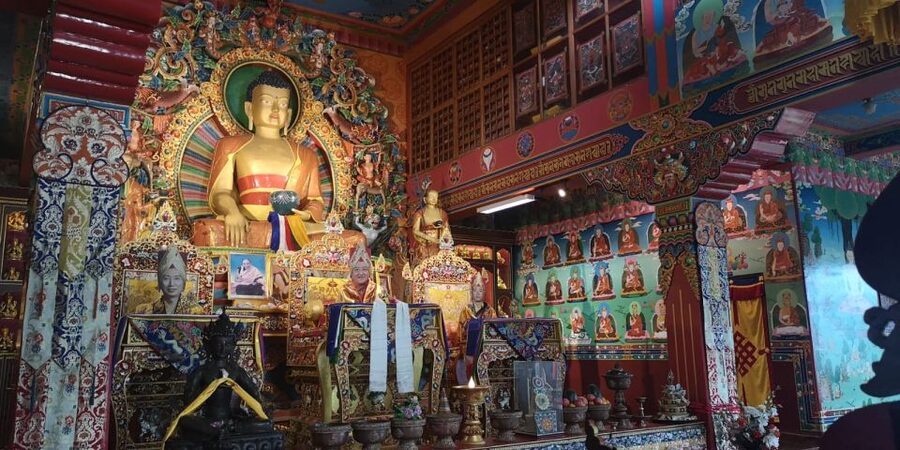
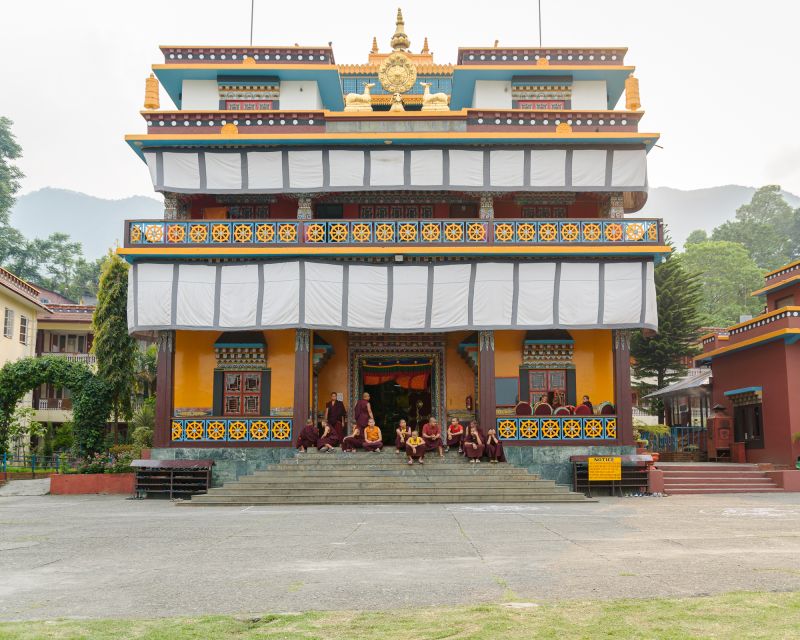
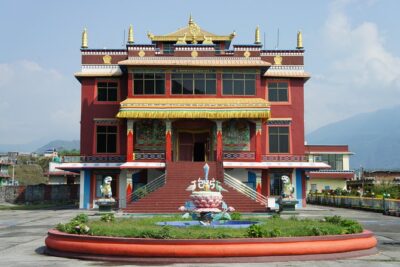
The schedule then includes about an hour at Pema Ts’al Sakya Monastic Institute. This visit focuses on Buddhist practice and monastic life.
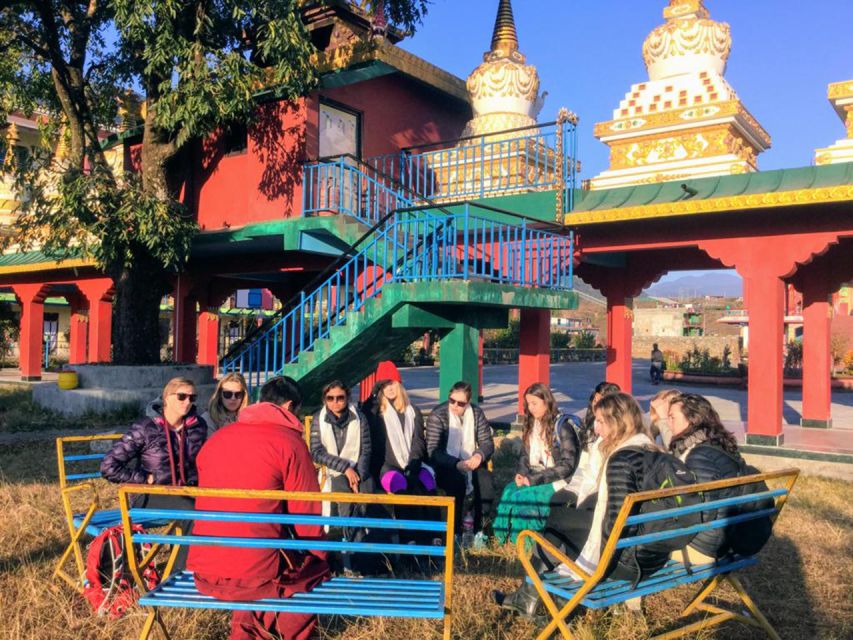
You learn about the monastery, the role of chanting, and the symbols used in Buddhist tradition. The tour also allows conversation with a young Buddhist monk, who can answer questions about studies, daily activities, and life inside the monastery.
That personal conversation is important. A monastery can be easy to admire from the outside while remaining hard to understand. Speaking with a monk gives you a chance to ask practical questions about study, prayer, routine, and responsibilities.
Be respectful with clothing, photography, and conversation in religious spaces. The supplied information does not list a formal dress code, but modest clothing and a quiet manner are sensible choices.
Afternoon prayer and the sound of the monastery
One of the strongest parts of the day is attending afternoon group prayer chanting with the monks. You hear the voices and the different instruments used during the ceremony, and you experience the sound inside the monastery rather than watching a performance arranged for visitors.
The atmosphere may be the most memorable part of the tour. Chanting, instruments, and the rhythm of group prayer offer a direct sense of how Buddhist practice feels in daily life. You do not need to understand every word for the ceremony to make an impression.
This is also where the tour asks you to observe more and talk less. Follow Thupten’s guidance, remain quiet during the prayer, and avoid treating the ceremony as a photo opportunity. The point is to witness a living religious practice with care.
The timing is worth noting. Because the tour includes afternoon prayer, the day has a fixed rhythm. You cannot treat it like a flexible private outing where every stop can be shortened or extended at will.
Tibetan Refugee Camp Hemja and afternoon tea
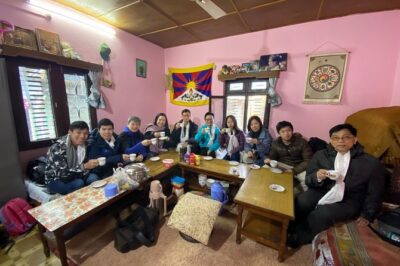
The final settlement visit is Tibetan Refugee Camp Hemja, where you spend about two and a half hours. The program includes walking, local snacks, tea, sightseeing, and a visit to a local Tibetan family home.
Here you taste salted butter tea, tsampa, and Tibetan bread served with honey, butter, and peanut butter. Tsampa is roasted barley flour, and learning how it is prepared makes the tea stop more than a standard refreshment break.
Butter tea can surprise visitors because it is salty rather than sweet. Try it with an open mind, but do not expect a familiar café drink. The family visit works best as a shared cultural moment, where food offers an easy way to discuss daily routines, hospitality, and Tibetan life in Nepal.
Hemja also gives you another setting in which to compare community life. Visiting two settlements helps prevent you from assuming that one place represents every Tibetan experience in the region. Thupten explains the differences and common threads as the day unfolds.
What the $82 price includes
At $82 per person, the tour is not the cheapest way to fill a day in Pokhara. The value depends on how much you want personal explanation and access to several different parts of Tibetan community life.
The fee includes Lakeside pickup and drop-off, an English-speaking Tibetan guide, visits to two settlements, monastery access, a monk conversation, afternoon prayer, the carpet workshop and showroom, the photo gallery, Tibetan medical center, doctor consultation, lunch, drinks, and the family tea visit.
Viewed as a simple transport-and-sightseeing outing, the price may seem high. Viewed as an eight-hour small-group day with food, several hosted encounters, and a specialist guide, it is easier to justify. You would have difficulty arranging the same range of conversations and introductions on your own.
Pickup is free for hotels around Lakeside. If your hotel is outside that area, an extra transportation fee applies based on location. Ask for the exact cost before booking so the final price is clear.
The tour allows free cancellation up to 24 hours in advance and lets you reserve now and pay later. It is also limited to eight people, which supports the question-and-answer format but may mean fewer available spaces on busy dates.
Who should book this cultural day
I would choose this tour if you want to understand Tibetan culture through people, food, religion, and craft. It suits solo visitors, couples, and small groups who enjoy asking questions and listening to explanations.
It is a particularly good match if you have already seen Pokhara’s main viewpoints and want a day with a different focus. You do not need specialist knowledge of Buddhism or Tibetan history. Thupten supplies the background in clear English.
The tour is less suitable if your priority is a short, relaxed outing with lots of free time. Eight hours is a full commitment, and the schedule includes several guided visits. It is also not suitable for wheelchair users or children under two.
Bring curiosity, modest clothing for monastery visits, and an appetite for foods you may not have tried. You will get more from the day if you treat the conversations as the main event, not as pauses between attractions.
Should you book the Tibetan Cultural Tour?
Book it if you want direct contact with Tibetan communities near Pokhara and value a guide who can explain what you are seeing. The strongest elements are the monk conversation, afternoon chanting, Tibetan doctor visit, handmade carpet demonstration, and family tea with tsampa and butter tea.
Skip it if you want a scenic drive with minimal talking, a short list of photo stops, or a flexible schedule. For everyone else, the $82 fee offers a full day of food, religion, history, craft, and personal contact in a small group. Thupten Gyatso’s role gives the day its shape, turning separate visits into a clear look at Tibetan life in Nepal.
FAQ
How long does the Tibetan Cultural Tour last?
The tour lasts eight hours, including pickup and drop-off around Pokhara’s Lakeside area.
Where does the tour start and finish?
Pickup and return are provided around Lakeside in Pokhara. Hotels outside the Lakeside area may require an additional transportation fee based on location.
What food and drinks are included?
The tour includes Tibetan lunch with options such as momos and thenthuk, along with vegetarian and non-vegetarian choices. You also receive drinks such as mineral water, fresh juice, tea, and coffee, plus afternoon butter tea, tsampa, and Tibetan bread with honey, butter, or peanut butter.
Can I speak with a monk?
Yes. The program includes a conversation with a Buddhist monk about monastic life, studies, and daily activities. You also attend afternoon group prayer chanting.
Is the Tibetan doctor consultation included?
Yes. A consultation with a Tibetan doctor, including pulse reading, is included. Medicines can be purchased separately if you want them.
Is the tour suitable for children or wheelchair users?
The tour is not suitable for wheelchair users or children under two years old. The experience is conducted in English and operates as a small group limited to eight participants.
Just added in Pokhara
- Tandem Paragliding in Pokhara★ 4.8 · 8 reviews
- Seti George and Thrilling Suspension Bridge Tour at Pokhara★ 4.5 · 3 reviews
- Pokhara: Suspension Bridge Private Tour- 30 Min Village Walk★ 4.8 · 9 reviews
- Pokhara: Visit Best Seven Tourist Destination by Sharing Bus★ 3.4 · 10 reviews
- Pokhara: Sunrise Tour to Sarangkot★ 5.0 · 3 reviews
- Pokhara Sightseeing By Bus – Day Trip★ 3.2 · 8 reviews
- Pokhara Sightseeing By Bus: Day Trip★ 4.6 · 7 reviews
- Pokhara Sarangkot : Cable Car (Himalayas) Sunrise Tour★ 5.0 · 6 reviews
Tibetan Culture Tours, compared.
Full-Day Tibetan Cultural Tour to Tibetan Settlements Pokhara
Read our review →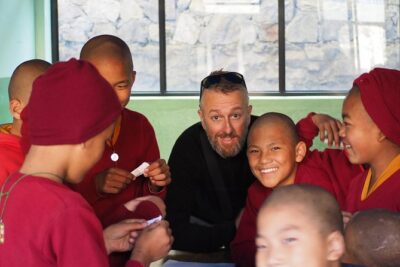
Afternoon Tibetan Cultural Tour to Tibetan Settlements Pokhara
Read our review →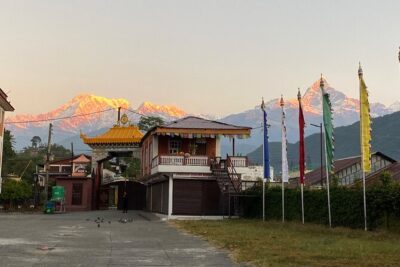
Morning Tibetan cultural tour to Tibetan settlements Pokhara
Read our review →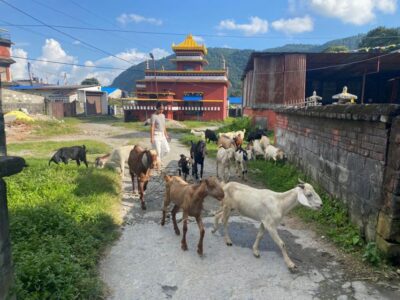
Morning Half Day Tibetan cultural tour to Tibetan Settlements
Read our review →
Browse the lists this tour appears in