
Reviewed · KATHMANDU UNESCO HERITAGE TOURS
Kathmandu: Full-Day Tour of 5 World Heritage Sites
Kathmandu packs centuries of worship into a surprisingly small valley. In one long day, you’ll move from the carved courtyards of Durbar Square to the smoke and prayer of Pashupatinath, then on to the hilltop stupa of Swayambhunath and the great dome of Boudhanath.
I like the way this tour brings Hindu and Buddhist Kathmandu into one clear route, and I like that transport and a guide are included for $65. The main catch is pace: six hours is enough for an introduction, not a leisurely study of every shrine, courtyard, and market street.
Key points at a glance
- Four major sacred stops named in the route: Durbar Square, Pashupatinath, Swayambhunath, and Boudhanath.
- A full day with about six hours of guided touring: Expect a busy schedule with several changes of scene.
- A useful introduction to two faiths: You’ll see Hindu temples, Buddhist stupas, monasteries, cremation ghats, and royal buildings.
- Simple pickup and drop-off: Start and finish in Thamel or at Tribhuvan International Airport.
- Guide languages beyond English: French, German, and Italian are available, subject to availability.
- Good flexibility: You can cancel up to 24 hours ahead for a full refund and reserve without paying immediately.
Why this one-day route works in Kathmandu
Kathmandu is Nepal’s capital and largest city, set at about 1,400 meters in a bowl-shaped valley. Four major peaks surround the valley: Shivapuri, Phulchowki, Nagarjun, and Chandragiri.
The city’s story reaches back more than 2,000 years. Archaeological work places Kathmandu and its sister cities, Patan and Bhaktapur, among the valley’s oldest settlements, with evidence dating from roughly 167 B.C. to A.D. 1.
That long timeline can be hard to grasp when you are walking through a crowded modern city. A guide helps connect the pieces. A royal square is not just a collection of old buildings. A Buddhist stupa is not simply a photogenic dome. A riverside cremation site carries religious meaning that may not be obvious if you are exploring alone.
This tour is designed to give you that framework in one day. You will not cover every corner of Kathmandu, but you will see the main religious and historic landmarks that define the city.
The route is advertised as a visit to five UNESCO World Heritage Sites. The supplied schedule specifically names Durbar Square, Pashupatinath, Swayambhunath, and Boudhanath, while the broader description also mentions Kathmandu’s old streets and views toward the Himalayan ranges. Ask for the exact fifth site when you book, since the detailed stop list does not clearly identify it.
More temple and square walks around Kathmandu:
- Private Kathmandu Sightseeing Tour | UNESCO World Heritage sites
★ 5.0 · 756 reviews - Kathmandu: Full Day 7 UNESCO Tour with Lunch – Private/Group
★ 5.0 · 415 reviews - Private Bhaktapur and Nagarkot Day Tour From Kathmandu
★ 5.0 · 305 reviews
From Thamel or the airport to Kathmandu’s old core
Pickup is available from Thamel or Tribhuvan International Airport. Thamel is the practical choice if you are staying in Kathmandu. It is the old part of the city, with narrow streets, shops, restaurants, offices, and plenty of small lanes to explore before or after the tour.
Airport pickup can be useful if you have just arrived and want to start sightseeing without arranging a separate transfer. Still, confirm the timing carefully. A full sightseeing day after a flight can feel long, especially if you have been traveling overnight.
Transportation is included, which matters in Kathmandu. The city’s streets can be confusing, and moving between major sites is easier with a planned vehicle than by trying to link everything yourself. The tour ends at Thamel or the airport, giving you a straightforward return to your base or onward departure.
Food and drinks are not included, so plan for that cost. The details provided do not specify a restaurant stop or meal break, so ask about the day’s eating arrangements before you set off.
Durbar Square and the living goddess
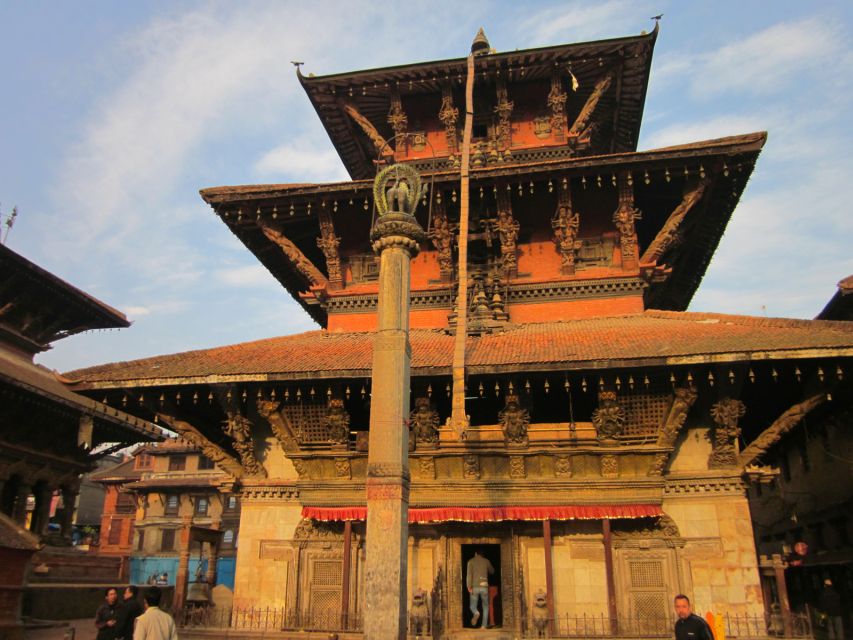
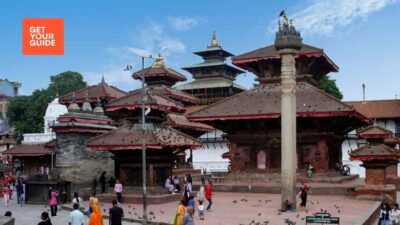
Kathmandu Durbar Square is the historic heart of the old city. Its courtyards and temples show the craftsmanship of Nepal’s former royal center, with pagodas, Hindu shrines, statues of deities, and palace buildings crowded into a compact area.
The Palace of Kumari is one of the most unusual sights here. The Kumari is Nepal’s living goddess, and the palace is tied to a tradition that remains part of Kathmandu’s religious life today. You may find the contrast striking: this is not a museum piece sealed away from the city, but a sacred institution within an active urban center.
Give yourself time to look up. The most rewarding details are often above eye level, in roof supports, carved windows, and temple figures. Your guide can explain what you are seeing and help separate Hindu symbols from Buddhist ones, which can otherwise blur together when you are moving quickly.
The drawback is that the square can feel dense and visually overwhelming. Six hours for the entire day means your stop here will be an introduction rather than a slow architectural study. If Durbar Square is your main interest, return later on your own for more time.
Entrance fees are not included. Monument charges can vary, so carry money for tickets and personal expenses.
Pashupatinath beside the Bagmati River
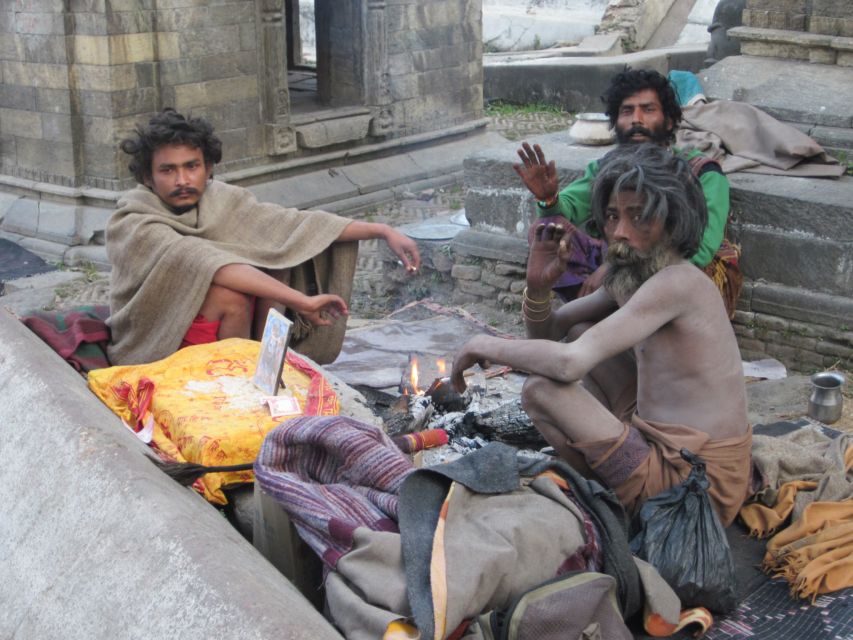
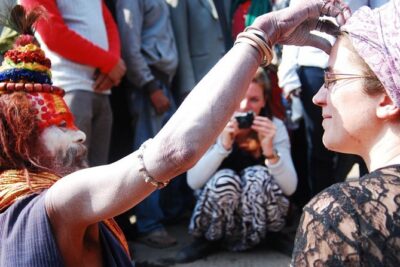
Pashupatinath is one of the most important Hindu temples in Nepal and is described as the world’s largest Hindu temple complex. It draws pilgrims and colorful sadhus, the ascetic holy men often seen in saffron or ash-covered dress.
The temple sits beside the Bagmati River, where many Hindus choose cremation. This makes Pashupatinath a place of active religious practice, not just an ancient monument. You may see ceremonies, pilgrims, shrines, and river rituals taking place at the same time.
This is where a guide’s explanation is especially useful. Without context, the activity along the river may seem difficult to interpret. With context, you can understand why the site matters and why respectful behavior is essential.
You should also remember that this is a working sacred place. Keep your voice low near ceremonies, follow photography instructions, and do not treat funeral rites as a show. The tour’s value here comes from understanding the site, not simply collecting pictures.
The schedule does not state how long you spend inside the complex or which areas are accessible to non-Hindu visitors. Ask your guide on the day and follow local rules.
A few more things to do in Kathmandu worth a look
- UNESCO Seven World Heritage Tour in Kathmandu
★ 5.0 · 253 reviews - Kathmandu Private Sightseeing Tour | UNESCO World Heritage Sites
★ 5.0 · 109 reviews - Kathmandu: Full Day Private Top 4 UNESCO Heritage Tour W/Lunch.
★ 5.0 · 86 reviews - Kathmandu World Heritage Tour
★ 5.0 · 74 reviews
Swayambhunath, the hilltop stupa
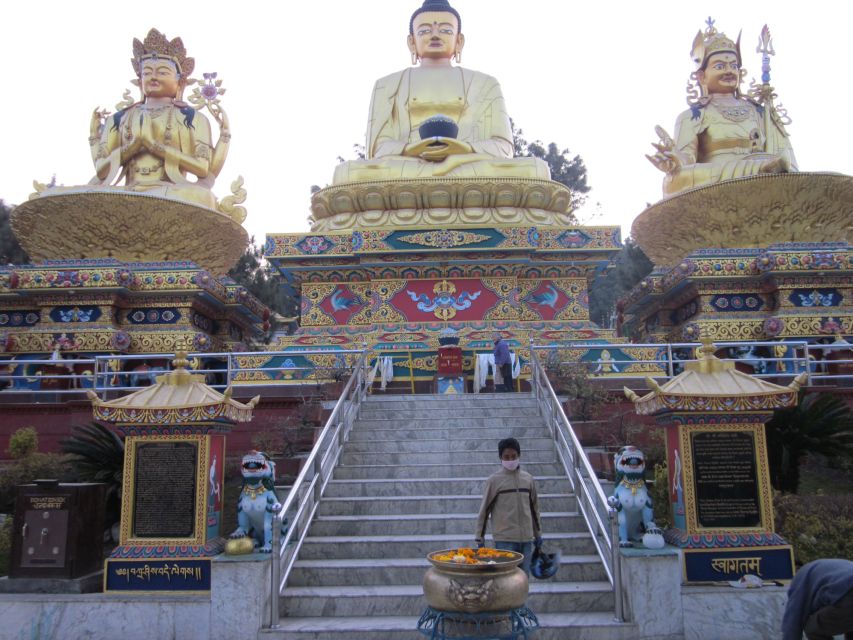
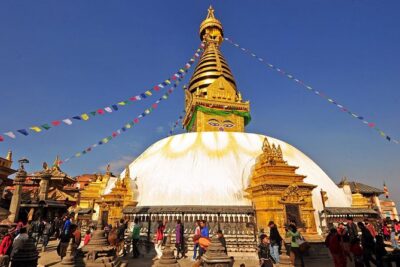
Swayambhunath is one of Kathmandu’s two major Buddhist sites and a UNESCO World Heritage Site. It is often called the Monkey Temple, though the formal name is the one you should use when discussing the religious site itself.
The stupa sits above the city and gives you a different view of Kathmandu after the enclosed courtyards of the old center. The city spreads below, with the valley and surrounding mountain ranges visible when conditions allow.
The supplied description points to possible views of major Himalayan peaks, including Annapurna, Manaslu, Cho Oyu, and Shishapangma from high points around the valley. Do not treat clear mountain views as guaranteed. Weather, haze, and the season all affect what you can see.
Swayambhunath also offers a useful lesson in the way Buddhism and Hinduism coexist in Kathmandu. The site is Buddhist, but the wider religious setting includes traditions and symbols that reflect the valley’s mixed spiritual life.
Expect some physical effort if your visit includes the stairs up to the stupa. The information provided does not give a stair count or accessibility details, so ask your provider if mobility is a concern.
Boudhanath and the great white dome
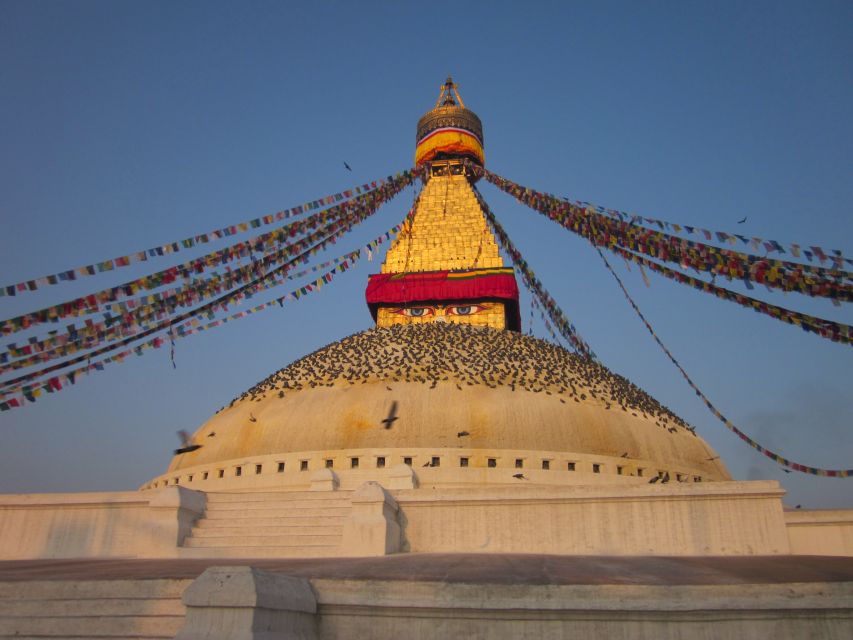
Boudhanath, also called Buddhanath in the tour description, is Kathmandu’s other major Buddhist stupa. Its large white dome and painted eyes make it one of the city’s most recognizable religious landmarks.
The scale feels different from Swayambhunath. Here, the stupa is a major focus of the surrounding neighborhood, with Buddhist monasteries, prayer activity, and shops nearby. Walk around the base with your guide and pay attention to the repeated movement of worshippers, the prayer wheels, and the layers of symbolism built into the structure.
This stop is valuable because it shows Buddhism as a living community tradition. You are not simply looking at an old monument. The stupa remains part of daily religious practice.
Boudhanath can be an excellent place to slow down for a few minutes, but the tour’s time limit may prevent a long visit to every monastery or shop. If you want a quieter experience, ask whether the order of stops can be adjusted. The operator does not promise a custom schedule, so treat that as a request, not a guarantee.
What the guide adds to the day
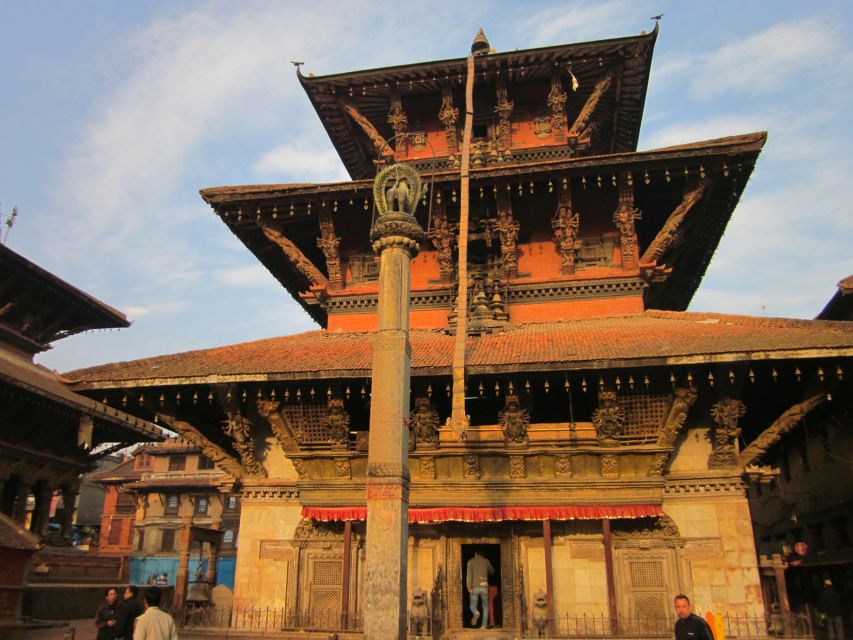
A guide is the main reason to choose this tour instead of arranging transport between sites yourself. Kathmandu’s monuments carry layers of royal, Hindu, and Buddhist meaning that are not always obvious from a sign or guidebook paragraph.
The guide can also help you understand local customs at Pashupatinath and explain the figures and palace traditions at Durbar Square. That context turns a rapid sightseeing day into a connected story about the valley.
The tour is offered with English, French, German, and Italian-speaking guides. One booking specifically praised Uddhab as a patient guide, so if he is available, you may find his calm approach useful during a busy day. Guides are assigned according to availability, so do not assume he will lead every departure.
A six-hour guided tour requires a practical attitude. You will be moving often, and some stops may feel brief. I would use the guide to learn the big picture, then choose one or two sites to revisit independently if you have another day in Kathmandu.
Is $65 a fair price?
At $65 per person, the tour is reasonably priced if you value convenience and interpretation. Transportation, service fees, and an English, French, German, or Italian-speaking guide are included.
The price does not include monument entrance fees, food, drinks, accommodation, or personal spending. That means your final cost will be higher than $65, particularly if several sites require admission.
The value is strongest for a first day in Kathmandu, when you want to understand the city’s main landmarks without negotiating transport or building the route yourself. It is less attractive if you already know the city well, have plenty of time, or prefer spending half a day at one temple.
The tour also suits visitors arriving at the airport who want a structured day before settling into Kathmandu. Just be realistic about your energy after a flight.
Who should book this experience?
I would recommend it to first-time visitors, history-minded sightseers, and anyone who wants a broad introduction to Kathmandu in a single day. It is also a good fit if you want Hindu and Buddhist sites explained together rather than visited as isolated attractions.
You will get the most from it if you enjoy a steady schedule and do not mind seeing major places at an introductory pace. It is less suitable if you want long photography sessions, extended shopping time, or a slow architectural study.
Families and older visitors should ask about walking conditions and stairs, since the details provided do not spell out accessibility. Anyone sensitive to religious ceremonies should prepare for the fact that Pashupatinath is an active cremation and pilgrimage site.
Book it if your time is short and you want the city’s essential sacred places tied together by a guide. Skip it if you have several days and prefer to explore one neighborhood at a time. Either way, keep a little extra time for Thamel, where the narrow lanes and small shops offer a useful look at Kathmandu beyond its headline monuments.
FAQ
How long does the tour last?
The activity lasts one day, with approximately six hours of guided touring in Kathmandu.
Where can I be picked up?
Pickup is available from Thamel or Tribhuvan International Airport.
Where can I be dropped off?
Drop-off is available at Thamel or Tribhuvan International Airport.
Which languages are available for the guide?
Guides may be available in English, French, German, or Italian.
Are monument entrance fees included?
No. Monument entrance fees are not included in the tour price.
Is food included?
No. Food and beverages are not included.
Can I cancel for a refund?
Yes. You can cancel up to 24 hours in advance for a full refund. The activity also allows you to reserve now and pay later.
Just added in Kathmandu
- Kathmandu to Chitwan Tour by Tourist Bus – A Convenient and Affordable Way★ 4.0 · 4 reviews
- Chitwan Jungle Safari 3-Day Tour★ 5.0 · 9 reviews
- Changunarayan Hill to Telkot Hike Near Kathmandu Day Tour★ 5.0 · 6 reviews
- Mt Everest Base CampTrek | Budget Package★ 5.0 · 4 reviews
- Chandragiri Hill Station Tour by Cable Car★ 5.0 · 4 reviews
- Chandragiri Hills cable car day trip, private car with driver from Kathmandu★ 5.0 · 8 reviews
- Chandragiri to Taudaha Nature Day Hiking from Kathmandu★ 5.0 · 13 reviews
- Chandragiri Cable Car & Monkey Temple Private Guided Day Tour★ 5.0 · 5 reviews
Kathmandu UNESCO Heritage Tours, compared.
Private Kathmandu Sightseeing Tour | UNESCO World Heritage sites
Read our review →
Full Day 7 UNESCO Tour with Lunch – Private/Group
Read our review →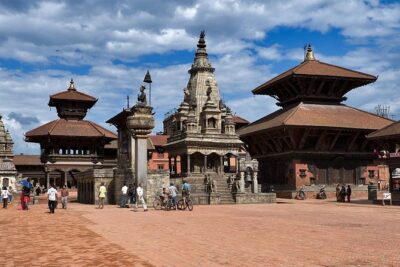
Private Bhaktapur and Nagarkot Day Tour From Kathmandu
Read our review →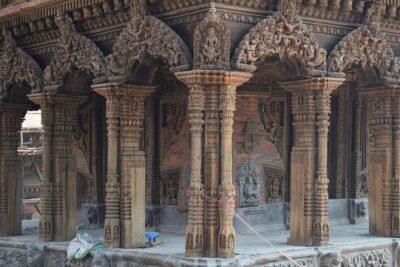
Kathmandu Spiritual Sites: Bodhnath & Pashupatinath Tour
Read our review →
Day Trip to Bhaktapur and Panauti from Kathmandu
Read our review →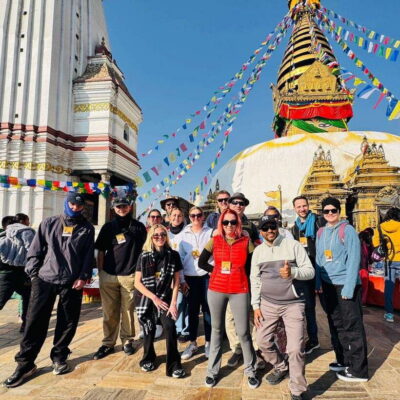
Browse the lists this tour appears in