
Reviewed · KATHMANDU UNESCO HERITAGE TOURS
Kathmandu: Guided Walking Tour with Monkey Temple
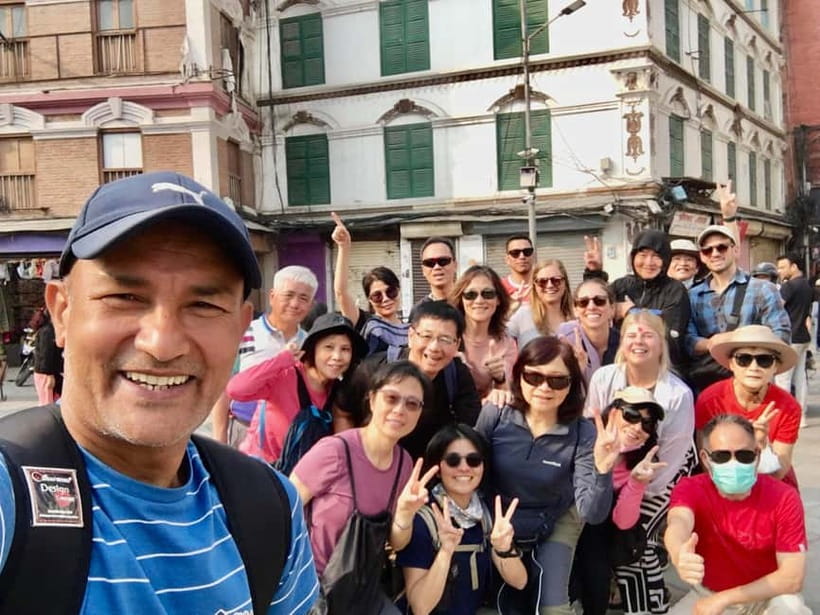
Kathmandu reveals itself on foot, one shrine, market lane, and temple courtyard at a time. This tour links the calm Garden of Dreams with Kathmandu Durbar Square, local Newari streets, ritual sites, and the hilltop Monkey Temple. I like the way it mixes famous sights with ordinary corners you could easily miss alone.
I also like the $15 price, which includes a professional guide and keeps the focus on the city rather than extras. Guides such as Shiva are praised for patient answers and for showing less-touristed places. The tradeoff is clear: this is a serious walking outing, with a 45-minute uphill walk and a descent of 365 steps, so it is not suited to wheelchair users, people with mobility limits, or children under five.
Key points to know
- Starts at the Garden of Dreams: Meet your guide at the front gate, where they will hold a Himkala Adventure placard.
- Connects major sights with local streets: You move from the garden to markets, Durbar Square, Newari homes, temples, and a cremation place.
- Includes the 77-meter Monkey Temple hill: The final section is uphill, followed by 365 steps back down toward Thamel.
- Guide quality matters here: Shiva is praised for his kindness, patience, cultural knowledge, and willingness to answer questions.
- Good value at $15: You get a professional English-speaking guide, while meals, drinks, transport, and personal spending remain yours.
- Plan for sun and changing weather: Comfortable shoes, water, a hat, sunscreen, and modest clothing are practical choices.
Why this walk gives you a better first look at Kathmandu
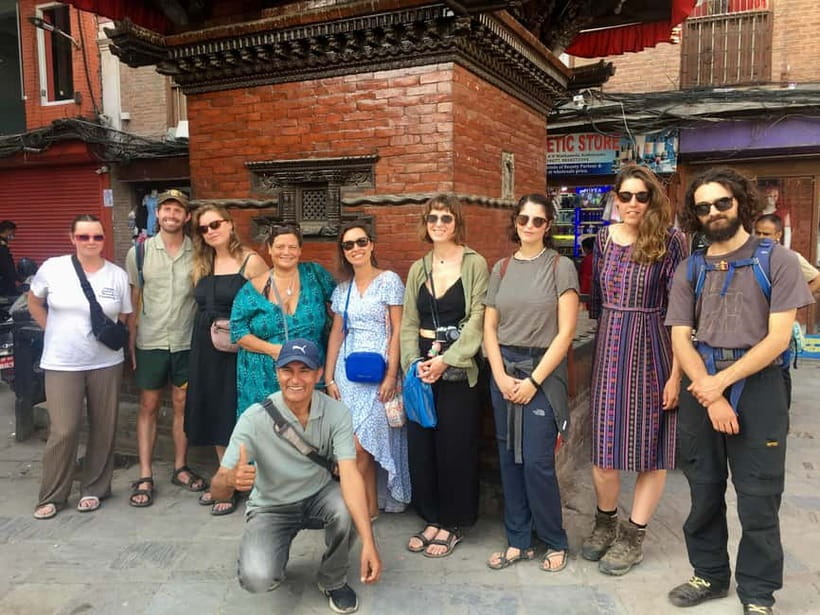
Kathmandu can feel confusing at first. Streets bend around temples, small stupas appear beside homes, and important religious activity takes place in spaces that look like ordinary neighborhood corners. A guided walk helps you notice what you might otherwise pass by.
This route is useful because it does not treat Kathmandu as a string of isolated sights. You begin in a formal garden, move through busy commercial streets, enter the historic core, then continue into residential and religious areas before reaching the Monkey Temple. The changing setting gives you a clearer sense of how the city works.
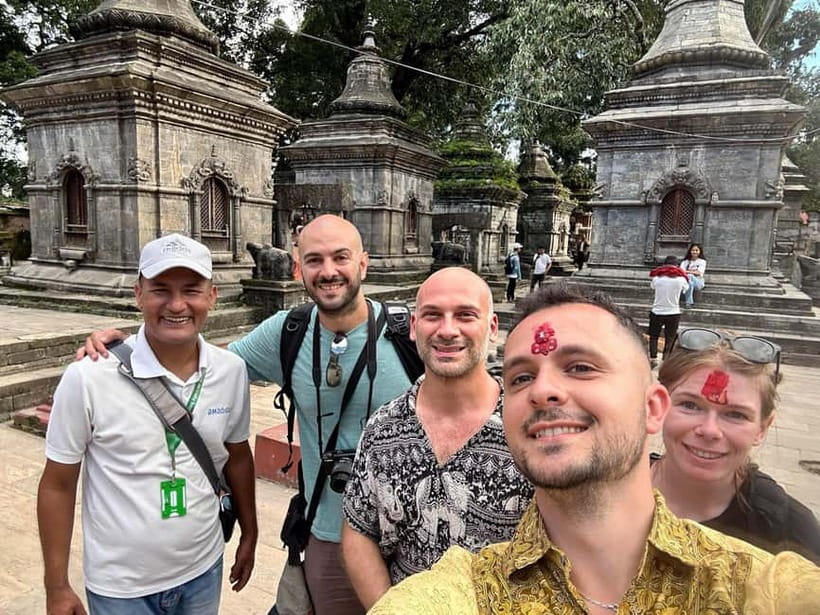
I especially like that the route includes places where people carry out ritual activities. You are not only looking at old buildings from the outside. You may see worship, offerings, local temples, and stupas being used as part of daily life. You should watch quietly, dress modestly, and remember that these are living religious spaces, not just photo stops.
The walk also gives you a chance to ask questions as the day develops. Guides such as Shiva have been praised for taking time with questions about culture and religion. That personal exchange is a large part of the value here, especially if you are seeing Kathmandu for the first time.
More temple and square walks around Kathmandu:
- Private Kathmandu Sightseeing Tour | UNESCO World Heritage sites
★ 5.0 · 756 reviews - Kathmandu: Full Day 7 UNESCO Tour with Lunch – Private/Group
★ 5.0 · 415 reviews - Private Bhaktapur and Nagarkot Day Tour From Kathmandu
★ 5.0 · 305 reviews
Meeting at the Garden of Dreams
Your starting point is the front gate of the Garden of Dreams. Look for a guide holding a placard marked Himkala Adventure. Hotel pickup is not included, so you need to make your own way to this meeting point.
The Garden of Dreams offers a gentle beginning. It is a calm green space in the middle of Kathmandu, and it gives you a short break from the city’s traffic and crowded streets before the walking begins. The contrast is useful: you start in a composed garden, then step into the more active parts of the city.
This is also a practical meeting place because you can confirm the guide, fill your water bottle before setting off, and check that your shoes are comfortable. Do not treat the opening stop as the whole experience. The main value comes from the sequence that follows.
Local stupas, temples, and everyday rituals
From the garden, the route moves toward local areas where you can see age-old stupas and temples. These smaller religious sites can be more revealing than a famous monument because they sit close to homes and daily routines.
I would give yourself time to look at the details. Notice how a stupa or shrine fits into the street rather than rushing from one landmark to the next. Your guide can explain the customs and religious meaning behind what you see, which helps turn an unfamiliar scene into something you can understand.
You may also see people performing ritual activities. The right approach is simple: keep a respectful distance, avoid interrupting ceremonies, and ask before taking close photographs. The tour information specifically calls for modest dress at religious sites, and that advice is worth following throughout the walk.
This section is one reason to choose a guide instead of walking alone with a map. A map can show you where a temple is, but it cannot always explain why people are using it or how it fits into the neighborhood.
Kathmandu’s market and the historic city center
The route then reaches Kathmandu’s busy market area. This is the less polished side of the city, with movement, commerce, and plenty to watch. You will want to keep your attention on the group and your belongings in crowded areas.
The market adds a useful layer to the day. Kathmandu is not only a collection of heritage monuments. It is also a working city, and the market shows how people shop, move, and conduct business around historic religious places.
After the market, you continue to Kathmandu Durbar Square. This is one of the major historic areas in the city, with temples, courtyards, and architecture tied to Kathmandu’s royal and religious past. The guide’s explanations are especially useful here because the square can feel like a large collection of buildings if you do not know what you are looking at.
Do not expect a quick photo stop. The point is to connect the square to the streets you have already walked through. The route lets you compare the grand historic center with smaller neighborhood shrines and residential lanes. That contrast gives the visit more meaning than seeing Durbar Square by itself.
The supplied price does not include meals, drinks, or personal expenses. You should carry water and keep some money available for anything you choose to buy along the way. No transport is included as part of the standard plan, so this is a walking tour rather than a sightseeing trip by vehicle.
A few more things to do in Kathmandu worth a look
- Kathmandu Food and Drink Walking Tour
★ 5.0 · 266 reviews - Kathmandu: Food and Drink Walking Tour
★ 4.9 · 119 reviews - Walking Street Food Tour in Kathmandu
★ 5.0 · 111 reviews - Walking Food Tour in Hidden Local Eateries of Kathmandu
★ 5.0 · 40 reviews
Through a Newari residential area
After the main historic sights, the walk follows a Newari residential area. This is a valuable change of pace. Instead of only seeing Kathmandu’s best-known monuments, you observe the way older homes, local temples, and religious spaces fit together.
The route also includes a local cremation place. That makes this part more serious and calls for extra care. It is not a setting for loud conversation or casual photography. Follow your guide’s instructions, stay quiet, and treat the area as a place of religious importance.
This neighborhood section is where the tour feels most personal. You are seeing the city at street level, not from behind a bus window. Guides who know the area can point out details that would be easy to miss, and Shiva is specifically praised for taking visitors to places they might not find on their own.
The route is not designed as a short, easy stroll. You move through several kinds of terrain and keep walking for much of the outing. If you like learning by observation and conversation, that pace will suit you. If you prefer long stops at a few monuments, you may find the itinerary demanding.
The 45-minute climb to the Monkey Temple
The final major approach takes you on a walk of about 45 minutes toward a conical hill that rises 77 meters above Kathmandu. The hilltop site is widely called the Monkey Temple and is identified here as a UNESCO World Heritage Site.
This is the point where footwear and water matter most. You are not simply arriving at a viewpoint by car. You walk uphill, and the earlier city route means you may already be tired by the time you reach the temple area.
At the top, you can explore the stupa and surrounding area with the guide. The site brings together religious architecture, hilltop space, and views across Kathmandu. Its setting makes it different from the temples and shrines you have seen at street level.
The name Monkey Temple gives you a useful warning about the setting, but you should still treat the area as sacred first and scenic second. Keep your behavior respectful, follow local rules, and do not let photography distract you from the religious activity around the stupa.
The temple is a strong finish because it gives the walk a sense of arrival. You have moved from garden to market, royal square, residential streets, and finally a hilltop religious site. That progression helps you understand Kathmandu as a living city with many layers rather than a list of separate attractions.
The 365-step descent back toward Thamel
After visiting the Monkey Temple and its surrounding area, you return by descending 365 steps of the hill toward Thamel. This is an important detail to take seriously. Going downhill can be hard on knees and balance, especially after several hours of walking.
The stairs also mean this experience is not suitable for people with mobility impairments or wheelchair users. Children under five are not considered suitable for the tour either. For everyone else, choose shoes with a secure grip and avoid carrying more than you need.
The activity ends back at the meeting point. Since hotel drop-off is not included, you will need to arrange your own onward plans from there. Keep the rest of your schedule light if possible. The tour includes enough walking and stairs that you may not want to rush straight into another major activity.
What the $15 price really covers
At $15 per person, this is a low-cost way to add context to several important parts of Kathmandu. You receive a professional English-speaking guide, and the route covers the Garden of Dreams, local religious sites, the market, Kathmandu Durbar Square, a Newari residential area, and the Monkey Temple.
The value is strongest if you want explanation and orientation. A self-guided walk may cost less, but you would need to research the sites and find the smaller local places yourself. You would also miss the chance to ask questions as you go.
The price does not cover meals, drinks, hotel pickup, hotel drop-off, transportation, or personal expenses. That keeps the base price low, but you should arrive ready to pay for your own refreshments and manage your own route to the starting point.
The guide makes the biggest difference. Shiva receives especially strong praise for being kind, calm, patient, and willing to answer questions about culture and religion. The assigned guide may vary, so I would think of those qualities as what you should expect from the service, not a promise that Shiva will lead every departure.
How to prepare for a comfortable day
Wear comfortable walking shoes. This is not a tour for stiff new footwear, sandals with little support, or shoes that make stairs awkward.
Bring water, sunscreen, a hat, and a camera if you want photographs. The information advises you to prepare for changing weather, so a light extra layer or rain protection may also be sensible, depending on the forecast. Smoking is not allowed.
Dress modestly for temples, stupas, ritual areas, and the cremation place. Modest clothing is not just a rule to remember at one stop. It helps you move through each religious setting with respect.
You should also pace yourself. The route includes an uphill walk, the hilltop visit, and 365 steps on the descent. Tell the guide if you need a short pause rather than trying to push through and making the final section harder than it needs to be.
The tour is offered in English. If you want a detailed conversation about Kathmandu’s culture and religion, the guide’s ability to answer questions will matter more than the length of the route. Shiva’s patient style is a good example of the kind of personal help that can make this outing useful.
Who should book this Kathmandu walk
I would recommend it to you if you want a first look at Kathmandu that combines famous sites with ordinary streets and local religious life. It works especially well for people who enjoy walking, asking questions, and seeing how a city changes from one neighborhood to the next.
It also suits independent visitors who have limited time and want a guide without paying for a private vehicle. For $15, you can cover several major areas and get help understanding what you are seeing.
I would be cautious if you dislike stairs, hot or changing weather, crowded streets, or long walks. The itinerary is not gentle. The 45-minute approach to the Monkey Temple and the 365-step descent are the key physical tests.
This is also not the right choice for wheelchair users, people with mobility impairments, or children under five. If you need hotel pickup, meals, or transport between sights, this activity does not include them.
Should you book it?
Book this tour if you want a guided introduction to Kathmandu on foot, with both major monuments and less obvious neighborhood sites. The route has variety, the price is fair, and the guide can add cultural meaning that a quick solo walk may miss.
Skip it if you want a short sightseeing outing or an easy route with little climbing. For fit walkers who can manage stairs, carry water, and dress respectfully, this is a practical way to see a broad slice of Kathmandu in one outing. You can cancel up to 24 hours before the activity for a full refund, and the reserve now, pay later option gives you some flexibility.
FAQ
Where does the Kathmandu walking tour start?
The tour starts at the front gate of the Garden of Dreams. Your guide will hold a placard marked Himkala Adventure.
Where does the tour end?
The activity ends back at the meeting point after you return from the Monkey Temple area.
What sights are included?
The route includes the Garden of Dreams, local temples and stupas, Kathmandu’s market area, Kathmandu Durbar Square, a Newari residential area, a local cremation place, and the Monkey Temple.
Is hotel pickup included?
No. You need to reach the Garden of Dreams meeting point yourself, and hotel drop-off is not included at the end.
How much does the tour cost?
The listed price is $15 per person.
What language is the tour offered in?
The tour is offered in English.
How much walking is involved?
The tour involves significant walking, including a 45-minute walk to the conical hill of the Monkey Temple and a descent of 365 steps.
Is the tour suitable for wheelchair users?
No. The activity is not suitable for wheelchair users or people with mobility impairments.
What should I bring?
Bring comfortable shoes, a hat, a camera if desired, sunscreen, and water. You should also prepare for changing weather.
Can I cancel for a refund?
Yes. You can cancel up to 24 hours in advance for a full refund.
Just added in Kathmandu
- Kathmandu to Chitwan Tour by Tourist Bus – A Convenient and Affordable Way★ 4.0 · 4 reviews
- Changunarayan Hill to Telkot Hike Near Kathmandu Day Tour★ 5.0 · 6 reviews
- Mt Everest Base CampTrek | Budget Package★ 5.0 · 4 reviews
- Chitwan Jungle Safari 3-Day Tour★ 5.0 · 9 reviews
- Chandragiri Hill Station Tour by Cable Car★ 5.0 · 4 reviews
- Chandragiri Hills cable car day trip, private car with driver from Kathmandu★ 5.0 · 8 reviews
- Chandragiri to Taudaha Nature Day Hiking from Kathmandu★ 5.0 · 13 reviews
- Chandragiri Cable Car & Monkey Temple Private Guided Day Tour★ 5.0 · 5 reviews
Kathmandu UNESCO Heritage Tours, compared.
Private Kathmandu Sightseeing Tour | UNESCO World Heritage sites
Read our review →
Full Day 7 UNESCO Tour with Lunch – Private/Group
Read our review →
Private Bhaktapur and Nagarkot Day Tour From Kathmandu
Read our review →
Kathmandu Spiritual Sites: Bodhnath & Pashupatinath Tour
Read our review →
Day Trip to Bhaktapur and Panauti from Kathmandu
Read our review →
Browse the lists this tour appears in