
Reviewed · HISTORICAL TOURS
Kathmandu Heritage Tour (Full Day)
Kathmandu’s best introduction is not just a parade of temples. This tour links sacred places with local food, artisans, customs, and daily life, giving you more than a quick look at old buildings. You choose one of three routes, then spend about six hours with a private guide and vehicle.
I like the choice of routes, since you can focus on the old royal cities or on major Buddhist and Hindu sites. I also like the language option: English or Spanish, with Sujan especially praised for clear explanations, patience, punctuality, and his easy manner. The main catch is that entrance fees and lunch cost extra, and a solo guest may pay a €25 car surcharge or travel by motorbike.
Key points to know before booking
- Three different routes: Choose Kathmandu Durbar Square, Swayambhunath, and Patan; Pashupati, Boudha, and Bhaktapur; or Bhaktapur and Changunarayan.
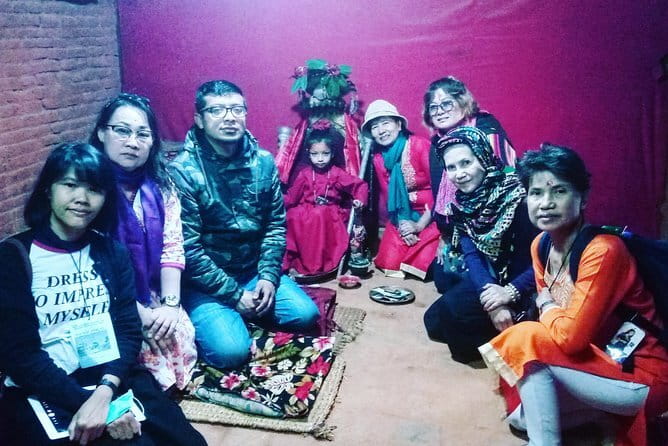
- A guide-led cultural day: The experience can include local cuisine, a short workshop, time with artisans, product information, and a healing session.
- Private transport included: Your group travels in an air-conditioned vehicle, except that one person may use a motorbike or pay a €25 car surcharge.
- Sujan is a strong language choice: He guides in English and Spanish and has been praised for cultural explanations, patience, and practical help.
- Budget for extras: The $38.66 price does not cover monuments, lunch, drinks, tips, or personal spending.
- A good first-day plan: The 9:30 a.m. start and hotel pickup make this useful when you want a structured introduction to Kathmandu Valley.
Three ways to see Kathmandu Valley in one day
This is not one fixed sightseeing route. You choose from three combinations, which matters because Kathmandu Valley is spread across several towns and sacred sites. Trying to squeeze every major sight into one day would leave you with little time to understand any of them.
The first route combines Kathmandu Durbar Square, Swayambhunath, and Patan City. It gives you an old royal center, a hilltop Buddhist site, and another historic urban center. For a first visit, this is probably the most balanced route.
The second combines Pashupati, Boudha Stupa, and Bhaktapur Durbar Square. This is the strongest choice if you want to see major Hindu and Buddhist pilgrimage sites, then finish among Bhaktapur’s traditional squares and buildings.
The third visits Bhaktapur Durbar Square and Changunarayan Temple. With only two main stops, this route may offer a less hurried day, though the experience depends on how much time your guide gives each place and the road conditions.
The day begins around 9:30 a.m. Pickup is offered from a hotel or homestay, usually shortly before the tour begins. For a shared group, the exact meeting or pickup point is advised in advance. Since this is a private activity, only your own party participates, which gives you more say over stops and questions than a large coach tour.
A few more things to do in Kathmandu worth a look
- Private Kathmandu Sightseeing Tour | UNESCO World Heritage sites
★ 5.0 · 756 reviews - UNESCO Seven World Heritage Tour in Kathmandu
★ 5.0 · 253 reviews - Kathmandu Private Sightseeing Tour | UNESCO World Heritage Sites
★ 5.0 · 109 reviews
Kathmandu Durbar Square: royal courtyards and city life
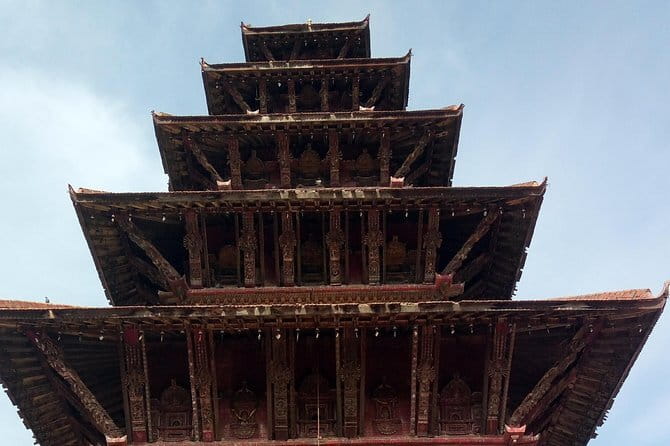
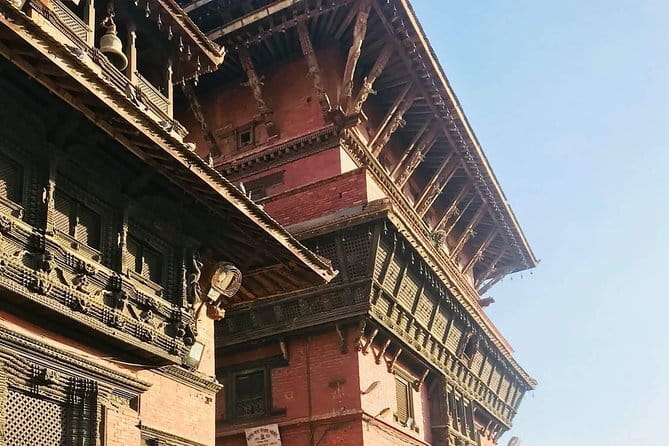
Kathmandu Durbar Square is a strong opening because it places you in the old center of the city. You come here for historic courtyards, temples, and the feel of a former royal seat, but the real value comes from having someone explain how the buildings connect to Nepal’s customs and religious life.
Allow about two hours for this stop if you choose the first route. That is enough time for a guided look without turning the whole day into a single-site visit. Your guide can help you read the place as more than a collection of carved windows and pagoda roofs.
The square also gives you a useful sense of Kathmandu’s layered character. Sacred activity, local products, tourism, and ordinary city movement occupy the same space. I would keep your questions coming here, especially if you want to understand the difference between a ceremonial site and a living neighborhood.
Admission is not included, so keep money ready for the monument fees. The tour price is low partly because these costs remain with you. Ask at booking or at the start which fees apply to your selected route, since the three itineraries do not visit the same monuments.
Swayambhunath: the hilltop stop with a different mood
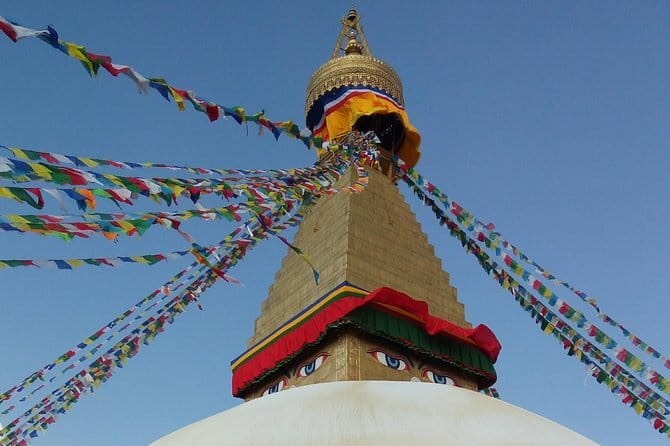
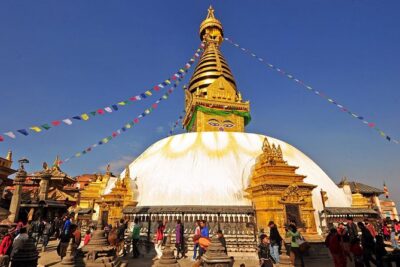
Swayambhunath Temple, often called the Monkey Temple, follows Kathmandu Durbar Square on the first route. The planned visit lasts about one hour, making it a compact but important stop rather than a long temple visit.
This is where the day shifts from royal Kathmandu to a major Buddhist setting. Your guide can explain the customs and symbols you are seeing, and the tour description also allows time for interaction with local culture rather than simply walking through, taking photos, and leaving.
The hilltop setting gives this stop a different character from the flat city squares. You should expect steps and uneven walking around an old religious complex, although the provided information does not give a detailed accessibility assessment. Most participants can take part, and service animals are allowed.
Do not treat this as a quiet museum visit. Sacred sites in Kathmandu are active places, so modest clothing, patience, and attention to local behavior are sensible. Your guide is especially useful here because a short explanation can turn a familiar-looking shrine into a place with clear meaning.
Patan City: a second old center with its own identity
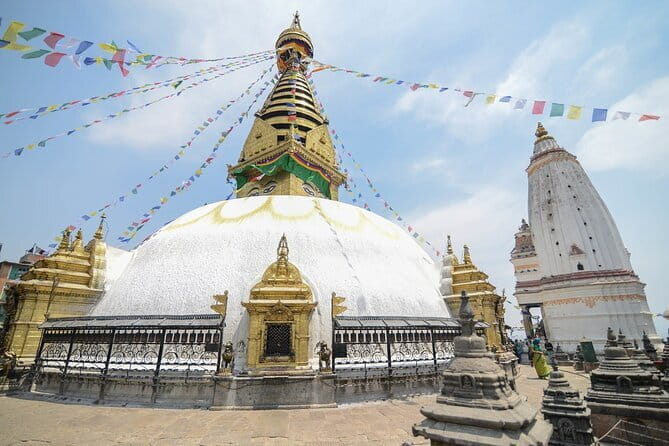
Patan is included on the first route and gives you another look at Kathmandu Valley’s urban traditions. The value is not simply seeing one more square. It is comparing Patan with Kathmandu Durbar Square and noticing how each old center feels and functions.
The tour description does not state a fixed time for Patan, so the guide will need to balance it with the two earlier stops and the lunch break. If Patan is high on your list, say so early. Sujan has been praised for being patient when people want to stop, while still keeping track of the day’s timing.
This is a good route for you if you want a broad cultural introduction rather than a single religious theme. You get historic architecture, Buddhist and Hindu traditions, city life, and a chance to ask practical questions about Nepalese customs in one manageable day.
Same base, a different kind of day:
- Everest Base Camp Trek – 14 Days
★ 5.0 · 1,499 reviews - Everest Base Camp Helicopter Tour landing at Everest View Hotel
★ 5.0 · 668 reviews - Half day cooking class in Thamel kathmandu
★ 5.0 · 607 reviews - Everest Base Camp Trekking
★ 5.0 · 485 reviews
Pashupati and Boudha: two major religious centers
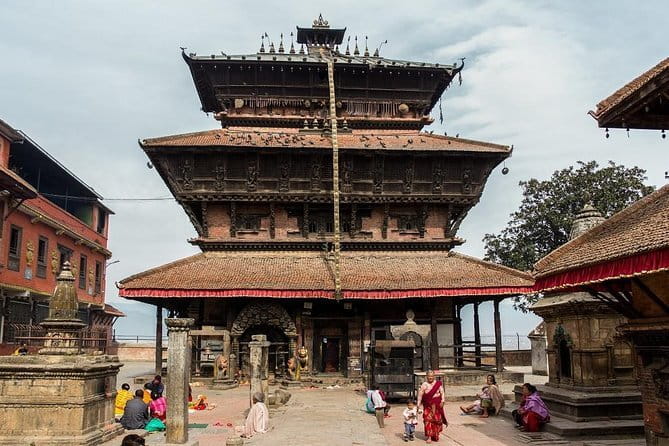
The second route begins with Pashupati and Boudha Stupa before continuing to Bhaktapur. These sites offer a more clearly religious focus than the Kathmandu and Patan combination.
Pashupati is a major Hindu site, while Boudha is a major Buddhist center. The pairing gives you a direct way to see two important traditions within the same valley. Your guide’s role matters here. Customs can be easy to misunderstand if you move too quickly or assume that every shrine works like a familiar tourist attraction.
The tour includes an English or Spanish-speaking licensed guide. Spanish is a real advantage for visitors who prefer to discuss history and customs in that language. Several comments about Sujan point to his fluent Spanish, clear communication, patience, and friendly approach.
Boudha is listed as Boudha Stupa in the route, but no exact visiting time is provided. The same applies to Pashupati. Treat the day as a guided overview, not as a chance to study every corner at length. If religious sites are your main reason for booking, confirm how the timing will be split before departure.
Bhaktapur Durbar Square: the most substantial old-city finish
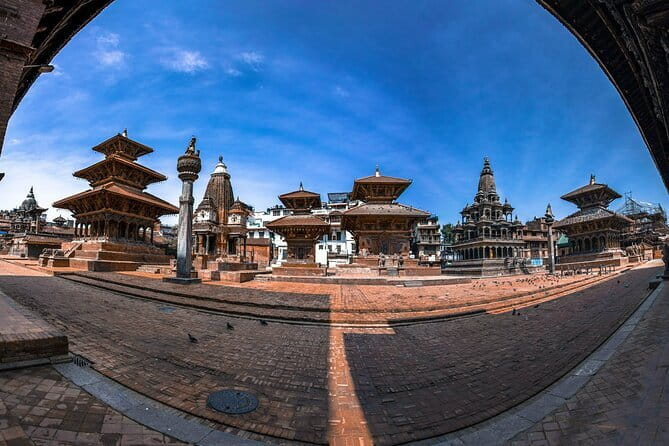
Bhaktapur appears on both the second and third routes. That makes sense: it is one of the valley’s major heritage areas and can support a full visit without feeling like a minor add-on.
On the second route, Bhaktapur follows Pashupati and Boudha. On the third, it shares the day only with Changunarayan Temple, which may allow more time in the square. If you prefer slower sightseeing and detailed cultural explanation, the third option may be the better fit.
Bhaktapur is also a natural place for the tour’s interest in local products and traditional work. The experience promises contact with local artisans, products, and a short workshop. The exact craft and format are not specified, so you should see this as an opportunity for cultural contact rather than a guaranteed hands-on class in one named skill.
Lunch is scheduled as a one-hour break during the six-hour tour. It is not included, and neither are drinks or other beverages. The guide can help direct you toward local cuisine, but the price and restaurant are not specified. Bring enough money and tell the guide about any food needs at the start.
Changunarayan: a quieter two-stop option
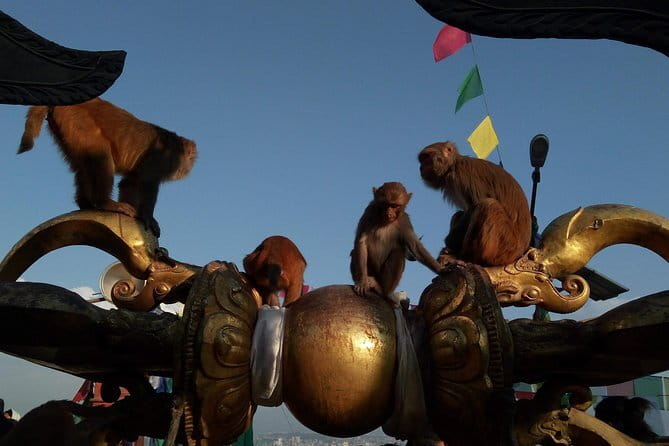
The third route joins Bhaktapur with Changunarayan Temple. Since the itinerary has only two main stops, it may suit you if you want a simpler day than the three-stop combinations.
There is no stated visit length for Changunarayan, and no detailed description of the site is provided. The practical point is that this option gives you a different pairing from the other routes, with Bhaktapur’s old city balanced by a temple visit outside the main central circuit.
Road time can affect any full-day Kathmandu Valley plan, and the information does not promise exact arrival times at each stop. I would choose this route for the sites themselves, not because it guarantees a relaxed schedule. Ask how much time is planned at each place and where lunch fits.
The cultural extras are worth clarifying
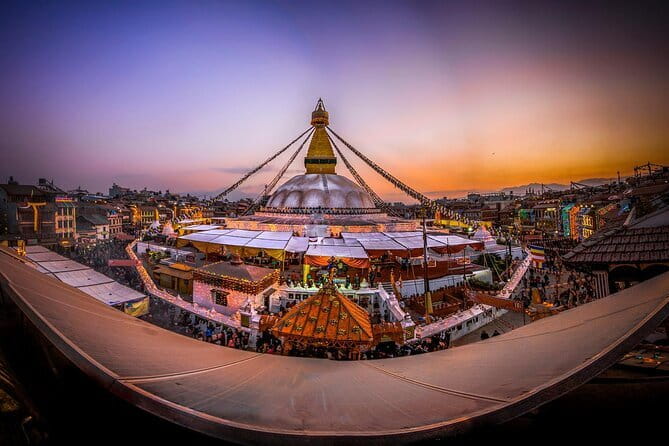
The tour promises more than sightseeing. You may taste local dishes, join a short workshop, meet or interact with local artisans, learn about products, and take part in a healing session.
Those extras are appealing because they connect monuments to present-day life. A temple can tell you about beliefs and architecture, but a food stop or artisan conversation can show how culture continues outside the formal heritage sites.
At the same time, the description does not specify the exact food, workshop, artisan, or healing practice. I would ask what is planned for your chosen date if one of these elements is important to you. Do not assume that each activity takes place on every route or that all costs are covered.
The guide is central to making these moments useful. Sujan has been praised for giving thorough cultural explanations, answering questions, helping with purchases, and staying patient when the group wants to pause. That combination is more valuable than a guide who simply recites dates and names.
What the $38.66 price really covers
At $38.66 per person, this is an attractive price for a private, guide-led day with transport. You receive a licensed English or Spanish-speaking guide and a private air-conditioned vehicle. You also avoid joining a large group, which can save time at stops and make conversation easier.
But the headline price is not the full day’s cost. You pay separately for:
- Monument entrance fees
- Lunch
- Drinks and beverages
- Tips
- Personal expenses
A solo booking needs special attention. One person may be transferred by motorbike, or a car can be arranged with a €25 surcharge. If you want the comfort and storage of a car, that extra charge changes the value calculation. For two or more people, the included private vehicle is easier to justify.
The price works best for couples, families, and small groups who want a guide without paying for a high-end private tour. It is less compelling if you only want a ride between sights and plan to explore every monument independently.
Timing, transport, and the pace of the day
The advertised duration is about six to seven hours, while the itinerary describes six hours including a one-hour lunch break. That leaves roughly five hours for sightseeing and transport, so you should expect an overview rather than long, unhurried time at every place.
The standard start is 9:30 a.m. Pickup is offered from a hotel or homestay shortly before the tour. For a group-join arrangement, the meeting and drop-off point may be different and will be advised before the tour.
The private air-conditioned vehicle is a meaningful benefit in Kathmandu, where a day of moving between sites can become tiring. Still, the information does not provide a traffic estimate or a fixed stop-by-stop schedule. Keep your plans after the tour flexible.
If you are using a wheelchair or have limited mobility, ask for a route assessment before booking. Most people can participate, and service animals are allowed, but historic squares and temple approaches may include uneven surfaces or steps. That is a practical question worth settling in advance.
Who will get the most from this tour
I would choose this tour if you have one full day in Kathmandu and want someone to explain what you are seeing. It is especially useful early in a Nepal trip, when a guide can help you understand customs, food, religious sites, and the valley’s different old centers.
It also suits you if Spanish is your preferred language. Sujan’s Spanish has been praised repeatedly, and his guiding style appears to combine information with patience and practical help. English-speaking visitors also have a clear language option.
Families and couples should appreciate the private format. You can ask questions, request a short pause, and set the day’s emphasis within the limits of the route. A solo visitor should compare the motorbike option with the €25 car surcharge before deciding.
I would hesitate if your priority is a slow archaeological study of one site. Three-stop routes, a lunch break, transport between towns, and a six-hour frame naturally limit the time available at each monument.
Should you book it?
Book this Kathmandu Heritage Tour if you want a well-priced introduction to several major sites, plus food, artisan contact, and cultural explanation. The strongest reasons are the private format, route choices, air-conditioned transport, and the chance to work with a guide such as Sujan, who is praised for English and Spanish communication, patience, punctuality, and practical knowledge.
Choose your route carefully. Pick Kathmandu Durbar Square, Swayambhunath, and Patan for a broad first look. Choose Pashupati, Boudha, and Bhaktapur for a stronger religious and old-city mix. Choose Bhaktapur and Changunarayan if those two places matter more than covering three sites.
Before paying, confirm the route, entrance costs, lunch plan, and solo transport arrangement. If you accept those extras and want a focused introduction rather than a slow specialist tour, $38.66 offers solid value.
FAQ
What time does the Kathmandu Heritage Tour start?
The tour starts at 9:30 a.m. Pickup from a hotel or homestay is offered shortly before sightseeing begins.
How long does the tour last?
The tour lasts approximately six to seven hours. The stated itinerary describes six hours, including a one-hour lunch break.
Which sightseeing routes are available?
You can choose Kathmandu Durbar Square, Swayambhunath, and Patan City; Pashupati, Boudha Stupa, and Bhaktapur Durbar Square; or Bhaktapur Durbar Square and Changunarayan Temple.
Is lunch included?
No. Lunch, drinks, and beverages are not included in the tour price.
Are monument entrance fees included?
No. You pay monument entrance fees separately.
What happens if I book alone?
For one person, transfers are made by motorbike, or you can pay a €25 surcharge for a car.
Just added in Kathmandu
- Kathmandu to Chitwan Tour by Tourist Bus – A Convenient and Affordable Way★ 4.0 · 4 reviews
- Changunarayan Hill to Telkot Hike Near Kathmandu Day Tour★ 5.0 · 6 reviews
- Mt Everest Base CampTrek | Budget Package★ 5.0 · 4 reviews
- Chitwan Jungle Safari 3-Day Tour★ 5.0 · 9 reviews
- Chandragiri Hill Station Tour by Cable Car★ 5.0 · 4 reviews
- Chandragiri Hills cable car day trip, private car with driver from Kathmandu★ 5.0 · 8 reviews
- Chandragiri to Taudaha Nature Day Hiking from Kathmandu★ 5.0 · 13 reviews
- Chandragiri Cable Car & Monkey Temple Private Guided Day Tour★ 5.0 · 5 reviews
Historical Tours, compared.
Private Kathmandu Sightseeing Tour | UNESCO World Heritage sites
Read our review →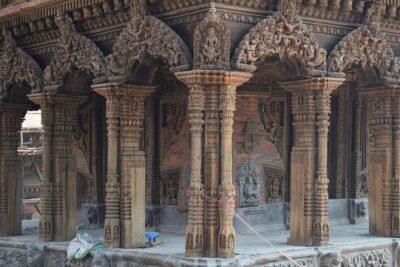
Full-Day Tibetan Cultural Tour to Tibetan Settlements Pokhara
Read our review →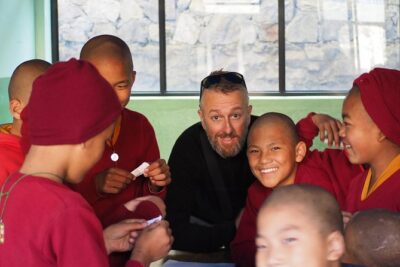
Afternoon Tibetan Cultural Tour to Tibetan Settlements Pokhara
Read our review →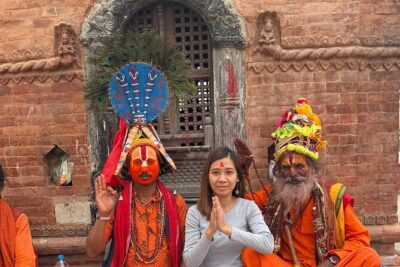
Full Day Private Top 4 UNESCO Heritage Tour W/Lunch.
Read our review →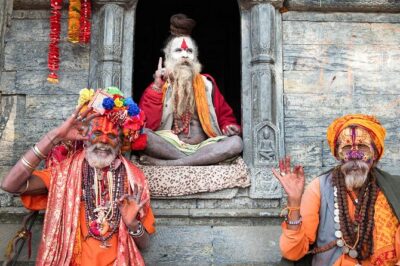
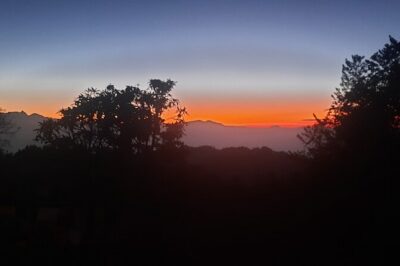
Nagarkot Sunrise & Bhaktapur UNESCO Heritage Private Tour
Read our review →
Morning Tibetan cultural tour to Tibetan settlements Pokhara
Read our review →Browse the lists this tour appears in