
Reviewed · KATHMANDU UNESCO HERITAGE TOURS
Kathmandu: Private/Group Unesco Heritage Sites Guided Tour
Kathmandu’s sacred sites make the most sense when someone explains what you are seeing. This six-hour tour links the hilltop shrine of Swayambhunath, artistic Patan, Hindu Pashupatinath, and Buddhist Boudhanath in one efficient day. I like the hotel pickup and private air-conditioned transport, especially in a city where traffic can turn short drives into slow ones. I also like the chance to compare Hindu and Buddhist traditions rather than seeing temples as isolated photo stops.
The price needs a close look. The advertised cost is $40 per person, but entrance fees may add about $43 if you do not choose the all-inclusive option. That can make the final cost close to $83, so check the booking choice carefully. The tour also packs a lot into six hours, and it is not suitable for people with mobility impairments.
Key points at a glance
- Four major cultural stops in six hours: Swayambhunath, Patan, Pashupatinath, and Boudhanath give you a broad introduction to Kathmandu Valley.
- Swayambhunath brings the best city view: The hilltop shrine offers a wide look over Kathmandu and a strong first lesson in Nepalese religious life.
- Patan adds art and architecture: You get time to walk, take photos, and explore one of the valley’s most important historic cities.
- Boudhanath is an active place of worship: Spinning the prayer wheels gives the visit a simple, hands-on ritual.
- Guide quality matters here: Manoj KC, Rabina, Nerry, and driver Chotu have all been associated with highly praised bookings, with special praise for clear explanations and personal care.
- Budget for admission fees: Monument tickets may cost about USD 43, or NPR 5,800, unless covered by the selected option.
Why this route works for a first day in Kathmandu
This tour gives you the basic vocabulary for Kathmandu Valley. You see a hilltop Buddhist shrine, a royal city known for art, one of Hinduism’s most important temples, and a major Tibetan Buddhist stupa.
That range is the main reason to book it. You are not spending the whole day looking at similar courtyards. Each stop has a different mood and religious purpose, and a good guide can explain the links between them.
The route also saves planning time. Pickup is available from Kathmandu, Patan, or Bhaktapur, and the return can be to any of those three areas. You travel by private, air-conditioned vehicle, with bottled water included. In Kathmandu, that is useful. Roads can be crowded, and arranging four separate taxi trips would take work.
The schedule assigns about 90 minutes to each main stop. That is enough for a guided look, photographs, and some free time, but not enough for a slow study of every shrine, courtyard, and museum. Think of this as a strong orientation to the valley, not a specialist architectural tour.
More temple and square walks around Kathmandu:
- Private Kathmandu Sightseeing Tour | UNESCO World Heritage sites
★ 5.0 · 756 reviews - Kathmandu: Full Day 7 UNESCO Tour with Lunch – Private/Group
★ 5.0 · 415 reviews - Private Bhaktapur and Nagarkot Day Tour From Kathmandu
★ 5.0 · 305 reviews
Swayambhunath, Kathmandu’s hilltop introduction
The first stop is Swayambhunath Temple, often called the Monkey Temple. You have about an hour and a half for a guided visit and photographs.
The setting does much of the work. The shrine sits on a hill above Kathmandu, giving you the best high view on this route. From here, you can begin to understand the size and shape of the capital before spending the rest of the day at street level.
The religious meaning matters as much as the view. Swayambhunath is a major pilgrimage site, and the visit introduces Buddhist symbols, shrine practice, and the mixture of religious traditions found across the valley. Ask your guide to explain what you are looking at rather than rushing from one image to the next.
The stop involves walking at a hilltop religious site, so take the mobility warning seriously. The tour is not designed for people who have difficulty walking or handling uneven access. Bring cash and a passport or other identification, as both are listed among the useful things to carry.
I would put Swayambhunath first for another reason: it gives you context. Once you have seen Kathmandu from above and heard the guide explain the city’s religious setting, Patan and the later shrines are easier to understand.
Patan, where the day turns toward art
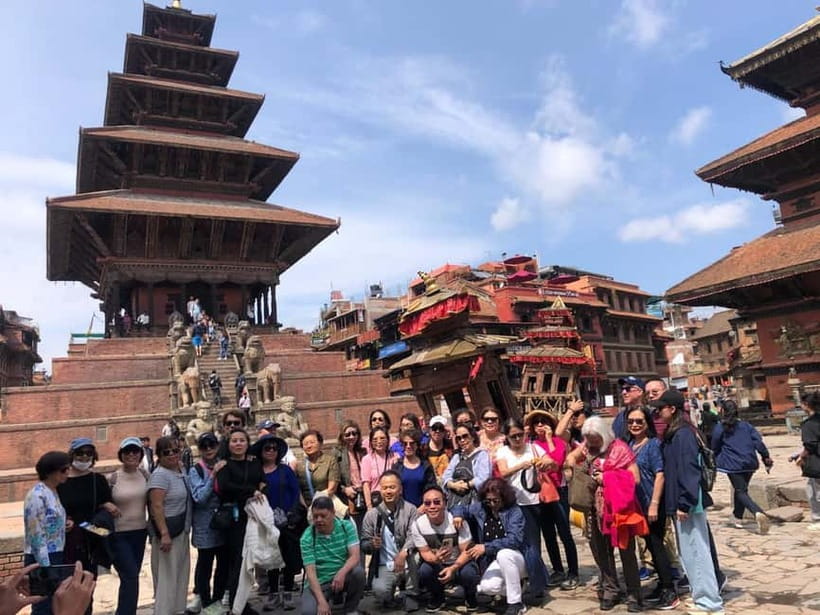
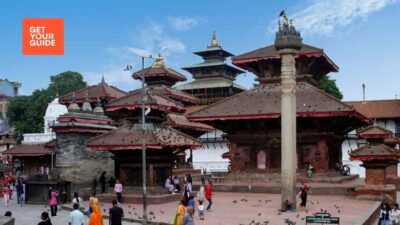
The tour then heads to Lalitpur, commonly known as Patan. You receive about 90 minutes for a guided visit, free time, walking, and photographs.
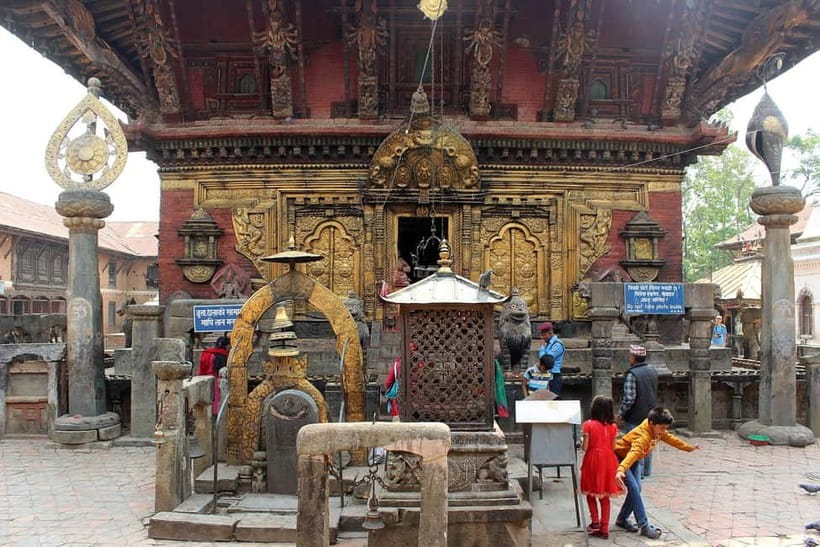
Patan is known for its cultural and artistic heritage. Here, the focus shifts from a hilltop pilgrimage site to old urban architecture, temples, and crafted details. The stop is valuable for anyone interested in woodwork, metalwork, courtyards, and the design of traditional religious buildings.
The provided plan does not name each Patan monument, so you should think of this as a guided look at the city’s main cultural area rather than a guaranteed visit to a particular palace, museum, or temple. Your guide can shape the stop around your interests, and past bookings have praised guides for doing exactly that.
The itinerary includes lunch with local cuisine, but food and drinks are not included in the tour price. Plan to pay separately. You may also want to ask your guide for a recommendation. Manoj KC has been praised for useful suggestions about places to eat and shop, which can make the middle of the day more practical.
Patan is also where the six-hour schedule can begin to feel tight. You have time to look around, but not to wander without limits. If you want long shopping stops or a detailed art study, tell the guide early so expectations are clear.
Pashupatinath and the Bagmati River
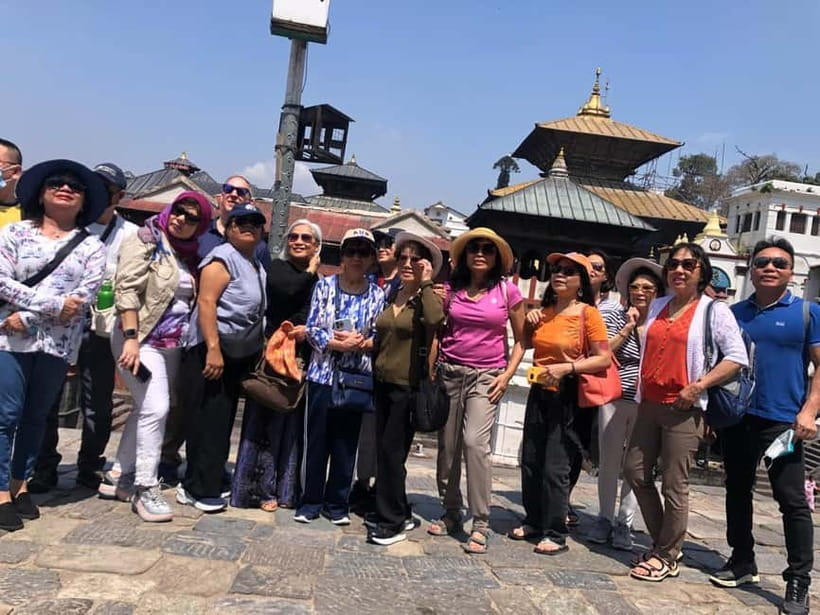
Pashupatinath Temple is the day’s most important Hindu stop. You receive another 90 minutes for a guided visit, photographs, and sightseeing.
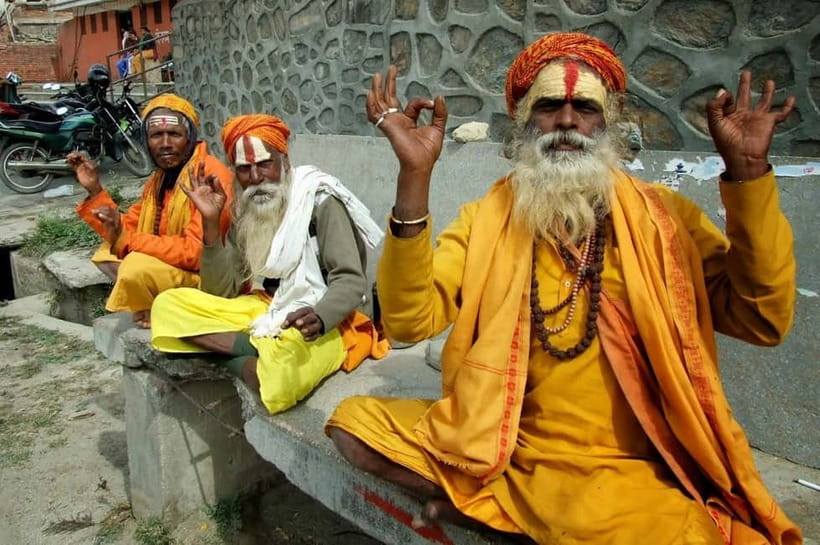
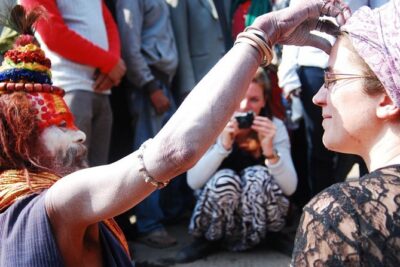
This is one of the world’s most famous Hindu shrines and is dedicated to Lord Shiva. The guide’s explanation is especially useful here because the site is not simply an old building. It is a living place of worship, and its importance comes from religious practice as much as from age or design.
The tour description refers to a spiritual swim in the Bagmati River, which is believed to wash away sins. Treat this as cultural context, not as something you must do. The key value of the stop is learning how the river, temple, and Shiva worship fit together.
You should dress and behave with care at Pashupatinath. The supplied information does not give a detailed dress code or access rule, so follow your guide’s instructions at the site. Ask before taking photographs if you are near active worship or ceremonies.
This stop may be the most meaningful for visitors who want to understand present-day religious life. It can also be the least familiar, especially if you are used to treating temples mainly as monuments. A guide helps you read the setting with respect instead of guessing at its purpose.
A few more things to do in Kathmandu worth a look
- UNESCO Seven World Heritage Tour in Kathmandu
★ 5.0 · 253 reviews - Kathmandu Private Sightseeing Tour | UNESCO World Heritage Sites
★ 5.0 · 109 reviews - Kathmandu: Full Day Private Top 4 UNESCO Heritage Tour W/Lunch.
★ 5.0 · 86 reviews - Kathmandu World Heritage Tour
★ 5.0 · 74 reviews
Boudhanath, prayer wheels and the four pairs of eyes
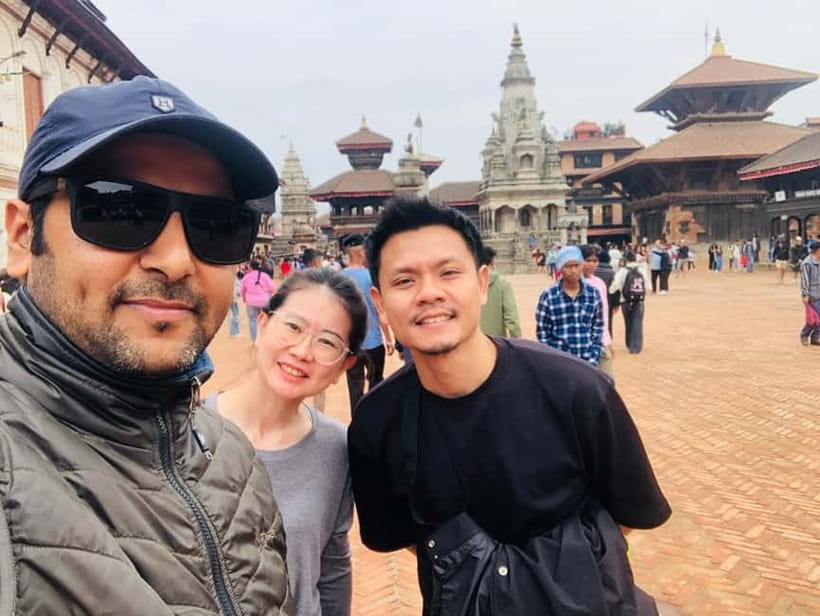
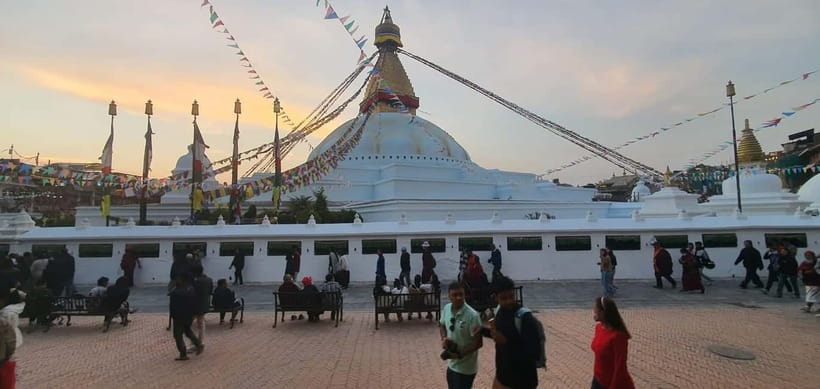
The final major stop is Boudhanath Stupa, also spelled Bouddhanath or Boudha. The visit includes a break, photographs, free time, shopping, and walking, with about 90 minutes available.
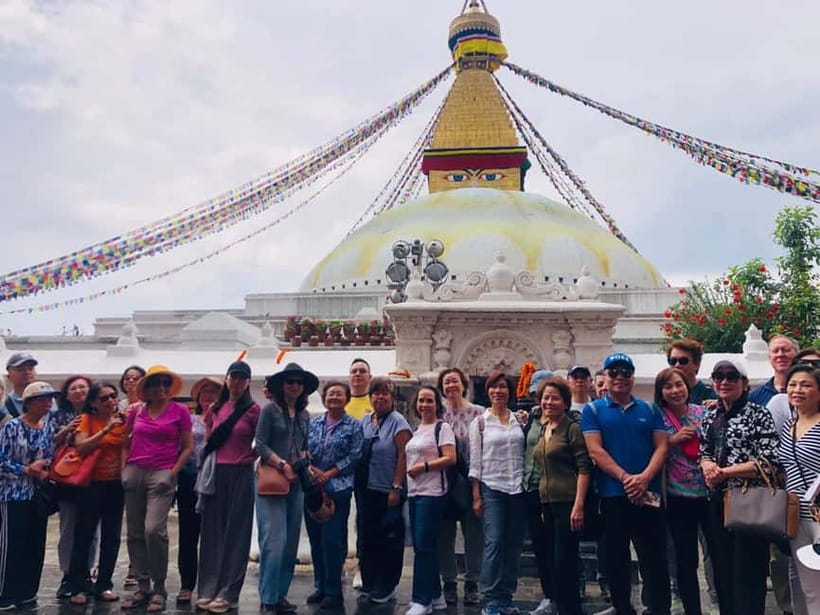
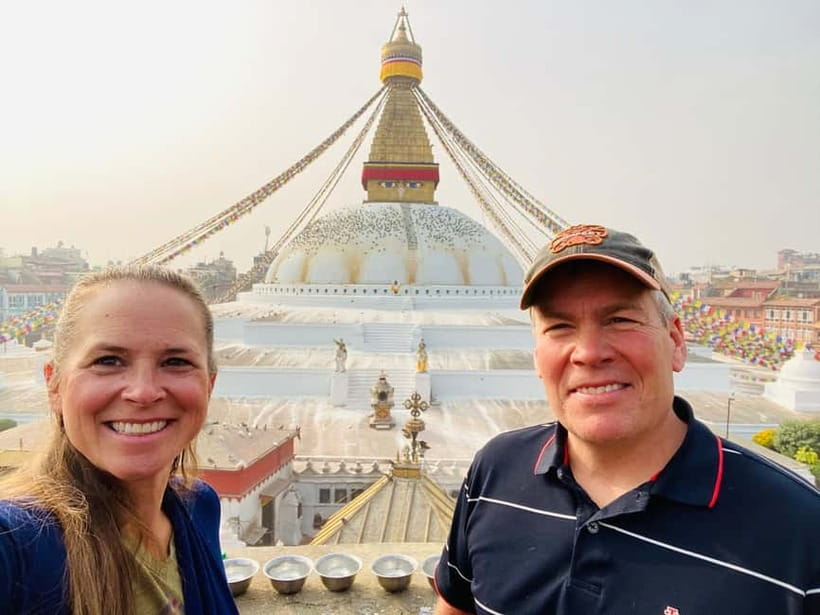
Boudhanath is one of Kathmandu’s best places to see Tibetan Buddhist practice. The giant white stupa is known for its four pairs of eyes, which face the four directions and are understood to watch over people and their actions.
The prayer wheels give you a simple way to take part in the place. Walk around the stupa and spin them in the manner your guide shows you. This is not a staged activity added for tourists. The wheels are part of the site’s religious practice, and using them respectfully makes the visit more personal than simply taking a photograph.
You also have time for shopping here. Keep the schedule in mind, since free time can disappear quickly if you browse every shop. If shopping matters to you, mention it before the stop begins.
Boudhanath is a good final stop because it slows the pace after the more varied morning. You can take photographs, sit for a break, and finish the day with a Buddhist site that feels different from Swayambhunath. The two shrines are not interchangeable, and seeing both helps you notice their different settings and rituals.
What the guide adds to the experience
The value of this tour depends heavily on the guide. The sites are easy to photograph, but their symbols and religious roles are not always obvious.
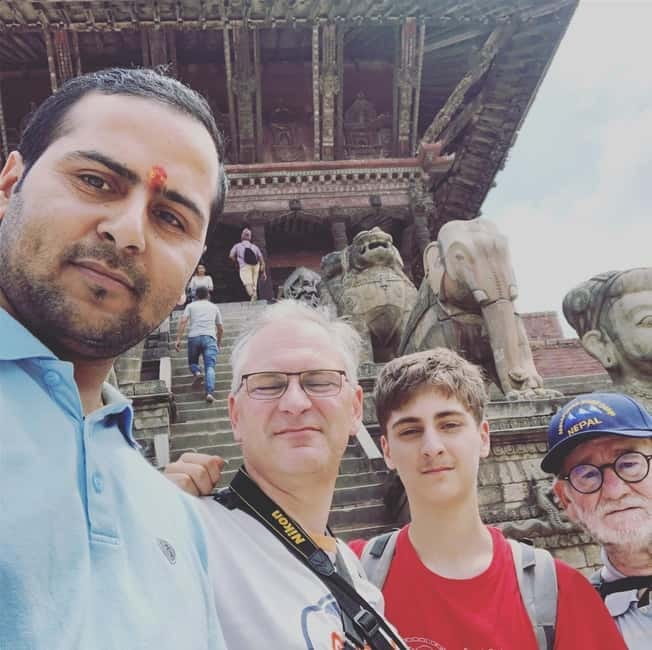
Guides connected with this experience have included Manoj KC, Rabina, and Nerry. Rabina received especially strong praise for giving detailed explanations, answering questions, and paying attention to individual interests. That matters if you are traveling alone or prefer a woman guide. You can ask about guide arrangements when booking, though the available information does not promise a specific person.
Manoj KC has been praised for his cultural explanations, food suggestions, shopping advice, and willingness to extend time at the sites. Nerry and driver Chotu were also described as attentive and friendly. These details point to the best version of the tour: not a guide reciting dates, but someone who adjusts the pace and explains what catches your eye.
The activity includes an English-speaking live guide and an English audio guide. If English is not your first language, having both options may help, though the supplied details do not explain how the audio guide is delivered.
You should tell the guide what interests you at the start. If you care most about religion, ask for more context at Pashupatinath and Boudhanath. If architecture is your priority, ask for extra detail in Patan. The day is more useful when it follows your questions.
The real cost of the six-hour tour
The listed price is $40 per person. That includes hotel pickup and drop-off, private air-conditioned transportation, a professional guide, bottled water, government tax, and service charges.
The important catch is admission. Monument entrance fees are included only if you choose the all-inclusive option. The stated total for all heritage sites is about USD 43, or NPR 5,800 per person. That means you need to compare the two booking options rather than assuming the $40 price covers everything.
At roughly $83 with admission added, the tour is not the cheapest way to see Kathmandu. It can still be good value if you want private transport, one guide for all four sites, hotel service, and a fixed route. It is less attractive if you are comfortable arranging taxis and visiting places on your own.
Food and drinks are extra. Carry cash, both for meals and for any shopping. The tour description also asks you to bring a passport or ID card, so do not leave those in your hotel unless you have confirmed they are unnecessary.
Timing, traffic and physical demands
The tour lasts six hours, but Kathmandu traffic can affect the rhythm. A delay of three to five minutes is possible because of traffic or coordination with other people, so do not schedule a tight flight, train, or important appointment afterward.
The route includes driving, walking, sightseeing, and photo stops. Each main attraction receives about 90 minutes, which creates a clear structure but leaves little room for long detours. If you want to spend extra time at one site, you may need to accept less time at another.
This is not suitable for people with mobility impairments. The hilltop setting at Swayambhunath and the walking required at the religious sites make that limitation important, not a minor footnote.
For most able walkers, practical preparation is simple: wear comfortable shoes, carry water, bring cash, and leave room in your schedule after the tour. The vehicle and bottled water help, but they do not remove the walking between the stops.
Who should book this Kathmandu tour
I would choose this tour if you have limited time in Kathmandu and want a guided introduction to the valley’s major religious and cultural sites. It also suits you if you prefer a private vehicle and hotel service instead of arranging local transport yourself.
It is particularly useful for first-time visitors who want help understanding Hindu and Buddhist customs. Solo visitors may also appreciate the organized pickup and the possibility of a female guide such as Rabina, though you should ask about guide assignment.
I would hesitate if you want a slow, highly detailed visit to each site. Six hours is efficient, not leisurely. I would also compare the final price carefully if you are traveling on a strict budget, since entrance fees can exceed the advertised tour cost.
Should you book it?
Book this tour if you want four major Kathmandu Valley sites in one day, clear cultural explanations, and private transport from your hotel. The strongest part is the variety: Swayambhunath’s hilltop view, Patan’s artistic character, Pashupatinath’s Hindu significance, and Boudhanath’s prayer wheels each add something different.
Before paying, confirm that you understand the entrance-fee option and ask about the guide language and assigned guide. If the total price suits your budget and you can manage the walking, this is a practical first look at Kathmandu’s sacred heart. If you want long meals, extended shopping, or detailed time at one monument, choose a slower private day instead.
FAQ
How long does the Kathmandu heritage tour last?
The tour lasts six hours, including transportation, guided visits, walking, photo stops, and free time.
Where can pickup and drop-off take place?
Pickup and drop-off are available from Kathmandu, Bhaktapur, and Lalitpur, also known as Patan.
Which sites are included?
The route includes Swayambhunath Temple, Lalitpur or Patan, Boudhanath Stupa, and Pashupatinath Temple.
Is hotel transportation included?
Yes. Hotel pickup and drop-off are included from Kathmandu, Bhaktapur, or Patan, using private air-conditioned transportation.
Are entrance fees included in the $40 price?
Entrance fees are included only with the all-inclusive option. Without that option, the stated total for entrance fees is about USD 43, or NPR 5,800 per person.
Is food included?
No. Food and drinks are not included, so you should budget separately for lunch and carry cash.
What language does the guide speak?
The live tour guide speaks English, and an English audio guide is also included.
Can I cancel the booking?
You can cancel up to 24 hours in advance for a full refund. The reserve-now, pay-later option is also available.
Just added in Kathmandu
- Kathmandu to Chitwan Tour by Tourist Bus – A Convenient and Affordable Way★ 4.0 · 4 reviews
- Changunarayan Hill to Telkot Hike Near Kathmandu Day Tour★ 5.0 · 6 reviews
- Mt Everest Base CampTrek | Budget Package★ 5.0 · 4 reviews
- Chitwan Jungle Safari 3-Day Tour★ 5.0 · 9 reviews
- Chandragiri Hill Station Tour by Cable Car★ 5.0 · 4 reviews
- Chandragiri Hills cable car day trip, private car with driver from Kathmandu★ 5.0 · 8 reviews
- Chandragiri to Taudaha Nature Day Hiking from Kathmandu★ 5.0 · 13 reviews
- Chandragiri Cable Car & Monkey Temple Private Guided Day Tour★ 5.0 · 5 reviews
Kathmandu UNESCO Heritage Tours, compared.
Private Kathmandu Sightseeing Tour | UNESCO World Heritage sites
Read our review →
Full Day 7 UNESCO Tour with Lunch – Private/Group
Read our review →
Private Bhaktapur and Nagarkot Day Tour From Kathmandu
Read our review →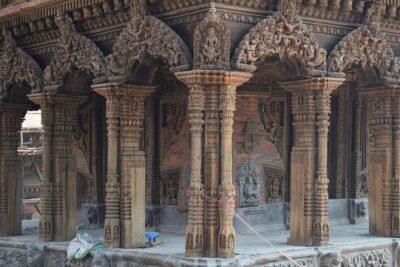
Kathmandu Spiritual Sites: Bodhnath & Pashupatinath Tour
Read our review →
Day Trip to Bhaktapur and Panauti from Kathmandu
Read our review →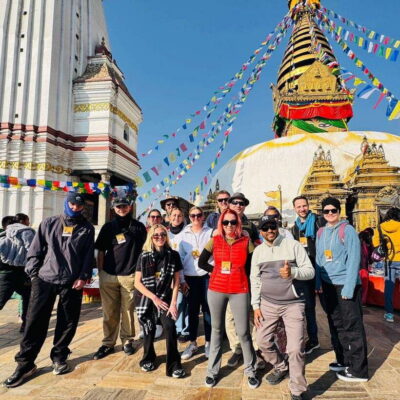
Browse the lists this tour appears in