
Reviewed · LUMBINI & BUDDHIST PILGRIMAGE TOURS
Lumbini Full day tour with Guide
Lumbini is not simply another historic stop in Nepal. It is the place revered as the birthplace of Siddhartha Gautama, and the visit centers on the quiet Maya Devi Temple, where a sacred marker identifies the spot linked with his birth. I like that this private tour gives you a guide to explain what you are seeing, and I like the chance to compare Buddhist monasteries built by communities from different countries. The main caution is that the promised eight hours may not always be filled. One booking ended after about four hours because the guide felt there was little else to see.
I also like the flexibility offered by guides such as Suhail, who can adjust the starting time and answer questions at your pace. Some visitors have received help finding a monastery for a later stay, and Suhail has sometimes arranged access to parts of Lumbini that are not obvious to an independent visitor. Still, entrance fees are extra, and adding a tuk-tuk to cover the broad complex can push the total cost well above the advertised $38.
Key points to know before booking
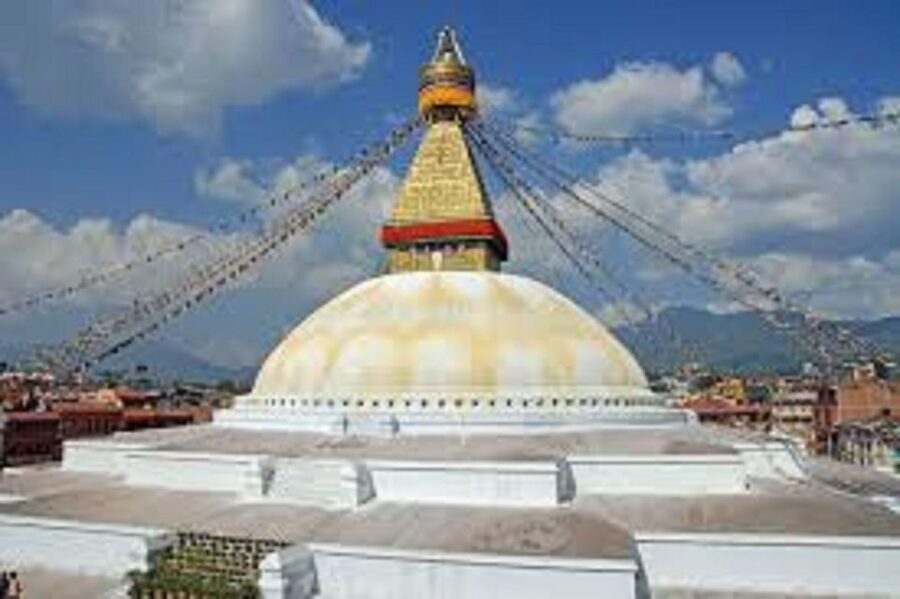
- The Maya Devi Temple is the emotional center: You visit the spot associated with Queen Maya Devi and the birth of Siddhartha Gautama.
- A private guide changes the experience: English, Nepali, and Hindi guiding lets you ask questions instead of simply walking between monuments.
- The monastery zone offers a world tour of Buddhism: Buildings from different countries show distinct styles, artwork, and religious traditions.
- Pickup is limited to the Lumbini area: Hotel pickup and drop-off cover places within a 3-kilometer radius of Maya Devi Temple.
- Budget for extras: Food, drinks, entrance fees, and any tuk-tuk used inside the large complex are not included.
- Allow for a flexible schedule: The advertised duration is eight hours, but the actual touring time can be shorter.
Why Lumbini feels different from a normal sightseeing stop
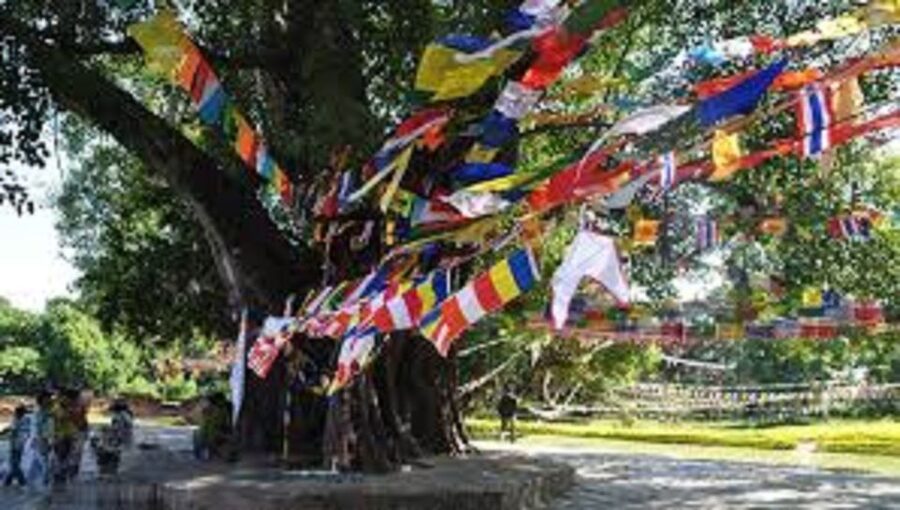
Lumbini is in Nepal’s western Terai, close to the Indian border. It is both a pilgrimage center and a UNESCO World Heritage site, but it does not feel like a crowded city monument. The main area is spread through gardens, monasteries, shrines, and open paths, creating a slower rhythm than you find in Kathmandu or Pokhara.
That quiet setting matters. You are not only checking off a birthplace marker. You are moving through a place used for prayer, meditation, study, and reflection. Some people come for Buddhist history, some for religious reasons, and others simply want a calm day away from busy roads and market streets.
A guide is especially useful here because the meaning of Lumbini is not always obvious from the buildings alone. Architectural details can point to different Buddhist traditions, while a small marker or shrine may carry more importance than a large modern structure. With a guide, you can ask what each place represents and how the pieces fit together.
Other Buddhist sites within reach of Nepal:
- Buddhist Pilgrimage Tour In Nepal
★ 5.0 · 27 reviews - Mount Everest Scenic Flight by Buddha Air with Free Transfers
★ 5.0 · 25 reviews - Namo Buddha and Thrangu Tashi Yangtse Monastery Half-Day Tour
★ 5.0 · 24 reviews
Starting with hotel pickup near Maya Devi Temple
The day begins with pickup from your hotel within the Lumbini temple area. The stated pickup range is within 3 kilometers of Maya Devi Temple, so confirm your hotel location before booking. If you are staying farther away, you may need to arrange your own way to the meeting point.
The experience is private, which gives the day a useful amount of flexibility. You are not tied to a large group’s pace, and you can ask to spend more time at a monastery or pause when you need a rest. Suhail has been praised for adjusting the start time, a helpful touch if you want to avoid the hottest part of the day or coordinate with another Nepal journey.
The description calls this a hiking tour, but think of it as a walking-based visit through a broad religious complex rather than a mountain hike. Wear comfortable shoes. Carry a passport or other identification, some cash, and the bottle of water supplied for each person.
Large luggage is not allowed, so leave your main bags at your hotel. The tour operates in rain or shine. That makes a light rain layer sensible during wet weather, though the supplied information does not specify whether umbrellas or other rain gear are provided.
The Maya Devi Temple and the birth marker
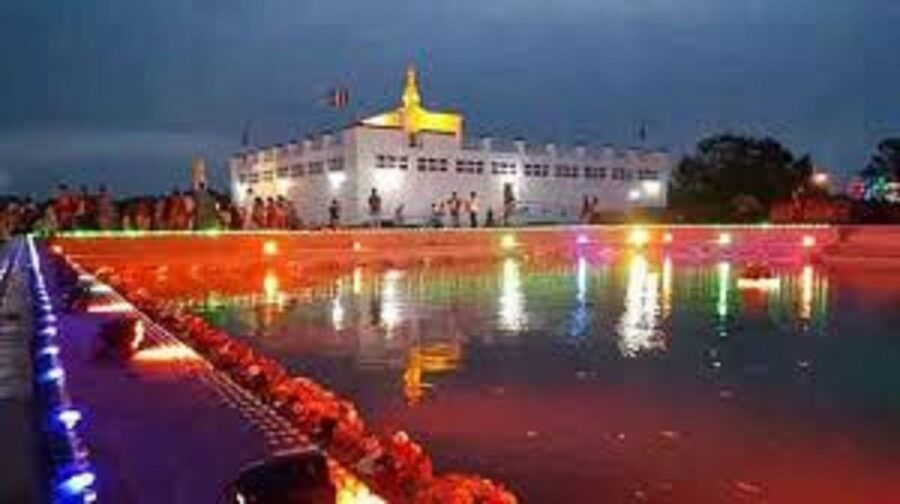
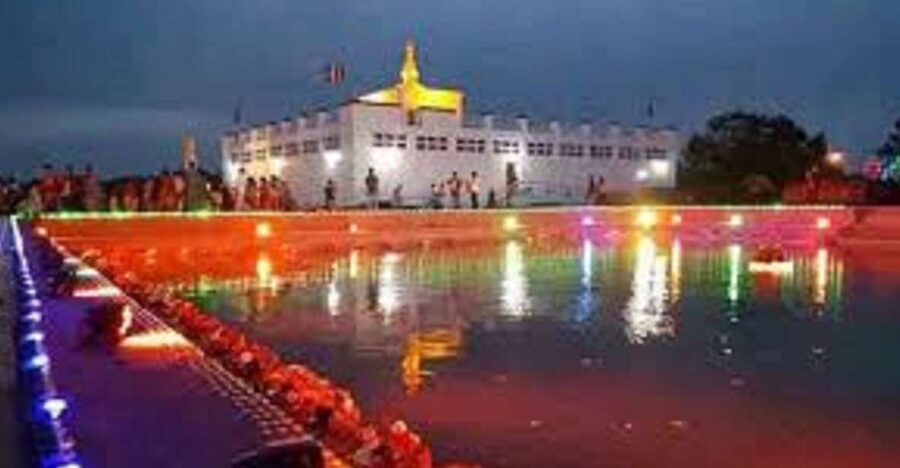
The Maya Devi Temple is the key stop. It is dedicated to Queen Maya Devi, Buddha’s mother, and marks the place where she is believed to have given birth to Siddhartha Gautama.
Inside, you see a sacred marker stone connected with the birthplace tradition. The temple also includes a pond where Queen Maya Devi is believed to have bathed before giving birth. These details give the site a personal scale. Instead of viewing Buddha only as a distant religious figure, you are standing in a place tied to his mother and his earliest story.
This is also the part of the tour where a calm manner matters. The temple is a pilgrimage site, not just a photo stop. You should expect a setting suited to quiet attention rather than loud commentary or a rushed circuit. A guide can explain the symbolism, but you will still want time to look around without constant narration.
Entrance fees are not included in the $38 price. Carry cash for admission and other small expenses. The exact fee is not provided, so you should confirm the current amount before setting your final budget.
Walking through the Sacred Garden
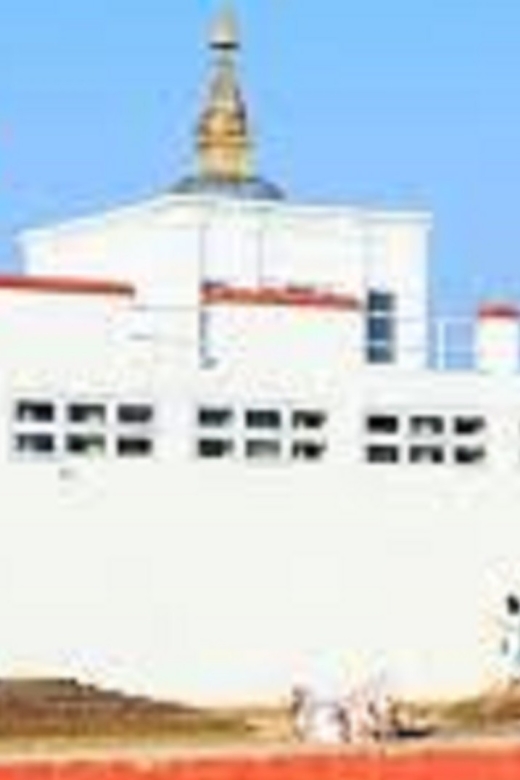
The Maya Devi Temple sits within the Sacred Garden, part of the larger Lumbini Development Zone. This is the main area where you spend time among trees, open paths, religious monuments, and places connected with the Buddha’s birth.
The garden setting is one of the tour’s strongest features. It creates room for reflection, and the distance between major points helps the visit feel less like a museum route. You may want to slow down here, especially after the more formal introduction at the temple.
The broad complex also explains why some people choose a tuk-tuk. You can walk, but covering every area on foot may take time and energy. An optional tuk-tuk can make it easier to reach more distant monasteries, though it costs extra and affects the value calculation. At $38, the guide fee is reasonable for a private eight-hour day, but the overall price rises once you add admission and internal transport.
Ask your guide at the start how much ground you will cover on foot and how much time is planned for the monastery area. That simple conversation can prevent a mismatch between your expectations and the actual day.
A few more things to do in Nepal worth a look
- Kathmandu: Full Day 7 UNESCO Tour with Lunch – Private/Group
★ 5.0 · 415 reviews - Kathmandu: Full Day Top 4 UNESCO Tour with Lunch – Private/Group
★ 5.0 · 269 reviews - Kathmandu: Full-Day 7 UNESCO Tour with Lunch – Private/Group
★ 4.9 · 247 reviews - Full-Day Tibetan Cultural Tour to Tibetan Settlements Pokhara
★ 5.0 · 184 reviews
Monasteries from Buddhist communities around the world
Lumbini’s monastery zone gives you a chance to see how Buddhism has developed across different countries and traditions. Monasteries and shrines reflect distinct architectural styles, decorative choices, and forms of religious expression.
This variety is more valuable with a guide. Without context, you may see a collection of impressive buildings but miss why they differ. A guide can help you compare the design and religious influence of each site, giving the complex a wider meaning than a single birthplace shrine.
The exact monasteries visited can depend on opening conditions, timing, and your interests. One particularly useful benefit of a private guide is the possibility of asking to spend more time in places that interest you. Suhail has also helped arrange access to some less obvious or private areas, though you should not assume every door will be open on every visit.
Admission is not included, and at least one monastery has required a separate fee. This is an important detail for anyone comparing a guided visit with independent sightseeing. Ask which entrances are included before you begin, and keep cash ready.
Lumbini Museum and the wider story
The Lumbini Museum adds historical context to the religious sites. It contains artifacts and archaeological findings connected with Buddha’s life and the development of Buddhism in the region.
I would treat the museum as an important counterpoint to the temple. The Maya Devi Temple gives you the sacred focus, while the museum helps place Lumbini within a longer story of archaeology, pilgrimage, and Buddhist development. If you are interested in history, this is one of the stops that makes a guided tour especially worthwhile.
The supplied information does not give a separate museum schedule or admission cost, so confirm both with your guide. Since the tour is described as lasting eight hours, the museum may fit comfortably into a full visit, but the shorter four-hour experience reported by one customer shows why you should clarify the plan early in the day.
Time for meditation and quiet reflection
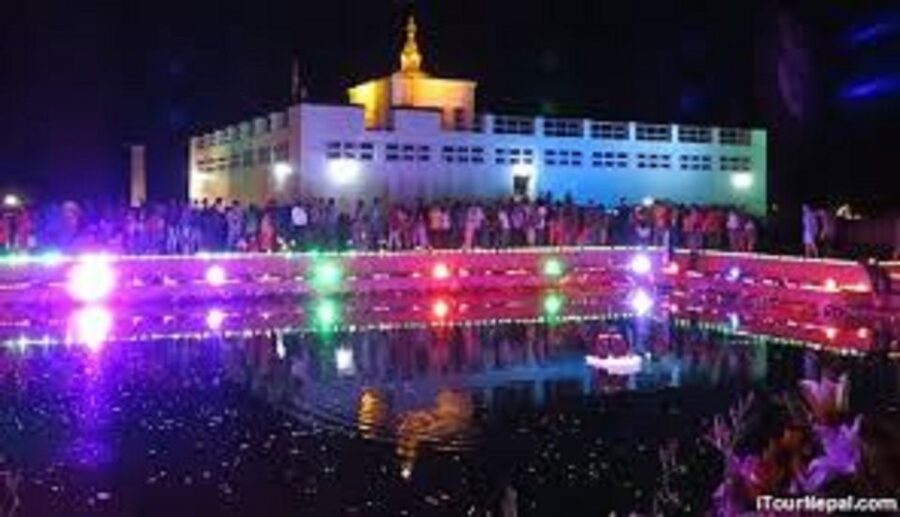
Lumbini rewards a slower approach. The gardens and open spaces give you room to sit, think, or simply observe the atmosphere. You do not need to be Buddhist to appreciate this part of the visit.
Your guide can explain the religious setting, but the best moments may come between explanations. Leave some quiet time around the temple and garden rather than treating every minute as a lecture. This is one reason a private group can be more satisfying than a fixed group schedule.
The peaceful mood is not guaranteed at every moment. Religious sites can have changing activity, and weather can affect how long you want to remain outdoors. Still, the overall setting is designed for contemplation, and the tour suits anyone who prefers a thoughtful cultural visit over a fast list of attractions.
Exploring local life outside the development zone
The experience can also take you beyond the main temple area toward nearby villages and local communities. This offers a different view of Lumbini, away from the carefully planned religious zone.
You may have a chance to observe daily life, try traditional Nepali food, and take part in cultural exchange. The details depend on the day and on what you choose with your guide, so do not expect a fixed village program with a guaranteed meal. Food and drinks are not included, but they are available for purchase.
This part of the day can be useful if you want more than religious monuments. It connects Lumbini with the surrounding Terai region and gives you a chance to see how the pilgrimage center relates to local life. If your priority is only the Maya Devi Temple and monasteries, tell your guide so the available time is used there instead.
What $38 buys you, and what it does not
At $38 per person, the tour offers a private English-speaking guide, hotel pickup and drop-off within the stated area, a bottle of water, and up to eight hours of scheduled time. English, Nepali, and Hindi are available, which gives you a choice of language when arranging the experience.
The value is strongest if you care about explanation and flexibility. Lumbini covers a large area, and the buildings do not all explain themselves. A guide who answers questions, adjusts the start time, or helps you reach a monastery can save effort and add meaning to the visit.
The price is less attractive if you assume it covers every expense. Entrance fees, meals, drinks, and tuk-tuk transport are extra. The cost can become relatively high for one person if you add several admissions and vehicle hire, but it remains more appealing for a private group that wants its own pace.
I would also treat the eight-hour duration as an upper target rather than a firm guarantee. One customer received about four hours and was told there was little else to see. Ask for a clear outline before starting: temple, garden, monasteries, museum, village area, and expected finish time.
Who will get the most from this private tour
This experience suits you best if you have a real interest in Buddhist history, religious architecture, or sacred places. It is also a good fit if you prefer asking questions and moving at your own pace instead of joining a fixed group.
It works well for solo visitors and small private groups. A guide can help a solo guest with orientation and local arrangements, while a group can spread the guide cost among several people.
You may prefer independent exploration if you want to spend a full day walking slowly with no planned structure, or if you are trying to keep every extra cost low. Lumbini can be visited without this service, but you will need to manage directions, admissions, transport, and interpretation yourself.
The tour is not suitable for pregnant women according to the supplied conditions. Comfortable shoes are important for anyone planning to cover the complex on foot.
Should you book the Lumbini full-day tour?
Book it if you want the Maya Devi Temple explained properly, value a private guide, and plan to see more than one shrine. Suhail has shown flexibility with timing and may help you find less obvious monastery access or local arrangements.
Before paying, confirm three things: the expected length of the day, which entrances you will visit, and whether you plan to use a tuk-tuk. That will give you a more honest estimate than the $38 headline price alone.
If you are mainly interested in the birthplace marker and have limited time, a shorter visit may be enough. If Buddhist history and architecture matter to you, the guide adds real value, as long as you set clear expectations about the itinerary and extra fees.
FAQ
Where does hotel pickup take place?
Pickup and drop-off are available within the Lumbini temple area, specifically within a 3-kilometer radius of Maya Devi Temple.
How long does the tour last?
The scheduled duration is eight hours, but the actual sightseeing time can be shorter. One reported booking lasted about four hours, so confirm the day’s plan with your guide.
What languages does the guide speak?
Guiding is available in English, Nepali, and Hindi.
Are entrance fees included?
No. Entrance fees are not included in the tour price. Carry cash for admissions and other expenses.
Is food included?
No. Food and drinks are not included, though they are available for purchase.
What should I bring?
Bring a passport or other identification, cash, and comfortable shoes. Large bags and luggage are not allowed.
Just added in Nepal
- Kathmandu to Chitwan Tour by Tourist Bus – A Convenient and Affordable Way★ 4.0 · 4 reviews
- Changunarayan Hill to Telkot Hike Near Kathmandu Day Tour★ 5.0 · 6 reviews
- Mt Everest Base CampTrek | Budget Package★ 5.0 · 4 reviews
- Chitwan Jungle Safari 3-Day Tour★ 5.0 · 9 reviews
- Chandragiri Hill Station Tour by Cable Car★ 5.0 · 4 reviews
- Chandragiri Hills cable car day trip, private car with driver from Kathmandu★ 5.0 · 8 reviews
- Chandragiri to Taudaha Nature Day Hiking from Kathmandu★ 5.0 · 13 reviews
- Chandragiri Cable Car & Monkey Temple Private Guided Day Tour★ 5.0 · 5 reviews
Lumbini & Buddhist Pilgrimage Tours, compared.
Mount Everest Scenic Flight by Buddha Air with Free Transfers
Read our review →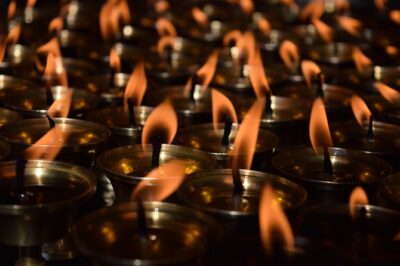
Namo Buddha and Thrangu Tashi Yangtse Monastery Half-Day Tour
Read our review →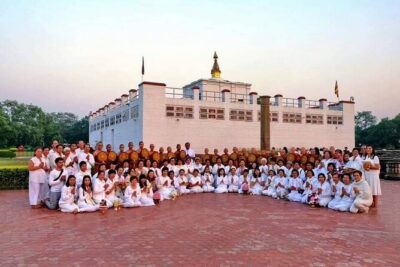
Lumbini Tour Package From Kathmandu or Pokhara: 2 Night 3 Days
Read our review →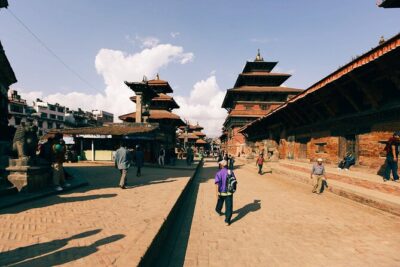
Bhaktapur Sightseeing & Dhulikhel, Namo Buddha, Panauti Tour
Read our review →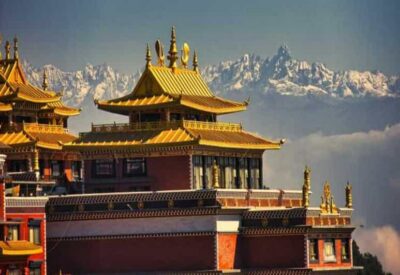
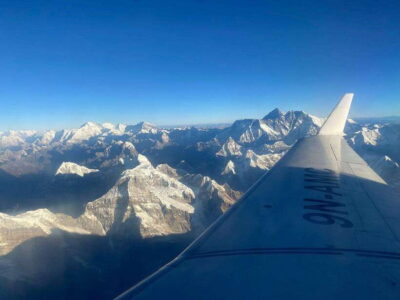
Everest Scenic Flight By Buddha Air with Free Hotel Transfer
Read our review →
Browse the lists this tour appears in