
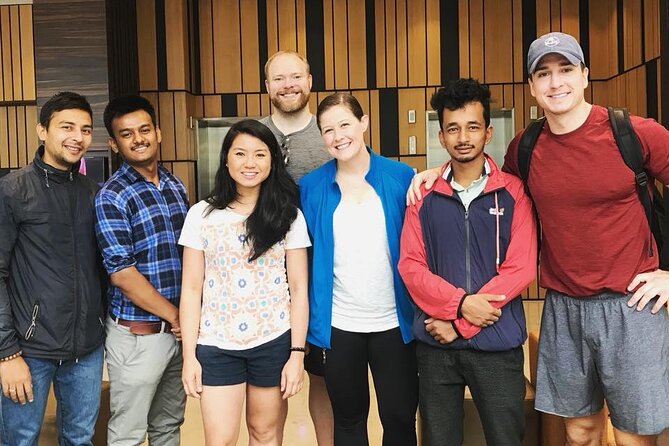
Reviewed · KATHMANDU UNESCO HERITAGE TOURS
Kathmandu: Full-Day 7 UNESCO Tour with Lunch – Private/Group
Kathmandu’s seven UNESCO sites tell the story of Nepal through carved wood, royal courtyards, Hindu shrines, Buddhist stupas, and living religious traditions. This full-day tour gives you a practical way to see them all, with guides such as Sumit, Asmita, Anon, Sajina, and Ram bringing local context to each stop.
I like the air-conditioned private transport and hotel pickup, especially in Kathmandu’s crowded streets. I also like the chance to see both major royal squares and important Hindu and Buddhist centers in one day. The tradeoff is simple: seven sites require a long, active day, and several hours of that day will be spent in traffic or making quick visits.
Key points
- Seven UNESCO sites in one day: Swayambhunath, Kathmandu Durbar Square, Patan, Bhaktapur, Changu Narayan, Pashupatinath, and Boudhanath.
- A smart choice for a short stay: You can cover the valley’s major heritage areas without arranging separate taxis and guides.
- Strong guide service: Guides including Sumit, Asmita, Anon, Sajina, Ram, and Ananta are praised for clear explanations, patience, humor, and help with photos.
- Watch the extra costs: Monument fees are about USD 43, or NPR 5,800, unless you select the all-inclusive option.
- Expect a lot of walking: The day is rewarding but tiring, with limited time at places such as Bhaktapur.
- Comfortable transport: Hotel pickup, air conditioning, bottled water, and a careful driver make the packed schedule easier.
Seven UNESCO sites, one very full Kathmandu day
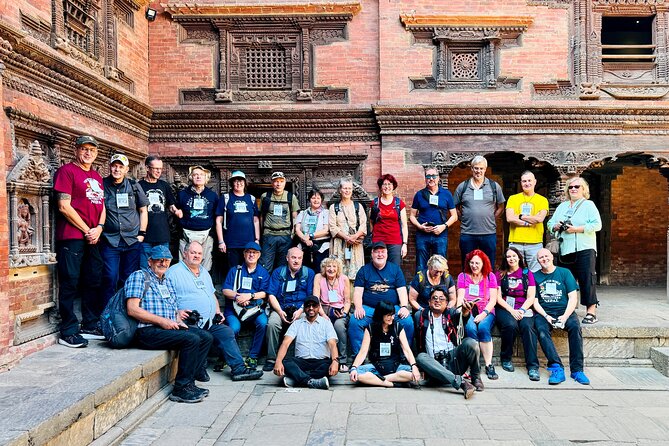
This tour is best understood as a fast, well-organized introduction to Kathmandu Valley rather than seven leisurely museum visits. The sites are spread across the valley, and traffic can be slow, so your guide and driver do important work between the monuments.
Group pickup in the Thamel area begins around 8:00 AM, with the exact time sent one day before. Private tours offer more flexibility, and several people who booked privately appreciated being able to ask more questions, stop for snacks, and move at a personal pace.
The vehicle is private and air-conditioned, even on the group option. That matters in Kathmandu, where a short distance on the map can take time by road. Pickup and drop-off at your hotel remove much of the usual bargaining and navigation.
The guide speaks English or Hindi. Guides named in the feedback include Sumit, Asmita, Anon, Sajina, Ram, Ananta, Surita, Dipesh, and Rajan. The strongest pattern is clear explanation of religion, architecture, local customs, and Nepalese history, along with patience when the day runs long.
More temple and square walks around Kathmandu:
- Private Kathmandu Sightseeing Tour | UNESCO World Heritage sites
★ 5.0 · 756 reviews - Kathmandu: Full Day 7 UNESCO Tour with Lunch – Private/Group
★ 5.0 · 415 reviews - Private Bhaktapur and Nagarkot Day Tour From Kathmandu
★ 5.0 · 305 reviews
Swayambhunath, the hilltop Monkey Temple
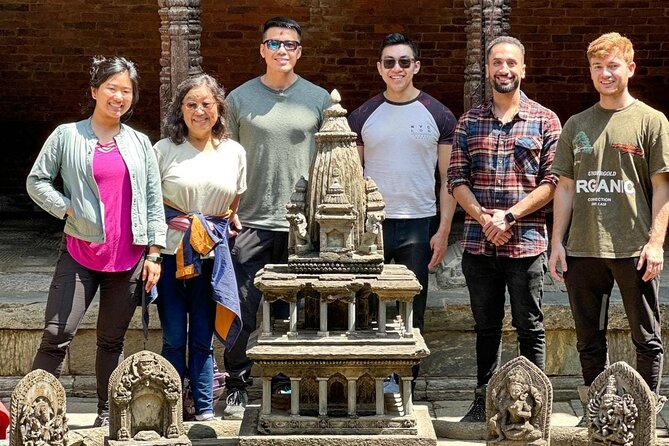
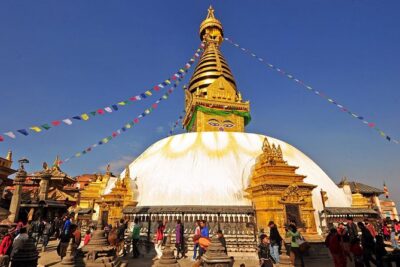
Swayambhunath is often called the Monkey Temple, and it is one of the most recognizable places in Kathmandu. Set on a hill above the city, it combines Buddhist shrines, prayer flags, carved details, and broad views over Kathmandu Valley.
The climb and uneven walking surfaces give this first stop some physical weight. If you have limited mobility, note that the tour is not suitable for wheelchair users. The site is also not suitable for visually impaired people according to the activity information.
Your guide can help you make sense of the religious details instead of reducing the visit to a photo stop. Look closely at the layered mix of Buddhist imagery and local devotion. You will likely notice that the site feels active rather than preserved only for sightseeing.
This is a good place to bring your camera, but keep your attention on the setting as well. The city views help you understand Kathmandu’s size and density before the tour moves into the historic core.
Kathmandu Durbar Square and the old royal center
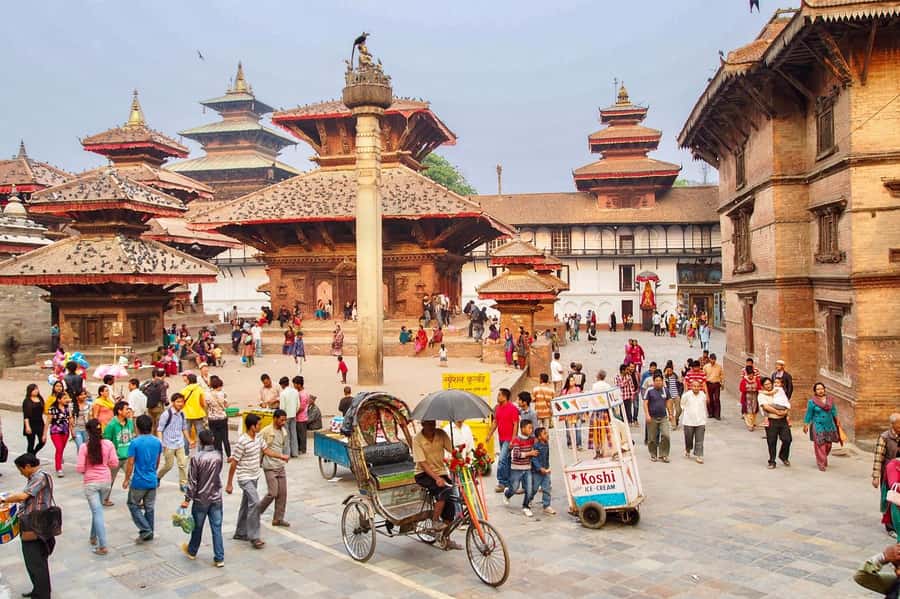
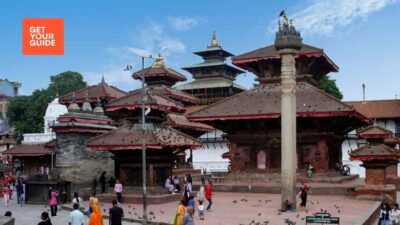
Kathmandu Durbar Square brings you into Nepal’s royal past through courtyards, temples, palaces, and carved wooden façades. The square is not one single building. It is a group of connected spaces that reward a guide who can explain what you are looking at.
This is one of the stops where local history and daily life meet. The surrounding area remains part of Kathmandu rather than a sealed archaeological park, so the experience can feel crowded and active. That energy is part of the appeal, though it can also make careful photography and quiet observation harder.
A well-prepared guide is especially useful here. Several guides are praised for explaining political, architectural, and cultural details in clear English. Sumit, Asmita, and Anon are repeatedly singled out for answering questions and keeping the day friendly even when the schedule becomes demanding.
You should not expect enough time to study every carving. The value is in seeing the square, learning its place in Nepal’s royal story, and gaining a framework for the other Newari sites later in the day.
Patan Durbar Square and Newari craftsmanship
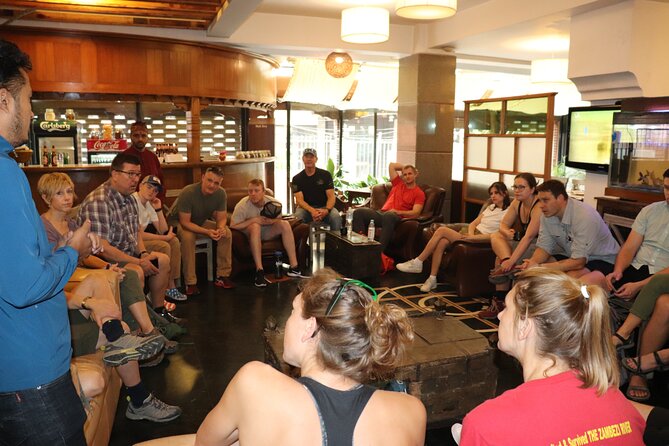
Patan Durbar Square is known for detailed Newari architecture and traditional craftsmanship. Its courtyards, temples, and wood carvings offer a different mood from Kathmandu’s larger central square.
I find this stop valuable because the details are easy to miss when you walk alone. A guide can point out repeated design patterns, religious symbols, and the relationship between the buildings. The tour format gives you that explanation without requiring you to research the site in advance.
The drawback is time. Patan deserves a slow look, particularly if architecture is your main interest, but this itinerary must keep moving. Take pictures of the carved windows and doorways, then stay close to your guide so you do not lose time finding the meeting point.
A few more things to do in Kathmandu worth a look
- Kathmandu: Full Day Top 4 UNESCO Tour with Lunch – Private/Group
★ 5.0 · 269 reviews - Kathmandu: Nagarkot Sunrise View & Morning Hike with Lunch
★ 4.9 · 188 reviews - Kathmandu: Top 4 UNESCO Tour with Lunch – Private/Group
★ 4.9 · 181 reviews - Kathmandu: Nagarkot Sunrise & Hike with Lunch -Private/Group
★ 4.9 · 122 reviews
Bhaktapur, the grandest square on the route
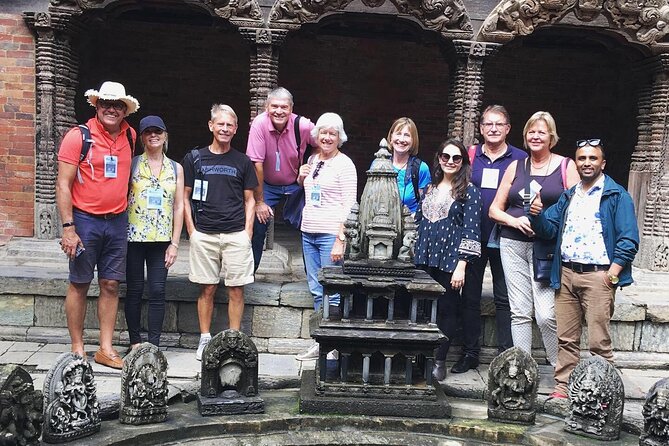
Bhaktapur Durbar Square is often the most anticipated stop, and it is easy to understand why. Its Newari buildings, open spaces, temples, and carved façades create a strong sense of place.
It is also the stop that most clearly exposes the limits of a one-day seven-site plan. The entrance fee alone is about NPR 1,800, and the square deserves more time than a quick pass through. You will see important sections and receive useful context, but you will not explore every corner at a relaxed pace.
If Bhaktapur is your main reason for visiting Nepal, I would consider a separate visit or a slower multi-day plan. If your time in Kathmandu is short, this tour still gives you a worthwhile first look and saves you the work of arranging transport across the valley.
The best approach is to accept the schedule. Do not try to see every detail. Let your guide show you the key architecture and explain how the city’s Newari character differs from the other royal squares.
Changu Narayan and centuries-old carvings
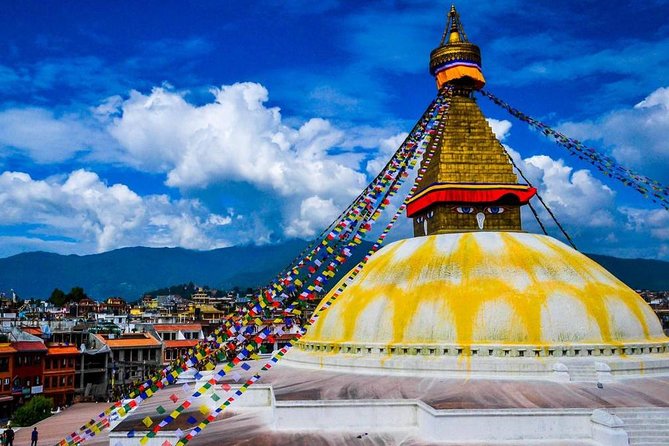
Changu Narayan is dedicated to Lord Vishnu and is described as Nepal’s oldest Hindu temple. Its carved details and long religious history make it an important contrast to the larger urban sites.
The setting also changes the rhythm of the day. After the city squares, Changu Narayan offers a more focused temple visit. The appeal is not size but age, detail, and religious meaning.
This is another stop where a guide adds real value. The carvings can look decorative at first glance, but an explanation of the figures and symbols helps you read the temple as a place of worship rather than simply an old structure.
You should bring cash and keep your identification with you. The activity asks you to carry a passport or ID card, and a copy is accepted.
Pashupatinath on the Bagmati River
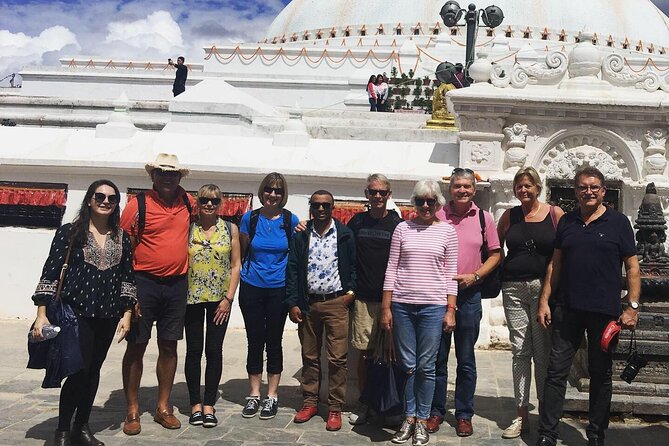
Pashupatinath Temple is one of the most sacred Hindu temples in the world and sits beside the Bagmati River. The site has a strong spiritual presence, with religious activity continuing around the temple complex.
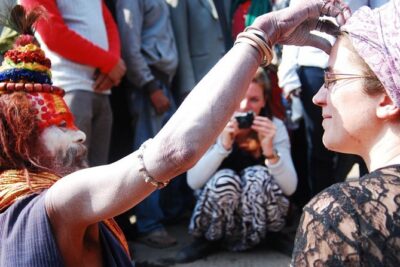
For many people, this is the most emotionally powerful stop. It offers a direct look at Hindu practice in Nepal, not just architecture behind a ticket barrier. Your guide can explain what you are seeing and help you approach the site with appropriate respect.
The visit may feel intense, particularly after several earlier monuments. The tour’s pace means you will not have unlimited time to absorb every part of the complex, but the guide helps connect the rituals, buildings, and setting.
Keep an open mind and allow the site to be what it is. Pashupatinath is not arranged solely for sightseeing, and that is precisely why it can be such an important part of the day.
Boudhanath, the final great stupa
Boudhanath Stupa is a huge Buddhist monument and an important center of Tibetan culture and worship. Ending here gives the tour a different visual and spiritual note after the Hindu temples and royal squares.
The stupa is best appreciated by walking around it and looking at the structure from several angles. Prayer flags, devotional activity, and surrounding Tibetan Buddhist culture make this more than a quick monument photo.
By this stage, you may be tired. A guide such as Ananta, Ram, or Sumit can keep the final visit useful by explaining the symbolism and answering questions rather than simply rushing you through.
Boudhanath is also a good place to reflect on the range of the day. In a few hours, you have seen royal architecture, Hindu temples, Buddhist sites, and living Newari traditions.
How the pace feels in real life
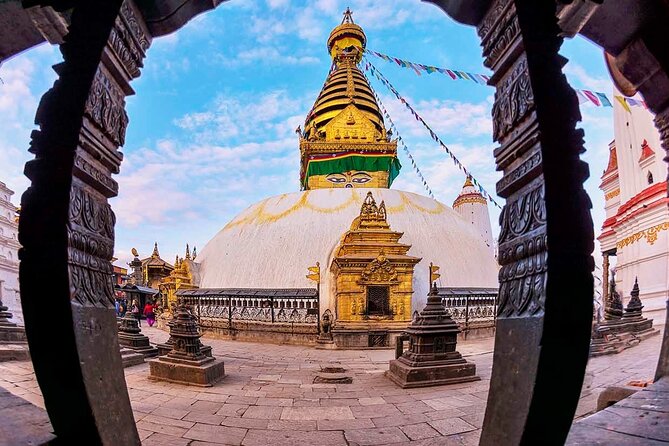
The tour is often described as a long but rewarding day. That is accurate. You will walk at each site, get back into the vehicle, drive through Kathmandu Valley, and repeat the process several times.
The schedule can run into the evening, especially if traffic is heavy or a group takes longer at a stop. That is not necessarily poor organization. Seven major heritage sites simply require stamina, and a careful guide may prefer giving useful explanations over ending early.
Group tours depend on everyone returning to the vehicle on time. A few minutes of delay is expected because of traffic and coordination, with a stated pickup delay of three to five minutes. If you value maximum flexibility, choose the private option.
Wear comfortable shoes and carry sunscreen, a daypack, cash, and a camera. The tour includes bottled water, and the standard lunch box contains a 500ml bottle of water, muffin, donut, banana, seasonal fruit, and juice.
Lunch, tickets, and the real price
The advertised price of $5 per person looks extremely low, but you must read the inclusions carefully. Monument tickets are not included in the standard package and total about USD 43, or NPR 5,800, per person. SAARC nationals pay about USD 22 in total.
That makes the all-inclusive option much easier to budget. It includes monument fees and food, soft drinks, a khana set, or a choice of dishes. The standard package includes the lunch box, but not the entrance fees.
Lunch quality may vary. One person found the food disappointing for the cost, while another private-tour guest enjoyed a filling rice, chicken, and vegetable meal. I would choose the all-inclusive plan for convenience rather than expecting a food highlight.
At $5 before tickets, the tour is not really a five-dollar day. Once entrance fees are added, the value comes from the guide, transport, hotel service, and the ability to cover seven sites efficiently. For a first visit or a short stay, that can still be excellent value.
Private or group tour?
A group tour suits solo visitors and anyone who wants a lower-cost way to meet other people. Several small groups fit comfortably into a vehicle, and the guide manages the route and explanations for everyone.
A private tour is better if you want more time for questions, photography, food stops, or a slower pace at one particular site. It also gives you a better chance of adapting the day if you are tired.
The guide makes a major difference in either format. Sumit is praised for his clear explanations, energy, and patience. Asmita is praised for warm communication, humor, and detailed site explanations. Anon is noted for extending the day so the sites received meaningful attention. Sajina is praised for making the experience personal and helping with photographs.
Guide assignments are not guaranteed, so book for the structure and service rather than for one specific person. The repeated praise for the guide team suggests a strong standard, but the exact match depends on availability.
Who should book this Kathmandu tour?
I would choose this tour if you have only one or two days in Kathmandu and want a fast introduction to the valley’s major heritage sites. It is also useful if you prefer not to negotiate taxis, plan routes, or manage ticket counters on your own.
It suits first-time visitors, solo travelers, history fans, and anyone who wants explanations rather than a series of unconnected photo stops. The guides are especially valuable at Pashupatinath, Swayambhunath, and the three Durbar Squares.
I would not choose it if you dislike long days, need a relaxed schedule, or want to study Bhaktapur and Patan in detail. A four-site tour or separate visits over two or three days would give you more breathing room.
The activity is not suitable for wheelchair users or visually impaired people. Carry cash for tickets if you do not choose all-inclusive, and expect a three to five minute pickup delay caused by Kathmandu traffic or group coordination.
Should you book it?
Book this tour if your priority is coverage. You will see the seven major UNESCO sites, travel in an air-conditioned vehicle, receive hotel pickup and drop-off, and get explanations that make the buildings and rituals easier to understand.
Choose the all-inclusive package if you want predictable costs. Choose private if you can spend more and value flexibility. If you have several days in Kathmandu, I would split the sights across a slower plan, but with limited time, this is an efficient and worthwhile first pass through Nepal’s capital.
FAQ
How many UNESCO World Heritage Sites does the tour visit?
The tour visits seven sites: Swayambhunath, Kathmandu Durbar Square, Patan Durbar Square, Bhaktapur Durbar Square, Changu Narayan Temple, Pashupatinath Temple, and Boudhanath Stupa.
What time does the group tour begin?
Group pickups in the Thamel area begin around 8:00 AM. You receive your exact pickup time one day before the tour.
Are monument entrance fees included?
Entrance fees are included only with the all-inclusive package. Otherwise, expect to pay about USD 43, or NPR 5,800, for all sites. SAARC nationals pay about USD 22 in total.
Is lunch included?
A lunch box is included and contains bottled water, a muffin, donut, banana, seasonal fruit, and juice. The all-inclusive package also covers food, soft drinks, a khana set, or a choice of dishes.
Is transportation included?
Yes. The tour includes hotel pickup and drop-off and air-conditioned private transportation.
What languages does the guide speak?
Guides are available in English and Hindi.
What should I bring?
Bring a camera, cash, a daypack, and a passport or ID card. A copy of your passport or ID is accepted.
Is the tour suitable for wheelchair users?
No. The activity is not suitable for wheelchair users or visually impaired people.
Just added in Kathmandu
- Kathmandu to Chitwan Tour by Tourist Bus – A Convenient and Affordable Way★ 4.0 · 4 reviews
- Changunarayan Hill to Telkot Hike Near Kathmandu Day Tour★ 5.0 · 6 reviews
- Mt Everest Base CampTrek | Budget Package★ 5.0 · 4 reviews
- Chitwan Jungle Safari 3-Day Tour★ 5.0 · 9 reviews
- Chandragiri Hill Station Tour by Cable Car★ 5.0 · 4 reviews
- Chandragiri Hills cable car day trip, private car with driver from Kathmandu★ 5.0 · 8 reviews
- Chandragiri to Taudaha Nature Day Hiking from Kathmandu★ 5.0 · 13 reviews
- Chandragiri Cable Car & Monkey Temple Private Guided Day Tour★ 5.0 · 5 reviews
Kathmandu UNESCO Heritage Tours, compared.
Private Kathmandu Sightseeing Tour | UNESCO World Heritage sites
Read our review →
Full Day 7 UNESCO Tour with Lunch – Private/Group
Read our review →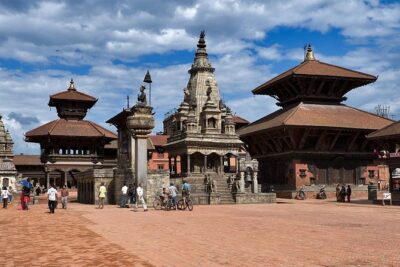
Private Bhaktapur and Nagarkot Day Tour From Kathmandu
Read our review →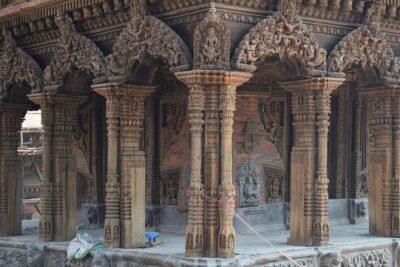
Kathmandu Spiritual Sites: Bodhnath & Pashupatinath Tour
Read our review →
Day Trip to Bhaktapur and Panauti from Kathmandu
Read our review →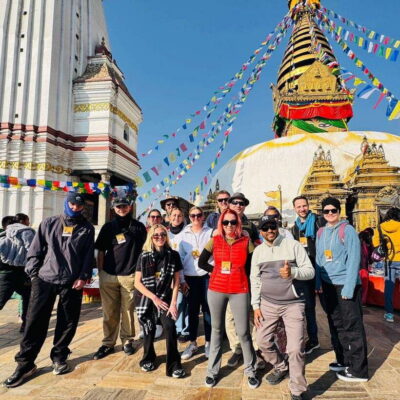
Browse the lists this tour appears in