
Reviewed · MANASLU CIRCUIT TREKS
Manaslu Circuit Trek (15 Days)
The best thing about the Manaslu Circuit Trek is its steady change of scenery. You start beside rushing rivers and warm forests, then reach stone villages, yak pastures, monasteries, glaciers, and the high crossing of Larke Pass. It feels like a real journey through Nepal, not a quick walk to one famous viewpoint.
I like the small maximum group of 15 and the support system of one porter for every two trekkers, plus an assistant guide for every five people. I also like the careful acclimatization plan, with nights in Samagaon and Samdo before the pass. The main drawback is the long, rough road at the start and end, along with basic teahouse living and extra charges for meals, showers, Wi-Fi, and charging.
Key points at a glance
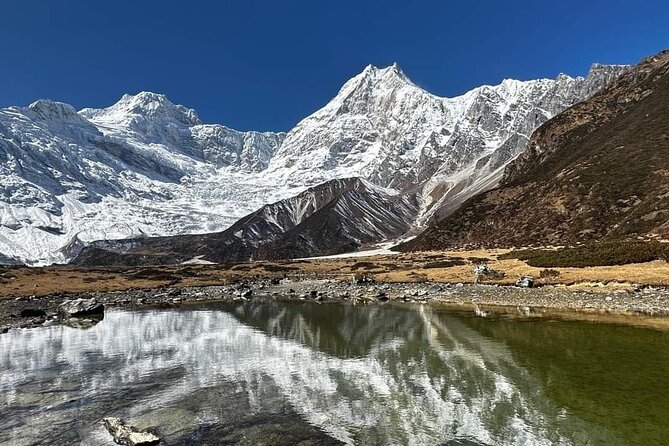
- Larke Pass at about 5,160 meters: The trek’s hardest and most rewarding day, with an early start from Dharamsala and a long descent to Bimthang.
- A quieter Himalayan route: You walk through the Manaslu region with fewer people than on the Everest or Annapurna circuits.
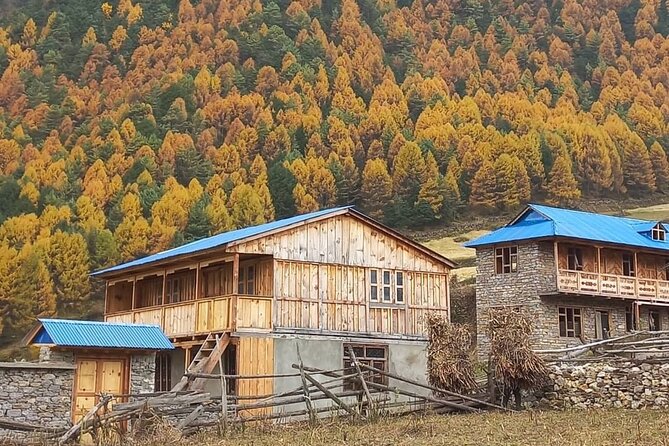
- Tibetan-influenced villages: Stone houses, mani walls, monasteries, yak pastures, and Nubri Valley culture become more pronounced as you climb.
- Solid mountain support: A licensed, first-aid-trained guide, porters, assistant guides, and crew insurance are included.
- Permits handled for you: The package covers Manaslu, Annapurna, and restricted-area permits, though you must provide your physical passport.
- A mixed-value package: The $1,657.50 price includes transport, hotels, teahouses, permits, guides, and porters, but most trekking meals are extra.
Why this 15-day route feels different
The Manaslu Circuit is for you if you want a Himalayan trek with a sense of distance and discovery, but without the heavy traffic found on Nepal’s best-known routes. The trail circles Mount Manaslu, the world’s eighth-highest mountain, and links the humid lower Budi Gandaki valley with the dry, high settlements near the Tibetan border.
The cultural change is just as important as the mountain views. Lower villages have Gurung influences and thick forest around them. Higher up, you see stone homes, prayer walls, monasteries, and yak pasture. The route gives you time to notice that change because the walking days are spread across two weeks.
The price is $1,657.50 per person. That is a reasonable package price for a guided Manaslu circuit when you count the restricted-area permit, conservation permits, airport transfers, Kathmandu hotel nights, transport to the trailhead and back, porters, and assistant guides. It is not an all-inclusive holiday. You still pay for most meals, drinking water, visa fees, personal gear, tips, insurance, and optional services in teahouses.
More remote circuits from Kathmandu:
- 16 Day Private Manaslu Circuit Trek from Kathmandu
★ 5.0 · 42 reviews - Manaslu Circuit Trek 13 Days
★ 5.0 · 30 reviews - 10 Days Manaslu Circuit Trek in Larke La Pass
★ 5.0 · 30 reviews
Kathmandu preparation and the road to Machha Khola
Your first day begins with an airport pickup at Tribhuvan International Airport and a transfer to a three-star hotel in Thamel. The rest of the day is open, which is useful after an international flight. Thamel gives you easy access to cafés, gear shops, money exchange, and last-minute supplies.
Day two is less glamorous but important. The team waits for the Manaslu permits and collects your physical passport and two passport photos. You should be comfortable handing over your original passport for this purpose, since the immigration department requires it to issue the permits. Use the preparation day to check your boots, layers, water treatment, and pack weight.
Day three is a long drive from Kathmandu to Machha Khola. This is not a short transfer. The road moves from the capital through foothills and rural settlements toward the Budi Gandaki valley, with a final stretch that can be rough and tiring.
That road is the price of reaching a less developed trekking route. You save a walking day, but you trade comfort for access. If you are prone to motion sickness, keep medication close and carry water and snacks where you can reach them.
Machha Khola to Jagat, river paths and hot springs
The walk from Machha Khola to Jagat covers about 15 kilometers and takes six to seven hours. You gain around 600 meters, lose about 250 meters, and follow narrow paths beside the Budi Gandaki River.
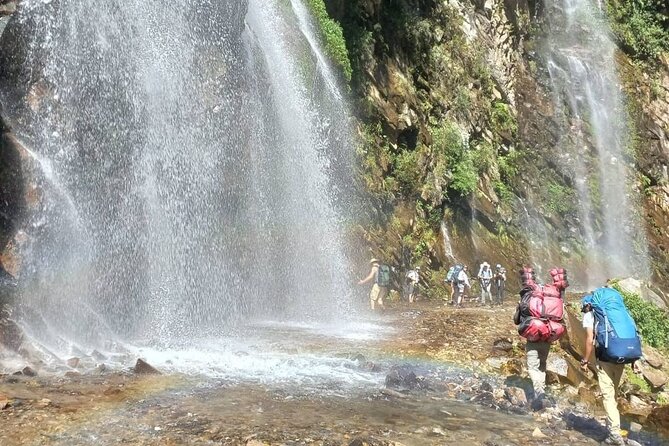
The setting is still warm and green, with bamboo, forest, river cliffs, and waterfalls. At Tatopani, you pass a natural hot spring beside the river. The itinerary does not include a soak, so think of it as a point of interest rather than a scheduled rest stop.
Near Dobhan, the Shiar Khola joins the Budi Gandaki. The rivers cut through steep rock, giving this section a dramatic feel even before the high mountains appear. The route can be narrow and rocky, so good footwear and a steady pace matter.
Jagat is a key point in the journey. It is a village stop and also a permit checkpoint for the restricted Manaslu region. The day is not technically extreme, but the uneven trail and early elevation gain make it a proper trekking day, not a casual walk.
Deng and Namrung, where the culture changes
Day five takes you to Deng over roughly 18 kilometers and seven to eight hours. The route includes about 1,050 meters of ascent, 400 meters of descent, and some flatter ground. That combination can feel harder than the numbers suggest, especially after several hours on stone steps and rough trail.
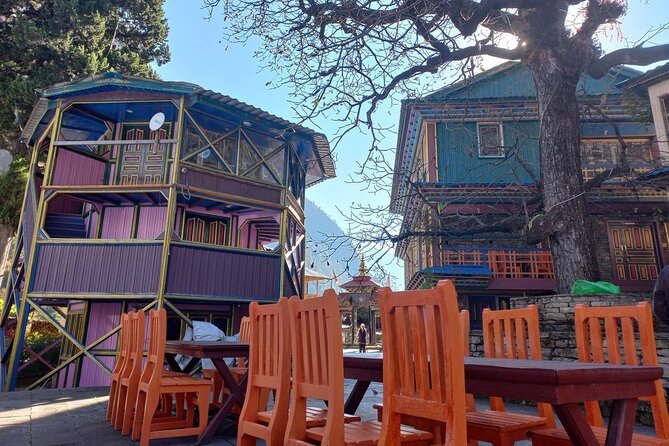
You pass through Salleri and Phili, a large Gurung village. Beyond Jagat, the forest remains thick, but the settlements and buildings begin to show stronger mountain and Tibetan influence. The trail follows the river, crosses bridges, and climbs through forested sections.
From Deng toward Namrung, the route covers about 19 kilometers in seven to eight hours, with approximately 1,100 meters of ascent. Pine and rhododendron forests replace the warmer vegetation. Villages such as Bihi and Rana have stone houses and a more high-country feel.
This is one of the more demanding parts of the itinerary because the walking days are long and the elevation gain is steady. The practical advantage is that the schedule gives you a gradual rise rather than a sudden jump to extreme altitude.
A few more things to do in Kathmandu worth a look
- Everest Base Camp Trek – 14 Days
★ 5.0 · 1,499 reviews - Everest Base Camp Trekking
★ 5.0 · 485 reviews - Nagarkot Sunrise View and Day Hiking from Kathmandu
★ 5.0 · 471 reviews - Annapurna Circuit Trek with Tilicho Lake
★ 5.0 · 368 reviews
Lihi, Shyala, and the first big mountain views
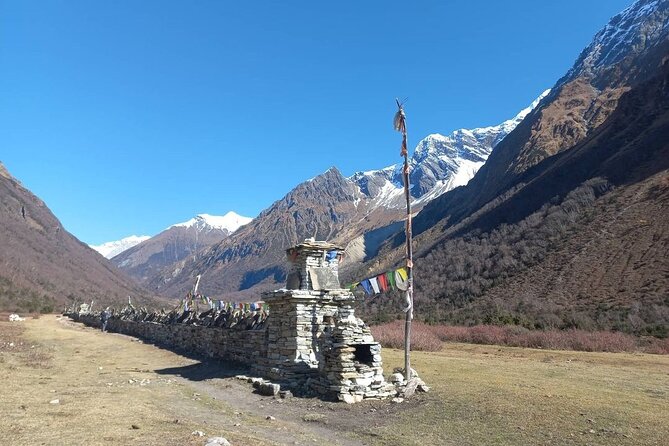
Day seven reaches Lihi after a climb of about 700 meters, with roughly 100 meters of descent. Terraced fields, forest switchbacks, and yak pasture begin to dominate the surroundings. You can feel the route moving from a river valley trek into a high mountain journey.
Lihi is a small village, and the appeal is its setting and character rather than a long list of attractions. You get prayer stones, farmland, mountain architecture, and a quieter pace. This is where paying attention to your guide adds value. Guides such as Raj Rai, Tshering, Pemba Sherpa, and Ishwor Rai have been praised for safety checks, trail knowledge, and support with the daily routine.
Day eight leads through the area around Shyala before continuing to Samagaon. Shyala is one of the visual highlights of the circuit, with views toward Manaslu, Himalchuli, Peak 29, and Ngadi Chuli. The route passes through pine and rhododendron forest, along mani walls, and into open high-country terrain.
The day covers about 17 kilometers with around 500 meters of ascent. The route rises gradually, then drops slightly before climbing toward Samagaon. That gentler profile helps, but you are now at high altitude, so walking slowly is not optional. Keep your breathing steady and tell the guide early if you develop a headache, unusual fatigue, or nausea.
Samagaon and the valuable acclimatization day
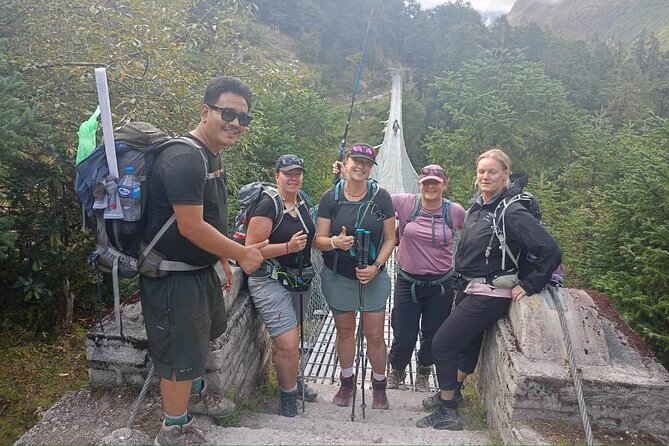
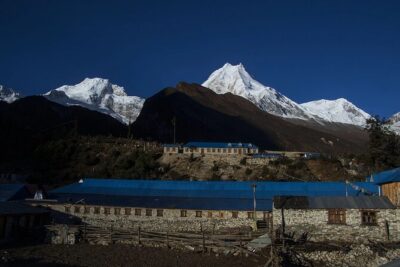
Samagaon is the largest village in the Nubri Valley and one of the most important stops on the circuit. It sits below Manaslu in a broad high valley, surrounded by mountain views, yak pasture, and Tibetan-influenced buildings.
Day nine is used for acclimatization rather than pushing farther. The planned three to four-hour round trip to Pungyen Gompa climbs to a quiet monastery on a ridge with broad views toward Manaslu. This is exactly the kind of rest day I want on a high-altitude trek. You walk high enough to help your body adjust, then return to sleep at the same elevation.
Do not treat this as a wasted day. A rushed itinerary might look efficient on paper, but the Samagaon stop gives you a better chance of reaching Larke Pass safely and enjoying it when you get there.
The village is also a good place to slow down and notice daily life. Prayer walls, mountain homes, and yak herding are not stage scenery. They are part of the working culture of the Nubri Valley, and the trek’s use of local teahouses sends money into those communities.
Samdo to Dharamsala, the final approach
Day ten follows the route to Samdo. You first descend gently to a wooden bridge over the Budhi Gandaki, then climb through dry yak pasture and increasingly bare high-altitude ground. Small mani walls mark the route and remind you that this is still a lived-in cultural corridor, not simply a wilderness walk.
Samdo is close to the Tibetan border region and has a stark, open setting. Vegetation becomes sparse, the air feels thinner, and the mountains appear more severe. The day is not the longest on the schedule, but altitude makes every climb count.
Day eleven is a short acclimatization walk from Samdo to Dharamsala, also known as the Larke Phedi area. The trail rises through rocky alpine ground with little vegetation and wide mountain views.
Dharamsala is a staging point for the pass, not a comfortable resort. Teahouse facilities are basic, and temperatures can drop sharply. This is the night to organize your pack, fill your water, prepare warm layers, and follow the guide’s advice about the early start.
Larke Pass and the descent to Bimthang
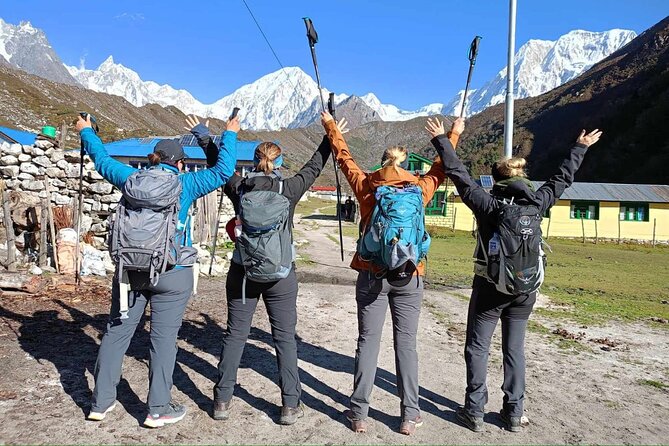
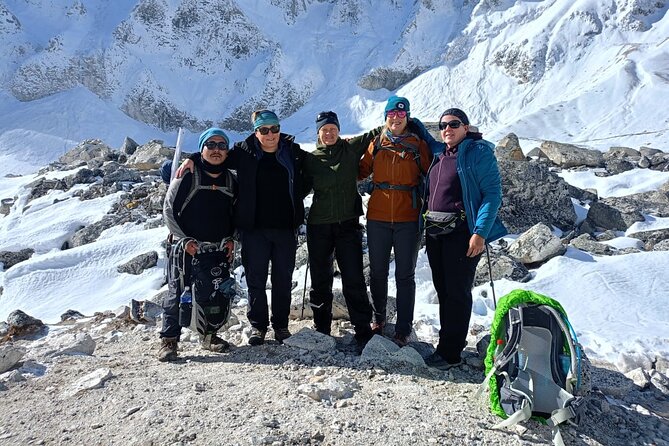
Day twelve is the physical center of the trek. You leave before dawn and climb over rocky moraine and glacier-covered terrain toward Larke Pass at about 5,160 meters.
The climb is demanding because of altitude, cold, darkness at the start, and the rough surface underfoot. The reward is a broad high mountain view and the satisfaction of crossing the circuit’s major obstacle. You should expect a long day, not a simple summit stroll.
After the pass, the route descends toward Bimthang. The change can be dramatic: high rock and ice give way to more open slopes and then lower vegetation. Descending is welcome, but tired knees and loose ground can make the second half of the day challenging.
This is where the guide and porter setup matters most. Your overnight bag is carried at a ratio of two trekkers to one porter, so you do not need to carry everything yourself. Keep your day pack light but practical, with warm clothing, water, snacks, sunscreen, gloves, and personal medication.
Forest trails to Dharapani and the road back
Day thirteen drops from Bimthang toward Dharapani through changing vegetation. You pass Yak Kharka, a seasonal grazing area, then move into pine, rhododendron, and oak forest.
After the stark upper route, the trees feel welcoming. The descent also confirms how much ground you have covered, from the high pass to a lower valley with thicker plant life. It is still a full trekking day, so do not assume the downhill route will be easy.
Day fourteen begins with breakfast and a shared jeep from Dharapani toward Besisahar, followed by transport back to Kathmandu. The road follows the Marsyangdi River and passes Tal village, waterfalls, and steep river scenery.
The shared jeep is practical but can be bumpy and crowded. The package includes private transport for the Kathmandu to Machha Khola section and from Besisahar to Kathmandu, but the Dharapani to Besisahar segment is shared. That distinction matters if you value extra space or a quiet ride.
Day fifteen allows some final time in Thamel, depending on your flight, before airport transfer. Do not schedule an international flight too tightly after the trek. Mountain roads and weather can cause delays, and an extra Kathmandu night is not included if plans change.
What is included, and what you still pay for
The package includes Kathmandu accommodation with breakfast, standard teahouses during the trek, airport transfers, the road transfers listed in the itinerary, permits, a licensed first-aid-trained guide, porters, assistant guides, and crew insurance.
The permit coverage is a real benefit. Manaslu requires more paperwork than many standard treks, and the package also covers Annapurna Conservation Area and restricted-area permits for the route.
Meals are the point most likely to surprise you. Trekking meals are not included, apart from two breakfasts and two dinners specified in the package. Hot showers, Wi-Fi, battery charging, and drinking water also cost extra at many teahouses. Bring a filter bottle or purification tablets to reduce both cost and plastic waste.
You need separate travel insurance covering medical care and helicopter evacuation up to 5,200 meters. Ordinary holiday insurance may not be enough. Personal gear, Nepal’s $30 visa fee, tips, extra nights, rescue costs, and unforeseen delays are also outside the price.
Who will get the most from this trek?
This route suits you if you have moderate physical fitness, can handle seven to eight-hour walking days, and are willing to live simply for nearly two weeks. You should be comfortable with rough roads, basic rooms, shared facilities, altitude, and changing weather.
It is a good choice if you want culture as well as scenery. The Gurung villages, Nubri Valley settlements, mani walls, monasteries, and yak pasture make the route feel connected to local life.
It is less suitable if you want reliable showers, strong internet, private transport throughout, or short walking days. The Larke Pass day is serious, and the itinerary leaves little room for delays once the high section begins.
The maximum group size is 15, and the one-to-two porter ratio is generous enough to keep personal loads manageable. The assistant guide ratio of one for every five trekkers adds another layer of support, particularly on the pass day and during altitude checks.
Should you book the Manaslu Circuit Trek?
Book it if you want a quieter, culturally strong Himalayan circuit and accept that comfort will be limited. The best parts are the gradual change from river valley to high alpine terrain, the Samagaon acclimatization day, the Tibetan-influenced villages, and the achievement of crossing Larke Pass.
Before paying, confirm the exact meal plan, guide assignment, departure date, and transport arrangements. Ask how the team handles altitude symptoms and weather delays, then buy insurance that clearly covers evacuation to 5,200 meters.
The cancellation terms are friendly if your plans change early: cancel at least 24 hours before the start for a full refund. Poor weather or an unmet minimum group size can also lead to a new date or full refund.
FAQ
How long is the Manaslu Circuit Trek?
The experience lasts approximately 15 days, including arrival and departure in Kathmandu, the road journey to Machha Khola, the trek, the Larke Pass crossing, and the return drive.
What is the highest point on the trek?
The route crosses Larke Pass at approximately 5,160 meters. Travel insurance must cover emergency evacuation and trekking activity up to 5,200 meters.
Are meals included?
Most meals during the trek are not included. The package specifies two breakfasts and two dinners, along with breakfast at the Kathmandu hotel. You should budget separately for trekking meals, drinking water, and optional teahouse services.
Is travel insurance required?
You must have travel insurance covering accidental and medical care, as well as helicopter evacuation up to 5,200 meters. Insurance is not included in the tour price.
Do I need to provide my passport?
Yes. The team requires your original physical passport, along with two passport-sized photos, so the Nepal immigration department can issue the Manaslu permits.
How large can the group be?
The activity has a maximum of 15 people. The support plan includes one porter for every two trekkers and one assistant guide for every five trekkers.
What happens if bad weather cancels the trek?
If poor weather causes cancellation, you are offered a different date or a full refund. The same applies if the minimum number of participants is not reached.
Just added in Kathmandu
- Kathmandu to Chitwan Tour by Tourist Bus – A Convenient and Affordable Way★ 4.0 · 4 reviews
- Changunarayan Hill to Telkot Hike Near Kathmandu Day Tour★ 5.0 · 6 reviews
- Mt Everest Base CampTrek | Budget Package★ 5.0 · 4 reviews
- Chitwan Jungle Safari 3-Day Tour★ 5.0 · 9 reviews
- Chandragiri Hill Station Tour by Cable Car★ 5.0 · 4 reviews
- Chandragiri Hills cable car day trip, private car with driver from Kathmandu★ 5.0 · 8 reviews
- Chandragiri to Taudaha Nature Day Hiking from Kathmandu★ 5.0 · 13 reviews
- Chandragiri Cable Car & Monkey Temple Private Guided Day Tour★ 5.0 · 5 reviews
Manaslu Circuit Treks, compared.
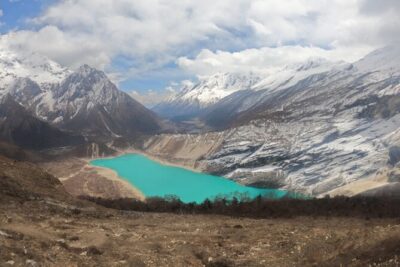
16 Day Private Manaslu Circuit Trek from Kathmandu
Read our review →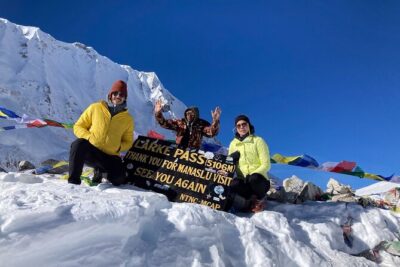
10 Days Manaslu Circuit Trek in Larke La Pass
Read our review →Browse the lists this tour appears in