
Reviewed · MARDI HIMAL TREKS
Mardi Himal Trek
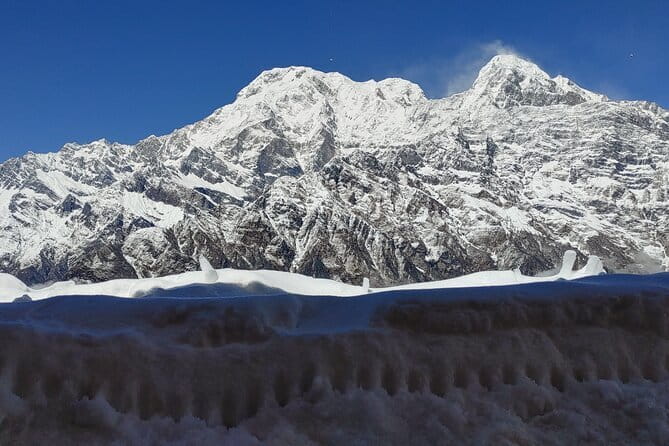
Mardi Himal gives you a close look at the Annapurna range without the long approach of some bigger Nepal treks. The prize is Mardi Base Camp at about 4,500 meters, where Mount Machhapuchhre, Mardi Himal, and the Annapurna Massif fill the view. The trail moves from rhododendron forest to open high ridges, so the scenery keeps changing.
I like the sensible support package: domestic flights, permits, a licensed guide, porter, lodges, meals, and city transfers are all handled. I also like the private format, which lets your group set a more comfortable pace. The main caution is altitude. The route is often suitable for beginners, but the climb to Base Camp is still a serious mountain day, and cold, weather, and tired knees can change the experience quickly.
Key points at a glance
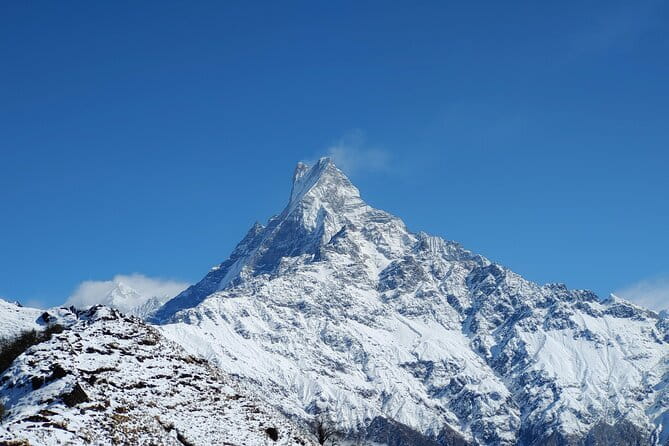
- Mardi Base Camp reaches about 4,500 meters: This is the hardest and most rewarding section, with broad views of the Annapurna Massif and Machhapuchhre.
- The route passes through several distinct zones: You’ll walk from Kande and Deurali into rhododendron and pine woods, then on to Low Camp, High Camp, and open mountain ridges.
- Guide Birendra is a named strength of the trip: His careful arrangements, friendly manner, and help with photographs are repeatedly highlighted in the supplied feedback.
- The package covers major costs: Domestic flights, private ground transport, permits, guide, porter, trekking lodges, city hotels, and most meals are included.
- The descent uses Sidding and Lwangghale: These villages add a more local feel and include tea gardens, traditional houses, and quieter walking.
- The 11-day plan adds Pokhara and Kathmandu: You get the trek plus time for city sights, rather than flying in and out with no room to look around.
Why Mardi Himal is such a good first Himalayan trek
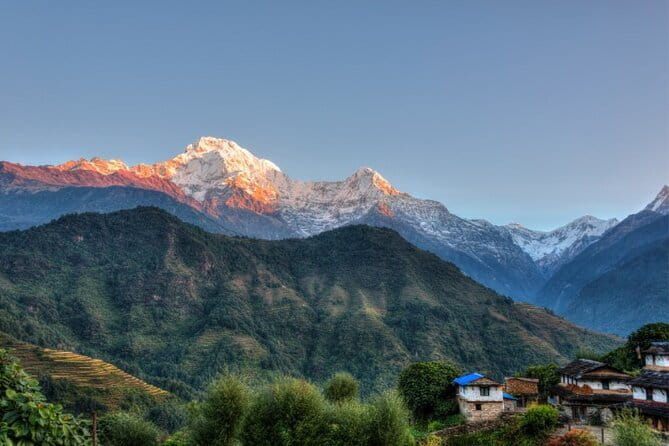
Mardi Himal works well for people who want a real high-altitude walk but do not want to commit to a long, punishing expedition. The trail begins near Pokhara and climbs through forest before reaching high camps and a striking ridge. You get mountain views without spending every day on a broad road or in a large trekking crowd.
The route is described as relatively easy for Nepal, but that label needs care. Several days last about five or six hours, and the Base Camp day is listed at seven hours. At altitude, a moderate trail can feel very different from a flat walk at home. You should arrive with a reasonable level of fitness and be ready for steep sections, uneven ground, and cold mornings.
The scenery is the main reason to choose this route. In spring, rhododendrons add strong color to the woods. Higher up, the trees thin out and the views open toward Annapurna, Machhapuchhre, and Mardi Himal. The change from forest shade to exposed mountain ridges gives the trek a satisfying sense of progress.
More ridge treks from Kathmandu:
- Mardi Himal Trek Nepal
★ 5.0 · 29 reviews - Pokhara: 4-Day Mardi Himal Trek
★ 4.9 · 59 reviews - Private Mardi Himal Trek
★ 5.0 · 42 reviews
Days 1 and 2: Kathmandu, Pokhara, and the road to Kande
Your first day begins at Kathmandu airport, where a company representative or tour leader meets you and drives you to Thamel. The time is short, just enough to reach the hotel, settle in, and prepare for the early start ahead.
On Day 2, you take an early domestic flight from Kathmandu to Pokhara. The flight is useful because it saves a long road journey and puts you near the trailhead quickly. From Pokhara, private transport takes you to Kande, where the walking starts.
The first walking hours lead toward Deurali. The route begins gently and gradually becomes more demanding. This is a good first day on foot because you can warm up your legs before the higher sections. The itinerary allows about five hours for the day.
Pokhara also gives you a softer introduction to the region. The city has a lakeside setting and serves as the main base for the trek. Since a later day is set aside for Pokhara sightseeing, you are not forced to choose between the mountains and the city.
Day 3: Deurali to Forest Camp through the trees
After a meal in Deurali, you continue toward Forest Camp. This is roughly a six-hour walking day, with much of the route passing through woodland. Rhododendron and pine create shade, which is welcome when the trail rises.
This section is less about distant mountain views and more about the feel of the path. The forest gives the trek a quiet, enclosed character. In spring, flowering rhododendrons can make the route especially attractive, although the timing of blooms depends on conditions.
Forest Camp is an important step upward. From here, the altitude begins to matter more, so you should drink regularly and avoid treating the walk like a race. The support team includes a licensed guide and porter, which means you can carry a lighter personal load. You still need to carry water, warm layers, and anything you may want during the day.
Days 4 and 5: Low Camp, High Camp, and altitude care
Day 4 continues through mixed woodland, with lunch planned at Low Camp. The day lasts about five hours. At this height, the itinerary shortens the walking time, a sensible choice as your body adjusts.
The route becomes more open as you gain height. You may get better views between the trees, but exposed sections also mean more wind and colder conditions. This is where a down jacket and sleeping bag, available on request, become useful rather than decorative packing-list items.
Day 5 is another shorter acclimatization day of around five hours. The plan is to move toward High Camp while keeping the pace controlled. The advice to stay well hydrated matters here. Headaches, unusual tiredness, or feeling unwell should be taken seriously, and your guide is the person to consult before continuing.
High Camp is the base for the key mountain day. Expect basic lodge accommodation rather than hotel comfort. Hot showers, WiFi, drinks, and other personal expenses are not included, and facilities at altitude can cost extra. Carry some cash for these small but frequent charges.
A few more things to do in Kathmandu worth a look
- Everest Base Camp Trek – 14 Days
★ 5.0 · 1,499 reviews - Everest Base Camp Trekking
★ 5.0 · 485 reviews - Nagarkot Sunrise View and Day Hiking from Kathmandu
★ 5.0 · 471 reviews - Annapurna Circuit Trek with Tilicho Lake
★ 5.0 · 368 reviews
Day 6: The climb to Mardi Base Camp
This is the centerpiece of the trek. After breakfast, you walk toward Mardi Himal Base Camp, with about seven hours allowed for the day. The route includes a viewpoint with wide views of the surrounding peaks, and the final approach is the part most likely to test your legs.
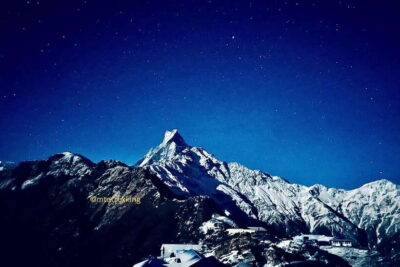
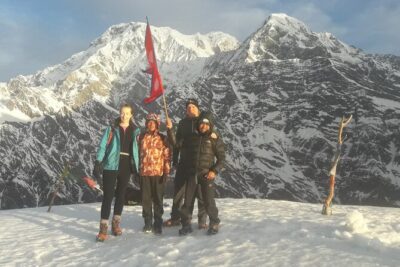
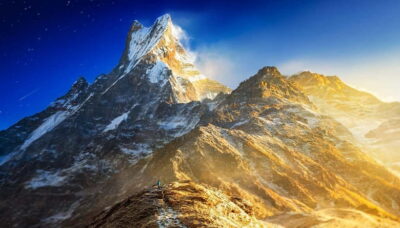
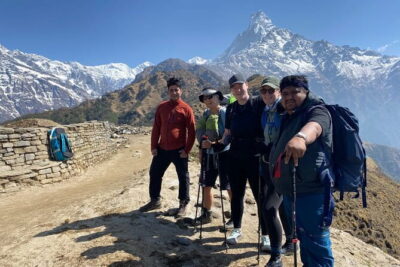
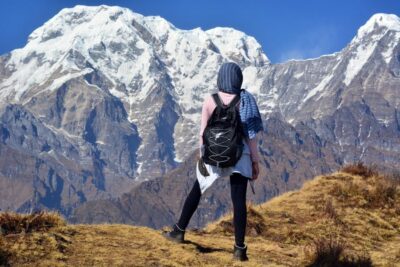
The height is the real challenge. Mardi Base Camp is listed at about 4,500 meters, so even a fit hiker may move slowly. The trail can feel demanding because of cold, thin air, and the effort of climbing early in the day. The reward is a powerful mountain panorama, with Mardi Himal, Machhapuchhre, and the Annapurna Massif spread across the horizon.
Plan this day around steady progress, not speed. Eat breakfast, keep drinking, and use warm clothing before you feel cold. Small snacks are useful on the higher sections. Food is available at the mountain lodges, and one useful practical tip from the supplied feedback is to try pizza at High Camp if it is available. It is a simple comfort after a hard day.
The Base Camp section is the best reason to book Mardi Himal. If you only want woodland walks and village visits, a lower route would be easier. If you want the most memorable part of this trek, this is the day you need to protect with sensible pacing and good preparation.
Days 7 and 8: Descending to Sidding and Lwangghale
After the high point, the trail descends to Sidding. Day 7 lasts about six hours and begins through rhododendron and pine. You may stop around Low Camp for food, depending on the timing.
The descent brings relief, but do not underestimate it. Knees often complain more on downhill sections than on the climb, and one supplied account specifically describes the final days as tiring on the knees. Trekking poles, if you use them, can be helpful, though they are not listed as part of the package.
Day 8 continues toward Lwangghale, also shown as Lwong in the route description. This is often treated as one of the most pleasant walking days because the path is mostly flat. The village has old family houses and a more settled, local character after the high camps.
This village section gives the trip more range. You are not simply walking up to a viewpoint and turning around. You see working mountain communities, forests, tea gardens, and changing elevations. The comfort level remains basic, but the slower pace gives you more time to notice how people live along the route.
Day 9: Tea gardens and the return to Pokhara
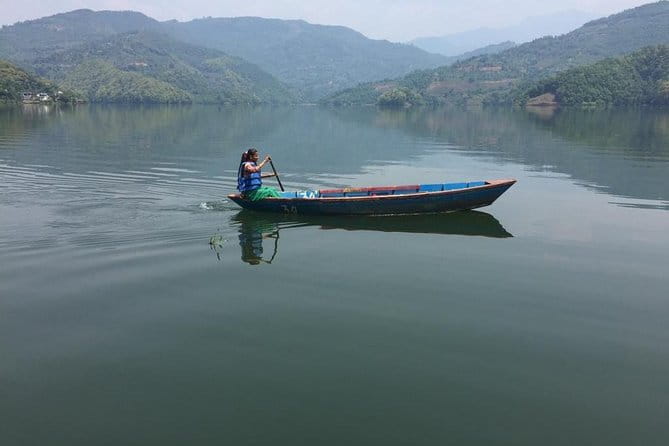
An early morning walk takes you through the tea gardens around Lwangghale. Sunrise is the reason to get up early, with the first light spreading across the hills and fields. After breakfast, you return toward Pokhara, with about five hours set aside for the day.
This is a pleasant transition from trekking to city time. You leave the mountain lodges behind and return to hotel accommodation in Pokhara. The package includes a three-star category hotel with breakfast, but meals in Pokhara are generally your own responsibility except for the items specifically included.
Day 10: Pokhara sightseeing
Day 10 is set aside for Pokhara. After breakfast at a lakeside restaurant, the guided city tour can include Davis Waterfall and Gupteswor Mahadev Cave, along with other listed attractions.
This day helps the trip feel complete. You have time to wash clothes, rest your legs, and see a different side of the area instead of moving straight from the trail to an airport. The five-hour sightseeing plan is long enough for several stops without making the day feel like another trek.
Because the exact sightseeing schedule can depend on timing, ask the operator what is planned for your date. The package states that guided tours are offered, but it does not list every possible stop or entrance fee. Budget separately for personal expenses and any costs not named in the inclusions.
Day 11: Kathmandu and the end of the trip
The final day returns you to Kathmandu by domestic flight. A town guide takes you around major cultural and heritage sights for about five hours. The experience ends back at the Mission Himalaya Treks and Expeditions meeting point in Thamel.
This final city time is useful after the mountain section. Kathmandu can feel intense after quiet trails and small villages, but the guided format makes it easier to cover major sights within a limited schedule. The tour does not simply drop you at the airport after the trek, which adds value for a first visit to Nepal.
What the $1,058 price covers
At $1,058 per person, the package is not just a guided walk. It includes Kathmandu to Pokhara and return flights, airport and city transfers in private vehicles, hotels in Kathmandu and Pokhara with breakfast, trekking lodges, permits, guide and porter services, and most trekking meals.
The food allowance includes eight lunches, eight dinners, and ten breakfasts. Meals in Kathmandu and Pokhara are not generally included, so you need to plan for those separately. Drinks, WiFi, hot showers, tips, personal purchases, Nepal visa fees, international flights, and travel or rescue insurance are also outside the price.
The gear loan is useful: down jacket, sleeping bag, and duffel bag can be provided on request and must be returned after the trek. A strong porter is included with salary, food, accommodation, and insurance. That reduces the load you carry and supports the local team, but pack responsibly and keep your own day bag manageable.
The price is strongest if you value convenience. Booking flights, permits, ground transport, lodges, guides, porters, and city hotels separately would take more work and introduce more points of failure. It is less attractive if you already have your own Nepal arrangements or want to travel with a large public group, since this is a private activity.
Guides, porters, and the pace of a private trip
Guide Birendra is named repeatedly in the supplied feedback. He is described as careful with arrangements, friendly, professional, and helpful with photographs. Another account praises the guide and porter for adjusting the route when weather and conditions became difficult.
That flexibility matters in the Himalayas. A fixed schedule is useful for flights and hotel bookings, but the mountain section may need small changes. Your guide should be the person helping you judge pace, weather, and how you are responding to altitude.
The private format means only your group participates. That can be a major advantage if one person needs a slower pace, more photo stops, or an earlier start. Group discounts are offered, but the information provided does not state the size needed or the exact discount, so ask before booking.
Who should book this trek?
I would recommend Mardi Himal to a fit first-time Himalayan hiker who wants strong mountain views, organized support, and a route shorter than some of Nepal’s famous long treks. It also suits experienced hikers who want a compact trip with time in Pokhara and Kathmandu.
You should think twice if you dislike basic lodges, cold nights, steep trails, or shared twin rooms. The trek is called suitable for beginners, but it is not a gentle holiday walk. The seven-hour Base Camp day and altitude near 4,500 meters require preparation.
Pack warm clothing, good walking shoes, sun protection, water bottles, personal snacks, and any medication you normally need. The supplied advice is clear on one point: take enough cold-weather clothing for the higher camps. You will not need to carry all your food, since mountain lodges provide meals, but small snacks are still sensible.
Confirmation is provided at booking, and service animals are allowed. The activity is listed as running daily from February 28, 2024, through November 25, 2026. You can cancel for a full refund up to 24 hours before the start time, but late cancellations and changes are not accepted.
Should you book Mardi Himal?
Book it if you want a well-supported route with a clear high point, memorable Annapurna views, and enough city time to make the Nepal visit feel rounded. The combination of flights, permits, porter, guide, meals, lodges, and private transfers makes the price reasonable for someone who values a prepared trip.
Do not book it simply because it is described as easy. Treat it as a real high-altitude trek. If you train for long walking days, bring proper cold-weather clothing, and respect the slower pace required above 3,000 meters, Mardi Himal offers a strong first taste of Nepal’s high mountains.
FAQ
How long does the Mardi Himal Trek take?
The full experience lasts approximately 11 days, including Kathmandu, Pokhara, the trek, sightseeing, and domestic flights.
What is the highest point on the trek?
Mardi Himal Base Camp is listed at about 4,500 meters.
Is the trek suitable for beginners?
The route is considered relatively easy compared with many Himalayan treks, and it is suitable for people with moderate physical fitness. You still need to prepare for altitude, long walking days, and cold conditions.
What is included in the $1,058 price?
The price includes private ground transfers, Kathmandu to Pokhara and return flights, three-star hotels in Kathmandu and Pokhara with breakfast, trekking permits, a licensed guide, porter, trekking lodges, most trekking meals, taxes, and company service charges.
Are trekking clothes and equipment provided?
A down jacket, sleeping bag, and duffel bag are available on request. These items must be returned after the trek.
Are meals included every day?
Ten breakfasts, eight lunches, and eight dinners are included. Meals in Kathmandu and Pokhara are not included except for specifically stated items. Drinks and personal food purchases are extra.
Is this a group tour?
No. It is a private activity for your group only. Group discounts are offered, but the exact terms are not provided.
Where does the tour start and finish?
It starts at Mission Himalaya Treks and Expeditions on Thamel Marg in Kathmandu. The activity ends back at the meeting point.
What happens if I need to cancel?
You can receive a full refund if you cancel at least 24 hours before the experience start time. Cancellations or changes made less than 24 hours before the start are not accepted.
Just added in Kathmandu
- Kathmandu to Chitwan Tour by Tourist Bus – A Convenient and Affordable Way★ 4.0 · 4 reviews
- Changunarayan Hill to Telkot Hike Near Kathmandu Day Tour★ 5.0 · 6 reviews
- Mt Everest Base CampTrek | Budget Package★ 5.0 · 4 reviews
- Chitwan Jungle Safari 3-Day Tour★ 5.0 · 9 reviews
- Chandragiri Hill Station Tour by Cable Car★ 5.0 · 4 reviews
- Chandragiri Hills cable car day trip, private car with driver from Kathmandu★ 5.0 · 8 reviews
- Chandragiri to Taudaha Nature Day Hiking from Kathmandu★ 5.0 · 13 reviews
- Chandragiri Cable Car & Monkey Temple Private Guided Day Tour★ 5.0 · 5 reviews
Mardi Himal Treks, compared.
Majestic Mardi Base Camp Guided Trek with HotSpring
Read our review →Browse the lists this tour appears in