
Reviewed · TOURS IN POKHARA
Pokhara Sightseeing By Bus: Day Trip
Pokhara’s best sights are spread across the valley, and this $19 shared bus tour connects many of them in one long day. You’ll see temples, caves, a river gorge, waterfalls, a lake, and mountain-view points without hiring a private car.
I like the low price and the chance to ride with people from Nepal, India, Kathmandu, and other countries. I also like the broad range of stops: Pumdikot and the Peace Stupa provide grand views, while the caves and Seti Gorge show a more unusual side of Pokhara.
The main caution is the guide service. A local assistant is listed, with English support, but some passengers found there was no proper English-speaking guide or explanation at the stops. Think of this as shared transportation with sightseeing help, not a fully narrated private tour.
Key points to know before booking
- Eight major stops in about seven hours: The route covers Pumdikot, Bindyabashini Temple, Mahendra Cave, Seti Gorge, Peace Stupa, Devi’s Fall, Gupteshwor Mahadev Cave, and Fewa Lake.
- A strong budget choice: At $19 per person, the tour costs far less than arranging a private vehicle for a full day around Pokhara.
- Guiding may be basic: A local assistant accompanies the bus, but detailed English explanations are not guaranteed at every stop.
- Lakeside pickup is included: You are collected from your hotel or meeting point in the Lakeside area at the stated morning departure time.
- Entrance fees cost extra: Plan on roughly $10 per person for monument and attraction fees, plus any food or drinks.
- Best for able walkers: The tour is not suitable for wheelchair users, and several stops involve walking, steps, or uneven ground.
What this $19 Pokhara day tour really offers
This is best understood as a shared sightseeing bus rather than a classic guided excursion. You board in Lakeside, ride between Pokhara’s main sights, and spend the day moving through different parts of the valley.
That distinction matters. If you mainly want someone to explain every temple carving, cave formation, and local custom, this may leave you wanting more. If your main goal is to cover a lot of ground cheaply, the arrangement makes sense.
The stated duration is seven hours. Pickup is given as 9:40 AM from Lakeside, although the description also refers to an early morning start and a full-day outing. I would confirm the exact pickup time when booking, especially if you have a flight, trek, or another activity later that day.
The bus is shared, so you should expect company. That can be part of the fun. One passenger described being the only Westerner and forming a helpful connection with a couple from Kathmandu. A local holiday also made that day more festive, with some places free of charge. Festivals can change the feel of a sightseeing day, though you should not count on free admission.
A few more things to do in Pokhara worth a look
- 1-Day Private Dhampus Trekking Tour
★ 5.0 · 35 reviews - Pokhara: 1-Day Scenic Australian Camp & Dhampus Guided Hike
★ 4.9 · 24 reviews - Pokhara Sightseeing By Bus – Day Trip
★ 3.2 · 8 reviews
Pumdikot Mahadev View Point and the first big views
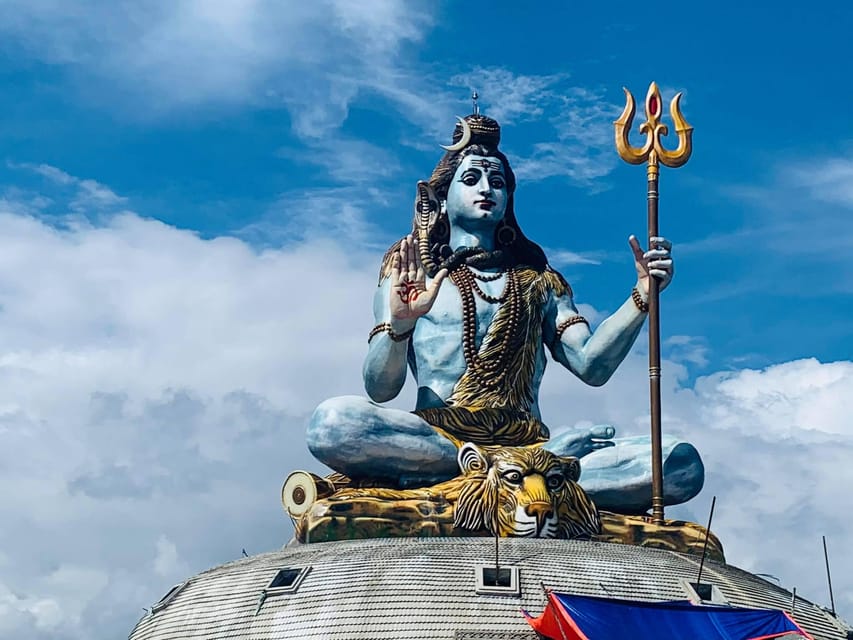
Pumdikot Mahadev View Point gives the day an open-air start. The site is associated with Lord Shiva and is known for its large religious statue and broad views across the Pokhara Valley.
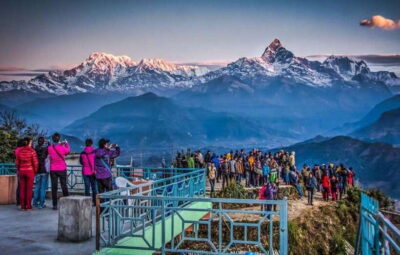
This is one of the stops where the bus format works well. You get a high viewpoint early in the route, then continue to lower parts of the city and valley. Bring your camera, as the tour specifically recommends one, and keep your phone ready for wide views rather than close architectural details.
The trade-off is that a viewpoint visit depends on visibility. Pokhara can offer striking mountain scenery, but clouds or haze may limit what you see. The attraction remains worthwhile for the setting and religious importance, but manage your expectations on a less clear day.
You may also find that the amount of time at each stop is controlled by the group schedule. This is not an ideal arrangement if you want to linger quietly at one viewpoint.
Bindyabashini Temple and local religious life
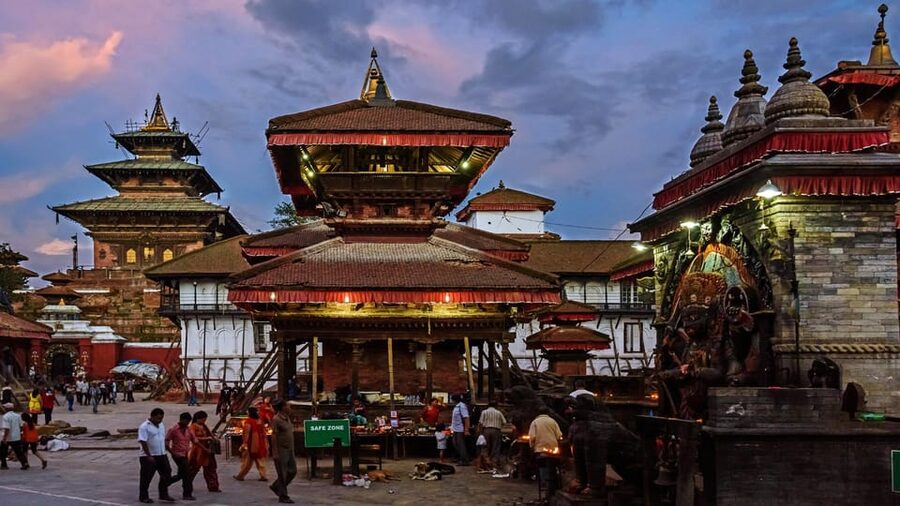
Bindyabashini Temple brings you back into a more active religious setting. It is one of Pokhara’s important Hindu temples, dedicated to the goddess Bhagwati, and it gives you a closer look at worship in the city.
Dress respectfully and wear comfortable clothes, both of which are recommended for this outing. A temple stop is more rewarding when you take a moment to notice the rhythm of the place instead of treating it as a quick photo stop.
The tour may not provide much background in English. That is where a guide would add real value, explaining the temple’s role and helping you understand what you are seeing. If the local assistant is busy with transport or other passengers, you may need to observe quietly and ask direct questions.
During a religious holiday, the temple area may feel especially social and festive. That can be memorable, but it can also make the stop slower and more crowded than usual.
Mahendra Cave, an easy stop with a darker side
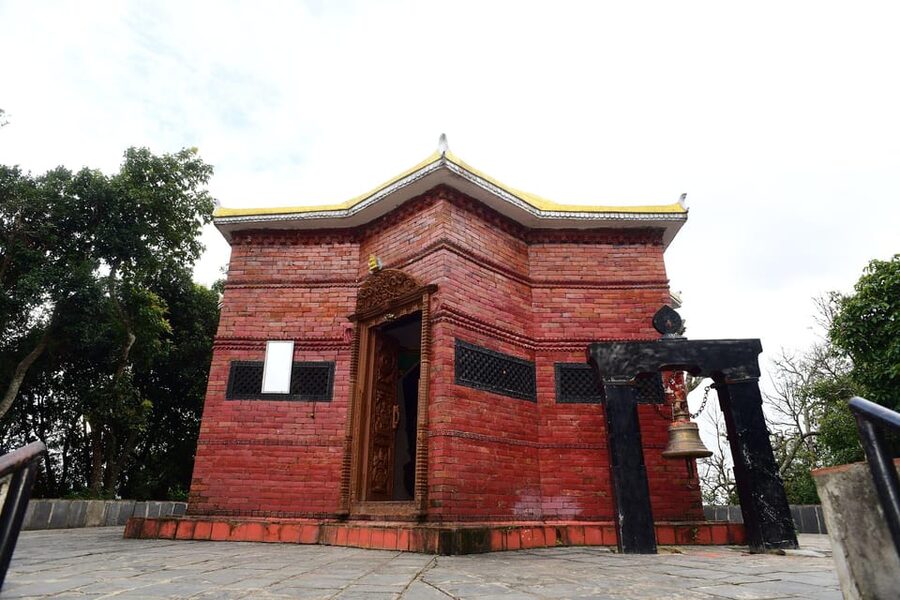
Mahendra Cave is one of Pokhara’s best-known cave attractions. Inside, you can expect a cool, dark setting that feels very different from the sunny viewpoints and temple courtyards elsewhere on the route.
This stop adds variety. You are not simply repeating scenic overlooks all day. The cave gives you a chance to see the natural rock formations beneath the valley and break up the bus rides.
Wear shoes and clothing you can move in comfortably. The tour is not suitable for wheelchair users, and a cave visit may involve walking on uneven surfaces or using steps. The supplied information does not give a detailed accessibility description, so anyone with limited mobility should ask for current conditions before booking.
The cave is also a place where a little explanation would help. Without an English guide, you may see the formations without learning much about them. I would treat this as a pleasant visual stop rather than a formal geology lesson.
Same base, a different kind of day:
- ZipFlyer Nepal – The World’s Steepest Zip-line
★ 5.0 · 608 reviews - Bungee Pokhara by HighGround Adventures
★ 5.0 · 366 reviews - From Pokhara: Sarangkot Sunrise Himalayas Tour
★ 4.7 · 218 reviews - ATV Adventure Tour in Pokhara, Nepal
★ 5.0 · 194 reviews
Seti River Gorge and the shape of Pokhara
The Seti River Gorge shows how dramatically water has cut through the area. The Seti River runs through Pokhara in a narrow channel, and the gorge gives you a quick look at that natural feature within the urban setting.
This is an especially useful stop for understanding the city beyond its postcard views. Pokhara is not only lakes and mountains. The gorge adds a sharp, rocky element and shows how close natural features are to everyday city life.
As with the other stops, your experience depends on the time allowed and the amount of explanation provided. You may want to ask the local assistant where the best viewing point is and how long you have before the bus leaves.
Keep track of the group. Shared tours work best when everyone returns on time, and a short stop can become stressful if you wander too far.
Peace Stupa, quiet above the lake
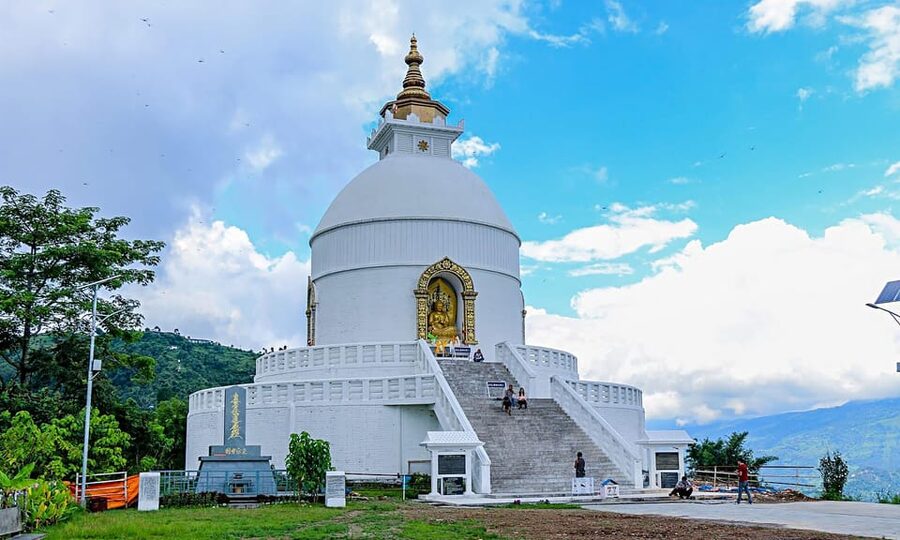
The Peace Stupa, also called the World Peace Pagoda, is one of Pokhara’s signature sights. It sits above the city and provides wide views toward Fewa Lake and the surrounding valley.
I like this stop because it combines a simple Buddhist monument with one of the strongest viewpoints on the route. It is a place to slow down, take photographs, and see how the lake and city fit together from above.
The climb or walking approach may be tiring for some people. The provided information does not specify the exact access arrangement used by the bus, so ask how close the vehicle goes and how much walking is required. Comfortable clothes are essential, and practical shoes are a good idea.
The Peace Stupa is also one of the stops most affected by weather. On a clear day, it can be the visual high point of the tour. In cloud or haze, the monument still has a calm setting, but the long views may be reduced.
Devi’s Fall and Gupteshwor Mahadev Cave
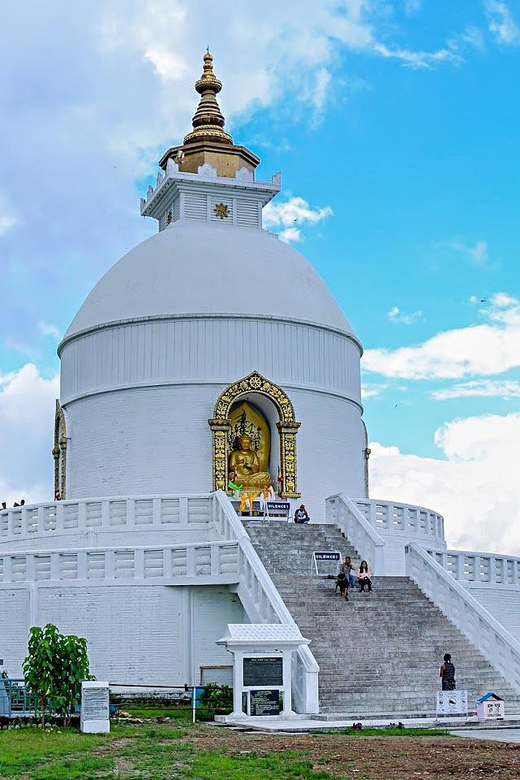
Devi’s Fall and Gupteshwor Mahadev Cave are usually paired in a Pokhara sightseeing route because they sit near one another. Together, they create a useful contrast: rushing water above ground and a sacred cave below it.
At Devi’s Fall, water drops through a rocky channel and disappears from view. The sight changes with water levels and weather, so the sound and force of the falls may vary. Take care around wet surfaces and stay within marked viewing areas.
Gupteshwor Mahadev Cave is associated with Lord Shiva and offers another cool, shadowy stop. It is a religious site as well as a natural attraction, so respectful behavior and suitable clothing matter here.
The cave may feel narrow or dark, and it is not a good fit for anyone uncomfortable with confined spaces. It also adds more walking and steps to a day that already includes several stops. The reward is variety, but you should not expect a relaxed pace throughout the tour.
Entrance fees for these attractions are not included. The stated estimate for monument and attraction fees is about $10 per person overall. Carry some extra money for admissions and small purchases.
Fewa Lake, the relaxed final note
Fewa Lake is the natural place to end a Pokhara sightseeing circuit. The lake is central to the city’s visitor area and gives you a more open, relaxed setting after temples, caves, and busy road transfers.
The tour information does not promise a boat ride, so do not assume boating is part of the $19 price. The stop is for sightseeing unless you confirm and pay separately for another activity.
If you have extra time after the tour, Lakeside is useful for food, drinks, and a walk along the shore. Meals are not included in the day, but food is available for purchase. Since the tour runs for about seven hours, bring water and be ready for a meal break that may be informal or self-arranged.
Fewa Lake also helps you judge the day as a whole. You will have covered a large portion of Pokhara’s main sightseeing circuit, even if no single stop receives the attention it would on a private tour.
The guide question deserves careful attention
The most important booking detail is the difference between a host, a local assistant, and a full guide. The activity includes a normal guide and lists English as the language, but the practical experience may be less formal. A local assistant accompanies the bus and can answer questions, yet detailed commentary at every site is not assured.
One passenger found the lack of an English-speaking guide frustrating and had to rely on fellow passengers for help. Another described the day as a relaxed hop-on and hop-off style outing but wanted more information at the stops.
I would book this if you are comfortable doing some learning on your own. Read about the main sights beforehand, save their names in your phone, and ask the assistant specific questions. That small amount of preparation can turn a quiet transfer between attractions into a more useful cultural visit.
The group setting can also be a benefit. You share the day with local passengers and people from other countries, rather than staying inside a private vehicle. If meeting people is part of your trip, the bus may feel more social than a hired car.
Price, extra costs, and what you get
The $19 price is the tour’s main strength. For that amount, you get Lakeside pickup, shared bus transport, the major sightseeing circuit, and basic local assistance. A private vehicle covering the same area would normally cost more, especially for a solo passenger.
The price is not all-inclusive. Food is extra, and attraction or monument fees are estimated at about $10 per person. The final cost is therefore closer to $29 before meals and drinks.
That is still a fair deal if you want convenience and coverage. You save the work of arranging separate rides to Pumdikot, the caves, Devi’s Fall, the Peace Stupa, and the lake. You also avoid the cost of hiring a private car alone.
The value drops if you need a slow pace, detailed history, or strong accessibility support. In that case, paying more for a private guide or a smaller arrangement may suit you better.
Free cancellation up to 24 hours before the activity and the option to reserve now and pay later make the booking less rigid. These policies are helpful if your Pokhara schedule may change.
Who should book this bus tour
I would recommend it most to budget-conscious visitors staying in Lakeside who want to see many famous Pokhara sights in one day. It is also a sensible choice for solo passengers who would otherwise pay the full cost of a private car.
You should be comfortable with a shared vehicle, a fixed route, and several short visits. You should also be ready for basic rather than polished guiding.
This tour is less suitable if you use a wheelchair, dislike caves or steps, need long quiet stops, or want a guide to explain every site in detail. The activity is not listed as suitable for wheelchair users.
Bring a camera, comfortable clothes, water, and money for food and entrance fees. Drones, alcohol, and drugs are not allowed.
Should you book it?
Book this tour if your priority is maximum Pokhara coverage for a low price. You will see an impressive mix of viewpoints, temples, caves, waterfalls, river scenery, and lake views without arranging transport yourself.
Skip it if clear English commentary is essential. The bus can get you to the sights, but the educational side may be thin. For many people, the best approach is to view this as an affordable sightseeing shuttle with local company, then do a little reading before you go.
At 4.6 out of 5 from seven ratings, the experience has a strong overall score, but the mixed guide feedback is important. The day can be excellent value when you want convenience and variety. It is not the right choice when you are paying mainly for expert interpretation.
FAQ
Where does the Pokhara bus tour begin?
Pickup is provided from hotels or a meeting point in the Lakeside area of Pokhara.
What time does the tour start?
The stated pickup time is 9:40 AM, although the activity information also refers to an early morning start. Confirm the exact departure time when booking.
How long does the sightseeing tour last?
The stated duration is about seven hours.
Which places are included on the route?
The route includes Pumdikot Mahadev View Point, Bindyabashini Temple, Mahendra Cave, Seti River Gorge, Peace Stupa, Devi’s Fall, Gupteshwor Mahadev Cave, and Fewa Lake.
Are meals included?
No. Meals are not included, but food is available for purchase.
Are entrance fees included in the price?
No. Monument and attraction fees are separate and are estimated at approximately $10 per person.
Is the tour suitable for wheelchair users?
No. The activity is listed as not suitable for wheelchair users.
Just added in Pokhara
- Tandem Paragliding in Pokhara★ 4.8 · 8 reviews
- Seti George and Thrilling Suspension Bridge Tour at Pokhara★ 4.5 · 3 reviews
- Pokhara: Suspension Bridge Private Tour- 30 Min Village Walk★ 4.8 · 9 reviews
- Pokhara: Visit Best Seven Tourist Destination by Sharing Bus★ 3.4 · 10 reviews
- Pokhara: Sunrise Tour to Sarangkot★ 5.0 · 3 reviews
- Pokhara Sightseeing By Bus – Day Trip★ 3.2 · 8 reviews
- Pokhara: Seti River Rafting Adventure with Hotel Pickup★ 5.0 · 5 reviews
- Pokhara Sarangkot : Cable Car (Himalayas) Sunrise Tour★ 5.0 · 6 reviews
Tours in Pokhara, compared.
ZipFlyer Nepal – The World’s Steepest Zip-line
Read our review →

Full-Day Tibetan Cultural Tour to Tibetan Settlements Pokhara
Read our review →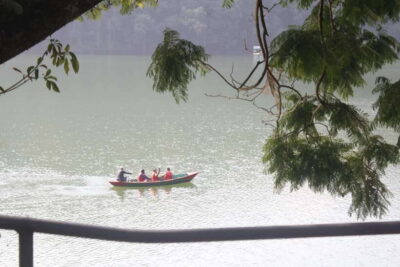
Full-Day Sharing Bus Tour on 7 Iconic Destination
Read our review →
Trekking in Annapurna/Langtang/Everest/Upper Mustang regions
Read our review →Browse the lists this tour appears in