
Reviewed · KATHMANDU UNESCO HERITAGE TOURS
TOP 4 UNESCO World Heritage Sites Tour
Kathmandu’s four major UNESCO sites are spread across the valley, but this private day tour links them in one practical sweep. You’ll see Hindu cremation and prayer rituals at Pashupatinath, turn prayer wheels around Boudhanath, climb to Swayambhunath’s hilltop stupa, and finish among Patan’s carved Newari courtyards.
I like the door-to-door transport, especially in Kathmandu’s heavy traffic, and the chance to have one guide explain both Hindu and Buddhist traditions. I also like the private format: guides such as Kapil Pandey and Saraswati Ghimire have been praised for clear explanations and a flexible approach.
The main catch is cost at the temples. The $50 tour price does not include roughly NPR 2700 in monument fees, and Pashupatinath has strict access rules: only Hindu visitors may enter the main temple area.
Four Kathmandu landmarks in one focused day
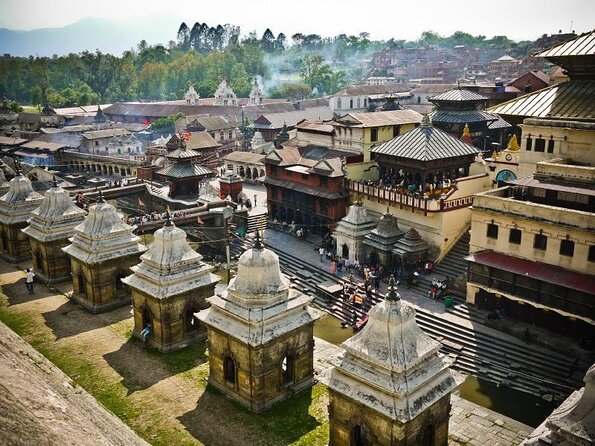
- Pashupatinath reveals Kathmandu’s living Hindu traditions, with the sacred Bagmati River and a temple crowned by two golden roofs.
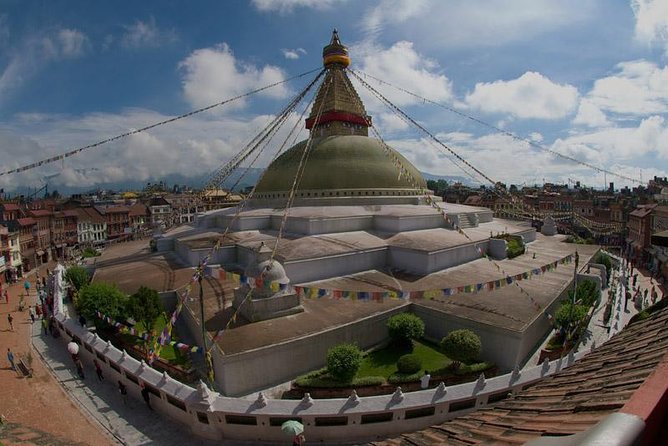
- Boudhanath gives you a calm Buddhist ritual, as you walk around one of the world’s largest stupas.
- Swayambhunath pairs a hilltop view with ancient symbolism, plus the famous monkeys around the temple complex.
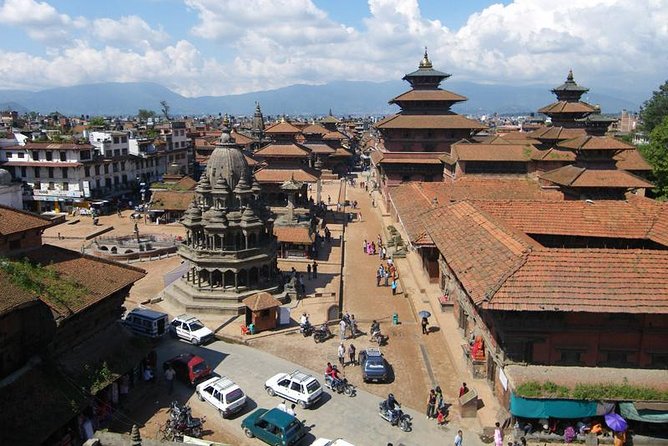
- Patan Durbar Square brings the finest Newari architecture, former royal courtyards, shrines, and detailed wood carving.
- A private air-conditioned vehicle saves time, with pickup and drop-off anywhere in Kathmandu.
- The guide makes the difference, with Kapil and Saraswati singled out for thoughtful explanations and patient service.
Why this route works in Kathmandu
Kathmandu Valley’s famous sites sit in different parts of the capital. Pashupatinath and Boudhanath are east of central Kathmandu, Swayambhunath rises to the west, and Patan lies across the Bagmati River in the city of Lalitpur. Visiting all four independently in a single day means arranging several rides, watching the clock, and working out admission rules as you go.
This tour removes that friction. You are collected at your hotel, driven between the sites in a private vehicle, and returned afterward. The overall outing lasts about 6 to 7 hours, with roughly an hour at Pashupatinath, an hour at Boudhanath, 45 minutes at Swayambhunath, and an hour at Patan Durbar Square.
That schedule is brisk but sensible. You get enough time to understand each place without spending the entire day in traffic. You will not have unlimited time for photography or a slow museum visit, so this suits you best if your goal is to see the four headline sites and learn what makes each one important.
You can choose a morning or afternoon departure. A morning start gives you more breathing room if traffic slows the route, while an afternoon departure may suit you if you arrived late or prefer an easier start. The exact pace can be discussed with your guide because this is a private activity for your group alone.
More temple and square walks around Kathmandu:
- Private Kathmandu Sightseeing Tour | UNESCO World Heritage sites
★ 5.0 · 756 reviews - Kathmandu: Full Day 7 UNESCO Tour with Lunch – Private/Group
★ 5.0 · 415 reviews - Private Bhaktapur and Nagarkot Day Tour From Kathmandu
★ 5.0 · 305 reviews
Pashupatinath and the Bagmati River
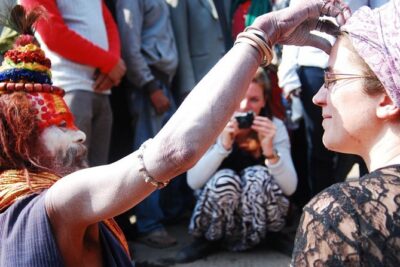
Pashupatinath is dedicated to Lord Shiva and sits beside the Bagmati River, about five kilometers east of Kathmandu. The temple complex is one of Nepal’s most important Hindu pilgrimage places, marked by its two golden roofs and four silver doors.
This is the most sensitive stop on the route. Religious activity here is not a staged performance, and you should treat the site with care. You can observe Hindu worship and the life of the complex, but only Hindu visitors may enter Pashupatinath Temple itself. If you are not Hindu, your guide can still help you understand the setting and explain what you are seeing from permitted areas.
Allow about an hour. That gives you time to take in the riverbank, shrines, and temple architecture without trying to turn a sacred place into a checklist stop. Large crowds can occur during special prayers, and one guide, Kapil, was praised for helping a visitor pray despite a particularly busy religious gathering.
Dress properly before leaving your hotel. Shorts and sleeveless tops are not allowed at places of worship and selected museums, and both men and women must cover their knees and shoulders. You may be refused entry if your clothing does not meet the rules, so loose trousers or a long skirt and a shirt with sleeves are the safe choice.
Photography also calls for judgment. Follow signs and your guide’s instructions, especially near religious ceremonies and the river. The best value here comes from listening, not rushing from shrine to shrine with a camera.
Boudhanath’s great white stupa
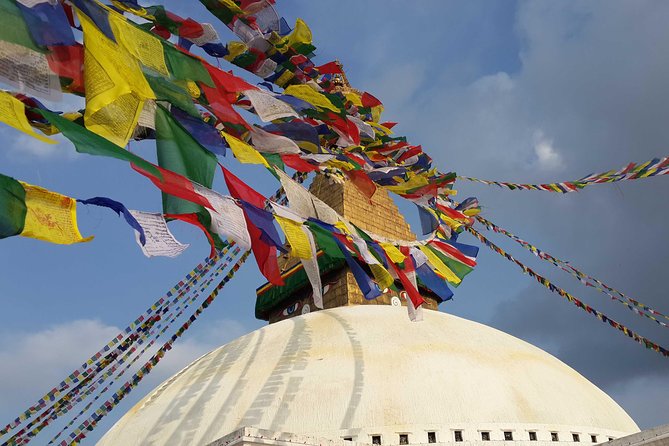
Boudhanath, also called Bouddhanath, sits about six kilometers east of Kathmandu and is believed to date from the fifth century. Its large white dome, painted eyes, prayer flags, and ring of Buddhist monasteries make it one of the valley’s most recognizable sights.
Your guide can explain how to move around the stupa in the proper direction and point out details that are easy to miss when you simply walk in, take a photo, and leave. You’ll see Buddhist lamas and monks around the area, along with people carrying out their daily religious practice.
The planned visit lasts about an hour. That is enough for a circuit around the stupa and time to look at the surrounding Buddhist setting. It is not a long spiritual retreat, but it is a useful introduction to Tibetan Buddhist life in Kathmandu.
I like this stop because it gives the day a different mood after Pashupatinath. The first site is strongly tied to Hindu worship and the Bagmati River; Boudhanath offers a broad circular space centered on Buddhist ritual. Your guide can help connect those traditions without treating them as interchangeable.
Admission is not included, so keep extra Nepalese rupees ready. The tour price covers your private vehicle, hotel transport, and English-speaking guide, but all four sightseeing fees are paid separately. The total entrance cost is listed at around NPR 2700, though you should confirm the current amount when booking.
Swayambhunath and the hilltop view
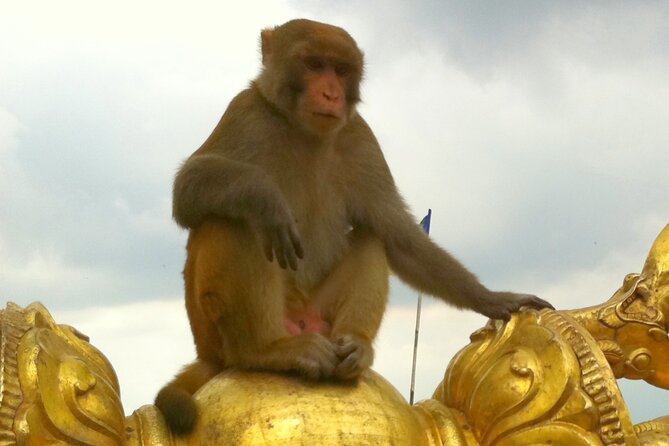
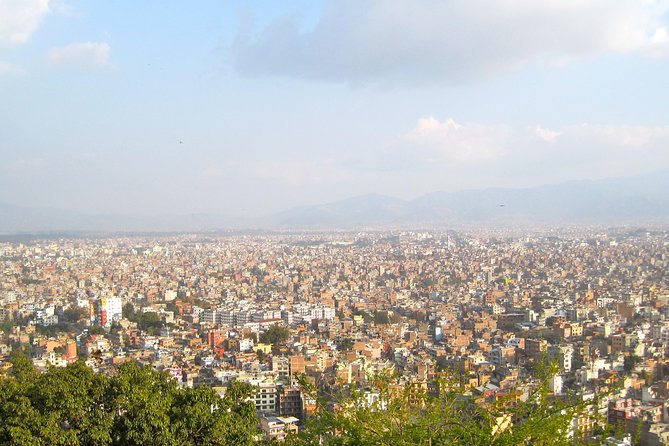
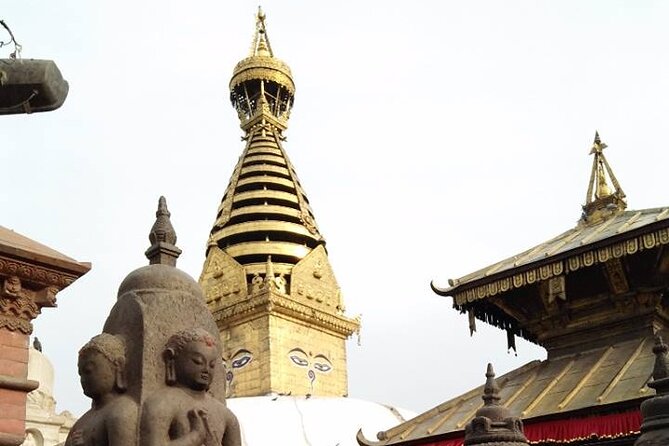
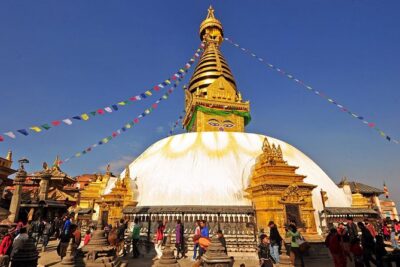
Swayambhunath, often called the Monkey Temple, sits on a hill roughly 77 meters above the surrounding ground. The stupa is described as about 2500 years old, and its painted eyes look across Kathmandu Valley from the hilltop.
This stop lasts about 45 minutes, making it the shortest visit of the day. You can expect a compact look at the stupa and temple setting, along with a view over the valley. The climb and the hilltop position give the stop a different physical feel from the level paths around Boudhanath.
The nickname comes from the monkeys found around the complex. Keep your belongings secure and follow your guide’s advice around them. The site combines religious meaning, old architecture, and a wide city view, so it works well as a short but varied stop.
The main limitation is time. Forty-five minutes is enough for a focused visit, but you may want longer if you enjoy photography or like to inspect every shrine. Since this route includes four major sites, the schedule favors broad coverage over lingering at one location.
A few more things to do in Kathmandu worth a look
- UNESCO Seven World Heritage Tour in Kathmandu
★ 5.0 · 253 reviews - Kathmandu Private Sightseeing Tour | UNESCO World Heritage Sites
★ 5.0 · 109 reviews - Kathmandu: Full Day Private Top 4 UNESCO Heritage Tour W/Lunch.
★ 5.0 · 86 reviews - Kathmandu World Heritage Tour
★ 5.0 · 74 reviews
Patan Durbar Square’s Newari detail
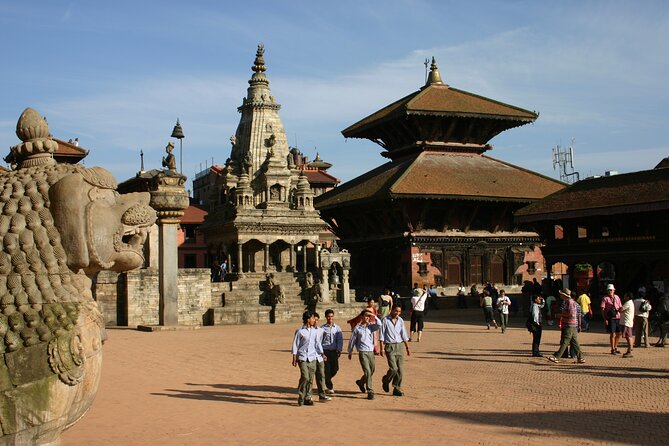
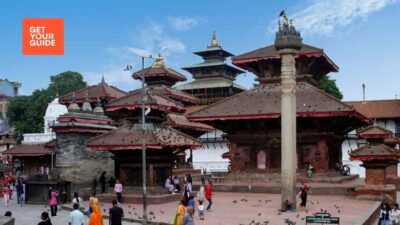
Patan Durbar Square was once home to the Patan royal family and is often considered the most photographed of Kathmandu’s three Durbar Squares. Its appeal lies in Newari architecture, with carved wood, brick courtyards, temples, and shrines packed into a walkable historic center.
You’ll spend about an hour here. That is enough to see the principal courtyards and hear how Patan’s royal and religious buildings fit together. The route description identifies the Krishna Mandir among the main attractions, and your guide can point out the buildings and decorative details that deserve closer attention.
This is where a good guide earns the fee. Newari design can look like a mass of carved windows and tiled roofs if you do not know what to look for. A clear explanation helps you notice the craftsmanship, the function of the courtyards, and the connection between royal power and religious life.
Patan is also a useful final stop because it brings together themes from the day. You have seen Hindu worship at Pashupatinath, Buddhist ritual at Boudhanath and Swayambhunath, and now a former royal center shaped by both religious and Newari traditions.
Admission is extra here as well. Wear covered clothing, since the dress rules apply to selected museums and worship spaces. Comfortable shoes are sensible, though the tour information does not specify the walking surface or exact amount of walking.
The guide and driver shape the day
The vehicle is air-conditioned and private, with pickup and drop-off at your hotel anywhere in the capital. That matters in Kathmandu, where the four sites are not arranged in a tidy walking route. You can leave the navigation and traffic to the driver while you focus on the guide’s explanations.
Several guide names appear in the experience feedback. Kapil Pandey is described as friendly, flexible, patient, and clear in his explanations. Saraswati Ghimire, also called Sara, is noted for discussing both the sites and changes in Nepali culture. You can ask whether either guide is available, but a specific guide cannot be guaranteed from the information provided.
The drivers also receive strong praise. Ram was described as caring and attentive, while Suman was credited with handling Kathmandu’s difficult streets with ease. That does not make traffic disappear, but it does make the transfers less tiring.
Tipping is expected for the guide and driver and is not included in the price. Carry small notes if possible, and decide what feels fair based on the time, care, and service you receive.
Is $50 a fair price?
At $50 per person, this is a reasonable value if you want private transport and a guide for the main Kathmandu heritage sites. You are not paying only for admission. You are also paying for hotel pickup, an air-conditioned private vehicle, an English-speaking professional guide, and the ability to keep the route moving without arranging four separate visits.
The extra monument fees change the final cost. Budget about NPR 2700 for the sightseeing admissions, in addition to the tour price. Tips are separate too, so the advertised $50 should not be treated as the complete cash requirement for the day.
The value improves for couples, families, or small groups that want a private schedule. Group discounts are offered, though the exact discount is not given. Solo visitors can book because the minimum is one person, but the per-person price may feel less attractive than it would for a larger private group.
The 98 percent recommendation rate and 4.9 rating from 43 ratings point to a consistently well-received service, especially around the guides and drivers. I would place more weight on the specific strengths described: clear explanations, patient help at Pashupatinath, flexibility, and calm driving through traffic.
Clothing, timing, and practical planning
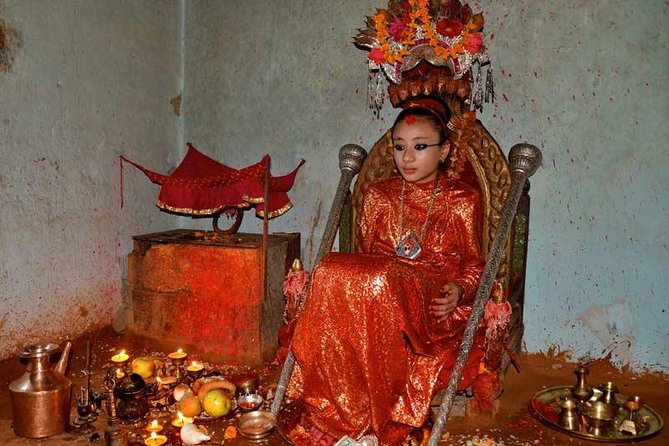
Plan your clothing before pickup, not after reaching the first temple. Knees and shoulders must be covered for both men and women, and shorts or sleeveless shirts can lead to refused entry.
Keep some Nepalese rupees available for the monument admissions and tips. Mobile tickets are accepted, and confirmation is provided at booking. The experience is near public transportation, but the included private pickup means you do not need to arrange your own way to the first stop.
Most people can take part, though the schedule includes walking at religious and historic sites. Swayambhunath is on a hillock, so anyone concerned about steps or uneven ground should ask the provider for more detail before booking. The supplied information does not give a wheelchair-accessibility statement.
The cancellation terms are useful if your plans may shift. You receive a full refund when you cancel at least 24 hours before the local start time. Cancellations or changes made within 24 hours are not refunded or accepted.
Who should book this Kathmandu tour?
I would choose this tour if I had one busy day in Kathmandu and wanted the four major UNESCO sites explained by a private guide. It is particularly well suited to first-time visitors, couples, families, and anyone who would rather not negotiate city transport between distant sites.
You should also book it if Hindu and Buddhist practice interests you. The route is not just a parade of old buildings. It takes you to active places of worship where local religious life still shapes the visit.
I would hesitate if you want slow, unstructured sightseeing. The schedule gives you about four hours at the sites, with the rest of the 6 to 7 hours likely taken by transfers and the pace of the route. You will see a lot, but you will not have endless time at each stop.
For the best experience, wear respectful clothing, budget the extra admission money, and ask about guide availability if Kapil or Saraswati is important to you. If you want an efficient private introduction to Kathmandu’s Hindu, Buddhist, royal, and Newari heritage, this tour makes a strong choice.
FAQ
How long does the tour last?
The tour lasts approximately 6 to 7 hours, including visits to four UNESCO World Heritage sites and travel between them.
What sites are included?
The route includes Pashupatinath Temple, Boudhanath Stupa, Swayambhunath, also called the Monkey Temple, and Patan Durbar Square.
Is hotel pickup included?
Yes. Pickup and drop-off by private vehicle are included from hotels anywhere in Kathmandu.
Is the tour private?
Yes. Only your group participates in the activity, and transport is provided by a private tourist vehicle.
Are entrance fees included in the $50 price?
No. City sightseeing monument fees are not included and cost around NPR 2700 in total.
Can anyone enter Pashupatinath Temple?
Only Hindu visitors may enter Pashupatinath Temple. Other visitors can still observe permitted areas and learn about the site.
What should I wear?
Your knees and shoulders must be covered. Shorts and sleeveless tops are not allowed at places of worship and selected museums.
What is the cancellation policy?
You can cancel at least 24 hours before the local start time for a full refund. Cancellations or changes made within 24 hours are not accepted or refunded.
Just added in Kathmandu
- Kathmandu to Chitwan Tour by Tourist Bus – A Convenient and Affordable Way★ 4.0 · 4 reviews
- Changunarayan Hill to Telkot Hike Near Kathmandu Day Tour★ 5.0 · 6 reviews
- Mt Everest Base CampTrek | Budget Package★ 5.0 · 4 reviews
- Chitwan Jungle Safari 3-Day Tour★ 5.0 · 9 reviews
- Chandragiri Hill Station Tour by Cable Car★ 5.0 · 4 reviews
- Chandragiri Hills cable car day trip, private car with driver from Kathmandu★ 5.0 · 8 reviews
- Chandragiri to Taudaha Nature Day Hiking from Kathmandu★ 5.0 · 13 reviews
- Chandragiri Cable Car & Monkey Temple Private Guided Day Tour★ 5.0 · 5 reviews
Kathmandu UNESCO Heritage Tours, compared.
Private Kathmandu Sightseeing Tour | UNESCO World Heritage sites
Read our review →
Full Day 7 UNESCO Tour with Lunch – Private/Group
Read our review →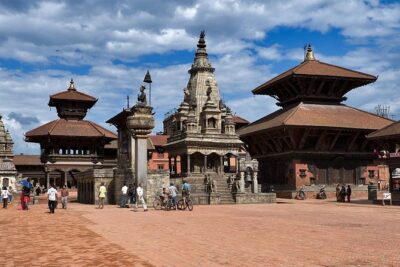
Private Bhaktapur and Nagarkot Day Tour From Kathmandu
Read our review →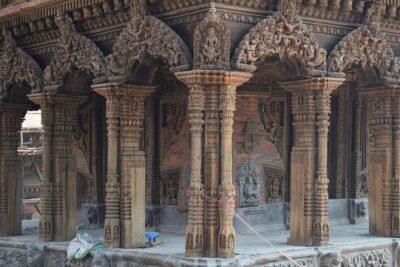
Kathmandu Spiritual Sites: Bodhnath & Pashupatinath Tour
Read our review →
Day Trip to Bhaktapur and Panauti from Kathmandu
Read our review →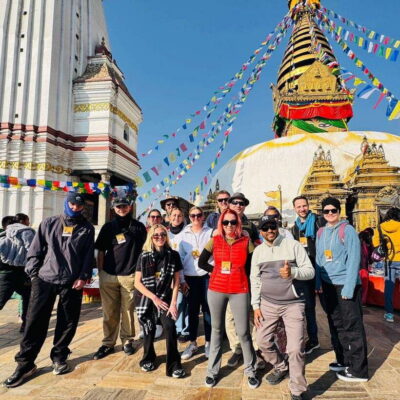
Browse the lists this tour appears in