
Reviewed · KATHMANDU UNESCO HERITAGE TOURS
Kathmandu Bhaktapur Patan Authentic Local Tour +7 UNESCO WH Sites
Bhaktapur’s Juju Dhau making session gives this three-day tour its best opening note. You do not simply walk past old temples. You see a local specialty being prepared, visit working pottery yards, wander through lanes where Newar families still practice traditional crafts, and eat food tied to the neighborhood.
I especially like the mix of major sights and small local stops. You get Bhaktapur Durbar Square, Patan Durbar Square, Swayambhunath, Boudhanath, and Pashupatinath, but also old fountains, monastery courtyards, carving workshops, and Nepal’s oldest market area around Asan. The private vehicle, certified local guide, and included entrance fees add real convenience.
The main caution is pace. Three days cover a lot, and Day 2 in Patan is packed with walking and monuments. At $385 per person, with food and accommodation extra, this is not a budget sightseeing shuttle. It makes the most sense if you want depth, private transport, and local access rather than a quick checklist.
Key points at a glance
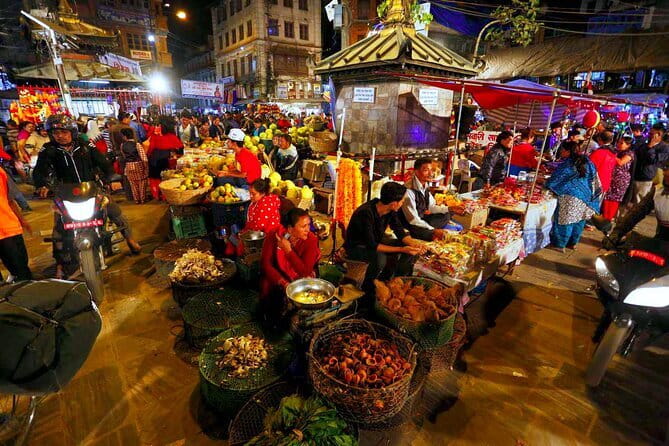
- Juju Dhau in Bhaktapur: Watch the famous king of yogurts being prepared during a live local demonstration.
- Seven UNESCO World Heritage sites: The route covers the major historic and religious sites of Kathmandu Valley.
- Craft traditions in real neighborhoods: See pottery in Bhaktapur, religious idol carving in Patan, and traditional woodwork by Shilpakar families.
- Three old cities, three different moods: Bhaktapur feels medieval and craft-focused, Patan is known for Buddhist courtyards and metalwork, and Kathmandu brings markets, shrines, and big pilgrimage sites.
- Private touring with native guides: Guides such as Nirajan and Niranjan have roots in the old Newar towns, which matters when you want local context.
- Food and lodging are separate: The tour includes transport, water, taxes, entrance fees, and guiding, but not meals, hotels, or gratuities.
Why this tour is different from a standard Kathmandu sightseeing day
Many Kathmandu Valley tours rush from one famous square to the next. You take a photograph, hear a few dates, and move on. This experience spends time on the working side of the old towns, where food, craft, worship, and daily life still share the same narrow lanes.
The strongest feature is the local focus. Guides from the Newar communities of Kathmandu, Bhaktapur, or Patan can explain why a courtyard matters, how a shrine fits into neighborhood life, and why certain temples are visited in a particular order. Nirajan, also referred to as Niranjan in tour materials, is associated with Bhaktapur and has led visitors through the town’s less obvious corners.
You also get private transportation in an air-conditioned vehicle. That matters in Kathmandu Valley, where traffic can turn a short drive into a slow one and where walking between districts can be tiring. The car is used between areas, while the important parts of Bhaktapur, Patan, and Kathmandu are explored on foot.
The price is $385 per person for about three days. That figure buys a private experience, a professional local leader, attraction fees, environmental fees, daily bottled water, and transport. You still pay separately for food, accommodation, and expected gratuities. Compare it with a basic group tour, and the price is high. Compare it with arranging a private guide, driver, entrance tickets, and craft visits yourself, and the value becomes easier to see.
More temple and square walks around Kathmandu:
- Private Kathmandu Sightseeing Tour | UNESCO World Heritage sites
★ 5.0 · 756 reviews - Kathmandu: Full Day 7 UNESCO Tour with Lunch – Private/Group
★ 5.0 · 415 reviews - Private Bhaktapur and Nagarkot Day Tour From Kathmandu
★ 5.0 · 305 reviews
Day 1: Bhaktapur, from Juju Dhau to the city’s old temples
The first day is devoted to Bhaktapur, one of the most rewarding places in the valley for travelers who care about traditional town life. The day begins with a live Juju Dhau session. This thick, famous yogurt is one of Bhaktapur’s best-known foods, and watching its preparation gives you a useful introduction to local taste and custom.
You can also try traditional Newari dishes during the day. The food tasting is optional, which is helpful if you have dietary limits or prefer to eat later. Your guide can point you toward the best local choices, but remember that meals are not included in the tour price.
Siddha Pokhari and the first view of Bhaktapur
Siddha Pokhari is a historic pond close to the entrance of Bhaktapur Durbar Square. It is a quiet counterpoint to the busy streets and a good place to begin understanding how water shaped life in the old cities.
The stop lasts about 30 minutes. It is not the biggest sight of the day, but it helps set the mood before you enter the denser historic center.
Pottery Square and working craft
Pottery Square is one of the most useful stops for understanding Bhaktapur as a living town rather than a museum. Local potters work around the square, and the clay objects are part of an ongoing craft tradition, not simply souvenirs made for visitors.
Plan on about an hour here. Watch how the square functions, and be respectful when people are working. The tour also includes traditional pottery and art experiences, so this is a place where your guide can add context that you would miss while passing through alone.
Same base, a different kind of day:
- Everest Base Camp Trek – 14 Days
★ 5.0 · 1,499 reviews - Everest Base Camp Helicopter Tour landing at Everest View Hotel
★ 5.0 · 668 reviews - Half day cooking class in Thamel kathmandu
★ 5.0 · 607 reviews - Everest Base Camp Trekking
★ 5.0 · 485 reviews
Bhaktapur Durbar Square
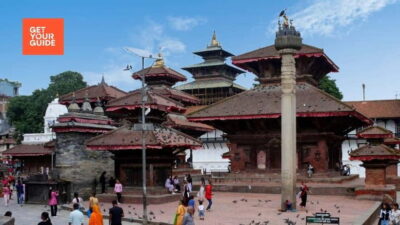
Bhaktapur Durbar Square is the day’s major historic stop. The former royal area is packed with temples, palace buildings, carved details, and open spaces. It became a UNESCO World Heritage site in 1979.
An hour is scheduled here, though the amount of detail can easily make you wish for more time. The square is visually impressive, but the real reward is looking closely at the wood, brick, and metalwork. The 2015 earthquake affected many historic buildings in the valley, so you may see restoration work or rebuilt sections as part of the present-day story.
Chandeshwori, local food, and Dattatreya
The route continues to Chandeshwori Temple, a three-story pagoda shrine in Tibukchhen tole. This is a smaller stop, and its value comes from seeing a neighborhood religious site rather than another grand royal monument.
Afterward, you have time for local food before visiting Dattatreya Temple. The temple is linked to King Yaksha Malla and dates to the 14th century. It is reached via Khacha Pokhari, another example of how the tour connects major monuments with ordinary town spaces.
The day ends at the Navadurga temple area on the edge of Bhaktapur. These temples are connected with protection of the city, and visits follow a particular order. This is a short stop, but it gives you a sense of how religious practice is tied to the city as a whole.
Day 1 is full, but it has a clear theme: food, pottery, temples, and community life. It is the strongest day for people who want to see how an old city still functions.
Day 2: Patan’s Buddhist courtyards and master craftsmen
Patan, also called Lalitpur, has a different feel from Bhaktapur. It was a Malla capital until 1768 and is especially known for Newari Buddhist monasteries, courtyards, metalwork, and detailed temple art.
You begin at Patan Dhoka, the old gateway to the city. From there, the route moves through smaller religious and architectural sites before reaching Patan Durbar Square.
Pimbahal Stupa and Nagbahal Hiti
Pimbahal Stupa is about 650 meters from Patan Durbar Square. The stupa is important to Buddhist pilgrims, and nearby Jagamadu Pond adds a calm public space to the visit.
Next comes Nagbahal Hiti, an old drinking fountain also known as Elhanani Hiti. It is believed to date from the eighth century and is still used for cultural events. These water spouts are easy to overlook, but they tell you how old cities managed water before modern systems.
Golden Temple and Kumbheshwor Temple
The Golden Temple, or Hiranya Varna Mahavihar, is a Newar Buddhist monastery founded in 1409. Its name does not mean the entire building is made of gold. Look for the gilded details and the compact courtyard design instead.
The monastery can feel dense with images, shrines, and decorative metalwork. Take your time and follow local rules for movement and photography.
Kumbheshwor Temple comes next. Dating to the late 14th century, it is one of Patan’s older Hindu sites. This short visit adds balance to the day, since Patan’s identity is not only Buddhist or only Hindu. Both traditions are woven into the same urban fabric.
Patan Durbar Square
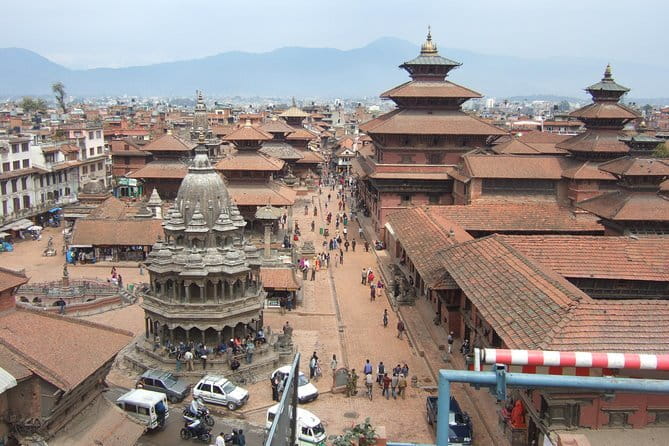
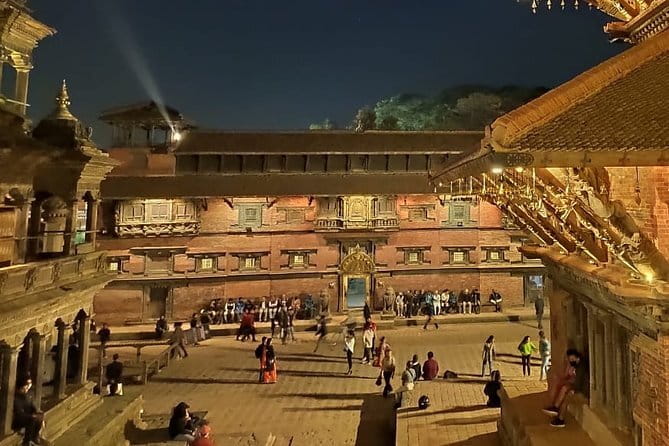
Patan Durbar Square is the main attraction of the day. The former royal palace rises beside a tight group of temples, shrines, and courtyards. Like Bhaktapur Durbar Square, it is a UNESCO World Heritage site.
One hour is planned here. That is enough for a guided introduction, but not enough to inspect every carved doorway and courtyard. I would keep your attention on the details closest to you: roof supports, bronze figures, stone paving, and the way active shrines sit beside historic buildings.
The Golden Fountain and Mahaboudha Temple
After the square, the route reaches the Golden Fountain, an old decorated water spout studied by Nepalese art expert Gautama Vajracharya. The stop lasts about an hour, giving you time to understand the fountain as both public infrastructure and religious art.
Mahaboudha Temple is built from clay bricks and covered with terra-cotta decoration. Its 14th-century design differs from the pagoda forms you see elsewhere in the valley. It is a quieter place, and the close detail rewards a slow look.
Rudravarna Mahavihar and Patan’s artisans
Rudravarna Mahavihar, also known as Oku Bahal, is a Newar Buddhist monastery with three courtyards. Each courtyard has its own character, and the enclosed design shows how religious life and neighborhood life overlap in Patan.
The last part of the day takes you through narrow old-town lanes where Shilpakar families continue traditional woodwork. You may also see religious idol hand-carving sessions. This is one of the most valuable parts of the tour because it connects the finished monuments with the hands and family skills behind them.
Day 2 involves a lot of walking, uneven surfaces, and repeated temple visits. If you prefer a slow schedule with long café breaks, this may feel rushed. If you enjoy architecture and craft, it is probably the most rewarding day.
Day 3: Kathmandu markets, hilltop prayer, and major pilgrimage sites
The final day combines old Kathmandu shopping streets with the valley’s best-known religious landmarks. It begins with a walk through Thamel and Asan Tole, a local market area, before reaching Newroad Gate through Kathmandu Durbar Square.
Asan Tole and Kathmandu Durbar Square
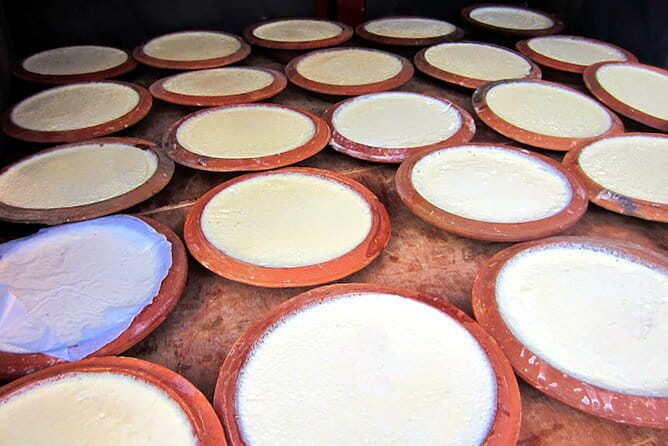
Asan is useful for seeing Kathmandu as a working market city. The streets can be crowded, and the experience is less polished than a palace square, which is exactly why it is worth your time. Keep your belongings secure and follow your guide through the traffic.
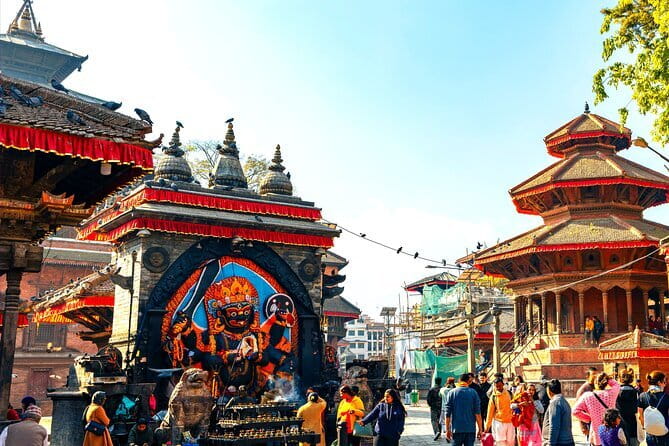
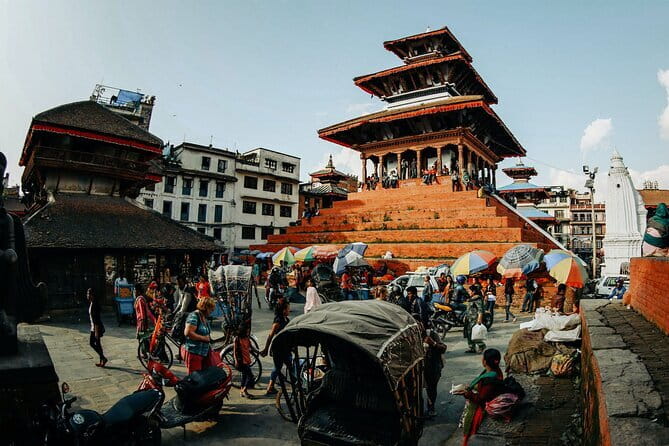
Kathmandu Durbar Square is another UNESCO site and one of the valley’s key historic centers. The two-hour visit includes the square and nearby alleys. You will see palace buildings, temples, and the layered urban life around them.
This is also the best day for shopping. The tour includes time around Nepal’s oldest market area, so ask your guide to help you compare local goods and avoid buying the first item you see.
Swayambhunath
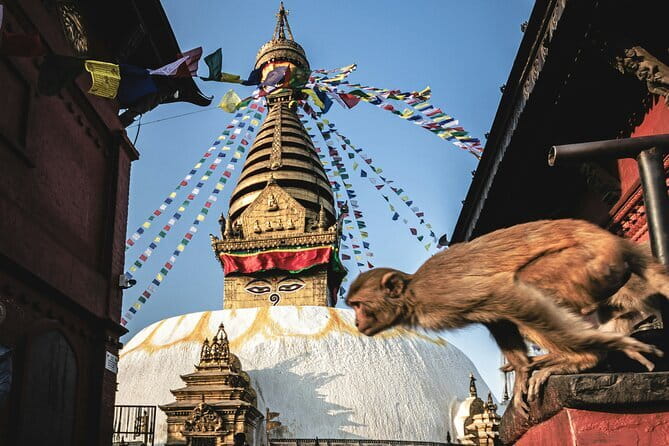
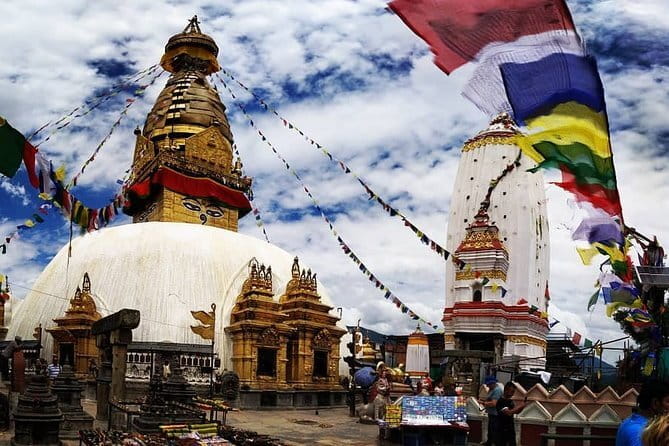
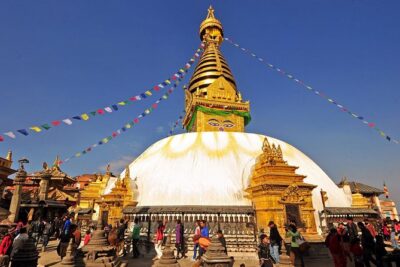
Swayambhunath, often called the Monkey Temple, sits above Kathmandu and is one of the valley’s most recognizable religious complexes. The stupa, shrines, and views make it a strong follow-up to the city streets.
The visit lasts about an hour. Your guide can explain the shared Buddhist and Hindu character of the site, while you take in the city from above. The climb and surrounding steps may require a slower pace for some people.
Budhanilkanth Temple
Budhanilkanth Temple, also called Jal Narayan Temple, is a short visit in a quieter part of the valley. The main image is associated with Vishnu and rests in a water setting.
It is a useful change of pace after Swayambhunath. The visit is only about 30 minutes, so do not expect a long walking tour here.
Boudhanath Stupa
Boudhanath, called Buddha Stupa in the itinerary, is one of the valley’s major Buddhist pilgrimage sites. The first stupa here is thought to date to after AD 600 and is linked to the Tibetan king Songtsen Gampo.
Two hours are allowed, which is appropriate. Walk around the stupa, watch the steady flow of worshippers, and spend time looking at the surrounding monasteries and shops. This is one of the places where the tour’s local guidance helps you behave appropriately around active religious practice.
Pashupatinath Temple
Pashupatinath sits along the Bagmati River on Kathmandu’s eastern side. It is one of Nepal’s most important Hindu pilgrimage sites and a major stop for understanding the valley’s religious life.
The visit takes about two hours. This is a sacred place, so dress modestly and follow instructions about photography and access. The site can feel intense because worship, public ritual, and ordinary city life meet along the river.
Optional Thamel and Jhamsikhel evening
After the main sightseeing, you can choose an escorted evening around Thamel and Jhamsikhel. The possible five-hour outing includes restaurants, pubs, clubs, and streets in the area, but food, drinks, and nightlife costs are not included.
This option is best for people who want company after a long day. It is not essential to the historic portion of the tour, and you may prefer an early night before a trek or flight.
What the $385 price really buys you
At $385 per person, this is a premium private tour rather than a low-cost city transfer. The included package covers private air-conditioned transportation, a certified and experienced local tour leader, all listed entrance and environmental fees, taxes, and one bottle of water per person per day.
The biggest value is time and interpretation. You do not need to arrange separate drivers between the three cities, buy entrance tickets at each site, or work out how to reach small courtyards and workshops. You also get a guide who can connect food, craft, religion, and architecture.
The exclusions matter. You pay for accommodation, every meal, and gratuities. The tour does not give you a hotel or a fixed food package, which lets you choose your own lodging level and dining style but makes the final cost higher than the headline price.
Who should book this three-day experience?
I would choose this tour if you have three days in Kathmandu Valley and want more than the standard major-sights route. It is particularly well suited to first-time visitors who want the big UNESCO locations explained properly, families who prefer private transport, and travelers interested in Newar culture and traditional craft.
It also fits well before or after a Himalayan trek. Several people have used a city tour like this alongside trips such as the Manaslu or Annapurna Circuit, using the three days to understand Nepal’s urban traditions before heading into the mountains.
You should think twice if you dislike long walking days, temple-heavy itineraries, or scheduled sightseeing from morning into late afternoon. The route is ambitious, and Day 2 especially asks you to stay engaged.
Booking a private tour gives you a better chance to slow down at the places that interest you. Tell the operator if you care most about food, architecture, markets, or religious sites, and ask whether Nirajan or Niranjan is available if you specifically want a guide with Bhaktapur roots.
Final verdict: a strong choice for local context
Book this tour if your goal is to understand Kathmandu Valley through its old cities, living crafts, and active religious sites. The Juju Dhau session, pottery square, Patan carving workshops, old fountains, and market walk give the experience more substance than a quick temple circuit.
Skip it if you want a cheap, relaxed overview or if you need accommodation and meals bundled into one price. For everyone else, the private format and native guiding make the $385 cost reasonable, especially when you value local access and careful explanation over simply seeing more places.
FAQ
How long is the Kathmandu, Bhaktapur, and Patan tour?
The experience lasts approximately three days.
What time does the tour start?
The stated start time is 9:15 am.
Is hotel pickup available?
Pickup is offered, though the provided information does not specify the exact pickup area or hotel coverage.
Is this a private tour?
Yes. Only your group participates in the activity.
What transportation is included?
Private transportation in an air-conditioned vehicle is included.
Are entrance fees included?
Yes. Entrance fees and environmental management fees for the attractions listed in the itinerary are included.
Are food and accommodation included?
No. Food and accommodation are separate. The guide can advise you about local dining, and several accommodation brands and luxury options are available to select separately.
How many UNESCO World Heritage sites does the tour visit?
The experience is designed to visit all seven UNESCO World Heritage sites in the Kathmandu Valley region.
Can I cancel for a full refund?
Yes, if you cancel at least 24 hours before the local start time. Cancellations made less than 24 hours before the start time are not refunded, and late changes are not accepted.
Just added in Kathmandu
- Traditional Momo Making Class★ 5.0 · 10 reviews
- Women Empowerment Project(Nepali cooking class & jewelry workshop★ 5.0 · 15 reviews
- Kathmandu 2 Nights 3 Days Chitwan Jungle Safari Tour★ 5.0 · 9 reviews
- Walking tour of Kathmandu with awesome local guides★ 5.0 · 4 reviews
- Wildlife Adventure in Chitwan Nepal★ 4.0 · 4 reviews
- Kathmandu to Pokhara Premium sofa bus ticket★ 4.0 · 17 reviews
- Regular Yoga for all levels of practitioners in Kathmandu★ 5.0 · 4 reviews
- Kathmandu Street Food Walking Tour – Eat Like a Local★ 5.0 · 3 reviews
Kathmandu UNESCO Heritage Tours, compared.
Private Kathmandu Sightseeing Tour | UNESCO World Heritage sites
Read our review →
Full Day 7 UNESCO Tour with Lunch – Private/Group
Read our review →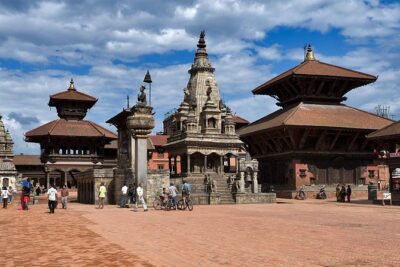
Private Bhaktapur and Nagarkot Day Tour From Kathmandu
Read our review →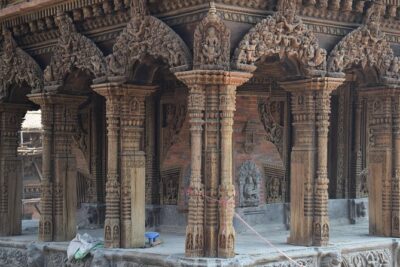
Kathmandu Spiritual Sites: Bodhnath & Pashupatinath Tour
Read our review →
Day Trip to Bhaktapur and Panauti from Kathmandu
Read our review →
Browse the lists this tour appears in