Reviewed · TOURS IN KATHMANDU
Life and spirituality tour of Kathmandu
Kathmandu’s spiritual life is not tucked away in museums. It unfolds in courtyards, shrines, markets, monasteries, temples, and along the Bagmati River. This private tour gives you a useful way into that living culture, linking Kathmandu Durbar Square, Patan, Pashupatinath, and Boudhanath in one long day.
I like the private car and hotel pickup, which save you from sorting out Kathmandu traffic on your own. I also like the guides’ ability to explain difficult Hindu and Buddhist ideas in plain language. The main drawback is pace: six to eight hours and four major sites make for a full day, and entrance fees, lunch, and tips are not included.
Key points at a glance
- Four major spiritual sites: Visit Kathmandu Durbar Square, Patan Durbar Square, Pashupatinath Temple, and Boudhanath Stupa.
- Private transportation: Your guide collects you from your Kathmandu hotel in an air-conditioned vehicle.
- Strong guide-led interpretation: Guides including Indra, Ripu, Rabi, and Rudi are praised for explaining Hindu and Buddhist traditions clearly.
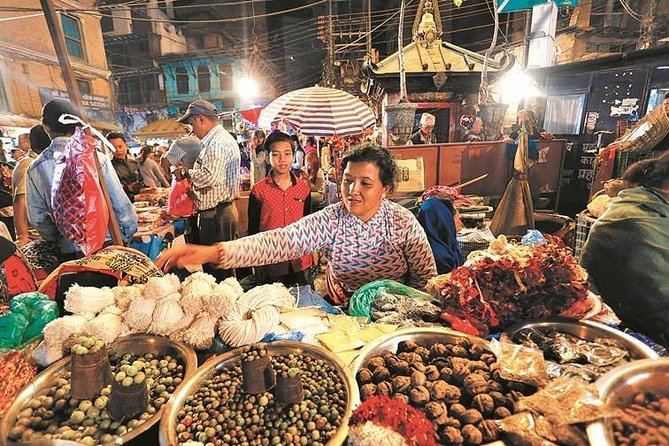
- A look beyond headline monuments: The route includes old courtyards, back streets, local markets, artisans, ascetics, astrologers, and everyday devotional life.
- Plan for extra costs: Entrance fees, lunch, taxes, and tips are not part of the $55 price.
- Good for a one-day visit: The tour is designed for a private group and usually runs six to eight hours.
Why this tour helps you understand Kathmandu
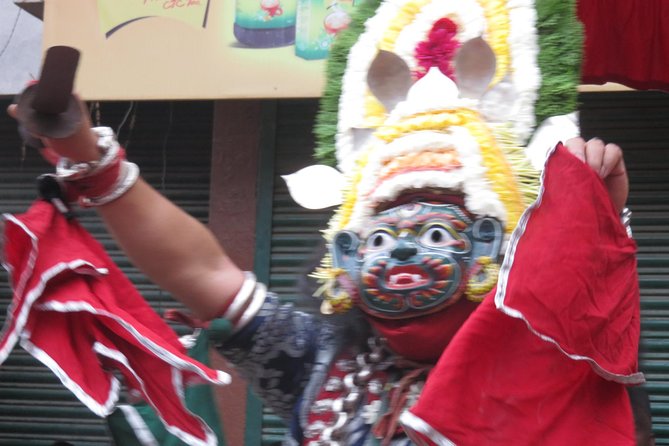
A first visit to Kathmandu can feel like a flood of sacred images. Prayer flags, bells, carved wood, stupas, shrines, cremation smoke, and painted eyes appear before you have time to ask what they mean. This tour gives those sights a human framework.
The emphasis is not only on old buildings. You learn how Hinduism and Buddhism shape ordinary routines, festivals, worship, art, death rituals, and city life. That makes the day more useful than a quick monument checklist.
The private format matters. You can ask about a confusing symbol, pause over a ritual, or request a clearer explanation without waiting for a large group. Guides named in past bookings include Indra, Ripu, Rabi, Rudi, Raja, and others. Their strongest shared quality is the ability to explain complicated religious ideas in a calm, accessible way.
The tour is also a practical choice if you have only one full day in Kathmandu. The private car handles the transfers, while the guide connects four major places that would be difficult to understand as separate stops. You should still expect city traffic and a long day on your feet.
Other trips people book in Kathmandu:
- Everest Base Camp Trek – 14 Days
★ 5.0 · 1,499 reviews - Private Kathmandu Sightseeing Tour | UNESCO World Heritage sites
★ 5.0 · 756 reviews - Everest Base Camp Helicopter Tour landing at Everest View Hotel
★ 5.0 · 668 reviews
Kathmandu Durbar Square and the old city
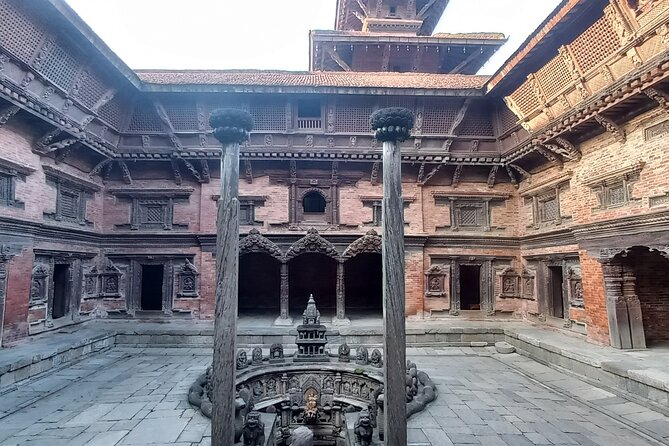
The day begins with about two hours in Kathmandu Durbar Square. The focus is not only on the grand squares and palace buildings. You also walk through old Kathmandu and seek out courtyards that preserve medieval spiritual and cultural practices.
This is where the tour’s theme becomes clear. The guide can point out Vastu ideas in the architecture and explain how buildings, shrines, and courtyards relate to religious life. Instead of seeing carved doors and brick lanes as decoration, you get a sense of how the old city worked.
The route also includes less obvious parts of the heritage area. That is useful because Kathmandu Durbar Square can otherwise become a quick stop for photographs. The quieter courtyards and side streets give you a closer look at local life.
Allow two hours here, though the exact amount of walking may vary. The itinerary lists admission as free at this stop, but the general tour information says entrance fees are extra, so confirm current charges when booking. The tour is wheelchair and stroller accessible, yet old historic areas can still involve uneven surfaces or crowded passages. The accessibility note is helpful, but you should discuss your specific needs in advance.
Patan, the city of fine art
After Kathmandu Durbar Square, you drive to Patan, also called Lalitpur. This stop lasts about two hours and shifts the focus from the capital’s old royal center to one of the Kathmandu Valley’s great art cities.
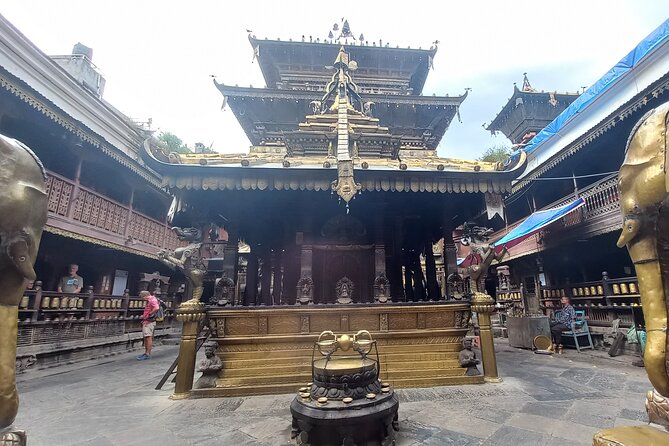
Patan is known for its metalwork, woodcarving, and traditional craft. The tour explains how work made here reached India, Tibet, and China during the medieval period. Just as important, many people in Patan still work as artisans, so the city’s artistic identity is not only a matter of the past.
I like this stop because it shows how religion and craft fit together. Temples and sacred objects are not separate from daily work. The guide can help you read the details in the buildings and connect artistic skill with devotional practice.
Two hours gives you time to look closely rather than simply pass through. It also adds variety to the day. Kathmandu Durbar Square introduces the old capital, while Patan shows a city shaped by fine art and skilled makers.
The day includes a lot of cultural information, so take notes if you want to remember names and traditions. The guides are praised for answering questions patiently, which is especially useful here. Patan’s art can be easy to admire without understanding, and a good explanation makes the details more meaningful.
Pashupatinath and Hindu life beside the Bagmati
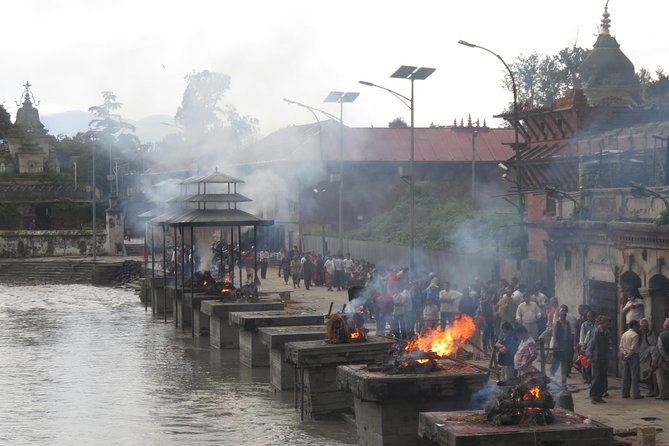
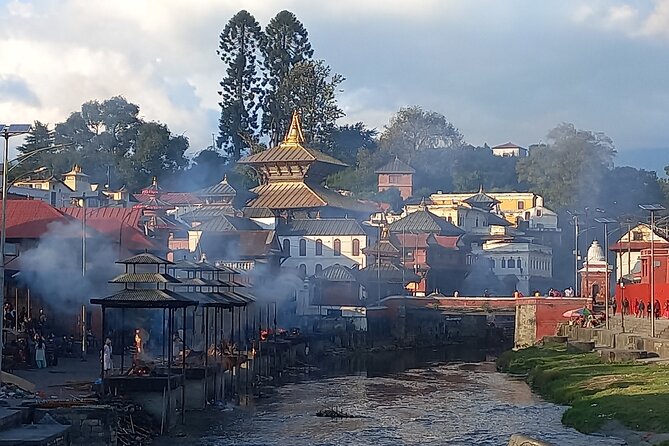
The next stop is Pashupatinath Temple, with about an hour in the complex. This is the day’s clearest look at Hindu practice. You learn about Shiva, observe devotees, and may see Hindu ascetics, astrologers, and open cremation rituals.
Pashupatinath is not a polished sightseeing stop. It is an active religious and funerary site. That can make the visit powerful, but it also calls for care. Listen closely to your guide about local customs, and treat people at prayer or mourning with distance and respect.
The guide’s role is particularly important here. Hindu practice can be hard to understand from signs alone, especially when several rituals happen at once. The tour is designed to explain what you are seeing without turning living worship into a performance.
The itinerary lists an admission fee here as not included. Lunch, taxes, and tips are also extra. Set aside money for these costs so the price does not surprise you later.
An hour is enough for an introduction, but not for a slow, detailed study of the entire complex. The stop works best if you want context and a thoughtful overview. It may feel brief if your main goal is to explore every corner of the temple grounds.
Same base, a different kind of day:
- Half day cooking class in Thamel kathmandu
★ 5.0 · 607 reviews - Everest Base Camp Trekking
★ 5.0 · 485 reviews - Nagarkot Sunrise View and Day Hiking from Kathmandu
★ 5.0 · 471 reviews - Kathmandu: Full Day 7 UNESCO Tour with Lunch – Private/Group
★ 5.0 · 415 reviews
Boudhanath, Kathmandu’s Tibetan Buddhist center
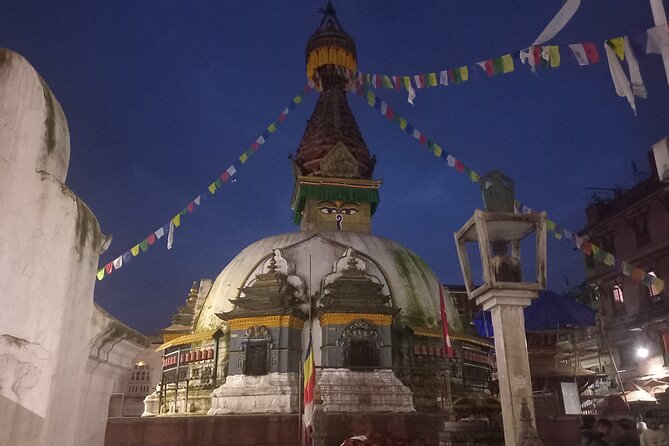
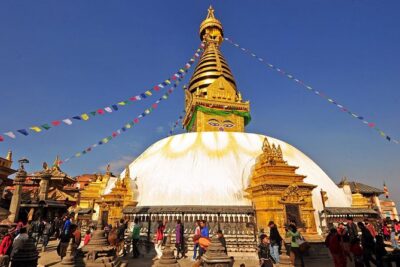
The final major stop is Boudhanath Stupa, with about an hour in the area. Known as the Little Tibet of Kathmandu, Boudhanath is associated with Tibetan Buddhism and has about 60 Tibetan Buddhist monasteries nearby.
The stupa draws pilgrims from Himalayan villages, so this is a good place to see Buddhism as a living practice rather than a set of museum objects. You can expect the guide to explain the stupa, the surrounding monasteries, and the role of pilgrimage in the area.
Boudhanath also provides a strong contrast with Pashupatinath. One stop centers on Hindu devotion, Shiva, cremation, and ascetic practice. The other introduces Tibetan Buddhist life and the visual language of the stupa. Seeing both in one day helps you compare the two traditions without treating them as interchangeable.
The hour allotted here is fairly short. If Boudhanath is the site you most want to study, you may wish to ask your guide how the timing can be adjusted. The private format may make that conversation easier, though the full route still needs to fit into six to eight hours.
Admission is not included at Boudhanath. The itinerary also describes Kathmandu Durbar Square and Patan as having free admission, but entrance charges can change, so check the current arrangements before you go.
The guide makes or breaks the day
This tour depends heavily on the guide. The sites are famous, but their religious meaning is not always obvious. A guide who can explain traditions clearly makes a major difference.
Indra is praised for answering questions across Nepali life, history, culture, and spirituality. Ripu is described as articulate and especially good at making complicated ideas easy to follow. Rabi is noted for a calm, friendly manner and broad knowledge of Buddhist and Hindu traditions.
Rudi is also singled out as a professional guide with a strong grasp of the sites. Other bookings mention Raja, whose command of ancient wisdom and Nepalese culture made the day feel personal. Guide assignments can change, so you should not assume one particular person will lead your visit. Still, the range of named guides suggests a team with a serious focus on interpretation.
The best approach is to arrive with questions. Ask how a ritual fits into daily life, why a symbol appears in several places, or how Hindu and Buddhist practices overlap and differ. The private setting gives you room to shape the conversation.
What the $55 price really covers
At $55 per person, the tour offers a private guide, private air-conditioned transportation, bottled water, and hotel pickup in Kathmandu. For a full day covering four major sites, that can be good value, especially if you are traveling with one or more companions and can benefit from a group discount.
The price is not all-inclusive. You pay separately for entrance fees, lunch, taxes, and tips. The listed entrance charges at Pashupatinath and Boudhanath are specifically marked as extra. Factor those costs into your day’s budget.
The value is strongest if you want interpretation and transport rather than just admission to monuments. You could visit some sites independently, but you would need to arrange transport and build your own understanding of the religious context. Here, the guide is the main purchase.
The tour is booked about 10 days ahead on average. That is a useful planning clue if your Kathmandu schedule is fixed. Confirmation is received at booking, and cancellation is free up to 24 hours before the start time. Changes or cancellations inside that window are not refunded.
Who should book this Kathmandu tour
This experience suits you if you want to understand how religion shapes Kathmandu, not simply collect photographs of famous places. It is especially useful for a first visit, a short stay, or a single free day when you want someone else to organize the route.
It also suits couples, families, and small private groups who prefer to ask questions at their own pace. The tour is wheelchair and stroller accessible according to the provided details, and most people can participate. Still, tell the operator about your mobility needs before the day, since historic courtyards and busy sacred areas may require care.
You may want another kind of tour if you prefer a slow visit to one site, a food-focused outing, or a long photography session. Four major stops in six to eight hours means you will see a lot, but you will not study each place at great length.
The spiritual focus may also feel more serious than a standard city sightseeing trip. Pashupatinath includes cremation practices and religious observance. That is part of the point, but it is worth knowing before you book.
Practical advice for a smoother day
Wear comfortable shoes. The itinerary includes walking through old neighborhoods, courtyards, temple areas, and the grounds around Boudhanath and Pashupatinath.
Keep the schedule flexible. The tour is planned for six to eight hours, but Kathmandu traffic can affect the time between stops. A private car helps, yet it cannot remove delays from the road.
Bring a little extra money for admissions, lunch, taxes, and a tip. Bottled water is included, which is a small but useful touch on a long day.
Use the guide actively. The strongest part of this experience is the explanation, not simply the transport from one monument to another. Ask questions and request more time at the stop that interests you most.
Should you book the Life and Spirituality Tour of Kathmandu?
Book it if you want a private, well-organized introduction to Kathmandu’s Hindu and Buddhist life, with a guide who can explain difficult ideas in simple terms. The combination of old courtyards, Patan’s living craft tradition, Pashupatinath’s religious rituals, and Boudhanath’s Tibetan Buddhist center gives you a broad view in one day.
The $55 price is reasonable for private transport and guiding, but remember that it does not include entrance fees or lunch. If you prefer a slower pace, choose fewer sites. If your time is short and you want cultural context rather than a bare sightseeing run, this tour is a strong choice.
FAQ
How long does the Life and Spirituality Tour of Kathmandu last?
The tour lasts approximately six to eight hours.
Which places does the tour visit?
The route includes Kathmandu Durbar Square, Patan Durbar Square, Pashupatinath Temple, and Boudhanath Stupa.
Is hotel pickup available?
Yes. You can be collected from your hotel in Kathmandu in a private car.
Is this a private tour?
Yes. Only your group participates in the private tour or activity.
What type of transportation is provided?
Transportation is provided in an air-conditioned vehicle.
Is bottled water included?
Yes. Bottled water is included.
Are entrance fees included in the price?
No. Entrance fees are extra. Pashupatinath and Boudhanath specifically list admission as not included.
Is lunch included?
No. Lunch is not included.
Is the tour wheelchair and stroller accessible?
Yes. The experience is listed as wheelchair and stroller accessible.
Can I cancel for a full refund?
Yes, if you cancel at least 24 hours before the experience start time. Cancellations or changes made less than 24 hours before the start time are not refunded.
Just added in Kathmandu
- Kathmandu to Chitwan Tour by Tourist Bus – A Convenient and Affordable Way★ 4.0 · 4 reviews
- Changunarayan Hill to Telkot Hike Near Kathmandu Day Tour★ 5.0 · 6 reviews
- Mt Everest Base CampTrek | Budget Package★ 5.0 · 4 reviews
- Chitwan Jungle Safari 3-Day Tour★ 5.0 · 9 reviews
- Chandragiri Hills cable car day trip, private car with driver from Kathmandu★ 5.0 · 8 reviews
- Chandragiri to Taudaha Nature Day Hiking from Kathmandu★ 5.0 · 13 reviews
- Chandragiri Hill Station Tour by Cable Car★ 5.0 · 4 reviews
- Chandragiri Cable Car & Monkey Temple Private Guided Day Tour★ 5.0 · 5 reviews
Tours in Kathmandu, compared.
Private Kathmandu Sightseeing Tour | UNESCO World Heritage sites
Read our review →
Everest Base Camp Helicopter Tour landing at Everest View Hotel
Read our review →
Nagarkot Sunrise View and Day Hiking from Kathmandu
Read our review →
Full Day 7 UNESCO Tour with Lunch – Private/Group
Read our review →