
Reviewed · MANASLU CIRCUIT TREKS
Manaslu Circuit Trek 8th Highest in the World
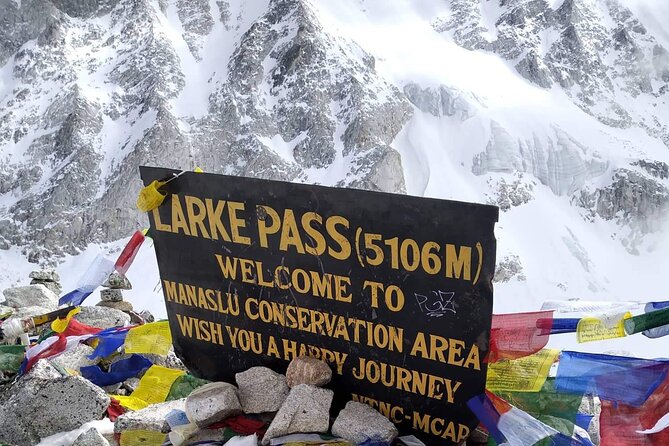
Manaslu Circuit is Nepal’s quieter answer to the better-known Annapurna route. You get high Himalayan peaks, remote villages, changing scenery, and old Buddhist culture without the same level of traffic. The main prize is the crossing of Larkya La Pass, reached after days of walking through the Budhi Gandaki valley.
I like the way this trip includes the costly restricted-area permits, a guide, porters, meals, guesthouse stays, and transport in one price. I also like the small private format, which lets you set the pace with your own group. The main drawback is the hard travel: long road transfers, basic mountain lodging, and a demanding high-altitude pass make this a serious trek, not a casual holiday.
Key points to know before booking
- Restricted Manaslu access: You need a registered Nepali trekking company, special permits, and at least two trekkers in the group, not counting the guide and porters.
- Larkya La is the big test: The pass day can last about 12 hours and begins early to avoid strong afternoon winds.
- The scenery changes constantly: River gorges, waterfalls, forests, pastures, Tibetan-style villages, and views of Manaslu unfold over the route.
- Local support is central: Guides and porters handle permits, route details, luggage, and practical help in the mountains.
- The price includes a lot: At $1,600 per person, the package covers transport, permits, lodging, meals, guide, porters, and three Kathmandu nights.
- You need strong fitness: The schedule includes long walking days, rough roads, steep climbs, and thin air at high elevations.
Why Manaslu feels different from Nepal’s busier treks
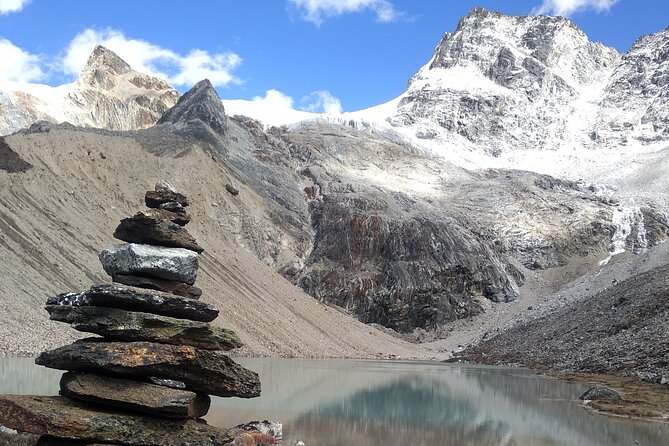
Manaslu, at 8,163 meters, is the world’s eighth-highest mountain. The circuit leads you around its broad mountain region, beginning in low river valleys and gradually rising into colder, drier country shaped by Tibetan culture.
The appeal is the sense of distance. The route was opened to trekking in 1992, and access remains controlled. That means your experience depends on permits and an authorized local operator, but it also helps preserve the quieter feel that attracts people here.
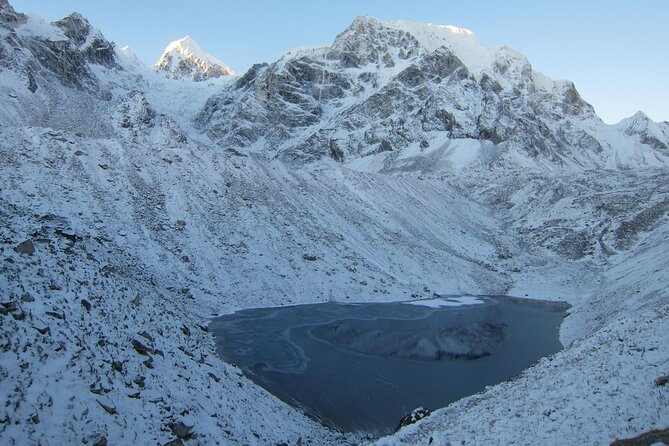
I especially like the steady change in scenery. You start among rivers, waterfalls, rough roads, and warm valleys. Then the trail moves through forests, rocky ridges, pine and juniper country, high pastures, and snowy mountain views. By the time you approach Larkya La, the setting feels stark and exposed.
This is not a polished resort-style trek. You stay in guesthouses, eat three basic meals a day, and accept the limits of mountain infrastructure. That simplicity is part of the point, but you should be ready for shared or modest facilities and long stretches where comfort takes second place to the route.
More remote circuits from Kathmandu:
- Manaslu Circuit Trek (15 Days)
★ 5.0 · 50 reviews - 16 Day Private Manaslu Circuit Trek from Kathmandu
★ 5.0 · 42 reviews - Manaslu Circuit Trek 13 Days
★ 5.0 · 30 reviews
Day 1: Airport pickup and a base in Thamel
Your trip begins with airport pickup in Kathmandu. A representative takes you to a tourist-standard hotel in Thamel, the city’s main visitor district, where you check in and meet the team.
This first day is useful rather than exciting. You can recover from the flight, meet your guide, and make sure your gear is ready. The company provides a briefing, and equipment can be checked for items to buy, rent, or borrow.
That gear check matters. You will need to be prepared for both warm lower valleys and cold high country. The information provided does not specify a full packing list, so ask the operator exactly what they provide and what you must bring before departure.
Day 2: Kathmandu Durbar Square and final preparations
Day two combines sightseeing with practical planning. A visit to Kathmandu Durbar Square gives you a taste of the city before the mountain route begins, while the team checks your trekking equipment.
Entrance to the square is not included, so allow for that extra cost. The day also gives you time to handle personal purchases and make sure your pack is suitable.
I like this arrangement because it avoids wasting a day in Kathmandu. You are not simply waiting around for the road departure. You are seeing one of the valley’s major cultural sites and preparing for a route where the right clothing and footwear matter.
Day 3: The long road to Machha Khola
After breakfast, you drive toward Machha Khola. This is one of the less glamorous parts of the trip, but it is essential because the road cuts deep into the Manaslu region.
Expect a lengthy bus journey and rough sections. The road condition can make the ride tiring, and the trip description is direct about the bumps. You will, however, see village scenery and river valleys along the way.
This is a good place to set your expectations. The Manaslu Circuit is remote partly because reaching it takes time. If you want a trek with easy transfers and short approaches, this is the wrong choice. If you accept a rough road as the price of reaching a quieter route, the journey makes more sense.
A few more things to do in Kathmandu worth a look
- Everest Base Camp Trek – 14 Days
★ 5.0 · 1,499 reviews - Everest Base Camp Trekking
★ 5.0 · 485 reviews - Nagarkot Sunrise View and Day Hiking from Kathmandu
★ 5.0 · 471 reviews - Annapurna Circuit Trek with Tilicho Lake
★ 5.0 · 368 reviews
Days 4 and 5: Rivers, hot springs, and first Buddhist villages
From Machha Khola, the walking begins with a river-valley route toward Khorla Besi. You cross a river, pass waterfalls and landslide areas, and reach Tatopani, a village known for its natural hot springs.
The trail here is scenic but not effortless. River paths and rocky sections require care, and the route can feel rough underfoot. The reward is the combination of water, cliffs, forest, and small settlements rather than one single viewpoint.
The next day takes you toward Sirdibas at about 1,430 meters. You walk along the riverbed and climb a rocky ridge to Salleri, around 1,440 meters, with views toward Sringi Himal at 7,187 meters.
This is also where Buddhist culture becomes more visible. The route begins to feel less like a simple mountain walk and more like a passage through a distinct Himalayan region. The early days are lower and warmer, but they build the distance and altitude gradually.
Day 6: Ghap and the approach to Namrung
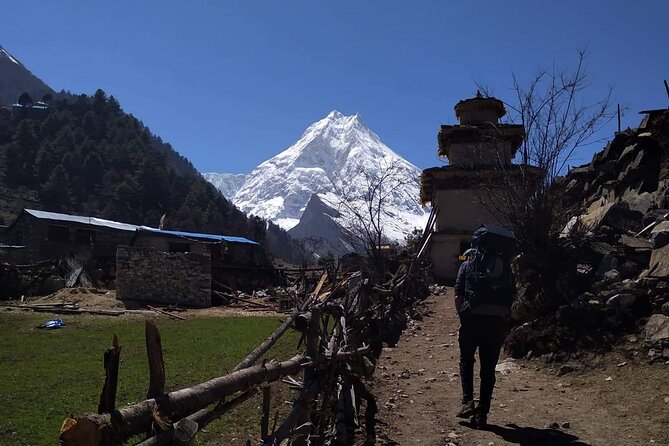
The route drops into the Sringi Khola valley, crosses the river, and continues through forest to Ghap before reaching Namrung. You can feel the climb becoming more serious here.
Cooler nights and larger mountain views signal the change in altitude. Forest walking gives the day some shelter, but you are now moving toward the colder upper valley.
Namrung is an important point in the journey because the surrounding culture and architecture begin to show stronger Tibetan influence. The route is still physically manageable for a fit trekker, but you should pay attention to rest, hydration, and how your body responds as the elevation rises.
Day 7: Samagaun and the first major Manaslu views
The route toward Samagaun opens into a broader valley. Cliffs begin to recede, and you gain views of Manaslu, Manaslu North at 7,157 meters, and Naike Peak at 5,515 meters.
Samagaun is one of the most memorable stops because it brings the mountain itself into the center of the trip. Tibetan culture strongly shapes the surrounding area, and the village gives you a clearer sense of the high Himalayan communities connected to this route.
The scenery here changes from enclosed river gorge to open mountain country. That variety is one of Manaslu’s great strengths. You are not looking at the same type of view day after day.
Day 8: Toward Samdo through high country
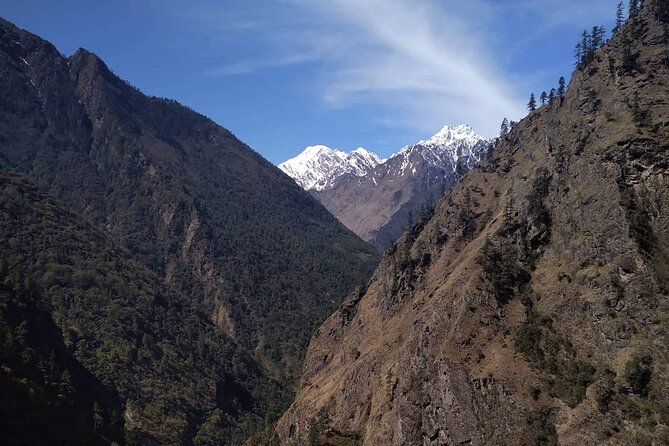
The walk toward Samdo is described as relatively gentle in its first sections. The trail passes through juniper and birch, crosses the river, and continues toward the meeting point of the Budhi Gandaki and Shyale Khola.
The easier walking is welcome after the previous climbs, but the altitude still matters. A flat trail at high elevation can feel harder than a steep trail lower down. Keep your pace steady and let your guide know how you are feeling.
Samdo is a useful base for seeing how life changes near the Tibetan border. The village is remote, exposed, and strongly connected to the high plateau culture of the region.
Day 9: Samdo village or an eight-hour border side trip
You have a choice on this day. You can take an eight-hour side trip toward the Tibetan border with a packed lunch and plenty of water, or stay around Samdo and observe daily village life.
The side trip is a major addition, not a casual afternoon stroll. Eight hours at this elevation can be tiring, so your decision should depend on your energy, the group’s condition, and advice from the guide.
Staying in Samdo is not a wasted day. It gives you time to rest before the pass and to see more of the village. I like that the plan allows some flexibility here. A trek is not improved by forcing every optional detour when your body needs recovery.
Day 10: Dharamsala and the final stop before Larkya La
The route descends to about 3,850 meters to cross the Budhi Gandaki, then climbs through juniper and tundra. You move in and out of ravines before reaching the Larkya Guest House, also known as Dharamsala.
This is the last stop before the pass. The setting is high, cold, and basic. You should expect a short night and an early start rather than a relaxed evening.
The details describe this as a 12-hour day in the broader pass sequence, although the exact walking time can vary with conditions and group pace. Keep your torch close, organize your clothes before bed, and make sure your water and essentials are easy to reach.
Day 11: The demanding Larkya La Pass crossing
The pass day begins early so you can catch sunrise and avoid the stronger winds that often arrive later. The climb follows a steep route over several ridges before reaching Larkya La.
This is the hardest and most important day of the circuit. The walking can take about 12 hours, and the route includes steep sections, exposed high country, and thin air. The mountain scenery is the payoff, but you need strong fitness and patience.
Do not judge the pass only by distance. At this altitude, every climb takes more effort. Your guide’s role is particularly valuable here, helping with pacing, route decisions, and the timing of breaks.
The route then descends toward Bimtang. That drop is welcome, but the long descent can be hard on tired knees. The pass is not a box to tick quickly. It is the point where preparation, steady pacing, and good judgment matter most.
Day 12: Bimtang to Dharapani
From Bimtang, you walk through forests and pastures in the Dudh Khola valley toward Dharapani. The journey takes about seven hours.
This day feels different from the pass crossing. The return to lower elevation brings more vegetation and a softer setting. You also join the more popular Annapurna Circuit route at Dharapani.
That connection has two effects. It marks the end of the most remote section, and it can make the route feel less isolated. After days on the Manaslu trail, the change may be welcome, though people seeking solitude should understand that the final stretch is no longer as quiet.
Day 13: Descent to Jagat
The route continues downhill from Dharapani toward Jagat, following the Marsyangdi river gorge. The walk takes about six hours.
Descending is generally easier for breathing, but it is not automatically easy on the body. Long downhill sections can be tiring after the pass. If the road conditions make walking less appealing, the plan allows you to charter a Jeep for part of the journey at your own cost.
That option is useful for anyone dealing with sore knees, fatigue, or time pressure. It also reminds you that this is a working mountain region, where road access affects the route.
Day 14: Jeep to Besisahar and bus to Kathmandu
The final day uses a shared Jeep to reach Besisahar, followed by a bus to Kathmandu after a refreshment stop. You can see the villages around Besisahar before beginning the return journey.
This is another long transport day, so do not plan an important flight immediately afterward unless you have allowed plenty of extra time. The provided schedule does not promise a fast return, and road conditions can affect the journey.
You finish back at the Kathmandu meeting point. Airport pickup and drop-off are included, along with three nights of Kathmandu accommodation at a tourist-standard hotel.
What the $1,600 price really covers
The $1,600 price is not simply paying for a walking guide. It includes several expensive and useful parts of a restricted-area trek:
- Airport pickup and drop-off
- Three nights in a tourist-standard Kathmandu hotel
- Ground transportation
- Required permits, including the listed $100 special permit
- Entrance fees
- A professional guide
- Porters, their insurance, equipment, and expenses
- Guesthouse accommodation during the trek
- Breakfast, lunch, and dinner as specified
That is solid value if you need a full package. The permit alone is a meaningful cost, and you could not simply arrange this route as an independent walk under the stated access rules.
The price does not include drinks, tips, travel insurance, personal expenses, food in Kathmandu apart from daily breakfast, or optional costs such as the Jeep from Dharapani. Budget extra for these items.
The company has also been praised for competitive pricing, family-run service, and helpful support from guides and porters. Names connected with previous departures include Roshan, Sudip, Dil, and Samir. Roshan and Sudip are especially associated with attentive, reassuring support, while Dil has been singled out for practical advice and genuine information during planning.
Guides, porters, and the private format
This is a private activity, so only your group participates. That can make a real difference on a demanding route. You can discuss pace, rest, and the Samdo side trip with your own guide rather than adapting to a large mixed group.
The guide and porters are not decorative extras. In a restricted region, the guide helps manage permits, route details, and local arrangements. Porters carry much of the load, allowing you to walk with a lighter day pack.
Previous departures have included solo clients with a guide and porter, as well as couples and families on related Manaslu routes. The stated requirement is at least two trekkers in the group, excluding staff, so confirm how the rule applies to your booking if you are traveling alone.
Fitness, weather, and comfort
You need a strong physical fitness level for this trip. The challenge comes from the combination of long walking days, rough ground, steep climbs, high elevation, a 12-hour pass day, and road transfers that can be tiring before the trekking even begins.
The route has been completed in different months, including March, August, and November, according to the available trip history. One November lower Manaslu departure had good weather, and an August departure was also described as workable. That does not guarantee conditions for your dates, so ask the operator for current advice.
Guesthouse accommodation keeps the trip practical but basic. Three meals a day are included during the trek, which simplifies planning in remote villages. Drinks are extra, and you should carry enough water for optional outings such as the Samdo border side trip.
Travel insurance is not included. It is an important personal expense for a high-altitude trek with remote sections, so arrange suitable cover before departure.
Who should book this Manaslu trek?
I would choose this trip if you want Nepal’s mountain scenery with a stronger sense of remoteness and local culture than the busiest routes provide. It suits people who enjoy simple lodging, long days, rough transport, and a real physical goal.
It is also a good fit if you value having permits, transport, meals, porters, and local support arranged together. The private format is useful for couples, friends, and small groups who want direct contact with their guide.
I would not choose it if you want comfortable roads, short walks, flexible hotel choices, or an easy introduction to high-altitude trekking. The route is demanding, and the pass day should be treated seriously.
Should you book it?
Book this Manaslu Circuit Trek if the appeal of remote villages, Tibetan-influenced culture, and changing Himalayan scenery is stronger than your need for comfort. At $1,600, the package offers good practical value because it includes restricted-area permits, transport, lodging, meals, a guide, and porters.
Before paying, confirm the exact departure dates, group requirement, gear arrangements, hotel name, road transport details, and what happens if weather or trail conditions alter the route. If you are fit, prepared for basic conditions, and willing to accept a long Larkya La day, this is one of Nepal’s most rewarding circuit treks.
FAQ
How long is the Manaslu Circuit Trek?
The experience lasts approximately 14 days, including arrival arrangements, Kathmandu time, transportation to and from the trekking region, and the trek itself.
What is the price per person?
The listed price is $1,600 per person.
Is airport pickup included?
Yes. Airport pickup and drop-off are included.
Are permits included in the price?
Yes. The package includes the necessary permits, including the listed $100 special permit, as well as entrance fees.
Is accommodation included?
Yes. You receive three nights at a tourist-standard hotel in Kathmandu and guesthouse accommodation during the trek.
Are meals included?
Breakfast, lunch, and dinner are included as specified in the schedule. Food in Kathmandu is not included apart from daily breakfast.
Do I need to be very fit?
Yes. The trip requires a strong physical fitness level because it includes rough roads, long walking days, steep climbs, high altitude, and a pass-crossing day of about 12 hours.
Is the trek private?
Yes. This is a private activity, so only your group participates.
Can I cancel for a full refund?
You can cancel at least 24 hours before the experience start time for a full refund. Cancellations or changes made less than 24 hours before the start time are not accepted for a refund.
Just added in Kathmandu
- Traditional Momo Making Class★ 5.0 · 10 reviews
- Women Empowerment Project(Nepali cooking class & jewelry workshop★ 5.0 · 15 reviews
- Kathmandu 2 Nights 3 Days Chitwan Jungle Safari Tour★ 5.0 · 9 reviews
- Walking tour of Kathmandu with awesome local guides★ 5.0 · 4 reviews
- Wildlife Adventure in Chitwan Nepal★ 4.0 · 4 reviews
- Kathmandu to Pokhara Premium sofa bus ticket★ 4.0 · 17 reviews
- Regular Yoga for all levels of practitioners in Kathmandu★ 5.0 · 4 reviews
- Kathmandu Street Food Walking Tour – Eat Like a Local★ 5.0 · 3 reviews
Manaslu Circuit Treks, compared.
16 Day Private Manaslu Circuit Trek from Kathmandu
Read our review →
10 Days Manaslu Circuit Trek in Larke La Pass
Read our review →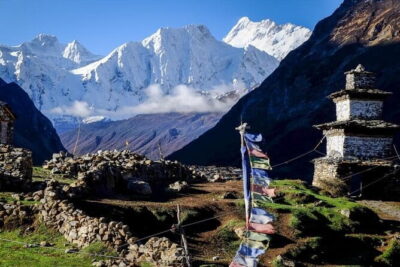
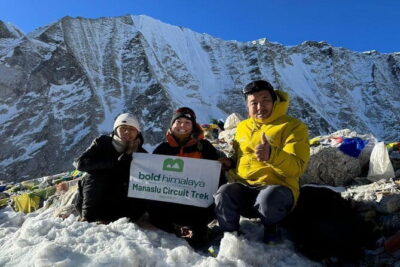
Manaslu Circuit Trek to the Beauty of 8th Highest Mountain
Read our review →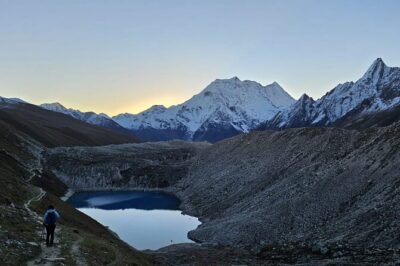
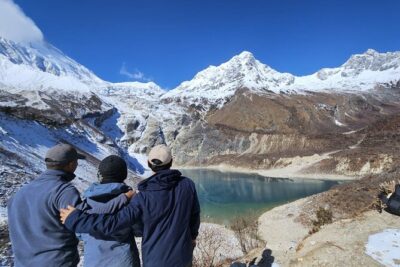
Manaslu Circuit Trek – 14 days of Himalayan Adventure
Read our review →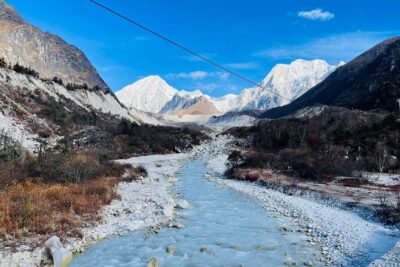
Browse the lists this tour appears in