Reviewed · TOURS IN KATHMANDU
Mera Peak Climbing
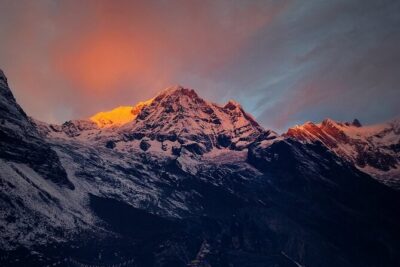
Mera Peak gives you a real Himalayan summit without the price or technical demands of an Everest expedition. At roughly 6,000 meters, the climb brings huge views toward Everest, Lhotse, Makalu, Cho Oyu, and Kanchenjunga, along with quiet time in the Hinku and Hongu valleys.
I like the mix of tea-house nights and camping, which keeps the trip more practical than a fully supported expedition. I also like the built-in Kathmandu stay, climbing permits, guide support, and equipment package. The catch is simple: this is a serious high-altitude climb, not a scenic walk, and strong fitness is required.
Key points to know before you book
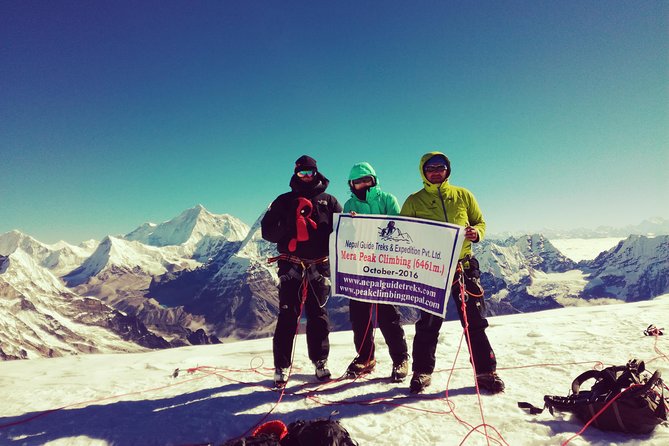
- Six major Himalayan peaks in view: The route is promoted for views of Everest, Lhotse, Makalu, Cho Oyu, and Kanchenjunga, along with other high peaks.
- About 18 days on the calendar: Four nights are included in Kathmandu, with the rest devoted to the trek and climb.
- Tea houses plus camping: You get some basic lodge comfort, but also nights in tents in more remote country.
- Climbing support is included: Permits, necessary climbing gear, food, accommodation, and an experienced trekking and climbing guide are covered.
- A small group helps: The maximum group size is 15 people, and the minimum age is 18.
- Altitude demands respect: Hydration, slow acclimatization, medical advice, and prompt descent matter more than reaching the summit.
Mera Peak offers a serious Himalayan goal
I see Mera Peak as a useful middle ground for someone who wants a high Himalayan summit but is not ready to commit to an expedition on the scale of Everest. It is officially described as the highest of Nepal’s permitted trekking peaks south of Mount Everest, and the altitude makes that title more than a marketing line.
The reward is the view. From the high country, you may see Everest at 8,848 meters, Lhotse at 8,516 meters, Makalu at 8,485 meters, Cho Oyu at 8,201 meters, and Kanchenjunga at 8,586 meters. The exact view depends on weather, of course, but the route is aimed at one of the great mountain panoramas in Nepal.
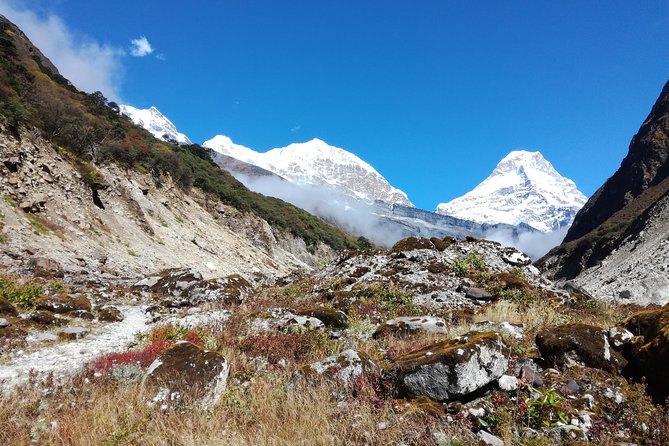
I also like that the trip is not only about standing on a summit. The approach passes through the Hinku and Hongu valleys, described as wild, uninhabited, and beautiful. You have time to experience highland Sherpa communities and their traditions rather than simply rushing toward a high point.
The main warning is altitude. This climb reaches around 6,000 meters, where cold, thin air, exhaustion, and changing weather can quickly turn a good day into a difficult one. You need strong physical fitness, patience, and the willingness to turn around if your body is not coping.
Other trips people book in Kathmandu:
- Everest Base Camp Trek – 14 Days
★ 5.0 · 1,499 reviews - Private Kathmandu Sightseeing Tour | UNESCO World Heritage sites
★ 5.0 · 756 reviews - Everest Base Camp Helicopter Tour landing at Everest View Hotel
★ 5.0 · 668 reviews
What the 18-day plan really gives you
The published duration is approximately 18 days, 2 hours, and 5 minutes, though that unusually precise figure should not be treated as a guaranteed schedule. Mountain trips depend on weather, acclimatization, route conditions, and transport.
The plan begins at Tribhuvan International Airport in Kathmandu. Pickup is offered, which is useful after a long international flight, especially if this is your first visit to Nepal. The listed operating hours are Monday through Sunday, 9:45 a.m. to 6:15 p.m., for the stated operating period from November 21, 2022, through December 9, 2026.
Four nights in Kathmandu are included on a bed-and-breakfast basis. That gives you time to settle in, handle preparations, and allow the company to organize the climb before you head into the mountains. I consider those nights valuable because a high-altitude itinerary needs room for gear checks and schedule changes.
The remaining portion combines trekking and climbing. The available plan does not provide a day-by-day list of named villages or camps, so you should ask the company for the current route before paying. Still, the core structure is clear: approach the Mera region, spend time in the Hinku and Hongu valleys, acclimatize, establish a climbing base, and make the summit attempt.
That lack of a detailed daily breakdown is one point I would clarify in writing. Ask how many nights are planned at each altitude, where the camping section begins, and what happens if weather delays the summit attempt.
Tea houses and tents in the Hinku and Hongu valleys
The combined tea-house and camping arrangement is one of the most practical parts of the package. Tea houses can provide a basic roof, meals, and a place to rest during the approach. Camping allows the itinerary to continue into quieter country where lodge accommodation may not be available.
You should not expect hotel comfort in the high valleys. The appeal is the setting and the access to remote country, not private bathrooms or a wide menu. Light, calorie-rich food is recommended, and the trip advice specifically suggests adding ginger and garlic to meals.
The Hinku and Hongu valleys are important to the character of this climb. They offer a sense of distance from the busier trekking routes and bring you closer to Sherpa communities in the highlands. You will also need to accept that quiet, remote country usually means fewer services and less flexibility if something goes wrong.
The experience is strongest for people who enjoy the process of reaching a mountain. If you only want a quick summit photo, the long approach may feel demanding. If you like walking through remote valleys, meeting local communities, and watching the mountains grow larger each day, the route has much more to offer.
Guides, porters, and the human side of the climb
An experienced trekking and climbing guide is included, along with porters and the required support structure. Several guides connected with previous Mera Peak trips include Dandee, Dende, Sonam Sherpa, Samdu, Gelchen Sherpa, and Sherpa Ming-ma.
That matters because a guide’s judgment is especially important at altitude. Past climbs have involved illness, snowstorms, delayed flights, route closures, and difficult weather. In one case, heavy snow in late October closed the Amphu Laptsa Pass, forcing a change from the planned Mera Peak and Amphu Laptsa Pass route toward Island Peak. The team adjusted the plan rather than treating the original itinerary as fixed.
Another climb involved a health concern within a couple. The guide helped make the right decision about safety while still supporting a successful summit attempt for the person who was fit enough to continue. That is the kind of judgment you need: encouragement when conditions are good, but no pressure to ignore warning signs.
You should ask who your assigned guide will be before departure. A named guide gives you a clearer point of contact and lets you discuss experience, communication, emergency procedures, and how the company handles a failed summit attempt.
Same base, a different kind of day:
- Half day cooking class in Thamel kathmandu
★ 5.0 · 607 reviews - Everest Base Camp Trekking
★ 5.0 · 485 reviews - Nagarkot Sunrise View and Day Hiking from Kathmandu
★ 5.0 · 471 reviews - Kathmandu: Full Day 7 UNESCO Tour with Lunch – Private/Group
★ 5.0 · 415 reviews
What is included, and what the $3,000 price means
The price is $3,000 per person. Included services are:
- Four nights in Kathmandu with breakfast
- Mera Peak climbing permits
- Tea-house and camping accommodation during the trek
- Food during the trek and climb
- An experienced trekking and climbing guide
- Necessary climbing gear
For a high-altitude trip, that package can offer fair value. Permits, food, mountain accommodation, staff, transport arrangements, and climbing support add up quickly. The price also reduces the number of separate arrangements you need to make yourself.
Still, the package is not all-inclusive. International airfare and departure tax are excluded. You also pay for personal expenses, tips for guides and porters, and personal climbing equipment.
The phrase necessary climbing gear needs clarification. The trip separately excludes personal climbing gear, so ask for a written list of what is supplied and what you must bring. This may be the difference between a good value and an expensive last-minute shopping trip.
I would also ask about internal flights or other transport costs, since the supplied details do not clearly state whether every domestic transfer is included. Weather delays and route changes have affected past plans, so ask who pays for extra nights, replacement transport, or additional food if the schedule changes.
High-altitude safety is not optional
The health advice is sensible and should be taken seriously. Drink about 2 to 3 liters of lukewarm water each day, avoid alcohol and smoking, and eat light food that is high in calories. Ginger and garlic are also suggested as useful additions to meals.
If you feel mildly sick, stay put, rest, drink water, and speak with your guide. You should not simply push higher because the group is moving. If symptoms do not improve after acclimatization, the advice is to descend. If the case is serious, descend immediately.
The instructions also mention Diamox and a Gamow bag. These are not substitutes for medical judgment. Consult a doctor before the trip about altitude medication, existing conditions, and whether you are fit for a climb of this difficulty. A Gamow bag can help restore pressure and oxygen levels in an emergency, but you should confirm before booking that the organizer carries one and provides all required altitude equipment.
I would treat descent as a successful safety decision, not a failure. Weather has already forced route changes on comparable climbs, and summit conditions can shift quickly. A careful operator should be ready to adjust the route, delay the attempt, or turn back.
The views are the main payoff
The mountain panorama is the strongest reason to choose Mera Peak. You are not only looking at one summit. The advertised view includes five mountains above 8,000 meters, though the supplied peak list names Everest, Cho Oyu, Makalu, Kanchenjunga, and Lhotse, along with other peaks in the Everest region.
These names carry real weight, but the view is not guaranteed every day. Cloud, snow, and wind can hide the mountains. The best approach is to see the panorama as a possible reward for the full journey, not as a promise that every high camp will have clear skies.
The route’s quieter valleys add another kind of value. The Sherpa communities and highland traditions give the trip a cultural side, while the remote setting creates a stronger feeling of distance than a short sightseeing tour from Kathmandu.
You should bring patience along with your stamina. A mountain trip may include waiting, changing plans, and walking through poor conditions. The ability to enjoy the valley journey, even if the summit is not possible, will make the experience more worthwhile.
Who should book Mera Peak?
This trip suits adults who are fit, comfortable with long trekking days, and ready for cold, basic accommodation, and high altitude. It is also a good fit if you want a guided climb with permits, meals, some equipment, and staff arrangements handled for you.
The maximum group size is 15, which is small enough to keep the group manageable while still giving you company on a demanding route. Solo climbers are accepted in the sense that the trip has previously supported solo participants, but you should confirm the current group setup before booking.
I would not choose this trip if you want a relaxed holiday, dislike camping, or have not discussed altitude risks with a medical professional. The minimum age is 18, and the requirement for strong physical fitness is clear.
The company has also arranged trips before and after the climb, so you can ask about adding time in Nepal if you want a longer visit. Those extra arrangements are not part of the $3,000 package and should be priced separately.
Booking details worth checking
Confirmation is received at booking. Pickup is offered from Tribhuvan Airport, and the activity is near public transportation. The tour uses a mobile ticket, which is convenient, but keep your booking details available offline in case airport internet is unreliable.
The cancellation policy allows a full refund if you cancel at least 24 hours before the start time. Cancellations made less than 24 hours in advance, along with changes made inside that window, are not accepted for a refund. The cutoff uses local time.
Before you pay, I would ask five practical questions:
- Which climbing equipment is included?
- What personal gear must I bring?
- Are domestic flights or other mountain transport included?
- What is the exact day-by-day route?
- What is the policy if weather prevents a summit attempt?
Those answers will tell you far more about the package’s real value than the headline price.
Should you book this Mera Peak climb?
I would book it if you want a guided, high-altitude challenge with a strong chance to see the Everest region from a different angle. The included permits, food, accommodation, guides, and climbing support make the $3,000 price worth considering, especially if you value having one company manage the main arrangements.
I would pause before booking if the equipment list is vague or if you have not discussed altitude with a doctor. Get the route, gear list, emergency plan, and extra-cost policy in writing.
For a fit adult who accepts basic conditions and understands that safety comes before the summit, this is a substantial Himalayan adventure with memorable cultural and mountain rewards. Book it for the full journey through the valleys, not only for the final step on Mera Peak.
FAQ
Where does the Mera Peak climb begin?
The meeting point is Tribhuvan Airport in Kathmandu, Nepal. Pickup is offered.
How long does the Mera Peak experience last?
The advertised duration is approximately 18 days, 2 hours, and 5 minutes. Mountain conditions can affect the practical schedule.
What is the price per person?
The price is $3,000 per person.
What accommodation is included?
The package includes four nights in Kathmandu with breakfast, plus tea-house and camping accommodation during the trek.
Are Mera Peak permits included?
Yes. Mera Peak climbing permits are included.
Is climbing equipment included?
Necessary climbing gear is included, but personal climbing gear is excluded. You should request a written equipment list before departure.
What age and fitness level are required?
The minimum age is 18, and you should have a strong physical fitness level.
How many people can join the trip?
The maximum group size is 15 people.
What happens if I need to cancel?
You can receive a full refund if you cancel at least 24 hours before the experience starts. Cancellations or changes made less than 24 hours before the start time are not accepted for a refund.
Just added in Kathmandu
- Luxury Everest Base Camp Trek -11 Days★ 5.0 · 7 reviews
- 14 Days Everest Base Camp Trek★ 5.0 · 7 reviews
- Everest Base Camp Helicopter Tour★ 5.0 · 11 reviews
- Everest Base Camp Helicopter Tour★ 5.0 · 3 reviews
- Everest Base Camp Helicopter Tour★ 5.0 · 17 reviews
- Everest Base Camp Heli Tour★ 5.0 · 15 reviews
- Everest Base Camp Helicopter Tour with Stop at Everest View Hotel★ 5.0 · 19 reviews
- Everest Base Camp Helicopter Tour★ 5.0 · 4 reviews
Tours in Kathmandu, compared.
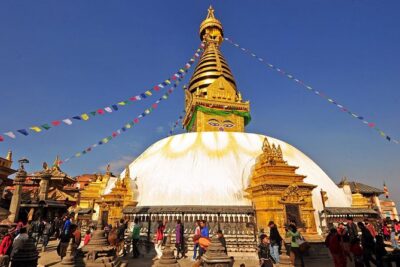
Private Kathmandu Sightseeing Tour | UNESCO World Heritage sites
Read our review →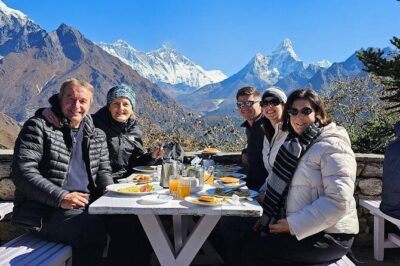
Everest Base Camp Helicopter Tour landing at Everest View Hotel
Read our review →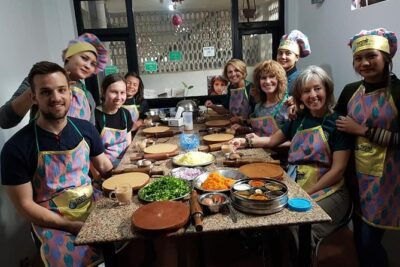
Nagarkot Sunrise View and Day Hiking from Kathmandu
Read our review →
Full Day 7 UNESCO Tour with Lunch – Private/Group
Read our review →