
Reviewed · MANASLU CIRCUIT TREKS
Manaslu Trekking
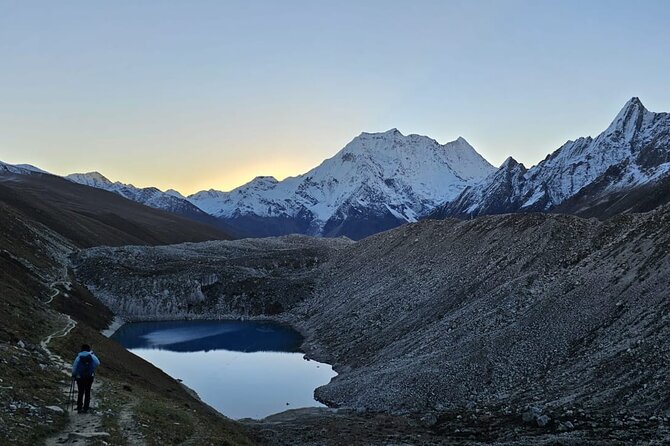
The Manaslu Circuit is Nepal trekking with the polish dialed down and the scenery turned up. You spend 17 days moving from Kathmandu’s temples to river gorges, Gurung villages, Buddhist settlements, and the high crossing of Larkya Pass, all while circling Mount Manaslu, at 8,163 meters. The route feels more remote and less commercial than the Annapurna and Everest areas.
I like two things right away: the trip handles the practical work, including permits, porters, meals, airport transfers, and a guide, and it gives you a real acclimatization day at Samagaon. The big consideration is physical effort. Six-hour trekking days, steep stone stairs, thin air, and the pass crossing demand moderate fitness and steady pacing.
Key points to know before booking
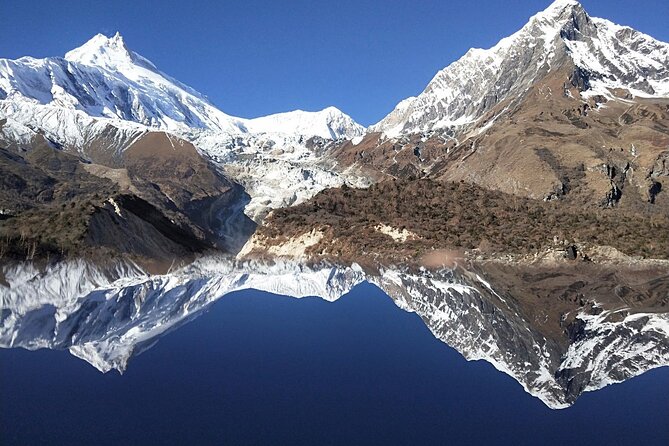
- The route circles Mount Manaslu: You get mountain views, river valleys, forests, and high alpine terrain in one long journey.
- Larkya Pass is the physical high point: The ascent crosses tundra and juniper before the descent to Bimthang.
- Samagaon provides a useful rest day: You can explore the village and monastery before going higher.
- The package covers major trek costs: Permits, national park fees, TIMS, meals, teahouse lodging, guide services, and porters are included.
- Kathmandu sightseeing is built in: Pashupatinath, Boudhanath, and Swayambhunath fill your first full day.
- The trek is private: Only your own group participates, with group discounts available.
Why the Manaslu Circuit feels different
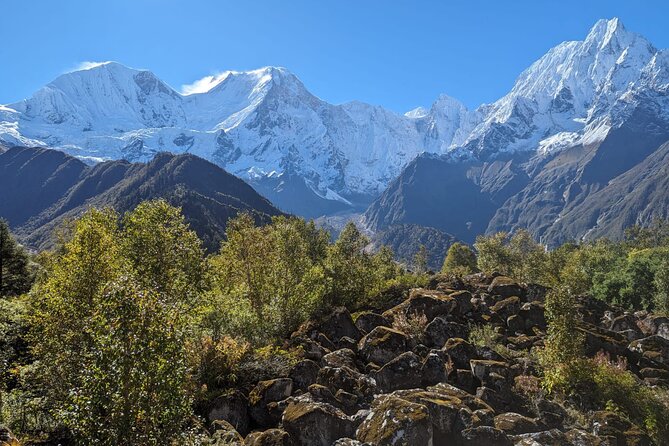
The Manaslu Circuit is a long mountain journey rather than a quick scenic hike. You begin with city temples and paved roads, then trade them for suspension bridges, rice terraces, steep river trails, and stone-built villages. By the time you reach Samagaon and Samdo, the setting has changed completely.
This area is especially appealing if you want a quieter route. The circuit is less crowded and less commercialized than Nepal’s most famous trekking regions. That does not mean easy or empty. It means a more remote feel, fewer urban comforts, and a stronger need to accept simple lodging and changing trail conditions.
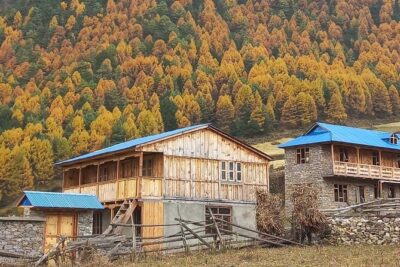
The route also works well as a cultural trip. Early villages have Gurung connections, while higher settlements show a stronger Buddhist influence. Temples, monasteries, prayer traditions, and village life become part of the walk instead of being short stops between photo opportunities.
More remote circuits from Kathmandu:
- Manaslu Circuit Trek (15 Days)
★ 5.0 · 50 reviews - 16 Day Private Manaslu Circuit Trek from Kathmandu
★ 5.0 · 42 reviews - 10 Days Manaslu Circuit Trek in Larke La Pass
★ 5.0 · 30 reviews
What the $1,900 price covers
At $1,900 per person, this is not a bare-bones walking package. The price includes airport pickup and drop-off, three-star deluxe twin-share lodging in Kathmandu with breakfast, Kathmandu sightseeing with a professional city guide, and teahouse or mountain lodge accommodation during the trek.
You also receive breakfast, lunch, and dinner throughout the trekking portion. That matters on a route where finding food independently would be difficult and costly. The package includes the necessary trekking permits, national park entry fees, and TIMS card, plus an experienced guide and one porter for every two people.
Porter expenses, porter insurance, trekking boots and a jacket for porters when required, a duffel bag, a T-shirt, first-aid supplies, and government and local taxes are included as well. The package lists 16 breakfasts, 15 lunches, and 16 dinners, which matches a 17-day trip with airport and city time around the trek.
You still need to budget for drinks, personal expenses, tips for guides and porters, and travel insurance. Those omissions are normal for an organized trek, but they matter. I would not book a high-altitude route without travel insurance that covers the kind of trekking you plan to do.
The value is strongest if you want one company to coordinate the moving parts. If you already own trekking equipment, prefer to arrange meals yourself, or want complete control over each overnight stop, you might find the package less appealing. For a first organized trek in Nepal, the included logistics make the price easier to justify.
Days 1 and 2: Kathmandu temples and trek preparation
Your airport arrival is handled with a pickup and transfer to the hotel. After time to freshen up, the first evening includes a welcome dinner at a typical Nepalese restaurant in central Kathmandu, followed by a trip briefing.
The next day combines sightseeing with preparation. Pashupatinath Temple gives you a first look at one of Kathmandu’s major religious sites. Boudhanath Stupa is known for its large Buddhist structure and calm surrounding atmosphere, while Swayambhunath, often called the Monkey Temple, sits on a hill above the valley.
These stops are not filler. They help you understand the Hindu and Buddhist traditions that shape the villages farther along the route. Swayambhunath also requires a climb, so it offers a small preview of the stairs and uneven walking ahead.
You meet the trekking staff and prepare for departure. The schedule lists several hours for Swayambhunath and shorter periods at Pashupatinath and Boudhanath, so expect a full cultural day rather than a lazy pre-trek morning.
Days 3 and 4: River gorges, waterfalls, and Jagat
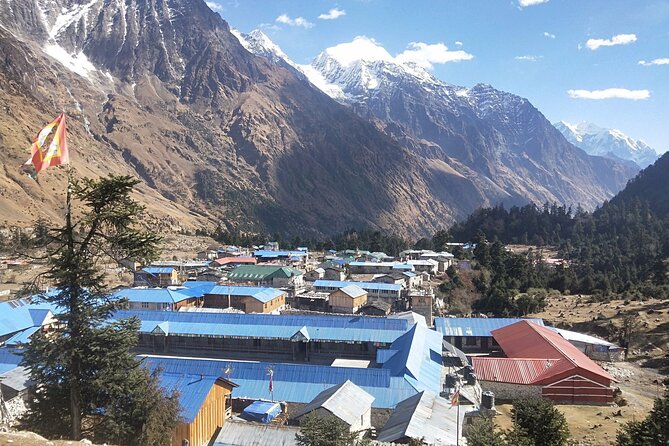
The trekking section begins along the Budhi Gandaki River. From the early trail, you move through Sal forest, climb above powerful rapids, and pass waterfalls on a rocky path cut into the side of a cliff.
The route reaches Labubesi, a Gurung village, then drops toward the river before climbing again to Machha Khola. This first day lasts about six hours. It is a useful warning about the trek’s character: the distance may not sound extreme, but repeated ups and downs make the walking harder than a simple valley stroll.
The next day takes you through Khorlabesi and Tatopani, where a small hot spring offers a natural pause. You then cross suspension bridges and tackle long flights of stone stairs before reaching Dobhan and Jagat.
Jagat is an important early stop because the valley begins to feel more remote and the trail becomes more serious. You should expect rough footing, bridges, stairs, and frequent changes in elevation. Comfortable shoes and careful pacing matter more than speed.
A few more things to do in Kathmandu worth a look
- Everest Base Camp Trek – 14 Days
★ 5.0 · 1,499 reviews - Everest Base Camp Trekking
★ 5.0 · 485 reviews - Nagarkot Sunrise View and Day Hiking from Kathmandu
★ 5.0 · 471 reviews - Annapurna Circuit Trek with Tilicho Lake
★ 5.0 · 368 reviews
Days 5 and 6: Gurung villages and the Buddhist zone
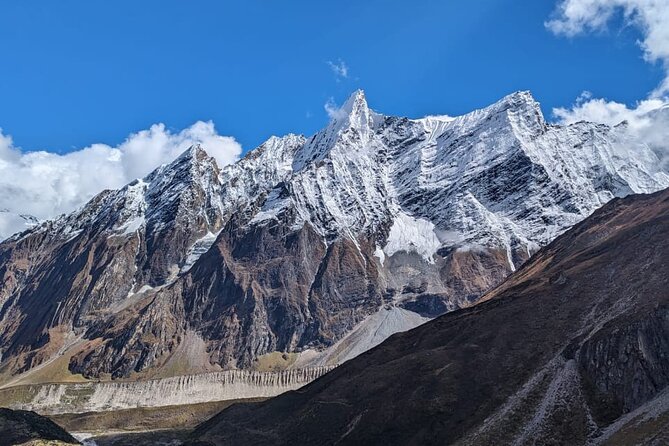
From Jagat, you climb over a rocky ridge toward Salleri and descend to Sirdibas. The valley opens in places, with millet fields and suspension bridges around Philim, a larger Gurung village.
After Ekle Bhatti, the trail enters a steep, mostly uninhabited gorge. You cross the Budhi Gandaki several times, pass bamboo forest, and reach Deng. The day is listed at about five hours, but the terrain still requires attention. Narrow gorges and repeated river crossings can make a shorter day feel demanding.
From Deng, the route moves toward the Buddhist-influenced settlements. The plan includes Ghap and then Namrung, with roughly six hours of walking. Forests of bamboo and rhododendron become part of the route, and the cultural feel changes as you enter the Nupri region.
This section is one reason to choose the circuit over a simple mountain viewpoint trek. You are not just walking toward a peak. You are watching the river valley, vegetation, architecture, and religious traditions shift as you gain altitude.
Days 7 and 8: Namrung to Samagaon
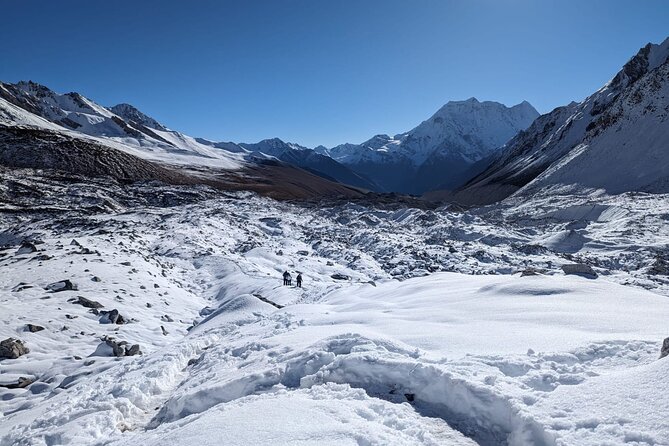
The route climbs through bamboo and rhododendron forest toward Namrung, then continues into the Nupri region. The schedule names Manaslu Base Camp on this section, though the daily description focuses on the climb toward Namrung and an overnight camp. Ask for the exact base camp plan before departure so you understand what is included in that stop.
The following day follows the river with views of Peak 29 before reaching Samagaon. Here, Mount Manaslu becomes the main visual reward. The village is one of the trek’s major waypoints, and the six-hour day gives you time to arrive without rushing every photograph.
At this altitude, your body needs time. The route wisely gives you a separate day in Samagaon rather than pushing straight onward. That pause is not wasted time. It helps you adjust before the higher trail toward Samdo and Larkya Pass.
Day 9: A valuable rest day in Samagaon
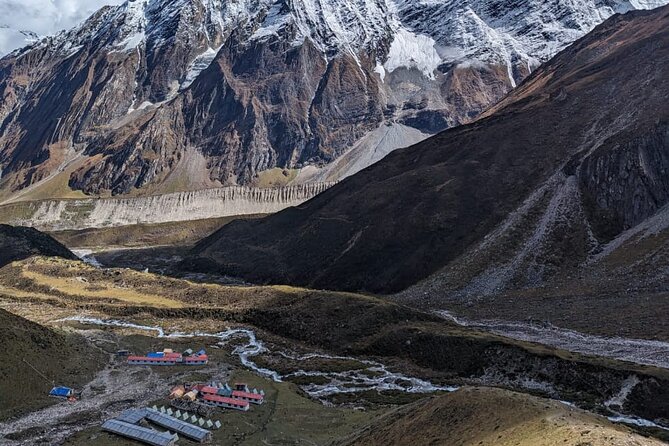
Your rest day includes time to explore Samagaon and its monastery. You also get broad mountain views, including the peaks around Manaslu.
Do not treat the day as a chance to overdo it. A moderate walk, a village visit, and time to rest are more useful than trying to turn the day into another major hike. The schedule allows about four hours for exploration, so there is room to balance activity with recovery.
This is also a good point to check your clothing, water, and personal supplies with the guide. The next days lead farther into higher, colder country, where small problems become more inconvenient.
Days 10 to 12: Samdo, Larkya Pass, and Bimthang
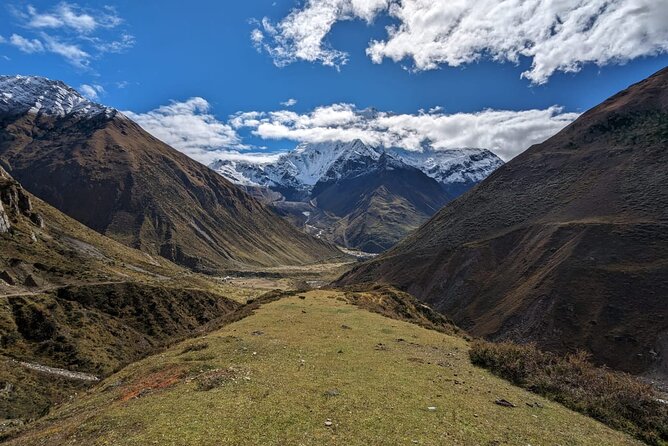
From Samagaon, you follow the Budhi Gandaki toward Samdo. The walking day lasts about six hours, and the scenery becomes more open as trees give way to tundra and juniper.
The climb to Larkya Bhanjyang is the trek’s central test. You ascend through high, exposed terrain before reaching the pass. The next day includes the summit of the pass, panoramic views, and a descent to Bimthang.
This is where the trip’s moderate fitness rating deserves your full attention. The pass is not a casual viewpoint walk. You face a sustained ascent, high altitude, cold conditions, and then a long descent. You will need patience, warm clothing, and trust in the guide’s pacing.
The reward is the broad mountain view from the crossing and the sense of having linked two very different sides of the Manaslu region. Bimthang marks a major change in the journey. After the pass, the route begins dropping through forest rather than continuing into higher country.
Days 13 and 14: Forest trails toward Chamje
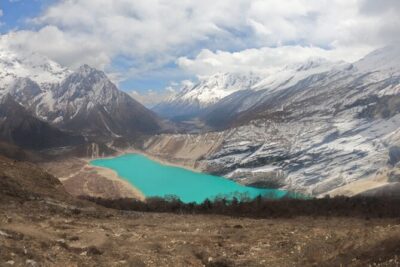
From Bimthang, the trail descends through forest toward Tilje. The schedule includes a viewpoint over Bhimtang Lake, adding a scenic stop to a day of downward walking.
Descending can sound easy, but steep trails can be hard on knees and ankles, especially after the pass. Trekking poles may be useful, although the supplied details do not state that they are provided. Ask the operator what equipment is available beyond the listed duffel bag and porter gear.
The next day continues through scrub forest toward Chamje. It is another six-hour walking day and gives you a gradual return to lower elevations. By now, the character of the trip has changed again, from high alpine terrain to greener, warmer surroundings.
The final trekking days are not simply a victory lap. Your legs may be tired, and the uneven trail still demands care. Keep your pace steady, drink regularly, and save some energy for the transfer back to Kathmandu.
Days 15 to 17: Return to Kathmandu and departure
After Chamje, you drive back to Kathmandu through the countryside. The transfer is listed at about five hours, followed by time at the hotel to rest.
Day 16 is free for relaxing or exploring Thamel. This is a useful buffer after a demanding trek. You can recover, look for souvenirs, or enjoy a slower city day without trying to squeeze sightseeing between mountain stages.
The final day includes free time for last-minute shopping or other activities, followed by airport transfer. The exact amount of free time depends on your departure schedule, so keep important purchases and packing organized rather than leaving everything to the last hour.
Lodging, meals, and group setup
In Kathmandu, you receive three-star deluxe twin-share accommodation with breakfast. On the trek, accommodation is in teahouses or mountain lodges. Expect practical mountain lodging rather than hotel-style comfort.
Full-board meals are included during the trek: breakfast, lunch, and dinner. Beverages are not included, so set aside money for drinks and any personal purchases along the way.
The activity is private, meaning only your group participates. That gives you more control than a large shared departure, especially when the trail feels demanding. Group discounts are available, which may make the price more attractive if you are booking with friends or family.
A guide accompanies the group, and one porter serves every two people. The company also covers staff expenses and insurance. You should still ask how luggage weight is managed and what personal items you should carry during each walking day.
Who should book this Manaslu trek?
I would recommend this trip to you if you want a serious Himalayan trek with cultural stops, varied scenery, and organized support. It suits people who prefer a quieter route to Nepal’s most famous trekking corridors and who are comfortable with simple mountain lodging.
It is also a good fit if you want the major paperwork and transport arranged in advance. The permits, TIMS card, national park fees, meals, porters, guide, airport transfers, and Kathmandu sightseeing remove much of the planning burden.
I would hesitate to recommend it if you want a relaxed holiday, dislike steep trails, or expect reliable hotel comforts each night. The six-hour days are only part of the challenge. High altitude, repeated stairs, suspension bridges, cold conditions, and the Larkya Pass crossing all require preparation.
The activity has a 4.8 rating from five submitted reviews, but that is a small sample. I would treat the rating as encouraging rather than decisive. The clearest evidence of fit is the itinerary itself: this is a demanding, well-supported circuit, not a soft adventure.
My booking advice
Book this Manaslu Circuit Trek if the mix of remote villages, Buddhist culture, mountain views, and a high pass appeals to you more than comfort and speed. The strongest value comes from having the hard logistics bundled into one private trip.
Before paying, confirm the precise plan for Manaslu Base Camp, the daily luggage allowance, what trekking gear is available, and how the guide handles changes in weather or trail conditions. Also arrange suitable travel insurance and budget for drinks, personal expenses, and tips.
You can cancel up to six days before the experience for a full refund. Pickup is offered, confirmation is received at booking, and the meeting point is World Himalaya Treks & Expeditions in Kathmandu.
FAQ
How long is the Manaslu Trekking experience?
The trip lasts approximately 17 days, including Kathmandu arrival and sightseeing, the trekking section, the return drive, leisure time, and airport transfer.
Where does the experience begin?
The experience begins with airport pickup in Kathmandu. The listed meeting point is World Himalaya Treks & Expeditions, Saat Ghumti Marg, Kathmandu 44600, Nepal.
Where does the experience end?
The activity ends back at the Kathmandu meeting point after the trip, with airport transfer provided for departure.
Is airport pickup included?
Yes. Airport pickup and drop-off are included.
Is the tour private?
Yes. Only your own group participates in this private tour or activity.
Are meals included?
Breakfast, lunch, and dinner are included during the trek. Drinks and other beverages are not included.
Is accommodation included?
Yes. The package includes three-star deluxe twin-share accommodation in Kathmandu with breakfast, plus teahouse or mountain lodge accommodation during the trek.
Are trekking permits included?
Yes. Necessary trekking permits, national park entry fees, and the TIMS card are included.
Are guides and porters provided?
Yes. An experienced guide and porters are included, with one porter for every two people. Their listed expenses and insurance are covered.
Do I need travel insurance?
Travel insurance is not included, so you need to arrange it yourself. The activity information also advises a moderate level of physical fitness for the trek.
Just added in Kathmandu
- Traditional Momo Making Class★ 5.0 · 10 reviews
- Women Empowerment Project(Nepali cooking class & jewelry workshop★ 5.0 · 15 reviews
- Kathmandu 2 Nights 3 Days Chitwan Jungle Safari Tour★ 5.0 · 9 reviews
- Walking tour of Kathmandu with awesome local guides★ 5.0 · 4 reviews
- Wildlife Adventure in Chitwan Nepal★ 4.0 · 4 reviews
- Kathmandu to Pokhara Premium sofa bus ticket★ 4.0 · 17 reviews
- Walking tour of real Kathmandu through back streets.★ 5.0 · 3 reviews
- Regular Yoga for all levels of practitioners in Kathmandu★ 5.0 · 4 reviews
Manaslu Circuit Treks, compared.
16 Day Private Manaslu Circuit Trek from Kathmandu
Read our review →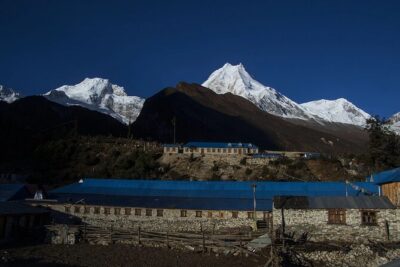
10 Days Manaslu Circuit Trek in Larke La Pass
Read our review →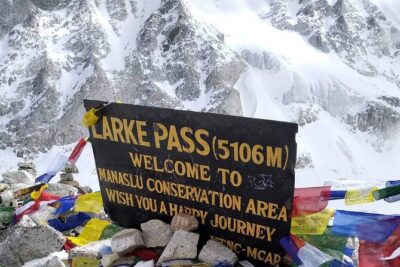
Manaslu Circuit Trek 8th Highest in the World
Read our review →
Manaslu Circuit Trek to the Beauty of 8th Highest Mountain
Read our review →
Manaslu Circuit Trek – 14 days of Himalayan Adventure
Read our review →
Browse the lists this tour appears in