
Reviewed · HIKING & TREKKING
3 Day Kapuche Glacier Lake Trek with Siklesh from Pokhara
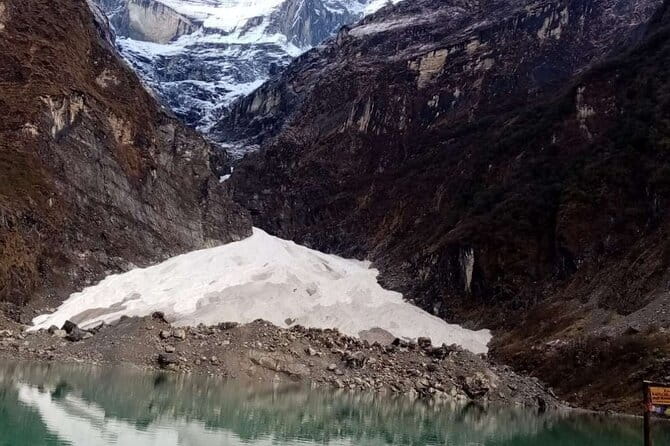
Kapuche Glacier Lake is the star here, but the best part may be the quiet route to reach it. You travel from Pokhara into Sikles, a traditional Gurung village, then walk through forests, fields, bridges, and mountain country to a remote glacial lake. I like the mix of scenery and culture, and I like that this is a private trip rather than a large group march. The main catch is that the days are long, and the itinerary needs a little clarification around the exact walking sections and overnight locations.
I also like the practical setup: hotel pickup, permits, a TIMS card, transport, a guide, and guesthouse accommodation are included. The reported guide service has been a strong point, with clear explanations and helpful support along the way. Still, you pay for all meals separately, and the shared jeep means your vehicle transfer is not fully private.
Key points to know before booking
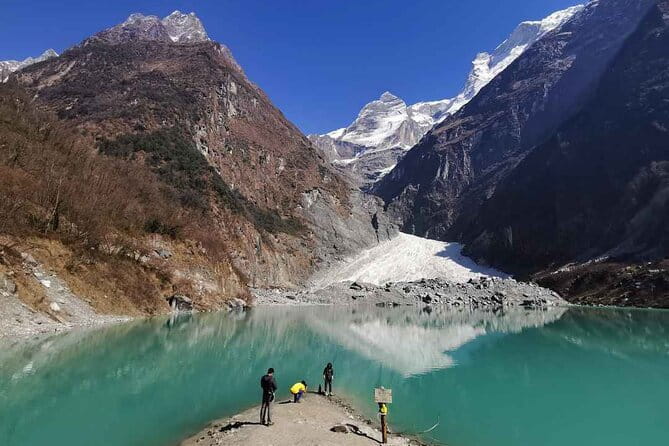
- Kapuche Glacier Lake: Reach one of Nepal’s lowest glacier lakes after a full walking day through forests, rivers, and suspension bridges.
- Sikles village stay: Spend time in a Gurung community and experience local village life rather than staying only in Pokhara.
- Three active days: The schedule includes walking periods of about six to seven hours, so moderate fitness is important.
- Private guided experience: Your group travels with an English-speaking guide, while the road transfer uses a shared jeep.
- Meals cost extra: Budget about US$25 per person per day for food, paid locally.
- Flexible cancellation: You can cancel for a full refund up to 24 hours before the start time.
Why Kapuche Glacier Lake is worth the effort
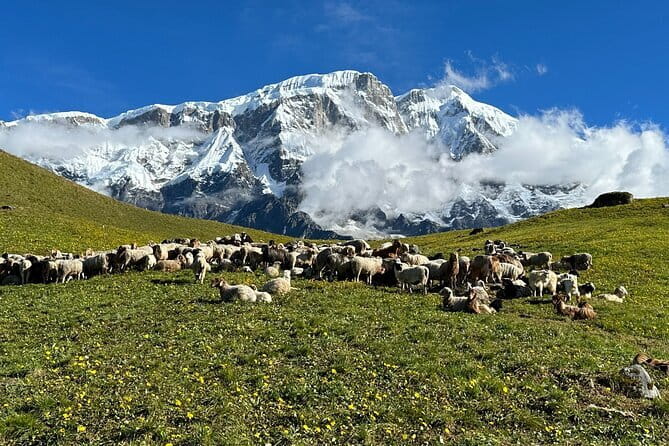
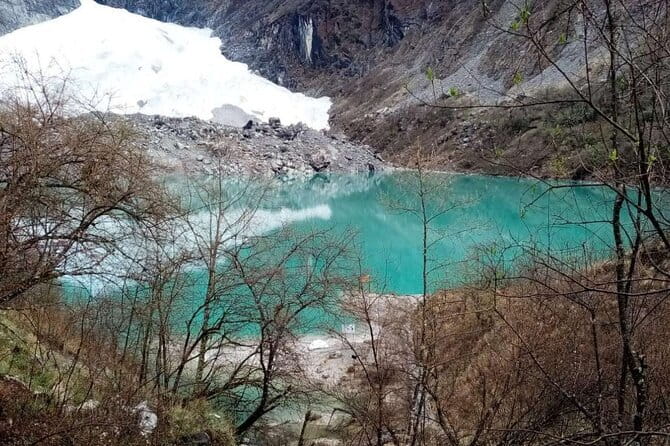
Kapuche is not a quick roadside stop. You reach it on foot, which gives the destination a sense of distance and reward. The route passes through several types of scenery, including dense forest, terraced fields, alpine meadows, rivers, and suspension bridges.
I like this kind of trek because the main attraction is not isolated from daily life. You begin near Pokhara, pass through a Gurung village, and then move into quieter mountain country. The change happens gradually. Roads give way to paths, houses thin out, and the sound of moving water becomes more important than traffic.
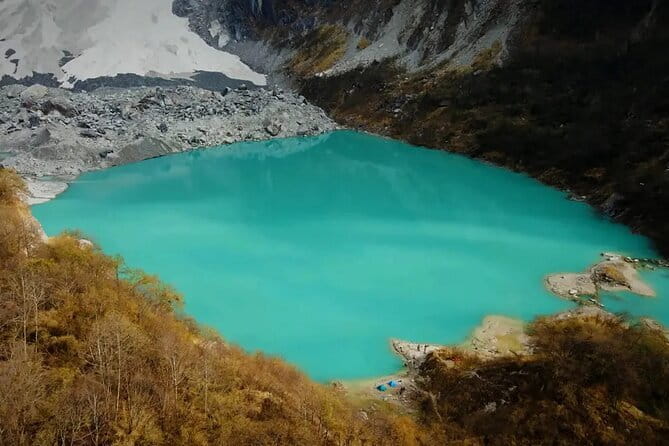
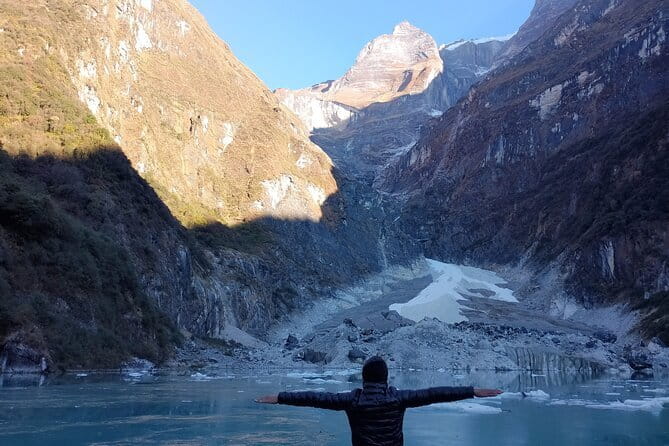
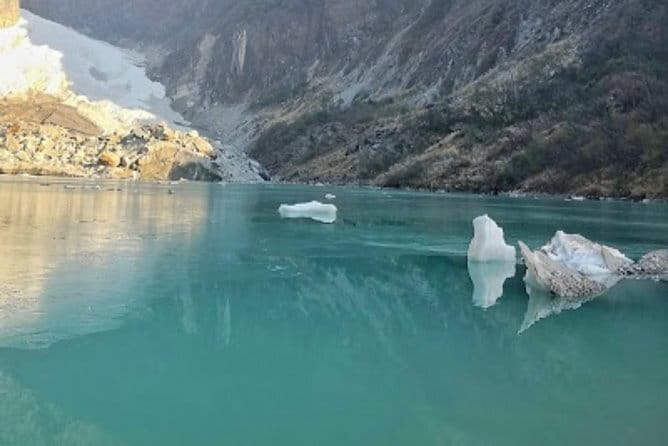
The lake itself is the main payoff. It is described as the lowest glacier lake in Nepal, and its appeal comes from its remote setting and calm surroundings. You should not book this trip expecting a polished viewpoint with easy access. You should book it because reaching the water requires time, effort, and a willingness to travel beyond Nepal’s busiest trekking routes.
The route also gives you different views on the return walk. That matters more than it sounds. A trail can look completely different when you walk it in the opposite direction, especially when the morning and afternoon light change the feel of the forest, river crossings, and mountain views.
A few more things to do in Pokhara worth a look
- Poon hill Trek 3 days
★ 5.0 · 176 reviews - Trekking in Annapurna/Langtang/Everest/Upper Mustang regions
★ 5.0 · 161 reviews - Pokhara: 4-Day Ghorepani, Poonhill & Ghandruk Mountain Trek
★ 5.0 · 132 reviews
Day 1: Pokhara to Sikles and the first village experience
The first morning begins with pickup in Pokhara and a drive of roughly two to three hours toward Sikles. The transfer is by shared jeep, so you should expect a practical road journey rather than a private car ride with complete control over stops and timing.
The drive is useful because it moves you quickly from Pokhara into the trekking area. Once you leave the city, the trip changes pace. Sikles is a traditional Gurung village, and staying there gives you more than a place to sleep. You have a chance to see the village setting, spend time around local homes, and get a feel for a community with its own customs and food traditions.
The first day is listed at about seven hours, combining transport and walking. That is a full opening day, particularly if you are carrying your own daypack. Ask the operator to confirm exactly where the walking begins and how much time is spent on the road. The supplied schedule describes both a drive to Sikles and a trek toward or through the village, so the precise division may vary.
Sikles is one of the strongest reasons to choose this trip over a simple lake excursion. You get a cultural stop before the harder walking begins. Gurung cuisine is available as part of the local experience, although meals are not included in the tour price. That arrangement gives you some choice, but it also means you need to keep a food budget ready.
Your English-speaking guide should help with the practical side of the day, including the walking pace, directions, and communication. The available feedback gives particular weight to guides being helpful and easy to understand. No guide names are provided, so you should ask for your guide’s name before departure if that matters to you.
Day 2: The long walk to Kapuche Glacier Lake
Day two starts early. That is sensible because the lake visit involves a substantial walking section, and an early departure gives you more time to enjoy the setting without rushing back.
The trail moves through dense forest, suspension bridges, and river corridors. These details give you a better idea of the trek than a simple promise of mountain views. You will be walking on varied terrain, with changes underfoot and regular rises and descents. Moderate fitness is the official expectation, but I would treat that as a real requirement rather than a casual suggestion.
The six-hour estimate covers the main trek to the lake. You may find that your actual time changes with walking speed, rest breaks, trail conditions, and how long you stay beside the water. Since the trip is private, your group should have more room to set a comfortable pace than it would on a fixed large-group departure. Even so, the return walk still has to be completed, so do not spend all your energy during the morning approach.
Kapuche is best understood as a quiet destination rather than an attraction with lots of facilities. The supplied details do not list cafés, shops, changing rooms, or other services at the lake. Carry what you need for the walk, including water and any personal snacks you want, and avoid assuming that supplies will be available along the trail.
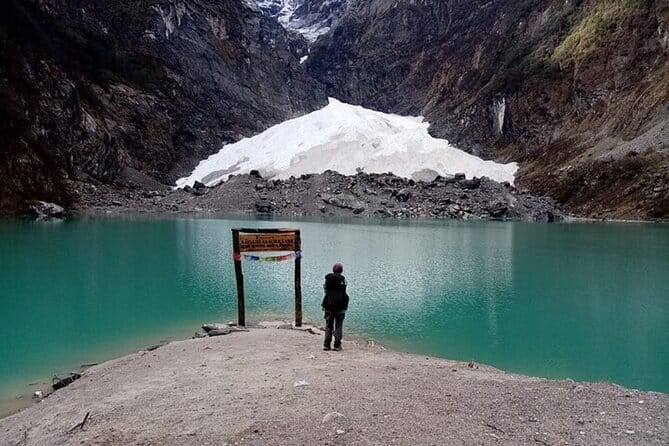
At the lake, the value lies in the setting. You have made your way through forest and river country to a glacial body of water far from Pokhara’s busy streets. Take time to look around rather than treating the stop as a quick photo break. The mountain scenery and calm surroundings are the main reasons to make this trek.
The return section is listed at about two hours. You retrace the route toward Hugu, seeing familiar ground from a new angle. The schedule then refers to an evening rest at the guesthouse in Sikles. Because Hugu and Sikles are presented in different parts of the day, confirm the evening route and overnight location before you go. This is a small but important planning point, especially if you want to know how much walking remains after the lake.
Day 3: A slower morning, then the road back to Pokhara
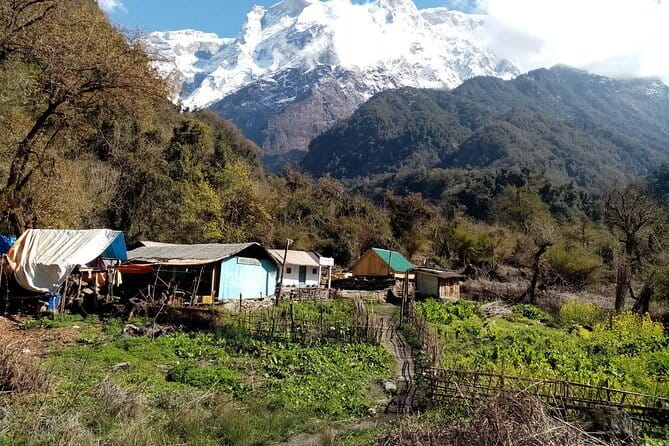
The final day is described as a leisurely morning followed by a descent to the trek’s starting point and a vehicle transfer back to Pokhara. After the long lake day, a slower start makes sense. You can spend time around the village, enjoy the mountain views, and take in Sikles without immediately rushing onto the trail.
The walking and return journey together are listed at about seven hours. Again, ask the operator to explain the timing. The description refers to a descent, pickup, and drive back to Pokhara, but does not give a precise driving duration or identify the exact pickup point.
This last day is less about a new headline attraction and more about closing the loop. I like that the trip does not treat Sikles as a quick overnight stop. You have a little time to appreciate the village atmosphere before returning to the city.
The descent can be easier than the uphill sections, but it still puts pressure on knees and feet. Good walking shoes matter. So does a modest daypack. You do not need to turn this into a technical expedition, but you should be ready for a full day that combines trail time and road travel.
Same base, a different kind of day:
- ZipFlyer Nepal – The World’s Steepest Zip-line
★ 5.0 · 608 reviews - Bungee Pokhara by HighGround Adventures
★ 5.0 · 366 reviews - From Pokhara: Sarangkot Sunrise Himalayas Tour
★ 4.7 · 218 reviews - ATV Adventure Tour in Pokhara, Nepal
★ 5.0 · 194 reviews
What the US$195 price really covers
At US$195 per person, this trip offers reasonable value if you want a guided private trek with the major basics arranged. The price includes hotel pickup and drop-off, trekking permits, a TIMS card, round-trip shared jeep transport as described in the schedule, an English-speaking guide, and guesthouse accommodation.
Those inclusions remove several tasks that can be annoying to arrange separately. You do not need to organize permits on your own, find the trail, negotiate every transfer, or search for a guesthouse after a tiring walking day. The guide also adds value on a route where clear directions and communication can make the experience easier.
The price does not include meals. The stated estimate is about US$25 per person per day, which would add roughly US$75 for the three-day trip. Gratitude for the guide and staff is optional, so leave room in your budget if you want to offer it.
There is one important distinction: the activity is private, but the road transfer uses a shared jeep. Your walking group is your own group, yet you may share the vehicle with others. If you value a private vehicle, ask about an upgrade before paying.
The best value comes if you want a short trek from Pokhara and appreciate having logistics handled. It is less compelling if you want a luxury stay, included meals, or a completely private transfer from start to finish.
The cultural side of staying in Sikles
Sikles gives the trip a human dimension that a lake-only outing would miss. The village is associated with Gurung culture, and the experience includes time around traditional homes, local community life, and Gurung food.
I would approach this part with respect and patience. A village is not a stage set, and the most valuable moments may be simple ones: walking through the settlement, noticing how homes and paths are arranged, and listening while your guide explains local customs. The available information does not promise a formal cultural performance, so expect ordinary village contact rather than a scripted show.
Food is another reason to stay in the village. Since meals are purchased separately, you can order local dishes where available and keep your spending aligned with your appetite. Ask your guide what is available each day, especially on the lake trek, since the route may not offer the same choices as Sikles.
The cultural component also helps balance the physical effort. You are not spending three days only counting kilometers. The village offers a place to slow down, meet local people, and understand the setting before and after the lake walk.
Guide support, group size, and comfort
The guide is central to how this trip feels. The strongest practical praise concerns helpfulness, simple explanations, and support during the trek. That matters on a route where you may need help with pacing, trail decisions, village arrangements, and transport timing.
Because this is a private activity, you are not tied to strangers’ walking speeds. A family can pause for photographs, and a group of friends can enjoy the route together. A solo participant can also book it, although the private pricing structure may feel better suited to a small group.
Accommodation is in a guesthouse. No room type or specific property is supplied, so you should not expect a hotel standard unless the operator confirms it. Guesthouse stays are part of the appeal for people who want a simple mountain trip, but they may not suit you if you need predictable amenities.
The overall comfort level is practical. You receive transport, a guide, permits, and lodging, but you remain responsible for meals and personal needs. Pack light, keep essential items accessible, and be ready for changing conditions on the trail without assuming that every convenience will be available.
Who should book this three-day trek
I would recommend this trip to you if you want a short mountain escape from Pokhara, prefer a quieter route, and enjoy combining nature with local culture. It suits families and friends who want private time together, provided everyone can manage full walking days.
It can also work well for solo visitors who want the structure and security of a guide. One available account describes the trip as a welcome mental reset, which makes sense: three days away from city routines, with long walks and mountain scenery, can give you useful breathing room.
I would be cautious if you dislike long walking days, basic guesthouse accommodation, or uncertain transport timing. I would also ask detailed questions if you need accessibility support, since the route includes forests, bridges, rivers, and sustained trekking, and no accessibility information is provided.
The schedule contains a few details worth confirming before booking: the exact start of the day one trek, the relationship between Hugu and Sikles on day two, and the day three pickup point. These questions do not undermine the trip, but clear answers will help you know what you are buying.
Should you book the Kapuche Glacier Lake trek?
Book it if the idea of reaching a quiet glacial lake on foot appeals to you more than visiting an easy roadside viewpoint. The combination of Sikles, Gurung culture, varied trails, and a private guide gives this three-day trip more substance than a simple sightseeing transfer.
The US$195 base price is fair once you value the permits, guide, accommodation, and transport. Add the extra meal budget, and remember that the jeep transfer is shared. If you are comfortable with those limits and can handle moderate fitness demands, I think this is a good short trek from Pokhara.
Before confirming, ask for the precise walking distances, overnight arrangements, vehicle details, and meal options. If the answers match your expectations, Kapuche Glacier Lake and Sikles offer a rewarding change from Nepal’s better-known routes.
FAQ
How long is the Kapuche Glacier Lake trek?
The experience lasts about three days. Day one is listed at about seven hours, day two includes about six hours to the lake plus roughly two hours returning toward Hugu, and day three is listed at about seven hours including the descent and return arrangements.
Is hotel pickup included?
Yes. Hotel pickup and drop-off are included, along with round-trip transfer by shared jeep according to the planned route.
Is the tour private?
Yes. The activity is private, so only your own group participates. The road transfer is described as a shared jeep, however, so the vehicle portion may not be exclusive.
Are meals included in the price?
No. Meals are not included. They are available for purchase, with an estimated cost of about US$25 per person per day.
What fitness level do I need?
You should have a moderate level of physical fitness. The route includes several hours of trekking through forests, across suspension bridges, and along rivers.
What happens if I need to cancel?
You can receive a full refund if you cancel at least 24 hours before the experience starts. Cancellations or changes made less than 24 hours before the start time are not accepted for a refund.
Just added in Pokhara
- Pokhara: Pokhara Highlights Tour by Bus★ 3.6 · 10 reviews
- Discover Pokhara in Style: Private Vehicle Service with Driver★ 5.0 · 5 reviews
- 4 Day Mardi Himal Base Camp Trek from Pokhara★ 5.0 · 18 reviews
- Private 4 Day Poon Hill Trek from Pokhara★ 5.0 · 16 reviews
- Pokhara in 5 Hours: Lake, Museum, Cave, Falls & Pagoda Hill★ 4.5 · 16 reviews
- Beautiful Sarankot Sunrise with Full Day Sightseeing in Pokhara★ 4.5 · 3 reviews
- Annapurna Base Camp Trek from Pokhara and Kathmandu★ 5.0 · 7 reviews
- 7-Day Trek to Annapurna Base Camp from Pokhara★ 5.0 · 12 reviews
Hiking & Trekking, compared.
Nagarkot Sunrise View and Day Hiking from Kathmandu
Read our review →
Everest Base Camp Trek with Helicopter Return from Gorakshep to Lukla
Read our review →Browse the lists this tour appears in