
Reviewed · TIBETAN CULTURE TOURS
Full-Day Tibetan Cultural Tour to Tibetan Settlements Pokhara
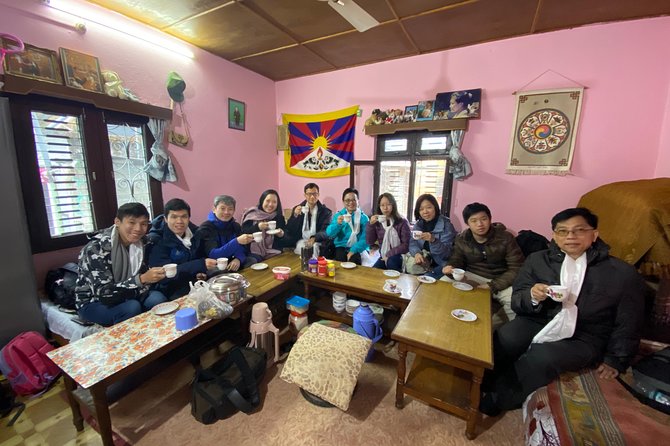
Pokhara’s Tibetan settlements offer something the city’s usual sightseeing cannot: direct contact with a living community. With Tibetan guide Thupten Gyatso, you visit monasteries, schools, homes, and a prayer service while learning how Tibetan families have built their lives in Nepal. I like the personal access and the chance to ask honest questions about religion, exile, education, and daily life. The main drawback is the long village visit, which may feel slow if you want a fast-moving sightseeing day.
I also like that lunch and Tibetan food are part of the experience, rather than an afterthought. You get hotel pickup within Pokhara, a small group capped at 15 people, and a guide who grew up in the community. Still, this is an information-heavy day, and some discussions about Tibet’s political situation may feel serious, especially for families with young children.
Key points to know before booking
- A Tibetan guide with a personal connection: Thupten Gyatso grew up in the Tibetan community in Nepal and leads the day in clear English.
- Five substantial stops: The route includes Shree Gaden Dhargay Ling Monastery, Tashi Ling Tibetan Village, Pema Ts’al Sakya Monastic Institute, Jangchub Choeling Tibetan Monastery, and Tashi Palkhel Tibetan Settlement.
- Afternoon prayer is a major highlight: At Jangchub Choeling, you may hear chanting, horns, drums, and conch shells during the monks’ prayer session.
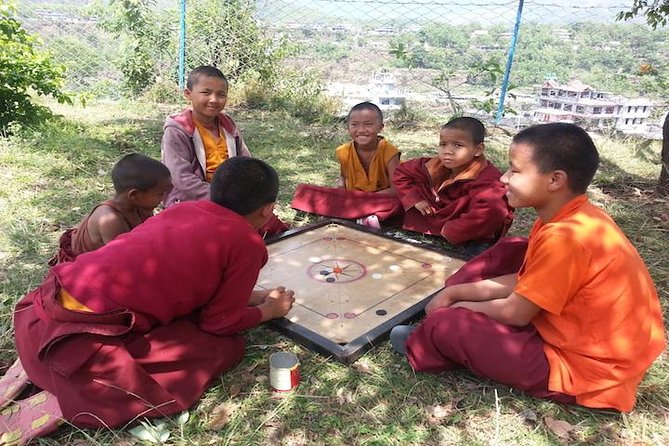
- More than temple visits: You learn about Tibetan schools, exile, refugee life, Buddhist practice, food, and local family life.
- Food is built into the day: Lunch, snacks, afternoon tea, bottled water, coffee, and tea are included, with vegetarian and gluten-free food available if requested when booking.
- Good value for a full day: At $85 per person, the price covers transport, guide, driver, meals, drinks, and a full eight-hour program.
Why this Pokhara tour feels different
Many cultural outings give you a temple, a few facts, and a photo stop. This one is built around conversation. Thupten Gyatso does not simply point out Buddhist buildings. He explains the community’s connection to Tibet, life in Nepal, religious education, and the pressures faced by Tibetans living in exile.
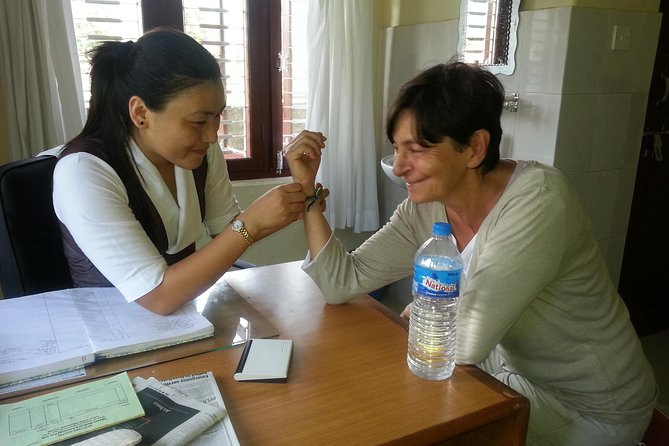
That personal background matters. You can ask questions as the day develops, and the subject can move from Buddhist philosophy to school life, food, family traditions, or political conditions. The strongest parts of the experience come from these exchanges, including conversations with a Tibetan doctor and a young monk connected with monastic education.
The day also has a useful rhythm. You begin with a monastery, spend a longer period walking through a settlement, visit a monastic institute, attend afternoon prayers, and finish with food in a family home. It is not a checklist of unrelated sights. Each stop adds another piece to the picture.
The tone is serious at times. The tour addresses the Tibetan struggle, exile, and legal and political issues affecting the community. If you want only light sightseeing, this may be too intense. If you want to understand the people behind the religious buildings, the serious discussion is one of the reasons to book.
Other Tibetan sites around Pokhara:
- Afternoon Tibetan Cultural Tour to Tibetan Settlements Pokhara
★ 5.0 · 106 reviews - Morning Tibetan cultural tour to Tibetan settlements Pokhara
★ 5.0 · 66 reviews - Afternoon Tibetan cultural tour
★ 5.0 · 41 reviews
Starting at Shree Gaden Dhargay Ling Monastery
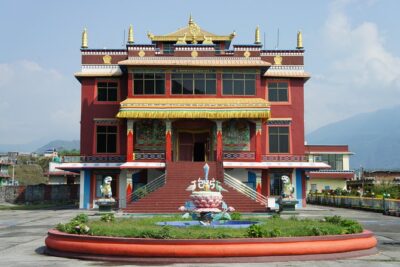
The first stop is Shree Gaden Dhargay Ling Monastery, with about an hour set aside for the visit. Admission is included, and the opening stop gives Thupten a place to explain Tibetan Buddhism before you see more of the community.
I like this early introduction because it gives you a framework for the rest of the day. You can pay closer attention to religious objects, worship, and monastic routines once you understand their purpose. The monastery is also a calm way to begin before the longer settlement visit.
Use this time to ask broad questions. You might want to know how Tibetan Buddhism differs from other Buddhist traditions in Nepal, how monks are educated, or how monasteries function for the surrounding settlement. The exact conversation will depend on the group, but the guide’s role is central here.
The stop is not described as a formal ceremony or performance. Treat it as an introduction and an opportunity to observe respectfully. Dress and behavior should suit a religious setting, and you should be ready to follow any instructions given inside the monastery.
Four hours at Tashi Ling Tibetan Village
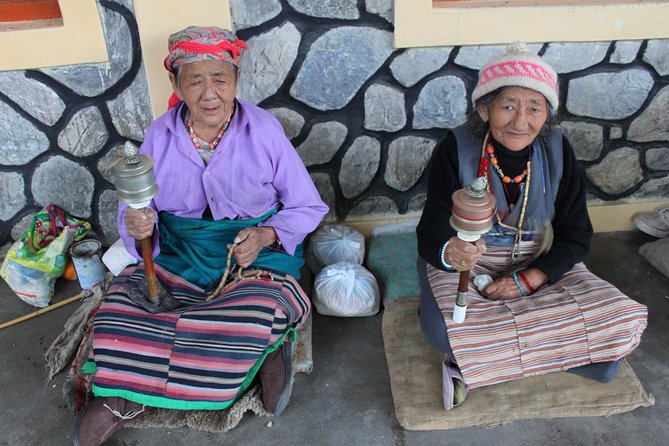
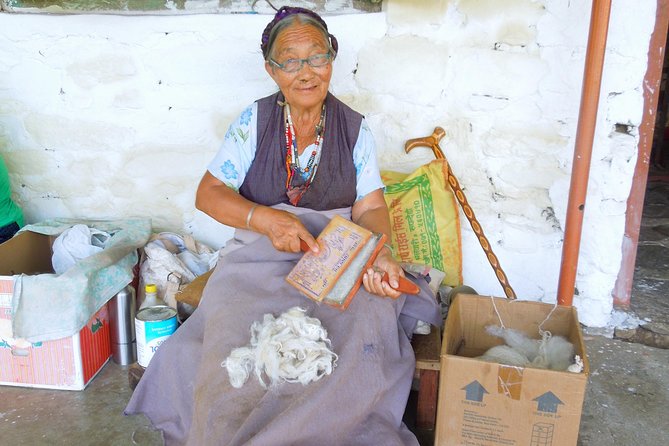
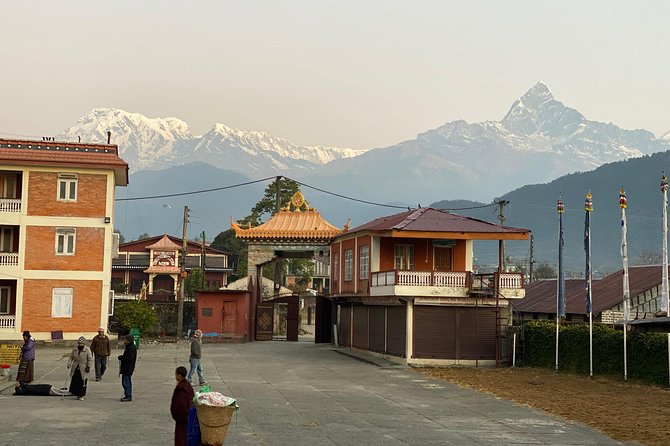
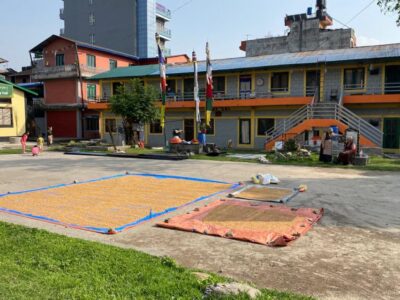
Tashi Ling Tibetan Village is the longest stop, with roughly four hours devoted to walking through the settlement and learning about Tibetan life in Nepal. This is where the tour moves beyond religious buildings.
You will hear about Tibet, Tibetan families living in Nepal, Buddhist culture, schools, and the local education system. That school discussion adds useful depth. A settlement is not just a collection of homes and temples. It also needs classrooms, religious training, community services, and ways to pass language and traditions to younger generations.
The four-hour block allows time for a slower look at village life. You are not rushing in, taking a photograph, and leaving ten minutes later. You can walk around, notice how the settlement is organized, and ask questions about what you see.
That length is also the main time consideration. One person described wishing for less time in the village and more daylight at a later stop. If your energy drops during a long walking and discussion session, this part may feel demanding. Comfortable shoes, sun protection, and water are sensible, even though bottled water is provided.
The subject matter can be emotionally weighty. Thupten explains the effect of exile on everyday life, not just the broad political story. You may come away with a clearer sense of how history affects homes, schools, work, religion, and identity.
The tour presents the Tibetan point of view, which is appropriate for a community visit. If you want a fuller understanding of the current situation in Tibet itself, ask questions and keep in mind that one day cannot cover every side of a complicated political issue. One particularly thoughtful assessment of the day noted that the discussion could use more nuance about present-day conditions inside Tibet. That is a fair limitation.
Lunch and refreshments are included during the day. The exact meal setting can vary, but you should not need to arrange lunch separately. Vegetarian and gluten-free food can be provided if you state that need when booking.
Meeting monastic students at Pema Ts’al Sakya Monastic Institute
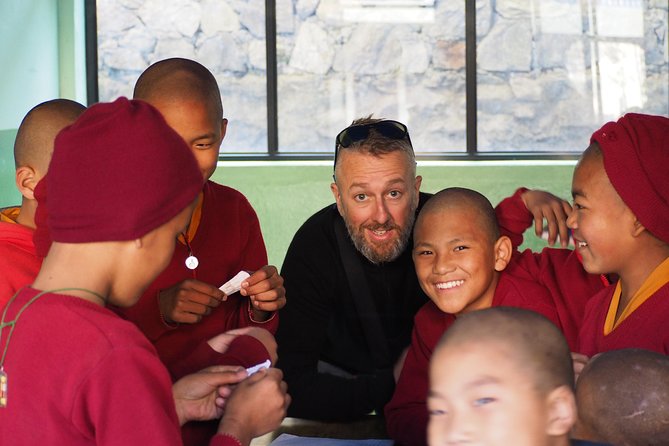
The next stop is Pema Ts’al Sakya Monastic Institute, with about an hour for the visit. Here, the focus shifts from the settlement as a whole to monastic education and daily religious life.
You may meet a young monk who can explain his experience of monastic life and study. This exchange is one of the more personal parts of the day. Instead of only looking at architecture, you can ask what a monk learns, how education works, and what led him toward this path.
The conversation is meant to be interactive. Prepare a few questions, but also give the monk room to answer in his own way. The exchange works best when it is a conversation rather than an interview.
This stop is especially useful if you are interested in the relationship between religion and education. You see that a monastery is not only a place for prayer. It can also be a center for training, discipline, philosophy, and community life.
The visit lasts about an hour, so it should not overwhelm the day. If you have children or teenagers with you, this is a good place to encourage questions about school, work, and the choices people make in different cultures. The subject is easier to understand when connected to one person’s daily routine.
A few more things to do in Pokhara worth a look
- Half Day Tibetan Cultural tour Pokhara
★ 5.0 · 36 reviews - Morning Half Day Tibetan cultural tour to Tibetan Settlements
★ 5.0 · 26 reviews - Full Day Tibetan Cultural Tour
★ 5.0 · 12 reviews - Half day Tibetan cultural tour
★ 5.0 · 4 reviews
Hearing afternoon prayers at Jangchub Choeling
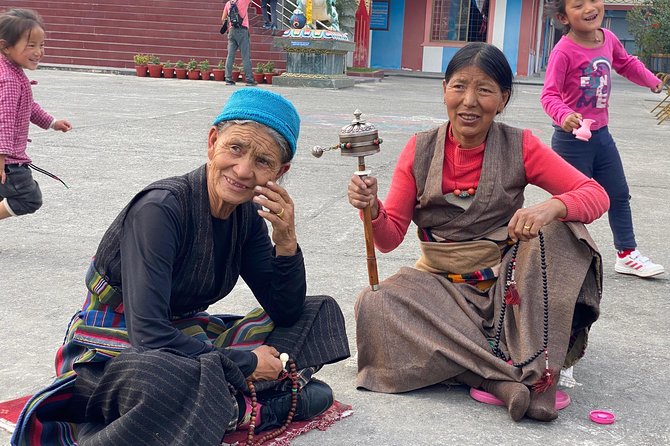
Jangchub Choeling Tibetan Monastery is located inside the Tibetan village and is scheduled for about an hour. The key moment is the afternoon prayer chanting with the monks.
This is the most atmospheric part of the itinerary. You may hear chanting along with horns, drums, and conch shells. These sounds make the religious setting feel active and lived-in, rather than like a silent monument arranged for visitors.
You should enter with patience. Prayer is a religious practice, not a staged show, and the proper role is to observe quietly and respectfully. Listen to the rhythm of the chanting and notice how the different instruments shape the ceremony.
Timing matters here. The afternoon prayer takes place later in the day, so a slow morning or delays could affect how much daylight remains afterward. One practical criticism of the schedule was that more time spent at the village and prayer could leave less daylight for the final part of the tour. The itinerary’s order is designed around the prayer session, so the day may feel long by this point.
Still, I would not want this stop shortened too much. The ceremony gives meaning to everything you have heard about Buddhism during the day. It is one thing to discuss prayer, monastic life, and ritual. It is another to sit quietly while the sounds of worship fill the monastery.
Tibetan food in a local family home at Tashi Palkhel
The final stop is Tashi Palkhel Tibetan Settlement, where you visit a Tibetan family home and share traditional food. Thupten introduces the dishes and explains their background, turning the meal into part of the cultural lesson.
Food is often the easiest way to connect with a community. You can ask about ingredients, preparation, family meals, and the role of food in Tibetan life. After a day of temples and serious discussion, this home visit gives the experience a warmer, more ordinary ending.
Lunch, snacks, afternoon tea, bottled water, and coffee or tea are included in the overall tour package. The final meal at a family home is the more personal food experience, while the included lunch keeps the day practical.
Vegetarian and gluten-free options are available, but you need to advise the operator when booking. Do not wait until the morning of the tour if you have a dietary requirement.
A family home is not a restaurant, and that is part of the appeal. Service, dishes, and timing may feel more informal than a commercial meal. You should approach the visit with respect and curiosity, not with the expectations of a cooking class or a restaurant tasting menu.
What the $85 price includes
The price is $85 per person. For an eight-hour tour, that is a reasonable package if you value personal guiding and cultural access. The cost includes hotel pickup and drop-off within Pokhara, a professional guide, driver, lunch, snacks, afternoon tea, bottled water, and coffee or tea.
Transport alone makes the price easier to assess because the settlements and monasteries are spread across several stops. You are not paying only for entry to a temple. You are paying for a full day of transport, explanation, interpretation, and food.
The group limit is 15 people. That is small enough for questions to be practical, though the experience will feel more intimate with fewer people. Some bookings may be private or nearly private, while others may fill closer to the maximum.
The tour does not include the optional DVD of Tibetan music. That is the only stated extra. Admission at the listed stops is free, so you are not facing a series of surprise entrance fees during the day.
The experience is commonly booked well ahead, with an average booking time of 38 days in advance. That does not guarantee that every date fills, but it is a useful reason to reserve early if your Pokhara schedule is fixed.
Who should book this experience
I would choose this tour if you want a cultural day with real conversation rather than a quick round of scenic stops. It suits people interested in Tibetan religion, exile, education, politics, food, and community life.
Families can enjoy it, especially if children are old enough to listen, ask questions, and behave respectfully in monasteries. The monk conversation and the family meal can give younger visitors something concrete to remember. Very young children may struggle with the long day and serious discussions.
The tour also suits first-time visitors who know little about Tibet. You do not need a background in Buddhism to follow the program. Thupten starts with cultural and religious context, then builds toward more complex subjects.
It is less suitable if you want a relaxed day with little walking or discussion. Four hours in Tashi Ling Village is a substantial portion of the program, and the political material requires attention. The day is informative rather than carefree.
Most people can participate, and the operator states that vegetarian and gluten-free food can be arranged. The supplied details do not specify a full accessibility plan, so if you have mobility needs, contact the provider before booking and ask about walking distances and monastery access.
Hotel pickup is offered within Pokhara, with a listed start time of 9 a.m. The tour lasts about eight hours, so expect to return in the late afternoon or early evening depending on the day’s pace and traffic.
Practical tips for a better day
Ask questions early. Thupten’s strongest quality is his ability to connect places with personal and community experience, but the quality of your conversation will improve if you arrive with a few subjects in mind.
Bring a respectful attitude to the monasteries. You will be observing worship, not attending a theatrical display. Follow local guidance about photography, noise, and where to sit or stand.
Wear comfortable shoes. The program includes walking through a settlement and several religious sites, and the long middle section can be tiring.
Tell the operator about food needs at booking. Vegetarian and gluten-free meals are available, but the request must be made in advance.
Keep your schedule flexible after the tour. The afternoon prayer is an important part of the day, and the tour is not designed to rush from one stop to the next. Traffic, conversation, and the pace of the group can affect the finish.
Cancellation is free if you cancel at least 24 hours before the 9 a.m. start time. Cancellations or changes made less than 24 hours ahead are not refunded or accepted.
Should you book the Tibetan Cultural Tour?
Book it if you want to understand Pokhara’s Tibetan community through people, worship, food, and conversation. The combination of Thupten Gyatso’s personal background, the monastery visits, the school and exile discussions, the afternoon prayers, and the family meal gives the $85 price solid value.
Skip it if you want a short, light sightseeing trip or if a full day of discussion sounds tiring. This is a serious cultural experience with a long village visit, not a quick temple circuit.
For most curious visitors with one free day in Pokhara, I would choose it. It offers the kind of contact that is difficult to arrange independently, while keeping transport, meals, and guiding in one practical package.
FAQ
How long does the Tibetan Cultural Tour last?
The tour lasts approximately eight hours. It starts at 9 a.m.
Is hotel pickup included?
Yes. Hotel pickup and drop-off are included for hotels within Pokhara.
What food and drinks are included?
Lunch, snacks, afternoon tea, bottled water, coffee, and tea are included. Vegetarian and gluten-free food are available if requested when booking.
How many people can join the tour?
The group has a maximum of 15 people.
Which monasteries and settlements are visited?
The itinerary includes Shree Gaden Dhargay Ling Monastery, Tashi Ling Tibetan Village, Pema Ts’al Sakya Monastic Institute, Jangchub Choeling Tibetan Monastery, and Tashi Palkhel Tibetan Settlement.
Can I cancel for a full refund?
Yes. You can receive a full refund by canceling at least 24 hours before the experience start time. Cancellations or changes made less than 24 hours before the start are not accepted for a refund.
Just added in Pokhara
- Tandem Paragliding in Pokhara★ 4.8 · 8 reviews
- Seti George and Thrilling Suspension Bridge Tour at Pokhara★ 4.5 · 3 reviews
- Pokhara: Suspension Bridge Private Tour- 30 Min Village Walk★ 4.8 · 9 reviews
- Pokhara: Visit Best Seven Tourist Destination by Sharing Bus★ 3.4 · 10 reviews
- Pokhara: Sunrise Tour to Sarangkot★ 5.0 · 3 reviews
- Pokhara Sightseeing By Bus: Day Trip★ 4.6 · 7 reviews
- Pokhara Sightseeing By Bus – Day Trip★ 3.2 · 8 reviews
- Pokhara Sarangkot : Cable Car (Himalayas) Sunrise Tour★ 5.0 · 6 reviews
Tibetan Culture Tours, compared.

Afternoon Tibetan Cultural Tour to Tibetan Settlements Pokhara
Read our review →
Morning Tibetan cultural tour to Tibetan settlements Pokhara
Read our review →
Morning Half Day Tibetan cultural tour to Tibetan Settlements
Read our review →
Browse the lists this tour appears in