
Reviewed · TIBETAN CULTURE TOURS
Afternoon Tibetan Cultural Tour to Tibetan Settlements Pokhara
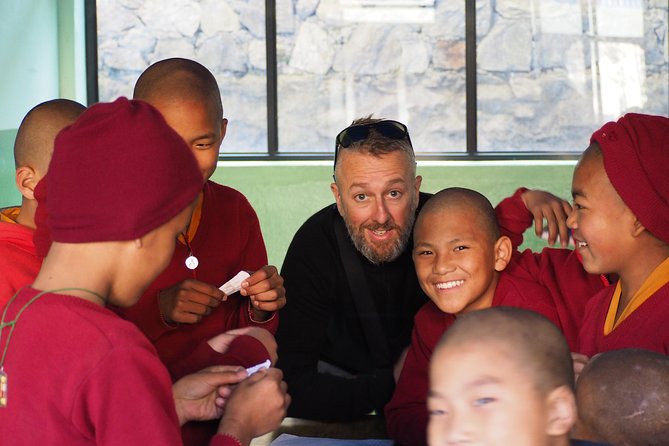
The heart of this Pokhara tour is personal contact. You visit two Tibetan Buddhist monasteries, attend afternoon chanting, and enter a Tibetan family’s home for butter tea and traditional food. Mr. Thupten, your Tibetan guide, adds the human side, explaining refugee life, religion, and the work of keeping Tibetan culture alive in Nepal.
I like the small-group format, which gives you room to ask questions instead of simply following a flag through a crowd. I also like the family visit, where butter tea and Tibetan bread turn a history lesson into a shared meal. The main consideration is timing: this is a focused four-hour afternoon trip, not a broad tour of every Tibetan site around Pokhara.
Key details to know before you go
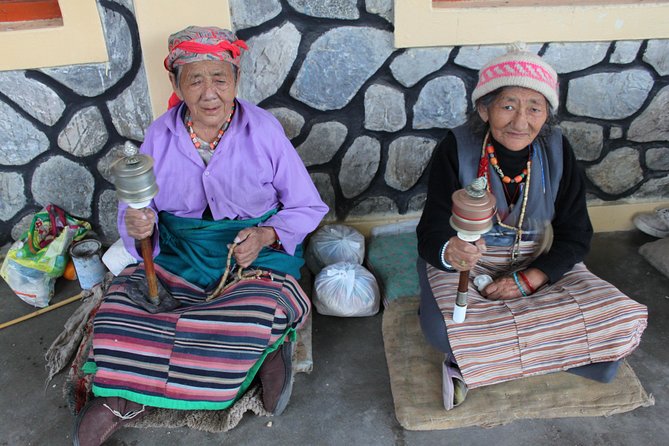
- Two monasteries, two different moods: Visit Pema Ts’al Sakya Monastic Institute for cultural and religious background, then attend prayer chanting at Jangchub Choeling Tibetan Monastery.
- A Tibetan guide leads the way: Mr. Thupten shares information from his own cultural background and explains the stories of Tibetans living in Nepal.
- A family home visit adds warmth: At Tashi Palkhel Tibetan Settlement, you share traditional food, butter tea, and Tibetan bread with a local family.
- The afternoon schedule is clear: Pickup begins around 2 pm, and you return at about 6 pm.
- The $60 price covers useful extras: Hotel transfers, a driver and guide, drinks, snacks, and the small-group format are included.
- Food needs can be handled: Vegetarian meals are available, and plain rice with vegetarian or nonvegetarian curry can be provided for gluten-free diners.
Why this half-day tour matters in Pokhara
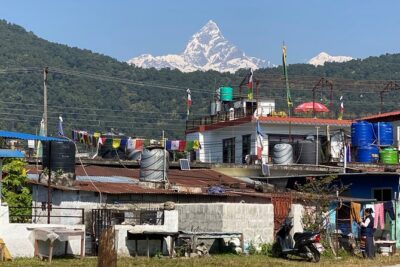
Pokhara is best known for mountain views, lakeside walks, and access to trekking country. This excursion gives you a different way to understand the city. Tibetan settlements around Pokhara are living communities, not museum displays, and the tour focuses on daily life as well as religious buildings.
That distinction matters. You are not only looking at statues, prayer halls, or painted walls. You are also hearing about Tibetan refugees in Nepal, the changes they have faced, and the effort required to preserve food, faith, language, and custom away from Tibet.
The small-group promise is useful here. The group can include up to 15 people, but the experience is also described as a small-group walking tour. If numbers are low, you may receive very personal attention. One solo participant described the experience as feeling almost private, which is a good sign for anyone traveling alone or hoping to ask many questions.
The tour is led by Mr. Thupten of The Tibetan Encounter Day Tours. His role is more than basic site direction. He explains Tibetan culture and Buddhism, gives historical context, and connects the places you see with the lives of people in the settlements.
Other Tibetan sites around Pokhara:
- Full-Day Tibetan Cultural Tour to Tibetan Settlements Pokhara
★ 5.0 · 184 reviews - Morning Tibetan cultural tour to Tibetan settlements Pokhara
★ 5.0 · 66 reviews - Afternoon Tibetan cultural tour
★ 5.0 · 41 reviews
2 pm pickup and the ride to the settlements
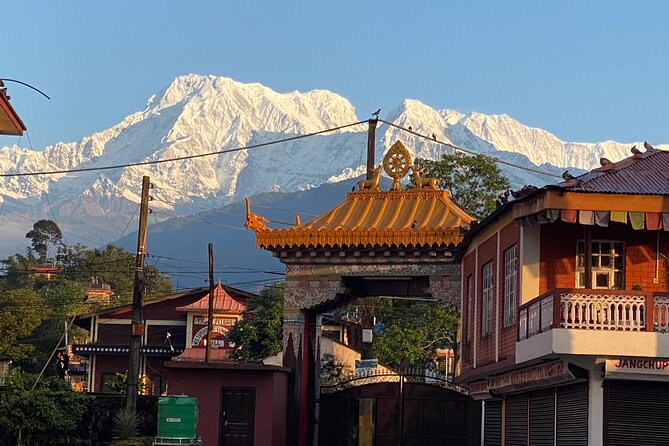
The tour starts at 2 pm, with hotel pickup and drop-off included. That takes away one common headache in Pokhara: figuring out transport to settlements outside the main tourist center.
You will spend part of the afternoon in a vehicle and part walking around the monasteries and village. The supplied information does not give a precise driving time from your hotel, so keep your schedule flexible before pickup. The return is planned for about 6 pm, making this easy to fit around a free morning or an evening meal in Pokhara.
The tour includes a driver and guide, bottled water, afternoon tea, coffee or tea, and snacks. Lunch is not included, but that should not be a problem for most people because the tour takes place in the afternoon and includes food at the family visit.
Wear shoes you can walk in comfortably and clothing suitable for entering Buddhist religious spaces. Specific dress rules are not provided, so a respectful, modest outfit is the sensible choice.
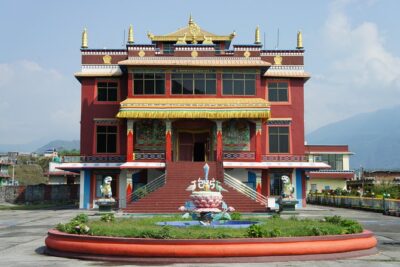
Pema Ts’al Sakya Monastic Institute: your first introduction
The first stop is Pema Ts’al Sakya Monastic Institute, where you spend about an hour. Admission is included, so there is no separate ticket to arrange.
This stop sets up the rest of the afternoon. Mr. Thupten explains Tibetan culture, religion, and refugee life, giving you a framework for the buildings and practices you see later. If your knowledge of Tibetan Buddhism is limited, this is likely the most useful moment to ask basic questions.
The value here is interpretation. A monastery can be beautiful but difficult to understand if you do not know the purpose of its spaces, ceremonies, or objects. A Tibetan guide can explain those details in a way that connects them to ordinary life rather than leaving you with a quick photo stop.
The institute is also a useful reminder that Tibetan Buddhist culture in Nepal is active and continuing. The tour is not limited to a lesson about the past. It shows how religious education and community life continue in the present.
Allow yourself to listen rather than rush through. The tour’s strongest quality is the information shared by the guide, so this stop is less about ticking off a landmark and more about building a base for what comes next.
Jangchub Choeling Tibetan Monastery and the afternoon prayers
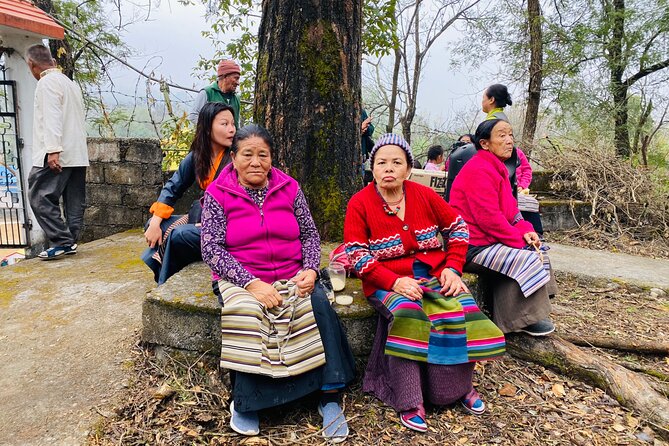
The second stop is Jangchub Choeling Tibetan Monastery, located within the Tibetan village. You spend about an hour here and attend afternoon prayer chanting with the monks.
This is the most sensory part of the itinerary. You may hear horns, drums, and conch shells during the ceremony. Those sounds give the visit a stronger sense of place than a quiet walk through a building would. The prayer session also helps you see Buddhism as a practice, not simply as architecture or decoration.
You should approach the ceremony with respect. The supplied details do not state specific rules about photography, seating, or participation, so ask Mr. Thupten before taking photographs or moving around during prayers. You are there to observe and learn, not to interrupt the service.
The one-hour timing is enough for an introduction but not an extended religious retreat. That is a good fit if you want a clear cultural experience within a half-day. If you already have extensive knowledge of Tibetan Buddhism, you may wish the time were longer, but the tour packs several different parts of settlement life into four hours.
A few more things to do in Pokhara worth a look
- Half Day Tibetan Cultural tour Pokhara
★ 5.0 · 36 reviews - Morning Half Day Tibetan cultural tour to Tibetan Settlements
★ 5.0 · 26 reviews - Full Day Tibetan Cultural Tour
★ 5.0 · 12 reviews - Half day Tibetan cultural tour
★ 5.0 · 4 reviews
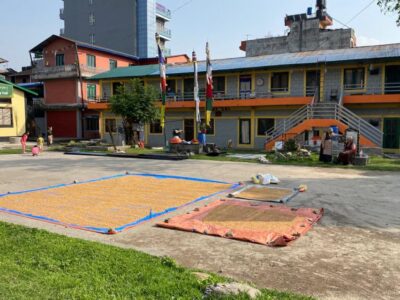
Tashi Palkhel Tibetan Settlement and a family table
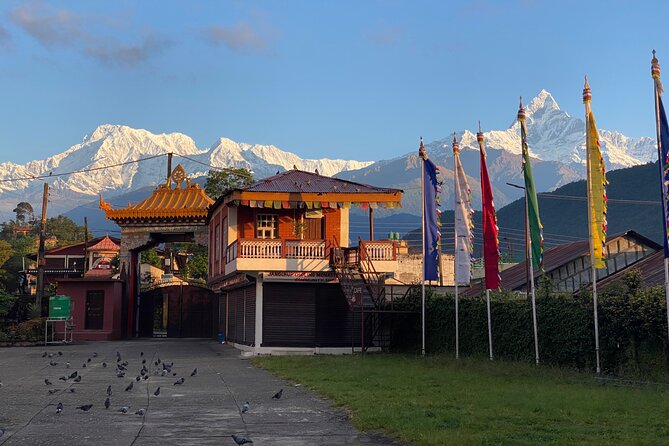
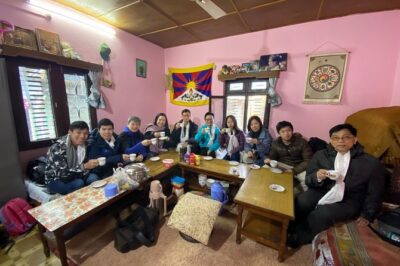
The final stop is Tashi Palkhel Tibetan Settlement, where the tour moves from formal religious spaces into a home. You visit one Tibetan family and share traditional food with them.
This is the part I would value most if I wanted to understand daily life. Monasteries show public religious identity. A family visit shows how culture appears in the kitchen, at the table, and in ordinary hospitality.
The food includes Tibetan bread and butter tea, according to the experience details and participant accounts. Mr. Thupten introduces the dishes and explains their background, so you are not simply handed an unfamiliar snack without context. The visit is intended to help you understand the family’s daily life and the place of food in Tibetan culture.
Vegetarian food is available if you request it at booking. Gluten-free diners can be served plain rice with vegetarian or nonvegetarian curry. You should give advance notice, since the food arrangements are part of a home visit rather than a standard restaurant order.
The family stop also requires a little sensitivity. You are entering someone’s home, so follow the guide’s lead, ask before photographing people or rooms, and treat the meal as a cultural exchange rather than a performance. The tour description does not promise a full lunch, and lunch is specifically excluded, so think of this as a tasting and hospitality visit.
What the $60 price really includes
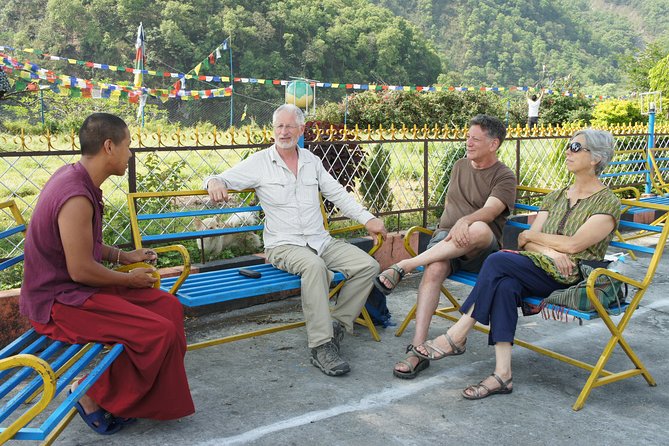
At $60 per person, this is not the cheapest way to spend an afternoon in Pokhara. You could visit some religious sites independently for less. The price makes more sense when you count what is bundled together: hotel transport, a driver, a professional Tibetan guide, monastery visits, drinks, snacks, and the family food experience.
The guide is the main reason to consider the cost. Without interpretation, you would see a monastery and perhaps hear chanting, but you would miss much of the political, religious, and personal context. The tour also takes care of getting between sites, which saves time and removes the need to negotiate local transport.
Group discounts are available, although the exact reduction is not stated. The group limit is 15 people. If you are traveling with friends or family, ask about the group rate before booking. If you are alone, the small-group structure can help you meet others while still receiving direct attention.
The rating shown for the experience is 5 out of 5 from 106 reviews, with a 99 percent recommendation rate. The repeated praise centers on Mr. Thupten’s clear English, passion, and ability to explain Tibetan history, culture, Buddhism, and community life. That consistency is important because the guide is central to the experience.
Who will get the most from this experience
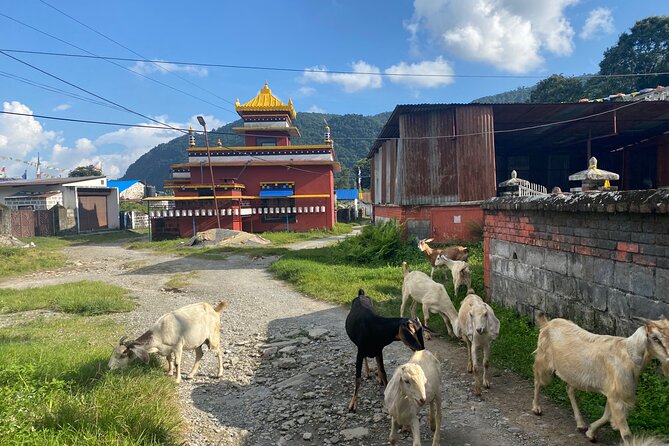
I would choose this tour if you want cultural background rather than another scenic stop. It suits first-time visitors to Tibetan Buddhist sites, solo visitors who like asking questions, and anyone interested in the experience of Tibetan refugees in Nepal.
It is also a good choice for people who prefer direct encounters. The family home, food, and conversation give the afternoon a more personal shape than a standard sightseeing circuit.
You may want to skip it if your main goal in Pokhara is a long mountain excursion or a relaxed afternoon by the lake. Four hours is a meaningful block of time, and the tour has a set structure. It is also not designed as a full meal or an in-depth study course in Buddhist philosophy.
The experience should work for most people because most participants can take part. Still, the walking and transport details are not described in depth, so anyone with mobility concerns should ask the operator for more information before booking.
Practical tips for a better afternoon
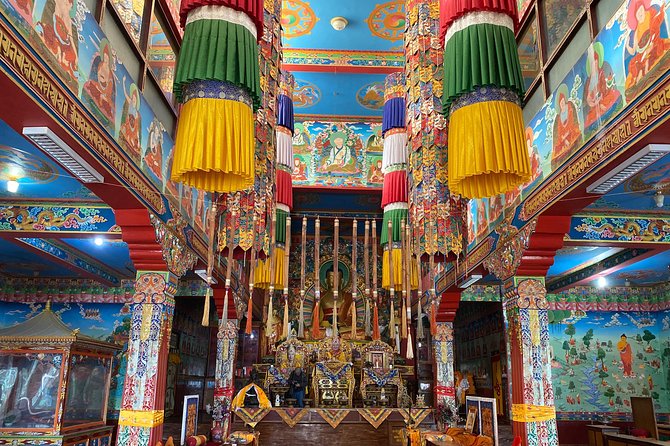
- Eat a light lunch first: Lunch is not included, while the family visit provides snacks and traditional food rather than a guaranteed full meal.
- Tell the operator about food needs: Vegetarian and gluten-free options are available, but you should mention them when booking.
- Ask questions early: Mr. Thupten’s explanations are a major part of the value, so prepare a few questions about Buddhism, refugee life, or Tibetan customs.
- Bring a respectful attitude: You will attend prayer chanting and enter a family home. Follow local guidance about photographs and behavior.
- Keep the evening schedule loose: Departure is at 2 pm and return is around 6 pm, but hotel transfers can take time depending on your pickup location.
- Book with the cancellation deadline in mind: You can receive a full refund if you cancel at least 24 hours before the start time. Later cancellations and changes are not accepted.
Should you book this Tibetan cultural tour?
Book it if you want to hear Tibetan stories from a Tibetan guide, visit active monasteries, and share food with a local family. The strongest parts are Mr. Thupten’s personal explanations, the sound and ceremony of afternoon prayers, and the move from religious sites into everyday home life.
The $60 cost is fair when you use the included transport and value guided context. I would not book it simply to fill a spare afternoon with sightseeing. I would book it because you want to understand a community, not just look at one.
FAQ
How long does the Tibetan cultural tour last?
The tour lasts approximately four hours. It departs at 2 pm and returns at about 6 pm.
Is hotel pickup and drop-off included?
Yes. Hotel pickup and drop-off are included in the tour.
Who guides the experience?
The tour is led by Mr. Thupten, a Tibetan guide from The Tibetan Encounter Day Tours. A driver and professional guide are included.
Which places does the tour visit?
The itinerary includes Pema Ts’al Sakya Monastic Institute, Jangchub Choeling Tibetan Monastery, and Tashi Palkhel Tibetan Settlement.
Will I attend a Buddhist prayer ceremony?
Yes. At Jangchub Choeling Tibetan Monastery, you attend afternoon prayer chanting with the monks and hear instruments including horns, drums, and conch shells.
Is food included?
Afternoon tea, snacks, bottled water, coffee or tea, and traditional food during the family visit are included. Lunch is not included.
Are vegetarian and gluten-free food options available?
Yes. Vegetarian food is available if requested at booking. Gluten-free diners can be served plain rice with vegetarian or nonvegetarian curry.
How many people can join the tour?
The tour has a maximum group size of 15 people. Group discounts are available, though the exact discount is not specified.
Just added in Pokhara
- Tandem Paragliding in Pokhara★ 4.8 · 8 reviews
- Seti George and Thrilling Suspension Bridge Tour at Pokhara★ 4.5 · 3 reviews
- Pokhara: Suspension Bridge Private Tour- 30 Min Village Walk★ 4.8 · 9 reviews
- Pokhara: Visit Best Seven Tourist Destination by Sharing Bus★ 3.4 · 10 reviews
- Pokhara: Sunrise Tour to Sarangkot★ 5.0 · 3 reviews
- Pokhara Sightseeing By Bus: Day Trip★ 4.6 · 7 reviews
- Pokhara Sightseeing By Bus – Day Trip★ 3.2 · 8 reviews
- Pokhara Sarangkot : Cable Car (Himalayas) Sunrise Tour★ 5.0 · 6 reviews
Tibetan Culture Tours, compared.
Full-Day Tibetan Cultural Tour to Tibetan Settlements Pokhara
Read our review →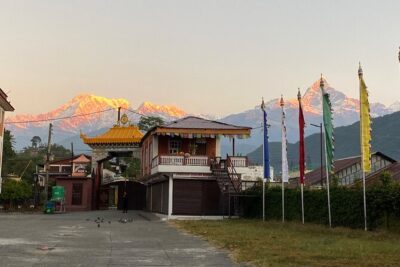
Morning Tibetan cultural tour to Tibetan settlements Pokhara
Read our review →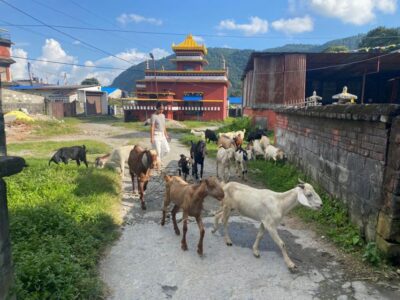
Morning Half Day Tibetan cultural tour to Tibetan Settlements
Read our review →
Browse the lists this tour appears in