
Reviewed · HIKING & TREKKING
Independent Trekking Guide in Pokhara
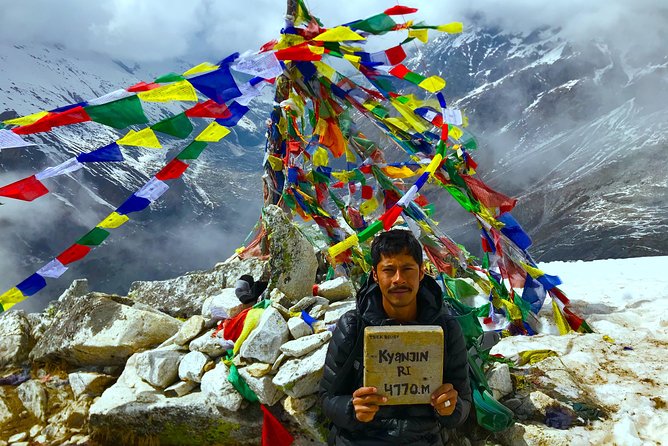
The best part of this Pokhara trekking service is that you are not forced into a fixed route. Guide Roshan first asks about your time, fitness, and interests, then helps you choose an Annapurna trek that fits. I like the private format and the practical gear loan, especially the sleeping bags, poles, waterproof ponchos, and head lamps.
I also like that the guide brings binoculars and a professional camera, and can explain Nepal’s nature, culture, geography, and local economy along the way. The main catch is price clarity: $50 covers one guide day, not a five-day trek, and food, lodging, permits, and transport are extra unless you choose a full package.
Key points to know before you book
- A custom Annapurna plan: Choose the trekking length and route after discussing your ability and interests with the guide.
- One-day pricing: The advertised $50 per group covers one day of guiding for up to eight people, not the full trip.
- Useful shared gear: Trekking poles, sleeping bags, rain ponchos, and head lamps are provided for trekkers.
- Photography on the trail: The guide carries a Canon 5D Mark IV with a landscape lens and 8×21 Bushnell binoculars.
- Optional porters: Porters cost $20 per porter per day and can carry up to 20 kilograms of luggage.
- Flexible booking: You can change to another trek or cancel free after contact, subject to the formal 24-hour cancellation rule.
A trek from Pokhara can be simple on paper and complicated in practice. You need to choose a route, check permits, arrange transport, find tea-house rooms, plan meals, judge your walking ability, and decide how much luggage you really want to carry. This independent guide service handles those moving parts while leaving the route open.
The advertised experience lasts about five days, but that is not a fixed itinerary. The guide says you choose the trekking days, so you might arrange a shorter walk or a longer route. The Annapurna region offers plenty of choice, and that flexibility is useful if you are unsure which trek matches your fitness or available time.
The service has a 4.8 rating from 46 reviews, with 96 percent recommending it. The most strongly praised quality is personal care. One especially positive account names Roshan and describes him as attentive, generous with his time, and eager to make the trek run well. That matters on a private trek, where your relationship with the guide shapes the whole trip.
Choosing the right trek from Pokhara
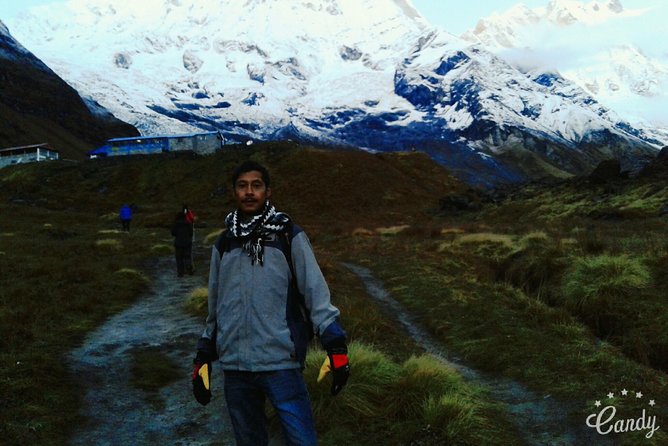
You do not book one tightly scripted walk with named stops. Instead, you explain what you want, and the guide recommends a suitable trek. This is a real advantage if you are comparing routes for the first time.
Tell the guide how many days you have, how much walking you normally do, and what matters most to you. You might care about mountain views, local culture, photography, tea-house life, or simply a manageable introduction to trekking. The guide can then suggest an option rather than leaving you to sort through a long list of route names.
The service focuses on treks starting from Pokhara in the Annapurna region. Annapurna Circuit arrangements can include pickup from Kathmandu, while other treks begin from Pokhara. That distinction is important. If you are arriving in Kathmandu and want to start near Annapurna, confirm the pickup plan before booking.
The guide also handles more than walking directions. Depending on the package you choose, arrangements can include permits, road transport, rooms, and food. You still need to confirm the exact route, number of days, and total cost before setting out.
A few more things to do in Pokhara worth a look
- Poon hill Trek 3 days
★ 5.0 · 176 reviews - Trekking in Annapurna/Langtang/Everest/Upper Mustang regions
★ 5.0 · 161 reviews - Pokhara: 4-Day Ghorepani, Poonhill & Ghandruk Mountain Trek
★ 5.0 · 132 reviews
What a five-day plan may look like
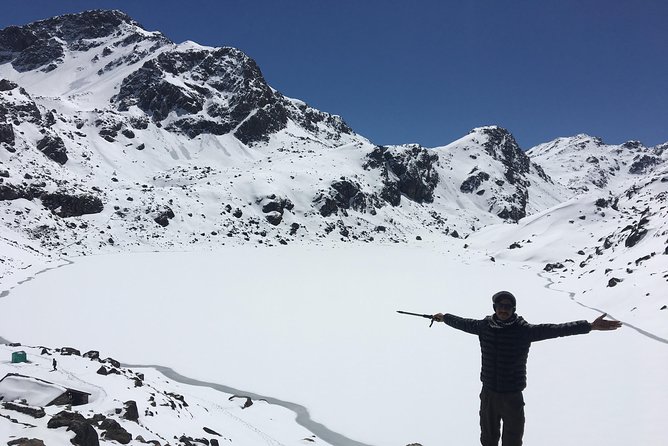
There is no fixed stop-by-stop program, so I would treat five days as a planning frame rather than a promise of specific villages or viewpoints. The guide can shape the schedule around your chosen route and ability.
Day one: pickup, planning, and the trailhead
Your stated start time is 8:00 a.m. For treks beginning in Pokhara, the guide arranges or advises on the transport to the starting point. The morning is also when practical details matter most: permits, luggage, equipment, food arrangements, and the pace for the first walking day.
A private guide can adjust the start and daily rhythm for your group more easily than a large scheduled tour. Still, ask exactly what transport is included. Basic guiding at $50 per group does not automatically include your vehicle, tickets, permits, meals, or rooms.
Middle days: walking through the Annapurna region
The center of the trip is the walk itself, with nights in tea houses along the trail. The guide says lodging and food can be arranged in the best tea houses on each route, but these costs are not included in the basic guiding fee.
That separation gives you choice, but it also means you need a proper budget. A low guide price can look like a full trek price if you read too quickly. It is not. The guide’s food, accommodation, and insurance are covered, while your own food and accommodation are separate unless you book the full package.
During the walking days, the guide can discuss Nepal’s natural setting, local culture, geography, and social and economic life. If you are interested in photography, he also offers advice on taking mountain photographs. The camera and binoculars are useful extras, though you should see them as additions rather than substitutes for your own equipment.
Same base, a different kind of day:
- ZipFlyer Nepal – The World’s Steepest Zip-line
★ 5.0 · 608 reviews - Bungee Pokhara by HighGround Adventures
★ 5.0 · 366 reviews - From Pokhara: Sarangkot Sunrise Himalayas Tour
★ 4.7 · 218 reviews - ATV Adventure Tour in Pokhara, Nepal
★ 5.0 · 194 reviews
Final day: return arrangements
The return depends on the chosen trek and the transport plan. Before you begin, confirm where the walking ends, how you return to Pokhara or Kathmandu, and whether the ride is part of your price.
This is especially important for a short five-day trip. A long road transfer can take a large part of a day, leaving less time on foot than the headline duration suggests. The flexible format lets the guide discuss that tradeoff with you, but you need to ask about it directly.
Why the private format matters
This is a private activity, so only your group takes part. The listed rate covers a group of up to eight, which can make the $50 daily guide charge good value if you fill the group. For one or two people, the same fee is still reasonable for personal planning, but the total cost of rooms, meals, permits, transport, and optional porters becomes more noticeable.
Private guiding is most useful when group members have different comfort levels. You can discuss a slower pace, a shorter trekking day, or a route change without waiting for a large party. The guide also says you can change to another trek or cancel free after contact, which gives you room to rethink the original plan.
There is one point to clarify. The full package is described as available for groups of up to 50 people, while the listed private activity is for up to eight. Those may be separate arrangements. Ask for a written price and group limit if you have more than eight people.
What is included for your comfort
Several supplied items make a difference in the mountains. You receive trekking poles, a sleeping bag, a pair of waterproof rain ponchos, and a head lamp. These are practical pieces, not decorative extras.
A sleeping bag can save you from packing bulky bedding. Poles can help on uneven paths and descents. A rain poncho protects both you and part of your pack when weather changes. A head lamp is useful when a walking day starts early or ends later than planned.
The guide also carries 8×21 Bushnell binoculars and a Canon 5D Mark IV DSLR with a landscape lens. The camera gives the guide a way to offer photography help and possibly photographs from your trek. The description promises cool trek photographs, but it does not state how many images you receive or how they are delivered. Ask if that matters to you.
The guide’s own food, accommodation, and insurance are included. Your own costs are not part of the basic rate. That distinction is easy to miss, so write down the complete price before confirming.
Porters, luggage, and the real cost
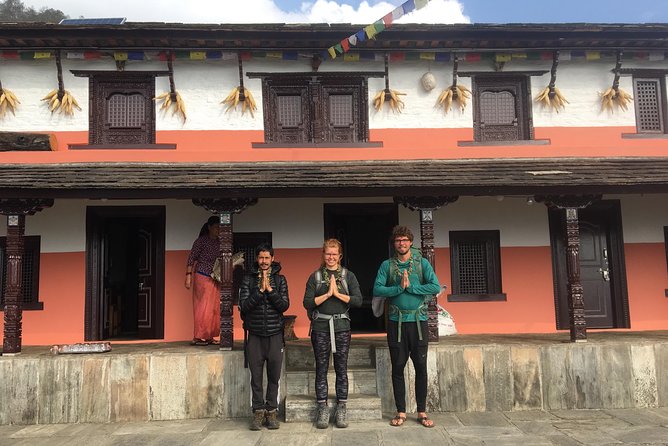
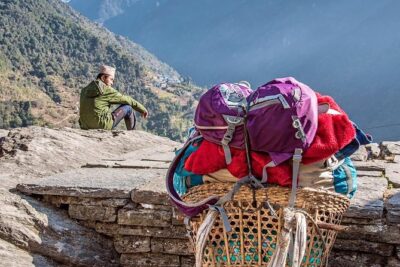
Porters are available for an extra $20 per porter per day. Each porter can help with up to 20 kilograms of luggage. This can change the feel of a trek, particularly if you are carrying camera gear, warm clothing, or equipment for several days.
Do not assume one porter covers an entire group’s bags. The stated limit is 20 kilograms per porter, so calculate your load and ask how many porters the guide recommends. Also clarify what happens on transport days and whether the porter fee applies to every trekking day.
Tips for porters are expected, though the guide says tipping him is not compulsory. You should budget for porter tips if you use their help. The service’s low headline price makes the full cost depend heavily on these added arrangements.
A full package can include guides, porters, food, accommodation, transport, and trekking permits. The provider says this package is highly recommended and can serve groups of up to 50. For many people, a package will be easier to budget. For others, paying only for guiding may be better if they already have rooms or prefer to arrange meals and transport themselves.
The guide’s extra knowledge
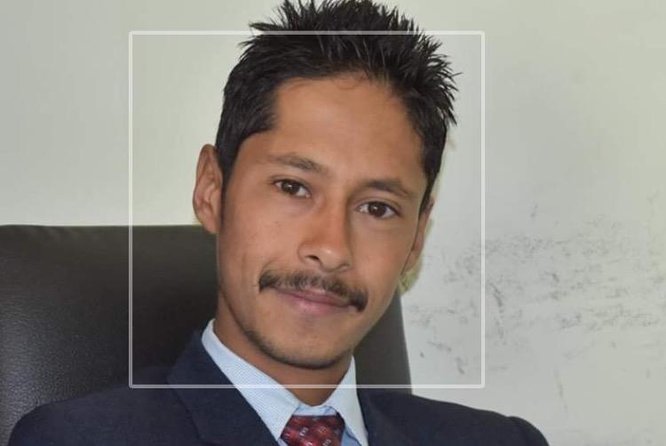
The guide is described as a trekking guide trainer from Nepal’s Ministry of Tourism and a landscape photographer. He says he has trained hundreds of trekking guides in Nepal. Those credentials may appeal to you if you want more than route-finding.
The photography angle is particularly unusual for a guiding service. You can ask about framing, light, and mountain views while walking, and the guide carries a professional camera and binoculars. You should not book this as a dedicated photography workshop, since the main service remains trekking guidance and trip organization.
The cultural and geographical explanations may also make the walking more meaningful. Instead of treating the trail as a string of viewpoints, you can ask about the people, places, natural features, and local economy around you. The amount of explanation will depend on your interest, so speak up if you want more context.
Fitness, weather, and safety
You need a moderate level of physical fitness. The service is not presented as a sightseeing ride with occasional walks. You will be trekking in the Himalayan region, and the number of walking days and difficulty should be discussed before booking.
The guide says he prepares as much as possible for safety and supplies basic items that can help in changing conditions. That is useful, but it does not replace trekking insurance. Your visa fees and trekking insurance are not included, and trekking insurance is specifically recommended.
Weather can affect the plan. The experience requires good weather, and a cancellation caused by poor conditions offers you another date or a full refund. If you cancel yourself, you must do so at least 24 hours before the start time for a full refund. Changes made less than 24 hours before departure are not accepted.
Who will get the most from this service
I would choose this guide if you want a personal route discussion rather than a preset package. It suits a couple, family, or small group that wants to set the pace and decide how much support to buy.
It is also a good match if you are uncertain about Annapurna routes. You can book first, discuss your needs, and then change to another trek or cancel free after contact, according to the stated terms.
Photography fans may appreciate the camera, binoculars, and explanations. Groups carrying heavier bags may find the optional porters worth the added cost. The service is less suitable if you want one all-inclusive price without sorting out details. In that case, request the full package from the beginning.
Booking advice for the $50 rate
The $50 price is per group, per day, for up to eight people. It is not the cost of the five-day trip. For a group of eight, the daily guide fee is modest when split among everyone. For a solo trekker, it is still a direct way to secure private help, but additional costs will shape the final budget.
This service is booked an average of 93 days ahead, so planning early is sensible, especially if your dates are fixed. Before you pay, ask for these details in writing:
- The exact trek and number of walking days
- Your total cost for food, rooms, permits, and transport
- Whether pickup is from Pokhara or Kathmandu
- The number and cost of porters
- What photographs are supplied
- Which equipment sizes and types are available
- The final group limit for your party
The experience starts at 8:00 a.m. and pickup is offered, but the exact meeting point and transfer details should be confirmed for your route.
Should you book this Pokhara trekking guide?
Book it if you want a flexible private trek and appreciate help making the route choice. Roshan’s reported strengths are personal attention, care on the trail, photography, and broad knowledge of Nepal. The free gear is useful, and the option to add porters lets you control both comfort and cost.
Do not book it on the assumption that $50 buys five days of trekking. It buys one day of guiding. Get the complete price for your route before committing, and make sure you have trekking insurance.
For a small group that wants an adaptable Annapurna plan, this service offers strong value. For anyone who prefers fixed dates, fixed stops, and one simple total, the full package is the safer choice.
FAQ
How much does the independent trekking guide cost?
The advertised price is $50 per group, for up to eight people, for one day of guiding. It is not the price for the entire five-day experience.
Does the price include my food and accommodation?
No. Food and accommodation for trekkers are not included in the basic guiding price. They can be included if you book a full package.
Are trekking permits and transport included?
Not in the basic price. Trekking permits, tickets, and transport can be included in a full package booking.
Where do the treks begin?
Most treks start from Pokhara. For the Annapurna Circuit, Langtang, and Gosaikunda treks, pickup from Kathmandu is available.
What equipment is provided?
The guide provides trekking poles, sleeping bags, a pair of waterproof rain ponchos, and head lamps for trekkers. The guide also carries binoculars and a Canon 5D Mark IV DSLR with a landscape lens.
Can I hire a porter?
Yes. Porters cost $20 per porter per day and can carry up to 20 kilograms of luggage.
What fitness level do I need?
You should have a moderate level of physical fitness. The exact demands depend on the trek and number of walking days you choose.
Can I cancel for a full refund?
Yes, if you cancel at least 24 hours before the experience start time. Cancellations made less than 24 hours before the start are not refunded. If poor weather causes the provider to cancel, you are offered another date or a full refund.
Just added in Pokhara
- Tandem Paragliding in Pokhara★ 4.8 · 8 reviews
- Seti George and Thrilling Suspension Bridge Tour at Pokhara★ 4.5 · 3 reviews
- Pokhara: Suspension Bridge Private Tour- 30 Min Village Walk★ 4.8 · 9 reviews
- Pokhara: Visit Best Seven Tourist Destination by Sharing Bus★ 3.4 · 10 reviews
- Pokhara: Sunrise Tour to Sarangkot★ 5.0 · 3 reviews
- Pokhara Sightseeing By Bus: Day Trip★ 4.6 · 7 reviews
- Pokhara Sightseeing By Bus – Day Trip★ 3.2 · 8 reviews
- Pokhara Sarangkot : Cable Car (Himalayas) Sunrise Tour★ 5.0 · 6 reviews
Hiking & Trekking, compared.
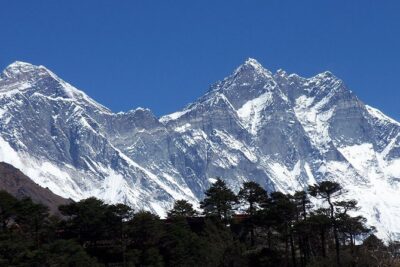
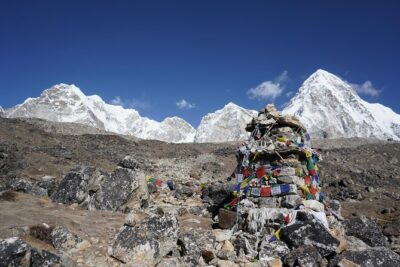
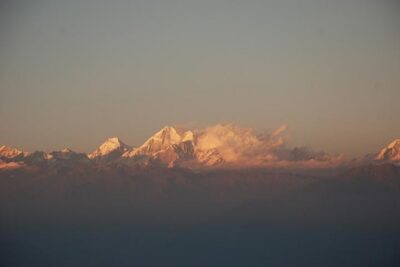
Nagarkot Sunrise View and Day Hiking from Kathmandu
Read our review →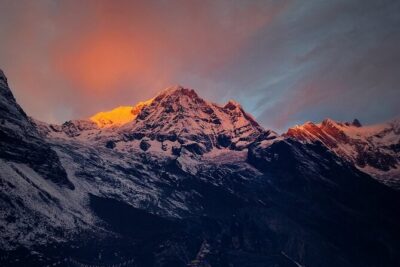
Trekking in Annapurna/Langtang/Everest/Upper Mustang regions
Read our review →Browse the lists this tour appears in