
Reviewed · FOOD & DRINK
Kathmandu: Food and Drink Tour
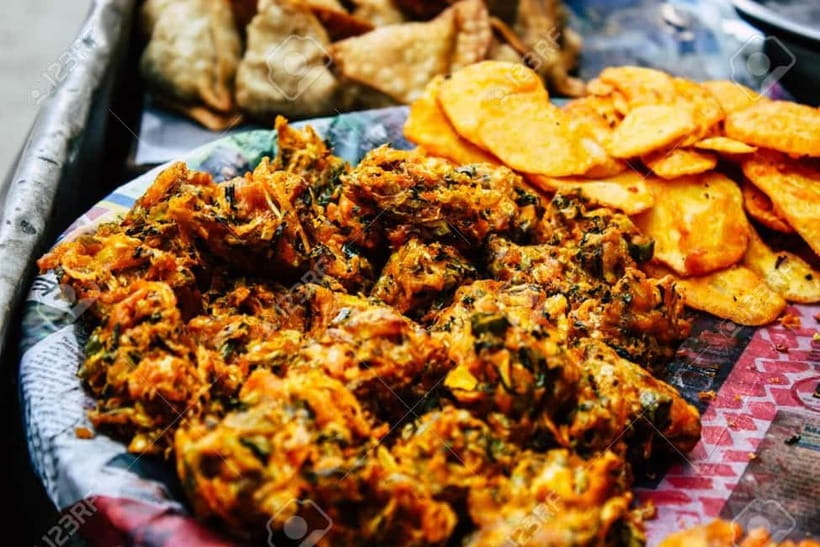
Kathmandu’s best food lesson may come one small plate at a time. This three-hour walk takes you from steamed momo and sharp dipping sauces to sel roti, Newari snacks, and refreshing sugar cane juice. You eat in local spots rather than simply looking at menus, while your guide explains the customs and stories behind each dish.
I like the wide range of tastings, which lets you try foods you might not recognize on your own. I also like the personal touch: guide Deepak is known for choosing favorite places, explaining family stories, and giving useful advice about Kathmandu beyond the meal. The main consideration is simple: nine or more tastings can leave you very full, so arrive hungry and do not plan a large dinner afterward.
Key points at a glance
- Nine or more Nepali tastings: Try momo, sel roti, Newari snacks, sugar cane juice, and more.
- A walking food lesson: Move through Kathmandu streets and alleyways while learning how food connects with local customs.
- Deepak may be your guide: His tour style is calm, kind, and full of practical food and Nepal advice.
- Good value at $21: The price covers the guide and at least nine traditional samples, though transport and extra purchases cost more.
- Flexible format: Choose a group outing or a private tour, with English, Nepali, Hindi, and Chinese available.
- Simple meeting point: Wait outside Kaiser Library, not at the nearby Garden of Dreams.
Starting at Kaiser Library, not Garden of Dreams
The tour begins at Kaiser Library, a central meeting point in Kathmandu. Wait in front of the library and keep your phone ready, since the guide is expected to call or message at the start time.
This detail matters because the Garden of Dreams is nearby but different. Do not wander there by mistake, especially if you are trying to avoid an entry fee. Kaiser Library opens Sunday through Friday and has free entry, so you can look around while waiting if you arrive early.
You are responsible for getting to the meeting point. If you want accommodation pickup, share your location after booking. A driver can be arranged, with payment made directly to the driver. That is useful if you are carrying luggage, traveling with family, or staying outside the most convenient central area, but it is an extra cost.
Once everyone is together, the guide sets off on foot. Wear comfortable walking shoes. Kathmandu streets and alleyways are part of the experience, but food stops are the main event rather than a formal sightseeing route.
A few more things to do in Kathmandu worth a look
- Kathmandu Food and Drink Walking Tour
★ 5.0 · 266 reviews - Kathmandu: Food and Drink Walking Tour
★ 4.9 · 119 reviews - Walking Street Food Tour in Kathmandu
★ 5.0 · 111 reviews
Momo, sel roti, and the first taste of Nepal
Momo is likely to be one of the most familiar dishes on the route, but the point is to try it in its local setting. These steamed dumplings come with dipping sauces, and the sauce can change the whole bite. One particularly useful detail is that the tour includes enough food to make you seriously full, not just a token sample at each stop.
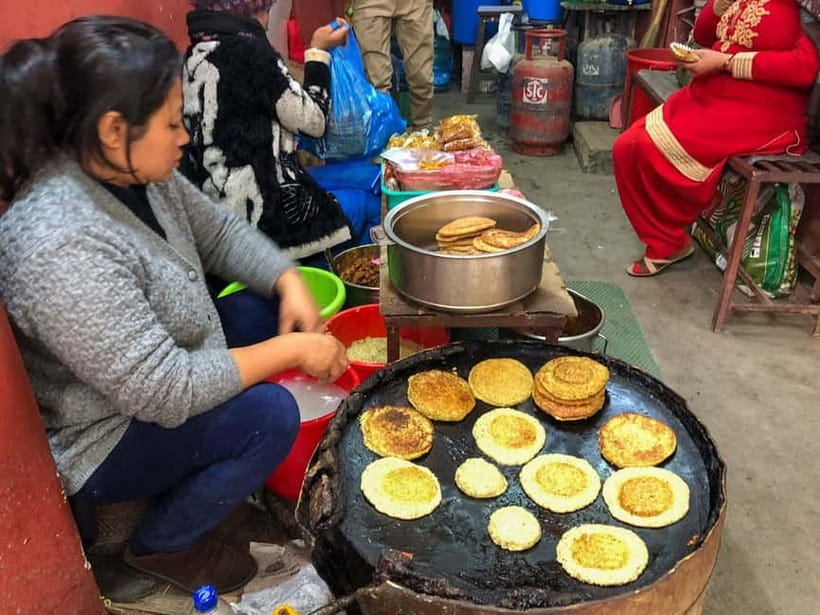
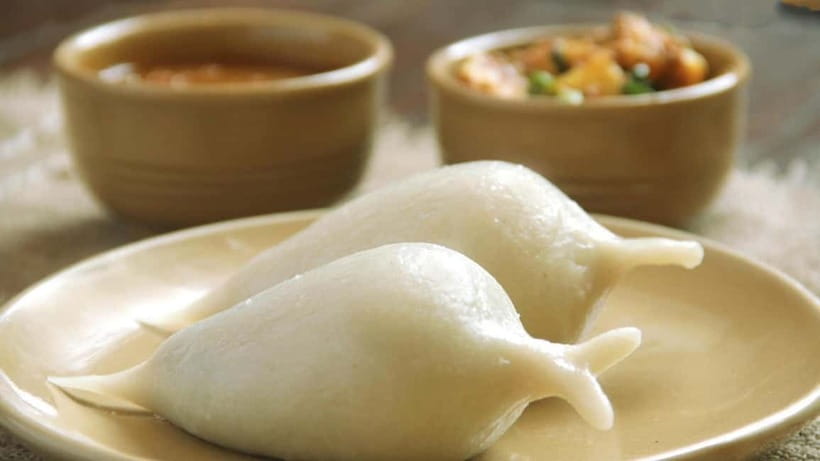
Sel roti gives you a different side of Nepali cooking. This traditional rice-based ring is crisp outside and soft inside, making it a useful contrast to steamed momo. You will also taste Newari snacks, bringing the food walk into Kathmandu Valley’s own culinary traditions.
The precise order of dishes can vary, and the activity description does not promise a fixed restaurant-by-restaurant menu. That is not necessarily a drawback. A food tour works best when the guide can adjust the route and choose places that are open and serving well that day. Still, you should book for the overall range rather than expecting a printed list of nine named dishes.
The stops may include drinks such as tea, coffee, beer, wine, or sugar cane juice, but do not assume every drink is included. The included part is the guided tour and at least nine traditional Nepali samplings. Extra food and drinks, along with personal purchases, are your responsibility.
Stories behind the food, not just quick samples
Food is the useful bridge here. You are not only handed a plate and sent onward. The guide explains local traditions and the story behind each bite, helping you understand why a snack matters as well as how it tastes.
That context is especially valuable with Newari food. If you are unfamiliar with Kathmandu’s food culture, several dishes may be difficult to identify from a menu. A guide can make the experience less intimidating and point out things you might otherwise skip.
Deepak is specifically associated with this experience. If he leads your tour, expect a calm and friendly style, with explanations about restaurants, family connections, and the food itself. He is also described as having eaten at nearly every place in Kathmandu, then selecting personal favorites. That makes the tour feel more like a local food introduction than a checklist of famous dishes.
I would use the guide for questions beyond the scheduled tastings, too. Ask for advice about other Nepali foods, places to eat, or customs you have noticed in Kathmandu. The guide also shares general tips about Nepal and the city, which can help during the rest of your trip.
A three-hour walk with a generous amount of food
The advertised duration is three hours. The main Kathmandu portion is listed as about two hours, with the full experience including the start, walking, food stops, and return to Kaiser Library. Allow the entire three-hour window rather than trying to fit a tight appointment immediately afterward.
The route includes time for tasting, short breaks, walking, and local sightseeing. It may also involve markets, street food areas, and small restaurants. The food is the focus, but the movement between stops gives you a closer look at daily life than a meal in a hotel dining room would.
The pace should suit most people who can walk around the city for several hours. Wheelchair access is listed, which is important, but Kathmandu streets and alleyways can still vary in surface and width. If you use a wheelchair, discuss route needs with the provider before the start so the guide can plan appropriately.
The tour runs in all weather. That is helpful for fixed itineraries, but it also means you should dress for the forecast. Comfortable footwear matters more than dressing up, and a light rain layer is sensible during wet weather.
Same base, a different kind of day:
- Everest Base Camp Trek – 14 Days
★ 5.0 · 1,499 reviews - Private Kathmandu Sightseeing Tour | UNESCO World Heritage sites
★ 5.0 · 756 reviews - Everest Base Camp Helicopter Tour landing at Everest View Hotel
★ 5.0 · 668 reviews - Half day cooking class in Thamel kathmandu
★ 5.0 · 607 reviews
Why $21 can be good value
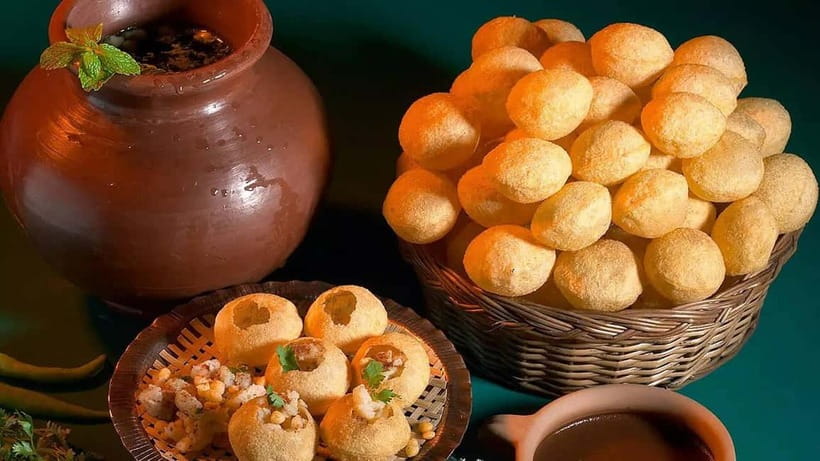
At $21 per person, the price is reasonable if you take advantage of the full spread of food. You receive a guide, cultural explanations, and at least nine traditional samples. Buying nine separate tastings, while also paying someone to explain the dishes and lead you through unfamiliar streets, could easily cost more in time and trial-and-error.
The value is strongest for a first visit to Kathmandu. You get a quick survey of several food styles, from momo to Newari snacks, and can decide what you want to seek out again. It also works well if you are cautious about ordering unfamiliar dishes. You can try small portions with guidance instead of committing to a full meal you may not understand.
There are costs outside the advertised price. You pay for your own transport to and from Kaiser Library, any optional pickup, personal expenses, and additional food or drinks. The description also mentions group and private formats, but it does not provide group-size details or a private-tour surcharge. Check those points before booking if privacy or a small party is important to you.
The quantity is part of the value, but it can also be the catch. The portions are described as generous, with enough food that you may have leftovers to take away. If you prefer light grazing, tell the guide at the start and ask how to pace yourself.
Food hygiene and dietary planning

Food safety is a sensible concern on any street-food walk. The food here is served at selected local restaurants and food stops, and the experience is designed around prepared tastings. Still, normal care applies: tell the guide about allergies and dietary restrictions before eating.
Do not wait until the final stop to mention a serious allergy. The guide needs to know early, since dishes, sauces, and shared cooking spaces can vary. The tour promises cultural insight and tastings, but the available information does not promise a separate vegetarian, vegan, gluten-free, or allergy-free menu.
Sugar cane juice offers a refreshing break from heavier foods. Momo with dipping sauces, sel roti, and Newari snacks give the tour a good range of textures, but the exact balance depends on the day and route. If you have a small appetite, consider treating some tastings as shared portions if your guide permits.
The tour’s food hygiene was specifically praised in the feedback supplied for this experience. That does not remove the need to state your dietary needs clearly, but it should reassure you that cleanliness is treated as part of the experience rather than ignored.
Group or private, depending on how you like to eat
You can choose a group food tour or a private option. A group outing is likely the better value and can make tasting more social. It also means the guide must keep a pace that works for several people, so you may have less control over time at each stop.
A private tour is useful if you want more room for questions, need to move at a particular pace, or are traveling with family. It may also make dietary discussions easier. The supplied details do not state the private price, group size, or whether the route changes, so confirm those details before paying.
Families can fit this experience well. A 12-year-old joined one outing, and the variety gives younger eaters several chances to find something appealing. Just remember that the amount of food can be substantial, and children may need breaks between stops.
The available guide languages are English, Nepali, Hindi, and Chinese. Select the language that will make food explanations easiest for you. Much of the experience depends on understanding the stories and customs, not only tasting the dishes.
Practical planning before you book
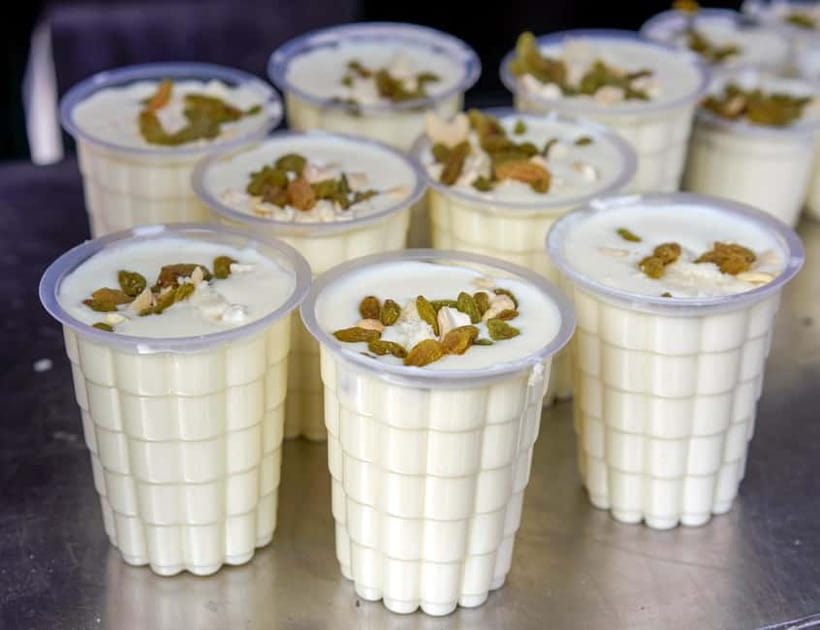
Reserve when you have a free three-hour block. The experience offers reserve-now, pay-later booking, so you can hold a place without paying immediately. You can cancel up to 24 hours before the start for a full refund, which helps if your Kathmandu plans are still shifting.
Bring your phone and keep it available at the meeting time. The guide will contact you, and you can use the guide photo on the company profile to identify the correct person. Avoid strangers who approach you outside Kaiser Library claiming to be art students or guides. The meeting instructions specifically warn about this kind of approach.
The tour operates in all weather, so plan for conditions rather than assuming a dry walk. Comfortable shoes are essential. You may also want room in your schedule after the tour, since the food quantity can make a second full meal unnecessary.
Transportation is not included. If your hotel is close to central Kathmandu, reaching Kaiser Library may be easy. If not, request a pickup quote after booking and pay the driver directly. That keeps the headline price low, but it means your final spending will depend on your transport choice.
Who should book this Kathmandu food tour?
I would recommend it to first-time visitors who want an efficient introduction to Nepali food without spending days guessing at menus. It also suits curious eaters, families, and anyone who values explanations about local traditions as much as the food itself.
It is a good choice if you enjoy walking through ordinary city streets and eating in local restaurants rather than sitting in a polished tourist venue. The guide’s personal knowledge, especially when Deepak leads, adds value because you hear about favorite places and the stories connected to them.
I would hesitate only if you have strict dietary restrictions that the provider cannot confirm in advance, dislike walking, or prefer to control every dish and portion. The menu is broad but not fully specified, and the food quantity is generous. This is a tasting tour for hungry people, not a light coffee outing.
Should you book it?
At $21, this is a strong-value way to get your first bearings with Kathmandu’s food. You receive at least nine tastings, a three-hour guided walk, cultural explanations, and the chance to try dishes you might otherwise miss. The strongest features are the variety, the personal guide stories, and the generous portions.
Book it if you want a friendly introduction to momo, sel roti, Newari snacks, and other local flavors, and if you are happy to let the guide shape the route. Before booking, confirm your dietary needs, transport plan, tour format, and the exact meeting point. Arrive hungry, wear good shoes, and keep dinner plans modest.
FAQ
How long is the Kathmandu food tour?
The advertised duration is three hours. The main Kathmandu touring and tasting portion is listed as about two hours, with the experience beginning and ending at Kaiser Library.
Where does the tour meet?
Meet in front of Kaiser Library. Wait outside and keep your phone available for a call or message from the guide.
Is Kaiser Library the same place as the Garden of Dreams?
No. Kaiser Library and the Garden of Dreams are different locations. Do not go to the Garden of Dreams for this meeting, since it has a paid entry fee.
How many foods are included?
The tour includes at least nine traditional Nepali samplings. Listed examples include momo, sel roti, and Newari snacks.
Is transportation included?
No. Transportation to and from the meeting point is not included. Accommodation pickup and drop-off may be arranged separately, with payment made directly to the driver.
Can I request a private tour?
Yes. The experience is available as either a group food tour or a private food tour. The supplied details do not state the private-tour price or group size.
What languages can the guide speak?
Guides are available in English, Nepali, Hindi, and Chinese.
What should I bring or tell the guide?
Wear comfortable walking shoes and tell the guide about food allergies or dietary restrictions. The tour operates in all weather, so dress for the conditions.
Just added in Kathmandu
- Kathmandu to Chitwan Tour by Tourist Bus – A Convenient and Affordable Way★ 4.0 · 4 reviews
- Changunarayan Hill to Telkot Hike Near Kathmandu Day Tour★ 5.0 · 6 reviews
- Mt Everest Base CampTrek | Budget Package★ 5.0 · 4 reviews
- Chitwan Jungle Safari 3-Day Tour★ 5.0 · 9 reviews
- Chandragiri Hill Station Tour by Cable Car★ 5.0 · 4 reviews
- Chandragiri Hills cable car day trip, private car with driver from Kathmandu★ 5.0 · 8 reviews
- Chandragiri to Taudaha Nature Day Hiking from Kathmandu★ 5.0 · 13 reviews
- Chandragiri Cable Car & Monkey Temple Private Guided Day Tour★ 5.0 · 5 reviews
Food & Drink, compared.
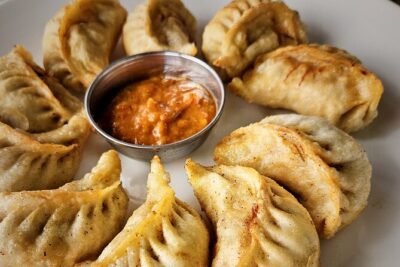
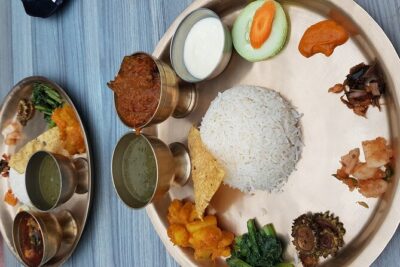

Secret Food Tour – Food Bites and Sights Kathmandu 14+ Testings
Read our review →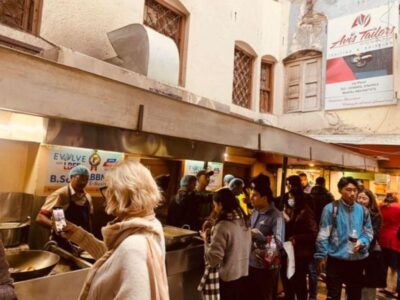
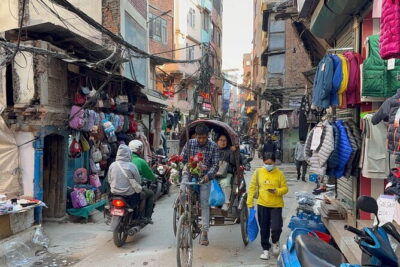
Kathmandu Food & Drink and Shopping Rickshaw Tour
Read our review →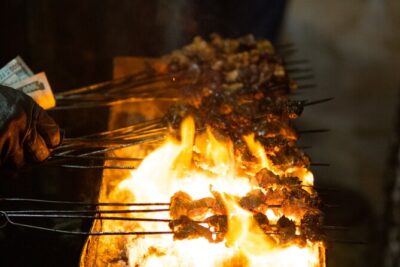
Walking Food Tour in Hidden Local Eateries of Kathmandu
Read our review →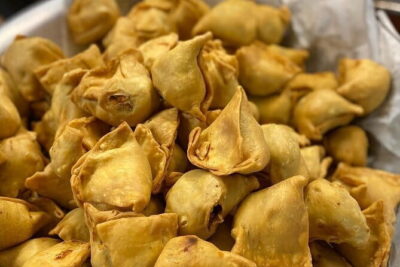
Taste Nepali Food & Drink- Walking Tour in Thamel
Read our review →Browse the lists this tour appears in