
Reviewed · KATHMANDU FOOD TOURS
Kathmandu Secret Food Crawl & Local Market Tour
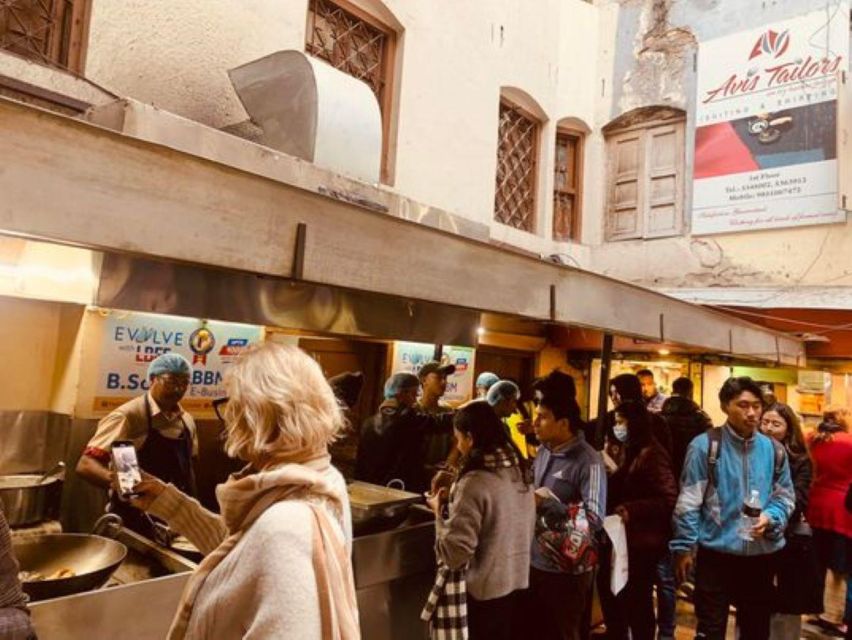
Kathmandu’s best food often hides in plain sight: a small stall in a narrow lane, a market counter with no tourist sign, or a Newari dish you might not order without help. This two-hour walk takes you through Ason Bazar, Kathmandu’s oldest local market, and pairs its crowded lanes with a generous run of Nepali snacks and drinks.
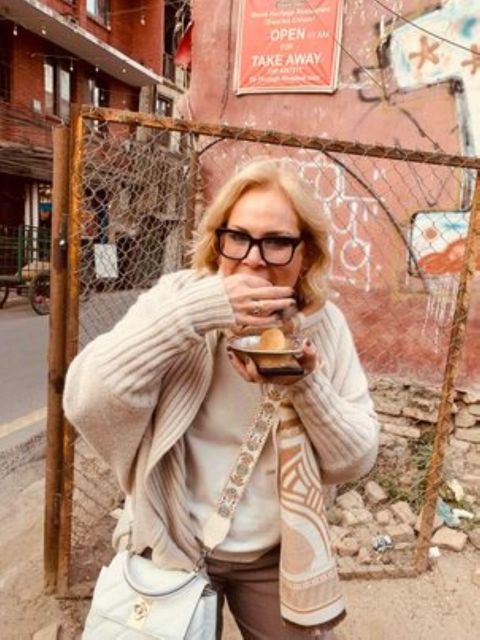
I like two things right away. First, you get at least five food items with drinks, and the stops can include everything from momos and lassi to laphing, pani puri, chatamari, and Newari specialties. Second, the guide explains the customs, religions, clothing, and daily life behind the food, so this is more than a quick eating tour. The possible drawback is that two hours can feel rushed, especially if you want time to browse every market lane.
Key points at a glance
- Ason Bazar is the cultural center of the walk: You pass through Kathmandu’s oldest local market while seeing traditional shops, crafts, and everyday commerce.
- Expect a serious amount of food: The package includes at least five foods and drinks, and some routes serve eight or nine small tastings.
- Newari cooking is the star: Look for dishes such as yomari, samay baji, chatamari, and spiced buffalo preparations.
- Your guide makes unfamiliar food easier: Guides such as Santosh explain what each dish is, how it fits Nepali culture, and where locals eat it.
- The route reaches beyond tourist dining: Small stalls and back lanes are a major part of the experience, with clean and established vendors selected by the guide.
- The $28 price is strong value: Food, drinks, an English-speaking guide, taxes, and official expenses are included.
Starting at Chhaya Devi Complex
The meeting point is the main gate of Chhaya Devi Complex. That detail matters in Kathmandu, where a clear landmark is much easier than trying to find a shop or alley by street number.
From there, the walk leads toward the local market area and food stops. You do not need transport during the stated two-hour experience, but you should be ready to walk through narrow lanes and busy commercial streets. The route is about seeing the city at street level, not moving from one polished restaurant to another.
An English-speaking guide leads the outing. Santosh is the guide most often named in the tour information, and his role goes well beyond ordering food. He explains dishes, local customs, religion, politics, and the city’s social life in a friendly, conversational way. If you are new to Kathmandu, that background can help you understand what you are seeing almost at once.
The tour is listed for two hours, so keep your schedule realistic. A few minutes spent waiting for food, asking questions, or stopping at a market display can shorten the time available for later tastings. I would book this early in your stay if you want an introduction to Kathmandu, but leave enough space afterward to continue exploring at your own pace.
More eating your way around Kathmandu:
- Walking Street Food Tour in Kathmandu
★ 5.0 · 111 reviews - Secret Food Tour – Food Bites and Sights Kathmandu 14+ Testings
★ 5.0 · 82 reviews - Walking Food Tour in Hidden Local Eateries of Kathmandu
★ 5.0 · 40 reviews
Ason Bazar and the old Kathmandu market
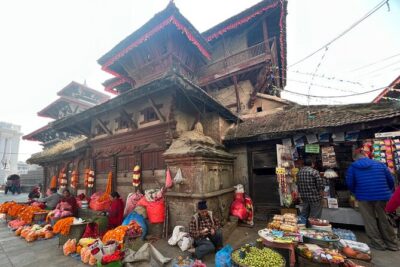
Ason Bazar is the heart of the market section. It is known as the oldest local market in Kathmandu, and the appeal is not simply age. This is where the tour connects food with the working city: shops, household goods, traditional items, crafts, and people carrying on ordinary business.
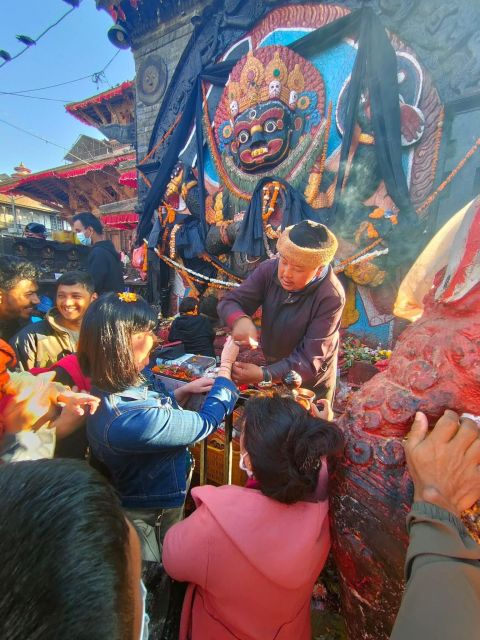
The market also gives you a useful introduction to the Newars, one of the important cultural communities of the Kathmandu Valley. Their traditions shape much of the city’s architecture, festivals, craftwork, and cooking. You may see signs of that culture in the food itself, in traditional clothing, and in the way religious and commercial spaces sit close together.
I like this part because it gives you a reason to look up from your plate. You are not just sampling a dish and moving on. You are learning why certain foods matter and how markets support local life.
There is a trade-off. A market is not a quiet museum. It can feel crowded, noisy, and fast moving, and the food stops may not offer much room to sit. That is part of the experience, but it may not suit you if you want a slow meal in a calm setting.
The Newari dishes worth seeking out
Newari cuisine gives this outing its strongest sense of place. The food is tied to the indigenous Newar community and includes ceremonial dishes, snacks, sweets, pickles, and meat preparations.
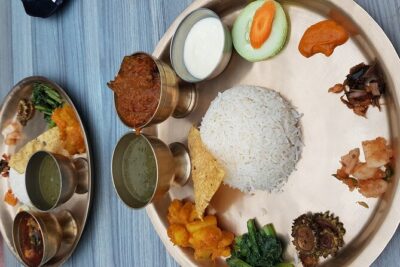
Samay baji is one of the key dishes to look for. It is a platter rather than one single bite, commonly built around beaten rice, spiced buffalo meat, pickles, and other small portions. The variety lets you taste several textures and flavors at once. It also shows how food can be part of ceremony and community life, not just a quick snack.
Yomari offers a different finish. This steamed dumpling is sweet, with a filling made from molasses and sesame seeds. It is an especially useful dish for anyone who assumes Nepali food is all spice and savory meat.
Chatamari is often compared with pizza because it is a thin rice-flour base topped with savory ingredients. The comparison helps, but do not expect Italian pizza. It is a Newari specialty with its own texture and flavor, and it is one of the easier local foods for first-time tasters to appreciate.
The exact sequence can change. The tour promises a minimum of five foods with drinks, but the food examples include enough variety for a much larger tasting: momos, samosas, buckwheat pancakes, lassi, laphing, pani puri, chapati, and Newari dishes. Several outings have included eight or nine separate tastes, so you should not plan a large meal immediately afterward.
Street food in the back lanes
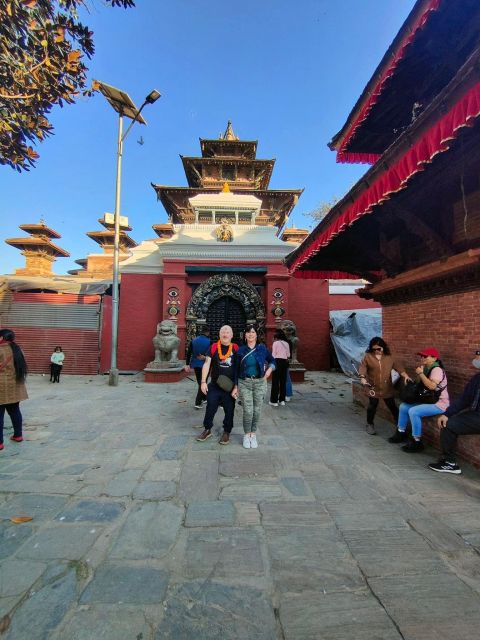
The strongest part of the tour is the move away from places you might find easily on a tourist restaurant list. Your guide takes you to local stalls and small food counters that can be difficult to identify on your own.
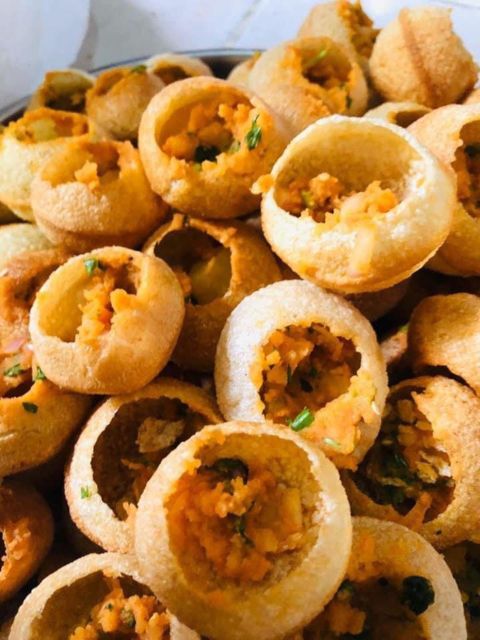
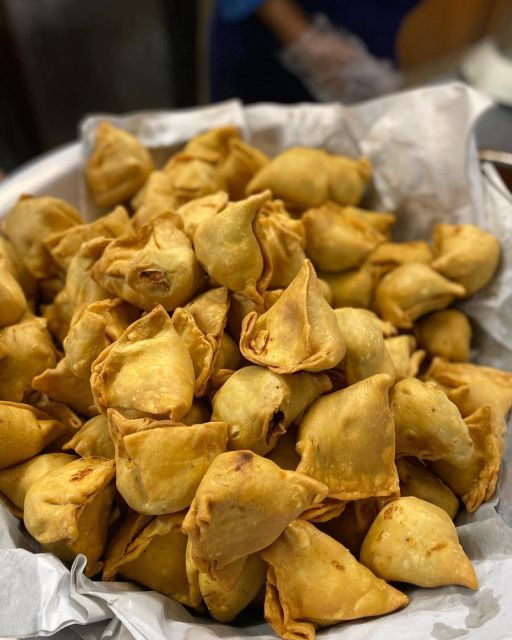
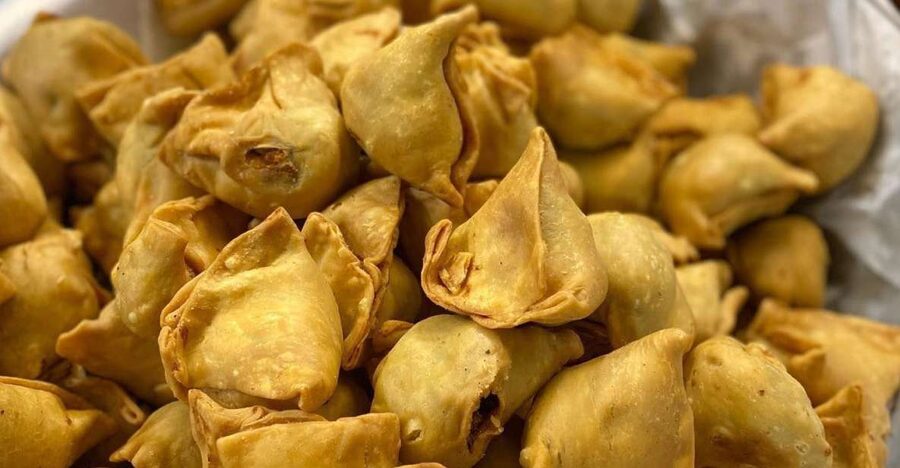
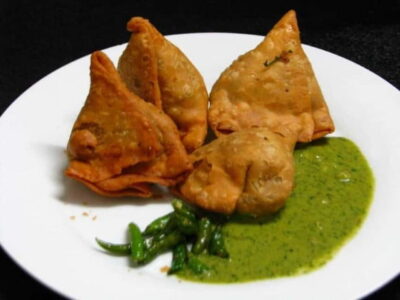
Momos are an obvious starting point. These dumplings appear in many forms across Nepal and the wider Himalayan region, and they are a good way to compare fillings, sauces, and cooking styles. Samosas offer a familiar entry point, while laphing is more distinctive: a cold, spicy mung bean noodle dish that is especially popular among local diners.
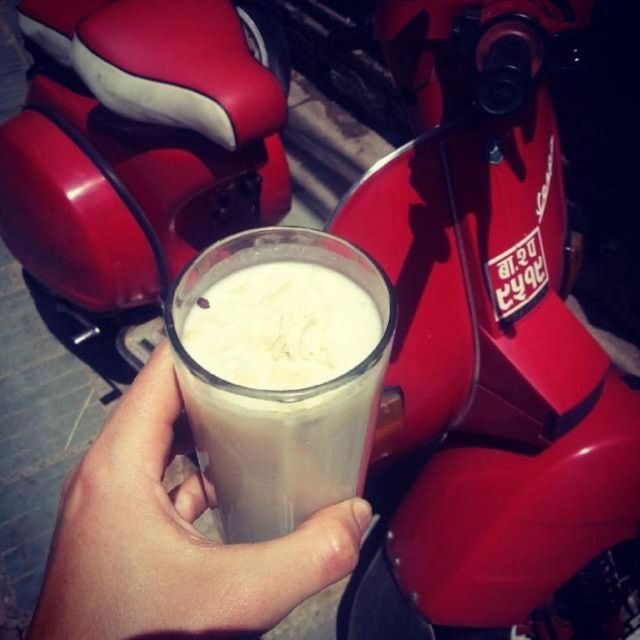
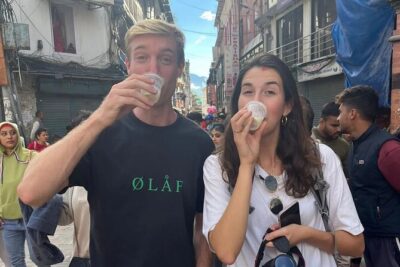
Pani puri brings crunch, spice, and liquid flavor in one small serving. Lassi provides a cool, sweet contrast. Buckwheat pancakes and chapati add more everyday options to the mix. The point is not to find one perfect dish. It is to sample the range of influences that shape Kathmandu food, including Nepali, Tibetan, Indian, and Newari traditions.
I appreciate that the guide chooses places with care. The experience is designed around authentic local vendors, but it also emphasizes food that is fresh and safe to eat. That does not remove every normal risk that comes with street food, and you should still tell the guide about allergies or foods you avoid before the tasting begins. The supplied details do not promise vegetarian, vegan, gluten-free, or allergy-specific menus, so ask before booking if you need those arrangements.
A few more things to do in Kathmandu worth a look
- Kathmandu Food and Drink Walking Tour
★ 5.0 · 266 reviews - Kathmandu: Food and Drink Walking Tour
★ 4.9 · 119 reviews - Kathmandu Food & Drink and Shopping Rickshaw Tour
★ 5.0 · 48 reviews - Kathmandu Food Crawl & Market Tour
★ 5.0 · 26 reviews
How the guide changes the experience
Without a guide, you could walk through Ason Bazar and still miss what makes the food meaningful. A menu may not explain whether a dish is a snack, a festival food, a family specialty, or part of a larger Newari platter.
The guide fills in those gaps. You can ask how a dish is made, when people eat it, and how it fits into Kathmandu’s religious and social traditions. You also get help with unfamiliar ingredients and eating customs. That is particularly useful with dishes such as laphing or samay baji, which may not be obvious choices if you are ordering alone.
The strongest guide feedback centers on patience, warmth, and broad local knowledge. Santosh is described as easy to talk with and willing to adjust when a visitor has another appointment soon afterward. That flexibility is useful, although you should still tell the guide about strict time limits at the start.
The cultural discussion can reach beyond food. Expect conversation about Kathmandu’s religions, society, history, traditional clothing, and even current political matters. If you prefer a tour that sticks only to eating, this may feel like extra material. I see it as a plus, since the market makes much more sense when you understand who uses it and why.
What you may eat in two hours
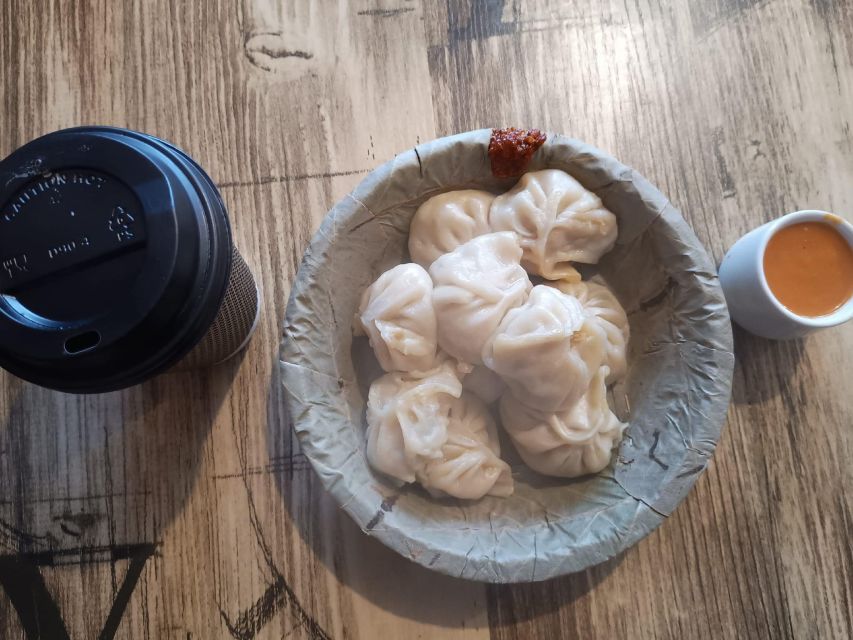
The food is plentiful for the price, and the portions can add up quickly. The official inclusion is at least five food items with drinks, but the possible spread is wider. A typical route may offer a mix of:
- Momos and samosas
- Laphing
- Pani puri
- Lassi
- Chatamari
- Buckwheat pancakes
- Chapati
- Newari foods such as samay baji or yomari
This is not a formal tasting menu with measured portions. It is a local eating route, so the order, serving size, and exact dishes can vary. Some foods are familiar, while others may be completely new to you.
The generous quantity is one of the tour’s best features, but it is also the main practical warning. If you eat a full breakfast or lunch first, you may not have room for the later stops. Come hungry, pace yourself, and tell the guide if you need smaller portions. The supplied details do not promise that every item will be available on every departure.
Is $28 a fair price?
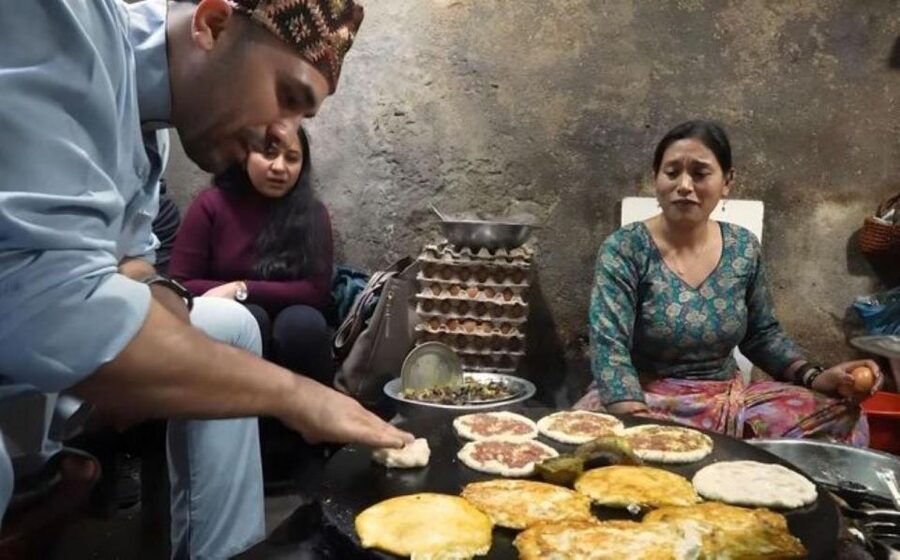
At $28 per person, this is good value if you want both food and interpretation. The fee includes an English-speaking guide, government taxes and official expenses, and all foods and beverages, with a minimum of five items and drinks. You are paying for access to local stalls and for someone to explain what you are eating, not simply for a plate of snacks.
The value improves for solo visitors or first-time visitors who would otherwise order cautiously in unfamiliar places. A guide can help you try more dishes in two hours than you might manage alone, while also pointing out market details you could walk past.
Personal expenses are not included, so bring money for anything you buy separately. The price also does not turn the outing into a private cooking class or a long restaurant meal. If you want a quiet sit-down dinner, this is the wrong format. If you want a compact introduction to Kathmandu’s food culture, the inclusion of several tastings makes the fee reasonable.
Timing, cancellation, and who should book
The tour lasts two hours, and starting times depend on availability. Free cancellation is allowed up to 24 hours in advance for a full refund. You can also reserve now and pay later, which helps if your Kathmandu schedule is still changing.
I would recommend this for food-focused visitors, first-time arrivals, solo visitors who want help choosing stalls, and anyone curious about Newari culture. It also suits people who enjoy walking through markets more than sitting in a restaurant.
You may want to reconsider if you have serious dietary restrictions that have not been confirmed with the provider, if crowds and narrow lanes make you uncomfortable, or if you need a slow pace. The only stated language is English, and the food list is broad rather than fixed.
Should you book the Kathmandu food crawl?
I would book it, especially near the beginning of a Kathmandu stay. The combination of Ason Bazar, lesser-known food counters, and a guide who explains local culture gives you a useful first reading of the city.
Book it for the stories and the range of food, not for a polished restaurant setting. You may finish very full, and you may find a few dishes more challenging than others. That is a fair trade for trying foods you might never locate or order by yourself.
The best choice is to arrive hungry, wear comfortable walking shoes, and keep the rest of the day flexible. At $28, this is a practical way to get your bearings through food, markets, and conversation.
FAQ
Where does the Kathmandu food tour meet?
The meeting point is the main gate of Chhaya Devi Complex.
How long does the tour last?
The activity lasts two hours.
How much does the tour cost?
The listed price is $28 per person.
What food is included?
All foods and beverages are included, with a minimum of five food items and drinks. Possible dishes include momos, laphing, pani puri, lassi, chatamari, samay baji, yomari, samosas, buckwheat pancakes, and chapati.
Does the tour include Newari cuisine?
Yes. Newari cuisine is a central part of the food experience, with dishes such as yomari, samay baji, and chatamari described as possible tastes.
Is a guide included?
Yes. An experienced, friendly English-speaking guide is included. Santosh is one of the guides associated with the experience.
What language is the tour offered in?
The listed tour language is English.
Are taxes included?
Yes. Government taxes and official expenses are included.
Are personal purchases included?
No. Personal expenses are not included in the $28 price.
Can I cancel for a refund?
You can cancel up to 24 hours in advance for a full refund.
Can I reserve now and pay later?
Yes. The booking option allows you to reserve your place and pay later.
More Markets in Kathmandu
- Best Nepali Cooking Class in Thamel with Local Market Trip
★ 5.0 · 26 reviews - Oldest Local Market Walking Tour With Living Goddess Kumari
★ 5.0 · 8 reviews - Half Day Cooking Class in Thamel with Local Market Visit
★ 4.5 · 6 reviews
More Food in Kathmandu
- Kathmandu Food Crawl & Market Tour
★ 5.0 · 8 reviews - Kathmandu: Food, Drink and Shopping Rickshaw Tour
★ 4.7 · 7 reviews - Kathmandu: Taste Nepali Food & Drink- Walking Tour in Thamel
★ 4.6 · 5 reviews - Kathmandu: Food and Drink Tour
★ 5.0 · 5 reviews
Just added in Kathmandu
- Kathmandu to Chitwan Tour by Tourist Bus – A Convenient and Affordable Way★ 4.0 · 4 reviews
- Changunarayan Hill to Telkot Hike Near Kathmandu Day Tour★ 5.0 · 6 reviews
- Mt Everest Base CampTrek | Budget Package★ 5.0 · 4 reviews
- Chitwan Jungle Safari 3-Day Tour★ 5.0 · 9 reviews
- Chandragiri to Taudaha Nature Day Hiking from Kathmandu★ 5.0 · 13 reviews
- Chandragiri Hill Station Tour by Cable Car★ 5.0 · 4 reviews
- Chandragiri Hills cable car day trip, private car with driver from Kathmandu★ 5.0 · 8 reviews
- Chandragiri Cable Car & Monkey Temple Private Guided Day Tour★ 5.0 · 5 reviews
Kathmandu Food Tours, compared.
Secret Food Tour – Food Bites and Sights Kathmandu 14+ Testings
Read our review →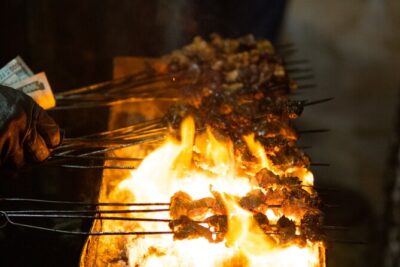
Walking Food Tour in Hidden Local Eateries of Kathmandu
Read our review →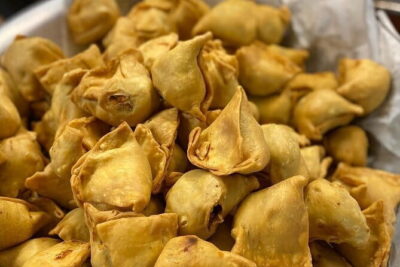
Walking Street Food Tour and 2 UNESCO Sightseeing in Kathmandu
Read our review →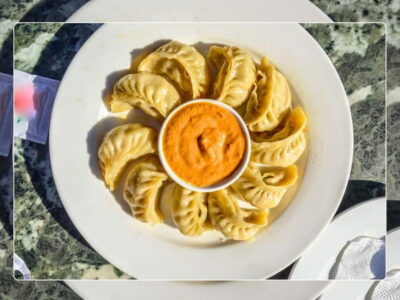
Local Food Tour | Authentic Street Food & Culture
Read our review →Browse the lists this tour appears in