
Reviewed · NEPALI COOKING CLASSES
Half Day Cooking Class in Thamel with Local Market Visit
The best part of this three-hour Thamel cooking class is that you do not simply watch a chef work. You visit a local market, handle the ingredients, cook four dishes, and eat each course while it is still fresh. It offers a useful window into everyday Nepali food, not just a quick plate of momos.
I like the small group of up to eight people, which gives the English-speaking instructor room to guide each cook. I also like the flexible seasoning: you can add plenty of chili, or hold it back if fiery food is not your thing. The main caution is that the market visit may not always happen, especially on a Saturday morning, so confirm this part when you book.
Key points at a glance
- Three menus, four dishes each: You can choose among three traditional menus, and some individual dishes may be switched or adjusted.
- Momos are included: Every menu includes Nepal’s famous filled dumplings, so you will not miss the dish most visitors want to learn.
- Cook, then eat: You prepare one course at a time and taste it fresh before moving on.
- Market visit included: The class is designed to begin with a local look at ingredients, though the market portion may vary by day.
- Personal spice control: Add as much or as little chili and seasoning as you like.
- Strong value at $21: The fee covers ingredients, equipment, instruction, four courses, masala tea, water, and your meal.
Why this class works better than a standard restaurant meal
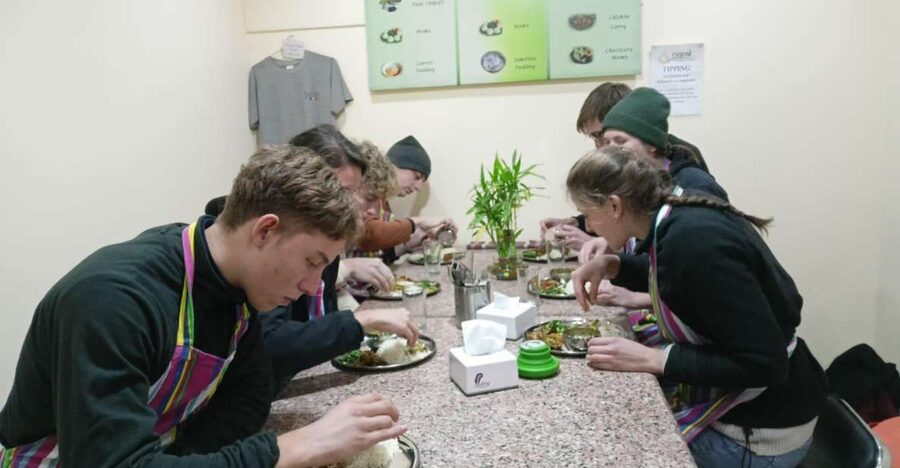
A restaurant meal lets you taste Nepali cooking. This class lets you understand it. You see the ingredients before they reach the kitchen, learn how spices are used, and take part in the work behind each dish.
That difference matters in Nepal. Food is closely tied to home cooking, family gatherings, and local ingredients. A class gives you more context than a menu description ever can. You will leave knowing more about the flavors on your plate and how different ingredients work together.
The format is also practical. The chef takes you through the process step by step, rather than handing you a recipe and leaving you to figure it out. You cook one course and then eat it. This keeps the food fresh and gives you a natural pause between dishes.
It also prevents the common cooking-class problem of preparing a large meal all at once and then eating everything cold. Here, you get a steady rhythm: prepare, cook, taste, and continue.
More cooking and eating in Kathmandu:
- Half day cooking class in Thamel kathmandu
★ 5.0 · 607 reviews - Kathmandu: Local Women-Led Nepali Cooking & Momo Class
★ 4.9 · 360 reviews - Kathmandu: Local Lead Nepali Cooking & Momo-Making Class
★ 5.0 · 212 reviews
Starting in Thamel and heading to the market
The experience begins with a meeting in Thamel. Pick-up is available on foot within the Thamel area, but transport from outside Thamel is not included. If you are staying elsewhere, you will need to make your own way to the meeting point.
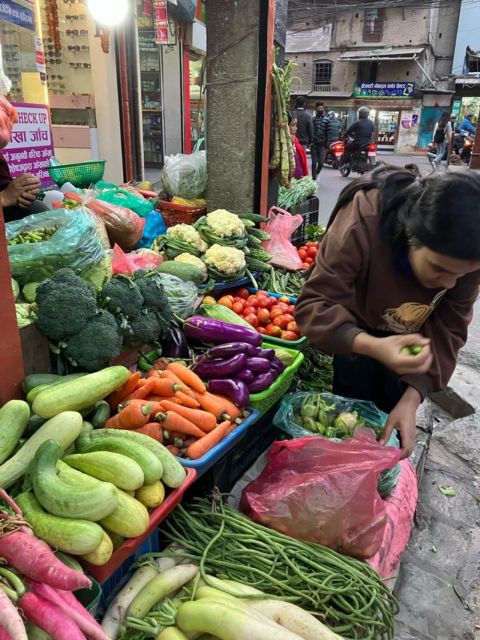
The local market visit is meant to show you the ingredients used in the class. This is where you can start connecting the cooking lesson with daily food shopping in Kathmandu. You may learn about vegetables, spices, and other items before seeing them prepared.
There is one important qualification. The market visit did not take place for at least one Saturday morning session. The reason may have been the day or timing, but it is not guaranteed in every case. If the market is a major reason for booking, ask the school to confirm it before you pay.
Also keep the shopping portion in perspective. A comment about expensive spices suggests you should check prices carefully if you decide to buy ingredients. The class itself may still be good value, but any extra purchases are separate from the $21 activity price.
Three menus with Nepali and Newari flavor
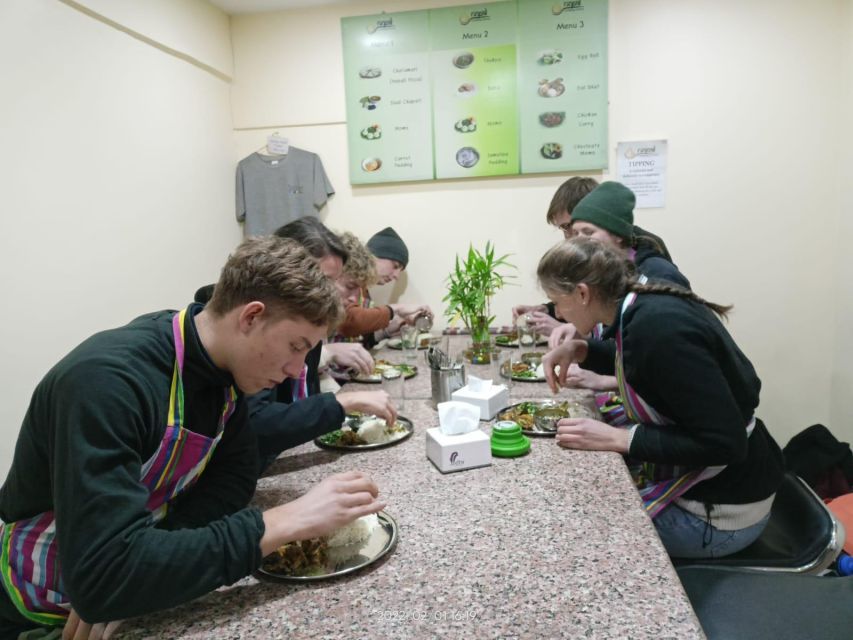
You choose from three different menus, each built around four traditional dishes. This gives the class useful variety, especially if you are traveling with other people who have different tastes.
The food includes both Nepali and Newari cooking. Newari cuisine comes from the Newar community of the Kathmandu Valley and is known for its distinctive spices, snacks, and feast dishes. The class does not present only one narrow version of Nepali food. Instead, it gives you a taste of more than one local tradition.
The menu choice also helps repeat visitors. If you have already eaten a particular dish in Kathmandu, you may be able to choose another menu or swap an item. The available information notes that individual dishes can sometimes be exchanged or adjusted within the menus, though you should confirm the exact choices on the day.
Momos appear on all three menus. That is a smart choice. These dumplings are among Nepal’s best-known foods, and learning how to make them gives the class an obvious centerpiece. You get to taste them in restaurants across the country, but making them yourself helps explain the work involved in shaping, filling, and cooking them.
The exact four dishes depend on your selected menu. That means you should not book expecting one fixed list unless the school provides it at the time of reservation.
Cooking one course at a time
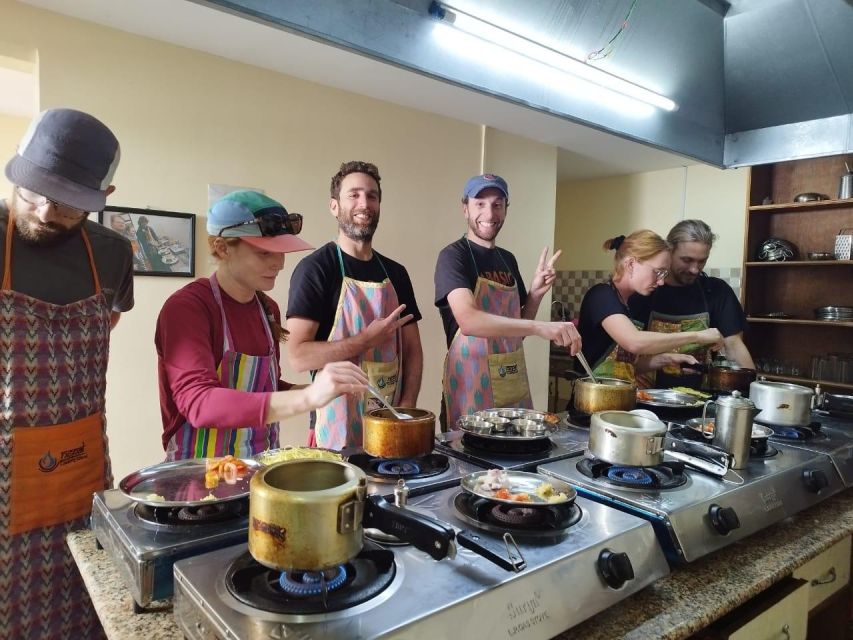
The chef leads you through the recipes step by step. You are not expected to arrive with professional skills, and the class is designed as a hands-on introduction rather than a formal culinary program.
You cook one course and then eat it. This approach makes the class easy to follow because you can concentrate on the task in front of you. It also gives you a chance to ask questions while the ingredients and techniques are still fresh in your mind.
The instruction covers Nepalese food, spices, and cooking methods. For someone new to the cuisine, this is more useful than simply learning a single recipe. You start to see how seasoning changes a dish and how traditional ingredients are handled.
The class is taught in English. Previous feedback describes the staff as patient, friendly, and easy to follow, with a relaxed atmosphere. One solo participant felt comfortable from the start, which matters if you are booking alone and do not want to feel like an outsider in a group activity.
A family of cooks also grows its own spices, according to one account. That detail adds a personal touch to the lesson, though you should treat it as part of the provider’s background rather than assume every ingredient comes directly from the family garden.
A few more things to do in Kathmandu worth a look
- Kathmandu Secret Food Crawl & Local Market Tour
★ 4.7 · 54 reviews - Kathmandu Food Crawl & Market Tour
★ 5.0 · 26 reviews - Best Nepali Cooking Class in Thamel with Local Market Trip
★ 5.0 · 26 reviews - Oldest Local Market Walking Tour With Living Goddess Kumari
★ 5.0 · 8 reviews
Chili, spice, and making the food your own
The cooking style allows you to control the heat. If you love chili, you can add more. If you prefer mild food, you can leave it out or use only a small amount.
This flexibility is one of the class’s strongest practical features. Nepali dishes can vary in heat, and a single spice level will not suit everyone in a small group. You can learn the traditional method while still making a dish you will enjoy eating.
Do not confuse spice with heat. A dish can be fragrant and layered without being hot. The class introduces you to Nepali spices and seasoning, so pay attention to what each ingredient contributes rather than measuring the experience only by how much chili you can handle.
You should tell the cooking school about allergies or dietary restrictions before the class. The school can then discuss substitutions or alternative ingredients. The supplied information does not promise that every dietary need can be met, so ask in advance rather than relying on a last-minute change.
Four courses, masala tea, and a proper meal
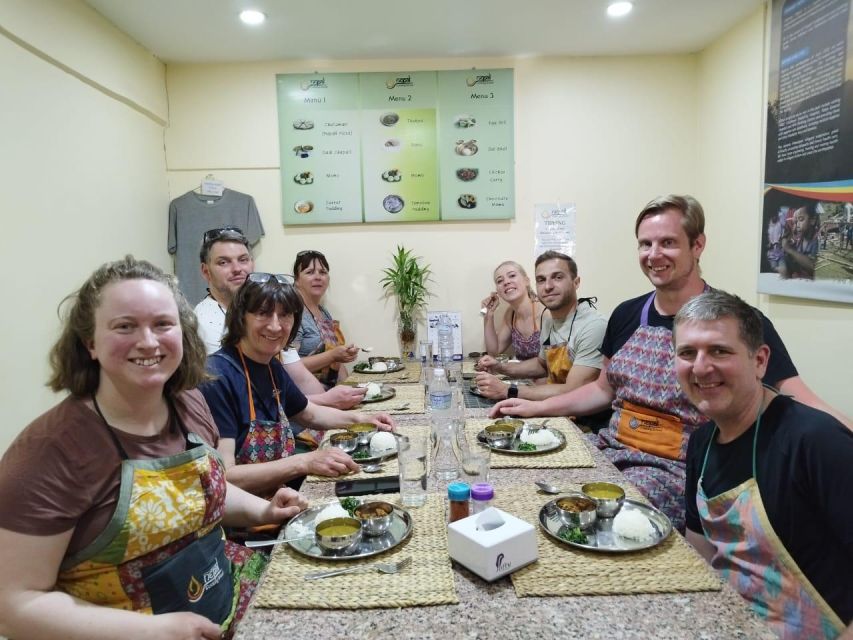
The price includes four courses, and you taste your own cooking. This makes the activity more than a short demonstration followed by a small sample. You should arrive hungry.
Masala tea and drinking water are included. Alcohol is not included, so plan on a nonalcoholic meal unless you arrange something separately. The class supplies the ingredients and cooking equipment, which keeps the experience simple for you. You need to bring only yourself and, if you like, a camera.
The meal is also a useful measure of value. At $21 per person, you receive a three-hour activity, instruction in English, a market visit as planned, four dishes, ingredients, equipment, tea, water, and the food you prepare. In Thamel, that is a fair price for an activity that combines a meal with a cultural lesson.
It is not the right choice if you want a polished restaurant tasting menu or a private chef. This is a participatory class. Some of your time goes into chopping, shaping, stirring, and waiting. That is exactly the point, but it requires more attention than simply sitting down to eat.
Timing: choose among three daily shifts
The school offers three shifts:
- Morning at 9:00 a.m.
- Afternoon at 1:30 p.m.
- Evening at 4:30 p.m.
The advertised duration is three hours, with the class itself described elsewhere as two to three hours. Plan for the full three-hour block so you do not schedule another activity too closely afterward.
The morning shift may suit you if you want to use the rest of the day for sightseeing. The afternoon option works well between other plans, while the evening class can become both a cooking lesson and dinner.
If the market visit matters to you, ask which shift offers the best chance of including it. The available information does not guarantee that every shift follows exactly the same pattern.
What the small-group format changes
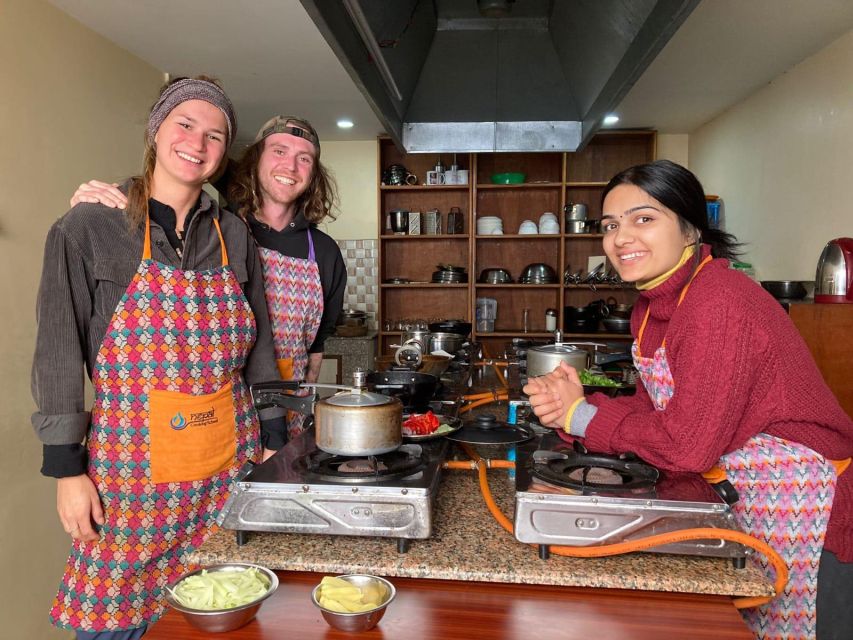
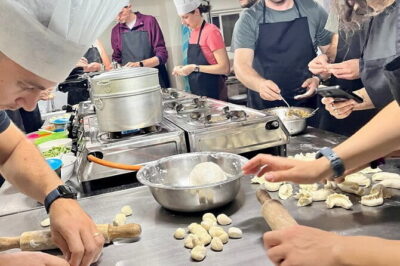
With a maximum of eight participants, the class should feel more personal than a large demonstration. You have a better chance to ask about ingredients, watch the technique closely, and get help when a recipe becomes unfamiliar.
The group size also affects the social side. You may cook alongside couples, solo participants, or small groups, but the class is not private. If you need individual attention for a serious dietary issue or a specific cooking goal, contact the provider before booking.
A small group does not guarantee a quiet or perfectly paced session. Different people cook at different speeds, and some participants may have more kitchen experience than others. Still, the limit of eight gives the instructor a reasonable chance to keep everyone involved.
The market visit: useful, but confirm it
The market stop is one of the most appealing parts of the plan because it connects the recipes to real ingredients. You can see what the cooking school buys and learn what goes into familiar Nepali dishes before you begin cooking.
But this is also the part you should treat with the most caution. One Saturday morning session did not include the market visit. That may have been due to the day, but the reason is not confirmed.
If the market visit is essential, send a question before booking: Is the market open and included for my chosen date and shift? That simple check can prevent disappointment.
You should also avoid assuming that market shopping is a bargain. A spice purchase was described as expensive. The class price and the cost of anything you buy at the market are separate matters.
Who will enjoy this cooking class most
I would recommend this experience to you if you want a hands-on introduction to Nepali food and prefer learning by doing. It suits first-time cooks because the chef provides step-by-step guidance, and it suits confident home cooks because you can ask about ingredients, spice balance, and technique.
It is especially good for:
- Solo visitors who want an easy social activity
- Couples and friends looking for a shared meal
- Food-focused visitors who want more than restaurant tastings
- Anyone curious about momos and Newari dishes
- People who enjoy flexible spice levels
- Visitors staying in or near Thamel
You may want to choose another activity if you need a private class, guaranteed market access, alcohol with your meal, or transportation from outside Thamel. The class is also less suitable if you want a fixed menu with no substitutions or changes.
Booking, cancellation, and practical planning
You can cancel up to 24 hours before the activity for a full refund. The reserve-now, pay-later option also helps if your Kathmandu plans are still shifting.
The class is offered in English. Check the date, shift, meeting point, and duration before confirming. Since pick-up is on foot inside Thamel, allow enough time to reach the meeting location without relying on a vehicle from another part of the city.
Tell the school about allergies and dietary restrictions in advance. Bring a camera if you want photos of the market, ingredients, or finished dishes, but the most useful preparation is simply arriving ready to cook and eat.
Should you book the Nepal Cooking School class?
Book it if you want a friendly, affordable introduction to Nepali and Newari cooking, with enough food to count as a meal and enough instruction to take ideas home. The small group, flexible seasoning, momos on every menu, and patient step-by-step format make it a strong choice at $21.
Go in with one clear expectation: the market visit may not happen on every date, and the menu can vary. Confirm those details if they matter to you. If you can accept that small uncertainty, this class gives you a tasty, practical look at Kathmandu food culture without taking up an entire day.
FAQ
How long does the cooking class last?
The experience lasts about three hours. The class itself is described as taking two to three hours.
What time does the class start?
There are three shifts: 9:00 a.m., 1:30 p.m., and 4:30 p.m. Check availability for your chosen date.
How many people are in the group?
The class is limited to eight participants.
Is the class taught in English?
Yes. An English-speaking cooking instructor leads the class.
How many dishes will I cook?
You will cook four traditional Nepali and Newari dishes. There are three menus, with four dishes on each menu.
Are momos included?
Yes. Momos are included on each of the three menus.
Is a market visit included?
A local market visit is included in the planned experience, but it may not take place on every session. One Saturday morning class did not include the market visit, so confirm this for your date and shift.
Is transportation included?
Pick-up on foot is available within the Thamel area. Pick-up from outside Thamel and private transportation are not included.
Can I cancel for a refund?
Yes. You can cancel up to 24 hours in advance for a full refund.
More Workshops in Kathmandu
- Knife (Khukuri) Making Workshop- Forge of the Gurkhas
★ 5.0 · 143 reviews - The best Private Nepali Cooking Class in Kathmandu
★ 5.0 · 83 reviews - Kathmandu: Traditional Momo Making Class & Pickup
★ 4.8 · 60 reviews - Traditional Nepali Momo Making Classes
★ 5.0 · 53 reviews
More Shopping Tours in Kathmandu
- Kathmandu Food & Drink and Shopping Rickshaw Tour
★ 5.0 · 48 reviews - Kathmandu Food Crawl & Market Tour
★ 5.0 · 8 reviews - Kathmandu: Food, Drink and Shopping Rickshaw Tour
★ 4.7 · 7 reviews
Just added in Kathmandu
- Kathmandu to Chitwan Tour by Tourist Bus – A Convenient and Affordable Way★ 4.0 · 4 reviews
- Changunarayan Hill to Telkot Hike Near Kathmandu Day Tour★ 5.0 · 6 reviews
- Mt Everest Base CampTrek | Budget Package★ 5.0 · 4 reviews
- Chitwan Jungle Safari 3-Day Tour★ 5.0 · 9 reviews
- Chandragiri Hill Station Tour by Cable Car★ 5.0 · 4 reviews
- Chandragiri Hills cable car day trip, private car with driver from Kathmandu★ 5.0 · 8 reviews
- Chandragiri to Taudaha Nature Day Hiking from Kathmandu★ 5.0 · 13 reviews
- Chandragiri Hills Private Tour★ 5.0 · 4 reviews
Nepali Cooking Classes, compared.
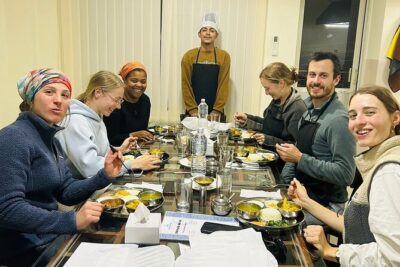
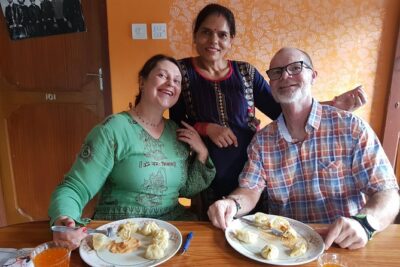
Nepalese Momos or Dal Bhat Cooking Class (Cook with Delight)
Read our review →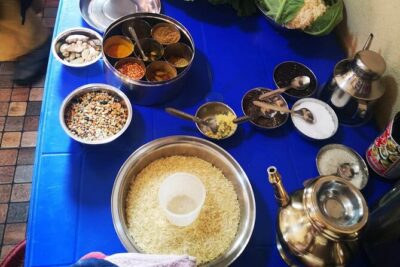
The best Private Nepali Cooking Class in Kathmandu
Read our review →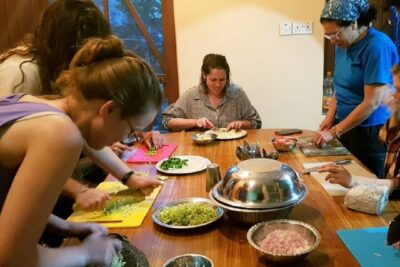
Nepalese Kitchen in Pokhara: Momos or Dal Bhat Cooking Class
Read our review →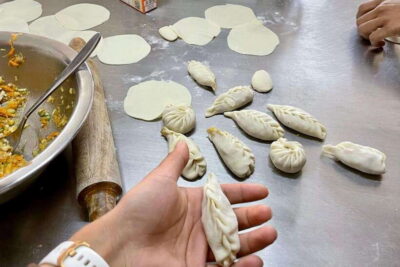
Browse the lists this tour appears in