
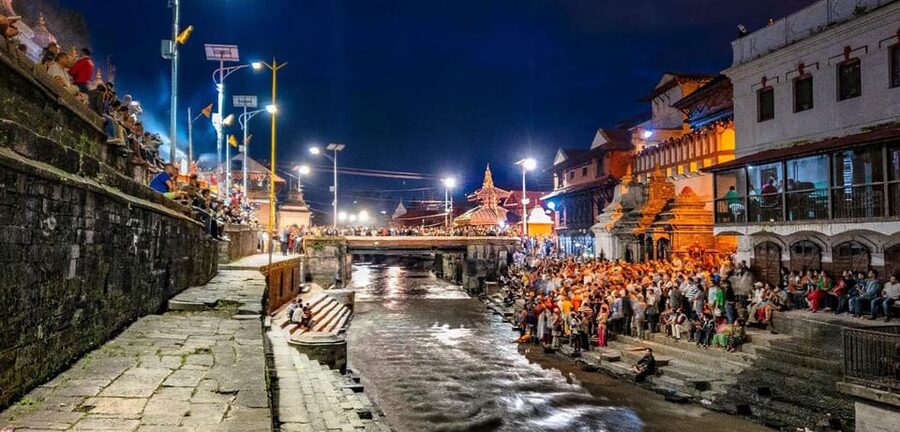
Reviewed · KATHMANDU UNESCO HERITAGE TOURS
Kathmandu: Pashupatinath Temple Evening Aarati Tour
The most moving part of this evening tour is the Bagmati Aarati, when priests raise oil lamps in slow circles beside the river while chants and bhajans fill the air. I like that the tour pairs this ritual with a guided look at Pashupatinath’s wider religious setting, and that private hotel pickup keeps Kathmandu’s traffic from becoming your problem. The main drawback is that non-Hindus cannot enter the central temple, and the NPR 1,000 entrance fee is extra.
I also like the chance to have a guide explain customs that can be hard to read from the sidelines, including the meaning of the lamps, the role of the Bagmati River, and Hindu cremation traditions. On busy evenings, a good guide can help you find a useful place to sit, as Razz did for one visitor on a crowded Saturday. Just keep your wallet firmly in your pocket around temple-area shops, especially when buying rudraksha beads or other religious items.
Key points at a glance
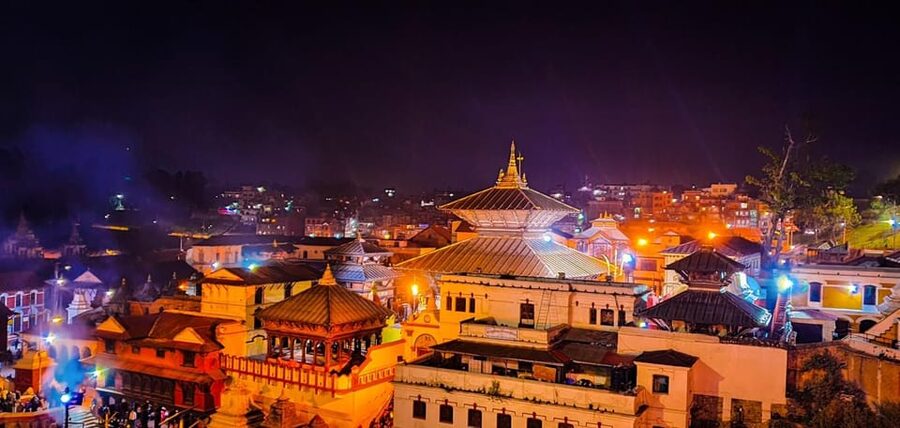
- The Aarati begins around 6:00 to 6:30 PM: The exact start changes with the season, so confirm the day’s timing.
- The ceremony takes place beside the Bagmati River: Non-Hindus watch from the riverbanks rather than entering the main temple.
- Private transport is included: Pickup and drop-off are offered from central Kathmandu, Thamel, or Boudhha.
- The NPR 1,000 monument fee is extra: Bring this entrance charge in addition to the tour price of $22.
- Guides add the needed context: Razz, Raz, Shankar, Ravi, and Rag are among the names connected with recent departures.
- Crowds can be substantial: Arrive early if you want a better view or a place to sit.
Why the evening Aarati matters
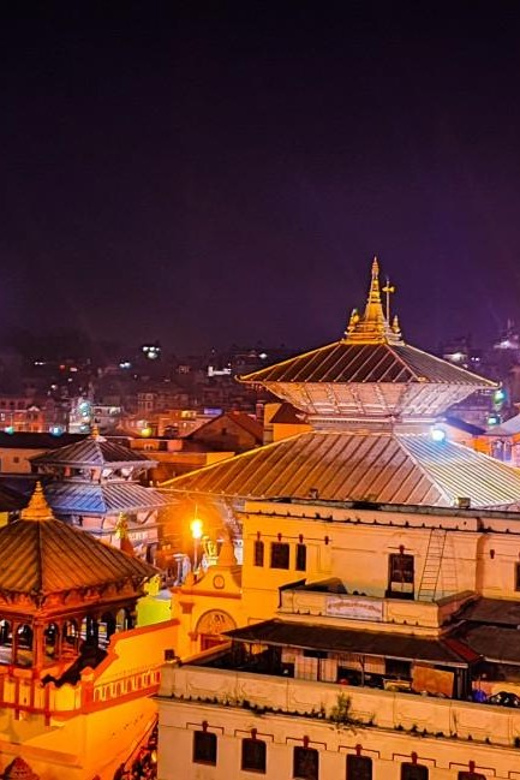
Pashupatinath is one of Nepal’s most important Hindu temple complexes, and the evening ritual gives you a way to see its religious life without treating the site as just another monument. The Bagmati River runs beside the temple area and carries major spiritual meaning. Hindu belief holds that bathing in its water can wash away sins, so the river is not simply a scenic backdrop.
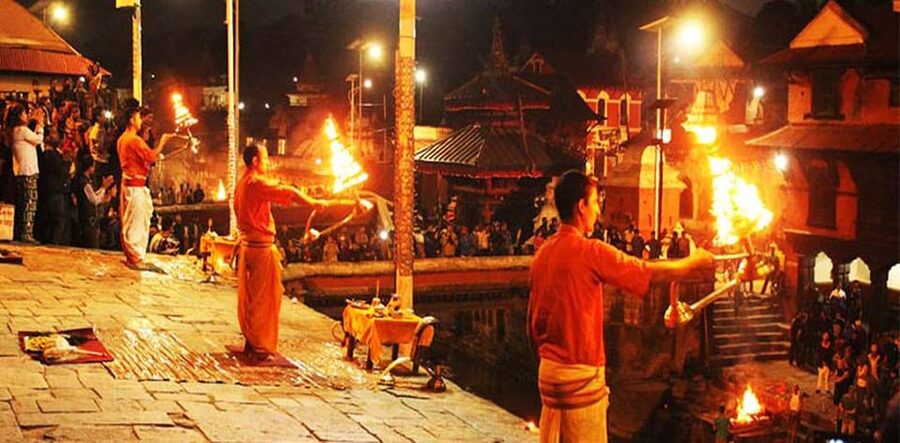
Aarati is a form of worship using light. Priests move oil lamps in circular patterns while reciting sacred words. The motion symbolizes devotion to the divine, and the light is offered in honor of the river and Pashupati, a form of Lord Shiva.
You will also hear bhajans, or devotional songs. The sound can feel soothing, but this is not a quiet museum visit. Incense smoke, chanting, crowds, and the movement of worshippers are all part of the setting. I find that the ceremony makes more sense when a guide explains what is happening as it unfolds, rather than leaving you to guess why the lamps move in a certain way.
The Bagmati Aarati began in 2000 and became a regular tradition in 2006. It now draws large numbers of people, particularly on Mondays, holidays, and festivals such as Maha Shivaratri and Haritalika Teej. The ritual also includes a divine dance called Tandav, associated with Lord Shiva.
More temple and square walks around Kathmandu:
- Private Kathmandu Sightseeing Tour | UNESCO World Heritage sites
★ 5.0 · 756 reviews - Kathmandu: Full Day 7 UNESCO Tour with Lunch – Private/Group
★ 5.0 · 415 reviews - Private Bhaktapur and Nagarkot Day Tour From Kathmandu
★ 5.0 · 305 reviews
Pickup from Thamel, Boudhha, or central Kathmandu
The evening starts with pickup from your hotel in central Kathmandu. You can request service from three main areas: Kathmandu, Thamel, or Boudhha. The private, air-conditioned vehicle is a real advantage here. Kathmandu traffic can be slow and confusing, and a driver who knows the route saves you the effort of arranging a taxi at the busiest time of day.
Hotels outside the city center may cost extra for pickup. Check this before booking if you are staying well beyond central Kathmandu. The tour lasts about three hours, including transport and the visit, but traffic can affect the feel of the schedule.
The ride is not the main attraction, yet it shapes the evening. You are not being dropped at a major religious site and left to sort things out alone. An English-speaking guide accompanies you, explains the setting, and takes you back afterward. Guides named Razz, Raz, Shankar, Ravi, and Rag have been associated with recent departures, although the assigned guide can vary.
The strongest guide reports focus on clear explanations and kind, careful service. Razz is especially praised for explaining Hindu and Buddhist traditions in accessible English, while Shankar helped connect the temple, the gods, the cremation process, and the final Aarati. That matters because the ritual has layers that are easy to miss if you only watch the lamps.
Entering the Pashupatinath temple area
Once you reach Pashupatinath, expect a guided visit lasting much of the three-hour experience. The temple area is both a place of worship and a working religious center, so you may see ceremonies, worshippers, smoke, chanting, and activity connected with death and cremation.
The main temple is restricted to Hindus. If you are not Hindu, you cannot enter the central temple building. This is important to understand before booking. You can still see the evening Aarati from the Bagmati River banks, and the riverfront provides the setting for the main part of the experience.
A guide can explain the role of the temple complex and help you understand what you are seeing without crossing religious boundaries. One recent tour included a close look at cremation traditions before the group finished at the Aarati. That subject is not light entertainment, and you should be prepared for a serious atmosphere. Pashupatinath is a place where worship, daily life, and funeral rites exist side by side.
Dress modestly. Cover your shoulders and knees, and choose clothing that lets you sit or wait comfortably outdoors. Photography is generally allowed, but you should lower your camera during prayers and avoid treating worshippers as scenery. The best approach is simple: watch first, photograph only when it feels respectful, and follow your guide’s advice.
Finding a place beside the Bagmati River
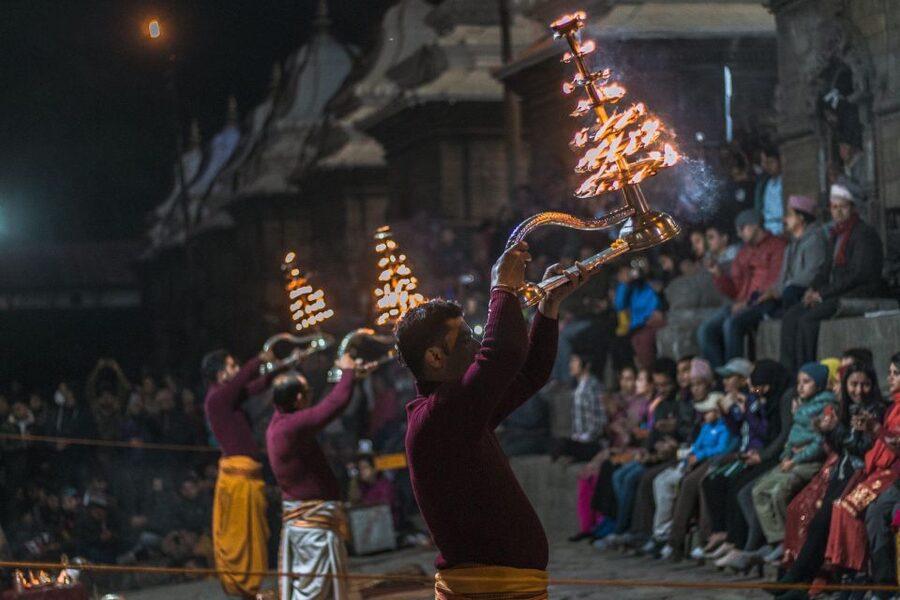
The Aarati usually begins around 6:00 to 6:30 PM, with the exact time shifting by season. Your guide should help you reach the riverbank in time, but crowded evenings can make the wait and seating situation less predictable.
This is where the guide can make a practical difference. Razz helped one person find a place to sit on a packed Saturday evening. That may sound minor, but it changes the experience. A clear view lets you follow the priests’ movements and see how the crowd responds instead of standing behind a wall of people and raised phones.
The riverbank may be especially busy on weekends, Mondays, holidays, and festival days. If you want the best chance of a comfortable viewing place, arriving early is sensible. The tour is not a private ceremony, and the guide cannot remove the crowd or guarantee a front position.
The setting itself carries a mix of beauty and discomfort. Lamps glow against the evening, voices rise in prayer, and the Bagmati gives the ceremony its sacred focus. At the same time, incense smoke can be strong, and the riverfront may feel crowded. You should come ready for a real religious gathering, not a polished stage performance.
Same base, a different kind of day:
- Everest Base Camp Trek – 14 Days
★ 5.0 · 1,499 reviews - Everest Base Camp Helicopter Tour landing at Everest View Hotel
★ 5.0 · 668 reviews - Half day cooking class in Thamel kathmandu
★ 5.0 · 607 reviews - Everest Base Camp Trekking
★ 5.0 · 485 reviews
Watching the lamps, chants, and Tandav
During the Aarati, priests perform worship with oil lamps, moving them in circular motions. The repeated movement is simple but powerful. It gives the ceremony a clear rhythm, especially when joined by chanting and bhajans.
The ritual honors both the holy river and the temple. It also reflects a Hindu belief that the divine exists in all living beings. The closing prayers ask for the well-being of all souls and offer thanks for divine kindness. Your guide can point out these ideas, which help turn a visually striking ceremony into something more meaningful.
The Tandav dance pays homage to Lord Shiva. You might not catch every detail from the riverbank, especially if the crowd is thick, but knowing its connection to Shiva adds another layer to the performance.
I would not expect a silent, solitary moment. The Aarati attracts many people, and the surrounding sound is part of its force. You may hear singing, announcements, movement, and the murmur of the crowd. Some people find this collective participation calming. Others may prefer a quieter religious site. This tour is best for you if you want to observe an active tradition rather than simply admire old architecture.
The value of a $22 private evening tour
At $22 per person, the tour is reasonably priced for a three-hour visit with hotel pickup, private air-conditioned transport, an English-speaking guide, and return service. The value comes less from the ceremony itself, which you could seek out independently, and more from the transport and interpretation.
You must add the NPR 1,000 monument entrance fee per person. Meals, drinks, and personal purchases are also excluded. The final cost is still fairly easy to understand, but do not mistake the advertised price for the full out-of-pocket amount.
A private vehicle is useful in Kathmandu, particularly for an evening appointment when traffic and finding a return ride can be tiring. A private tour also gives you a guide who can answer questions directly instead of competing with a large group.
There is one financial warning. A single poor experience involved a guide allegedly steering a visitor toward an overpriced rudraksha purchase and taking a commission. That complaint does not describe every departure, but it is a good reason to avoid buying religious objects on impulse. Ask the price clearly, compare shops, and do not feel pressured. The tour’s value is in the temple visit and explanation, not shopping.
Timing, clothing, and respectful behavior
Plan to be ready before the pickup window. The Aarati begins around 6:00 to 6:30 PM, but seasonal variation means you should confirm the actual start time for your date.
Wear clothing that covers your shoulders and knees. This is a simple courtesy and helps you avoid being turned away from areas where modest dress is expected. Comfortable clothing is also useful because the viewing area can be crowded and you may spend time standing or sitting outside.
Incense smoke is part of the ceremony. If strong smoke bothers you, be aware that you may notice it along the riverbank. Chanting and devotional music are also constant features of the event.
Photography is generally allowed, but respect the mood. Avoid using a flash in people’s faces, do not interrupt prayers for a picture, and ask your guide when you are unsure. The riverbank is a public viewing area, but it is still a sacred space.
Cancellation is free up to 24 hours before the tour, and you can reserve now and pay later. Those policies are useful if your Kathmandu schedule is still shifting. The activity is offered in English.
Who will enjoy this Pashupatinath experience
I would recommend this tour to you if you want a guided introduction to Hindu worship in Kathmandu and prefer not to arrange evening transport yourself. It suits first-time visitors who want help with context, timing, temple etiquette, and the practical challenge of finding the riverbank.
It is also a good fit if you are interested in the connection between worship and cremation traditions. The visit can be emotionally serious, so prepare yourself for more than lamps and music. You may encounter explanations or views connected with cremations, and the temple area is an active religious site.
You may want to skip it if you are seeking a quiet, private ceremony or dislike crowds, smoke, and devotional singing. Non-Hindu visitors must also accept that the central temple is off limits. You will observe the Aarati from the riverbank rather than entering the main shrine.
A strong guide can make the difference. Recent departures have been led by people including Razz, Raz, Shankar, Ravi, and Rag, with Razz receiving particular praise for his explanations and help with seating. Names are not guaranteed, so book for the structure and setting first, then treat a particular guide as a bonus.
Should you book the evening Aarati tour?
Book it if you want a practical, guided way to see one of Kathmandu’s most important living religious ceremonies. The $22 price is fair once you value the private vehicle, hotel pickup, English explanations, and return service. Just budget for the separate NPR 1,000 entrance fee.
Go with realistic expectations: you will watch from the riverbank if you are not Hindu, the crowd may be large, and the atmosphere can be smoky and intense. Dress modestly, arrive prepared, and be careful with shopping offers. If those conditions suit you, the Pashupati Aarati offers a memorable look at devotion that is active, communal, and firmly connected to everyday religious life.
FAQ
When does the Pashupati Aarati begin?
The evening Aarati usually starts around 6:00 to 6:30 PM. The time can change with the season, so confirm the starting time for your visit.
Can non-Hindus enter the main Pashupatinath Temple?
No. Non-Hindus are not permitted inside the main temple, but they can watch the Aarati from the Bagmati River banks.
Is hotel pickup included?
Yes. Pickup and drop-off by private vehicle are included from central Kathmandu, Thamel, and Boudhha. Hotels outside the city center may require an additional fee.
Is the monument entrance fee included?
No. The monument entrance fee is NPR 1,000 per person and must be paid on the day of the visit.
What should I wear?
Cover your shoulders and knees because Pashupatinath is a sacred Hindu site. Modest clothing is expected.
Is photography allowed during the Aarati?
Photography is generally allowed, but you should remain respectful during the rituals and follow your guide’s advice.
Can I cancel the tour for a full refund?
Yes. You can cancel up to 24 hours in advance for a full refund. You can also reserve now and pay later.
Just added in Kathmandu
- Kathmandu to Chitwan Tour by Tourist Bus – A Convenient and Affordable Way★ 4.0 · 4 reviews
- Changunarayan Hill to Telkot Hike Near Kathmandu Day Tour★ 5.0 · 6 reviews
- Mt Everest Base CampTrek | Budget Package★ 5.0 · 4 reviews
- Chitwan Jungle Safari 3-Day Tour★ 5.0 · 9 reviews
- Chandragiri Hill Station Tour by Cable Car★ 5.0 · 4 reviews
- Chandragiri Hills cable car day trip, private car with driver from Kathmandu★ 5.0 · 8 reviews
- Chandragiri to Taudaha Nature Day Hiking from Kathmandu★ 5.0 · 13 reviews
- Chandragiri Cable Car & Monkey Temple Private Guided Day Tour★ 5.0 · 5 reviews
Kathmandu UNESCO Heritage Tours, compared.
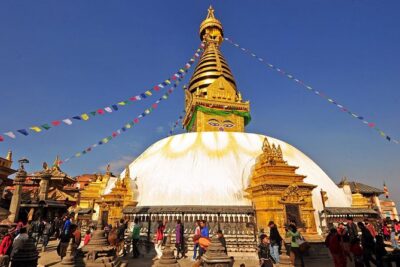
Private Kathmandu Sightseeing Tour | UNESCO World Heritage sites
Read our review →
Full Day 7 UNESCO Tour with Lunch – Private/Group
Read our review →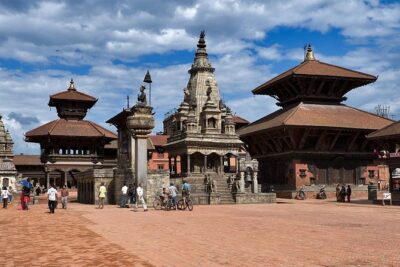
Private Bhaktapur and Nagarkot Day Tour From Kathmandu
Read our review →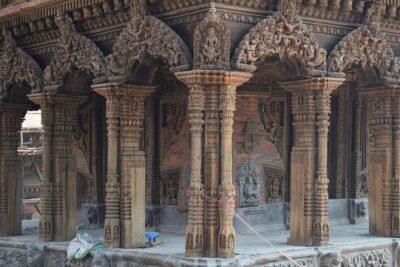
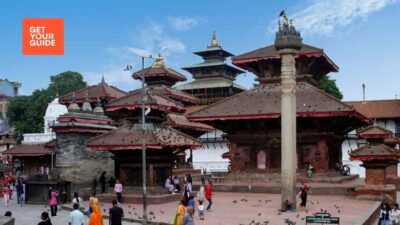

Kathmandu Spiritual Sites: Bodhnath & Pashupatinath Tour
Read our review →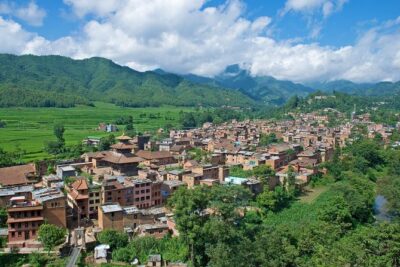
Day Trip to Bhaktapur and Panauti from Kathmandu
Read our review →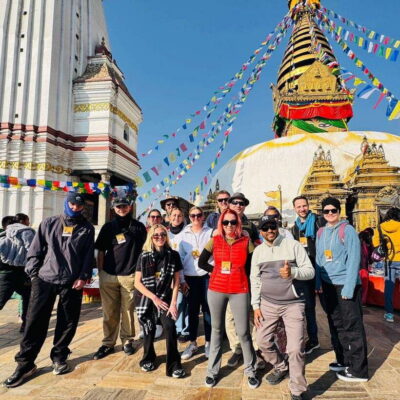
Browse the lists this tour appears in