Reviewed · TOURS IN KATHMANDU
Live like Monk: Stay in the Nomobuddha Monastry
Namobuddha is at its best in the quiet hours: a hill walk from Dhulikhel, the sound of prayer, simple vegetarian food, and a chance to watch daily Buddhist life away from Kathmandu’s traffic. I like the three-hour village hike and the small-group format, capped at 10 people. I also like the care shown by guide Anoj, who explains the monastery, religion, nature, and local life with patience.
The main drawback is important: you may not sleep inside the monastery or meditate directly with monks. Accommodation has been in a nearby guesthouse, and scheduled puja, chanting, or meditation can change without warning. At $294 per person, this is worth considering as a guided cultural retreat, but it is expensive if you expect a full monk-style stay.
Key points to know before booking
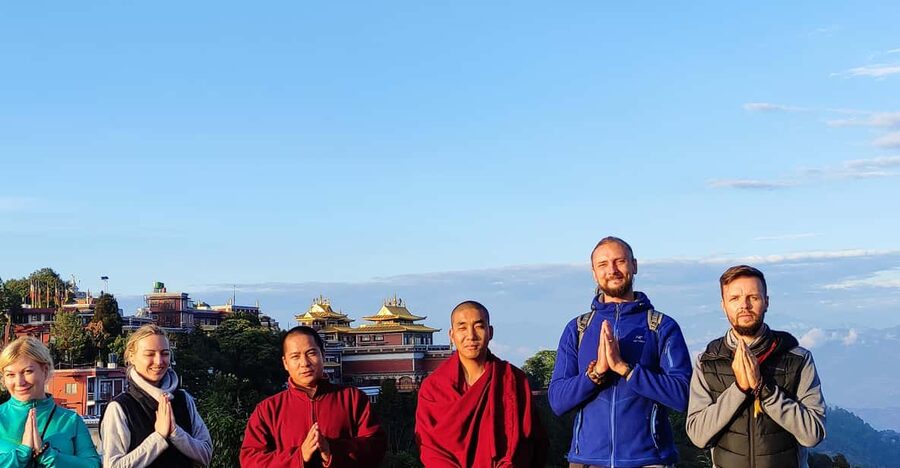
- The walk from Dhulikhel takes about three hours, passing through hills and small local villages before reaching Namobuddha.
- Accommodation may be outside the monastery, in the Old Guest House about 100 meters away or the New Guest House about 400 meters away.
- Prayer sessions are more reliable than hands-on meditation, with morning and late-morning ceremonies possible, but schedules can change.
- Guide Anoj is a major strength, offering help, explanations, and thoughtful care throughout the visit.
- Meals are vegetarian and simple, with breakfast, lunch, and dinner included during the two-night stay.
- The experience suits curious, flexible visitors, not anyone expecting a guaranteed retreat program with fixed spiritual instruction.
The real experience at Namobuddha
This is a peaceful cultural stay in the hills southeast of Kathmandu, but it is not quite the monastic sleepover the title suggests. The program gives you access to the setting, ceremonies, grounds, meals, and stories connected with Namobuddha. Your actual contact with monks may be limited to attending prayer or eating near them.
That difference matters. The advertised program describes daily meditation, chanting, rituals, and participation in monastic practices. In practice, the schedule depends on what is happening at the monastery. At times, a puja or morning prayer is available. At other times, monastery preparations, examinations, or the absence of a senior religious teacher can change what you see.
I would approach this as a quiet introduction to Buddhist life, with some uncertainty built in. You can observe and learn, but you cannot count on a retreat-style program delivered to a fixed timetable.
Other trips people book in Kathmandu:
- Everest Base Camp Trek – 14 Days
★ 5.0 · 1,499 reviews - Private Kathmandu Sightseeing Tour | UNESCO World Heritage sites
★ 5.0 · 756 reviews - Everest Base Camp Helicopter Tour landing at Everest View Hotel
★ 5.0 · 668 reviews
Walking from Dhulikhel to Namobuddha
Your private vehicle collects you in Kathmandu, Lalitpur, or Bhaktapur and takes you to Dhulikhel, roughly 30 kilometers from Kathmandu. From there, the day’s main activity is a hike of about three hours to Namobuddha.
This walk is one of the strongest parts of the experience. Instead of arriving by vehicle and treating the monastery as a quick photo stop, you approach it on foot through hill country and small settlements. You get time to notice the pace of local life and to arrive gradually, with the noise of the city well behind you.
You should be comfortable walking for three hours over hilly ground. The supplied information does not give a detailed trail grade or walking surface, so ask the provider what conditions are expected when you book. Good walking shoes and water are sensible choices, even though meals are provided once you reach the monastery area.
The route also gives the guide room to explain Nepal beyond the religious site. Anoj has been praised for discussing Buddhist ideas alongside Nepal’s nature and local culture. That combination makes the walk more than transport between two points.
The trade-off is time and effort. If you want a quick visit to Namobuddha, this is not the most efficient way to go. If you like reaching a major sight through villages and hills, the hike gives the three-day program much of its character.
Reaching the monastery grounds
After the walk, you check in and have time to rest and look around. The grounds are peaceful, and the setting encourages a slower pace. The plan includes a guided walk around the monastery, with explanations of its architecture, history, and role in Buddhist culture.
Here is the practical correction to keep in mind: accommodation has not consistently been inside the monastery. One room option, called the Old Guest House, is about 100 meters away. The New Guest House may be about 400 meters away. You still spend time at the monastery, but sleeping in a separate building is not the same as living in the monks’ quarters.
The rooms are basic, with twin-sharing arrangements and shared facilities. That simplicity fits the spirit of the program, but it may not suit anyone looking for hotel comfort or privacy. Ask where you will sleep before paying, especially if the exact distance from the monastery matters to you.
The setting is likely to be most rewarding for people who enjoy quiet, early mornings, limited comforts, and a respectful cultural setting. It is less suitable if you need a predictable schedule or want a polished retreat center.
What the Buddhist schedule may really look like
The planned rhythm begins early. A morning prayer or chanting session may take place around 6 a.m., followed by breakfast. A further ceremony may occur around 11 a.m. You may sit and observe the monks’ prayers, and on some departures you may eat near them.
That can be a meaningful experience. Watching a ceremony in its proper setting gives you a better sense of Buddhist practice than a short talk in a city tour. The quiet repetition, shared meal, and early start show how different the day can feel when it is organized around reflection rather than errands and screens.
But do not book this expecting guaranteed meditation instruction from resident monks. The program describes guided meditation and chanting with monks, yet actual access has varied. Some visitors attended puja but did not meditate with monks. Others missed morning puja because the monastery was in an examination period or a senior teacher was away.
This is the biggest communication issue in the experience. The guide may try to find out what is happening, but he cannot control the monastery’s schedule. If a ceremony is especially important to you, ask the operator for confirmation before departure and again when you arrive. Even then, treat it as a possibility rather than a promise.
You should also follow the monastery’s dress and behavior rules. Alcohol and drugs are not allowed. Modest clothing, quiet conduct, and willingness to observe Buddhist customs are essential. You do not need to be Buddhist, but you should be open to mindfulness, compassion, non-violence, and respectful participation.
Same base, a different kind of day:
- Half day cooking class in Thamel kathmandu
★ 5.0 · 607 reviews - Everest Base Camp Trekking
★ 5.0 · 485 reviews - Nagarkot Sunrise View and Day Hiking from Kathmandu
★ 5.0 · 471 reviews - Kathmandu: Full Day 7 UNESCO Tour with Lunch – Private/Group
★ 5.0 · 415 reviews
Food, quiet time, and the simple daily rhythm
Three vegetarian meals per day are included. The food has been described as tasty and fresh, but simple. Breakfast, lunch, and dinner are served through the monastery or guesthouse arrangement, and eating near the monks can be one of the most memorable points of the stay.
Do not expect a restaurant menu or much choice. The value here is in sharing a plain meal in a religious setting, not in culinary variety. If you need extra snacks, special foods, or drinks, those are personal expenses and are not included.
The afternoon is deliberately open. You might spend time in quiet reflection, walk around the grounds, join gardening, or study scripture if the monastery offers those activities. The program does not guarantee a specific activity, so think of this as unstructured time rather than a full schedule of workshops.
I like this part of the design. A silent hour with no sightseeing target can be more useful than another rushed attraction. Still, people who need continuous activities may find the pace slow. Bring patience, and do not arrive expecting every hour to be filled.
Why the guide can make or break the visit
A good guide matters here because the experience depends on context. The buildings, prayers, meal customs, and Buddhist ideas may be unfamiliar. Without explanation, you could watch a ceremony without understanding what you are seeing.
Anoj has been singled out for his kindness, preparation, and care. He has explained the monastery and its surroundings, looked after people who became ill, and tried to find out when religious activities were taking place. His role is especially useful during the walk and the monastery tour.
At the same time, a guide cannot guarantee access to monks or change a cancelled ceremony. That distinction is worth keeping clear. You are paying for private transport, the hike, guiding, meals, lodging, and an attempt to connect you with monastic life. You are not buying a private audience with monks.
The group limit of 10 is helpful. A small group is less disruptive in a religious setting and gives you more room to ask questions. It also makes the hike and transport easier to manage than a large coach excursion.
What $294 includes, and what it does not
The $294 price covers three days and two nights, private transportation from Kathmandu Valley to Dhulikhel, the hike, accommodation on a twin-sharing basis, vegetarian meals, monastery access, guided visits, and transport back to Kathmandu. A guide is included, with his tour expenses covered.
That is a substantial price for a short Nepal experience. The value improves if you want a packaged trip with transport, meals, a guide, and a cultural setting arranged together. It also makes more sense if Anoj’s explanations and support are important to you, since arranging the transfer and hike alone would not provide the same local interpretation.
The value drops if your main reason for booking is direct meditation with monks or a room inside the monastery. Those features are not dependable. The price also feels high if the visit becomes mostly a guesthouse stay, a guided walk, and observation of ceremonies.
Before booking, I would ask three direct questions:
- Where exactly will I sleep, and how far is it from the monastery?
- Which ceremonies are expected during my dates?
- Will meditation be guided by monks, or will I only observe prayer?
Clear answers will help you decide if the program matches your expectations.
Who will enjoy this three-day stay
I would recommend it to you if you like walking, quiet places, simple food, Buddhist culture, and flexible plans. It is especially suitable if you want to slow down after time in Kathmandu and prefer a small group to a standard sightseeing tour.
It also suits visitors who value a guide’s local explanations. Anoj’s support appears to add real value, particularly for the history and religious background of Namobuddha and for practical help during the stay.
You should think twice if you need private rooms, hotel-style amenities, a fixed timetable, or guaranteed meditation. The program asks you to accept uncertainty. A ceremony might be available, or it might not. You might sleep close to the monastery, or farther away in the New Guest House.
The experience is also not ideal if you want a fully active Nepal tour. Much of the second day is built around prayer, meals, quiet time, and walking around the grounds. That is the point, but it is not everyone’s idea of a full holiday.
Booking flexibility and useful practical details
Pickup and return are available in Kathmandu, Lalitpur, and Bhaktapur. The tour is conducted in English, and the group is limited to 10 people.
You can cancel up to 24 hours before the start for a full refund, and the reserve-now-pay-later option gives you some planning flexibility. The booking remains valid for three days from first activation.
Pack clothing that covers the shoulders and knees, comfortable shoes for the three-hour walk, and any personal snacks you may want. Alcohol and drugs are prohibited. Since facilities are basic and shared, speak up about room-sharing needs before departure.
Most important, keep your expectations honest. This is not a guaranteed meditation retreat. It is a guided visit to a Buddhist monastery area, with the possibility of joining or observing religious activities and sharing simple meals nearby.
Should you book the Namobuddha monastery stay?
Book it if you want a peaceful hill walk, a small group, vegetarian meals, Buddhist ceremonies when available, and a guide who can explain what you are seeing. The walk from Dhulikhel, the quiet setting, and Anoj’s care are the strongest reasons to go.
Do not book it solely for the promise of sleeping inside the monastery or meditating with monks every day. Those details have not been dependable. At $294, the tour makes sense only when you value the complete package and can accept a flexible religious schedule.
My advice is to confirm the guesthouse location and ceremony timetable before paying. If the operator gives clear answers and you are comfortable with basic lodging, this can be a thoughtful three-day pause in Nepal. If you want certainty, privacy, and a formal meditation course, choose a different retreat.
FAQ
How long does the Namobuddha monastery experience last?
It lasts three days and includes two nights of accommodation.
Where does the tour begin?
Pickup is available from Bhaktapur, Kathmandu, or Lalitpur.
How do I reach Namobuddha?
The tour provides private transport to Dhulikhel, followed by a hike of about three hours to Namobuddha.
Where will I sleep?
Accommodation is twin-sharing and may be in the Old Guest House about 100 meters from the monastery or the New Guest House about 400 meters away. The supplied information does not guarantee a room inside the monastery.
Are meals included?
Yes. Breakfast, lunch, and dinner are included each day during the stay, and the meals are vegetarian.
Will I meditate with resident monks?
Meditation and chanting are part of the planned program, but direct meditation with monks is not guaranteed. You may instead observe prayer or puja sessions.
What religious activities might I attend?
Possible activities include morning chanting or prayer around 6 a.m., another session around 11 a.m., guided meditation, and monastery rituals. The schedule can change.
Is the tour conducted in English?
Yes. The tour includes an English-speaking guide.
Can I cancel for a refund?
Yes. You can cancel up to 24 hours in advance for a full refund.
Just added in Kathmandu
- Luxury Everest Base Camp Trek -11 Days★ 5.0 · 7 reviews
- 14 Days Everest Base Camp Trek★ 5.0 · 7 reviews
- Everest Base Camp Helicopter Tour★ 5.0 · 3 reviews
- Everest Base Camp Helicopter Tour★ 5.0 · 17 reviews
- Everest Base Camp Helicopter Tour★ 5.0 · 11 reviews
- Everest Base Camp Heli Tour★ 5.0 · 15 reviews
- Everest Base Camp Helicopter Tour with Stop at Everest View Hotel★ 5.0 · 19 reviews
- Everest Base Camp Helicopter Tour★ 5.0 · 4 reviews
Tours in Kathmandu, compared.
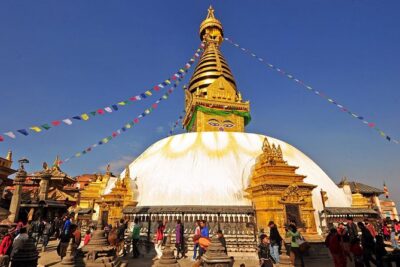
Private Kathmandu Sightseeing Tour | UNESCO World Heritage sites
Read our review →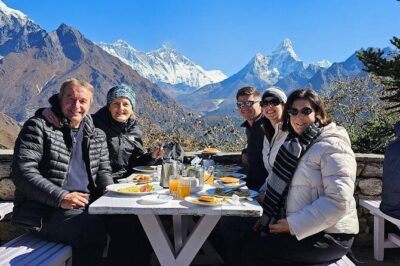
Everest Base Camp Helicopter Tour landing at Everest View Hotel
Read our review →
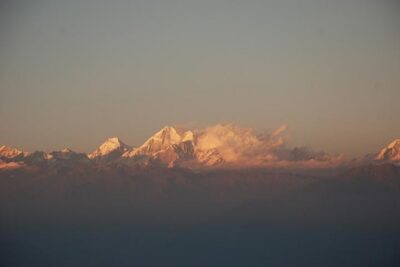
Nagarkot Sunrise View and Day Hiking from Kathmandu
Read our review →
Full Day 7 UNESCO Tour with Lunch – Private/Group
Read our review →