
Reviewed · KATHMANDU UNESCO HERITAGE TOURS
Bhaktapur Durbar Square and Boudhanath Stupa
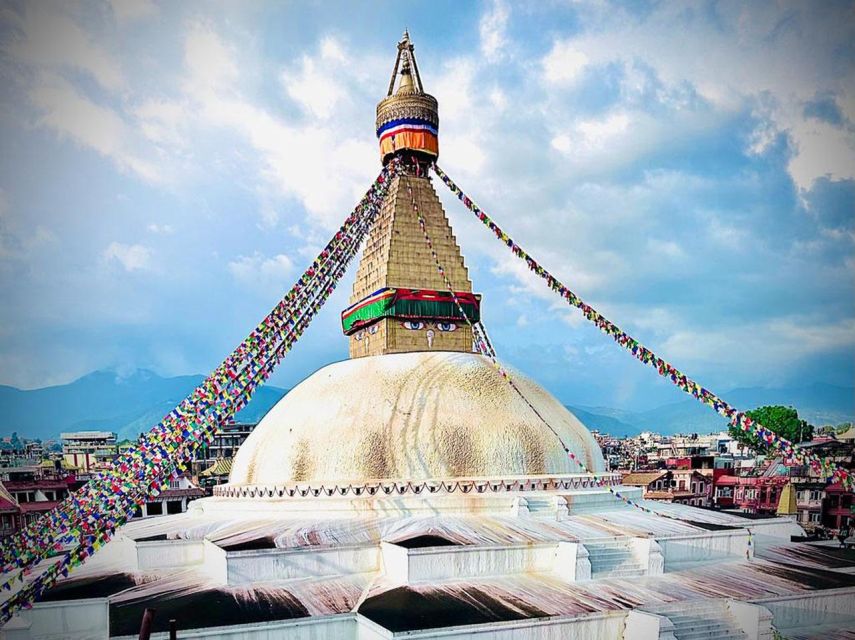
Boudhanath Stupa and Bhaktapur Durbar Square show two very different sides of Kathmandu Valley in one manageable outing. At Boudha, you walk with pilgrims around one of Nepal’s great Buddhist centers. In Bhaktapur, you follow old brick lanes past pagoda temples, palace courtyards, pottery, woodwork, and homes filled with Newari detail.
I like the private car and guide, which save you from sorting out Kathmandu traffic and help connect the sights to daily life. I also like the chance to see working craft shops, not just grand monuments. Guides such as Prakriti and Bijay have been praised for clear explanations, kind service, good photos, and local suggestions.
The main caution is time. Five hours is enough for a useful introduction, but not a slow, complete exploration of either place. Heritage entrance tickets, food, and personal purchases cost extra, so the $60 price is best judged as a transport-and-guiding package rather than an all-inclusive day out.
Key points at a glance
- Boudhanath first: Spend about 80 minutes walking around the stupa, watching kora, prayer wheels, monasteries, and Tibetan religious life.
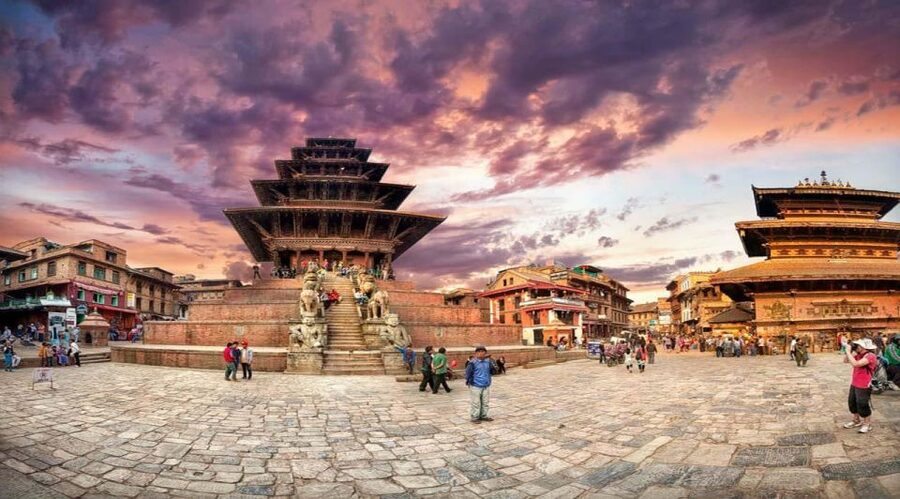
- Bhaktapur’s Newari streets: Allow about 90 minutes for Durbar Square, nearby lanes, temples, workshops, photos, and shopping.
- Private transport: Hotel pickup and drop-off in Kathmandu are included, with a car for your group rather than a shared coach.
- Guides make the difference: Prakriti and Bijay received especially warm praise for their history, local knowledge, kindness, and help with photographs.
- Extra costs matter: Heritage-site tickets, meals, and personal expenses are not included in the $60 price.
- Useful for a short stay: The half-day format works well after a morning arrival or when you want to keep the rest of the day open.
Two great Kathmandu Valley sights, one short outing
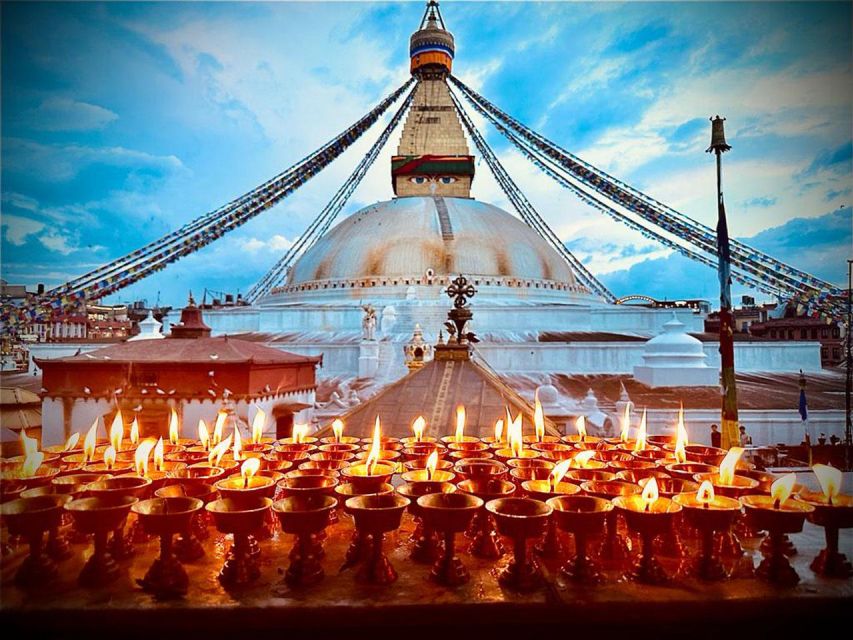
This tour links Boudhanath and Bhaktapur, two places that feel quite unlike central Kathmandu. Boudha is centered on Buddhist worship and the Tibetan community. Bhaktapur is an old Newari city known for its temples, palace squares, craft traditions, and finely carved buildings.
That contrast gives the tour its purpose. You are not simply checking off two monuments. You are seeing how faith, architecture, trade, and skilled handwork shaped life in the valley.
The order begins at Boudhanath and then moves to Bhaktapur. That makes sense for the mood of the day. Boudha offers a calm start, while Bhaktapur adds more street activity, shopping, workshops, and close views of carved buildings.
The tour lasts five hours, including driving between Kathmandu, Boudha, and Bhaktapur. The scheduled sightseeing time is about 80 minutes at Boudhanath and 90 minutes at Bhaktapur, so you should think of this as an introduction, not a full-day study of both sites.
More temple and square walks around Kathmandu:
- Private Kathmandu Sightseeing Tour | UNESCO World Heritage sites
★ 5.0 · 756 reviews - Kathmandu: Full Day 7 UNESCO Tour with Lunch – Private/Group
★ 5.0 · 415 reviews - Private Bhaktapur and Nagarkot Day Tour From Kathmandu
★ 5.0 · 305 reviews
Walking the great circle at Boudhanath
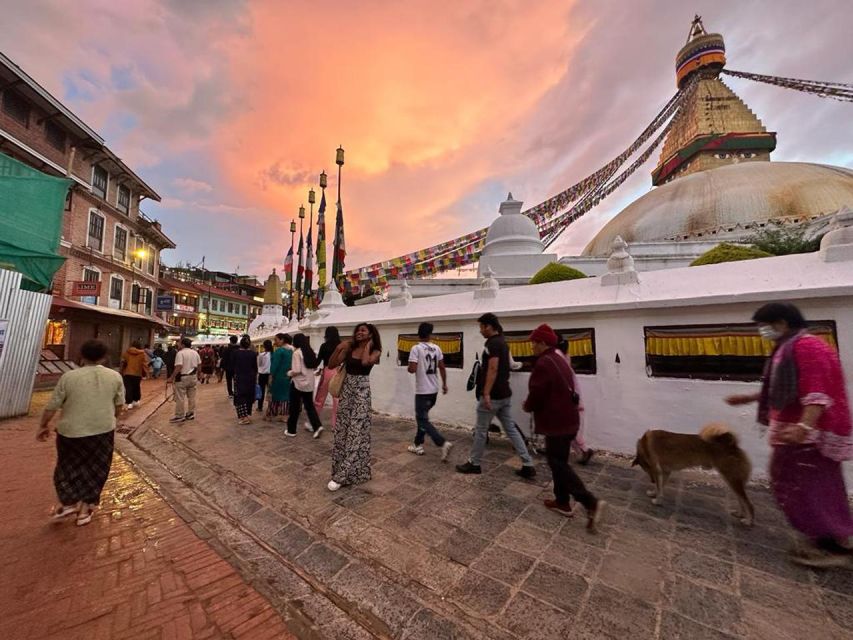
Boudhanath Stupa is the spiritual heart of the first stop. Your guide takes you around the huge white dome and explains what you are seeing as pilgrims perform kora, the ritual act of walking around the stupa.
You will see people turning prayer wheels, murmuring mantras, carrying offerings, and moving at different speeds around the circular path. The experience is active but not hurried. It is a place where the religious purpose remains clear, even with shops, cafés, monasteries, and photographers nearby.
Give yourself time to notice the details. Prayer flags stretch above the surrounding buildings, while Tibetan monasteries and religious shops frame the stupa. Incense, paintings, ritual objects, and other items appear in the local market. The guide can help you understand which objects are decorative souvenirs and which have a place in Buddhist practice.
The scheduled visit is 80 minutes. That should allow a walk around the stupa, a guided explanation, photographs, and a little time to look through the market. If you like to sit quietly, watch pilgrims, or shop carefully for a thangka painting or incense, you may find the time goes quickly.
Boudha is also a good place to practice respectful sightseeing. Walk in the same direction as the kora, avoid blocking worshippers, and ask before photographing people at close range. The site works best when you treat it as a living place of worship rather than a backdrop.
Why the Tibetan community adds value
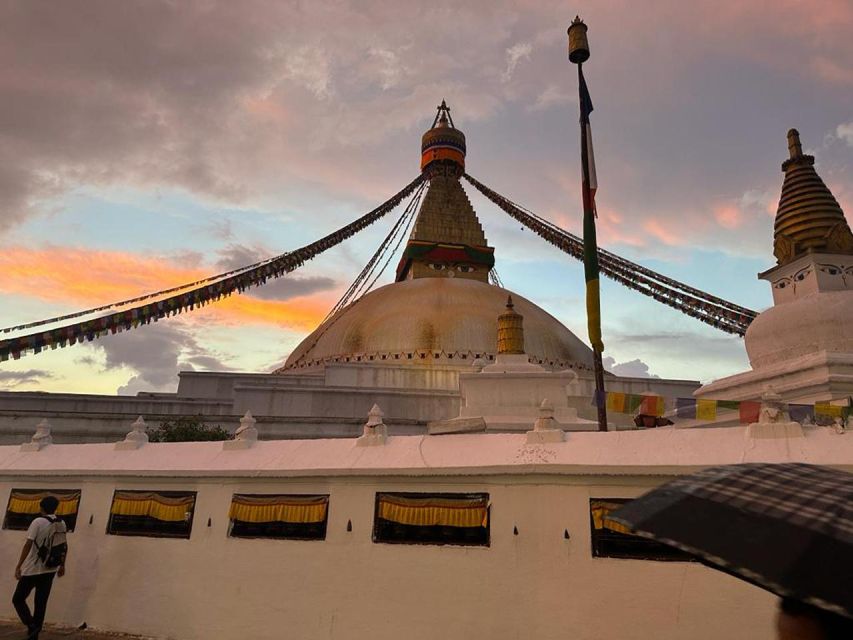
The Boudhanath stop is more than a large monument. It introduces you to the Tibetan community that gives the area much of its character. Your guide can point out monasteries, prayer flags, religious objects, and the daily rhythm around the stupa.
That context matters. Without it, you might see only a striking white dome and a ring of buildings. With it, the turning wheels, repeated mantras, and clockwise walking begin to make sense as parts of a continuing religious practice.
The market can also make the stop more personal. You might find incense, Tibetan artifacts, and thangka paintings, though the tour does not include shopping credit or personal purchases. If you want to buy something, set a spending limit before you start and ask your guide for help understanding what you are considering.
Boudha is the quieter half of the tour, but it is not necessarily silent. The area has traffic, shops, and visitors. The calm comes from the repeated ritual around the stupa, not from isolation.
Entering Bhaktapur through its old streets
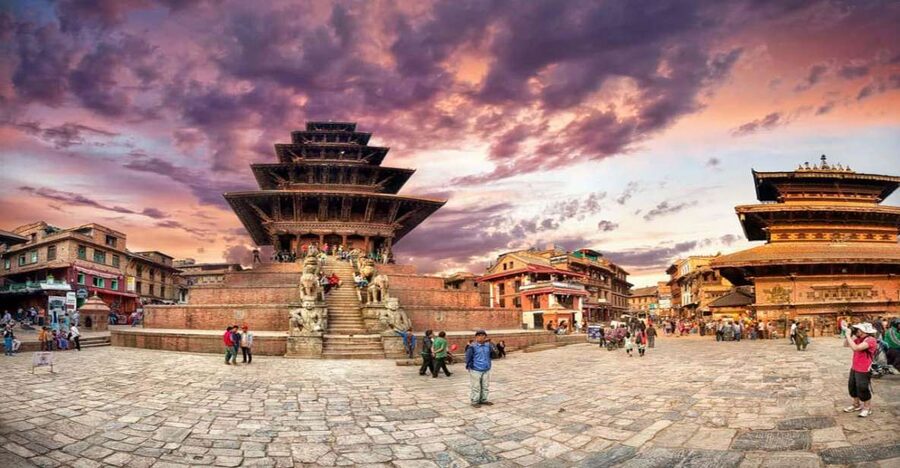
The second stop is Bhaktapur Durbar Square, a UNESCO-listed historic area filled with Newari architecture. You walk through old streets and courtyards with a guide who explains the city’s role during the Malla period, when Bhaktapur was an important center for art, architecture, and trade.
The most rewarding part is the close view of workmanship. Pagoda temples, palace buildings, windows, doorways, and shrines carry layers of wood carving and brick detail. A guide helps you spot features you could easily miss if you were walking alone.
The scheduled time here is about 90 minutes. You should have time for the principal square, nearby alleys, photographs, some free time, and a little shopping. The experience is not limited to the main open space. The old lanes are part of the attraction, especially where you can see local workshops and ordinary streets rather than only restored monuments.
The city’s Newari identity is also expressed through food and craft. One guide bought a guest a yogurt treat, and you may have the chance to sample a local delicacy, although food is not included in the tour price. You can also look for pottery, woodwork, and paper-making workshops.
These working spaces are valuable because they show that Bhaktapur is not only an architectural museum. Its traditions continue through hands-on work. Still, workshop visits can depend on timing and local access, so treat them as a likely part of the guiding experience rather than a guaranteed private demonstration.
Same base, a different kind of day:
- Everest Base Camp Trek – 14 Days
★ 5.0 · 1,499 reviews - Everest Base Camp Helicopter Tour landing at Everest View Hotel
★ 5.0 · 668 reviews - Half day cooking class in Thamel kathmandu
★ 5.0 · 607 reviews - Everest Base Camp Trekking
★ 5.0 · 485 reviews
Workshops, homes, and the best photo stops
A good guide changes how you experience Bhaktapur. One guest described visiting pottery, woodworking, and paper-making workshops, as well as a private home filled with antiques. Those details point to the tour’s strongest feature: access to local context beyond the famous square.
You may also get help finding strong picture spots. Cynthia specifically praised the guide’s eye for photographs and the ability to take group pictures. That is useful in Bhaktapur, where narrow lanes, carved windows, temple roofs, and busy courtyards can make it hard to frame a shot while also paying attention to where you are walking.
If photography matters to you, tell the guide early. You can ask for time at the most detailed doorways, courtyards, and streets. The tour includes free time, but the schedule remains short, so mention your priorities before the walk gets underway.
Bhaktapur is not polished into a single picture-perfect setting. Roads, shops, daily work, and historic buildings share the same space. That mix is part of the appeal, but it also means you should expect uneven walking surfaces and an active town rather than a quiet monument.
What the guides add to the day
The company provides a licensed private guide who speaks English. The individual guide can vary, but Prakriti and Bijay are named in the available experience details.
Prakriti was praised for kindness and broad understanding of the sites and Nepal. Another guest spelled the name Parkriti, so you may want to confirm your guide’s name when the pickup is arranged. Bijay was noted for his friendly manner, explanations, help with photos, local treats, and ability to introduce less obvious parts of Bhaktapur.
That personal connection is important here. Boudhanath and Bhaktapur both reward questions. Ask why people walk around the stupa, how a prayer wheel is used, what a carving represents, or how the Malla rulers shaped Bhaktapur. A private format gives you more room to guide the conversation toward your interests.
One guest also described meeting Karma, a friend of Bijay, and later spending time in Kathmandu’s nightlife. That extra evening arrangement is not part of the stated tour, so do not book this experience expecting nightlife or additional activities. It does show that the guides may be helpful with local ideas beyond the formal sightseeing period.
The most consistent strengths are personal attention, good timing, and clear explanations. The main variable is the exact guide assigned to you. Confirm the pickup details and guide name when the operator calls.
Is $60 a fair price?
The price is $60 per person. It includes hotel pickup and drop-off in Kathmandu, a private car, and a professional licensed English-speaking guide.
It does not include entrance tickets to heritage sites, food, or personal expenses. That distinction is important. Your final cost will be higher than the advertised rate if site tickets and meals are needed, and Bhaktapur’s shops can make personal spending tempting.
For a solo visitor, the price may feel high compared with arranging a local taxi and paying for entry independently. You would also lose the guide’s explanations, route planning, and help with workshops and photographs.
For two or more people, the private format becomes easier to justify because the transport and guiding cost is shared. You also avoid the uncertainty of negotiating several taxi rides in Kathmandu traffic.
The value is strongest if you want a smooth half-day with personal guidance. It is weaker if you prefer to wander alone, spend several hours at one site, or keep costs as low as possible.
Timing, pickup, and practical comfort
Pickup and drop-off are included in Kathmandu. The driver or guide will call to confirm the pickup and collect you at the designated location. You can return to your hotel or another central spot, which is useful if you want to continue exploring after the tour.
The five-hour format works well for a half-day plan. It was also described as suitable for people who arrive in Nepal in the morning and want an afternoon activity. Keep in mind that Kathmandu traffic can affect how much walking time remains, even though the stated duration is five hours.
Wear shoes suitable for walking through old streets and temple areas. The tour is listed as wheelchair accessible, but the historic lanes, courtyards, and workshop areas may vary in surface and ease of movement. If you use a wheelchair, confirm the exact route with the operator before departure.
Bring money for heritage tickets, food, and shopping. You may also want space in your day for a snack or short pause, though meals are not part of the package.
Free cancellation is available up to 24 hours before the tour for a full refund. You can also reserve now and pay later, which helps if your Kathmandu plans are still shifting.
Who should book this half-day tour?
I would recommend it to first-time visitors who want an efficient introduction to two major cultural sites. It suits people who value explanation, prefer private transport, and want the freedom to ask questions rather than follow a large group.
It is especially good for photographers, couples, families, and short-stay visitors. The guide’s help with group photos and local picture spots is a practical bonus, while the private car makes the day easier for people who do not want to manage Kathmandu’s roads themselves.
It also suits anyone curious about living traditions. Boudha gives you Buddhist ritual and Tibetan community life. Bhaktapur adds Newari design, crafts, food, and old urban streets.
I would hesitate to recommend it to you if your main goal is a slow, detailed study of Bhaktapur or Boudhanath. The two stops are packed into one outing, and the sightseeing periods are limited. Independent visitors who already know the valley may prefer to spend a full day at one site.
Should you book Bhaktapur and Boudhanath?
Book this tour if you want a well-organized private introduction to Kathmandu Valley culture, especially during a short stay. The combination is strong: Boudha offers a living Buddhist center, while Bhaktapur gives you carved architecture, Newari streets, workshops, and shopping.
The $60 price is reasonable when you value a private car, hotel pickup, and a licensed guide, but remember to add entrance tickets and personal spending. Ask for the guide’s name at confirmation, mention whether photographs or craft workshops matter most to you, and keep your schedule flexible enough for traffic.
If you want to see the two sites without handling transport and interpretation yourself, this is a practical choice. If you want long, unhurried visits, book separate outings instead.
FAQ
How long does the tour last?
The tour lasts five hours, including pickup, transportation, sightseeing, and drop-off in Kathmandu.
What places do I visit?
You visit Boudhanath Stupa in Kathmandu and Bhaktapur Durbar Square.
How much time is scheduled at Boudhanath Stupa?
The Boudhanath visit lasts about 80 minutes and includes a guided walk, sightseeing, and time for photographs.
How much time is scheduled at Bhaktapur Durbar Square?
The Bhaktapur visit lasts about 90 minutes and includes a guided visit, free time, sightseeing, shopping, and walking.
Is transportation included?
Yes. Hotel pickup and drop-off in Kathmandu and a private car are included.
Are entrance tickets and food included?
No. Heritage-site tickets, food, and personal expenses are not included in the $60 price.
Can I cancel the tour or pay later?
Yes. You can cancel up to 24 hours in advance for a full refund, and you can reserve now and pay later.
Just added in Kathmandu
- Kathmandu to Chitwan Tour by Tourist Bus – A Convenient and Affordable Way★ 4.0 · 4 reviews
- Changunarayan Hill to Telkot Hike Near Kathmandu Day Tour★ 5.0 · 6 reviews
- Mt Everest Base CampTrek | Budget Package★ 5.0 · 4 reviews
- Chitwan Jungle Safari 3-Day Tour★ 5.0 · 9 reviews
- Chandragiri Hill Station Tour by Cable Car★ 5.0 · 4 reviews
- Chandragiri Hills cable car day trip, private car with driver from Kathmandu★ 5.0 · 8 reviews
- Chandragiri to Taudaha Nature Day Hiking from Kathmandu★ 5.0 · 13 reviews
- Chandragiri Cable Car & Monkey Temple Private Guided Day Tour★ 5.0 · 5 reviews
Kathmandu UNESCO Heritage Tours, compared.
Private Kathmandu Sightseeing Tour | UNESCO World Heritage sites
Read our review →
Full Day 7 UNESCO Tour with Lunch – Private/Group
Read our review →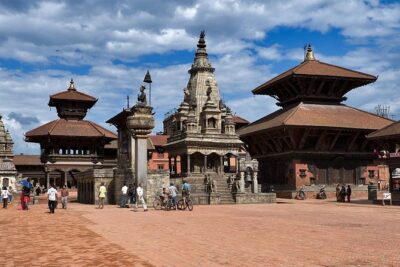
Private Bhaktapur and Nagarkot Day Tour From Kathmandu
Read our review →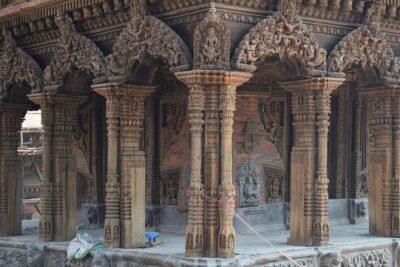
Kathmandu Spiritual Sites: Bodhnath & Pashupatinath Tour
Read our review →
Day Trip to Bhaktapur and Panauti from Kathmandu
Read our review →
Browse the lists this tour appears in